Gray Catbird and its red undertail coverts

Photo by Chris Bosak A Gray Catbird perches on a branch at Selleck's Woods in Darien, Conn., May 2014.

Photo by Chris Bosak
A Gray Catbird perches on a branch at Selleck’s Woods in Darien, Conn., May 2014.

The Gray Catbird is very aptly named because, well, it’s mostly gray and often sounds like a cat. I say mostly gray because it has a small black cap on its head and has rusty red undertail coverts. That red patch is not seen very often and many casual observers of birds probably don’t even know the Gray Catbird has that patch of red.

Undertail coverts are the area of a bird under the tail and behind the legs. The photo above shows this catbird’s patch of rusty red.

With the spring migration season starting to wind down, much of New England will be left with only its breeding birds to watch for a few months. Thankfully, the charismatic Gray Catbird is among them.

Click “continue reading” for a catbird’s closeup.

Continue reading

The robins have hatched! Most of them anyway

Right outside my front door is this American Robin nest. I’ve been checking it for the last couple weeks.
Finally this afternoon, there are little babies, with one more to go.
Here’s an iPhone photo of the youngins.

20140521-184651-67611064.jpg

The brighter side of starlings

Photo by Chris Bosak European Starling visits feeding station in May, 2014.

Photo by Chris Bosak
European Starling visits feeding station in May, 2014.

Yes, European Starlings are overpopulated, outcompete native species for nesting sites, take over birdfeeding stations, destroy crops and really don’t belong in the United States in the first place, but … they sure can be a handsome bird in the breeding season, especially if the light hits them just right.

Starlings look markedly different from one season to the next. Their breeding plumage, seen above, features an array of dots, lines and colors, such as green, purple, blue and, of course, black.

I don’t often have good things to say about European Starlings, but this visitor to my feeder this morning at least temporarily softened my stance.

The story about how starlings ended up in the United States in the first place is very interesting. Here it is, from Wild Birds Unlimited:

“The European Starling was introduced into North America when the “American Acclimatization Society” for European settlers released some 80-100 birds in Central Park (New York City) in 1890-91. The head of this particular organization, Eugene Scheiffelin, desired to introduce all birds ever mentioned in the works of William Shakespeare.”

Read more by clicking here.


The app so many birders have been waiting for

BirdGenie logo

BirdGenie logo

The folks at Princeton University Press have done it. I’ve been being asked for years whether an app existed that can identify bird calls and songs. Later this spring, BirdGenie will be launched by Princeton University Press — hopefully in time for the New England warbler season.

I can’t offer a review of the product since it hasn’t been launched yet, but that will come soon enough. For now, see the press release below from Princeton Unive Continue reading

Purple Martins arrive in New England

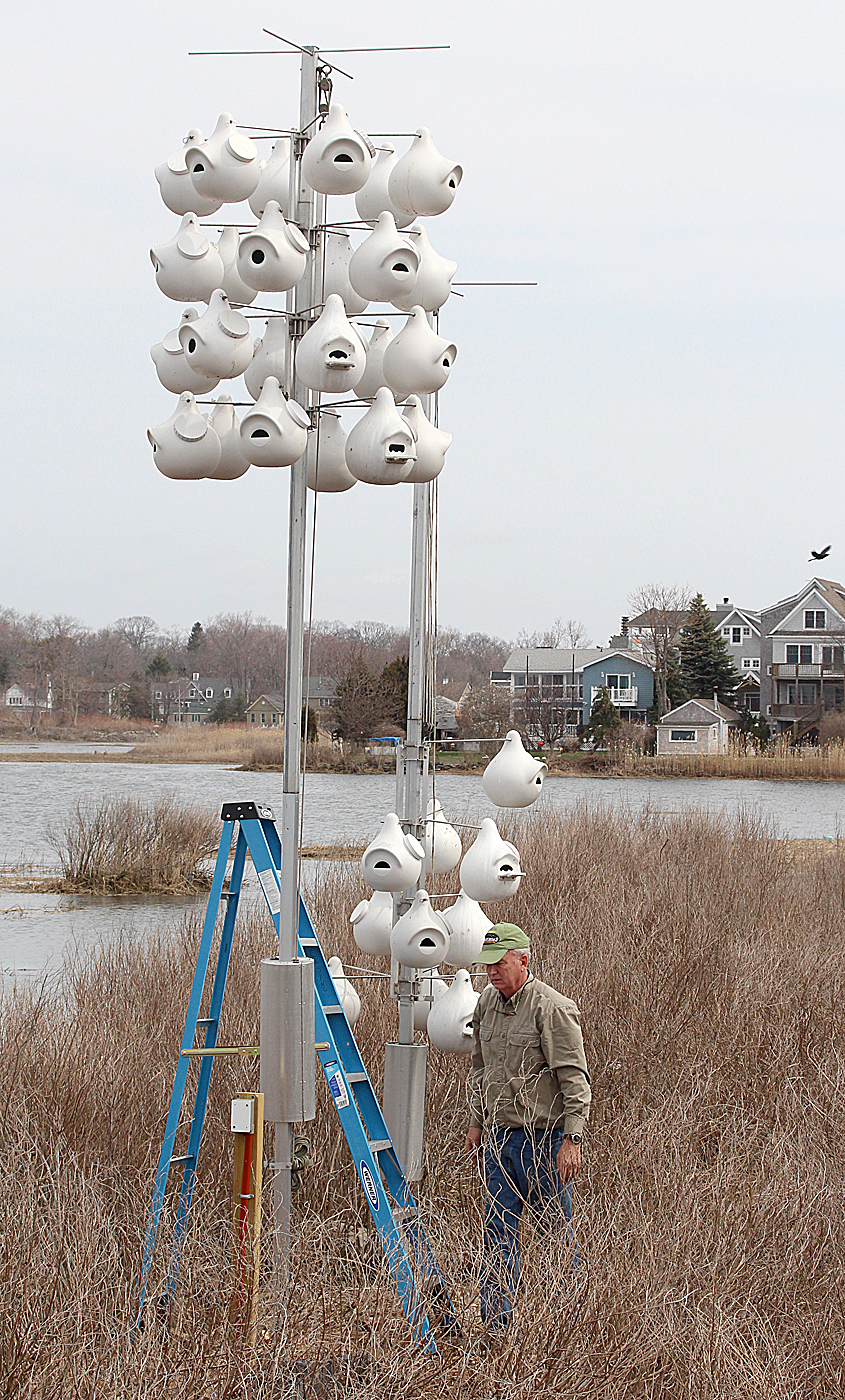
Contributed photo Milan Bull, Senior Director of Science and Conservation at Connecticut Audubon, sets up the Purple Martin gourds at the Coastal Center at Milford Point on Monday, April 14, 2014.

Contributed photo
Milan Bull, Senior Director of Science and Conservation at Connecticut Audubon, sets up the Purple Martin gourds at the Coastal Center at Milford Point on Monday, April 14, 2014.

It’s Purple Martin season in New England! Last week I ran into David Winston and Patrick Duggan putting up the Purple Martin gourds at Cove Island Park in Stamford. On Monday, after finishing my volunteer Piping Plover monitoring duties at the Coastal Center at Milford Point (CT), I ran into Milan Bull of Connecticut Audubon putting up the gourds there.

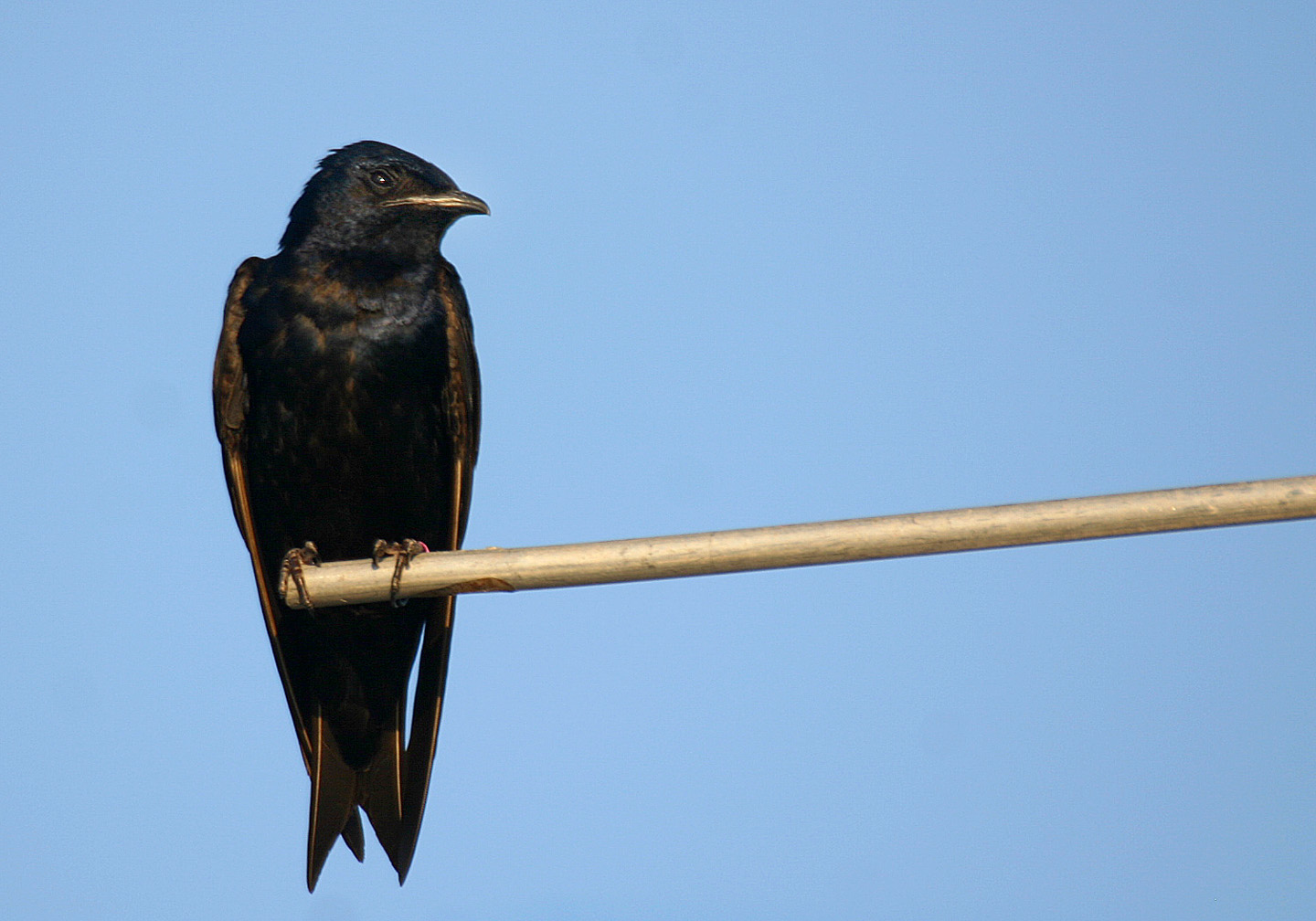
Purple Martin at Cove Island in Stamford.

Purple Martin at Cove Island in Stamford.

The Purple Martins had already arrived and many perched on the poles as Milan worked underneath to get the gourds ready. I even got my hands dirty and helped him out a bit (of course, he was nearly done by the time I got there.)

Purple Martins will return to the same site year after year, so if you were successful in getting Purple Martins last year, get your gourds or houses up soon. If you were not successful last year, or are trying for the first time this year, you can get the houses up now, or wait a few weeks. Younger birds seeking to start a new colony will arrive throughout the next several weeks, or even months. Just keep an eye on the gourds or houses for House Sparrows. Remove the nests if House Sparrows take up residence.

I’m far from an expert in attracting Purple Martins, so for more detailed information about Purple Martins, I’ll refer you to this site: http://www.purplemartin.org/

Thanks for visiting http://www.birdsofnewengland.com

Mourning Dove sitting on nest

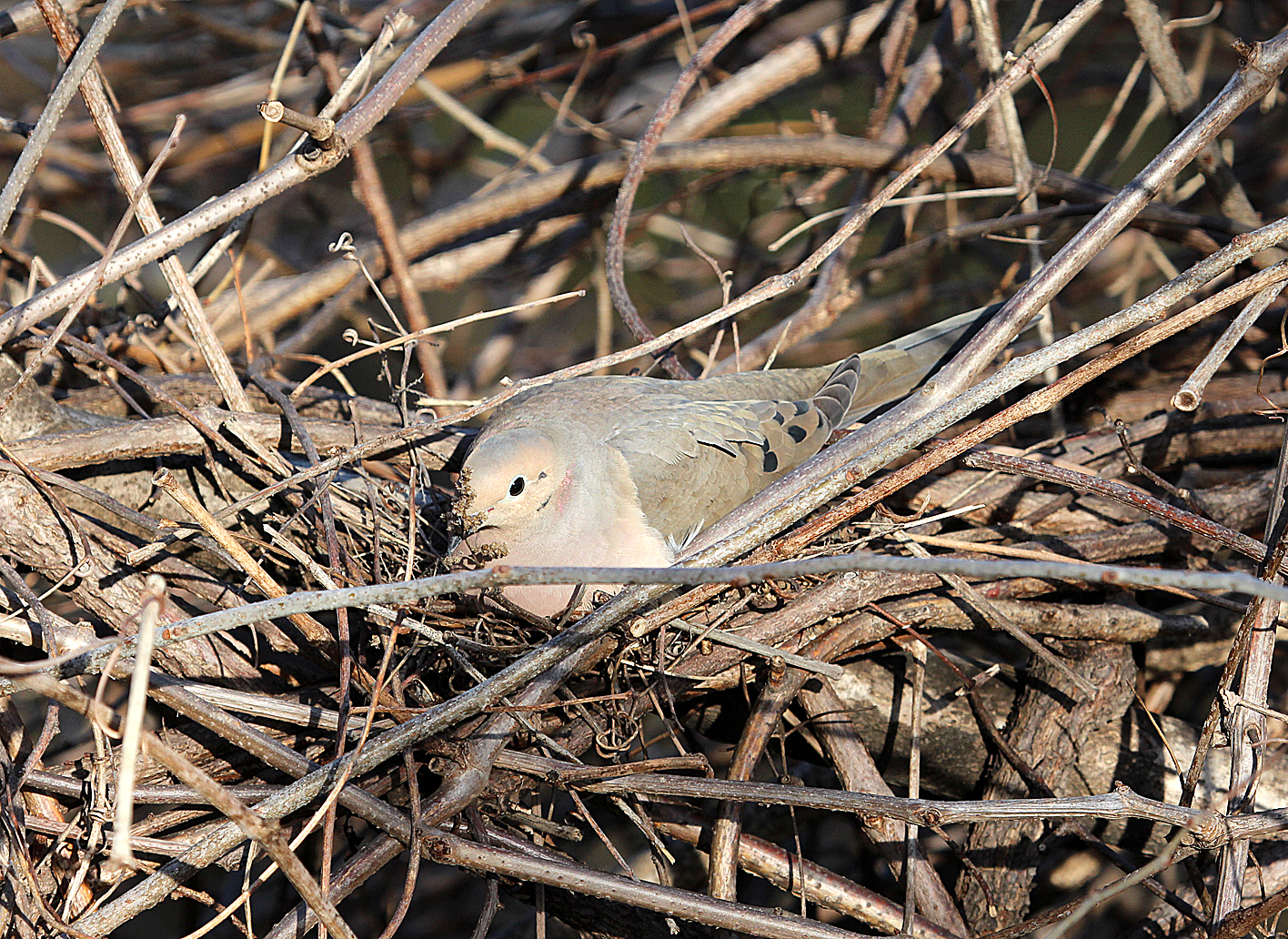
Photo by Chris Bosak A Mourning Dove sits on a nest at Oyster Shell Park in Norwalk, CT., April 1014.

Photo by Chris Bosak
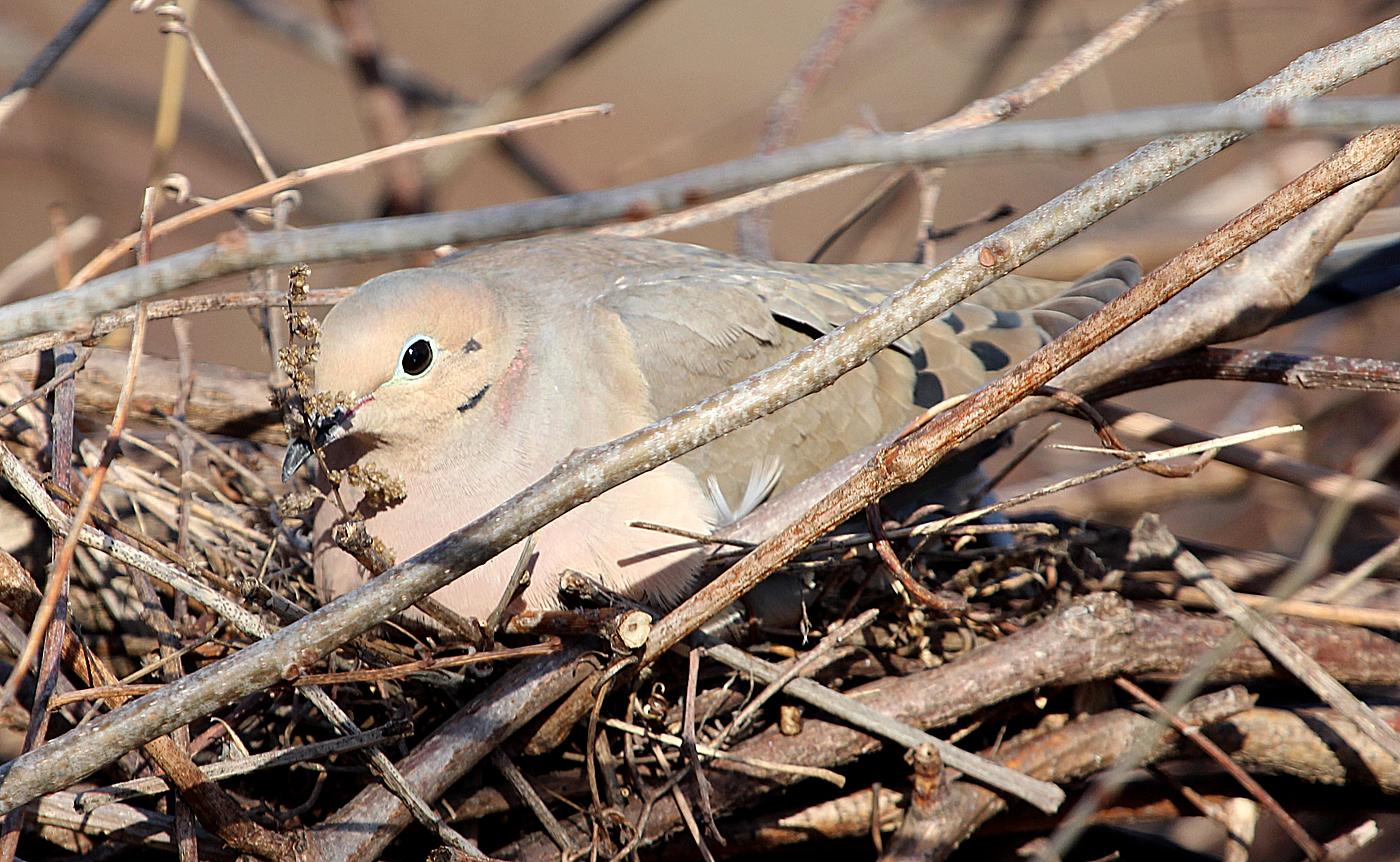
A Mourning Dove sits on a nest at Oyster Shell Park in Norwalk, CT., April 1014.

I came across the Mourning Dove during a quick walk through Oystershell Park in Norwalk, Conn., this morning. Yes, despite the late start to spring weather, the birds are right on time with their nesting.

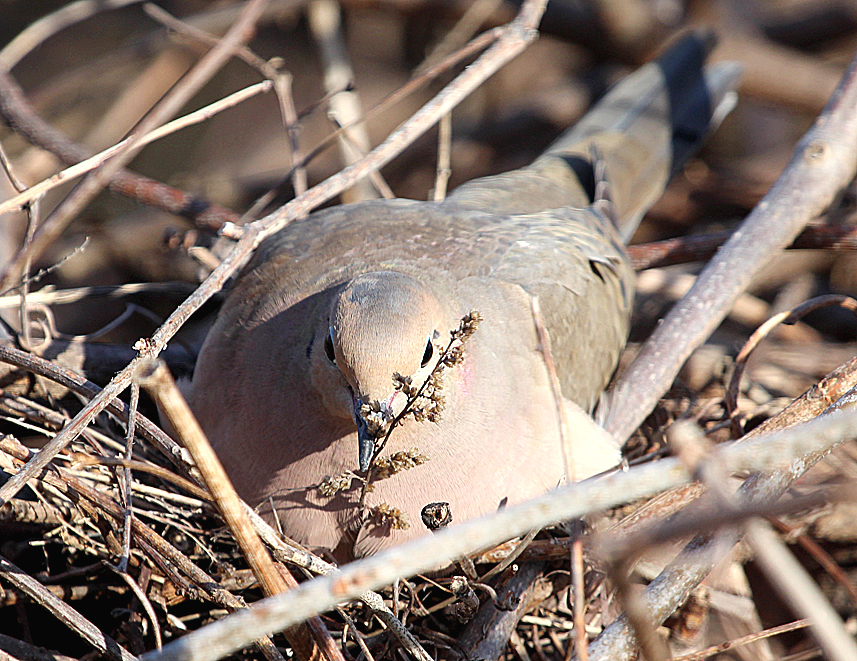
Photo by Chris Bosak A Mourning Dove sits on a nest at Oyster Shell Park in Norwalk, CT., April 1014.

Photo by Chris Bosak
A Mourning Dove sits on a nest at Oyster Shell Park in Norwalk, CT., April 1014.

Check out the camouflage nature of this nest. The tangled, twisted sticks and vines are colored similarly to the dove itself. Amazing that birds can do these things. I did not approach too closely and allowed the bird to remain comfortable on its nest.

Have a bird nesting on your property? Grab a photo and send it along. I’ll use it on my “reader submitted photo” page. Remember to give the birds space and not to be intrusive — they have an important job to do. Send photos to bozclark@earthlink.net

Photo by Chris Bosak A Mourning Dove sits on a nest at Oyster Shell Park in Norwalk, CT., April 1014.

Photo by Chris Bosak
A Mourning Dove sits on a nest at Oyster Shell Park in Norwalk, CT., April 1014.

Help to track hummingbirds _ from Audubon

Photo by Chris Bosak A Black-chinned Hummingbird visits flowers this fall in Fairfield. Black-chinned Hummingbirds are native to western U.S. This was the first one recorded in Connecticut.

Photo by Chris Bosak
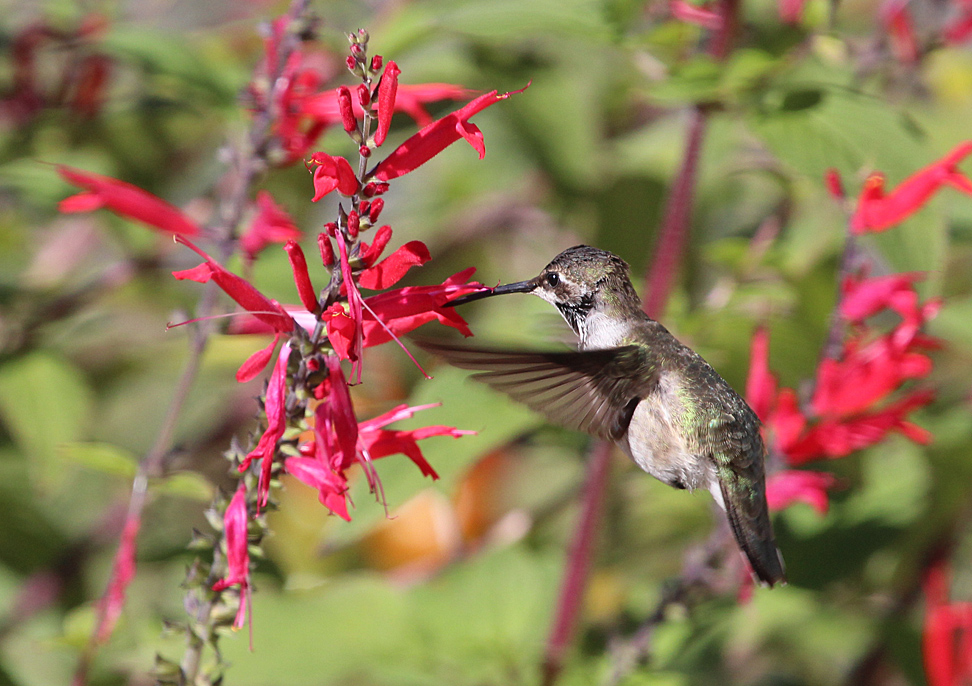
A Black-chinned Hummingbird visits flowers this fall in Fairfield. Black-chinned Hummingbirds are native to western U.S. This was the first one recorded in Connecticut.

Shamelessly copied straight from an Audubon Society press release (The photo is mine at least):

Audubon Invites Volunteers to Help Track Hummingbirds This Spring

NEW YORK, NY (April 1, 2014) – With spring officially upon us, the National Audubon Society invites birders and nature enthusiasts across the country to help track the health of hummingbird populations with Audubon’s Hummingbirds at Home app. This citizen science project utilizes the power of volunteers to compile data at a scale that scientists could never accomplish alone.

Every spring, numerous hummingbirds migrate long distances and must eat several times their weight in nectar daily to stay alive. Hummingbirds visit our yards every year, looking for nectar from our gardens and feeders. As flowers bloom earlier because of warming temperatures, the impact on hummingbirds which rely on nectar could be significant. The degree Continue reading

Mockingbirds are liking the suet

Photo by Chris Bosak A Northern Mockingbird visits a suet feeder as snow falls in March 2014 in Stamford, CT.

Photo by Chris Bosak
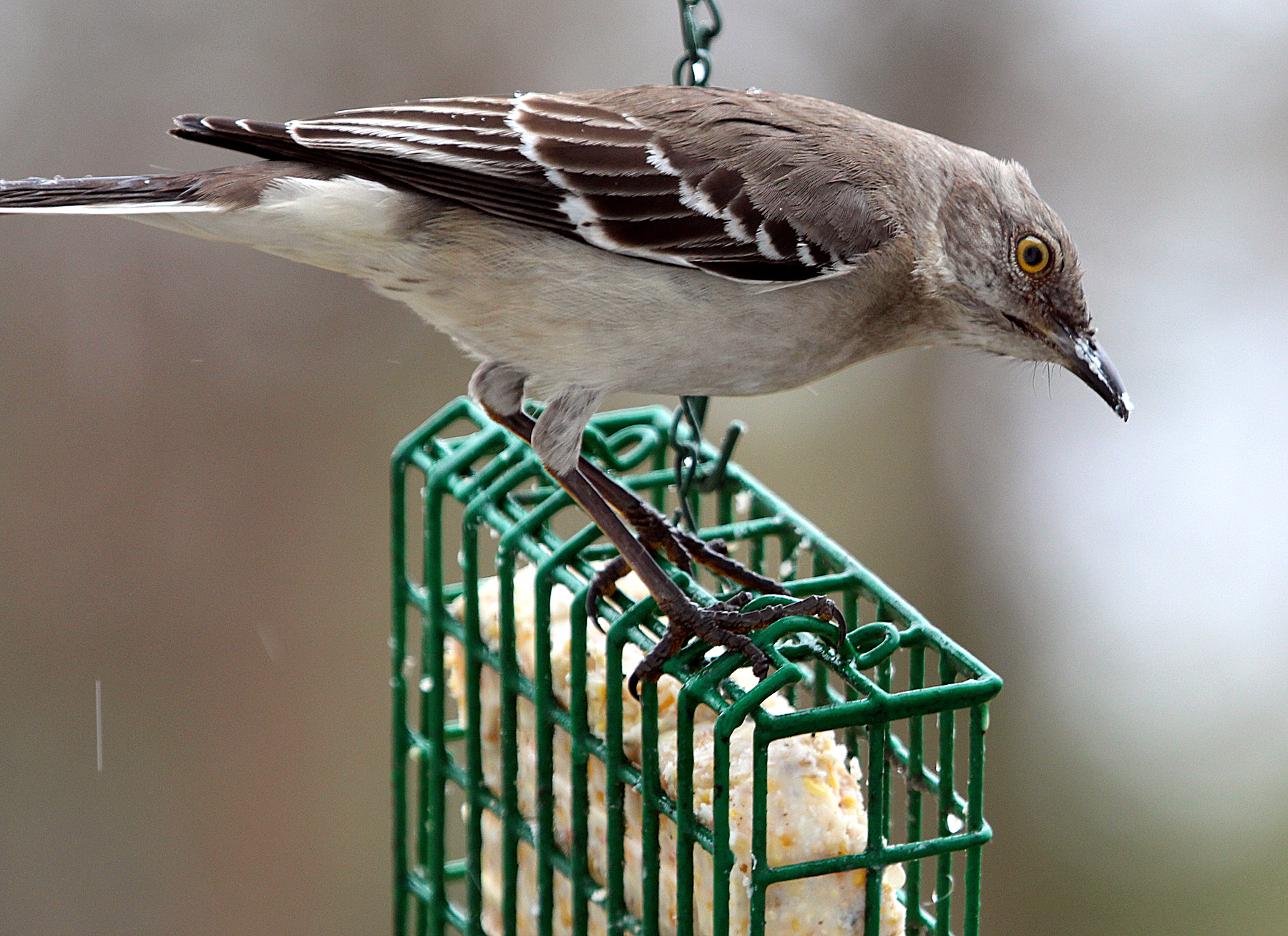
A Northern Mockingbird visits a suet feeder as snow falls in March 2014 in Stamford, CT.

It’s not often that I see Northern Mockingbirds at my feeders. I see them often enough, just not at the feeders. But for the past week or so, a pair of mockers have been regular visitors to the suet cake feeder. They split time with a pair of Downy Woodpeckers that has been visiting all winter.

Mockingbirds will begin their incredible singing performances soon. They will perch somewhere (often a very conspicuous spot) and sing their hearts out, going over their repertoire over and over. As its name suggests, the song is a long string of other birds’ calls. Personally, I always hear mockers include the Carolina Wren’s “tea kettle” song in their mix.

Have a mockingbird story? Feel free to comment. Thanks for visiting http://www.birdsofnewengland.com

Plant native trees, shrubs, flowers for the birds

Photo by Chris Bosak An Eastern Towhee eats a crab apple during a cold winter day at Weed Beach in Darien, CT., Jan. 2014.

Photo by Chris Bosak
An Eastern Towhee eats a crab apple during a cold winter day at Weed Beach in Darien, CT., Jan. 2014.

I’m far from a landscaping expert. Anyone who has seen my jungle of a garden in the summer can attest to that. But I do know that using native trees, shrubs, bushes and flowers are the way to go.

Whether they are planted with the intent to attract birds or not, using plantings that are native to your area reduces the risk of potentially using an invasive exotic species that will eventually overtake native species. It also is better for the native insect population because in many cases the insects can not feed off the non-native plants, thereby reducing the number of insects that serve as valuable food for birds. Reducing the number of insects may sound like a good thing at first, but we’re not talking about pest insects such as mosquitoes, we’re talking about insects that you probably never see, but have high value to birds.

There are a million other reasons to use native plantings and a million great options for doing so. Again, I’m not a landscaping expect, but a simple internet search of “planting native species [enter your state here]” will lead you in the right direction.

Quickly though, here are a few suggestions of native plants that have worked well for me – coneflower [great for goldfinches and other small birds], black-eyed susan, crab apple, sunflowers, and bee balm.

Feel free to comment below to say which native plants work well for you in regards to attracting birds.

Thanks for visiting http://www.Birdsofnewengland.com

Why are birds attacking my windows?

My latest For the Birds column was prompted by a question I received from a reader. It was a good question and one I’ve received several times in the past. So here’s my attempt at answering the question: “Why are birds attacking my windows?” (By the way, if you have a bird question for me, feel free to send it to bozclark@earthlink.net.)

Photo by Chris Bosak A Northern Cardinal eats berries from a cedar tree.

Photo by Chris Bosak
A Northern Cardinal eats berries from a cedar tree.

The good news is that signs of spring are everywhere in the birding world. The bad news is that this winter doesn’t seem to want to loosen its grip.

So for now let’s focus on the signs of spring and think warm thoughts. Not quite bird related, but I’ve noticed several plants poking out of the ground already. A nearby bed of daylilies has produced several of the plants jutting out about an inch already.
In the bird world, yes, American Robins have been seen in large numbers, but they are not necessarily a sign of spring as many robins stick with us throughout winter. To me, a sure sign of spring is hearing cardinals sing for the first time. Cardinals have been “chipping” or calling all winter to keep in contact with each other, but I’ve heard on a few occasions cardinals singing their famous songs. I assume they were male cardinals, but female cardinals also sing. Cardinals also have a variety of loud, whistling songs.

Read the rest of the column by clicking here.