
Here is the latest For the Birds column, which runs in several New England newspapers …
Each month brings its own gifts for birdwatchers.
November brings ducks in large numbers to our ponds, lakes and rivers. If December is kind, weather-wise, that continues. If December is cold and frosty, which it often is, those bodies of freshwater freeze and the ducks head farther south.
This year, November has been colder than usual; many of these waters are frozen already, threatening to spoil the “winter duck” fun early. A quick thaw can bring the ducks back, but an extended freeze will push the ducks away until early next spring.
When the inland waters freeze, New England birdwatchers still have the Atlantic Ocean and Long Island Sound to get their duck fix. But even that falls short in some regards. While there are some duck species that may be found in fresh or saltwater, most are an either-or proposition.
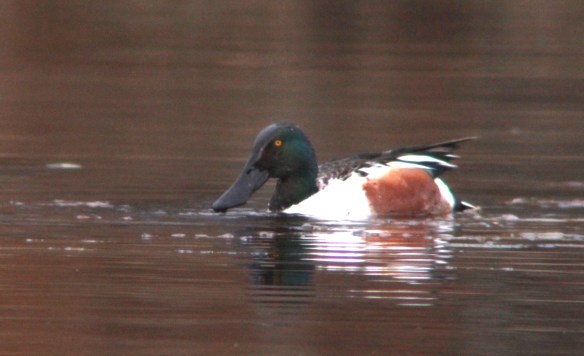
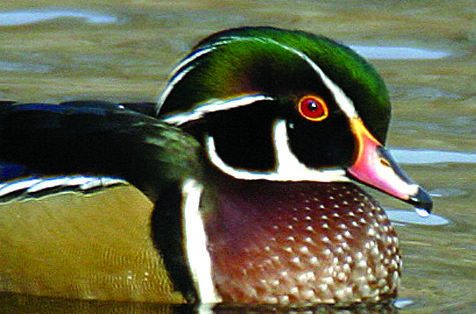
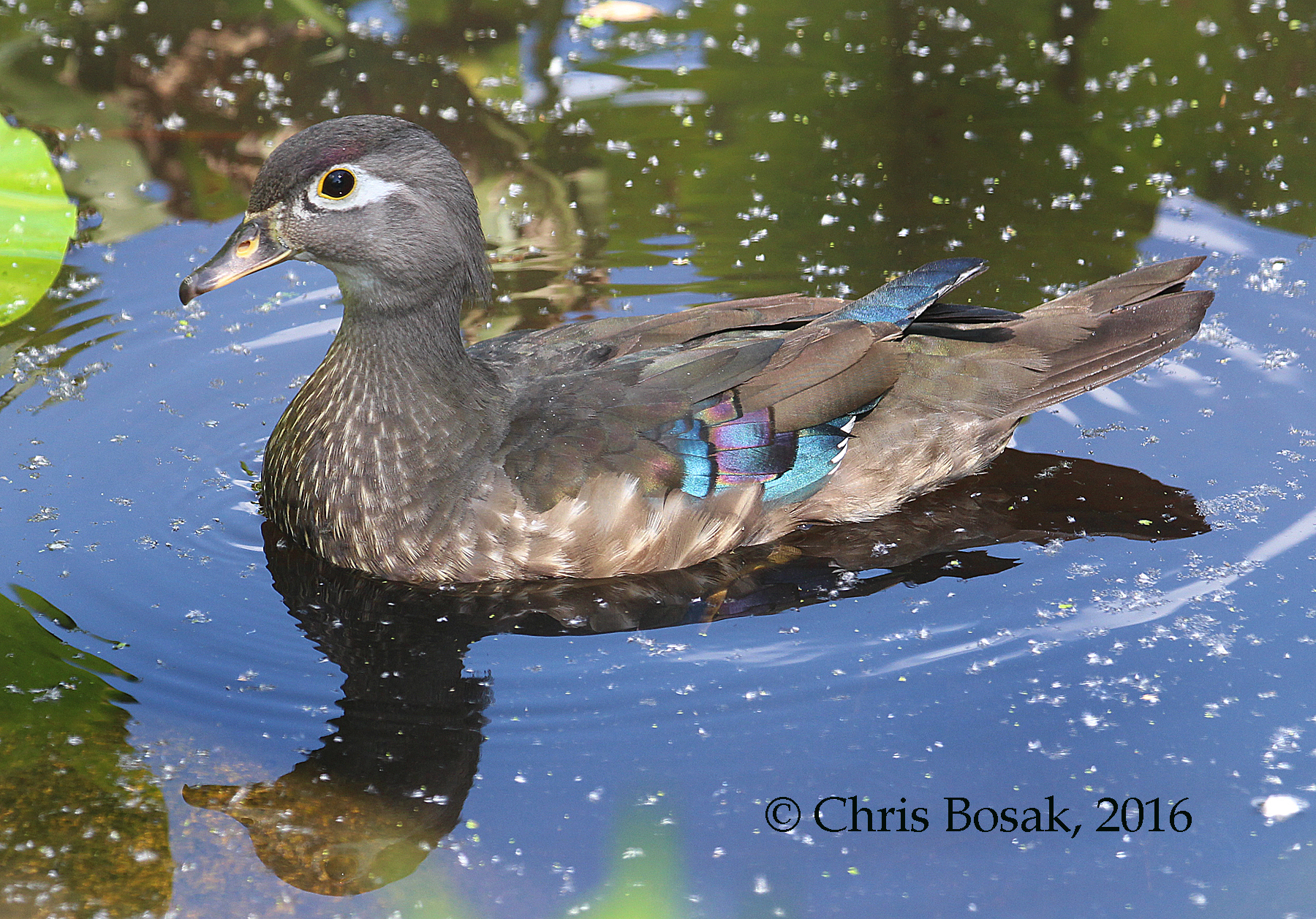
When the freeze takes over, New England can pretty much say goodbye to species such as wood duck, common merganser, ring-necked duck, green-winged teal and gadwall. Other freshwater specialty species — such as pintail and shoveler — are also south-bounfd following a deep freeze.
I was lucky to spot one of these specialty species the other day while checking out an old haunt of mine in southwestern Connecticut. I scanned 14-Acre Pond in Norwalk and noticed a good number of gadwall, a few ring-necked ducks, a pair of mute swans, and many mallards, domesticated ducks and Canada geese. The domesticated ducks were a surprise. I had never noticed them before when I used to frequent the pond.
One duck stood out among the rest, however. The large white patches that sandwich its otherwise rusty side stood out like a beacon. Even though Continue reading




 Birds of New England.com