For the Birds: The colors you’ll see

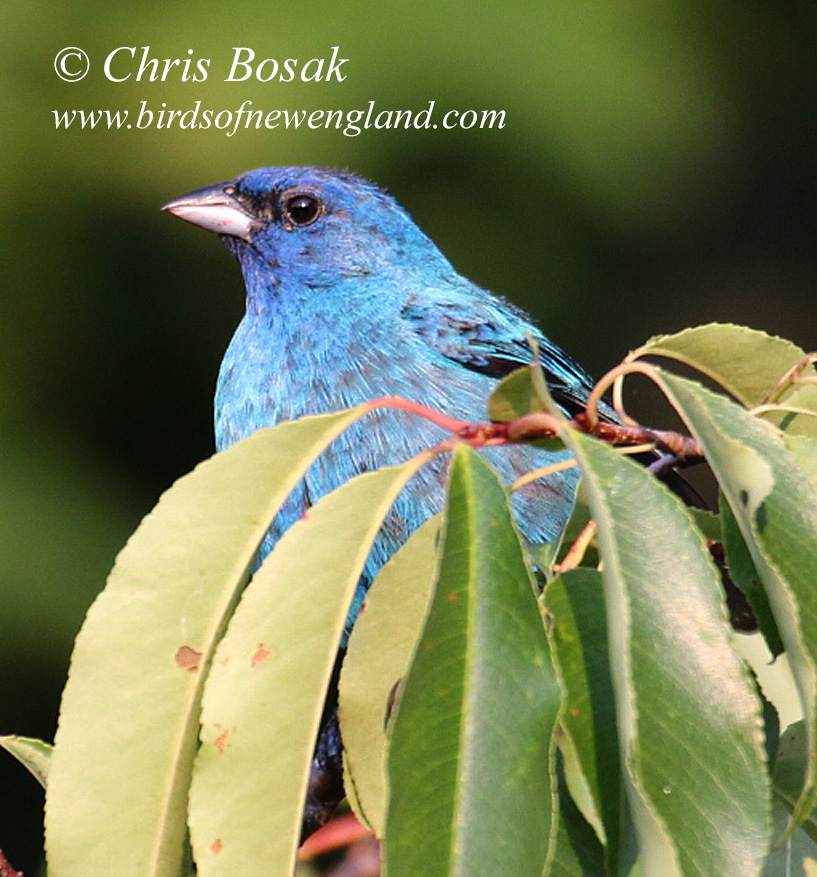
Photo by Chris Bosak An indigo bunting perches in a tree in New England, July 2021.

I’m not going to try to emulate Dr. Seuss, but I think he would have drawn plenty of inspiration from a walk in the woods in New England in May.

His classic “Oh, the Thinks You Can Think!” comes to mind, but only altered to “Oh, the Colors You Can See.”

A recent walk made me think of this. The majority of the walk was along a wide dirt path with shrubby habitat on both sides. Beyond the thickets on one side was a large field and beyond the thickets on the other side were deep woods. It is perfect habitat for a bird walk.

The first bird I saw was a male eastern towhee. It was once called rufous-sided towhee because of the unique dark orange color of its sides that complement the otherwise white and black plumage of the bird. The bird’s red eyes are visible when it approaches among the shrubs closely enough. I did not see a female towhee on this particular day, but they are lighter brownish-orange where the male is black.

Continue reading
One more bobolink photo

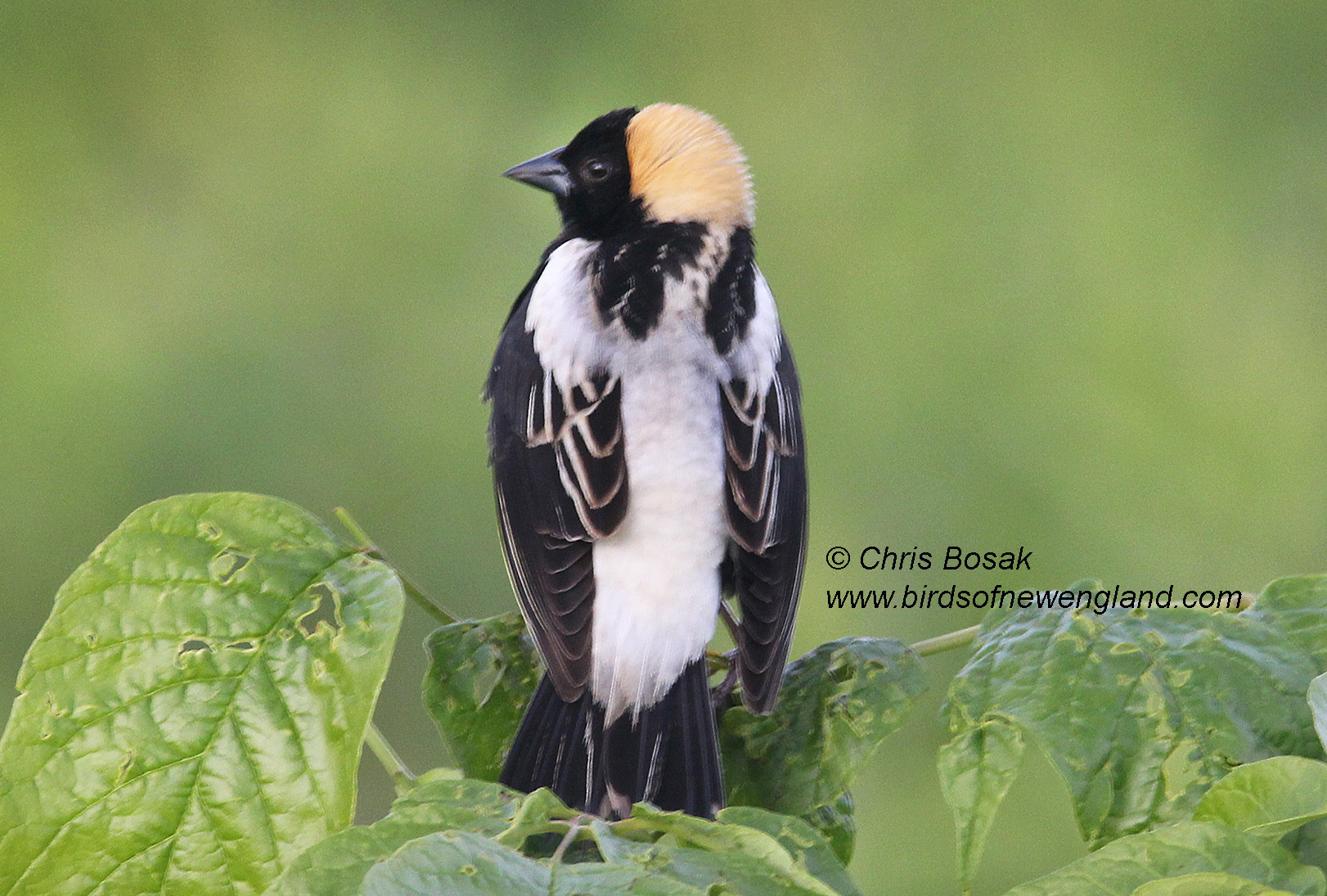
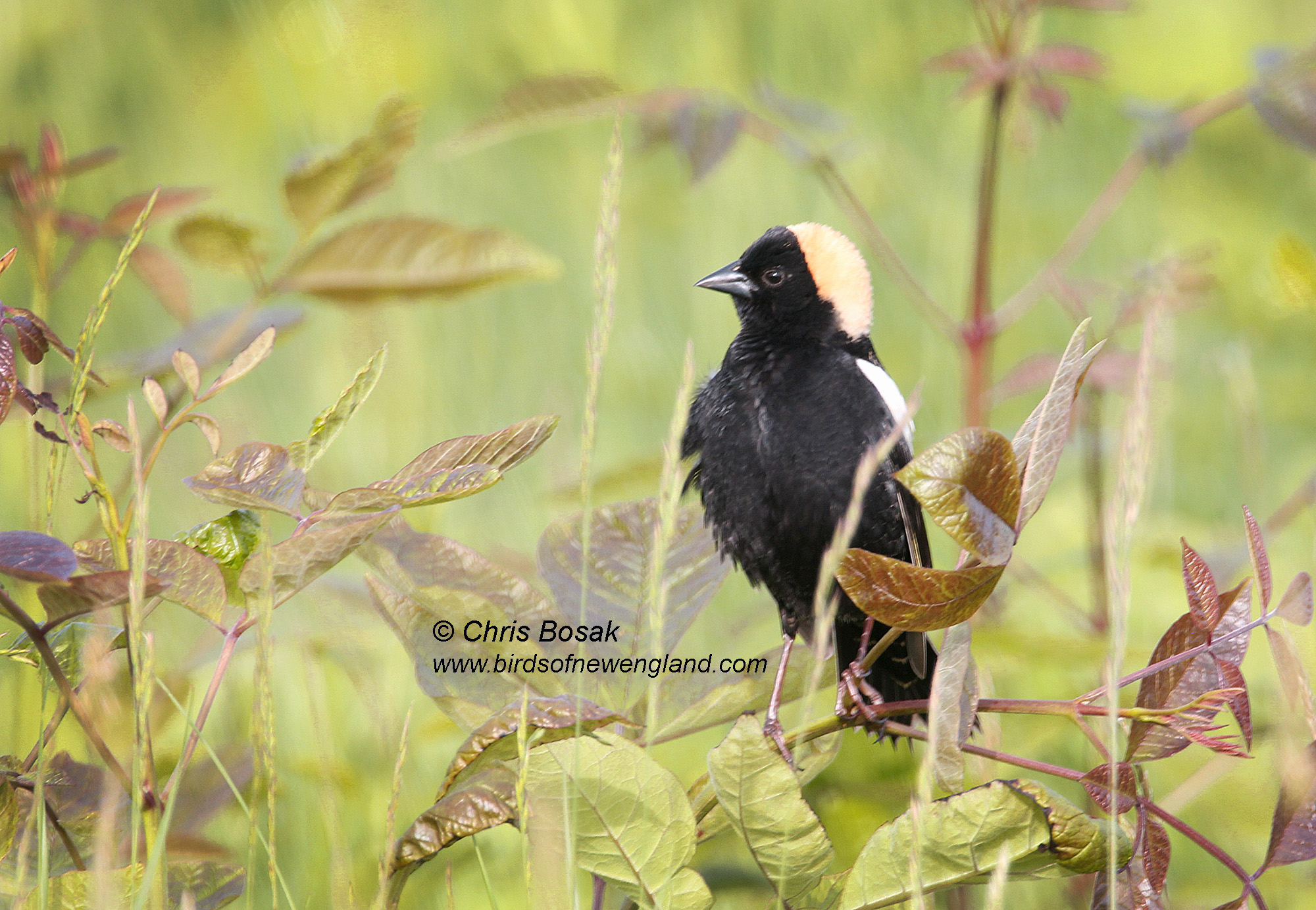
Here’s one more bobolink photo as a follow-up to my last post.

A walk among bobolinks

Photo by Chris Bosak — Bobolink in New England, May 2022.

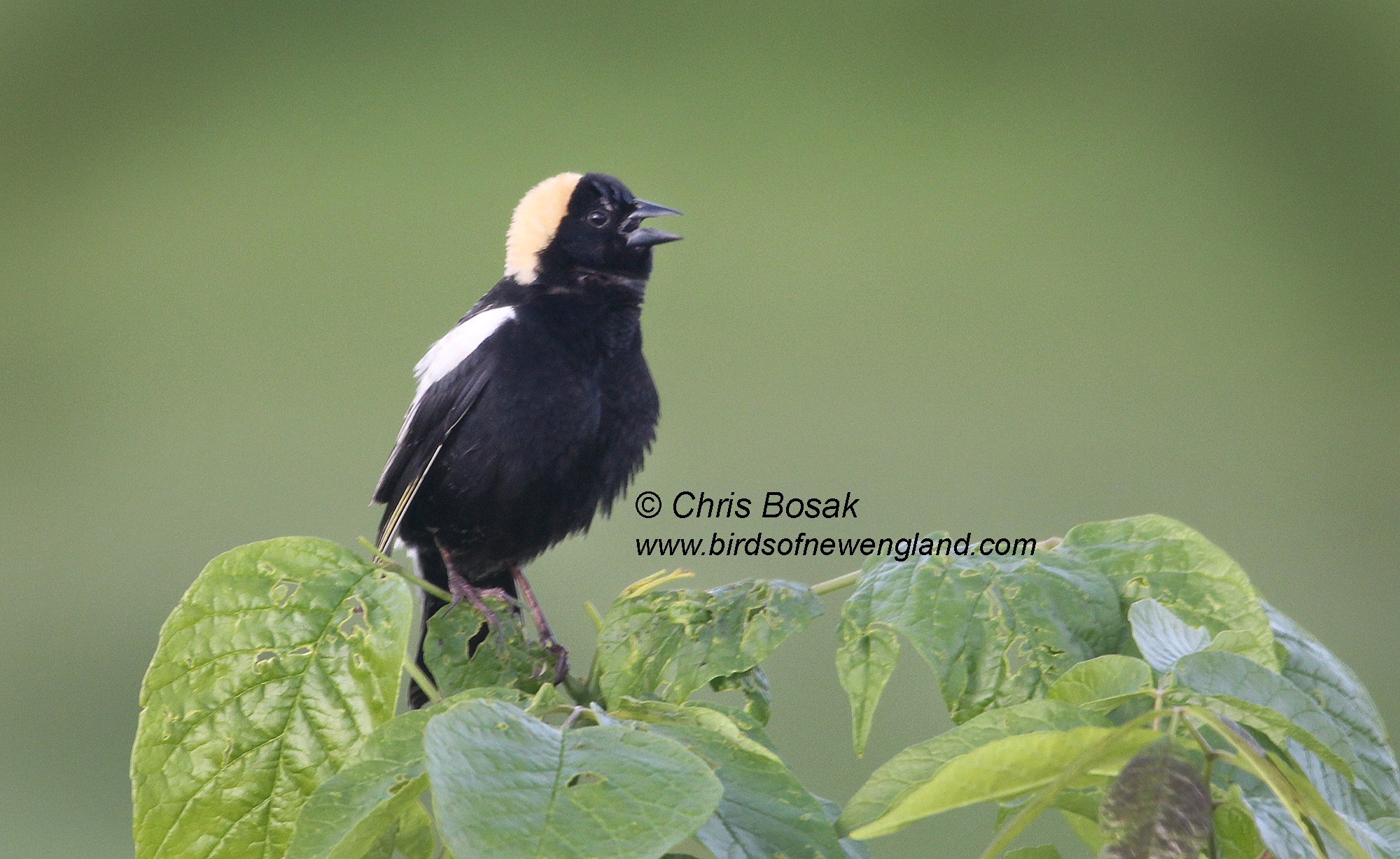
One of the highlights of the post-spring migration rush in New England is to visit a field in New England where bobolinks nest. Luckily, I have one fairly close to where I live — Happy Landings in Brookfield, Connecticut. The bobolinks’ bubbly song (which reminds me of R2-D2) fills the air as red-winged blackbirds and yellow warblers provide an apt auditory background. Here are a few shots of a recent walk in the field.

Photo by Chris Bosak — Bobolink in New England, May 2022.

Photo by Chris Bosak — Bobolink in New England, May 2022.

Photo by Chris Bosak — Bobolink in New England, May 2022.

Memorial Day: Remember and honor

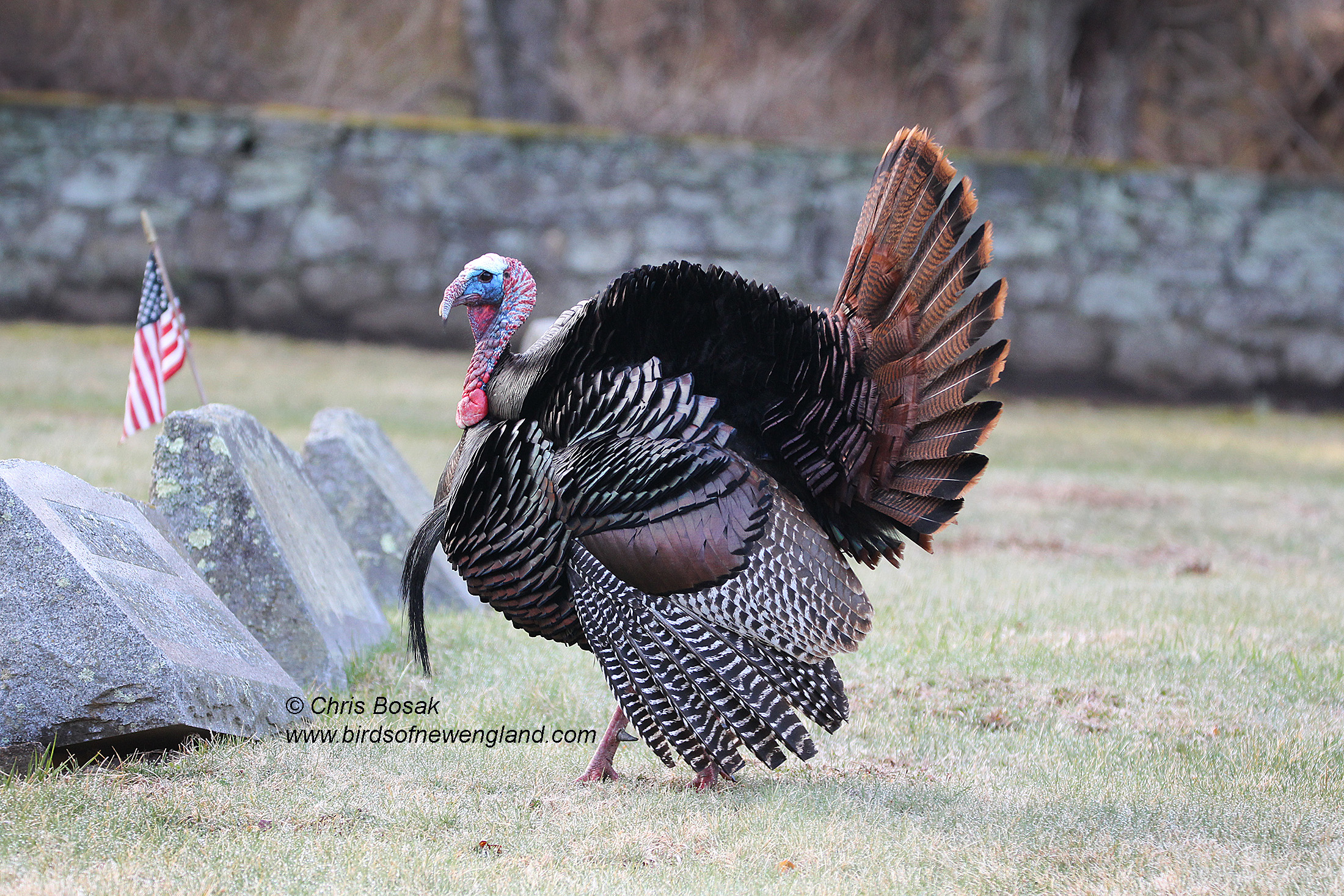
Photo by Chris Bosak — Wild turkey in New England, April 2022.

“Our flag does not fly because the wind moves it. It flies with the last breath of each soldier who died protecting it.”

– Unknown

For the Birds: That warbler looks like a thrush

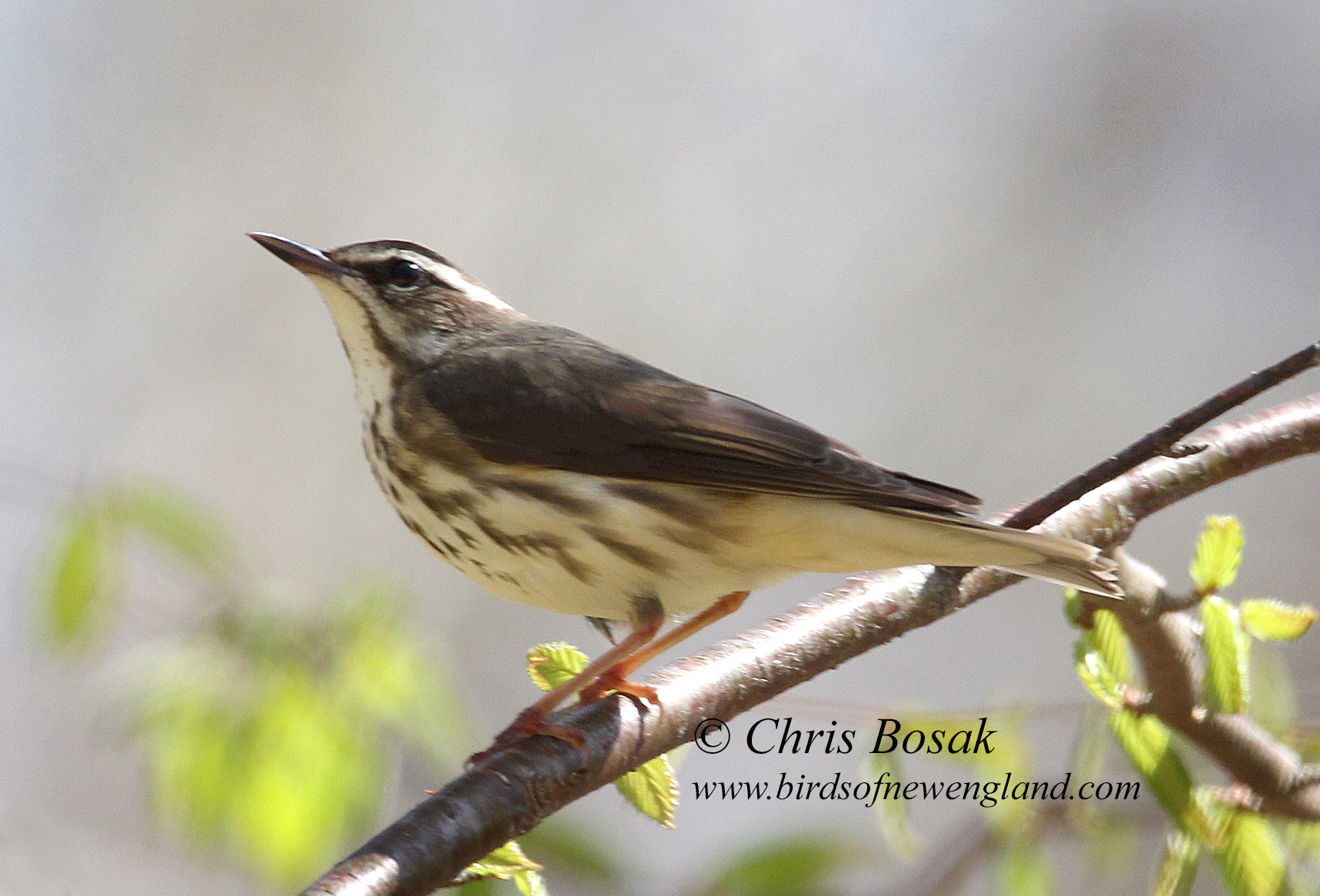
Photo by Chris Bosak — Louisana waterthrush in New England, May 2022.

If it looks like a duck, swims like a duck and quacks like a duck, then it probably is a duck.

That great old expression doesn’t work for thrushes because a lot of birds look like thrushes but aren’t thrushes at all. So you can’t say: If it looks like a thrush, then it probably is a thrush.

Members of the thrush family in New England include wood thrush, hermit thrush, veery, Swainson’s thrush and Bicknell’s thrush. They are medium-sized birds, brown overall and their buff-colored bellies and chests are decorated with brown spots. American robins and Eastern bluebirds are thrushes as well but have their own distinctive appearances.

Thrushes are perhaps best known for their songs. Wood and hermit thrushes have amazing flute-like songs that sound otherworldly and have inspired many a line in poetry and literature.

Continue reading

Yellow warbler: an all-time favorite

I’ve always loved Yellow Warblers from the first time I saw (and heard) one. They are one of the more ubiquitous warblers in New England from the time they arrive in early May until the time they leave in the fall. In between, they raise families throughout our region and delight birders with their bright plumage and cheerful song (sweet, sweet, I’m so sweet).

For the Birds: May is prime time

Where to begin? May is a firestorm of birding activity in New England.

I’ll recap a few of my recent highlights and then expand, where necessary or otherwise interesting, in subsequent columns.

A warbler by any other name: Many warblers actually have the name warbler in their name. Yellow warbler, chestnut-sided warbler, worm-eating warbler and so on. Many, however, don’t have warbler in their name. Common yellowthroat, American redstart to name a few.

A few warblers don’t have warbler in their name and look like they belong in the thrush family. The ovenbird and waterthrushes (northern and Louisiana) could easily pass for thrushes with their brown bodies and spotted chests. Heck, the waterthrushes even have thrush in their name. But they are all, indeed, warblers.

That warrants a column unto itself. I’ll dig into that in the coming weeks.

Dueling grosbeaks: I heard a rose-breasted grosbeak singing in a tree during the tail end of one of my recent walks. I paused enough to find its perch. As soon as I spotted the beautiful bird, another male rose-breasted grosbeak dive-bombed the original bird, and they started chasing each other through the woods. The action caught the eye of a third male grosbeak and that one joined in the chase as well. That was a first for me. Rose-breasted grosbeaks, with their white wing bars, are just as impressive-looking in flight as they are perched.

Continue reading

Red-winged blackbird, just because

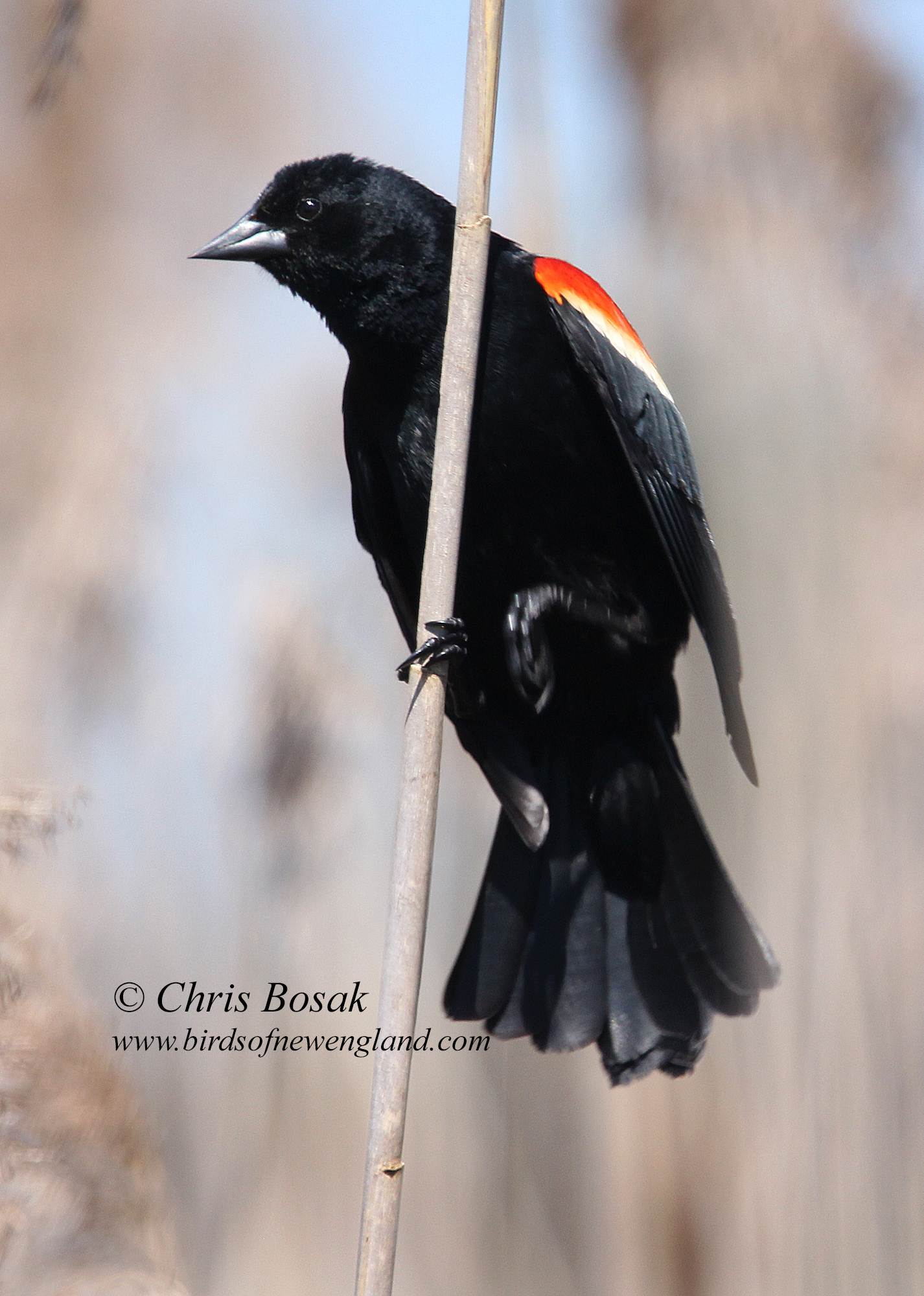
Photo by Chris Bosak – A red-winged blackbird in New England, May 2022.

Red-winged blackbirds may be known as an early migrant into New England with their arrivals starting in February or March, but they are common sightings throughout spring and summer until their fall southward migration. I’m posting this now just because I got this shot the other day and it’s a cool-looking bird.

For the Birds: Warblers return

The warblers are back and delighting, confusing, and frustrating birdwatchers throughout New England.

Warblers are small, usually colorful, passerine (perching) birds that migrate into New England every spring. Many nest here while others continue north to nest in Canada. In the fall, they head to points south such as southern U.S., the Caribbean, Central America or South America. The odd warbler shows up on New England Christmas Bird Counts from time to time, but for the most part, they are gone before the snow starts to fly. 

To me, the quintessential warbler is the yellow warbler. It is small, brightly colored, numerous throughout the region and sings its ubiquitous song (“sweet sweet I’m so sweet”) over and over from the brush. It is all yellow with some rusty streaking on its chest and belly.

Warblers come in all colors, however. Many are mostly yellow and many others have flashes of yellow in their plumage. Some are black and white, and some are mostly brownish. A few are mostly blue. It’s no wonder that the spring migration, highlighted by warblers, is the favorite time of year for most birdwatchers.

Continue reading

White-eyed vireo: New England first-timer for me

I saw a white-eyed vireo in Florida when I visited my brother in February. I thought it was an interesting bird and was happy to see it.

Well, yesterday morning I saw one in New England for the first time. Southern New England (Connecticut, Rhode Island and southern Massachusetts) is the northernmost range of the bird. It’s a cool-looking bird, but its song is what makes it stand out. I was instantly drawn to the thicket from where the song was coming. You can hear the song here.

Another good spring sighting!

Here’s a photo of the one I saw in Florida (plus a few others.)