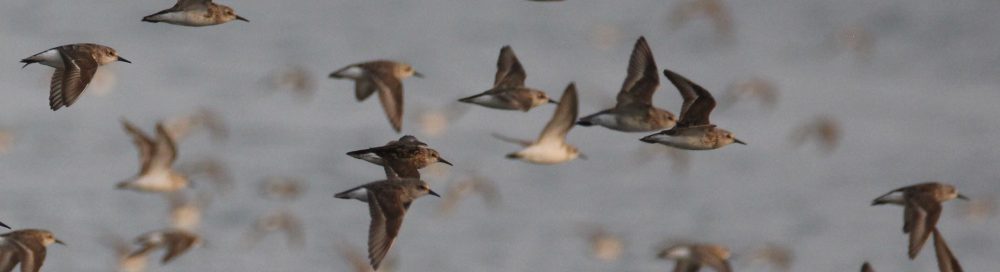
Freeing a kingbird from the death grip of fishing line

Photo by Will Bosak
Kingbird rescue, Danbury, CT, 2019.

It started with a bird pooping on my forehead and finished with me tipping over the canoe in a mucky, heavily vegetated part of the lake. The adventure was well worth it, however, as we successfully untangled and freed an eastern kingbird from the death grip of abandoned snagged fishing line.

Photo by Will Bosak
Kingbird rescue, Danbury, CT, 2019.

I was sitting in my home office writing away about something or another when I saw out the window my 12-year-old son sprinting up the road and turning onto the driveway. He was fishing with two of his friends at the nearby fishing hole so I briefly panicked that someone had gotten hurt; perhaps a barbed hook embedded in a thumb or something like that. 

I opened the window and yelled down: “What’s wrong Will?”

“There’s a bird stuck on fishing line dangling from a tree,” he said. “Come help it. It’s freaking out. I feel so bad for it.”

I rushed to the car and drove to the spot, even though it’s literally only a few hundred yards away. Nagging tendonitis in my foot has prevented me from making that walk — or any other walk for that matter — for weeks now. 

“I think if we go through the woods we can get to it,” Will said as he pointed out the bird.

I recognized the bird as an eastern kingbird. The white band at the tip of its tail gave it away. 

“I don’t think so, Will. All that vegetation is growing from the water so we’ll never reach it from land. We can probably get it with the canoe.”

I hobbled back to the car as quickly as possible and fetched the canoe. I used only one strap around the middle of the canoe to fasten it to the car since I was going such a short distance.

Back at the fishing hole, Will hustled to help me get the canoe off the car and to the shore. 

“I’ll sit up front, you sit in the back and paddle us to the bird,” I told Will.

“I’ll take photos, too, dad. Where’s your phone?”

Will got us into the weeds and immediately the frantic bird crapped right on my forehead above my left eye. I didn’t even notice it, but Will let out a huge laugh to let me know.

“Guys! The bird pooped on my dad’s head!” he called excitedly to his friends.

I didn’t care about it at the moment. I just wanted to help the bird, which was now even more frantic with us closing in on it. 

I grabbed some sturdy stems and pulled us into the vegetation even more to prevent us from drifting as I was soon to have a knife and, hopefully, a bird in my hands. We stopped right below the bird. I stood up carefully and extended for the bird. It was just out of reach.

“Give me the paddle, Will.”

I used the paddle to pull down the branch a few inches. I grabbed it and pulled the branch, bird, and tangled mess of fishing line toward me. Wow, that’s a lot of fishing line, I thought to myself. With my free hand I used the knife of my trusty Leatherman to cut the line above the bird’s wing. I closed the knife, tossed it on the floor of the canoe, and sat down with the highly agitated kingbird in my hand. It bit at my hand and made me thankful that it wasn’t a great blue heron. 

A length of fishing line immediately came free but there was still line wrapped tightly around the wing. I held the bird and pulled gently on the end of the line. Will used the knife to cut the line as close to the wing as possible. 

I dug in a little more to make sure there wasn’t a hook stuck in the wing. The kingbird obliged by extended its wing to expose the wound. Thankfully, there was no hook and the remaining piece of fishing line that had held the bird captive fell to the floor of the canoe. The wound did not look serious and I breathed a sigh of relief that a hook was not involved.

Satisfied that the bird was free from all fishing line I opened my hand to see if it was able to fly. In about half a second the kingbird burst out of my hands and disappeared into the woods. 

The kingbird was lucky. Lucky that Will went fishing that afternoon and was able to spot it. Lucky that we had a canoe handy to access the water. Lucky that it was tangled relatively close to the water instead of higher up and out of reach. Lucky it was only tangled and not hooked. 

I looked around and noticed that the trees in the area were riddled with abandoned lines, bobbers, hooks, sinkers, and lures. Will steered me to them and I pulled down the ones that were in reach. I pulled down the tangle that had snared the kingbird and noticed the bird’s nest was in a branch about a foot above the twisted line.

Thankfully we were only a few feet from shore when I got a little too confident in my reaching and swamped the canoe.  Swamped is a good term because we tipped over in thick, slimy aquatic vegetation. My legs felt for the bottom of the lake but only dug themselves deeper into a spaghetti bowl of slippery stems, roots and goodness knows what else. 

Will, thankfully, had the wherewithal to immediately take my phone out of his pocket and toss it onto the shore. The phone was fine and Will scored points with his father for acting so quickly despite being dumped into a mucky mess. 

We lumbered onto shore — me very gingerly on the uneven terrain — and dragged the half-full canoe onto land. Our legs were blacked by bits of partially decomposed leaves that fell into the water over the last several years. 

Once on land we had little laugh and rejoiced as two kingbirds flew and chattered among the trees just off the shore.
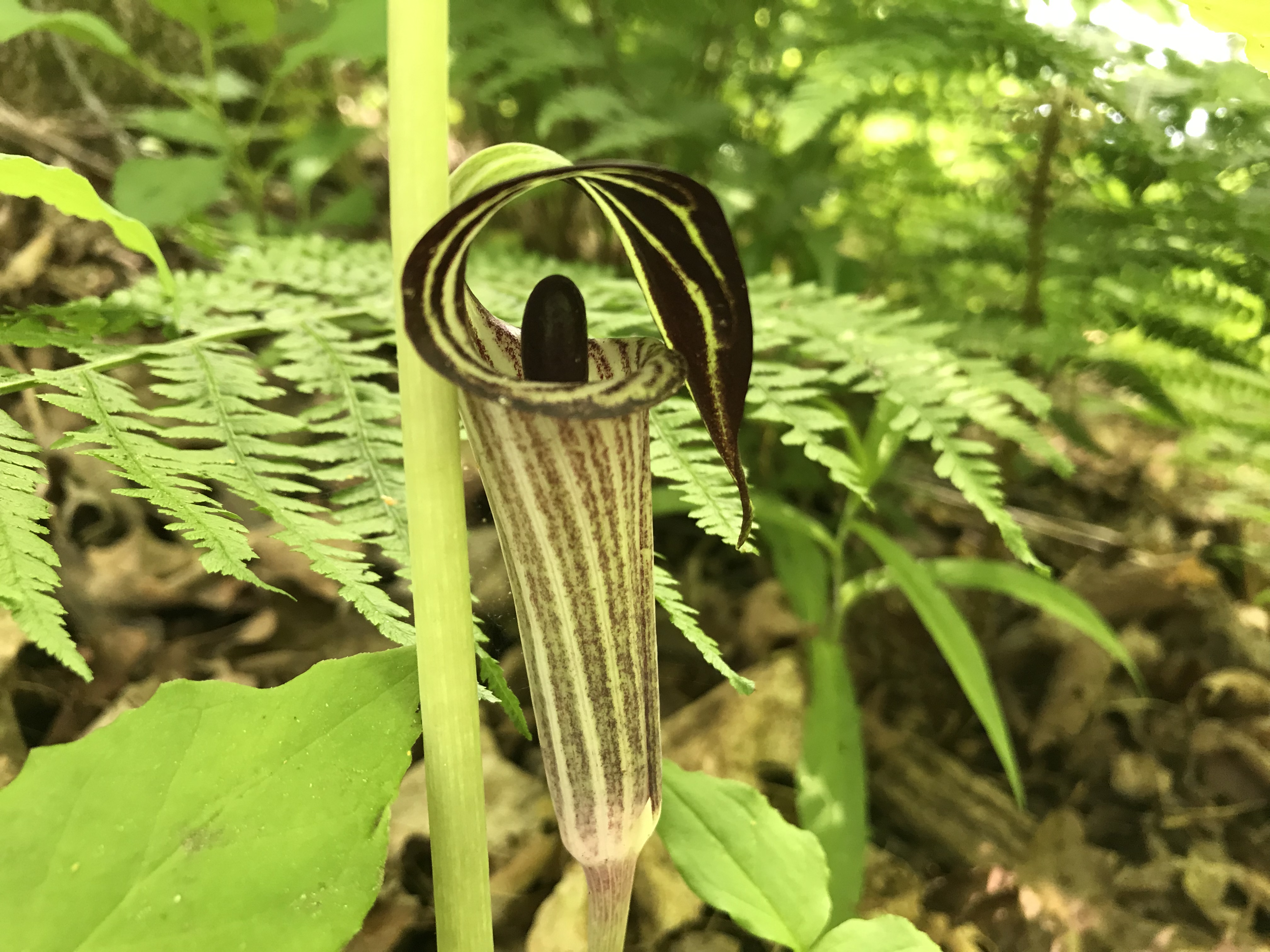
Jack-in-the-Pulpit: A shady character

Here are a few shots of my favorite, shade-loving plant: Jack-in-the-Pulpit. They can be grown from seed in a shady garden, but I have always just randomly come across them in the New England woods. They are interesting to see and have a unique life history. (More about the plant may be found here: https://www.fs.fed.us/wildflowers/plant-of-the-week/arisaema_triphyllum.shtml )

Being a plant, Jack-in-the-Pulpits make for cooperative photographic subjects. These shots were taken with an iPhone during my recent camping trip to New Hampshire.

For the Birds: Phoebe and cowbird eggs

Here is the latest For the Birds column …

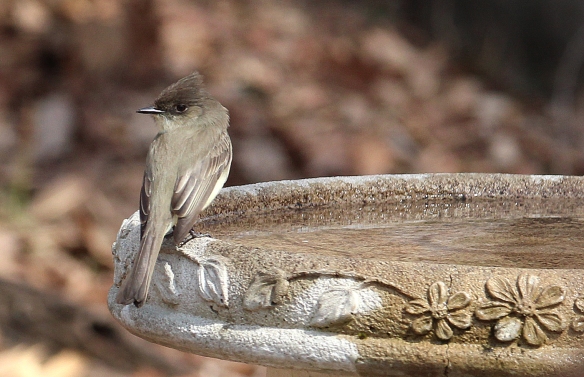
Photo by Chris Bosak An Eastern Phoebe visits a bird bath in Danbury, Conn., March 2016.
Photo by Chris Bosak
An Eastern Phoebe visits a bird bath in Danbury, Conn., March 2016.

During the first spring at my house three years ago, I noticed a bird going back and forth under my neighbor’s lofted porch.

Closer inspection confirmed my suspicion that an eastern phoebe had a nest there. The mud-and-moss nest was built on an old row boat oar that hadn’t been used or moved in many years.

OK, a flat surface under a protected area, I thought as I plotted to create my own phoebe nest habitat for subsequent springs. I rummaged through the basement and found a rectangular piece of wood, approximately 14 inches by 18 inches. I nailed the wood to some of the 2x8s beneath my own porch. Even if the phoebes don’t use it, surely a robin would, I thought.

First spring, nothing. Second spring, nothing. Third spring, nothing. Three years and not even a stick placed on the platform.

But wait.

Not so fast on the third spring. April and May yielded nothing, but in early June I walked past the platform and noticed a small mud-and-moss nest on the wood. It wasn’t built on the main part of the platform, but rather an excess corner of the wood that jutted beyond one of the 2x8s. My dad would have called the excess “slop” because of its shoddy craftsmanship. But, hey, I wasn’t shooting for perfection, just good enough so a bird could build a nest. Besides, the slop turned out to be a fortunate “mistake.”

As of this writing, the nest holds five eggs. It is likely a second or third brood for this phoebe as they are one of the first birds to arrive in spring — usually by the middle of March.

But the news isn’t all good. Only four of the eggs are white phoebe eggs. A darker, mottled egg of a brown-headed cowbird is also in the nest.

Brown-headed cowbirds are brood parasites and lay their eggs in the nests of other birds, leaving the parental duties to the host bird. Phoebes are a common victim, as are other small birds such as warblers and sparrows. Brown-headed cowbird eggs typically hatch earlier than the other eggs and the baby cowbird grows at a faster rate. This makes the host bird work overtime to raise the cowbird, often at the expense of the other young birds.

Cowbirds do this because of their notorious nomadic nature.

So, just remove the cowbird egg, right? Not necessarily. The female cowbird monitors the nest and may destroy the nest altogether if the cowbird egg is disturbed — either by the host bird or human intervention.

An article I found on audubon.org brings up other legal and ethical questions. It used to be common practice to vilify cowbirds and everything they stood for. The no-good, lazy birds are destroying other birds and should be destroyed, was a common line of thinking — and still is for many people, I’m sure.

The Audubon article, written in 2018 by Amy Lewis, states that people shouldn’t interfere with nests that have cowbirds eggs. Firstly, it is illegal as per the Migratory Bird Treaty Act as cowbirds are native to the U.S. Though, technically, it is illegal to pick up a blue jay feather found on the ground, but not many people I know would hesitate to grab the feather.

The article, quoting several sources, also states that it is best to let nature take its course. Human feelings and morals should not interfere with something that has been going on in nature for hundreds of years.

It’s funny how research and science can change public opinion over time. Ten years ago I couldn’t imagine writing a bird column saying to leave cowbird eggs alone. I’m still somewhat on the fence about the whole thing as I imagine the phoebe under my porch working her tail off to raise a cowbird with possible grave consequences for her own babies.

But I will not interfere. I will watch the nest daily and see what happens. The first phoebe egg was laid on Tuesday, June 11. Another phoebe egg and the cowbird egg appeared on June 12. The phoebe laid another egg on Thursday and another on Friday. Photos of the eggs and nest may be found at www.birdsofnewengland.com.

That’s where we stand as of now. I’ll keep you posted.

Update: As of Friday, June 21, the nest remains with four phoebe eggs and one cowbird egg.

Some non-bird wildlife from Pillsbury State Park

Photo by Chris Bosak
An eastern tiger swallowtail at Pillsbury State Park in New Hampshire, June 2019.

I’ve posted the loons and other birds from a recent camping trip to Pillsbury State Park. Here are a few shots of some Continue reading

Photos of the ‘other’ birds at Pillsbury State Park

Photo by Chris Bosak
Chipping Sparrow, Pillsbury State Park, N.H., June 2019.

I think I shared enough loon photos for a while, so here are some of the other birds I saw during a recent camping trip to Pillsbury State Park in New Hampshire. I saw plenty of birds, but wasn’t able to photograph many as the leaves are out in force and a foot injury limited my mobility. (Enough excuses for you?) Anyway, here are a few other Continue reading

Common loon bonanza, part 7

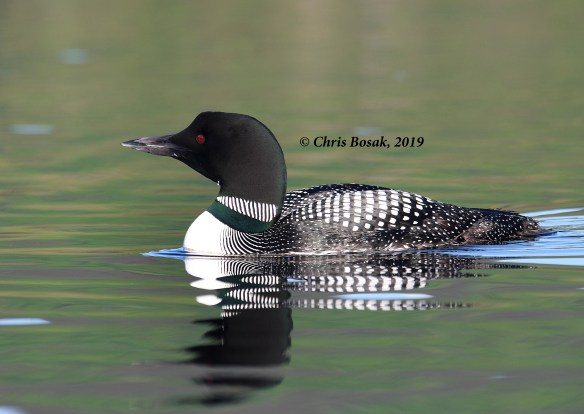
Photo by Chris Bosak A common loon swims at May Pond in Pillsbury State Park in New Hampshire in June 2019.

Stop posting photos of loons, said no one ever. So, to celebrate Father’s Day, BirdsofNewEngland.com presents a common loon bonanza. Every hour on the hour, a new loon photo will post. All photos were taken earlier this week at Pillsbury State Park in New Hampshire. Happy Father’s Day. Enjoy the loons.

Father’s Day loon bonanza, part 6

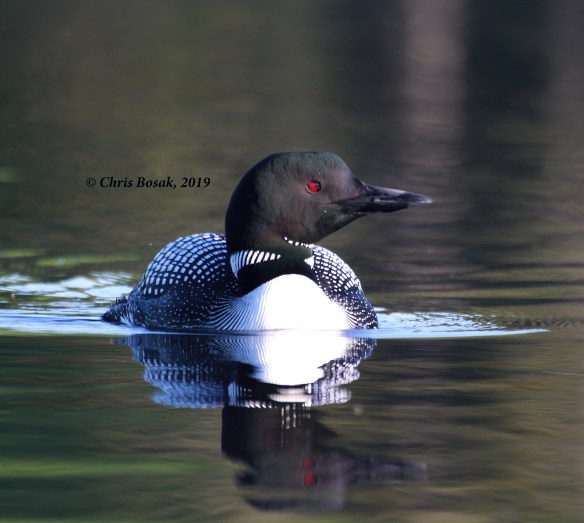
Photo by Chris Bosak A common loon swims at May Pond in Pillsbury State Park in New Hampshire in June 2019.

Stop posting photos of loons, said no one ever. So, to celebrate Father’s Day, BirdsofNewEngland.com presents a common loon bonanza. Every hour on the hour, a new loon photo will post. All photos were taken earlier this week at Pillsbury State Park in New Hampshire. Happy Father’s Day. Enjoy the loons.

Father’s Day loon bonanza, part 5

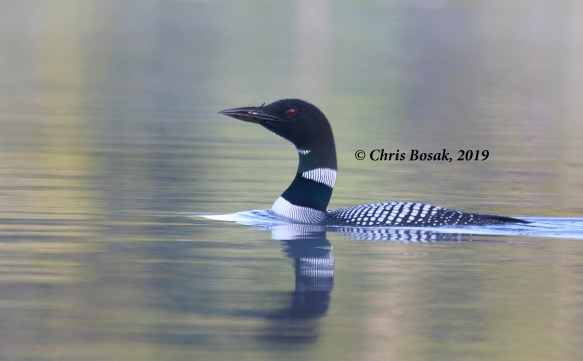
Photo by Chris Bosak A common loon swims at May Pond in Pillsbury State Park in New Hampshire in June 2019.

Stop posting photos of loons, said no one ever. So, to celebrate Father’s Day, BirdsofNewEngland.com presents a common loon bonanza. Every hour on the hour, a new loon photo will post. All photos were taken earlier this week at Pillsbury State Park in New Hampshire. Happy Father’s Day. Enjoy the loons.

Father’s Day loon bonanza, part 4

Photo by Chris Bosak Common loons swim at May Pond in Pillsbury State Park in New Hampshire in June 2019.

Stop posting photos of loons, said no one ever. So, to celebrate Father’s Day, BirdsofNewEngland.com presents a common loon bonanza. Every hour on the hour, a new loon photo will post. All photos were taken earlier this week at Pillsbury State Park in New Hampshire. Happy Father’s Day. Enjoy the loons.

Father’s Day loon bonanza, part 3

Photo by Chris Bosak A common loon swims at May Pond in Pillsbury State Park in New Hampshire in June 2019.

Stop posting photos of loons, said no one ever. So, to celebrate Father’s Day, BirdsofNewEngland.com presents a common loon bonanza. Every hour on the hour, a new loon photo will post. All photos were taken earlier this week at Pillsbury State Park in New Hampshire. Happy Father’s Day. Enjoy the loons.