Plant native trees, shrubs, flowers for the birds

Photo by Chris Bosak An Eastern Towhee eats a crab apple during a cold winter day at Weed Beach in Darien, CT., Jan. 2014.

Photo by Chris Bosak
An Eastern Towhee eats a crab apple during a cold winter day at Weed Beach in Darien, CT., Jan. 2014.

I’m far from a landscaping expert. Anyone who has seen my jungle of a garden in the summer can attest to that. But I do know that using native trees, shrubs, bushes and flowers are the way to go.

Whether they are planted with the intent to attract birds or not, using plantings that are native to your area reduces the risk of potentially using an invasive exotic species that will eventually overtake native species. It also is better for the native insect population because in many cases the insects can not feed off the non-native plants, thereby reducing the number of insects that serve as valuable food for birds. Reducing the number of insects may sound like a good thing at first, but we’re not talking about pest insects such as mosquitoes, we’re talking about insects that you probably never see, but have high value to birds.

There are a million other reasons to use native plantings and a million great options for doing so. Again, I’m not a landscaping expect, but a simple internet search of “planting native species [enter your state here]” will lead you in the right direction.

Quickly though, here are a few suggestions of native plants that have worked well for me – coneflower [great for goldfinches and other small birds], black-eyed susan, crab apple, sunflowers, and bee balm.

Feel free to comment below to say which native plants work well for you in regards to attracting birds.

Thanks for visiting http://www.Birdsofnewengland.com

Towhees and thrasher in the snow

Photo by Chris Bosak An Eastern Towhee eats a crab apple during a cold winter day at Weed Beach in Darien, CT., Jan. 2014.

Photo by Chris Bosak
An Eastern Towhee eats a crab apple during a cold winter day at Weed Beach in Darien, CT., Jan. 2014.

It was bitterly cold, but bright and sunny. Perfect day for a quick bird walk. Perfect day for a long bird walk, too, but I had limited time before my son Will’s basketball game, so it had to be a quick one.

After seeing a few Fox Sparrows at Weed Beach in Darien, Conn., as soon as the walk started, the only species I could find was White-throated Sparrow. And there were lots of them. I love my White-throated Sparrows, of course, so I’m not complaining. My eyes, however, were darting around the brush for other birding goodies.

Trudging through the snow and doing my best to ignore the

More photos below, click on “continue reading.”

Continue reading

Latest For the Birds column: Tracking down a towhee

Here’s my column from this week in The Hour and Keene Sentinel.

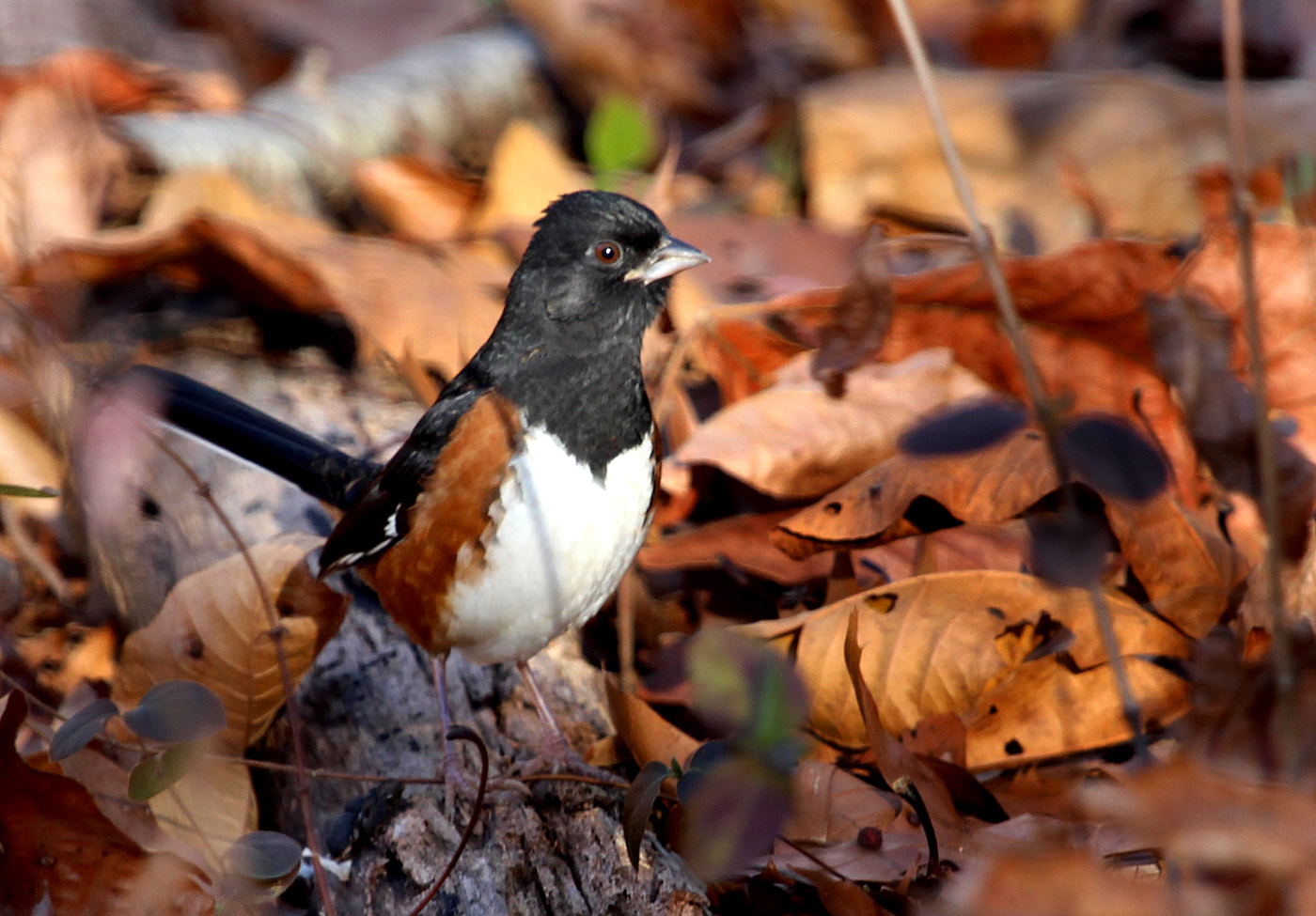
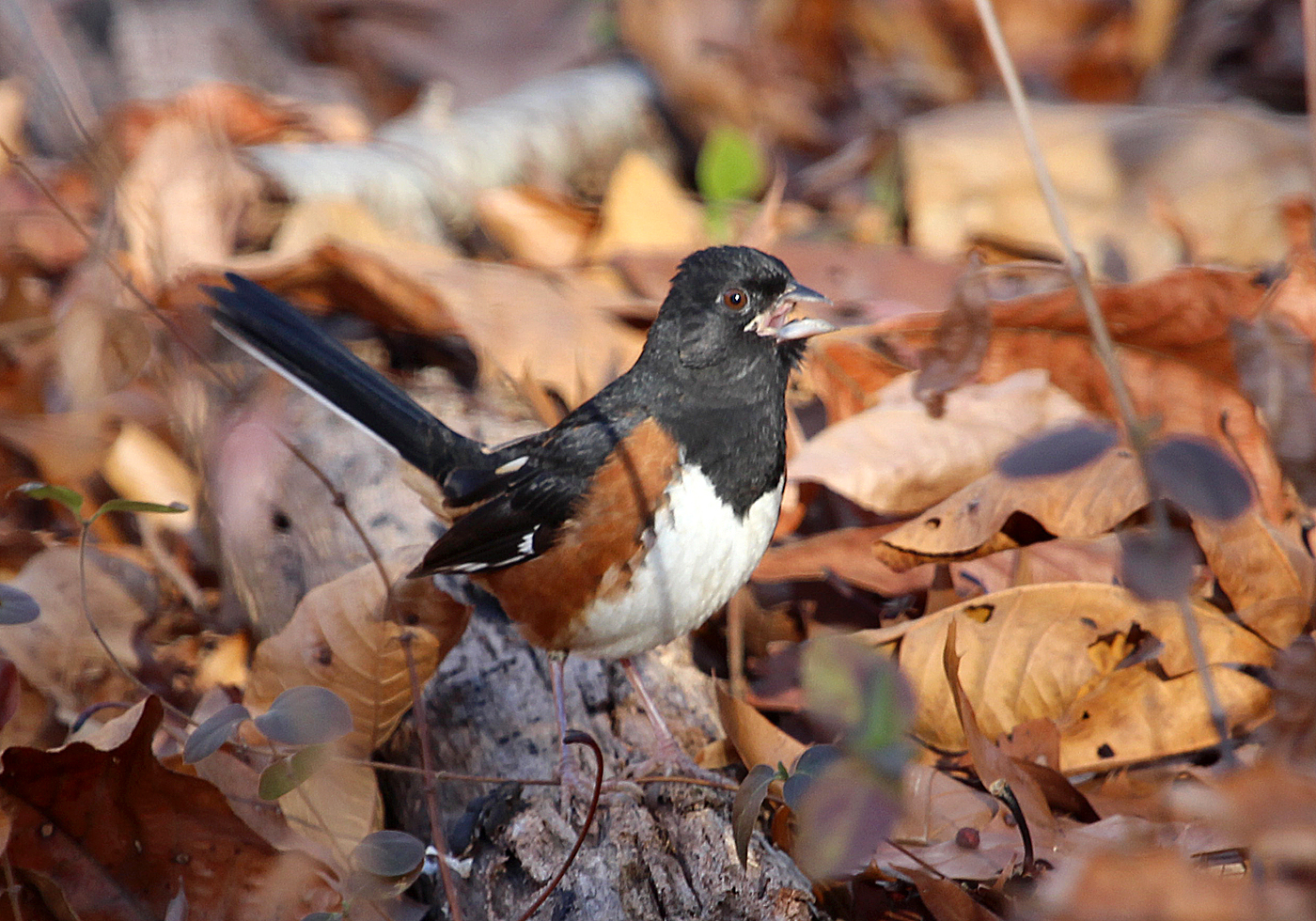
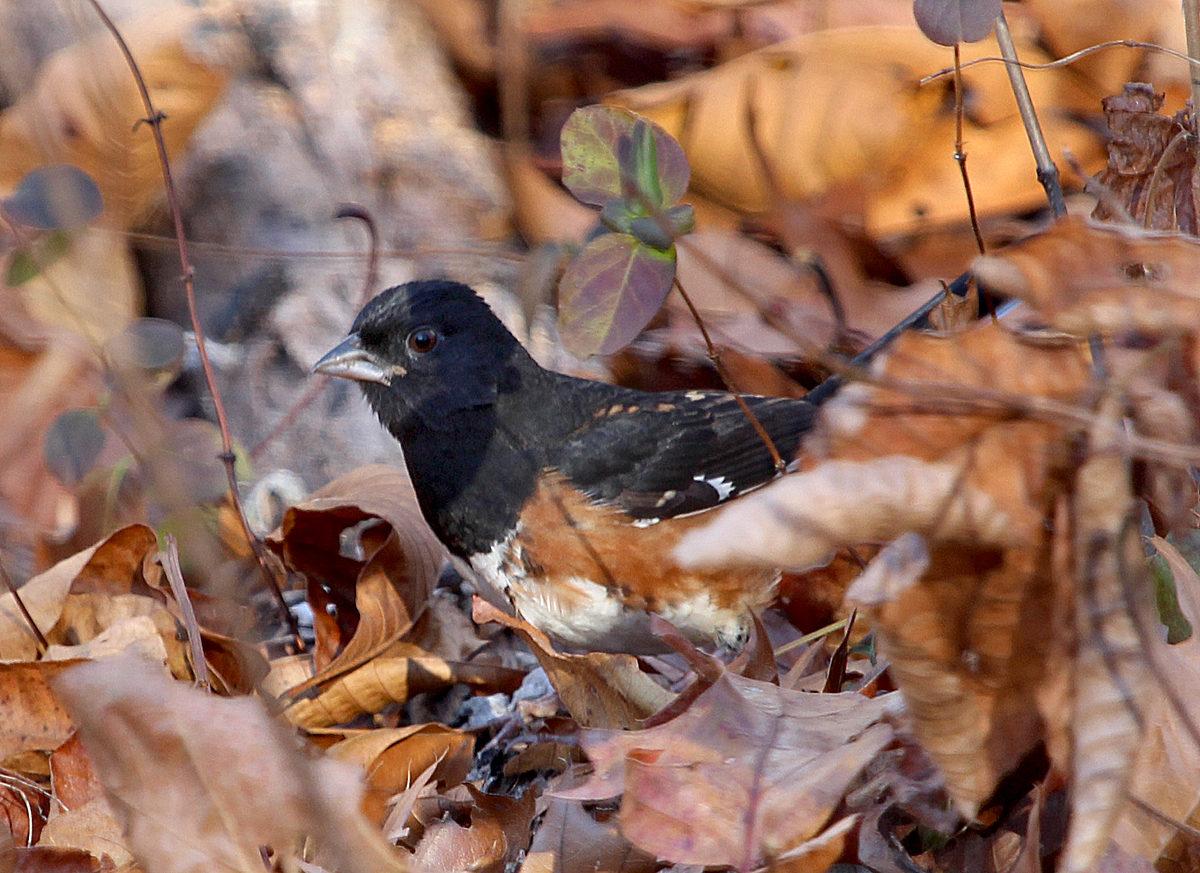
Photo by Chris Bosak An Eastern Towhee at Selleck's/Dunlap Woods in Darien, Nov. 2013.

Photo by Chris Bosak
An Eastern Towhee at Selleck’s/Dunlap Woods in Darien, Nov. 2013.


It was one of those walks I probably shouldn’t have taken. I had only a smidgen of wiggle room if I wanted to arrive at an appointment on time. The woods beckoned, however, and I’ve always felt that a few minutes in the woods was better than no minutes in the woods. The danger, of course, is that I find it very difficult to spend only a few minutes in the woods. One good bird to follow and there goes my couple of minutes. Oh well, I figured, it’s cold and breezy. The birds will be hunkered down and making themselves scarce. I can knock out a quick walk no problem. The plan was working Continue reading

Eastern Towhee highlights quick morning walk

towhee1

Photo by Chris Bosak
An Eastern Towhee at Selleck’s/Dunlap Woods in Darien, Nov. 2013.

A quick walk at Selleck’s/Dunlap Woods in Darien this morning yielded a few surprises, such as a Hermit Thrush, a few kinglets and this very vocal Eastern Towhee.

A Blue Jay mimicked a Red-shouldered Hawk and plenty of American Robins ate berries along the trail. White-throated Sparrows were in abundance, too.

Photo by Chris Bosak An Eastern Towhee at Selleck's/Dunlap Woods in Darien, Nov. 2013.

Photo by Chris Bosak
An Eastern Towhee at Selleck’s/Dunlap Woods in Darien, Nov. 2013.

This particular towhee was very vocal, which is how I found it in the first place. It didn’t sing its “drink your tea” song, of course, but gave itself up by constantly uttering its “chwink” or “tow-hee” call over and over.

Let me know what you’re seeing out there at bozclark@earthlink.net. Also submit a photo for my “reader submitted” photo page.

towhee3

Photo by Chris Bosak
An Eastern Towhee at Selleck’s/Dunlap Woods in Darien, Nov. 2013.

First post for the new BirdsofNewEngland.com

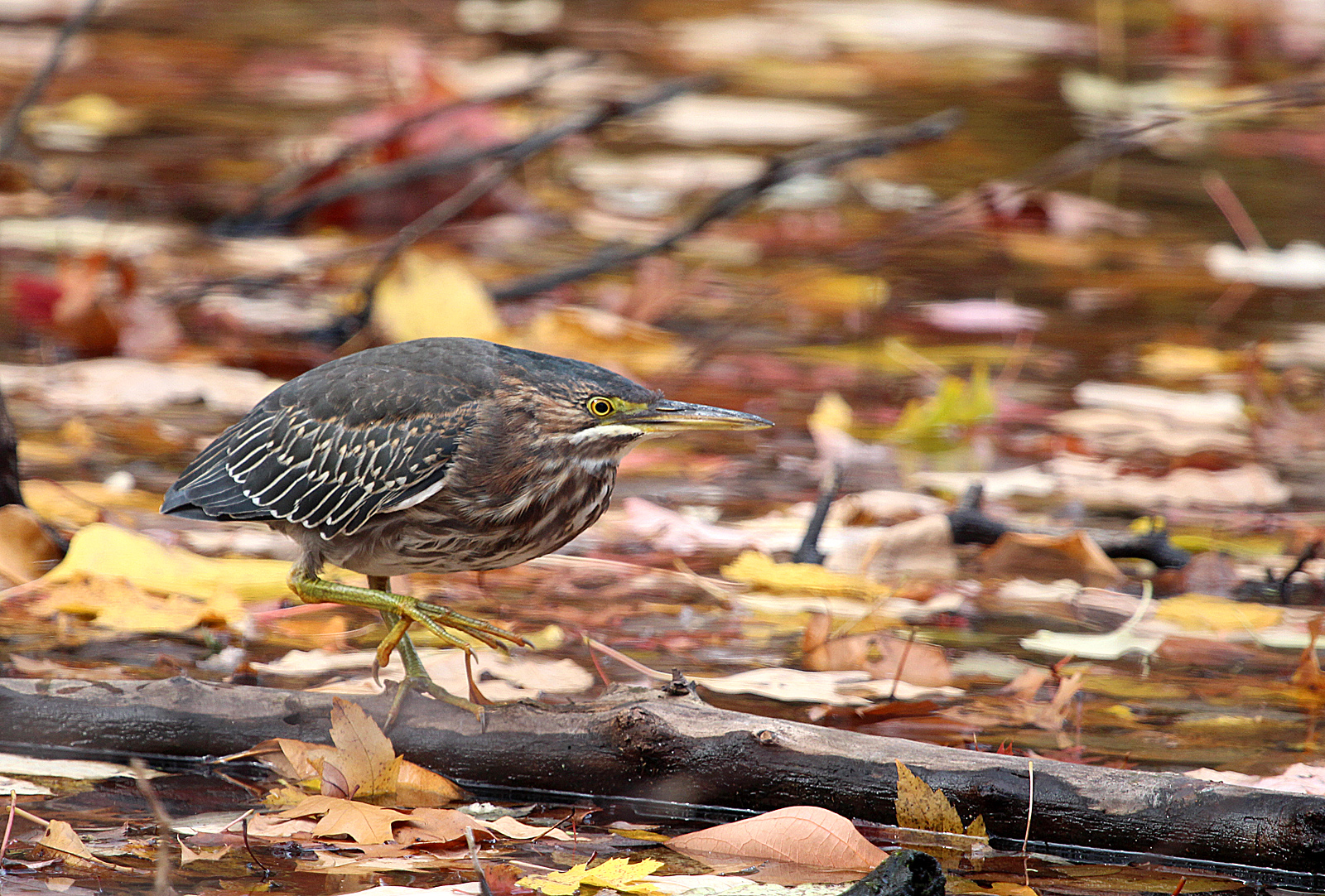
Green Heron in southern Connecticut, November 2013.

Green Heron in southern Connecticut, November 2013.

Welcome to the new http://www.birdsofnewengland.com. It will be similar to the former website with lots of bird photos and stories from my travels around New England. It will have a different look, however, and new features, such as a video page and “reader submitted” photos page. Feel free to submit photos you have taken of birds or other wildlife in New England (or beyond.)

So let’s just jump right into the first post.

November has been a great month for birdwatching so far, at least from my perspective in southern New England. On the first Sunday in November, I spotted a Green Heron at Selleck’s/Dunlap Woods, a Darien Land Trust property. I’ve seen plenty of Green Herons at this property before, but never in November _ or even October or late September for that matter. It was interesting to see the crow-sized wader surrounded by fall foliage.

Green Heron in Southern Connecticut, November 2013.

Green Heron in Southern Connecticut, November 2013.

The Green Heron sighting followed an hour-long stretch whereby I sat in a dried-out swampy area and watched as Golden-crowned Kinglets, Ruby-crowned Kinglets and Yellow-rumped Warblers hopped along the ground among the weeds and grasses looking for seeds. Previous highlights that weekend included an Eastern Towhee, Brown Creeper and Winter Wrens.

Thanks for checking out the new http://www.BirdsofNewEngland.com. Check back often for updates and new stories and photos. Remember to send in your photos and I’ll add them to the “reader submitted” page. Send the photos or other suggestions to bozclark@earthlink.net