For the Birds: Fall is different, but still great for birdwatching

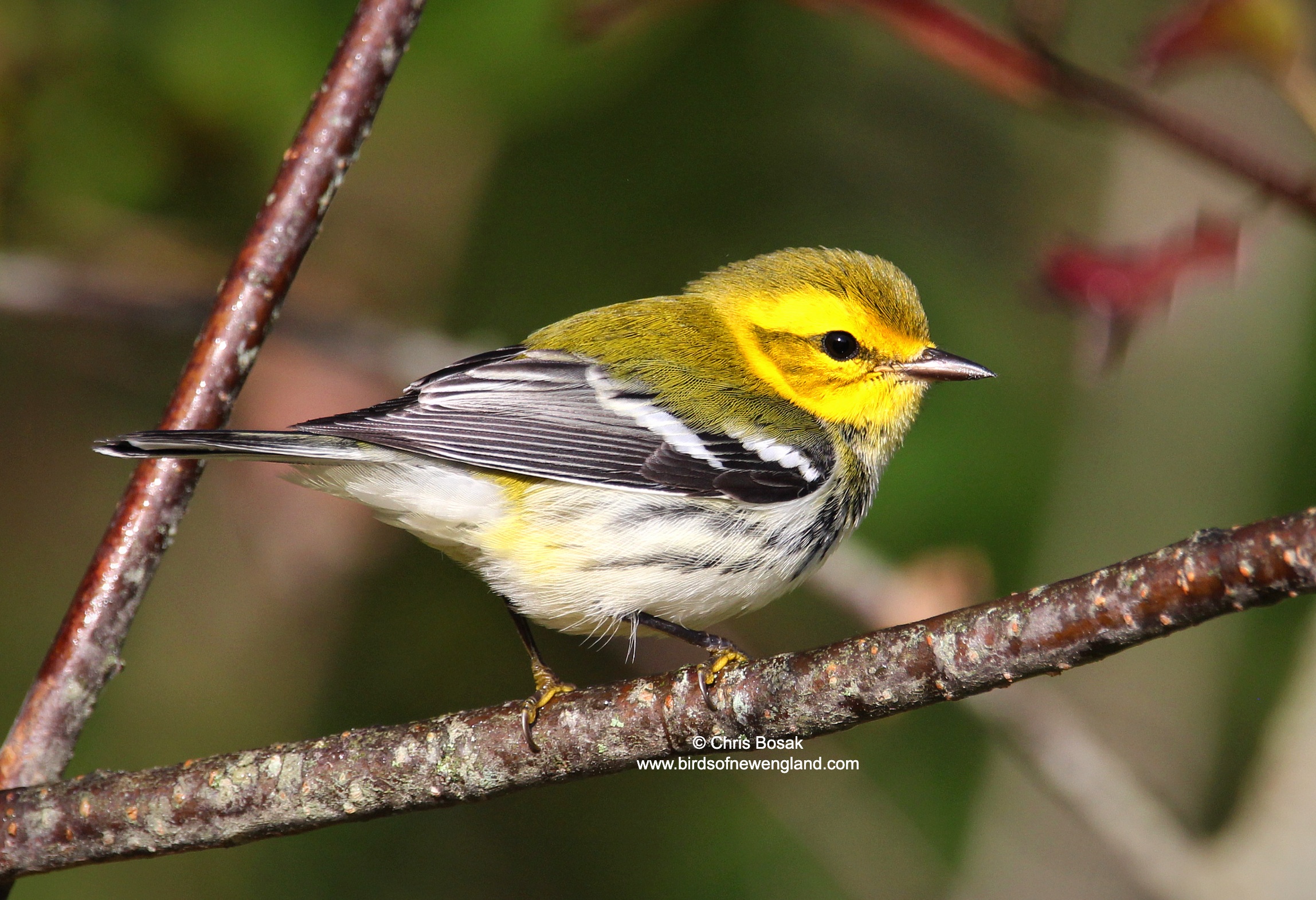
Photo by Chris Bosak – A black-throated green warbler, September in New England.

Fall is a great time to watch birds, but it’s much different than watching birds in the spring. It’s quieter, sometimes harder to find the birds and many of the birds don’t look the same.

It’s quieter because most of the birds are not singing. In the spring, birds are singing constantly as the urgency of securing a territory, finding a mate and breeding is foremost on their minds. The songs of perhaps dozens of birds overlap and it can be difficult to isolate the songs of a single species.

That urgency has long passed by the time fall comes around, and foremost on their minds is getting to their winter grounds safely. That doesn’t mean they are silent, however. Fall is when you hear more calls than songs as the birds issue warnings to other birds and try to remain in contact more quietly. 

Continue reading
For the Birds: Fall migration under way

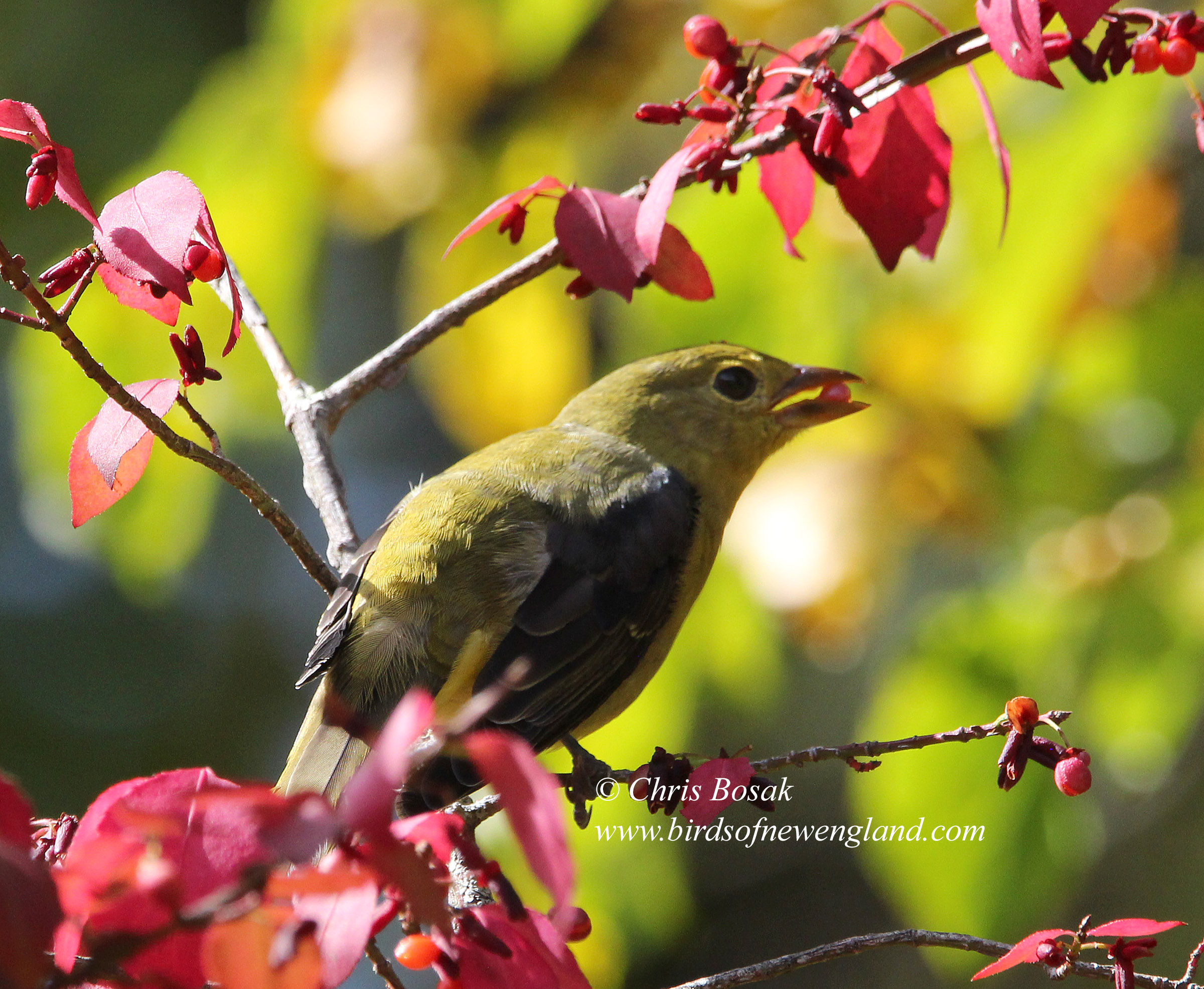
Photo by Chris Bosak A male scarlet tanager in the fall.

It seems like just yesterday we were welcoming back the warblers and other songbirds during spring migration and here we are at fall migration already.

Many of the birds we saw in the spring heading north will look the same on their southward journey. Many others, however, will look different. 

Some, like male scarlet tanagers, will bear little resemblance to what they looked like in the spring. When we saw them in May and June, they were the most brightly colored birds in the woods. A sighting always yielded a gasp of excitement as we wondered how a bird in New England could be so brilliant. After the breeding season, however, they molted and are now dull yellow with less shiny black wings. They are still awesome-looking birds but not the striking birds they were in the spring.

In addition to many adult birds molting, the fall migration includes first-year birds that haven’t attained familiar adult plumage yet. They often resemble females or a mix of male and female plumage. 

Continue reading

For the Birds: Patience pays off again

Photo by Chris Bosak A yellow-rumped warbler eats poison ivy berries in New England, fall 2021.

Any birdwatcher knows that patience and faith are perhaps the two most important components to a successful bird walk.

I started a recent walk with high hopes, as I always do, but as the morning went on and no birds were to be found, I started to lose hope of seeing anything. To compound matters, the field at the park had recently been mowed for the first time of the year, making bird encounters even less likely.

It still would have been a pleasant walk because the autumn morning chill had given way to a beautiful and warm sunny day. But with fall migration in full swing, I was disappointed in the birding results.

Continue reading

For the Birds: Feeling a lot like fall

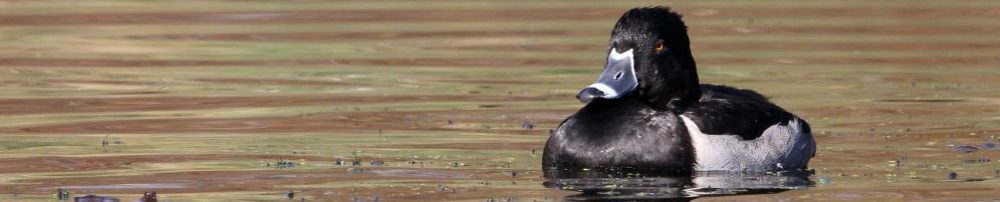
Photo by Chris Bosak A Bald Eaglea fies over Little Merganser Lake in Danbury, Conn., Sept. 2016.
Photo by Chris Bosak A Bald Eagle flies over Little Merganser Lake in Danbury, Conn., Sept. 2016.

There have been a few mornings recently that have felt an awful lot like fall. Cool temperatures, low humidity, the occasional falling leaf.

The bird world is following suit in New England, ever so slowly. I’ve seen a few passing warblers in the backyard over the past few weeks and the hummingbirds are feeding with an added urgency to fatten up for their journey south.

I’m not trying to rush the end of summer, and we still have a few weeks until it is officially over. The end of August and beginning of September is a fun transition time in the bird and nature world. A walk through a New England meadow this time of year yields butterflies, dragonflies and all sorts of crazy-looking insects that make you think of summer. Then, you notice the goldenrod in bloom and a hawk soaring overhead reminiscent of fall.

The fall migration starts as early as July when young shorebirds work their way southward along the New England coast. It really begins in earnest in the middle of September when the hawk migration gains a head of steam. September is when a visit to a hawk Continue reading

Tricky fall migration

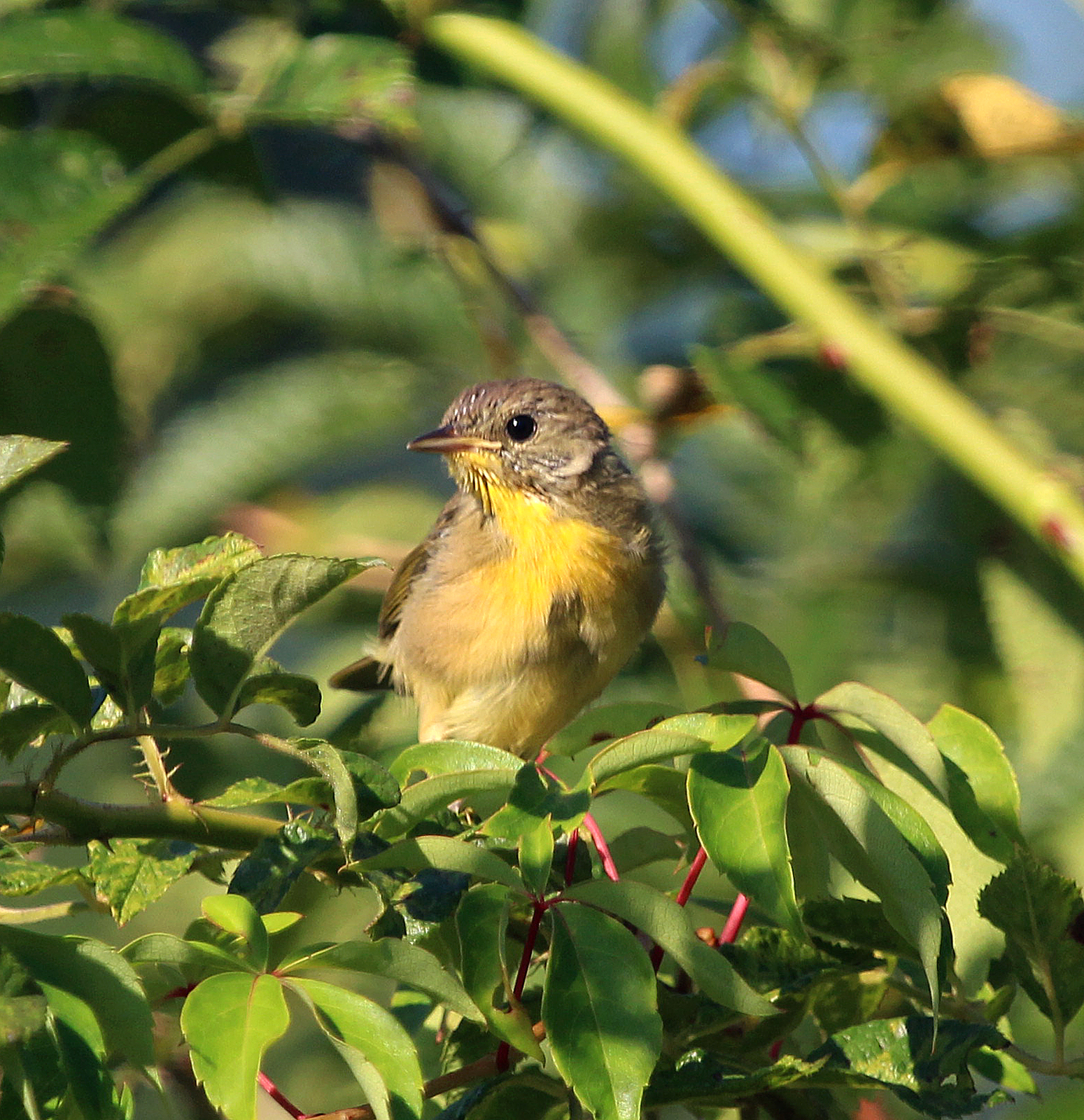
Photo by Chris Bosak A female Common Yellowthroat perches in a tree in West Norwalk late this summer.

Photo by Chris Bosak
A female Common Yellowthroat perches in a tree in West Norwalk late this summer.

Here’s the latest For the Birds column, which runs weekly in The Hour (Norwalk, CT) and The Keene Sentinel (Keene, N.H.)

I’ve mentioned before that the fall migration, for the most part, is less ballyhooed by the birding community.

There are many reasons for this. The spring migration is so eagerly anticipated because it follows winter (usually a harsh one in New England) and birders are itching to see signs of rejuvenation in the natural world. The early flowers do a good job of heightening our spirits, but there’s nothing like the birds’ returning to really get us out of the winter doldrums.

The spring migration is also marked with a wide variety of colorful birds, most notably the warblers and other songbirds that pass through in April and May. The males are in their bright breeding plumage and singing their hearts out. The females are not as brightly colored and not as vocal, but are still a sight for sore eyes in the spring. The birds have a real sense of urgency in the spring migration, too. They need to get to their breeding grounds to get a good nesting spot and get down to th Continue reading