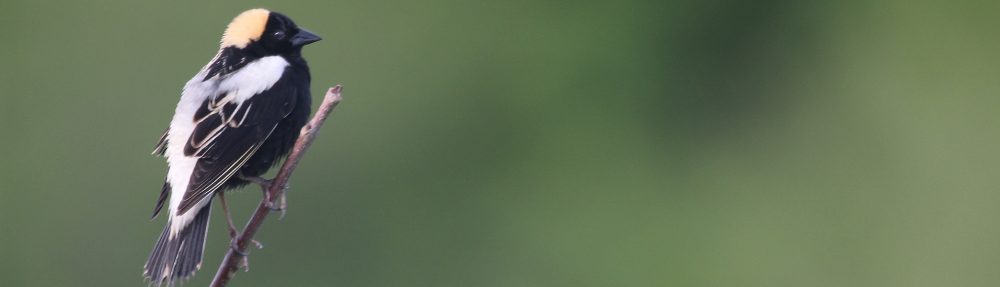
It seems like just yesterday we were welcoming back the warblers and other songbirds during spring migration and here we are at fall migration already.
Many of the birds we saw in the spring heading north will look the same on their southward journey. Many others, however, will look different.
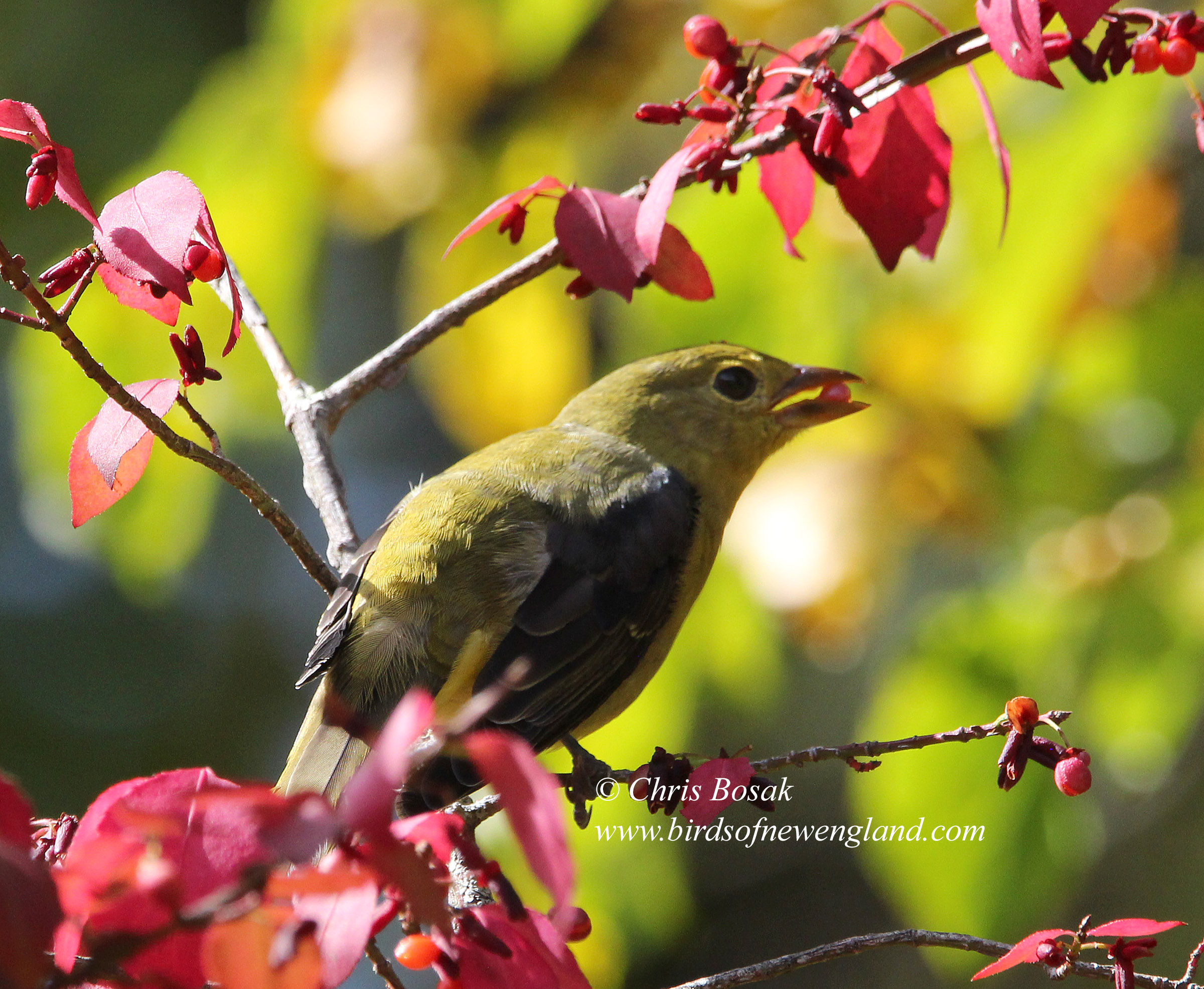
Some, like male scarlet tanagers, will bear little resemblance to what they looked like in the spring. When we saw them in May and June, they were the most brightly colored birds in the woods. A sighting always yielded a gasp of excitement as we wondered how a bird in New England could be so brilliant. After the breeding season, however, they molted and are now dull yellow with less shiny black wings. They are still awesome-looking birds but not the striking birds they were in the spring.
In addition to many adult birds molting, the fall migration includes first-year birds that haven’t attained familiar adult plumage yet. They often resemble females or a mix of male and female plumage.
These birds add another layer of challenge and confusion to fall bird identification. Many of these youngsters are recognizable enough like the backyard favorites cardinals, blue jays, catbirds and chickadees. But many of the birds found in the field, such as warblers, are not as easy to recognize.
In these cases, a good field guide is helpful to have handy. While digital field guides have taken over the market, identifying birds in the fall is often easier with a good, old-fashioned book-form field guide that shows the various plumages on one page. Sibley guides are ideal for seeing the many plumages on one page, or in some cases, a two-page spread.
It’s still somewhat early in fall migration with a few birds trickling south. It will pick up in earnest over the next couple weeks and continue into October. As with the spring migration, most of the movement happens overnight. The hawk migration, however, takes place during the day and, for many birdwatchers, is the highlight of the fall season, if not the year.
One of the most popular fall migration spots in New Hampshire is Pack Monadnock in Miller State Park in Peterborough. Extremely knowledgeable staff members are on hand September 1 through mid-November. The peak of hawk migration runs from the middle of September to the middle of October.
Birds such as bald eagles, osprey, kestrels and broad-winged hawks migrate from late August through September. October and into November see birds such as peregrine falcons, red-shouldered hawks, Cooper’s hawk and, if you’re lucky, golden eagle. It’s definitely worth the trip if you have never been to a hawk watch site.
While it may lack the pent-up anticipation and color of spring migration, fall migration has plenty to offer, especially for birders looking for a challenge. It’s also the last big birding event before winter sets in. Winter birding, of course, has its thrills as well, but, understandably, is not everybody’s favorite time of year to be outside looking for birds.
Happy fall migration. Let me know what you see out there.


I very much enjoy Fall migration season here in the Lakes Region. The birds flock in to feed on their journey through our area, many of whom we haven’t seen since Spring. Its like having old friends stop in to say hello and goodbye.
LikeLiked by 1 person
Gosh yes, how quickly time has flown and now the birds. WordPress for all its clunky ways linked us as fellow bird lovers across the Atlantic. Do join us for my #birdplace posts. The more we can share I think the better for our bird knowledge.
LikeLiked by 1 person