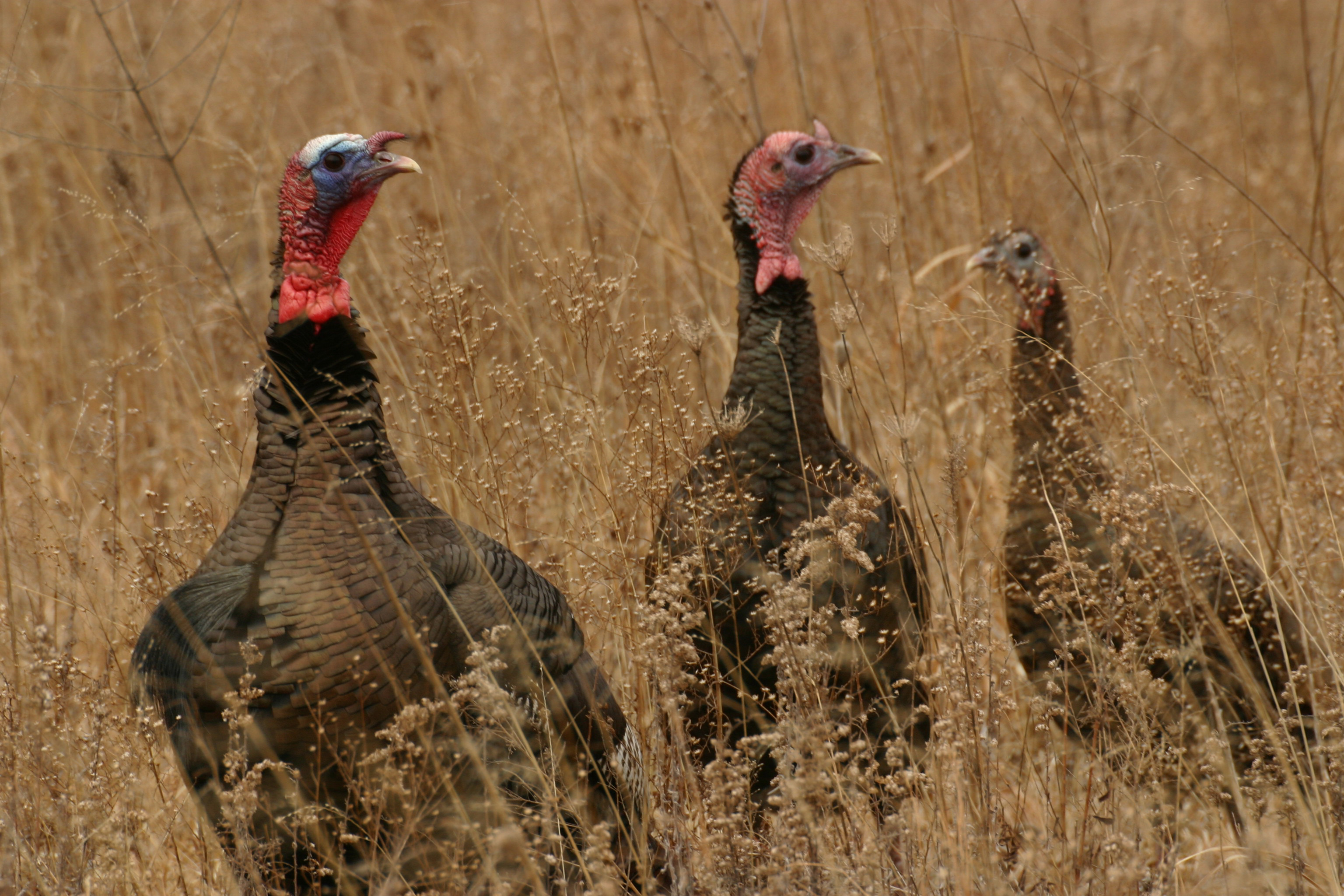
There are an estimated 50,000 turkeys in New Hampshire.
I wrote about the proliferation of wild turkeys in New England several weeks ago.
I shared a story about how when I lived in Vermont in the early 1990s, seeing a wild turkey was a big deal. I wrote about driving 45 minutes from where I lived to see a flock of wild turkeys in a field. Back then, it was worth a long car ride to see them.
Now, wild turkey sightings are a common occurrence throughout New England and most of the U.S. for that matter.
What I left out of that column, however, was a mention of the main reason wild turkeys are so numerous in New Hampshire these days. After a failed attempt to reintroduce wild turkeys to the Granite State in the 1960s, New Hampshire tried again in 1975 with a young wildlife biologist named Ted Walski at the charge. This time it worked.
Walski passed away in December 2023, but his legacy lives on in the 45,000 to 50,000 wild turkeys that now live in New Hampshire. From zero turkeys to 50,000. Not a bad legacy to leave behind.
Walski’s legacy is now being honored with the establishment of the Theodore W. Walski Wildlife Management Area, a 1,308-acre preserve in Marlow and Alstead with an entrance on Baine Road. The New Hampshire Fish and Game Department made the announcement official in September.
According to a release by the NHFG, the conservation purchase “protects an ecologically rich landscape and ensures public access for wildlife-based recreation.”
The land is a contiguous mix of forest and wetlands and includes the Grassy Brook Corridor. Upland game birds, waterfowl, and mammals small and large — including moose, bear and deer — roam the acres. I haven’t been to the property yet and the NHFG release does not mention it specifically, but I would imagine a wild turkey sighting or two is a distinct possibility there.
According to NHFG, nearly all of the property is classified as important habitat in the New Hampshire Wildlife Action Plan, a 2025 blueprint for conserving healthy wildlife populations across the state.
The area is open for recreational activities such as hunting, fishing, wildlife and birdwatching, hiking, and snowshoeing. The existing snowmobile trail that runs through the property will remain open.
The purchase was funded largely through the U.S. Fish and Wildlife Service’s Wildlife Restoration Program. That program is subsidized by a tax on firearms, ammunition and archery equipment, which is fitting because Walski was a champion for hunting as a means of responsible conservation practices and maintaining healthy wildlife populations.
I came across an old letter to the editor that Walski wrote in the Keene Sentinel countering a previous letter that suggested wild turkeys should not be hunted because they ate ticks and therefore helped to keep the tick population in check. Walski dispelled that notion in his typical entertaining manner by saying wild turkeys would certainly starve to death if they had to rely on eating tiny and elusive ticks as a mainstay of their diet.
It was interesting to see a letter defending turkey hunting from the guy who brought the bird back to the state in the first place. Now there’s a guy who sees the value of conservation from all angles.
With Thanksgiving a not-so-distant memory, it’s a fitting time to talk turkey and to honor the man who brought turkeys back to the New Hampshire landscape.

