Unknown's avatar

About Chris Bosak

Bird columnist and nature photographer based in New England.

Added exposure for ‘For the Birds’ and an important environmental message

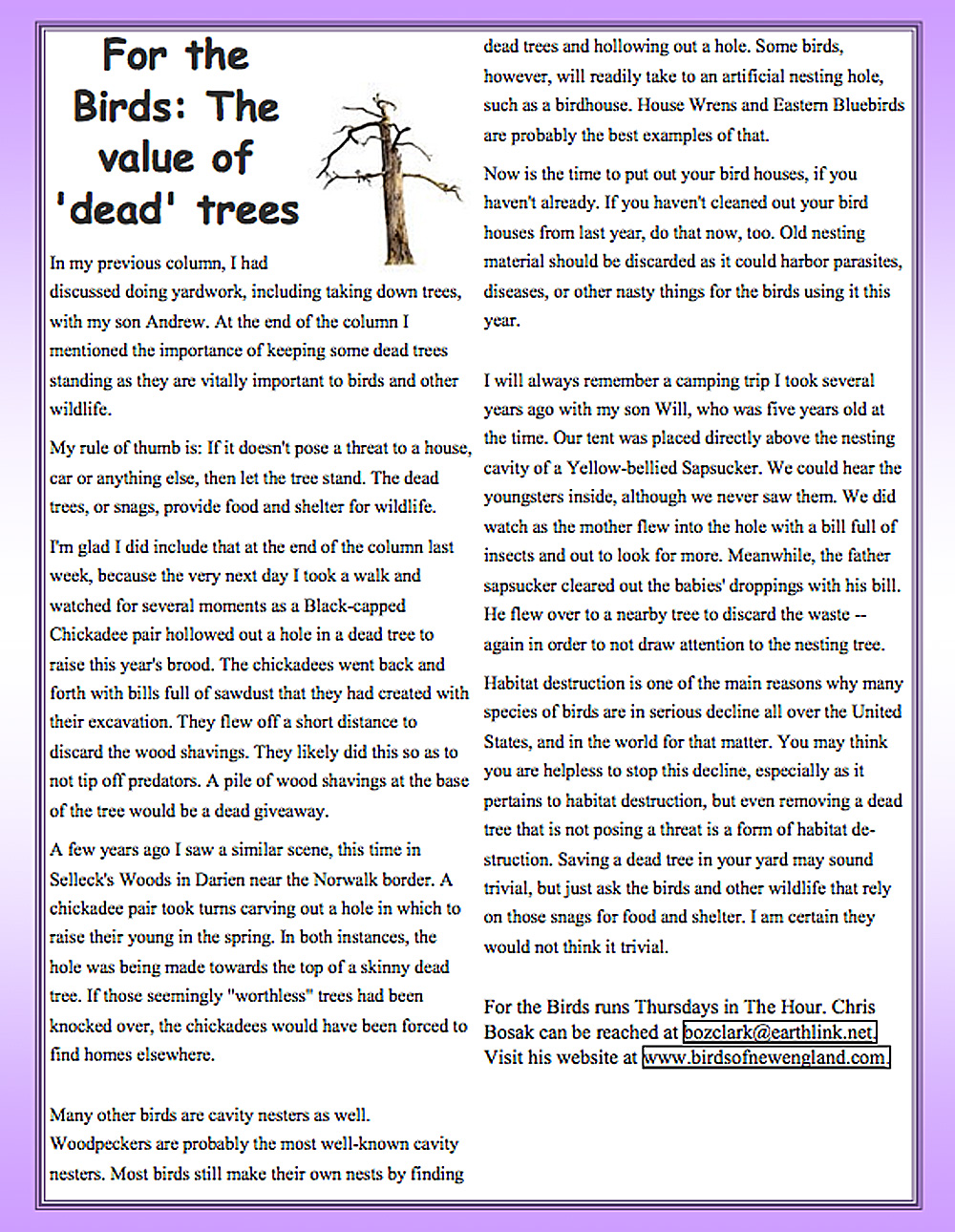
parrot newsletter 1

I received an email the other day requesting permission to use my latest For the Birds column in the newsletter for the New Jersey-based group: The Real Macaw Parrot Club. I obliged as the topic of the column, I felt, is important and the word needs to be spread. So, above, there it is. Thanks to The Real Macaw for helping out with this.

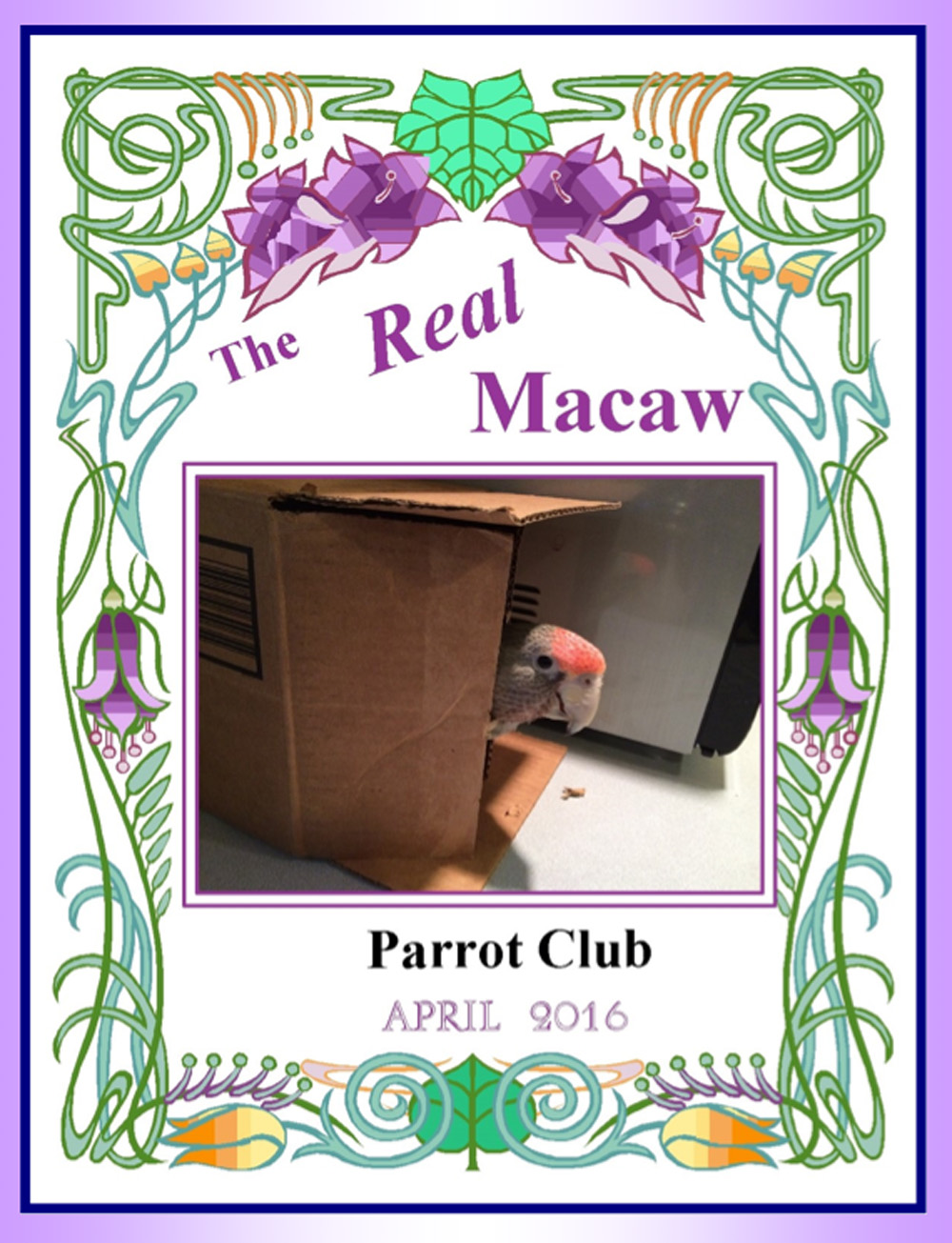
Here’s the cover of the newsletter.

parrot newsletter 2

Egrets return to New England

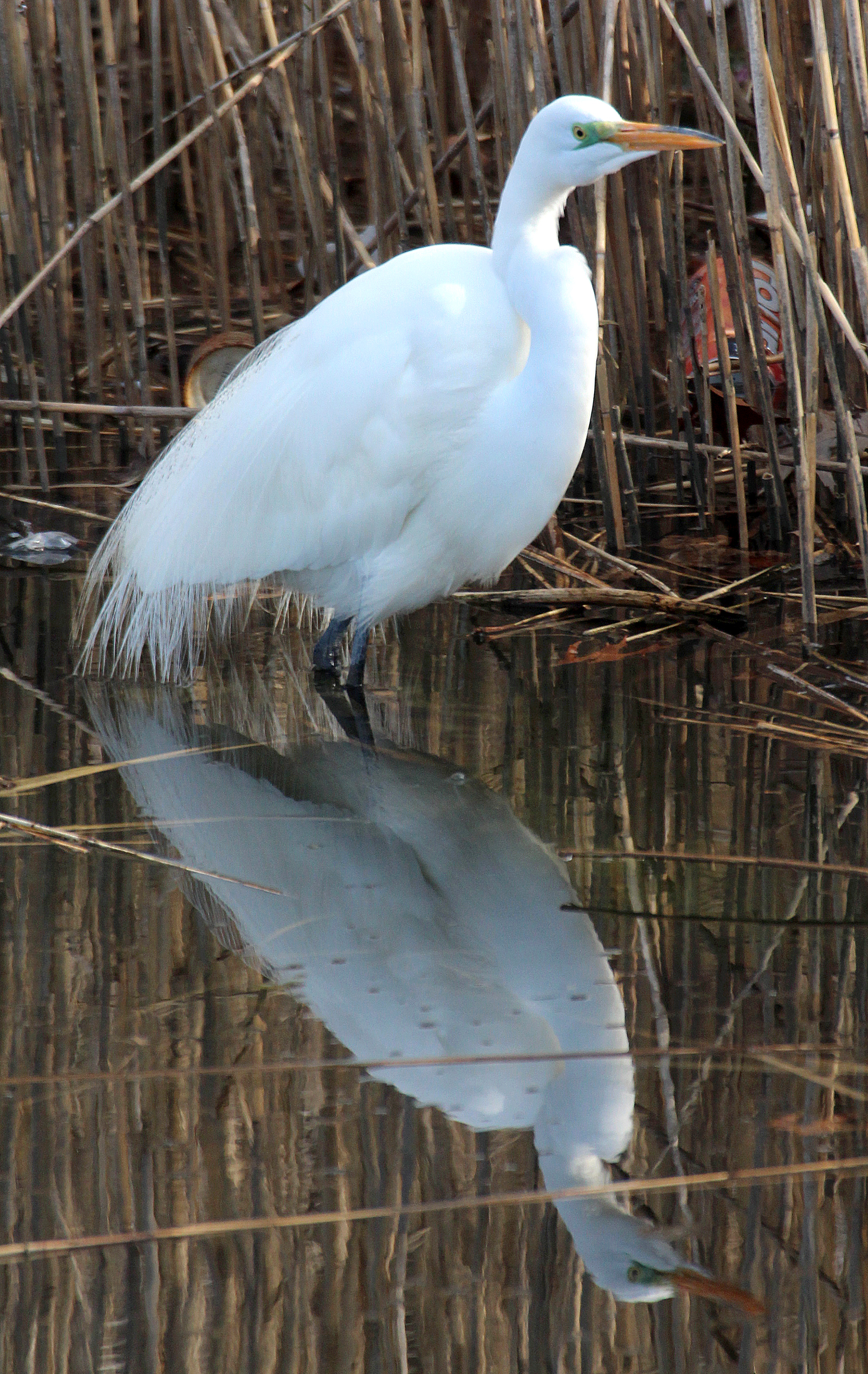
Photo by Chris Bosak A Great Egret stands in the Norwalk River in this April 2016 photo.

Photo by Chris Bosak
A Great Egret stands in the Norwalk River in this April 2016 photo.

I saw my FOY egret today. In birding speak, FOY is ‘first of the year.’ So, in other words, today I saw my first egret of 2016 in New England. It was a Great Egret and it lurked among the tall grasses on the edge of the Norwalk River near where I work.

Soon, Great Egrets will become pretty much a daily sighting and Snowy Egrets will become increasingly common as well. If you’re from Florida, egrets are a daily occurrence year-round. If you’re from New England, the arrival of egrets in March or April is another welcomed sign of spring.

Sorry about all the garbage in the grasses. The snowy and cold April weather we’ve had lately has delayed the spring clean-ups.

A frosty morning at the feeding station

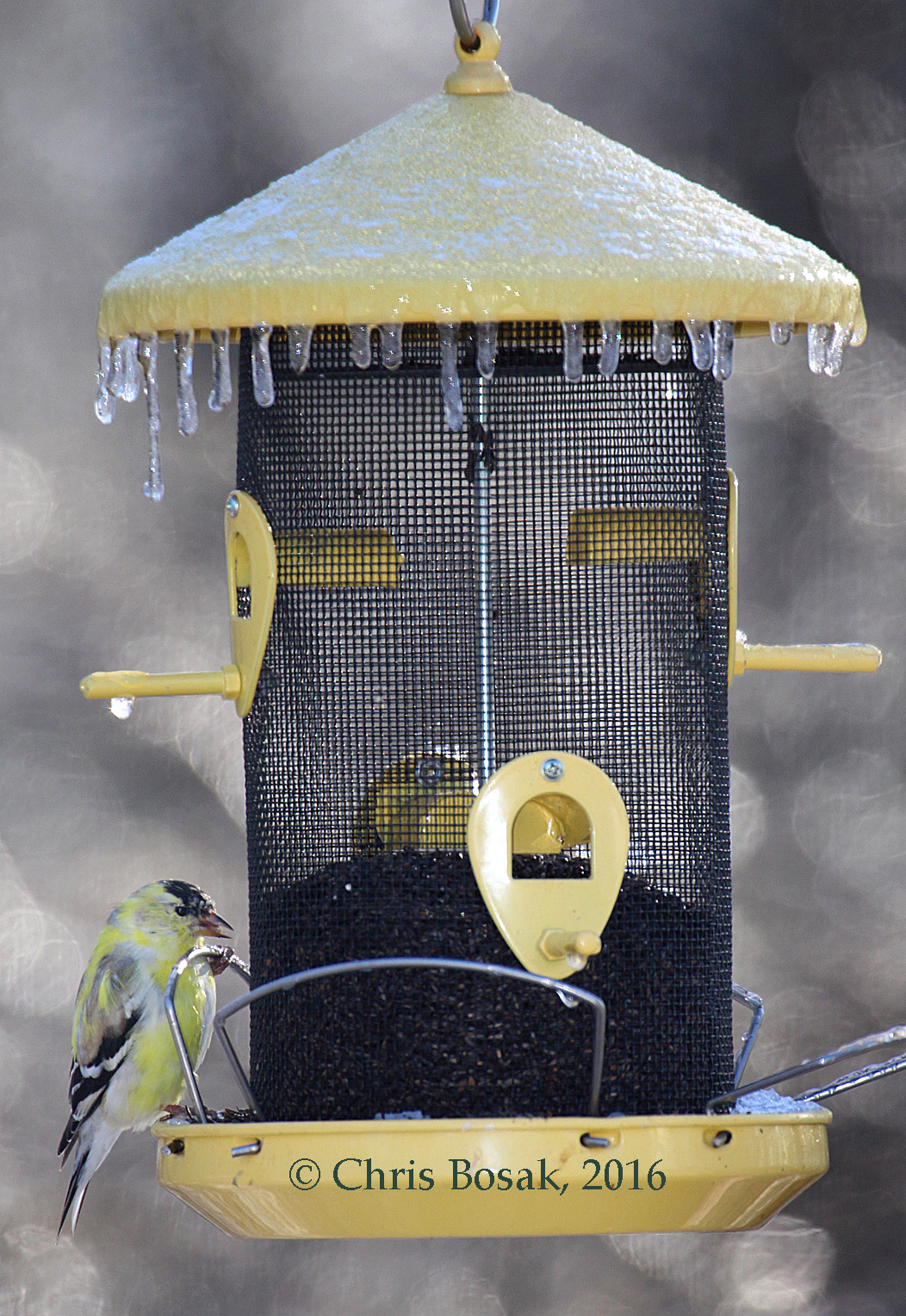
Photo by Chris Bosak An American Goldfinch eats Nyjer seeds from a frozen feeder during a frosty April 2016 morning in Danbury, Conn.

Photo by Chris Bosak
An American Goldfinch eats Nyjer seeds from a frozen feeder during a frosty April 2016 morning in Danbury, Conn.

For the second day in a row the unpredictable New England weather provided an opportunity to get an interesting photo at the bird feeding station. Monday it was snow. Tuesday it was ice. Here, an American Goldfinch visits the Nyjer feeder, undaunted by the ice and freezing temperatures. Notice that this male is transitioning into its breeding plumage. Below are a few more icy photos from Merganser Lake.

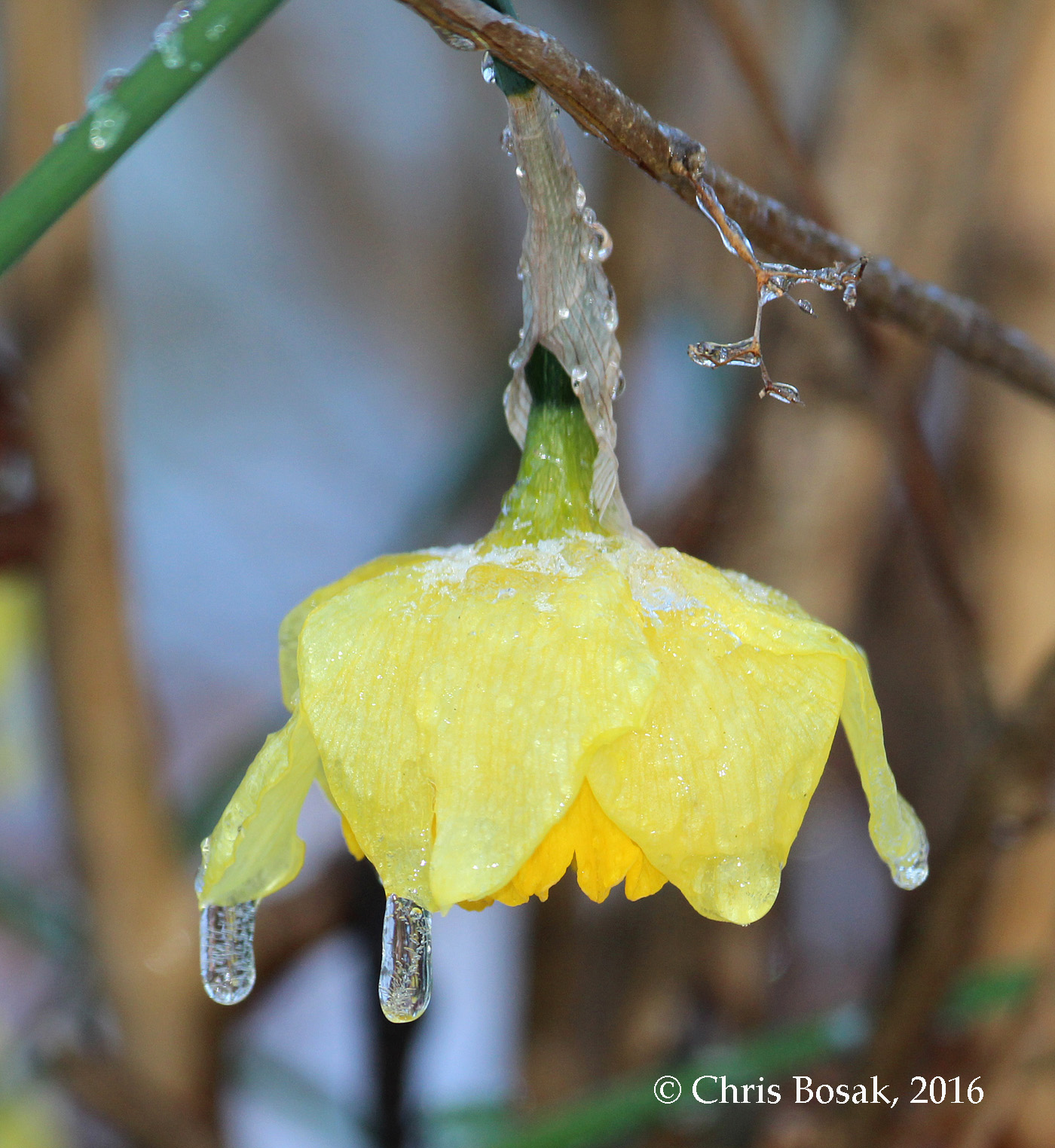
Photo by Chris Bosak Ice covers a daffodil bloom in Fairfield County on a chilly Tuesday morning.

Photo by Chris Bosak
Ice covers a daffodil bloom in Fairfield County on a chilly Tuesday morning.

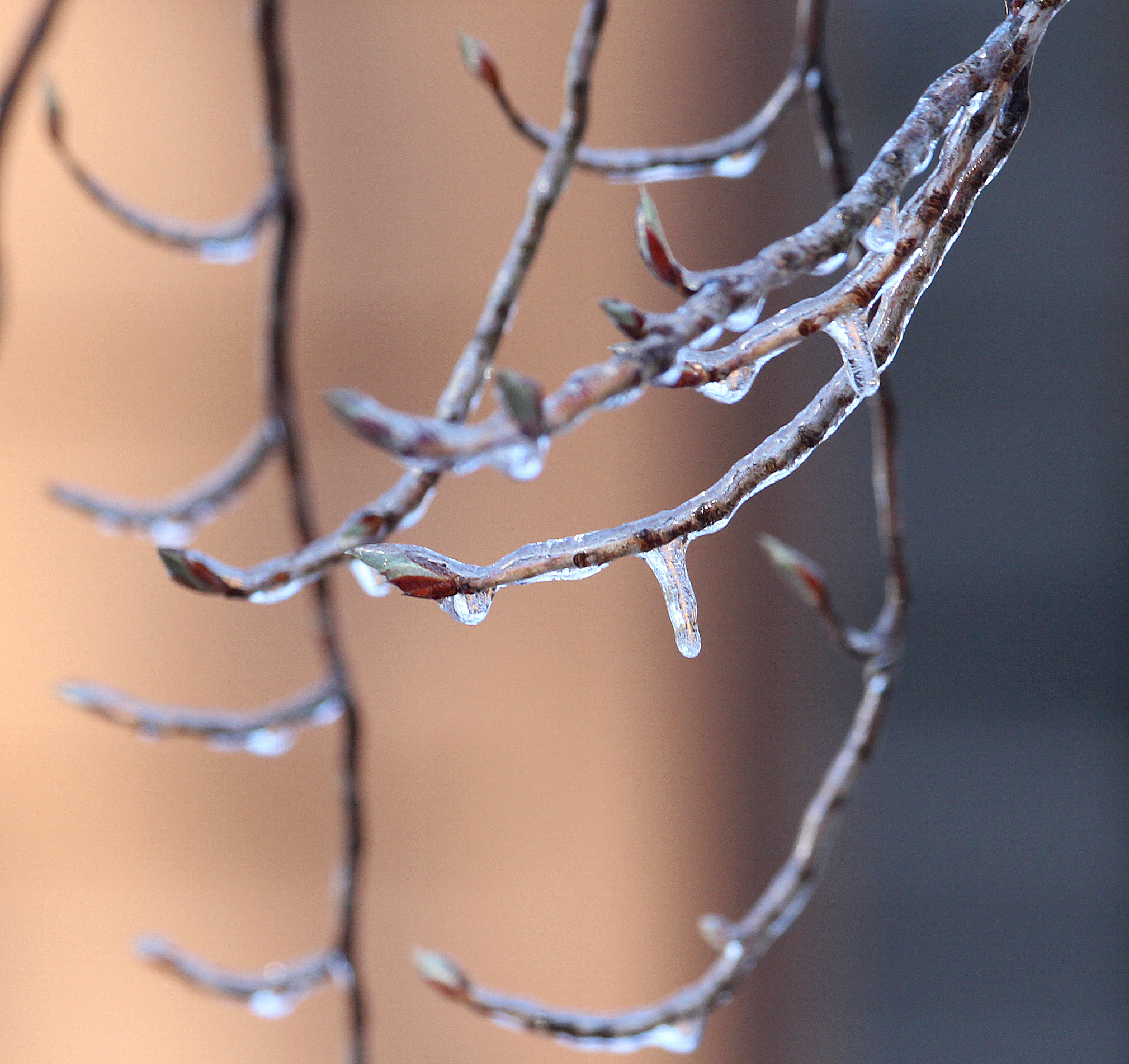
Photo by Chris Bosak Ice covers the branches of a tree in Danbury, Conn., April 2016.

Photo by Chris Bosak
Ice covers the branches of a tree in Danbury, Conn., April 2016.

Wood Ducks in the snow

Photo by Chris Bosak Wood Duck drakes swims at Woods Pond in Norwalk, Conn., during an early April snow fall, 2016.

Photo by Chris Bosak
Wood Duck drakes swims at Woods Pond in Norwalk, Conn., during an early April snow fall, 2016.

Another early-morning snow fall swept through parts of New England on Monday morning. Many people, I’m sure, cringed at the sight of more snow. As usual, my thoughts turned to photographing birds in the snow. It was an especially dark morning, but I managed to find and shoot some Wood Ducks at Woods Pond in Norwalk, Conn. Wood Ducks are Continue reading

Eastern Phoebe: One of our early migrants

Photo by Chris Bosak An Eastern Phoebe visits a bird bath in Danbury, Conn., March 2016.

Photo by Chris Bosak
An Eastern Phoebe visits a bird bath in Danbury, Conn., March 2016.

My neighborhood is alive with the sounds of Eastern Phoebes. These somewhat nondescript birds are one of the first migrants to return to New England in the spring. By mid-March many New Englanders are ready for some real signs of spring. The arrival of phoebes is one of those heart-lifting signs. Usually we hear phoebes first as their lispy “phoebe, phoebeee” can be heard in the yard as the birds seek out nesting sights. These tail-pumping birds build “classic” nests of mud, sticks and grass, often in areas near humans.

I was lucky enough to see one at my bird bath the other day. I love seeing different bird sightings and a phoebe at the bath is not something you see every day.

Thanks for checking out http://www.BirdsofNewEngland.com

Chickadee pair picks its spot

Photo by Chris Bosak A Black-capped Chickadee cleans out a hole for a home to raise a family in Danbury, Conn., 2016.

Photo by Chris Bosak
A Black-capped Chickadee cleans out a hole for a home to raise a family in Danbury, Conn., 2016.

I tacked onto the bottom of my last For the Birds column the need to keep some dead trees standing as these “snags” are vital for birds. They provide homes and food for birds and other wildlife.

The day after writing the column I took a walk to Little Merganser Lake. I didn’t notice it while walking to the lake, but on my way back I noticed two chickadees going back and forth to a skinny dead tree. I stopped and watched for quite a while.

The birds, of course, were clearing out a hole for the Continue reading

Downy Woodpecker eating “Bark Butter”

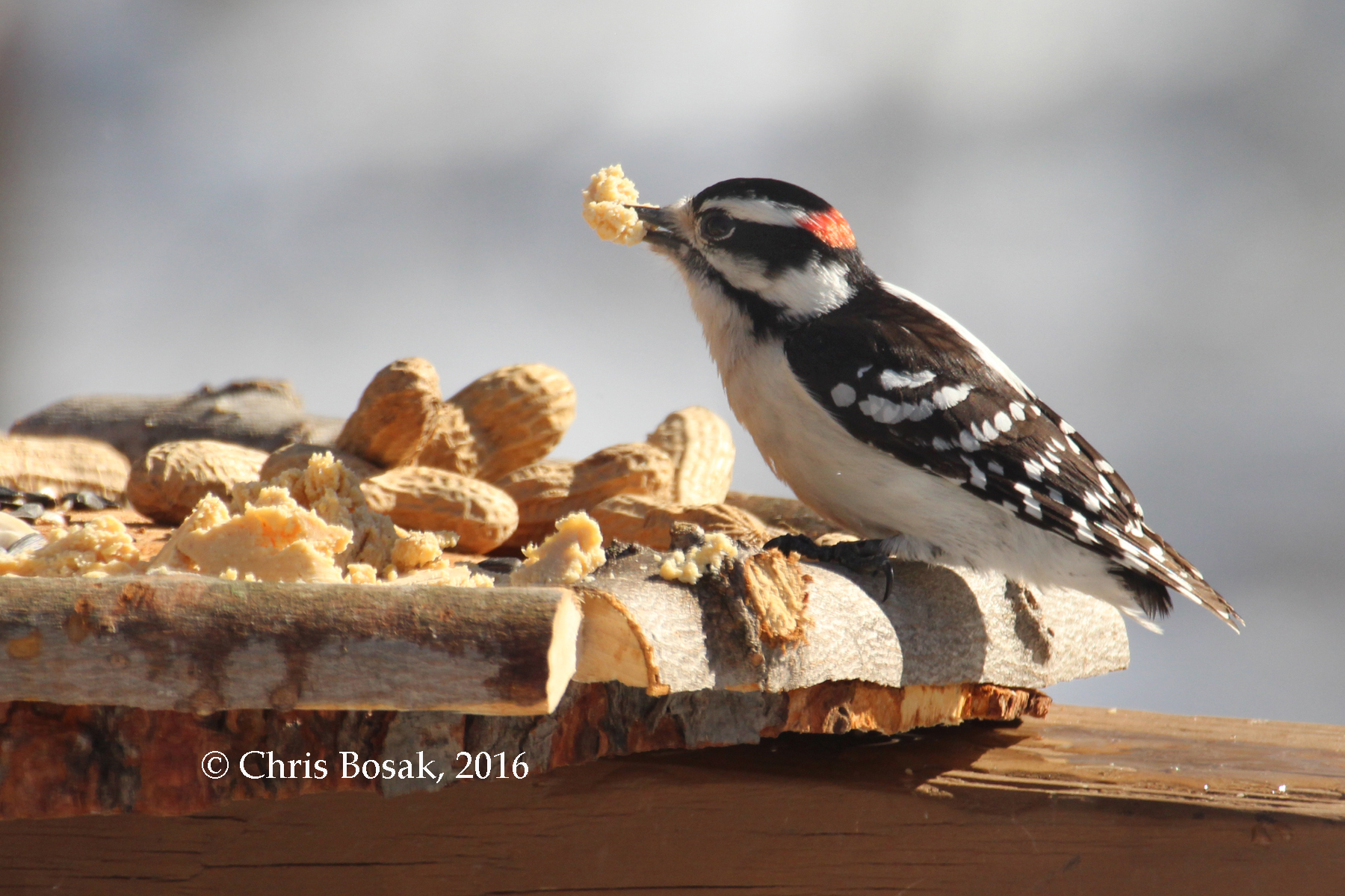
Photo by Chris Bosak A Downy Woodpecker eats some Bark Butter from a new bird feeder in Danbury, Conn., March 2016.

Photo by Chris Bosak
A Downy Woodpecker eats some Bark Butter from a new bird feeder in Danbury, Conn., March 2016.

Here’s one more shot of a bird on that homemade bird feeder. This time it’s a Downy Woodpecker eating Bark Butter. You can tell the Downy likes it from the large portion he is taking with him.

What is Bark Butter? It came recommended by Pat Warren at the Wild Birds Unlimited store in Darien. Jim’s Birdacious Bark Butter is a new product somewhat similar to suet, only you spread it on trees (or other surfaces.) Or you can get a feeder designed for Bark Butter.

Click here for more information about the product.

I spread it on the sides of the feeder and obviously it works. I’ve also seen Carolina Wrens eating it from the feeder. So far I’m impressed with the product.

To try it out, visit Joe or Pat at the Wild Birds Unlimited store at 365 Heights Road in Darien (across from the Noroton Heights train station.)

More photos of birds using the homemade feeder

Photo by Chris Bosak A White-breasted Nuthatch checks out a new bird feeder in Danbury, Conn., March 2016.

Photo by Chris Bosak
A White-breasted Nuthatch checks out a new bird feeder in Danbury, Conn., March 2016.

As promised, here are a few more photos of birds using the feeder that my 12-year-old Andrew and I made last week. Here’s the original story in case you missed it.

More photos by clicking below.

Continue reading

Nuthatch after spring snow in New England

Photo by Chris Bosak A White-breasted Nuthatch takes a peanut from a feeder following a spring snow fall in New England in March 2016.

Photo by Chris Bosak
A White-breasted Nuthatch takes a peanut from a feeder following a spring snow fall in New England in March 2016.

The snow that covered the ground as New Englanders woke up on Monday morning seems like a distant memory. Sunshine and rising temperatures took care of the white stuff by the time afternoon rolled around.

But the morning certainly did look pretty and gave anyone who might be obsessed with photographing birds another chance to “shoot” them with a snowy background. Being of that ilk, I took advantage of the freshly fallen snow in the morning. I didn’t venture far. In fact, I focused on my feeders as they were particularly busy.

Here’s one shot from this morning — a White-breasted Nuthatch at my apple-shaped feeder. More to come, including additional photos of that homemade feeder being used.

Thanks for checking out http://www.birdsofnewengland.com

New homemade bird feeder works right away

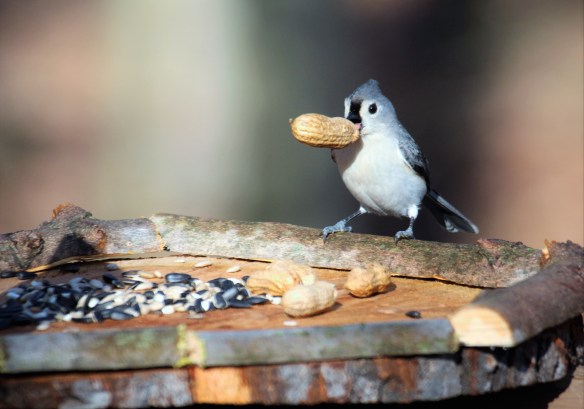
Photo by Chris Bosak A Tufted Titmouse takes a peanut from a new bird feeder in Danbury, Conn., March 2016.

Photo by Chris Bosak
A Tufted Titmouse takes a peanut from a new bird feeder in Danbury, Conn., March 2016.

Andrew, my 12-year-old son, has the week off of school. We did some traditional school’s-out activities, such as going to the movies, bowling, and just hanging around, but we set aside one day to work in the yard. (Well, I set it aside. He likely would not have chosen chopping and stacking wood as a day-off activity.)

But there we were: Chopping away and stacking them up. I broke out the chainsaw to cut some logs to fireplace length. There was one particularly large piece of wood so I decided to cut off a thin circle to make it into a homemade bird feeder. I had been wanting a platform feeder, but it seemed silly to spend money on something with such a simple design. I’m not big on making things and my “handy skills” are OK, but certainly not great. People who know me may even think that “OK” is pushing it.

But how hard could this be? A platform feeder is basically a large base and sides to keep the seeds from spilling out. Once I cut the circle, I cut in half some small pieces of a maple we recently took down as it was too close to the house. As I did that, Andrew drilled holes in the circle for drainage. We put a nail through the bottom of the circle near the edge, then pounded a piece of maple onto the nail. We continued until the circle was completely lined. It looks … well, let’s say rustic. That’s the look I was going for anyway.

I didn’t have chains or hooks to hang it up yet, so for the time being I just rested it on the railing of the deck. Andrew and I cleaned up the yard for the day and finally I put a handful of seed and a few peanuts on our new feeder.

I went inside for a long drink of water and to wash my hands. After drying my hands, I glanced out the window and two Tufted Titmice were already on the new feeder. It took all of about five minutes for it to get used. It is placed near the regular feeding station so it’s not like it had to be discovered, but it was still neat to see it being used _ especially so quickly.

Over the next 15 minutes or so, chickadees, Downy Woodpeckers, White-breasted Nuthatches and even American Goldfinches gave it a shot. The squirrels came later, of course.

Not a bad way to finish off a day of working in the yard.