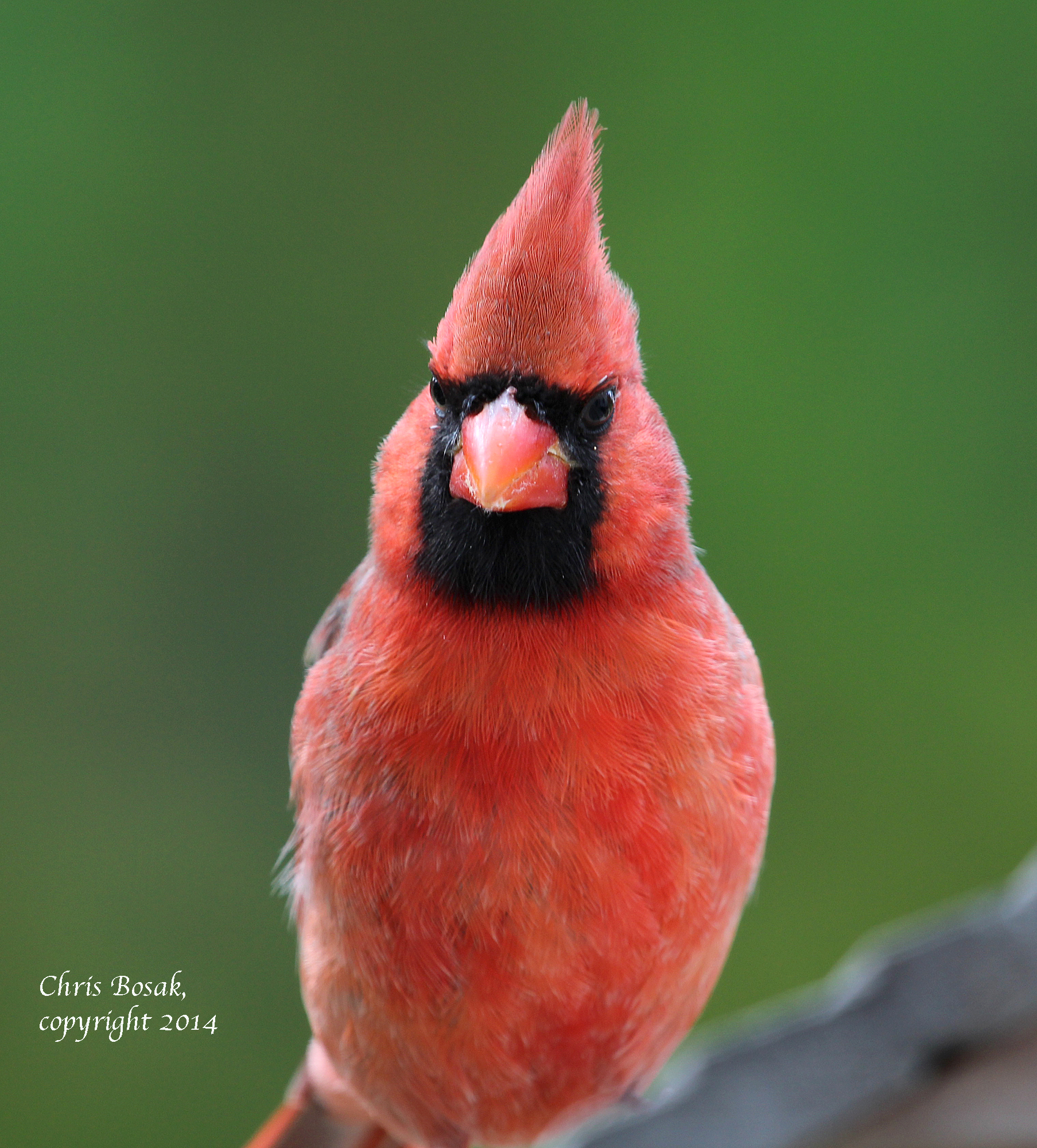
Northern Cardinal looking right at you

Photo by Chris Bosak Northern Cardinal at backyard feeder, Oct. 2014.

Photo by Chris Bosak
Northern Cardinal at backyard feeder, Oct. 2014.

Getting back to my common backyard bird series … the Northern Cardinal is common, but certainly not plain. The cardinal is a favorite bird of many people — and it’s hard to argue.

My favorite thing about the Northern Cardinal is that it is a year-round bird for us here in New England. It doesn’t fly south when the days shorten or temperatures drop, like most colorful birds we see here. It breeds here and remains here, giving us a flashy bird to look for all 12 months.

Purple Finch: A welcomed visitor to the feeder

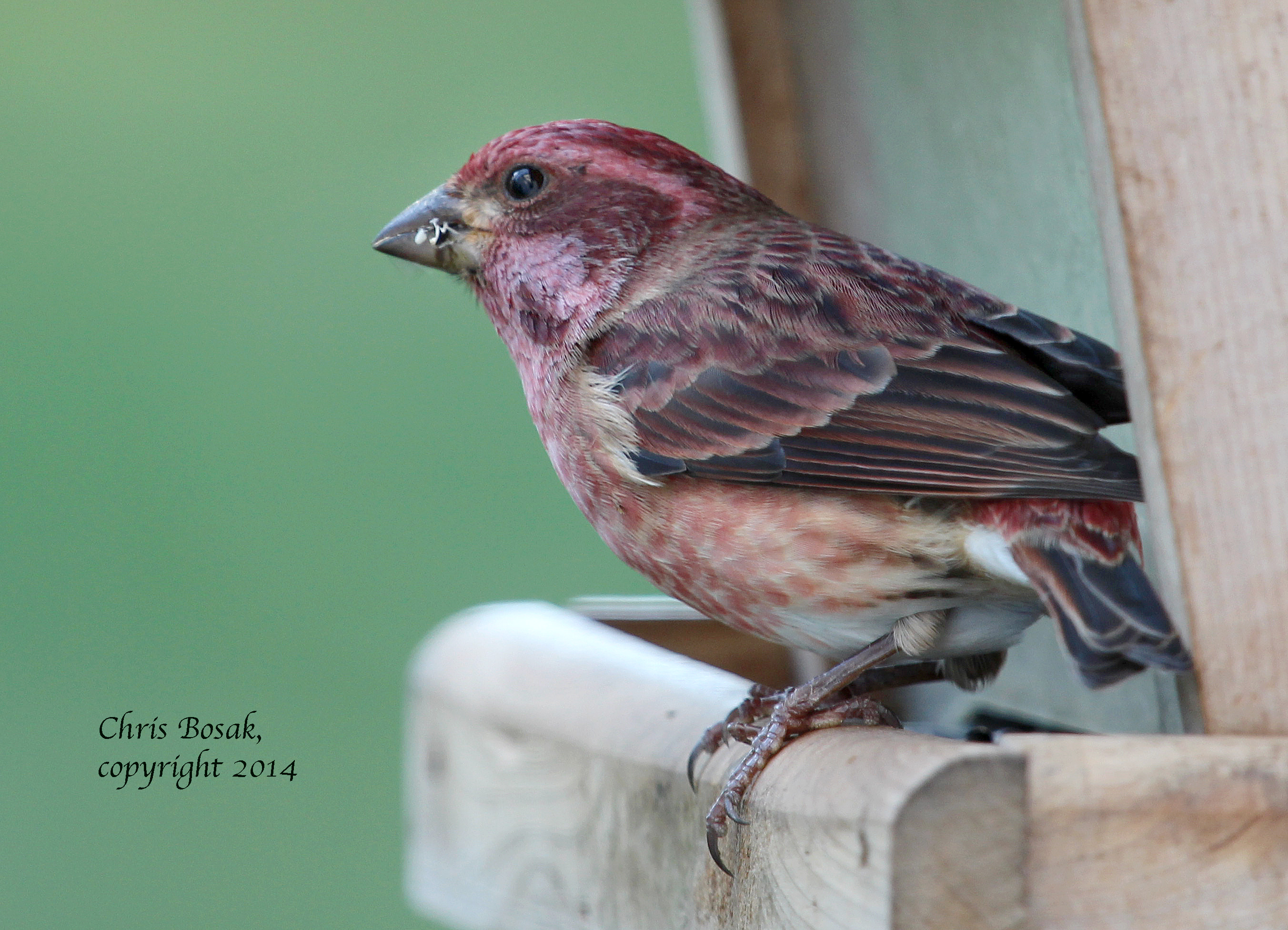
Photo by Chris Bosak A male Purple Finch eats sunflower seeds from a feeder in New England, Oct. 2014.

Photo by Chris Bosak
A male Purple Finch eats sunflower seeds from a feeder in New England, Oct. 2014.

The Purple Finch doesn’t exactly fit in with my series of “Common Backyard Birds,” but this handsome fellow visited my feeder over the weekend so I’m including it anyway.(No, that’s not your cursor on its bill, that’s a sunflower seed shell.)  It doesn’t fit in with the series because, sadly, the Purple Finch is not really a common backyard sighting in New England. The introduced House Finches certainly are, but the native Purple Finches visit less frequently.

Purple Finches and House Finches can be tricky to differentiate, but that’s mostly because we don’t see enough Purple Finches to get used to their looks. Some particularly colorful House Finches can resemble Purple Finches and throw off the ID. But, as someone once told me long ago, “When you see a Purple Finch, you’ll know it.”

I can differentiate the finches because the Purple Finch is larger and bulkier. Its “purple” (really reddish pink) is also more widespread on its plumage. The females are even more tricky, but again, are bulkier than their House Finch counterparts.

So an October sighting of a Purple Finch was most welcomed. Hopefully it’s a sign of things to come this fall and winter.

Did you know: The Purple Finch is the state bird of New Hampshire.

Love this White-breasted Nuthatch photo

Photo by Chris Bosak White-breasted Nuthatch at backyard feeder, Oct. 2014.

Photo by Chris Bosak
White-breasted Nuthatch at backyard feeder, Oct. 2014.

Sometimes when photographing birds (or anything for that matter) you never really know what you’ll get. You should always be mindful of the background, but sometimes it’s tough to determine exactly how the photo will look until you take it. Honestly I got kind of lucky with this shot with the jet black background, which really makes the White-breasted Nuthatch standout. I’m not even sure what in the background was so black. Oh well, I’ll take it.

This is the third in a series of photographs celebrating our common backyard feeder birds.

Who doesn’t love chickadees?

Photo by Chris Bosak Black-capped Chickadee at backyard feeder, Oct. 2014.

Photo by Chris Bosak
Black-capped Chickadee at backyard feeder, Oct. 2014.

I highlight the Black-capped Chickadee as the second in a series of photos of our common backyard birds here in New England. This series of photos will focus on the birds we commonly see at our feeders. Can you ever see enough chickadee photos?

Kicking off a celebration of our common backyard birds

Photo by Chris Bosak A Tufted Titmouse perches on a branch of a fading sunflower before heading to a nearby birdfeeder.

Photo by Chris Bosak
A Tufted Titmouse perches on a branch of a fading sunflower before heading to a nearby birdfeeder.

This photo of a Tufted Titmouse is pulling double duty. It accompanied my latest column in The Hour (Norwalk, Ct) and The Keene Sentinel (Keene, NH), which may be found here.

It is also being used on this post to kick off a celebration of our common backyard feeder birds. This is a great time of year for feeding birds as the feeders are active with titmice, chickadees, nuthatches, cardinals and other birds. Under the feeder, birds such as White-throated Sparrows and Dark-eyed Juncos have returned. So to celebrate that, I’ll post a series of photos highlighting some of our more common, but beloved, backyard birds.

Female Common Yellowthroat

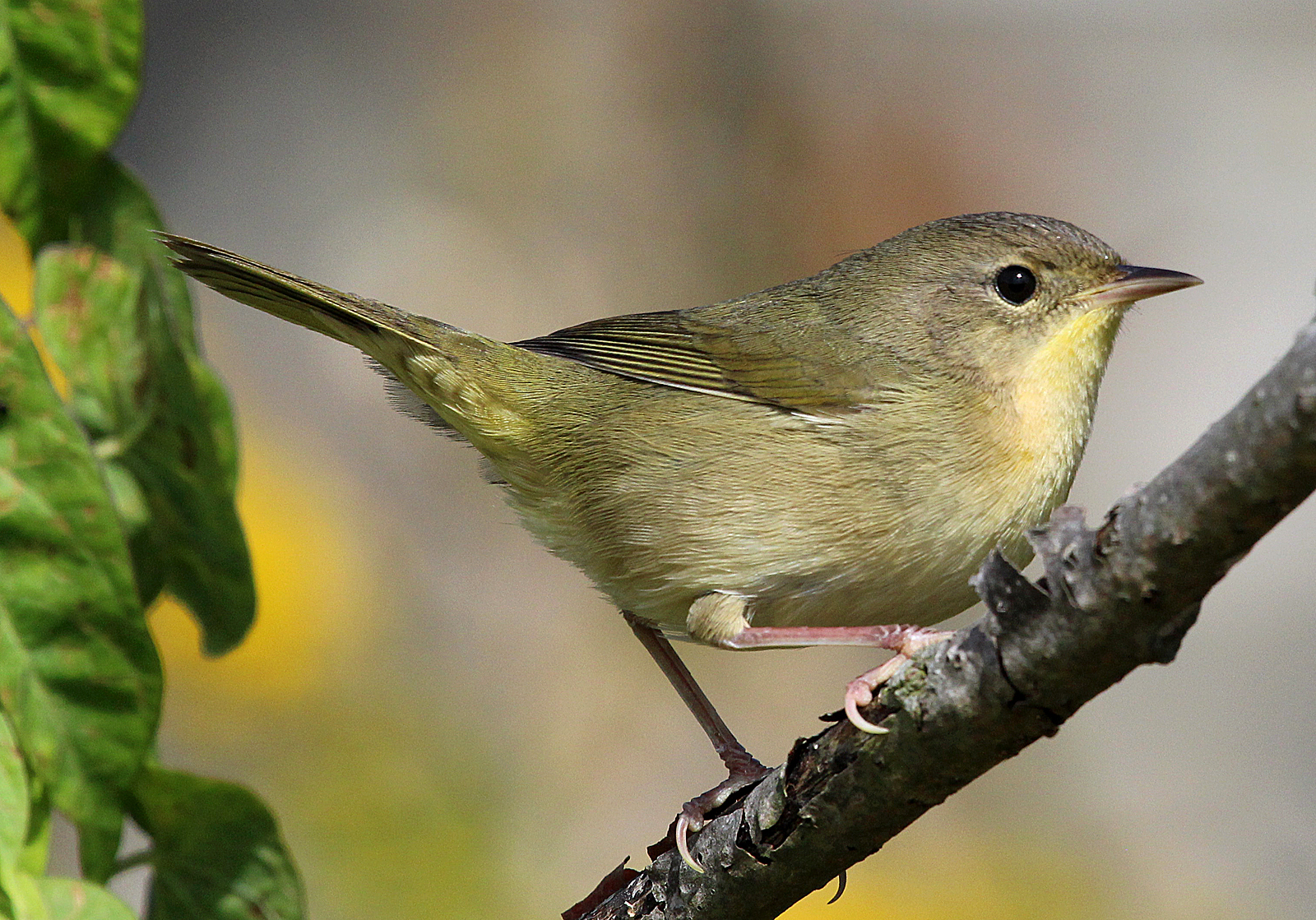
Here’s a female Common Yellowthroat, one of the many confusing fall warblers to watch out for as you hit your favorite birdwatching spots this fall.

Photo by Chris Bosak Common Yellowthroat, first year, southern New England, Sept. 2013

Photo by Chris Bosak
Common Yellowthroat, first year, southern New England, Sept. 2013

Red-tailed Hawk pays a visit

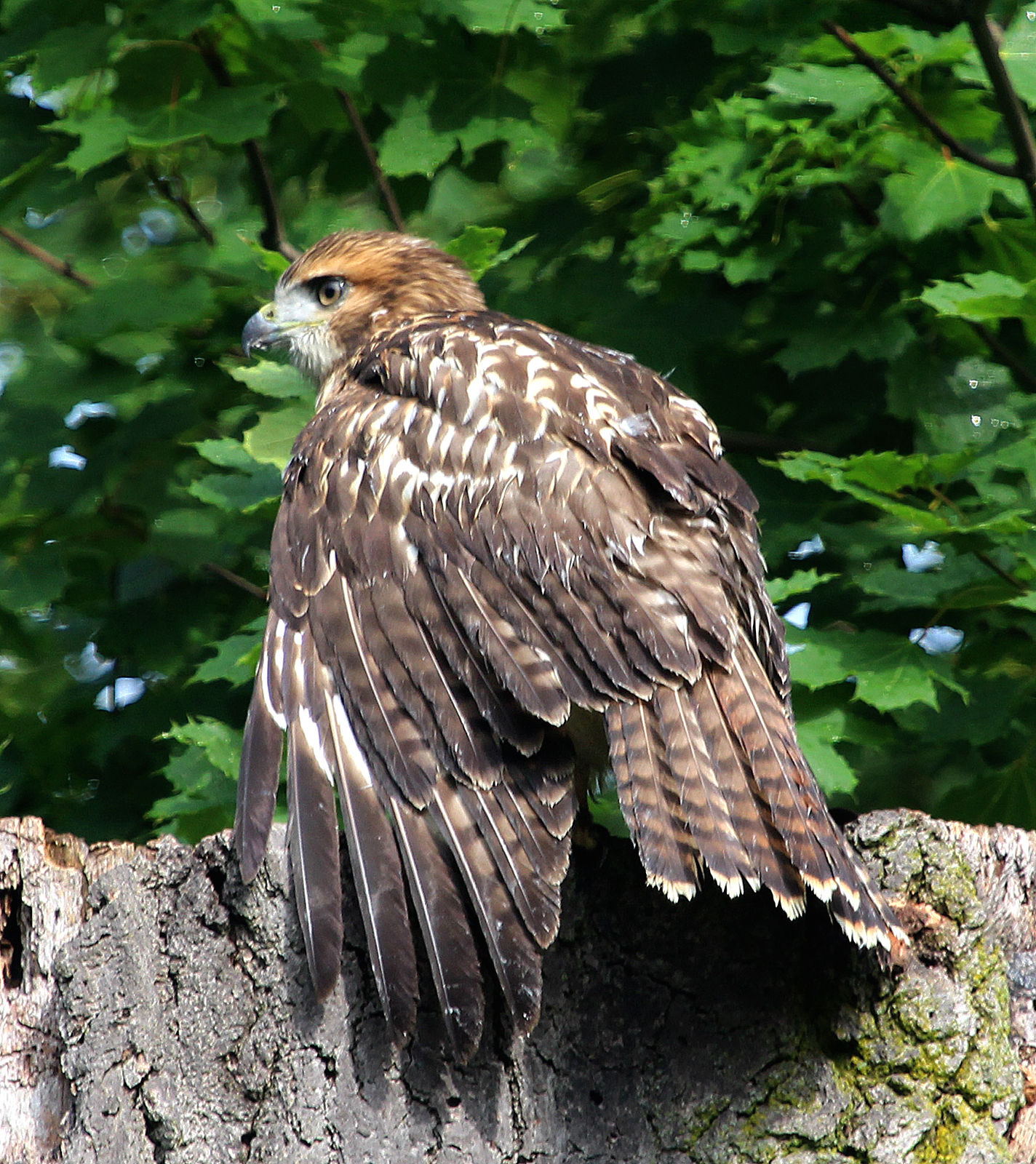
Photo by Chris Bosak A Red-tailed Hawk perches on the top of a tree in Stamford, Conn., July 2014.

Photo by Chris Bosak
A Red-tailed Hawk perches on the top of a tree in Stamford, Conn., July 2014.

This Red-tailed Hawk perched in the backyard during a recent steamy day in southern New England. I like the way it is showing its feathers while perched on the top of a recently cut-down tree.

Another quick bird quiz — yum

Photo by Chris Bosak A bird brings a mouthful of goodies back to its young at Selleck's/Dunlap Woods in spring 2014.

Photo by Chris Bosak
A bird brings a mouthful of goodies back to its young at Selleck’s/Dunlap Woods in spring 2014.

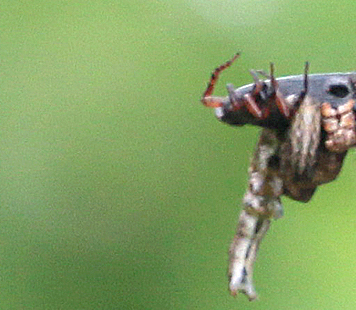
What bird would eat such things??? (Probably lots of them, to be honest.)

This busy parent bird collected a few insect larvae and a few other insects to bring back to a hungry family on Tuesday morning at Selleck’s/Dunlap Woods in Darien, Conn.

So what bird is this? Leave a comment or send me an email (bozclark@earthlink.net) with your guess. I’ll post the full picture sometime on Wednesday (tomorrow) afternoon, so hurry and guess — oh, and don’t forget to tell your birding friends.

Thanks for visiting http://www.birdsofnewengland.com

Guarding their gourd

Photo by Chris Bosak Purple Martins stand guard on their gourd homes in Milford, Conn., May 2014.

Photo by Chris Bosak
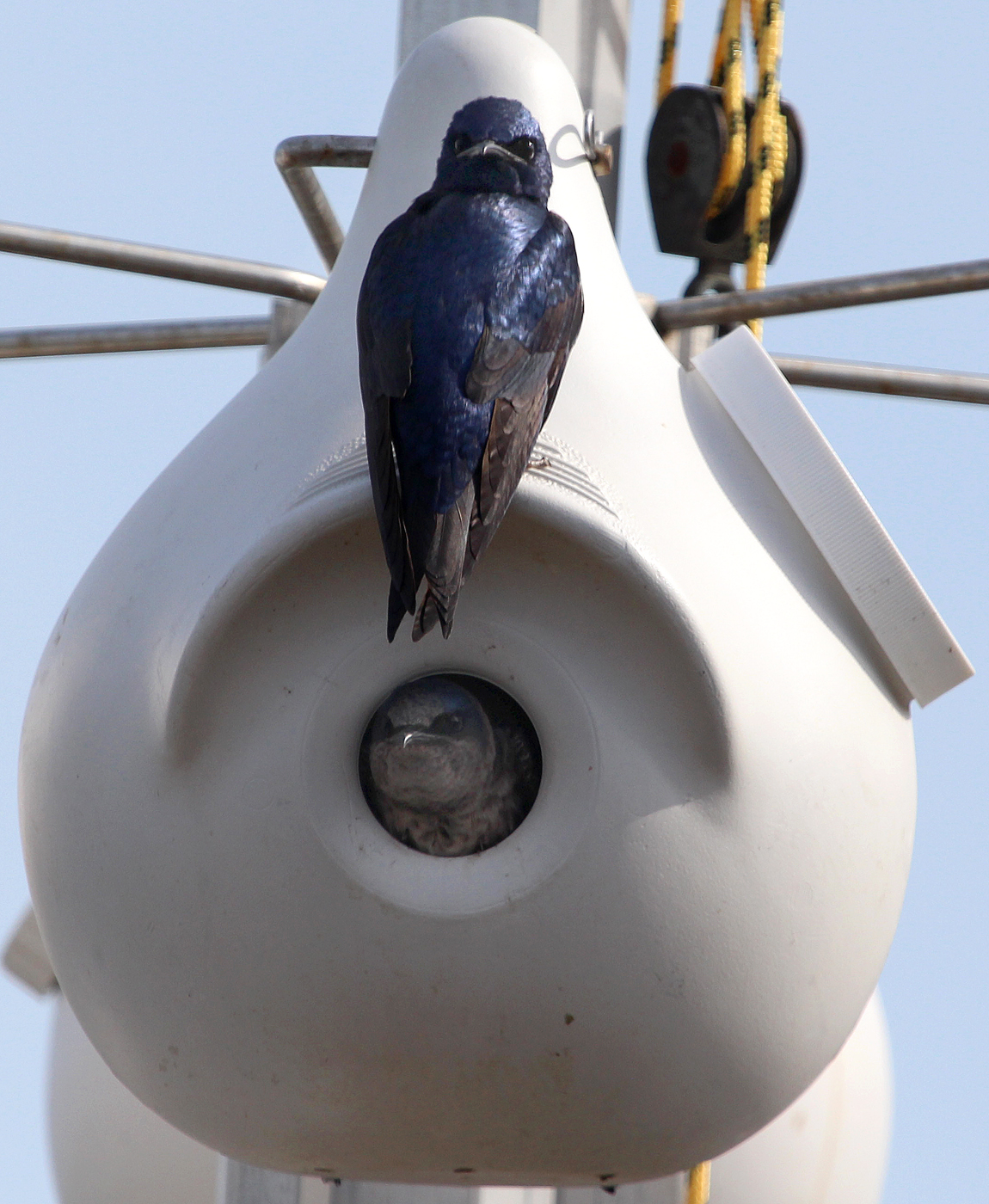
Purple Martins stand guard on their gourd homes in Milford, Conn., May 2014.

Here’s a shot I took of a Purple Martin pair a few weeks ago keeping watch at their gourd as part of the colony at Milford Point. Purple Martin colonies are excellent for insect control in people’s yards, but the conditions need to be just right to attract them.

On the East Coast, Purple Martins are completely dependent upon human-offered housing.

Check out this website for more information on attracting them.

PurpleMartin.org

Northern Mockingbird sings at night

Photo by Chris Bosak Northern Mockingbird perches before jumping up to a suet feeder in Stamford, Conn.

Photo by Chris Bosak
Northern Mockingbird perches before jumping up to a suet feeder in Stamford, Conn.

Here’s the start of a new birding column I wrote for The Hour and Keene Sentinel. It involves listening to a Northern Mockingbirds singing at night — about 11:30 p.m.

“I walked out of work following one of my night shifts here at The Hour. It was about 11:30 p.m. so the last thing I expected was to have an interesting birdwatching experience in the parking lot. The birding world is full of surprises, though. I stepped out the front door of the office building and was greeted by the sound of a Blue Jay calling. Odd time for a Blue Jay to be singing, I thought. Must be raiding a nest or having its nest raided. The Blue Jay called three times and then another bird starting singing. At that point I knew it wasn’t a Blue Jay and another bird at all. It was a Northern Mockingbird. My frame of mind instantly went from wonder to amusement. I walked over to the area where the bird was singing, pulled out my cell phone and started recording. It kept on belting out the tunes even though I was standing right under its tree. Mockingbirds are master imitators. They imitate the song of a bird species three times and then move on to the next imitation. And it goes on and on. It is believed that the more impressive the repertoire, the better chance the bird has of attracting a mate. I like listening to a mockingbird and trying to figure out the birds it is imitating. I almost always get a Carolina Wren and American Robin. This particular mockingbird the other night had an impressive list of at least 15 species that also included Tufted Titmouse, Red-winged Blackbirds and Broad-winged Hawk. Many mockingbirds also mix in non-bird noises, such as squeaky fences or alarm clocks. The songs are not sung half-h

Here’s the rest of the column

 Here’s the video

See how many bird species you can pick out from this impressive songster.