Squirrels: Don’t fight them, feed them

The following article and photos provided by Cole’s Wild Bird Products

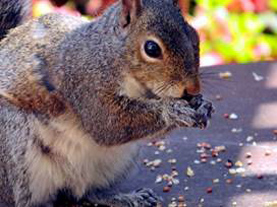
Countless backyards are battlegrounds between die-hard homeowners and squirrels fighting over bird feed. Squirrels need not be an inevitable element of bird feeding; even though keeping squirrels out of bird feeders is an age-old problem, there are ways to thwart these thieves.

One common tactic is stocking feeders with seed squirrels dislike, such as safflower, nyjer, white proso millet and seed infused with capsaicin, a compound derived from hot peppers that makes mammals’ tongues smart. An option like Cole’s Hot Meats features nutritious sunflower meats infused with fiery habanero chili peppers. They’re a no waste, no mess feed, birds enjoy but squirrels’ dislike.

Continue reading

Watch where you step

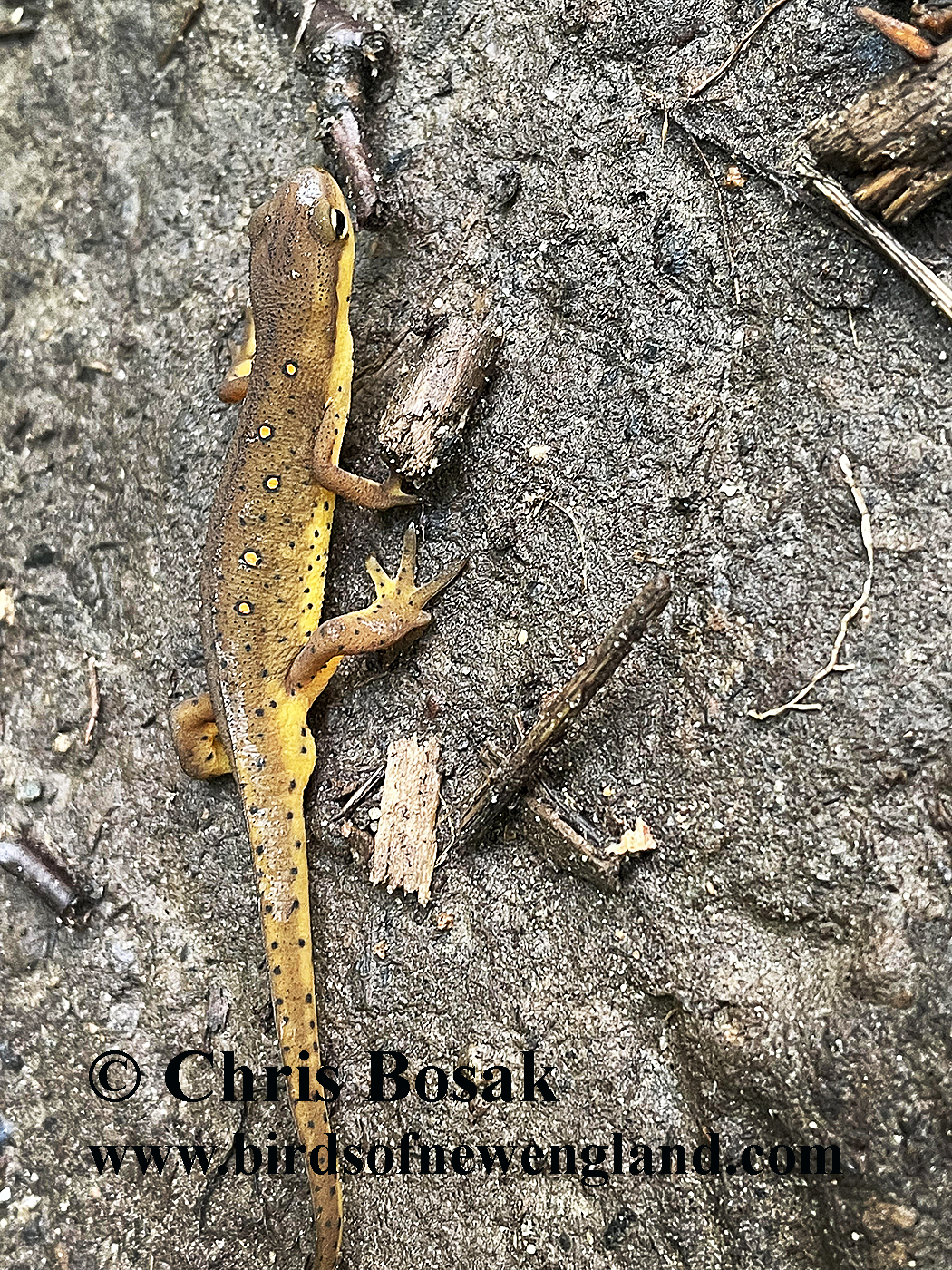
Photo by Chris Bosak An eft works its way across a path in New England, fall 2021.

If you’ve spent any time in the New England woods in the spring, summer or fall after a rain, you’ve certainly come across an eft or two (probably way more than that.) They wander onto hiking trails and can be quite numerous the day after a rain. I came across several during a recent walk at Huntington State Park in SW Connecticut. Notice the different colors of the two efts pictured. The eft is the terrestrial stage of the eastern newt. The four stages of the newt are described succinctly in the following post by author David George Haskell.

Photo by Chris Bosak An eft works its way across a path in New England, fall 2021.

Future monarch (and a current one)

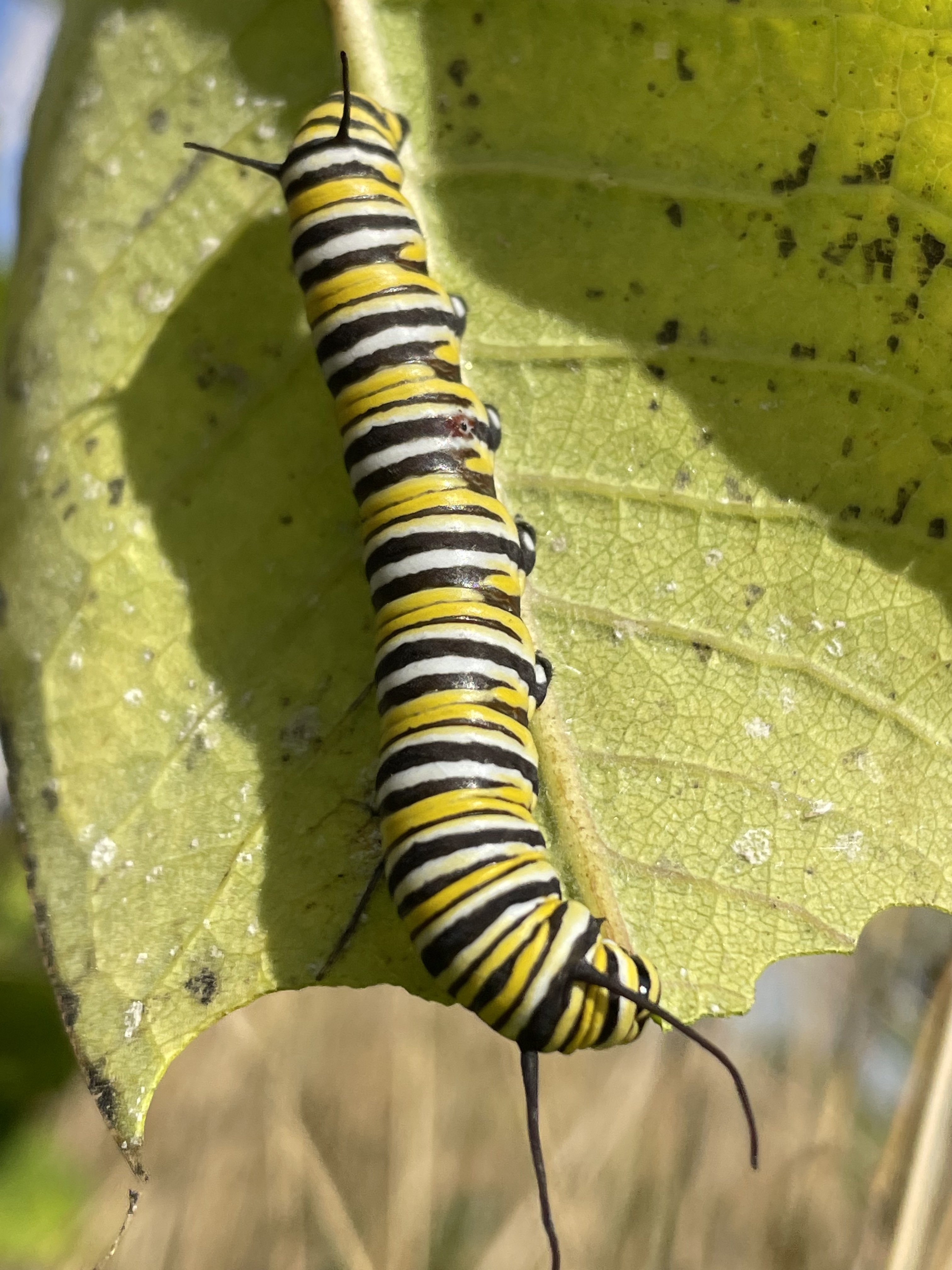
I always look at milkweed plants for monarch caterpillars. My success rate is about .001 percent, but today I got lucky and found one on a plant right next to the trail. Monarchs lay their eggs on the underside of milkweed leaves and the caterpillar eats the leaf when it hatches. Milkweed is toxic and the caterpillar becomes toxic to would-be predators.

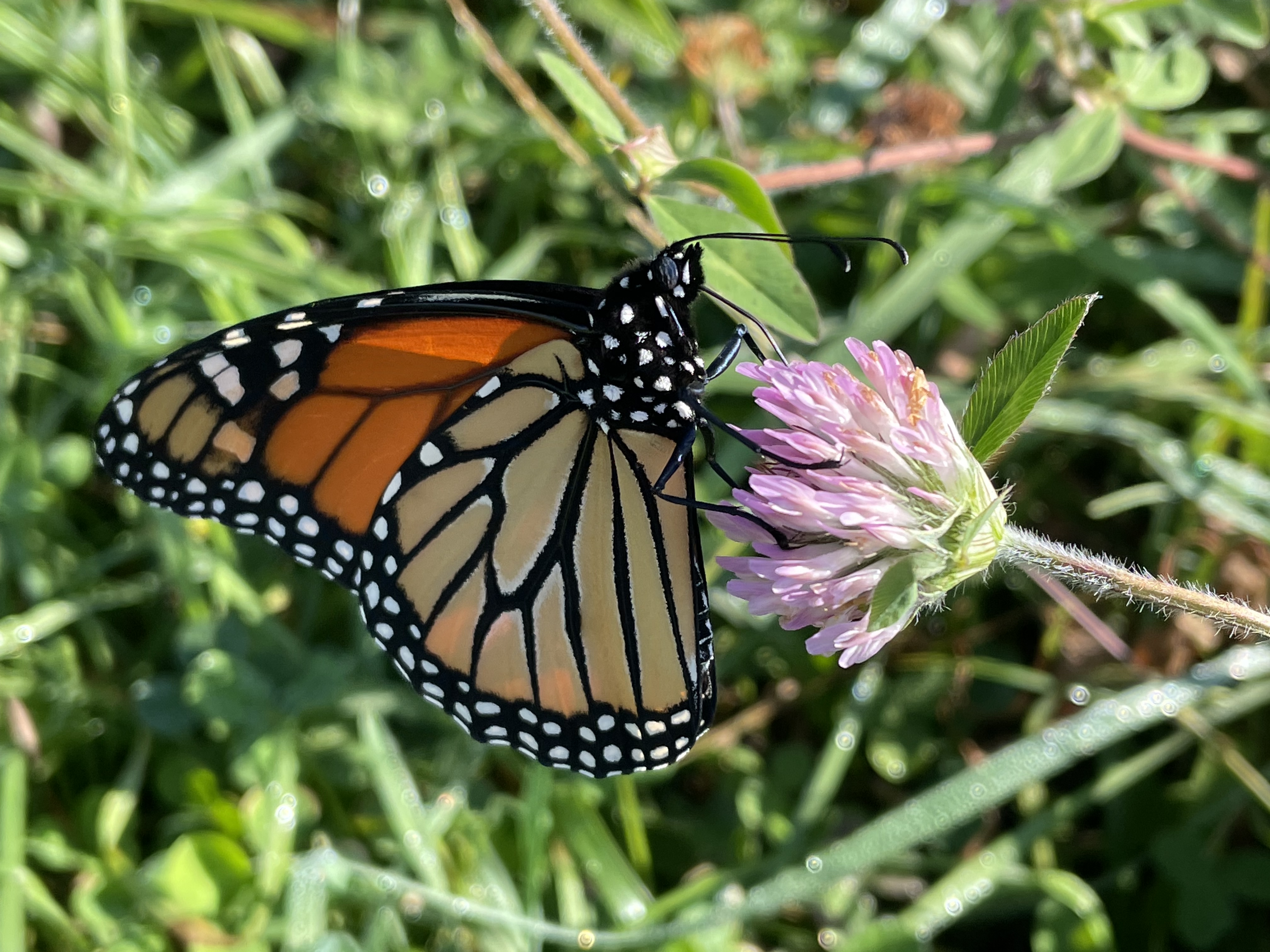
There were a ton of monarchs flying around too, as seen below.

A few more bunting shots

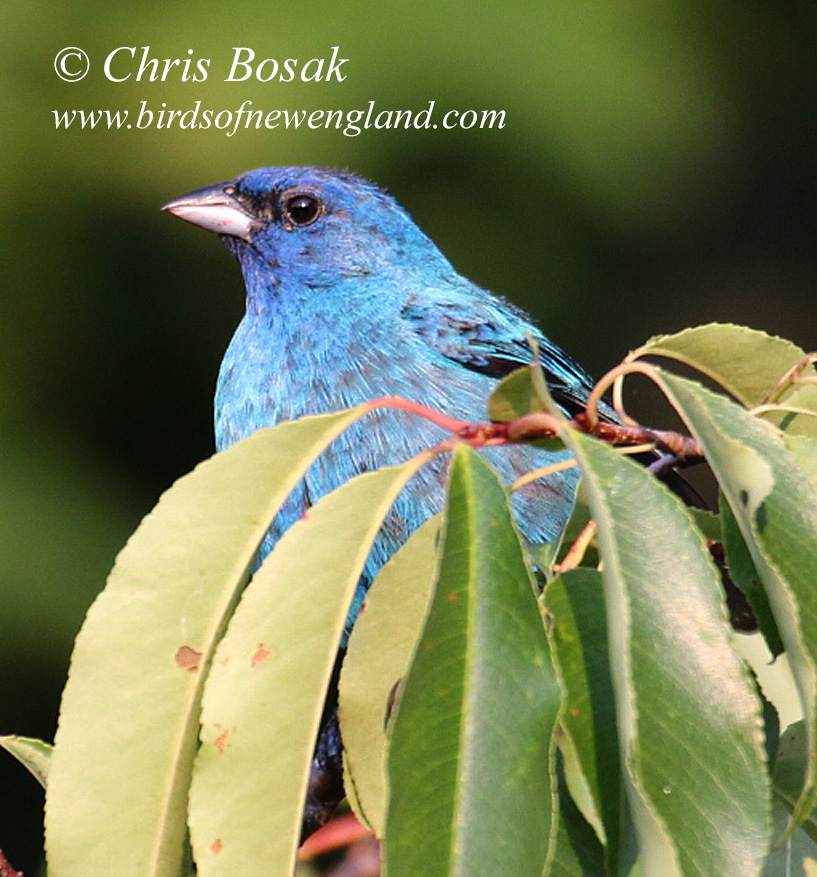
Photo by Chris Bosak An indigo bunting perches in a tree in New England, July 2021.

The upcoming For the Birds column will provide more detail, but until then here are a few more shots of this beauty.

Photo by Chris Bosak An indigo bunting perches in a tree in New England, July 2021.

For the Birds: Sights of summer

Everyone loves summer. Beaches, barbecues, beer festivals.

Birds? Not so much. At least not when compared to spring and fall migration periods, or the busy feeder activity ahead of a New England snowstorm.

Summer is a fun time to watch young birds being raised if you are lucky enough to witness that spectacle. Along with that, however, comes the fact that many birds are trying to stay hidden as much as possible until the young are ready to venture into the world.

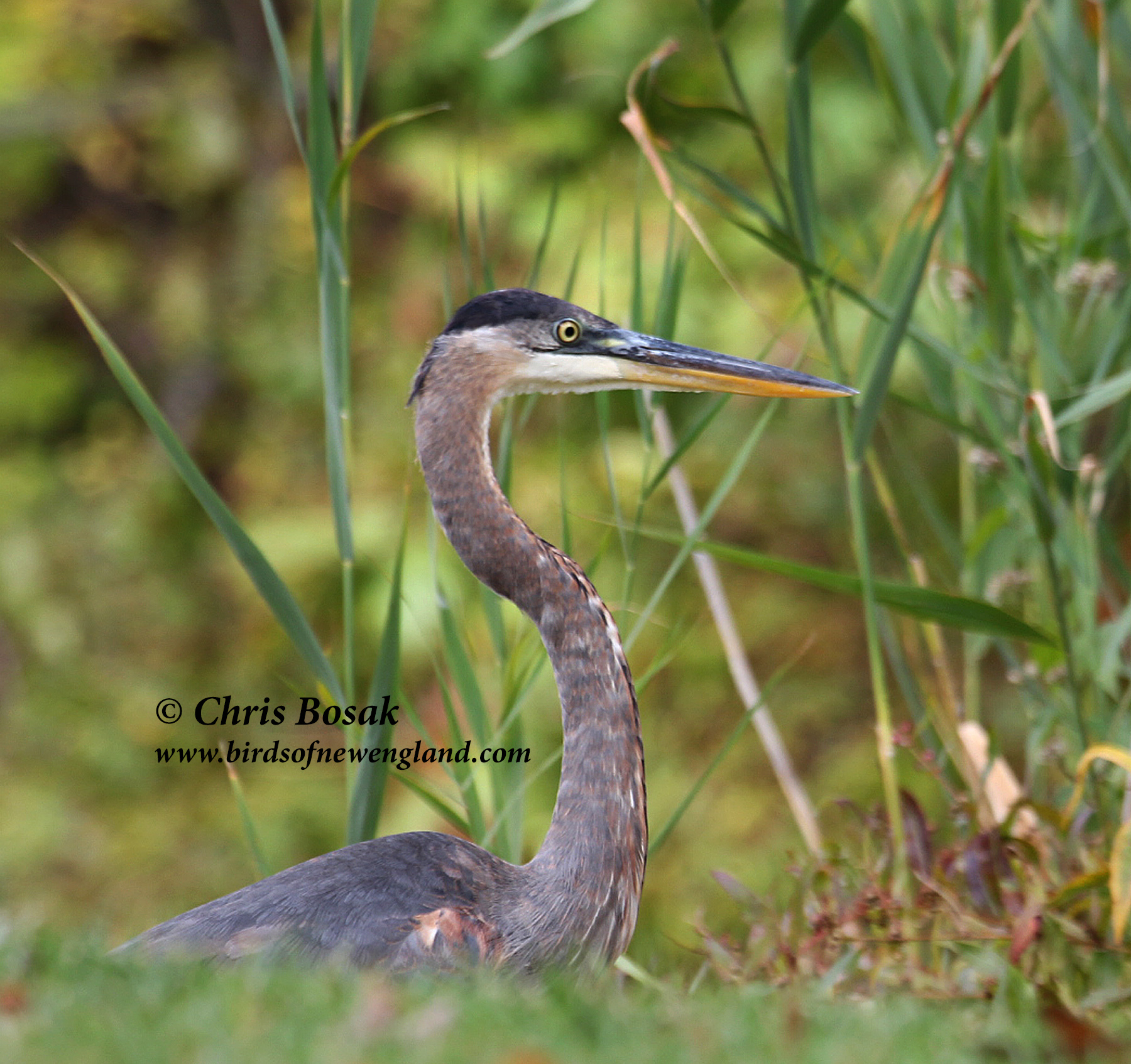
The waterfront — with its waders and shorebirds — is usually the best place to be during the summer if you want to see birds. That was true the other day when Katie and I took a walk and heard yellowlegs in the distance and spotted a great blue heron on the top of a pine tree. The dusk sun gave the heron an orange glow.

But this summer is also hopping away from the water. Catbirds, blue jays, cardinals, mourning doves, nuthatches and Carolina wrens are constant companions in my yard. Goldfinches are coming around in force now as well.

Speaking of backyard birds, Stephen from Keene offered a tip in response to last week’s column about cleaning bird feeders. He cleans his feeders regularly using vinegar instead of bleach as he feels it’s safer for the birds. It’s a good and timely tip as feeders should be cleaned frequently in the summer.

In the woods, I’ve heard more veeries than I can ever remember hearing. The veery is a type of thrush with a strange up and down flute-like song that reminds me of the old Space Invaders video game. I’m glad they aren’t invaders from another dimension because I’ve heard so many of them this summer. Every walk seems to be accompanied by the strange song.

One day last week, I pulled into a parking lot and scanned the scene. A black-crowned night heron flew across the far side of a pond and settled into a tree. Grackles and red-winged blackbirds provided action in the foreground. A Canada goose caught my eye in another area of the water. Then I noticed a male wood duck sitting on the grass just beyond the goose. Wood ducks are notoriously wary, but this guy seemed fairly comfortable in close proximity to the parking lot.

Most wood duck sightings are from great distances or of the back end of one flying away with the duck’s “oo-week, oo-week” call tauntingly fading away. I was grateful for the close and long view of this beautiful duck, which was still (or already) in its gaudy breeding plumage.

It also seems to be a good year for eastern kingbirds. I’ve gone entire summers when I’ve seen one or two of the handsome, fierce birds. This summer, it seems, I’ve seen dozens of them in different locations. I think of kingbirds as a rural bird, but several of the sightings have been in very suburban — even bordering urban — locations. I’ll take the sightings where I can get them.

Here’s hoping summer keeps it up. If nothing else, August is a great time to wander into New England’s fields and meadows. The bobolinks are much quieter, but the butterflies, dragonflies and other insects are fun to observe and photograph.

What are you seeing out there this summer? Drop me a line and let me know
A tale of two buntings

Photo by Chris Bosak An indigo bunting perches in a tree in New England, July 2021.

Sorry for the obvious headline, but here are two male indigo buntings: one with the sun (above) and one against the sun (below). No wonder they look a little different every time you see one.

Photo by Chris Bosak An indigo bunting sings from a tree in New England, July 2021.

Nice mid-summer bird sighting

Photo by Chris Bosak An indigo bunting sings from a tree in New England, July 2021.

There will be more on this sighting coming in the next couple of days, but here’s a teaser photo from a recent sighting in Connecticut. Can’t help but get excited about an indigo bunting sighting.

For the Birds: Mystery disease killing birds in U.S.

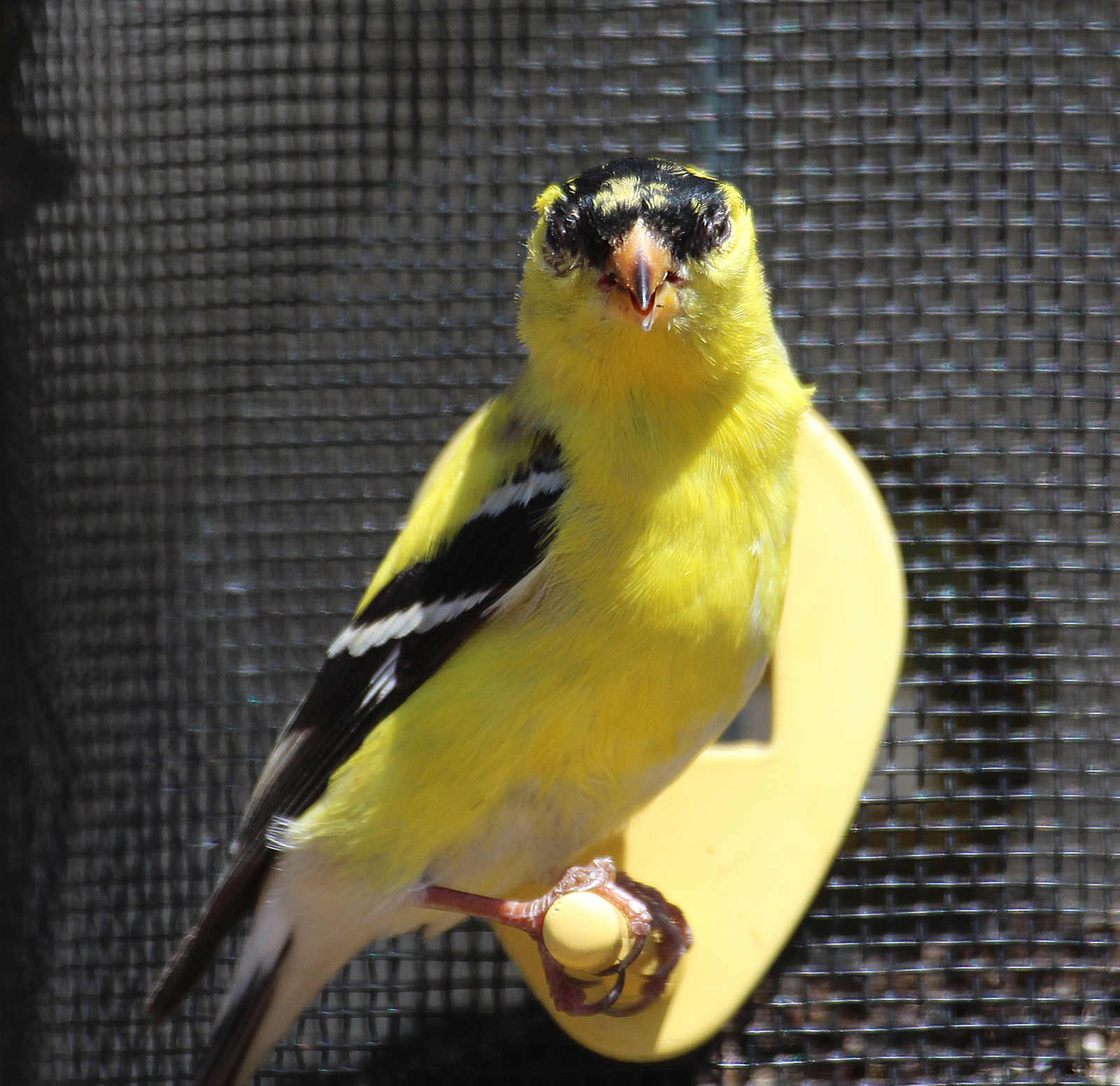
Photo by Chris Bosak An American Goldfinch with Avian Conjunctivitis visits a birdfeeder in Danbury, Conn., April 2016. A different disease is killing birds in the U.S. this summer.

Something is killing birds in unusually large numbers.

An as-of-yet undetermined disease has taken a heavy toll on birds such as robins, blue jays and grackles in about a dozen Mid-Atlantic and Midwest states. The die-off started in May and, while it hasn’t reached New England yet (as far as we know), officials at conservation organizations are encouraging people to take precautions to protect birds. Among the precautions: Stop feeding birds (or at least wash all feeders with a 10 percent bleach solution) and discontinue the use of birdbaths temporarily.

Disorientation, imbalance, lethargy and encrusted or cloudy eyes are among the symptoms of the birds afflicted with the disease. Young birds appear to have been disproportionately impacted. Researchers have confirmed that this differs from the avian conjunctivitis that has plagued house finches and goldfinches for many years. They have also ruled out many other potential causes, such as bacteria, viruses and parasites that commonly afflict birds.

It’s important to know what is not causing the die-off, of course, but finding out what is causing the event is even more significant. Determining that is still a work in progress.

One theory, which has been applauded by some and discounted by others, is that the die-off is related to the 17-year Brood X periodical cicada emergence. The geography of the die-off and emergence appears to align, and the theory suggests that the cicadas, which have been underground for 17 years, have soaked up pesticides, herbicides and whatever other nasty stuff we’ve been using to control insects and grow our grass and crops. It seems to make sense, but as I’ve mentioned, many researchers do not think the link is plausible.

Continue reading