For the Birds: Winter birding surprises

Photo by Chris Bosak
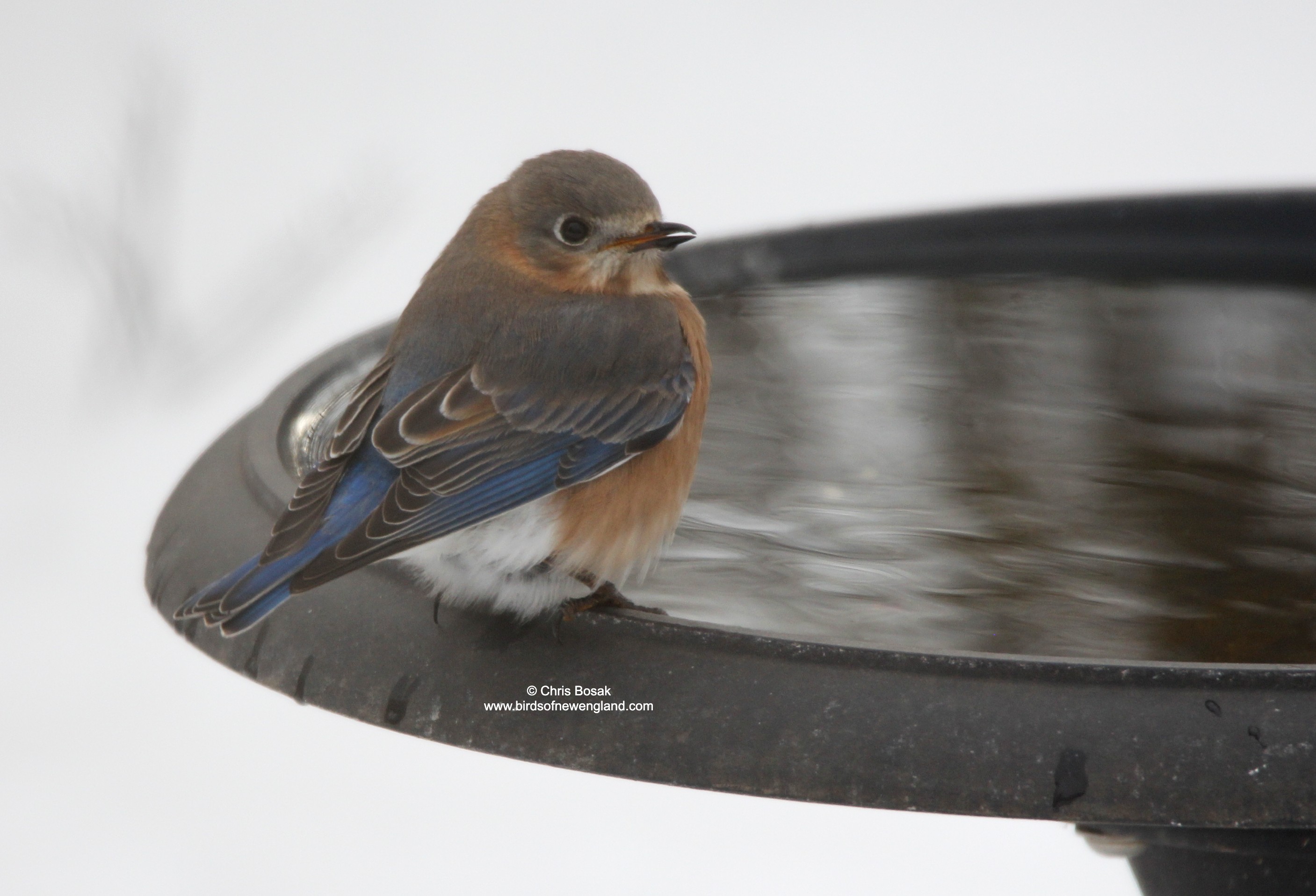
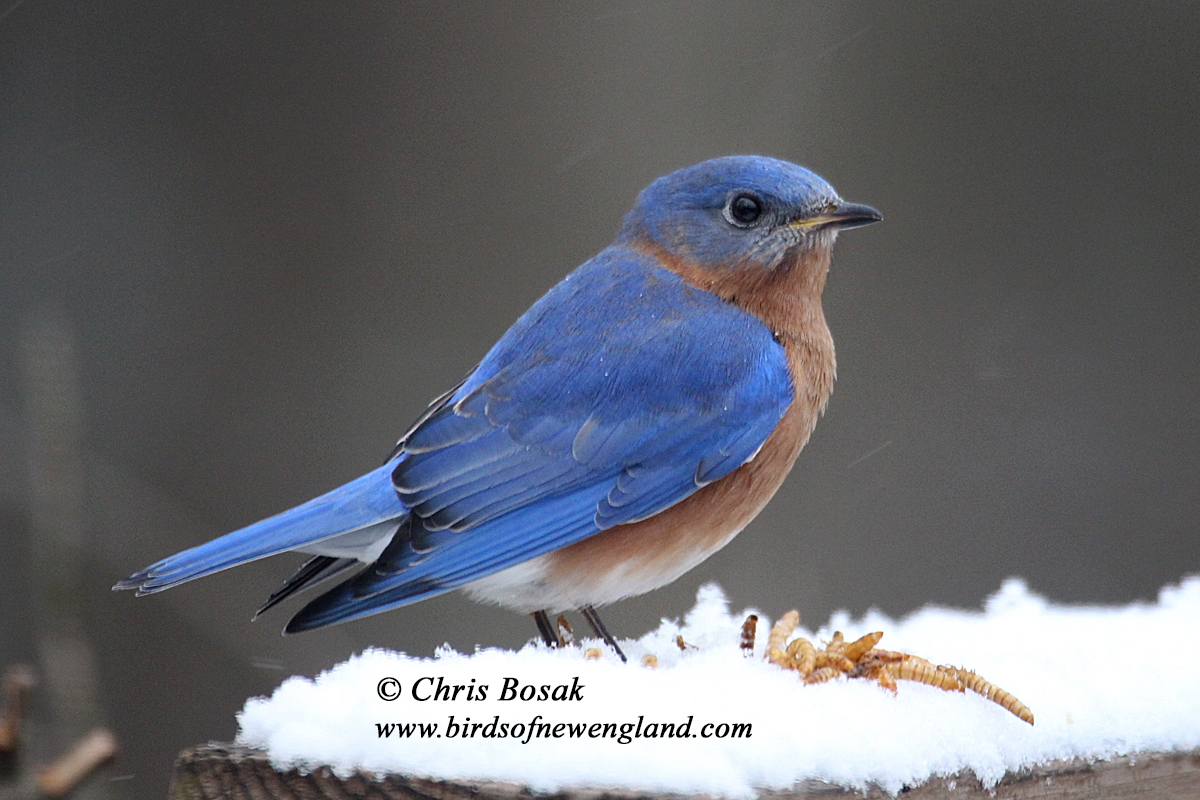
An eastern bluebird braves a New England winter and visit a backyard for mealworms, winter 2020.

The calendar may not show it yet, but in the New England bird world, we’ve officially entered what could be called winter birding season. The vast majority of southbound migrants have left, and the birds we get to enjoy for the next couple of months are either trusty year-round residents or northern visitors who have traveled as far south as they intend to go.

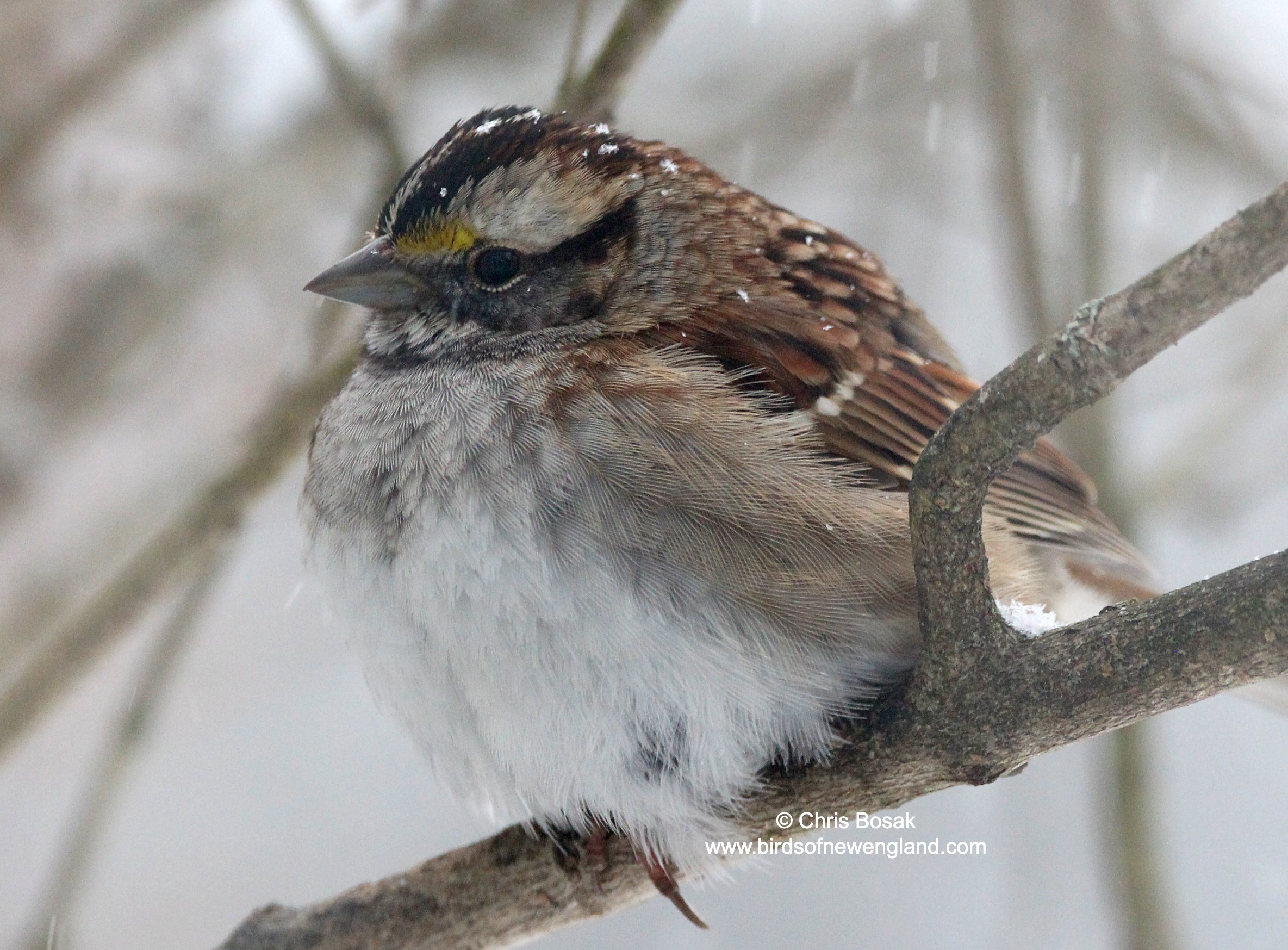
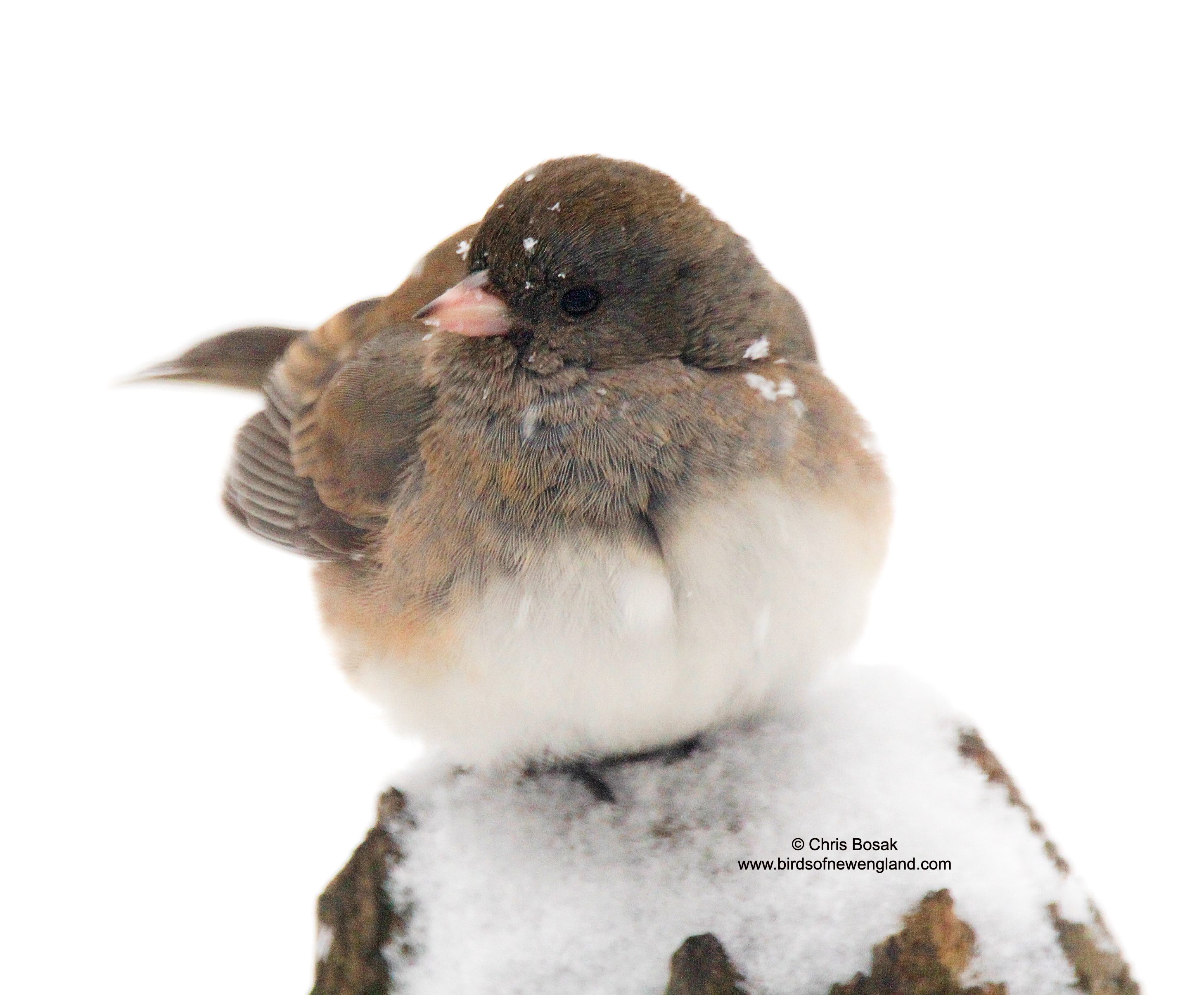
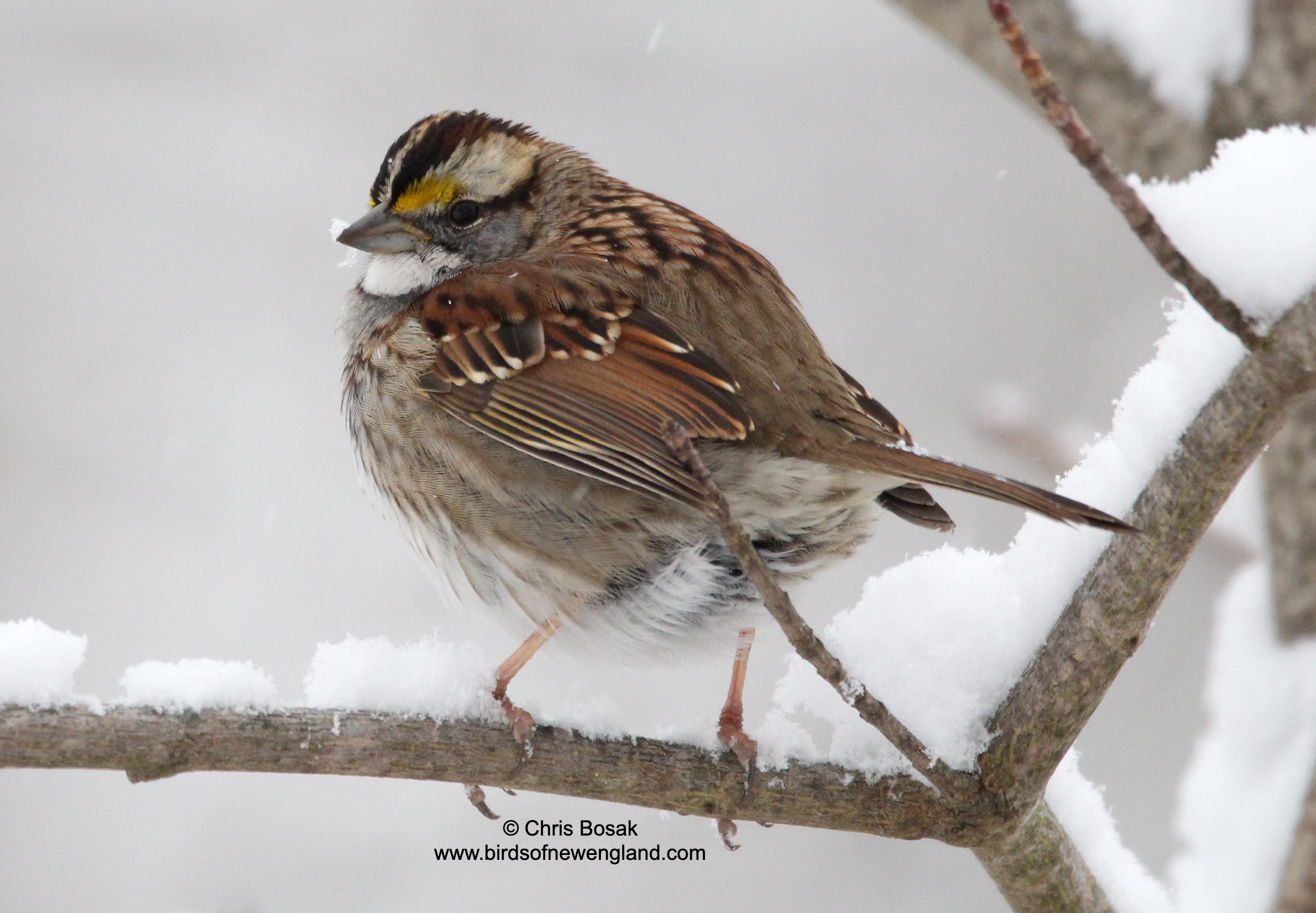
Winter is, of course, the prime time when juncos and white-throated sparrows are found in high numbers. My personal favorite part of winter birdwatching is tracking down different species of ducks. That is, if you can find some open water.

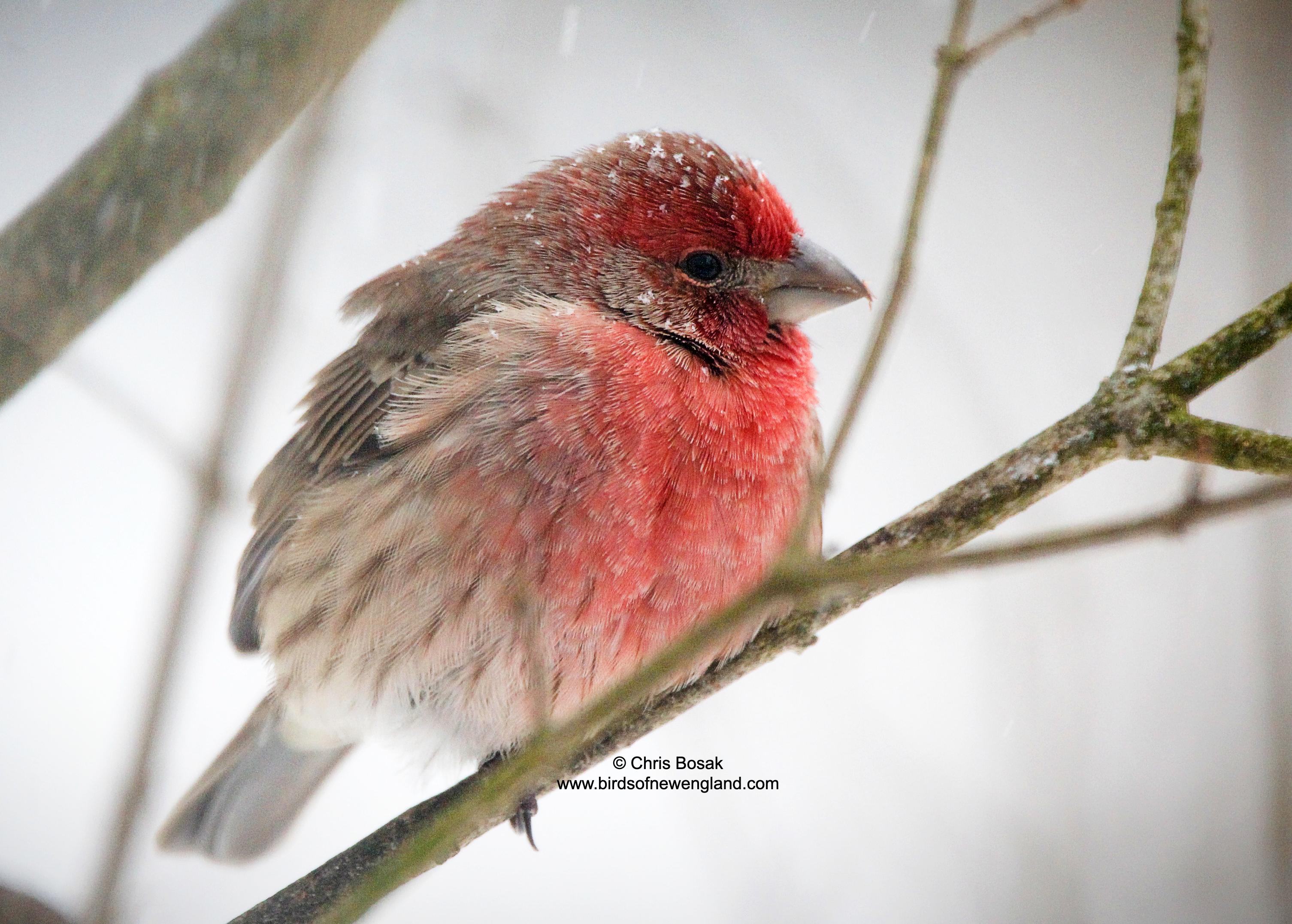
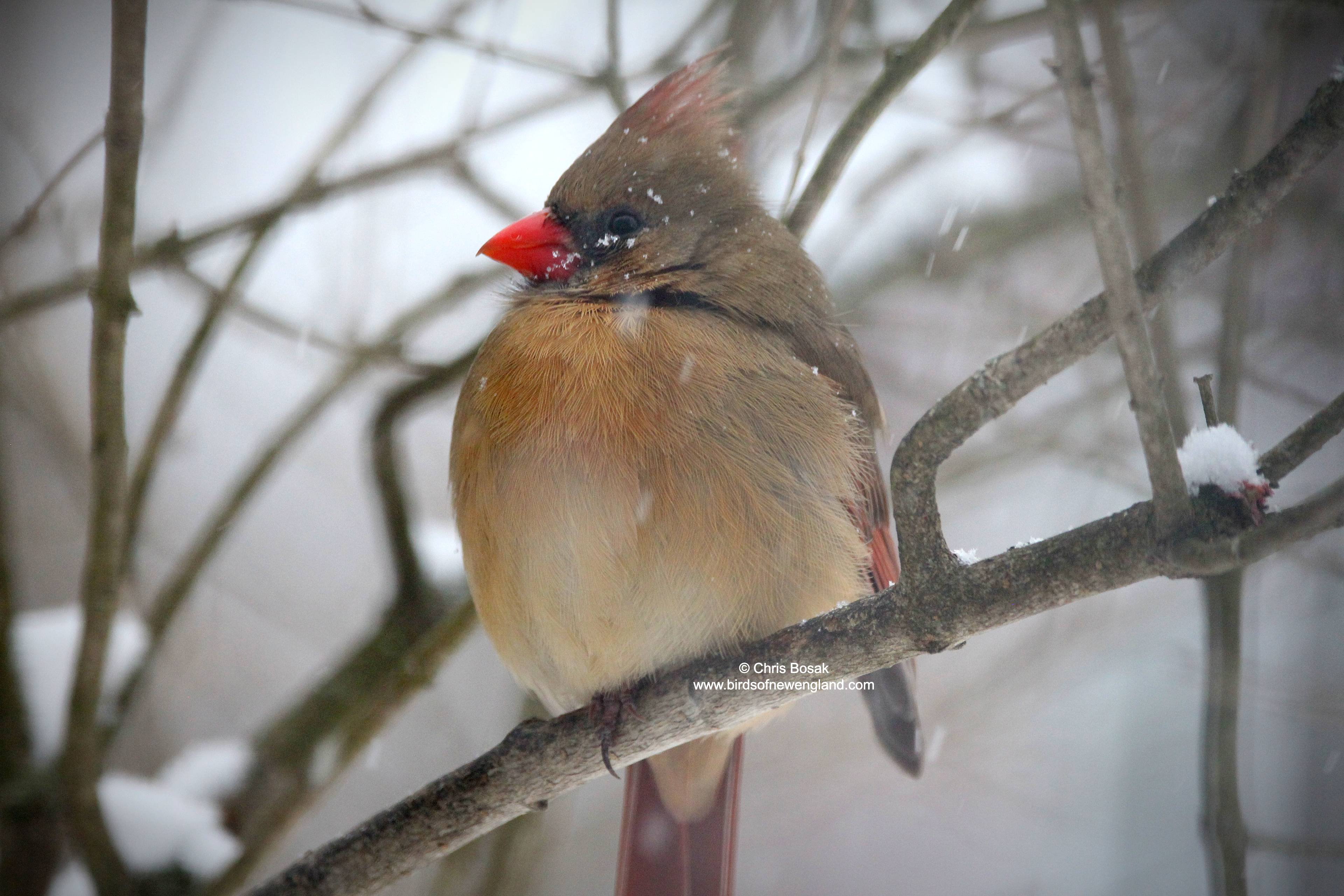
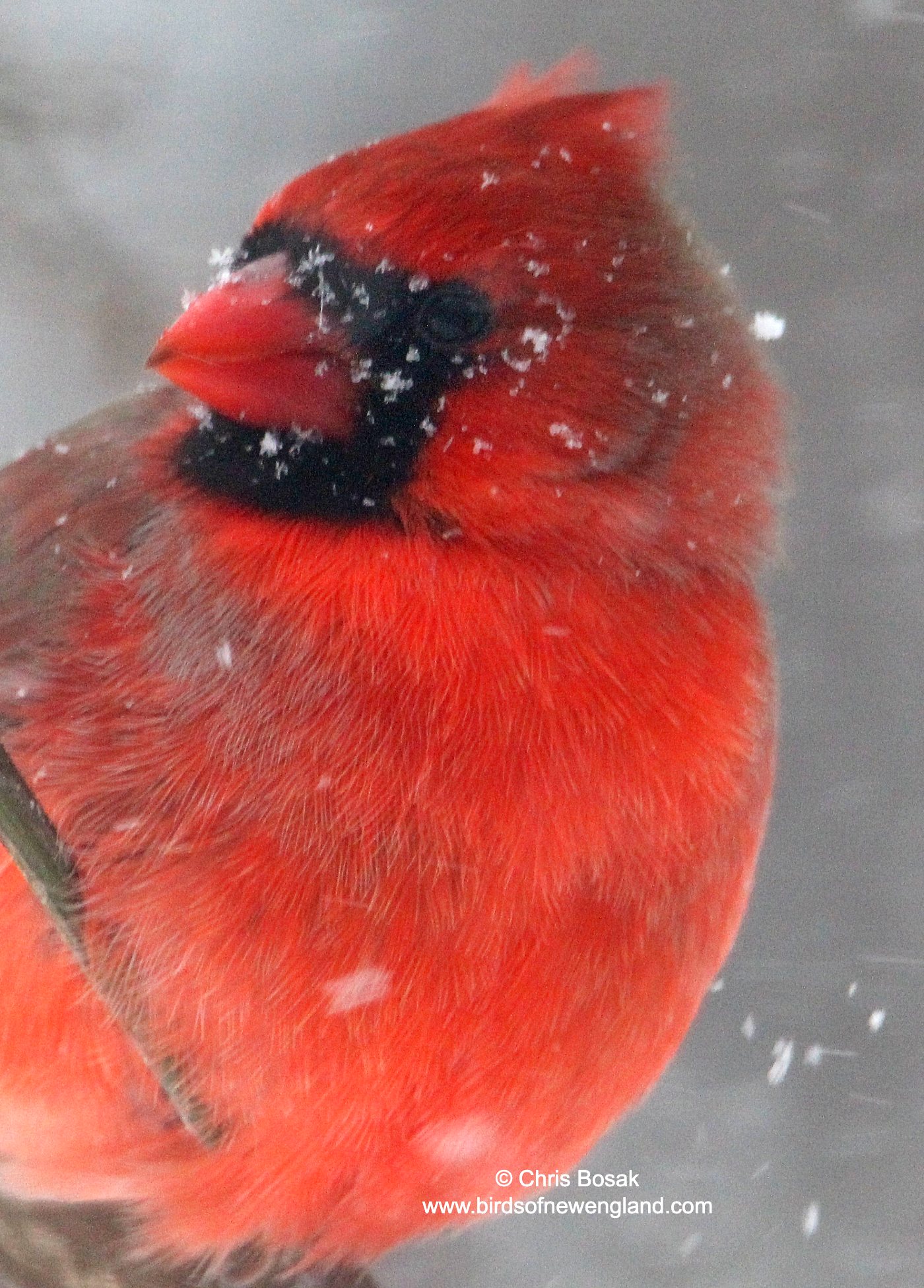
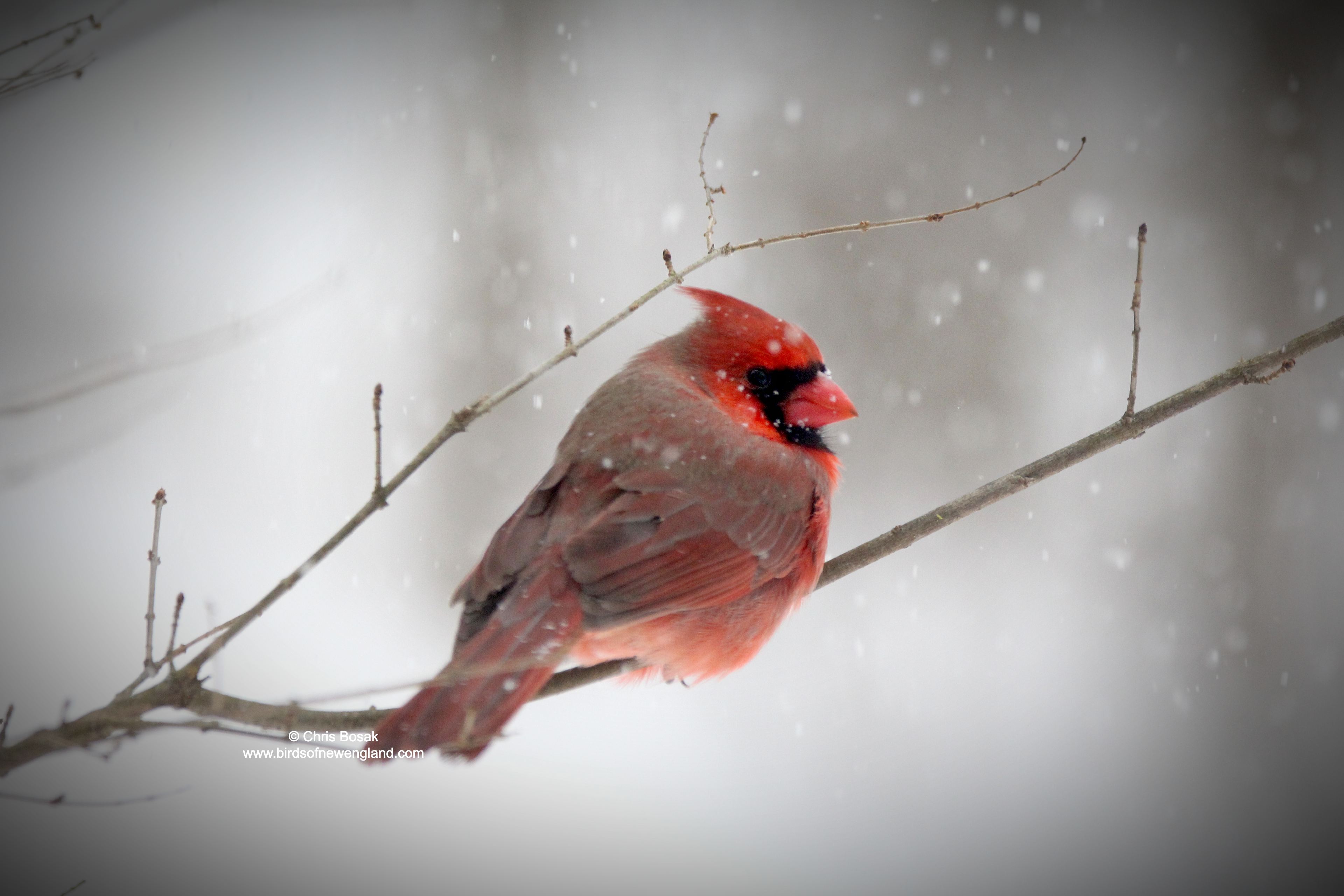
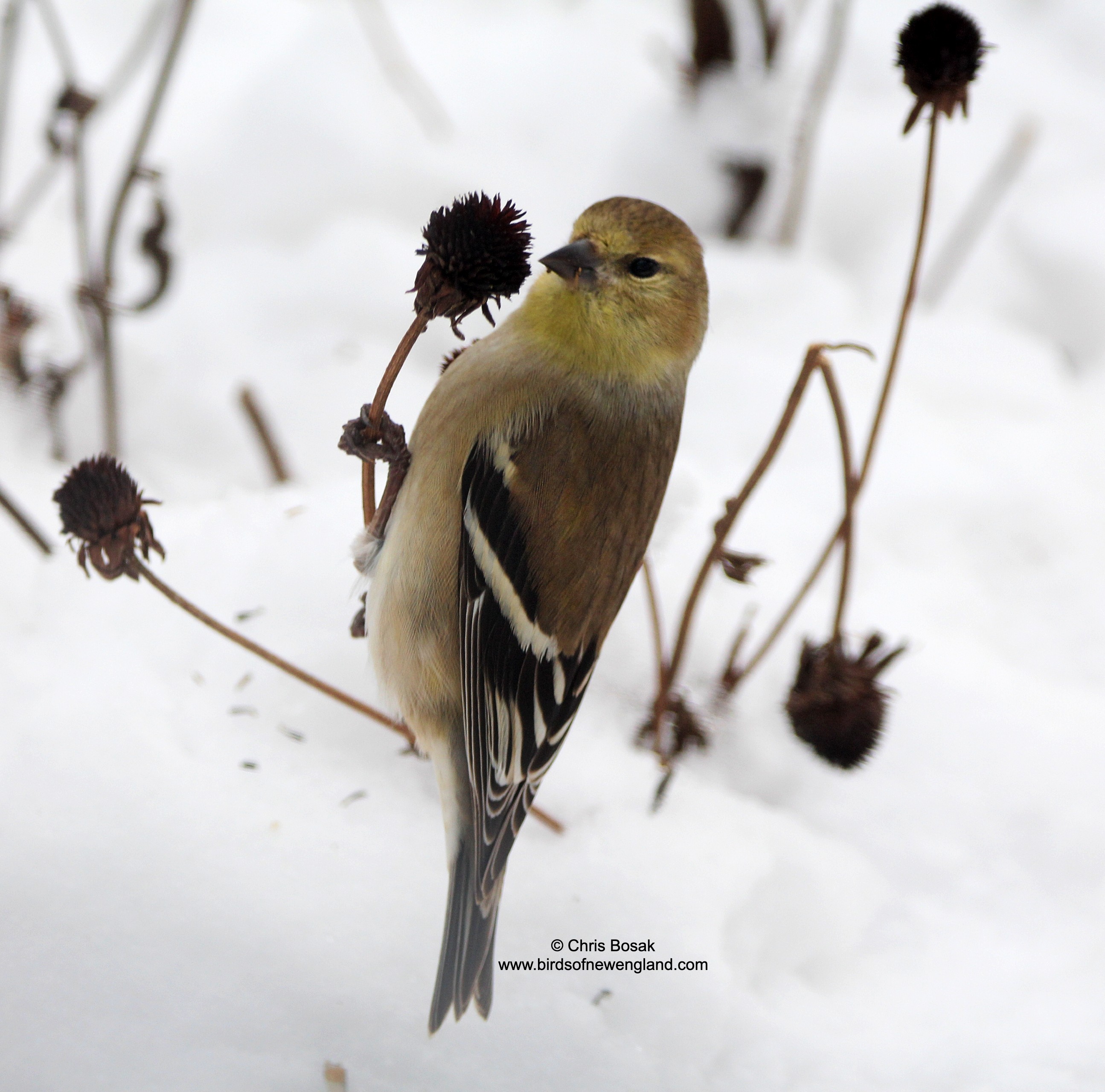
Beyond the usual suspects, like chickadees, cardinals, titmice and nuthatches, there are some other fascinating aspects of winter birdwatching. One is the possibility of a finch irruption. I wrote in a previous column about the winter finch forecast and how it could be a strong year for birds like pine siskins and redpolls to be on the move.

An irruption is when species that aren’t typically seen here, or only a few of them, suddenly appear in certain areas in higher-than-usual numbers. Lately, I’ve been seeing social media posts and hearing other reports about evening grosbeak sightings, so be sure to keep an eye out for those striking yellow birds.

Winter birding also means seeing birds that may be unexpected in the cold months. American robins are known as harbingers of spring, but many stay with us all winter in New England. They may not be the same robins that nested with us in spring and summer, but rather ones that nested farther north and have come here for a “warm” winter. Robins tend to be seen in large flocks during the winter, particularly when there are berries to be had.

Cedar waxwings are another bird species not always thought of when it comes to winter birding in New England, but it’s always a treat when you stumble across a flock. Keep an eye on any berry sources, as they give you your best shot at finding waxwings.

Similarly, eastern bluebirds are often found in winter, though many people don’t think of them as cold-weather birds. While some do migrate, others will remain with us all the way through spring.

For species like the bluebird, robin, and even some great blue herons and hawks, it comes down to the lesser of two risky choices. Stick out a New England winter, enduring tough conditions with the possibility of freezing or starving, or fly south and risk the innumerable dangers involved with migration.

I’m thankful for the ones that choose to stick around and keep us company throughout the long months here in New England. Maintaining feeders is one way to help birds make it through the winter. Cleaning out and leaving up birdhouses is another way to help out, as some birds, like chickadees, will huddle inside the shelter away from the wind and other elements. Keeping a heated birdbath is also an excellent way to help out and see birds during the winter.

Birding is rarely cut and dry. Do bluebirds migrate? Yes. Do they all migrate? No. There are many exceptions to a lot of long-held beliefs about birds. The hobby is full of surprises, even when the winter landscape looks so bleak and lifeless.

Just a few larks

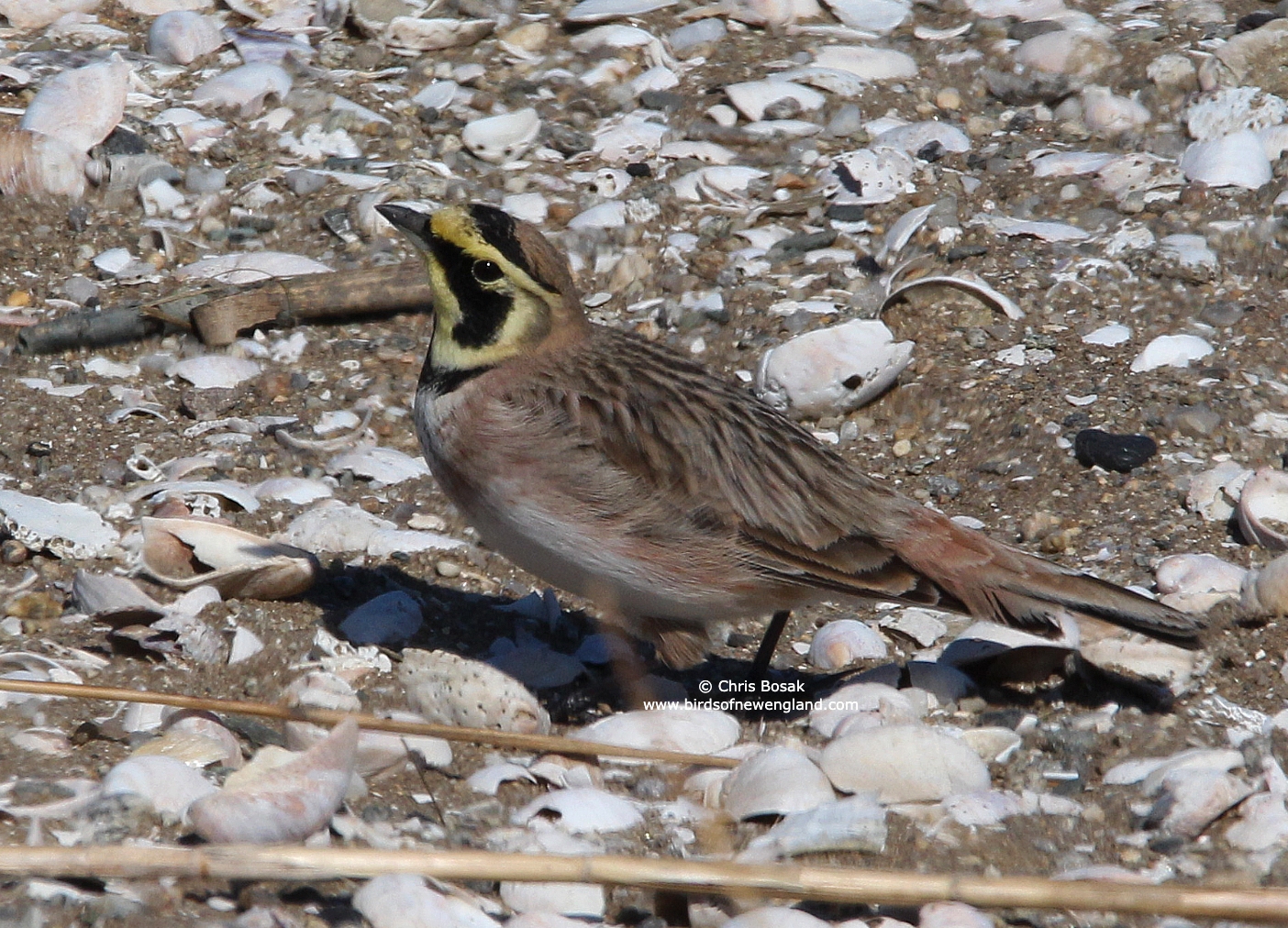
Photo by Chris Bosak A horned lark at a Connecticut beach, February 2025.

I came across these horned larks during a recent walk along a beach in southern Connecticut the other week. Larks and buntings are often seen during the winter along the Long Island Sound coast. I’m yet to get a quality photo of one with its “horns” raised. Until then, enjoy these photos.

Continue reading

For the Birds: Icy conditions good for photography, not so much for birds

Photo by Chris Bosak Black-capped chickadee perches on an icy branch, February 2025.

Every so often in New England, everything is covered in ice. I’m not talking about lakes and rivers freezing or icicles dangling from the edge of roofs. I’m talking about when literally everything outside is covered in ice. Every branch, every leaf, every pine needle, every blade of grass is sheathed in its own covering of ice. 

It doesn’t happen often. Sometimes it’s once or twice a winter. Sometimes it’s once every couple of years. The conditions have to be just right. 

The other week, the conditions were just right. A near-freezing rain fell hard in the evening, and, when the temperature dropped just a bit after the sun went down, it turned into freezing rain. By morning, everything was ice, including a slick covering on the remaining snow. 

Continue reading

For the Birds: Flushing a Cooper’s hawk will get the heart pumping

Photo by Chris Bosak Adult Cooper’s hawk seen in Norwalk, Connecticut, January 2025.

I was walking along a short but windy trail in southern New England the other day in search of overwintering warblers. This short path is known for harboring these tiny songbirds during the winter, as it is adjacent to a water treatment center that features open water on even the coldest days.

I came around one of the many bends and jumped back as I flushed a large bird that was on the ground next to the trail. With my heart racing from the surprise, my immediate reaction was that it was a ruffed grouse. It flushed with the familiar exuberance and noise of a grouse, so my mind immediately went there. Ruffed grouse, however, do not live in that area of New England any longer, and the habitat wasn’t right for the popular game bird.

Continue reading

A few weekend surprises

Photo by Chris Bosak – An eastern bluebird gets a drink from a birdbath in New England, January 2025.

I had a nice bird walk this weekend and found 24 species in the bitter cold. When I got home, I was treated to a surprise eastern bluebird sighting in the yard. Below, a winter wren was one of the highlights of the walk.

Photo by Chris Bosak – Winter wren in New England, January 2025.

Christmas Bird Count 2024 photo highlights

Photo by Chris Bosak – A merlin at Taylor Farm in Norwalk, CT, December 2024.
Photo by Chris Bosak – A pine warbler at the esplanade in Norwalk, December 2024.

On Sunday (December 22, 2024), I participated, as usual, in the Christmas Bird Count and covered my usual area of coastal Norwalk (SW Connecticut). Instead of my usual birding partner Frank, I covered the area with Adam and Jo. It was 13 degrees when we started and didn’t seem to get much warmer as the day went on. In fact, the wind picked up and made it seem even colder. The things we do for the birds.

We had a successful day with plenty of highlights, including bald eagle, peregrine falcon, merlin, pipit, pine warbler, yellow-rumped warblerf and both types of kinglet.

Here are some photo highlights of the day:

Continue reading

For the Birds: Good times, bad times …

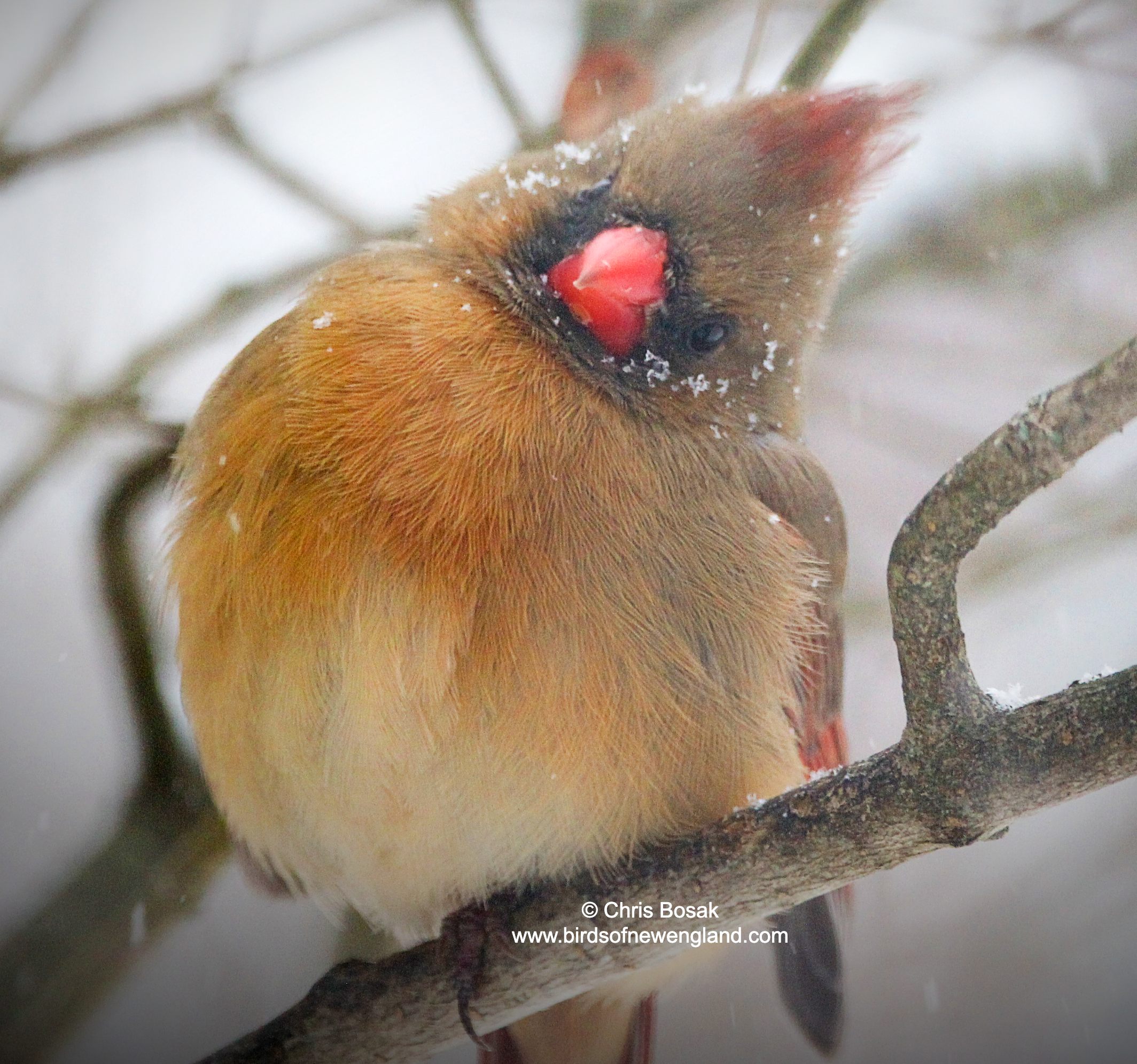
Photo by Chris Bosak — A northern cardinal and red-bellied woodpecker share a feeding station in New England.

For those who feed birds, it seems that there are slow times, busy times, and routine times.

It can be disconcerting and frustrating during the slow times. You glance out of the window hoping to see a few birds to lift your spirits or to just appreciate a bit of nature during the day, and nothing is there. It can be worrisome because the thought often arises as to whether or not the lack of birds indicates that something is wrong with bird populations.

Populations of many bird species, of course, are indeed in decline. But a slow period at the feeder is typically not an indication of a broader concern. There are certain times of the year when birdfeeders go through a slow period. Seasonal fluctuations are normal. We are perhaps going through one of those fluctuations now as I’ve received a few emails recently wondering why the birds have suddenly stopped visiting. 

Continue reading

The day after the storm, take 1

Photo by Chris Bosak A song sparrow perches on a fence post the day after a snowstorm in New England, Jan. 2022.

Here are a few photos from the calm after the storm. It’s still bitterly cold in New England, but the sun is shining brightly.

Photo by Chris Bosak A song sparrow perches on a fence post the day after a snowstorm in New England, Jan. 2022.
Continue reading

Storm photos, take 5

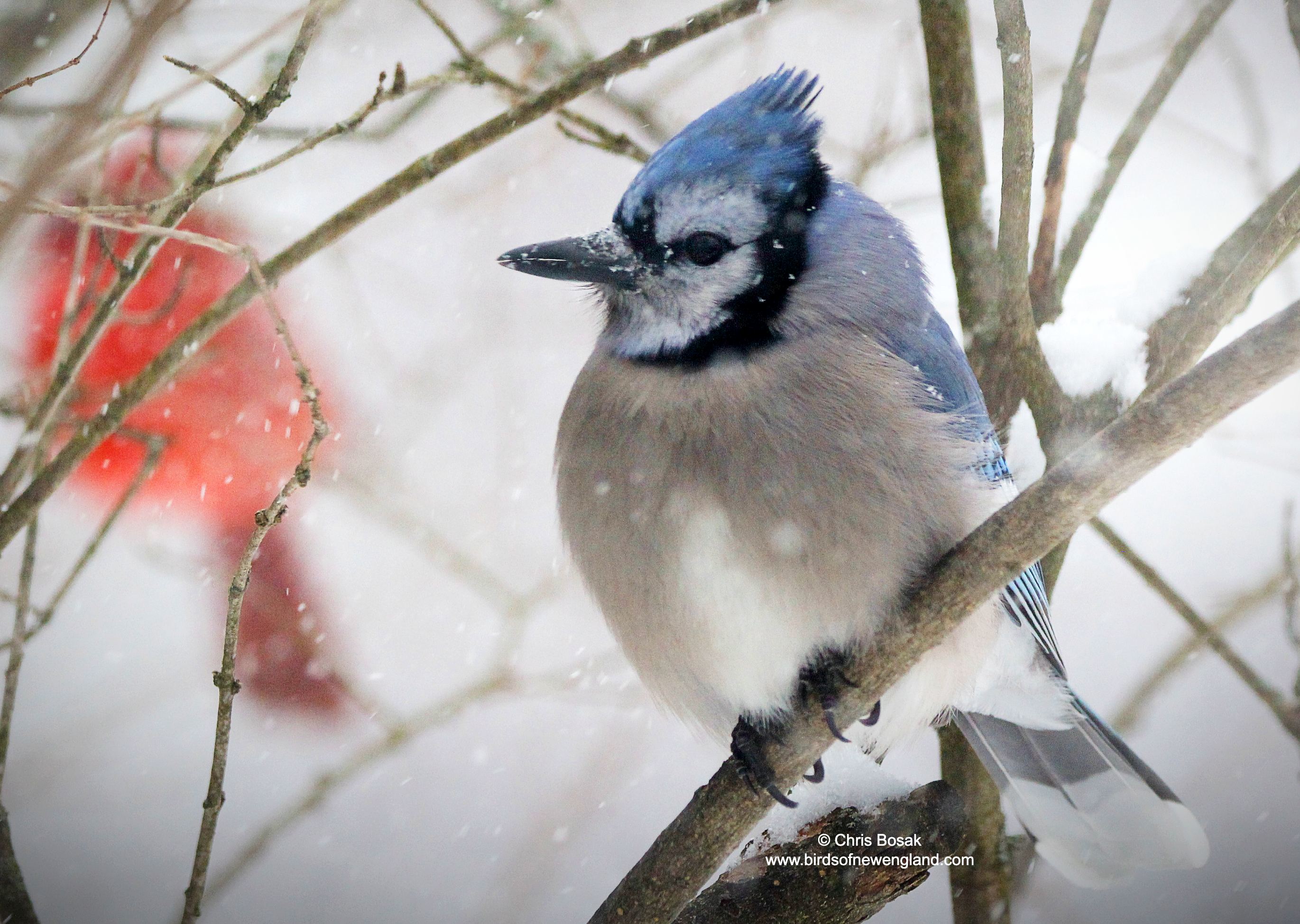
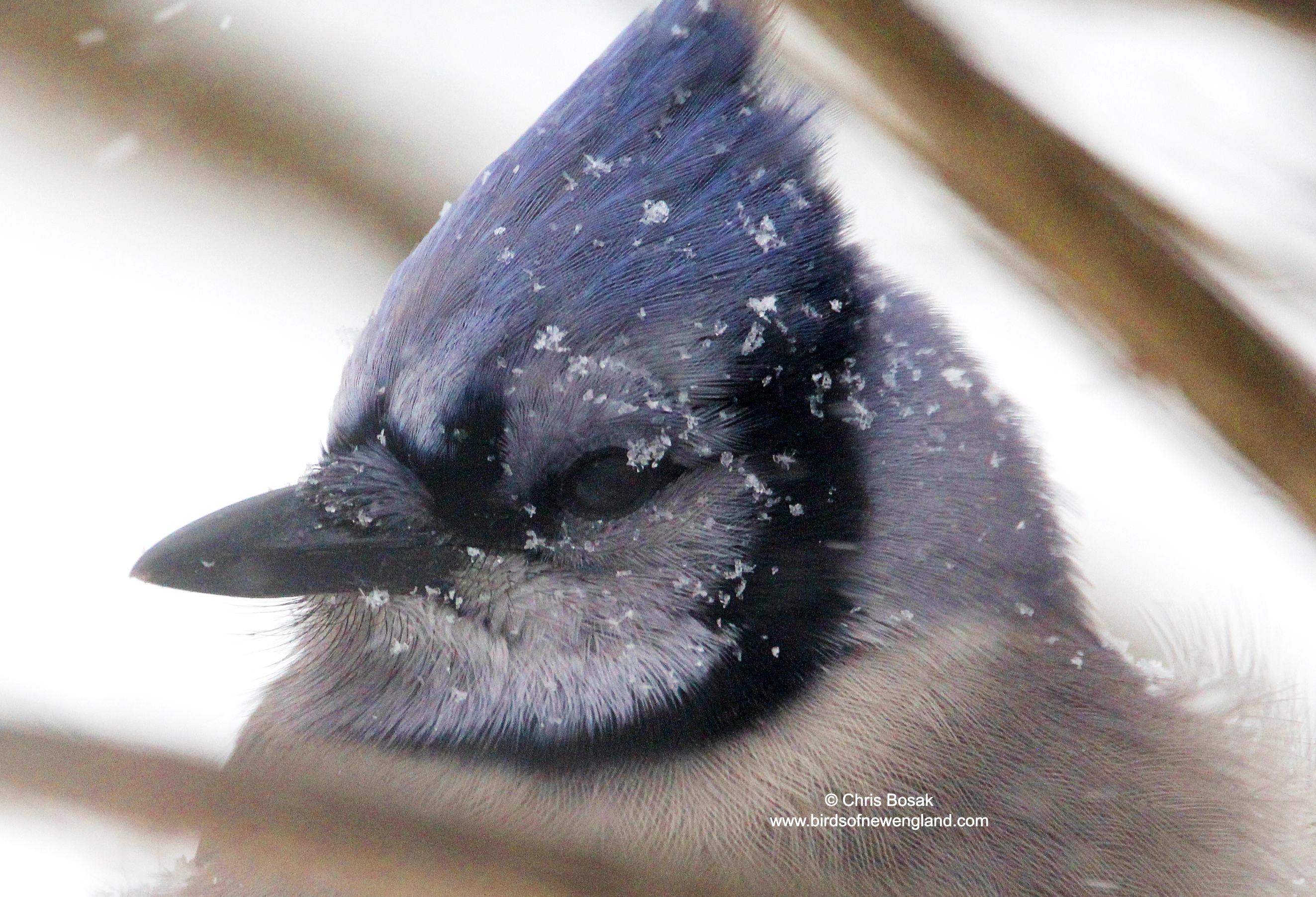
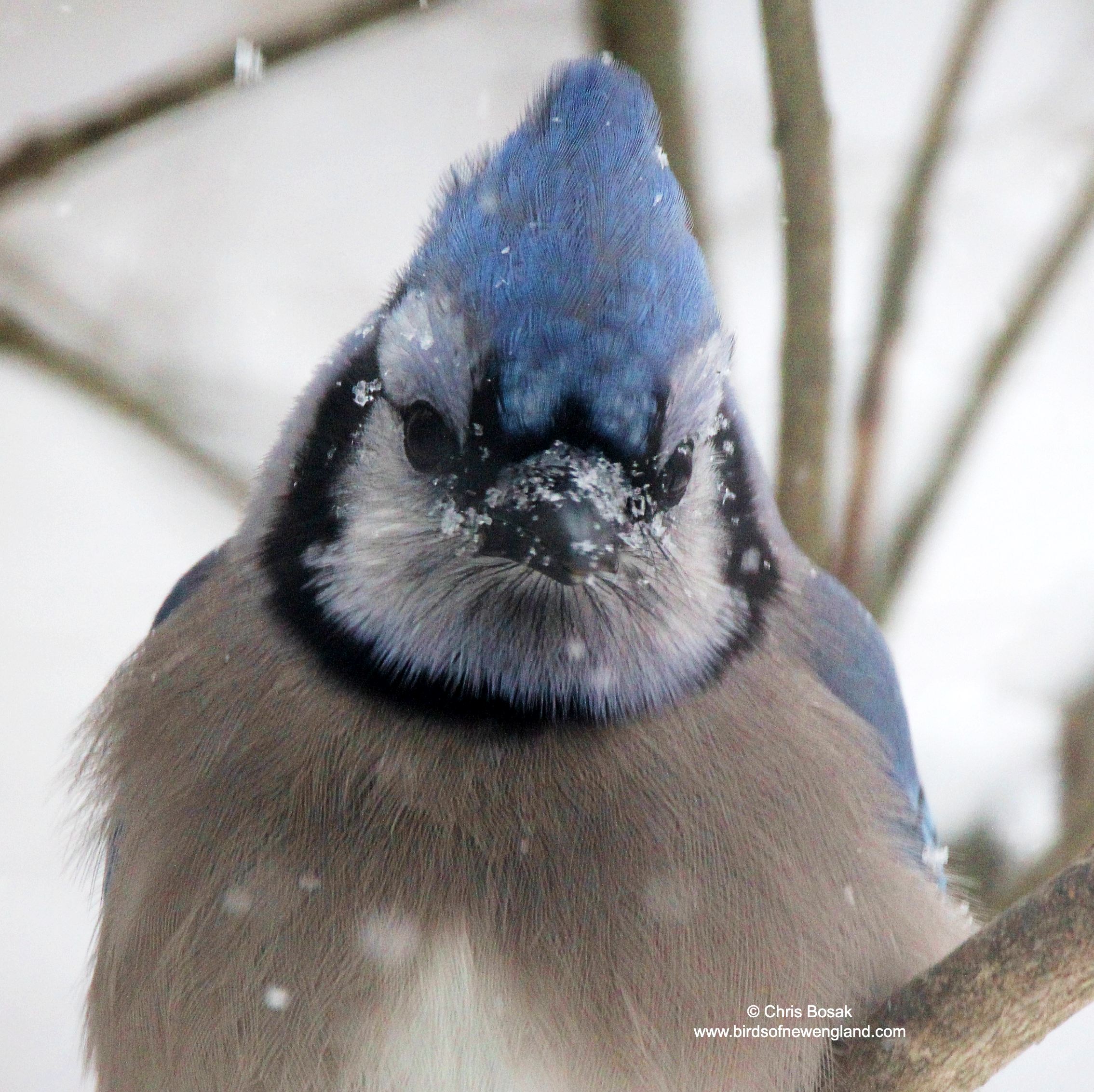
Photo by Chris Bosak A blue jay stands on a fence post during a snowstorm in New England, Jan. 2022.

Here are a few leftover photos from yesterday’s storm.

Photo by Chris Bosak A white-throated sparrow perches on a branch following a snowfall in New England, January 2022.
Photo by Chris Bosak A blue jay stands on a fence post during a snowstorm in New England, Jan. 2022.

Storm photos, take 4

Photo by Chris Bosak A junco perches on a branch during a snowstorm in New England, Jan. 2022.

A montage of snowy bird photos wouldn’t be complete without a junco, so here you go. Also, a blue jay as a bonus.

Photo by Chris Bosak A blue jay stands on a fence post during a snowstorm in New England, Jan. 2022.