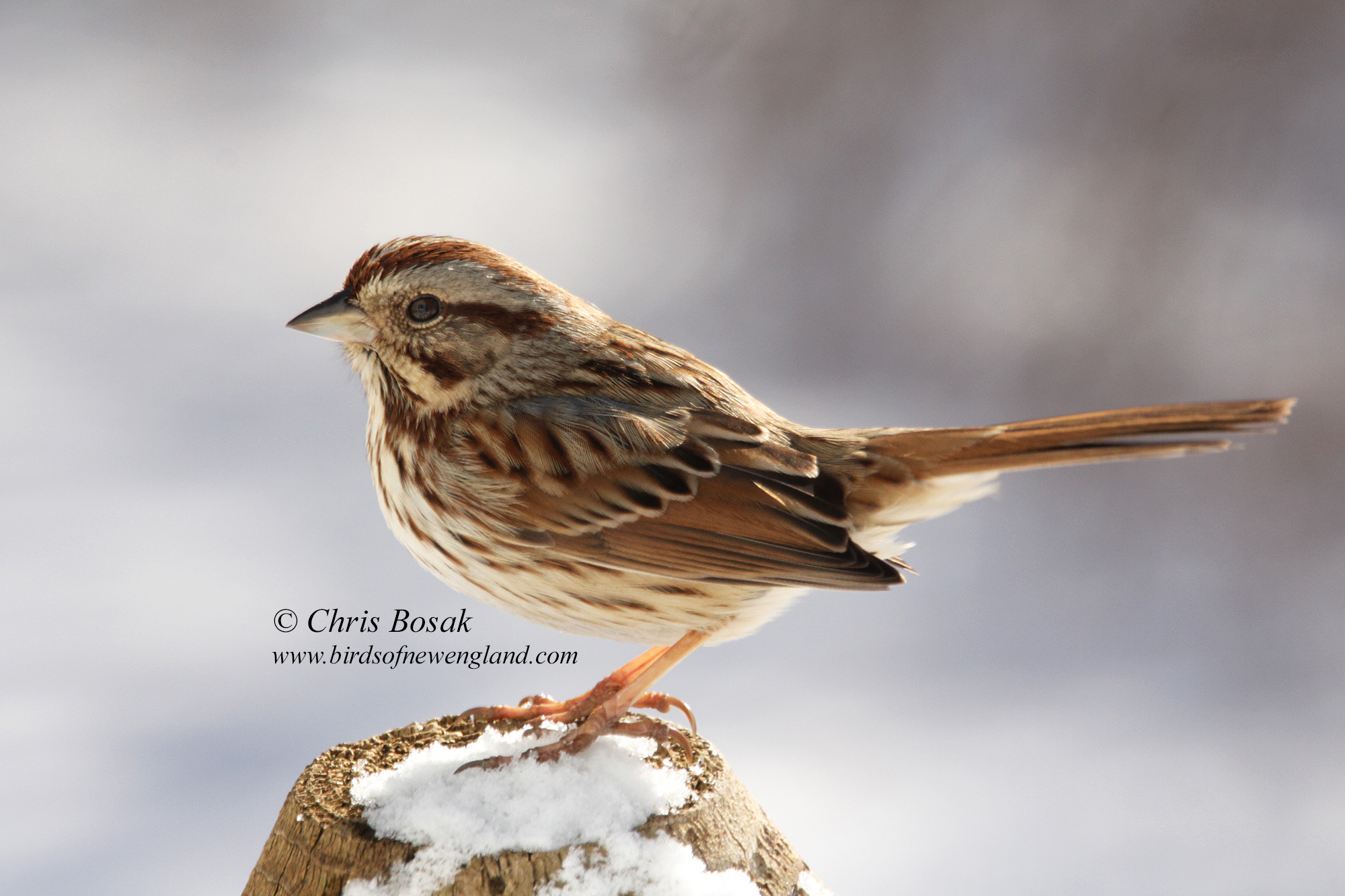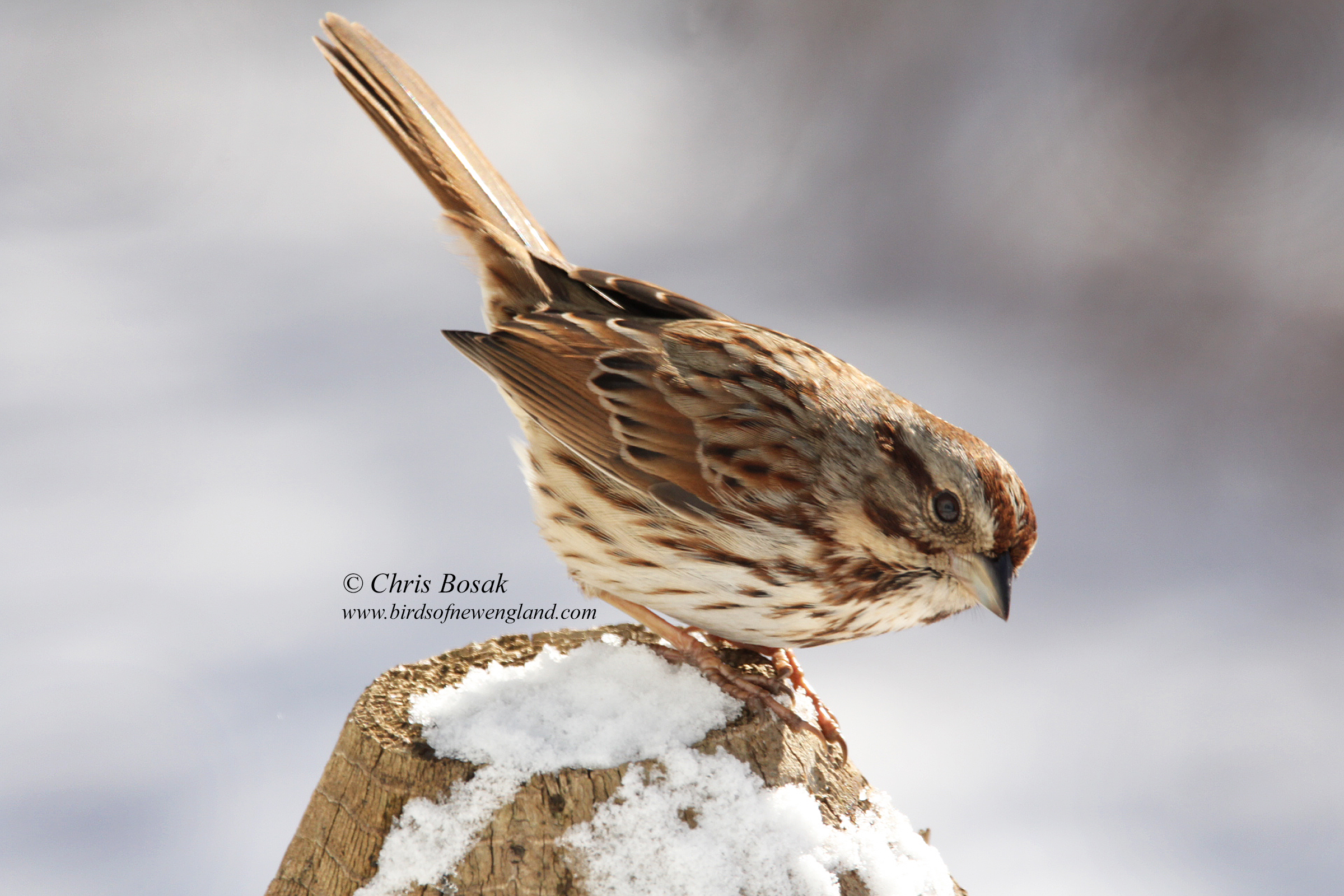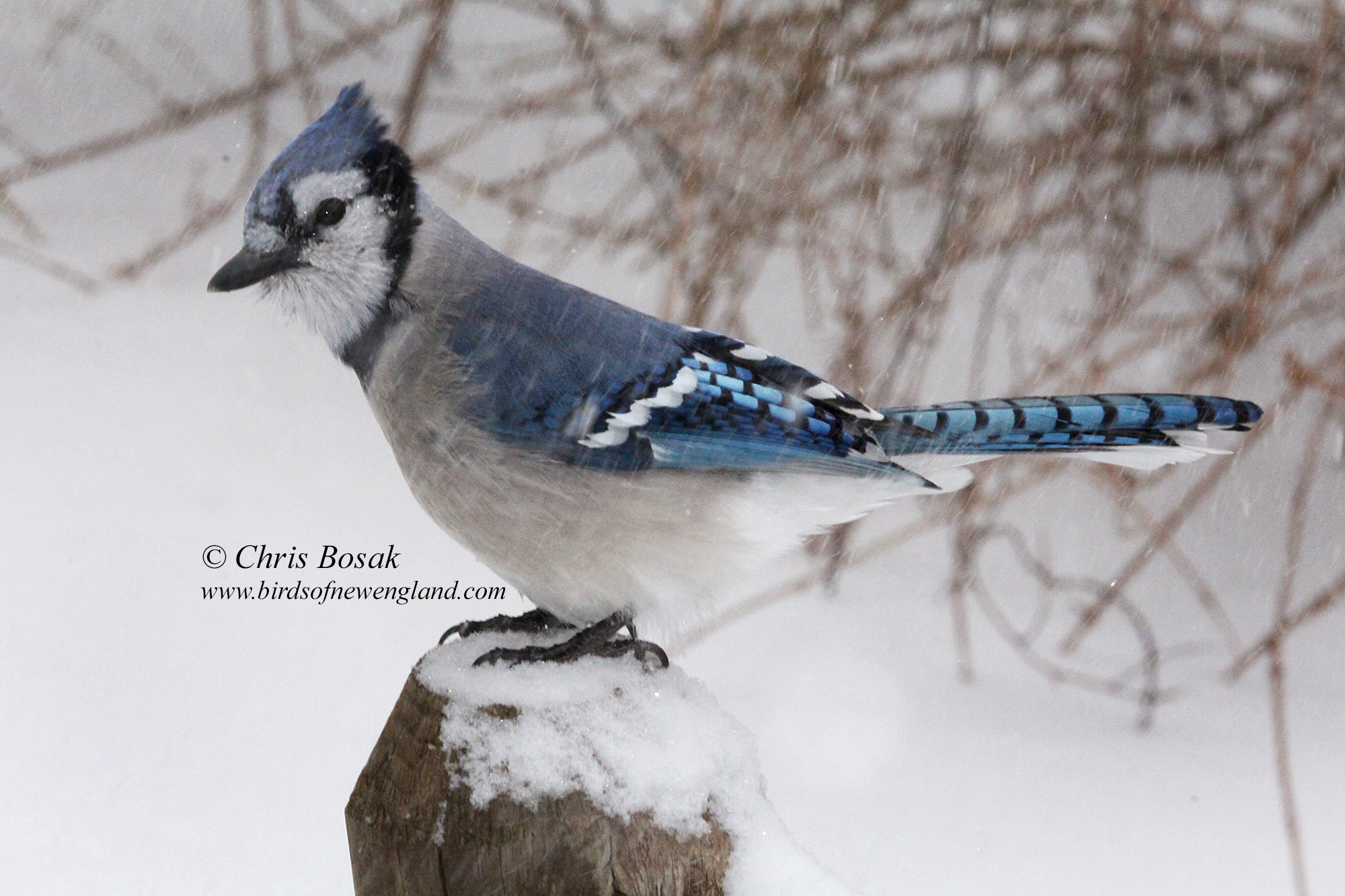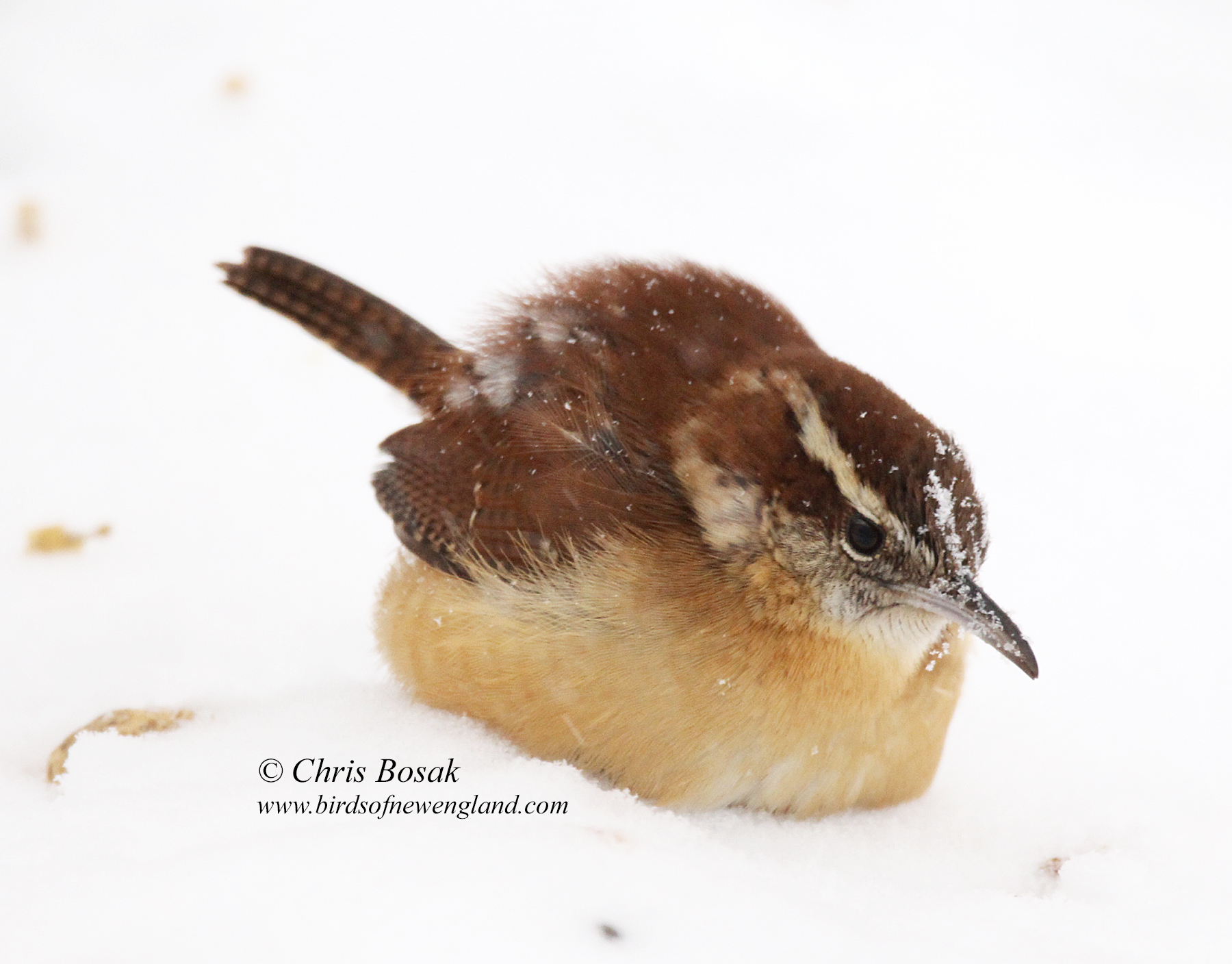
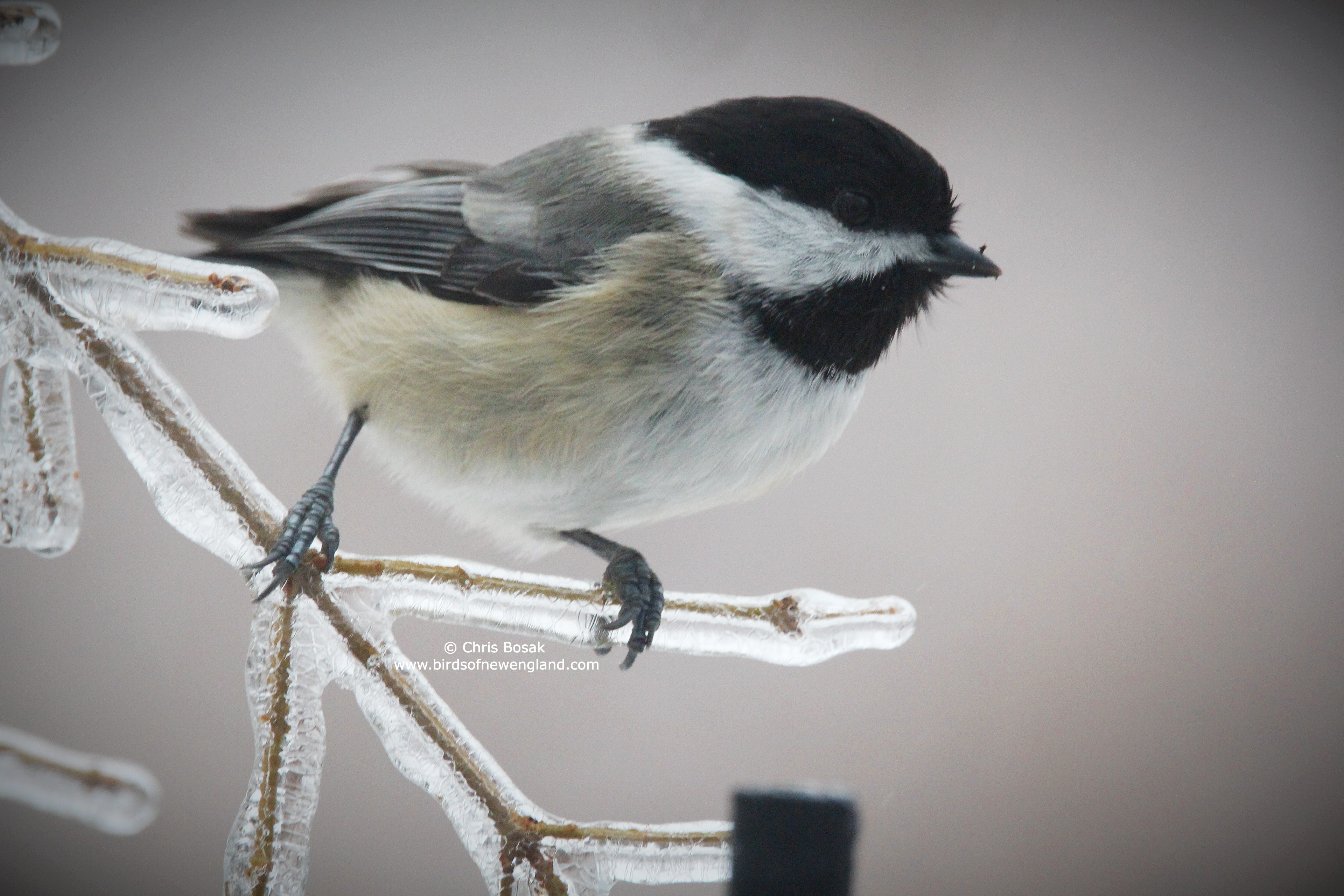
I’m going to call this bird “old reliable” because it comes to the feeder every day, regardless of the weather.


I’m going to call this bird “old reliable” because it comes to the feeder every day, regardless of the weather.


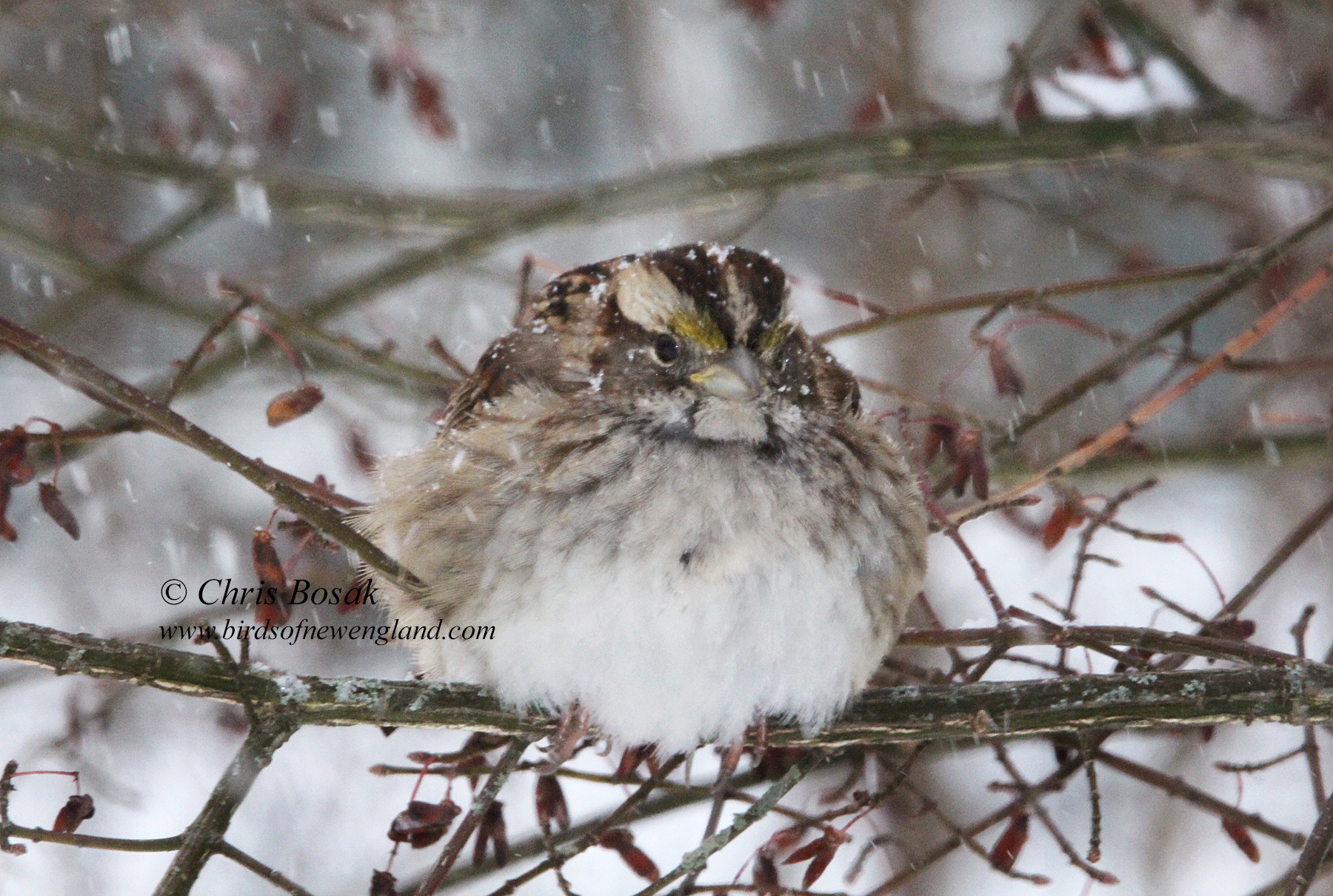
Here’s a tribute to the sparrows that brighten our winter days, all taken during the Jan. 29 storm.


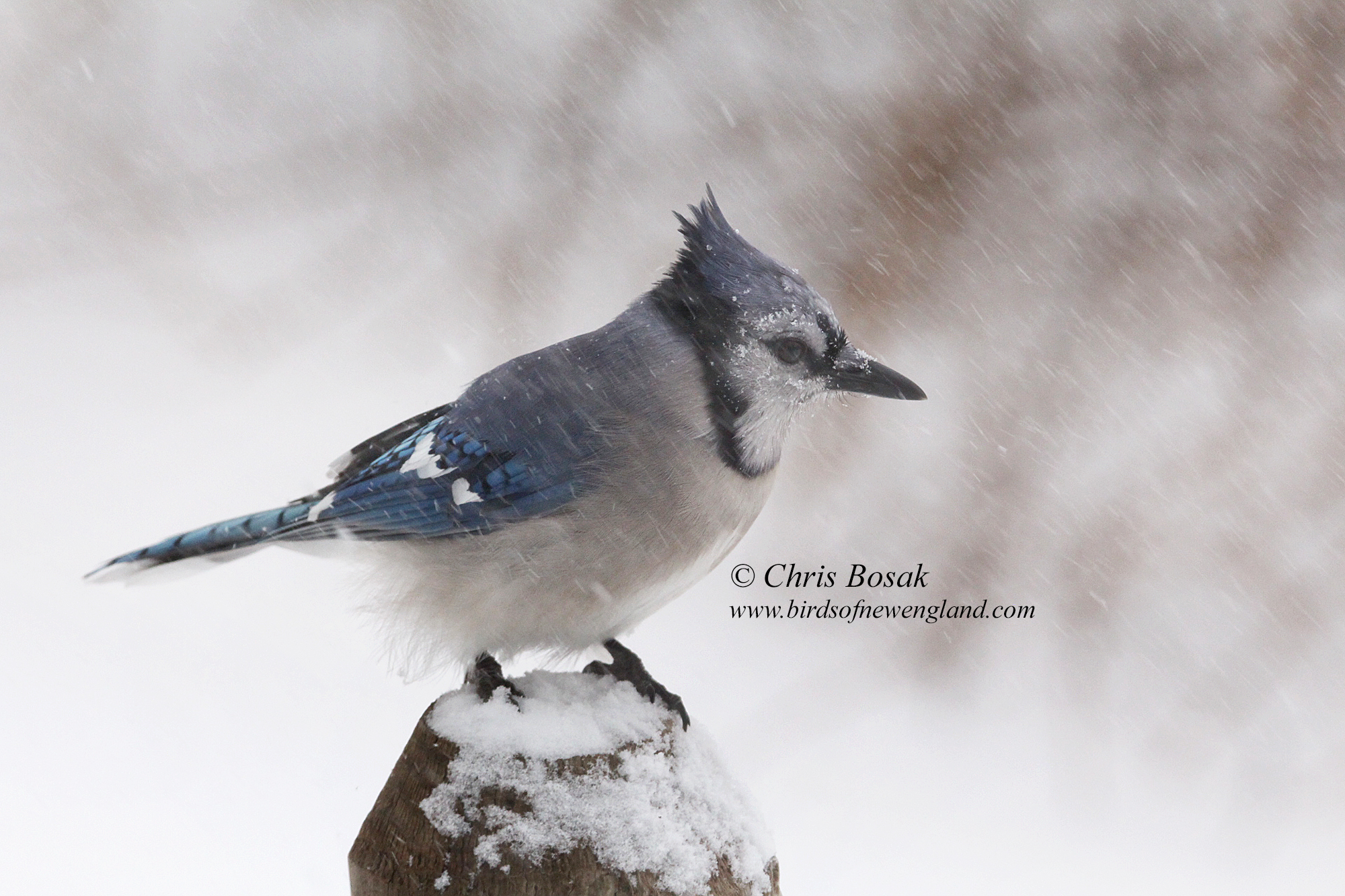
Well, you all had to have seen this coming. Here is round one of the January 29, 2022, snowstorm photos. Like any great bout, this will likely go several rounds.


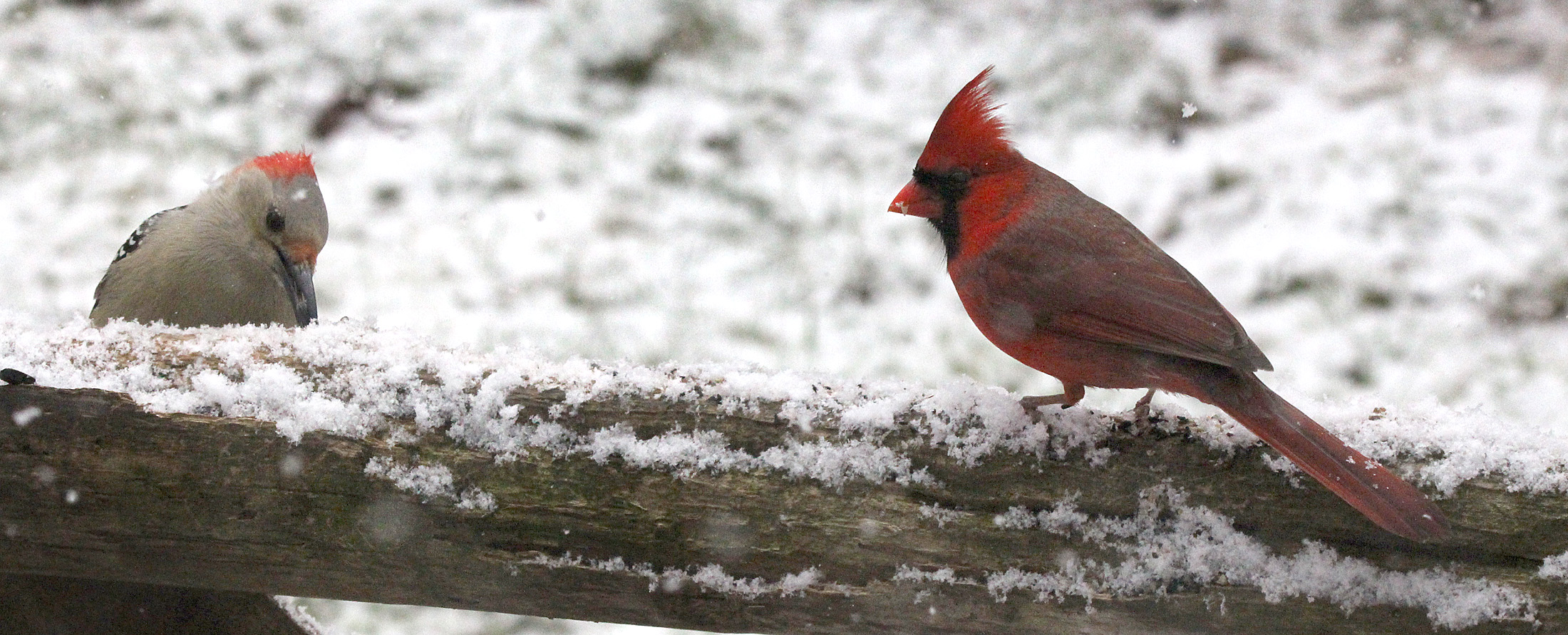
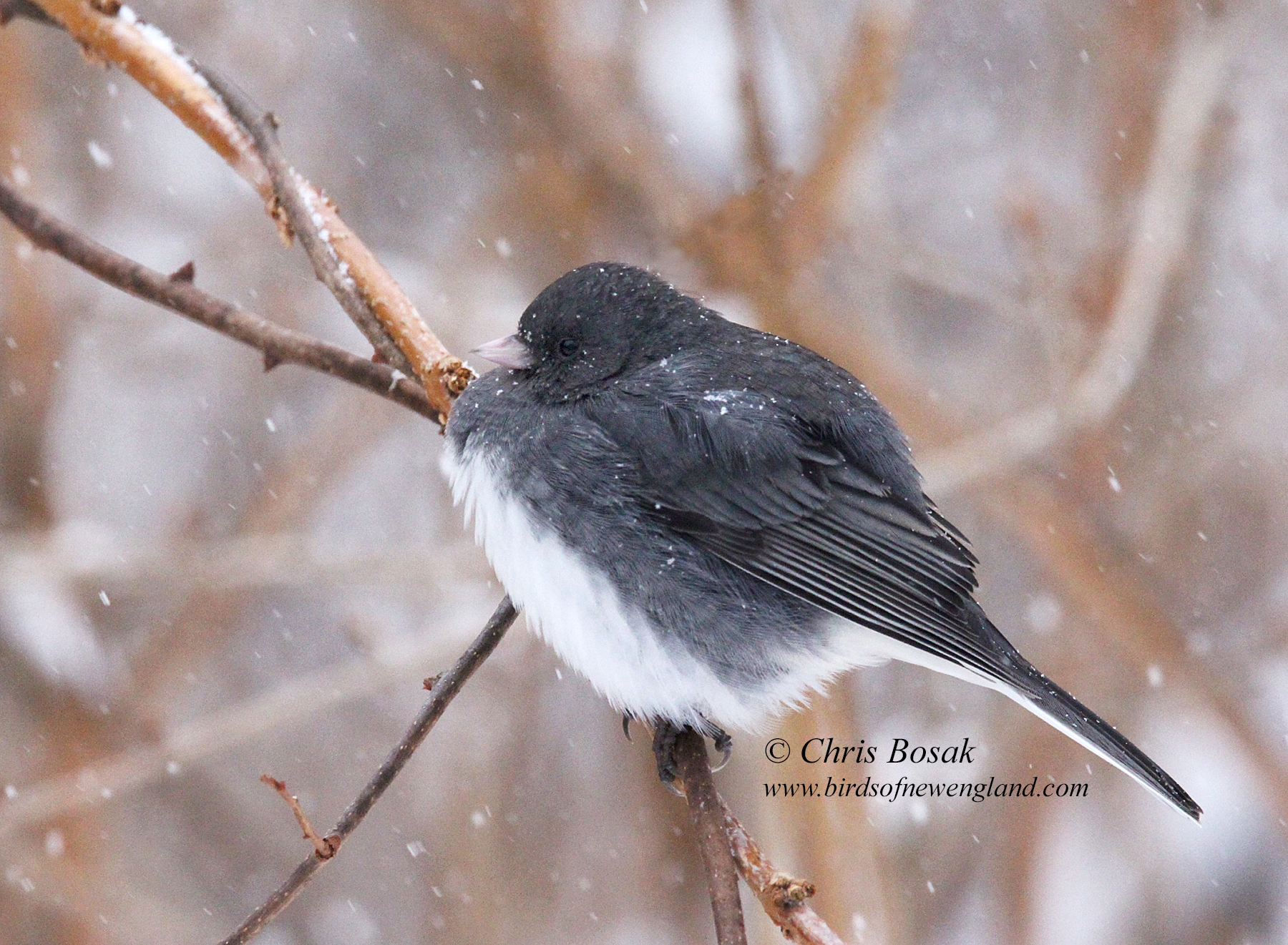
Single-digit temperatures and heavy snow always make me think of the birds that tough out New England winters.
There are many birds that, instead of taking a risky migration journey, opt to stay here and take their chances with the cold. We see these birds at our feeders and in our woods every day. Whether a bird migrates or stays put, there are inherent risks and rewards.
Birds that migrate face an arduous journey fraught with obstacles, including but certainly not limited to tall buildings, wind turbines, cell towers, dangerous weather, exhaustion and destruction of their wintering grounds. Once they get to their destination, however, they are rewarded with abundant food and warm temperatures. Of course, they have to make the trip all over again in the spring.
Continue reading
Here’s a post similar to yesterday’s but featuring only the junco, one of New England’s favorite “snow birds.” Here’s yesterday’s post in case you missed it.


As of Thursday morning, the forecast calls for some snow throughout New England. Will it be a fierce Nor’easter that will drop a foot or more of snow or a relatively calm storm with an inch or two? That much remains to be seen as different models are predicting different outcomes. Like always, we’ll wait and see. In the meantime, here are a few snowy bird photos as we await the storm.


The crossbills were going to have to wait. I wasn’t about to just walk past a field full of horned larks.
Last week, I wrote about my trip to see red crossbills. The target birds were clearly being seen close by as a crush of photographers and birdwatchers were standing on a boardwalk huddled together as much as possible in these days of socially distancing ourselves. I knew the crossbills were there, but to get there I had to walk along the edge of a field where about a dozen horned larks were hopping about looking for food.
One of the larks made the temptation even greater as it flew in closer to the edge of the field where I walked. It proved to be too much as I stopped my progress toward the crossbills and kneeled down to get a better angle of the lark that was now well within photographic range. The lark looked for food and in doing so, kept inching toward me. I held my ground and put the crossbills on hold.
Eventually, the larks flew off as one to the far end of the field. OK, crossbill time, I thought — just as the crossbills flew away from their convenient spot next to the boardwalk. As I wrote last week, the crossbills settled in a tree not far away and offered plenty of quality time to the photographers and birdwatchers, this time including me. Horned larks are named for the horn-like feathers that sometimes stick up from either side of the birds’ heads. The “horns” were not out on the birds I photographed, but the birds still proved to be handsome photographic subjects.
From a distance, horned larks are not much to look at. They are small birds and appear to be rather bland as you see them from across a field. Many people may see them and not give them a second look.
Closer inspection yields a bird that is mostly white underneath and brown above with decorative yellow and black markings on its face, throat and head. Females are similarly patterned but overall more dull in color.
Horned larks are year-round residents in parts of New England, but they are seen most frequently during the winter. They favor open, barren areas so look in low-cut fields and on beaches for the best chance to spot them. Even snow-covered fields are good places to look as larks seek out seeds that still cling to the grasses that poke above the snow or have been blown on the snow’s surface.
Despite favoring open spaces, they can be difficult to spot. In the winter, the grass and weeds are brown, as is the sand, making it a perfect camouflage for the bird. Usually, it’s their movement that betrays them as they are constantly moving around. They typically gather in fairly large flocks as well, making them easier to find.
Winter can sometimes be a difficult season to get through, but larks are one more reason to get out there and make the most of it.
As promised, here is another post on the horned larks I saw the other day. This post will be more photo-heavy. One quick word on horned larks: They get their name from the horn-like feathers that sometimes stick up from their heads. They aren’t visible on the photos Continue reading

Horned larks are sparrow-sized birds that live year-round in parts of New England, but are mostly seen in the winter. They prefer open, barren areas, so you’re not likely to see them in the woods. Check open areas with short grass or no grass (a beach for instance) for your best chance at finding them. I found these birds in a snow-covered field at Hamonasset State Park in southern Connecticut last week during my trip to see the crossbills. More horned lark posts coming soon.

We all know it’s important to offer water as well as food for our feathered friends. It can be discouraging, however, to watch a birdbath day after day and not see any birds using it. They typically aren’t as busy as birdfeeders with a constant stream of birds using it. Factor in the sub-zero temperatures Continue reading