Purple Martins banded at Sherwood Island

Photo by Chris Bosak A volunteer from Department of Energy and Environmental Protection holds a young Purple Martin while she identifies the age during a Purple Martin banding event held Thursday, July 10, 2014, at Sherwood Island State Park in Westport, Conn.,

Photo by Chris Bosak
A volunteer from Department of Energy and Environmental Protection holds a young Purple Martin while she identifies the age during a Purple Martin banding event held Thursday, July 10, 2014, at Sherwood Island State Park in Westport, Conn.,

Sometimes fun news assignments come across our offices at The Hour newspaper. If it has to do with birds it usually ends up being forwarded to my email address by everyone else who receives it. Not that I mind, of course.

Photo by Chris Bosak A volunteer from Department of Energy and Environmental Protection holds a young Purple Martin while she identifies the age during a Purple Martin banding event held Thursday, July 10, 2014, at Sherwood Island State Park in Westport, Conn.,

Photo by Chris Bosak
A volunteer from Department of Energy and Environmental Protection holds a young Purple Martin while she identifies the age during a Purple Martin banding event held Thursday, July 10, 2014, at Sherwood Island State Park in Westport, Conn.,

Such was the case this week when the Friends of Sherwood Island (a state park in Westport, Conn.) sent a release announcing a Purple Martin banding project. I attended the event, of course, and marveled as staff and volunteers from state Department of Energy and Environmental Protection and Friends of Sherwood Island took young martins from their nest, fitted them with bands, weighed and measured them, recorded data and returned them to the nests.  As all this was going on, the adult martins fearlessly and undaunted continued to hunt for insects to bring back to the colony.

I even got to return five baby Purple Martins to their gourd. It was the first time I’ve ever held a Purple Martin. Very cool.

For the complete story and photos from The Hour photographer Erik Trautmann, click here.

Photo for next For the Birds column

Photo by Chris Bosak A Least Tern flies over its nesting grounds at Milford Point in Milford, CT, in June 2014.

Photo by Chris Bosak
A Least Tern flies over its nesting grounds at Milford Point in Milford, CT, in June 2014.

Here’s a sneak peek at the photo that will accompany my next For the Birds column that will appear in The Hour (Norwalk, CT) tomorrow (Thursday, July 10) and The Keene Sentinel on Monday, July 14. Check those newspapers’ respective websites to see the column soon.

If you live in New England and your local newspaper does not carry “For the Birds,” give the editor a call and suggest that they pick it up. They can contact me via this website. Thanks!

Good news on the duck front; populations and habitat improve


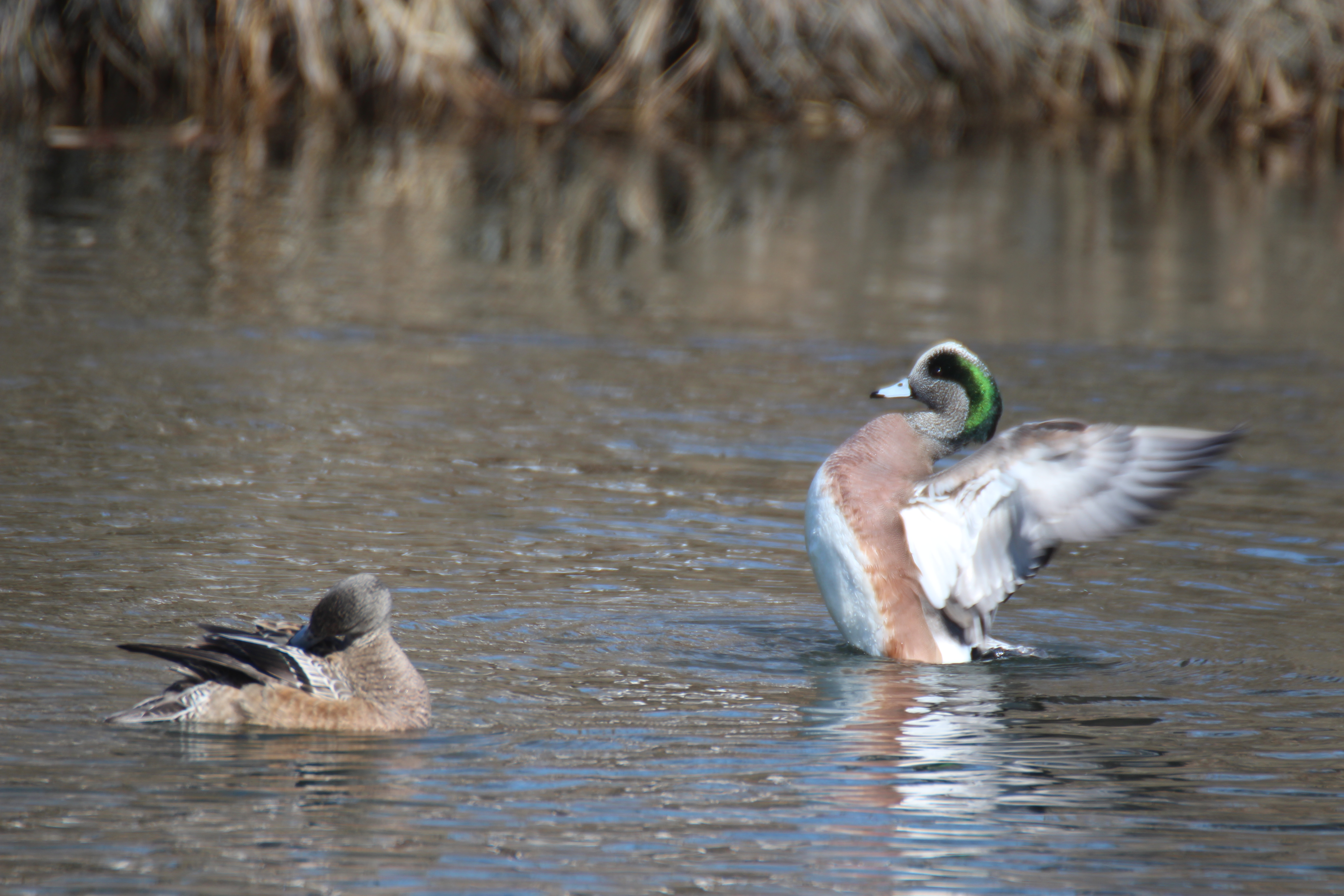
Photo by Chris Bosak American Wigeon in Norwalk.

Photo by Chris Bosak
American Wigeon in Norwalk.

As much as I love all birds, ducks are my favorite types of birds to watch. I’ve said that plenty of times. So when good news from that front crosses my desk, I’m eager to share it.

Here it is, shamelessly stolen from a U.S. Fish and Wildlife Service press release sent to my at my office:

“Duck populations have increased in overall abundance over last year, and their habitat conditions have improved, according to the U.S. Fish and Wildlife Service’s Trends in Duck Breeding Populations 2014 report released today. These conclusions are based on the 2014 Waterfowl Breeding Population and Habitat Surve Continue reading

Red-tailed Hawk pays a visit

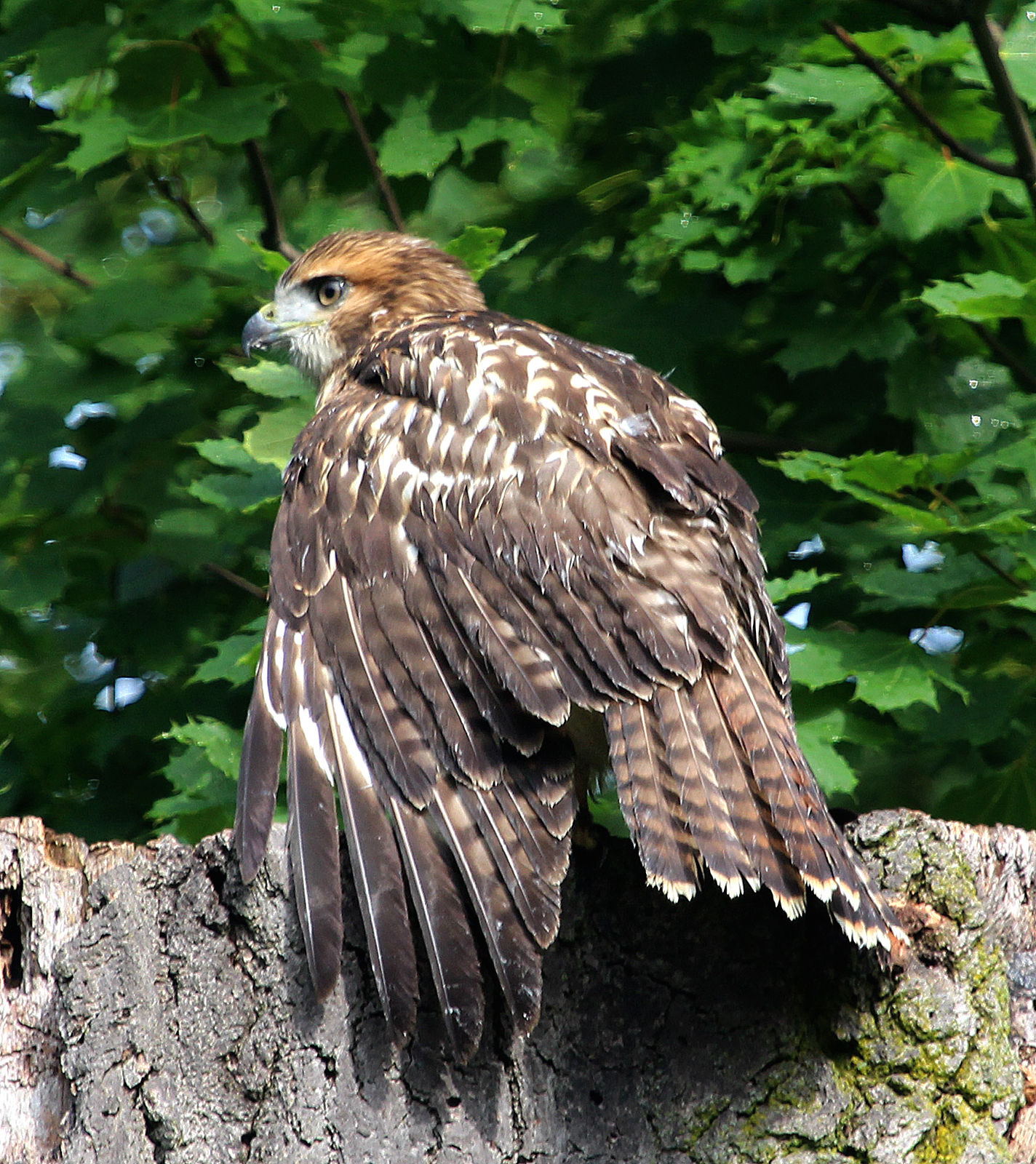
Photo by Chris Bosak A Red-tailed Hawk perches on the top of a tree in Stamford, Conn., July 2014.

Photo by Chris Bosak
A Red-tailed Hawk perches on the top of a tree in Stamford, Conn., July 2014.

This Red-tailed Hawk perched in the backyard during a recent steamy day in southern New England. I like the way it is showing its feathers while perched on the top of a recently cut-down tree.

Happy Fourth of July from BirdsofNewEngland.com

rwb

Here’s a collection of bird photos that just so happen to represent the colors of our great country. Happy Fourth of July everybody and thanks for checking out http://www.BirdsofNewEngland.com

“Colorful” sparrows can brighten a day


Photo by Chris Bosak A Song Sparrow seen in Selleck's/Dunlap Woods in Darien, Conn., March 2014.

Photo by Chris Bosak
A Song Sparrow seen in Selleck’s/Dunlap Woods in Darien, Conn., March 2014.

When we think of sparrows, the word “colorful” likely does not come to mind. In fact, many people refer to them collectively simply as LBJs (little brown jobs).

But if you look closely enough, a world of beauty can be found in the plumage of sparrows. We see Song Sparrows almost every day and, indeed, from a distance they do look like a boring old brown bird. When the light catches that plumage, though, an endless variety of browns and tans come together to make a striking bird. Sure, browns and tans are not necessarily colorful in the obvious sense (reds, blues, purples) but it’s a more subtle beauty.

So subtle in fact that it often takes time to appreciate. When I had artist Catherine Hamilton on my Birds Calls Radio program a few years ago, she talked about how much she liked to work with sparrows. The answer surprised me because I was expecting her to say a more colorful bird such as a cardinal or Wood Duck. I understood where she was coming from, but wasn’t completely sold on the whole beautiful sparrow thing. Then, somewhere along the line, I started to look more closely at the sparrow photographs I took. Sure enough, I discovered what Catherine was talking about. The brown birds are not simply brown. You can’t grad a brown crayon from a box and color in a sparrow. You would need fist fulls of different browns and need to change crayons frequently to capture the true essence of a sparrow.

Also, when we think of sparrows the House Sparrow is often the first one that comes to mind. House Sparrows have a beauty of their own (I guess), but I’m referring more to the native New England sparrows such as Song Sparrow, Tree Sparrow, Chipping Sparrow, White-throated Sparrow, Savannah Sparrow, Fox Sparrow, and Swamp Sparrow.

Despite my relatively new appreciation for sparrows I still have to catch myself. I still sometimes see a sparrow and immediately gloss over it and look for the next bird. Then I quickly come back to the sparrow and appreciate its subtle markings. I’m always glad I did.

So what’s your favorite sparrow of those listed below? I know “I like them all” would be most people’s answer, so I’m not even going to include that in the options. Take a stand for your favorite sparrow.

Volunteers for osprey monitoring sought in Connecticut

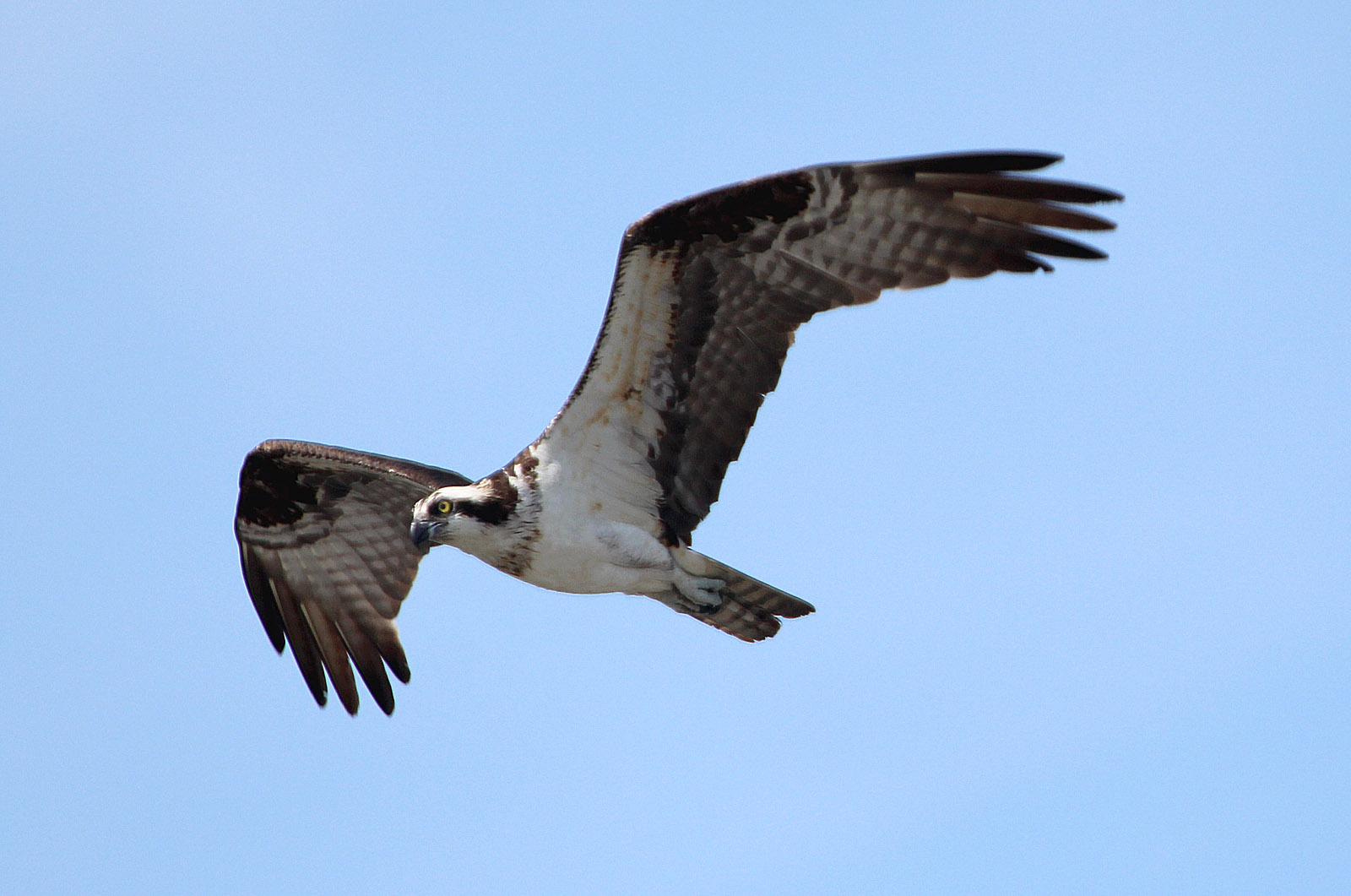
Photo by Chris Bosak An Osprey soars over the Norwalk River this summer.

Photo by Chris Bosak
An Osprey soars over the Norwalk River this summer.

The Osprey population in Connecticut, especially along the coast, is booming. That’s a good thing, of course, as Osprey are considered a keystone species, meaning they are at the top of the food chain and rely on the health of an environment at all levels. It speaks well for Long Island Sound.

Connecticut Audubon Society is calling on volunteers to help monitor this burgeoning population. Click below to learn more about the project and how you may be able to help.

Click here for more information.

Here’s the shorebird

Here’s the answer to the “find the shorebird” post of last week. I hope you have fun looking. If you missed the original post, check it out here before looking at the answer below.

Continue reading

Never mind Waldo, where’s the sandpiper?

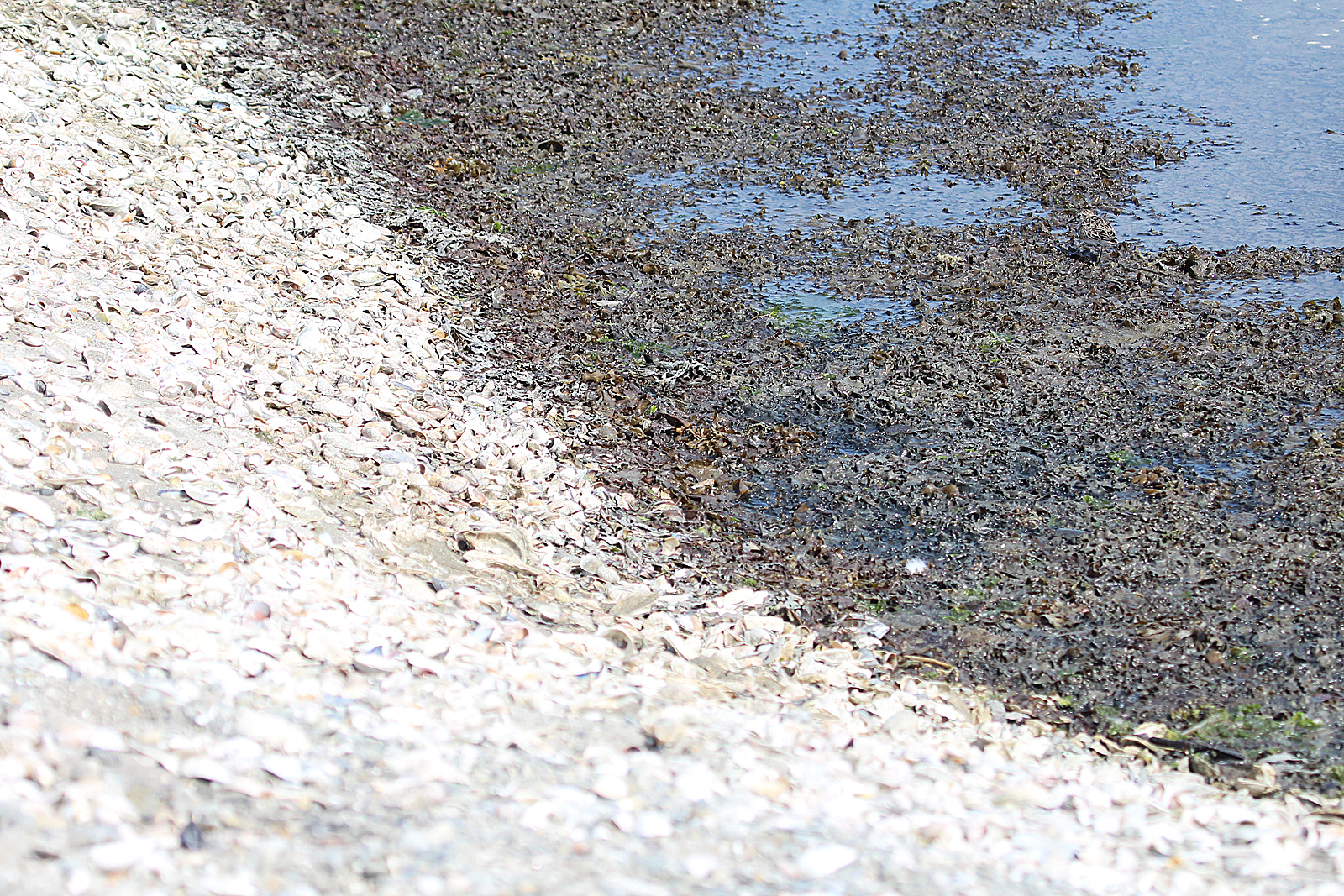
Photo by Chris Bosak Where's the Least Sandpiper in this photo?

Photo by Chris Bosak
Where’s the Least Sandpiper in this photo?

You all did so well on the last “find the bird” quiz, that I figured I’d give you another one. This one, I have to say, is much more difficult with its two distinct sides of the photo (a dry side and wet side.)

I grabbed this photo of a Least Sandpiper while volunteering to monitor Piping Plovers and Least Terns at Coastal Center at Milford Point in Milford, CT. It demonstrates the challenges birdwatchers have when it comes to finding and identifying shorebirds. It’s no wonder why so many people refer to them all simply at “peeps.” The camouflage is remarkable. The eggs laid by shorebirds are even more amazingly camo’d.

More importantly, it demonstrates how well their coloration and markings make it difficult for predators, such as Peregrine Falcons, to spot them.

So good luck in finding the bird. As a small hint, the bird is small in the photo, but not impossible to find. I’ll post the answer in a few days. If you can’t wait and need more hints, drop me a line at bozclark@earthlink.net

If you missed the last one — in which a Piping Plover was hidden in the photo — here it is.

Thanks for checking out http://www.birdsofnewengland.com.

Osprey flying with fish in talons

Photo by Chris Bosak An Osprey flies with a fish at Milford Point in Milford, CT, June 2014.

Photo by Chris Bosak
An Osprey flies with a fish at Milford Point in Milford, CT, June 2014.

I saw the shadow in the sand and knew it was something big. I wheeled around and saw the Osprey flying with the fish and scrambled to try to get the bird in the view finder of my camera. I didn’t nail the photo by any stretch of the imagination, but the scene was pretty neat so I figured I’d share the subpar photo anyway.

This Osprey was photographed at Milford Point in Milford, CT, on Monday, June 16. It was flying the large fish back to its nest not far from the beach. The fish was plucked from Long Island Sound.

Osprey catch their fish and in midair adjust the catch in their talons to make it more aerodynamic.