For the Birds: Looking back on birding highlights of 2025

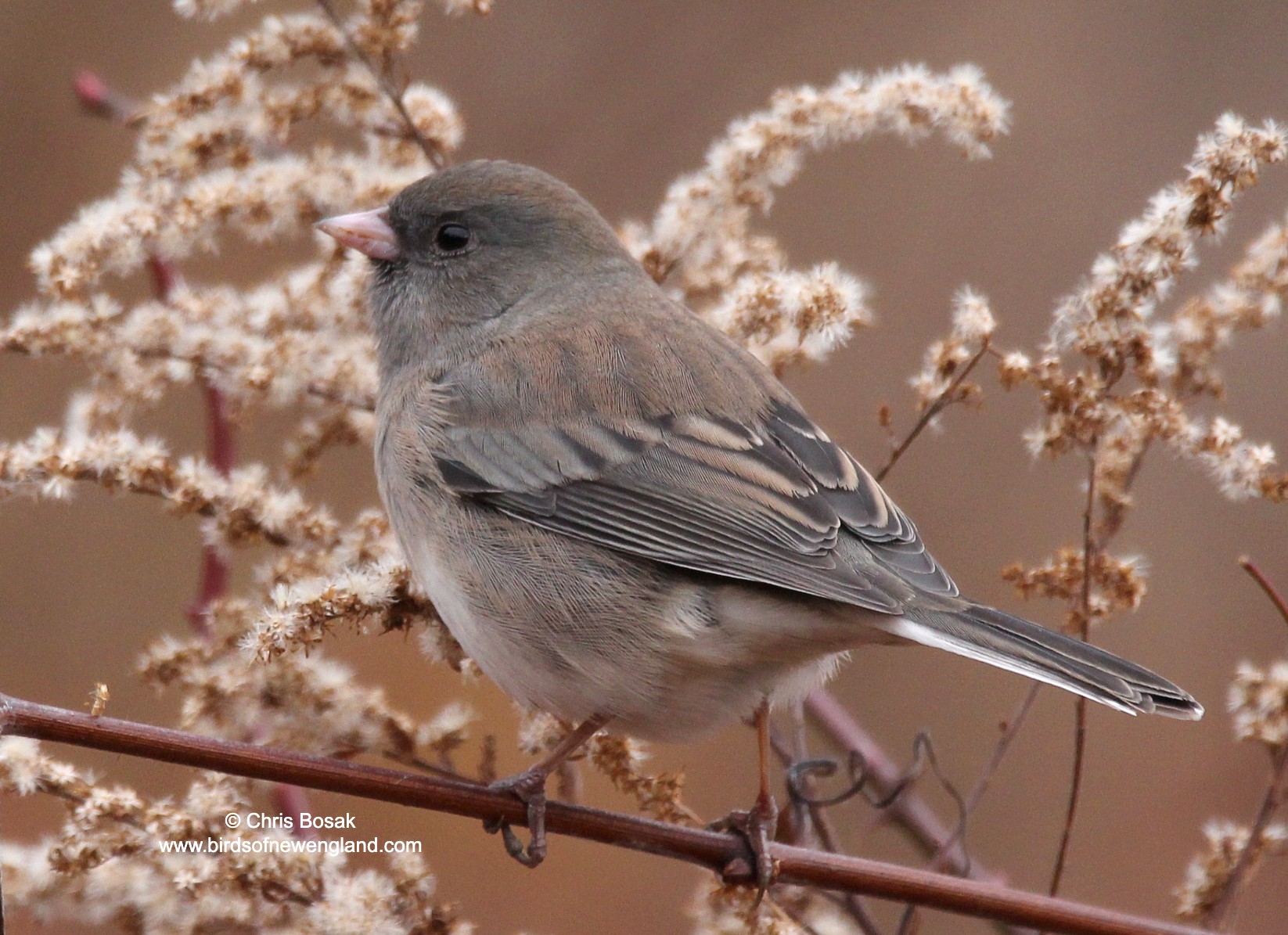
Photo by Chris Bosak – A dark-eyed junco eats goldenrod seeds at Huntington State Park in Redding, Connecticut, November 2025.

It’s time for one of my favorite annual columns, as I take a look at my top 10 birding/wildlife moments from the past year. It’s always fun to look back at a year’s worth of For the Birds columns and pick the moments that continue to resonate with me the most.

Here are my top 10 birding moments of 2025:

10. Early in 2025, when ice still dominated most ponds and rivers, I found a small unfrozen pond with a hooded merganser pair and a small flock of ring-necked ducks. The pond was small enough to afford good photo ops of the birds but large enough that they felt safe on the opposite shore.

Continue reading
For the Birds: More winter bird sightings

Photo by Chris Bosak
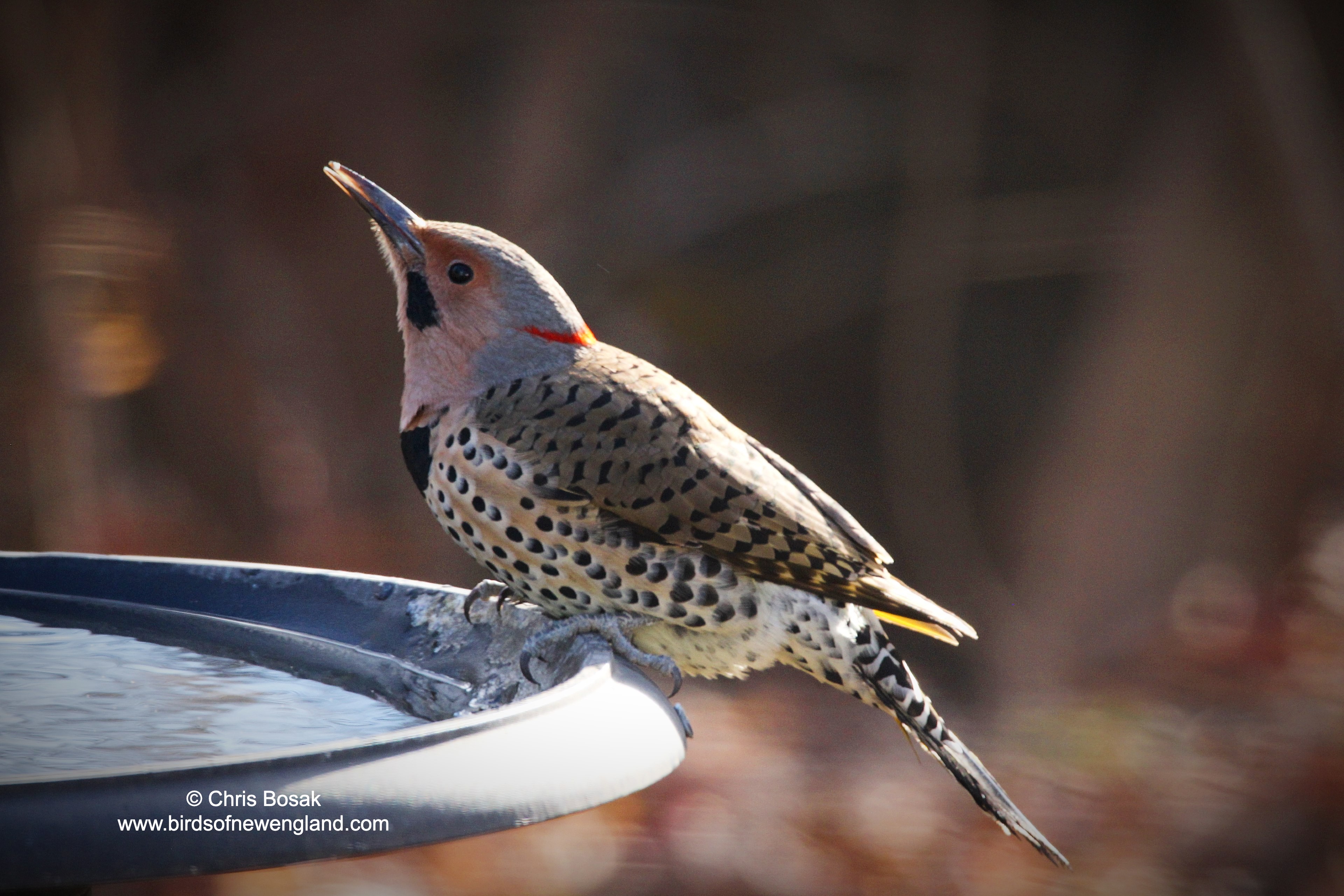
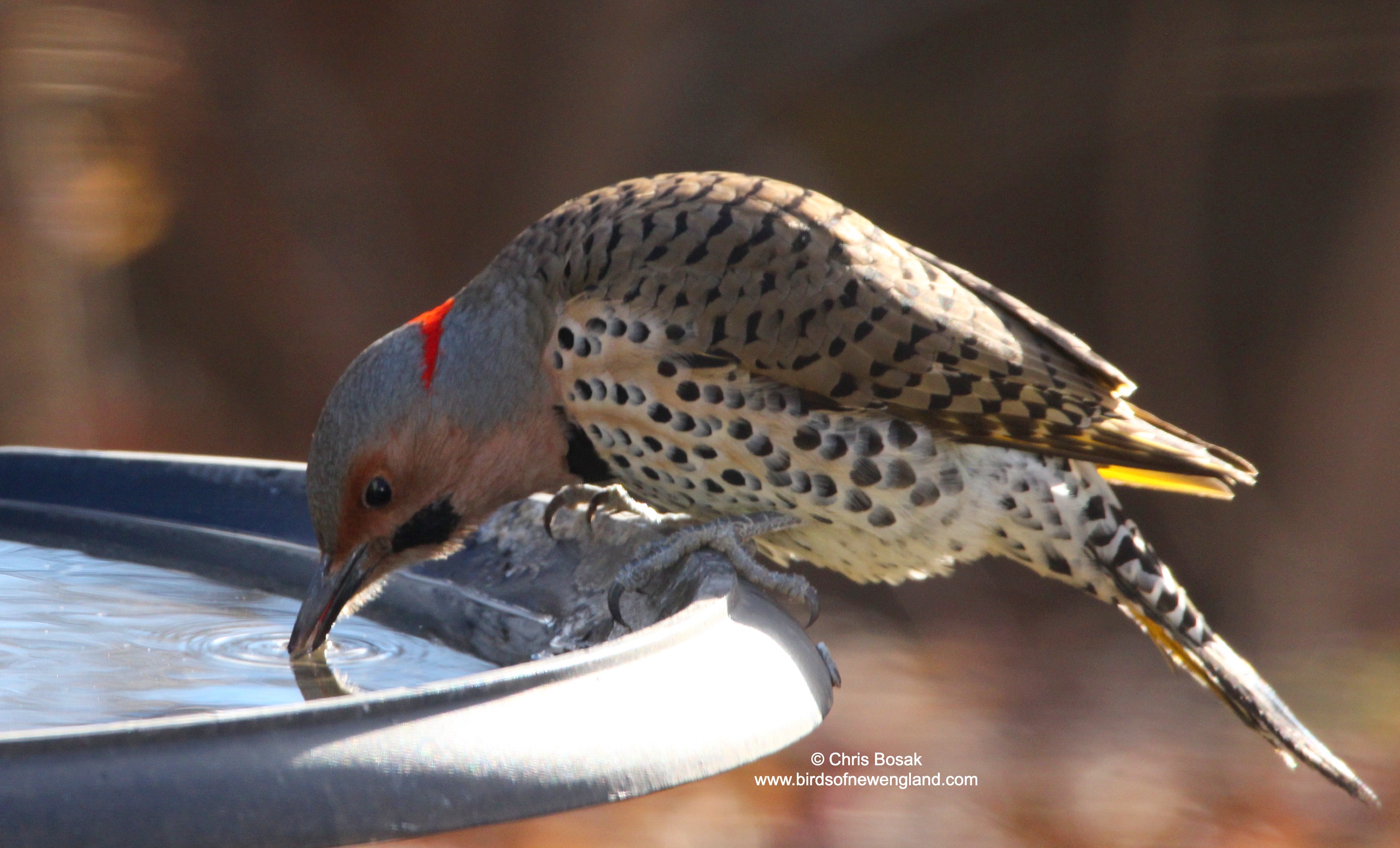
A northern flicker drinks from a birdbath in New England, December 2025.

Last week, I wrote about the evening grosbeak and the various sightings that have occurred throughout New England.

This week, I want to turn the attention to some of the other sightings and questions that have reached my inbox recently. I appreciate hearing from others and what they are seeing at their feeders and in the wild.

Continue reading

For the Birds: Evening grosbeaks on the move

Mike Quinn of Ticonderoga, N.Y. had these evening grosbeaks visit recently (December 2025.)

There is a thing in birding called a “spark bird.”

It is not a species of bird like a bluebird, mockingbird or blackbird, but rather the type of bird that piqued (or sparked) someone’s interest in birding and got them hooked. For many people, it is something big or colorful, like a loon or eagle or Baltimore oriole or great blue heron.

Because I have to be different, my spark bird is actually a moose. Yes, I know a moose is not a bird, but my quest to see a moose in the Vermont woods led me to my love of birdwatching.

Continue reading

For the Birds: Another successful Christmas Bird count

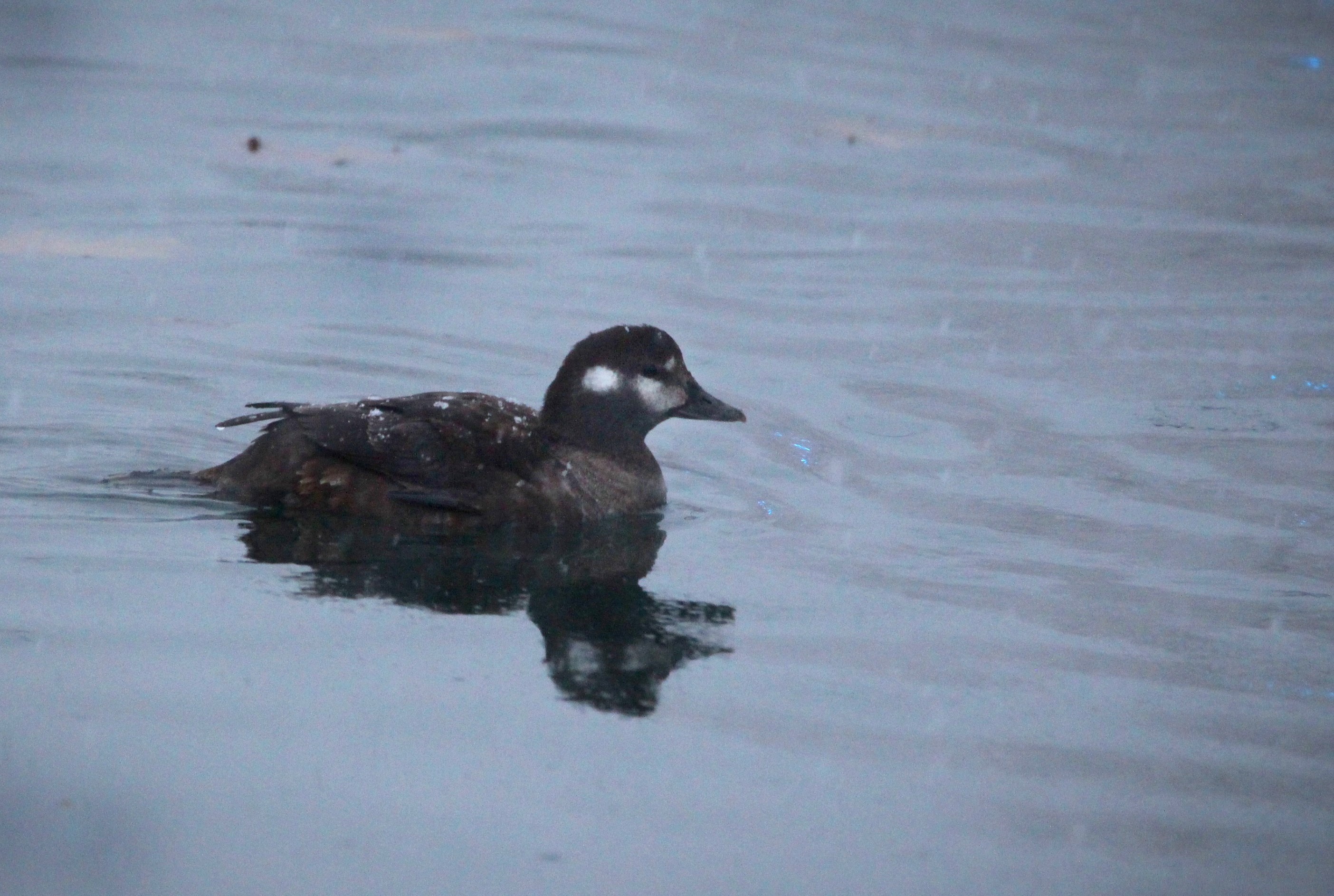
Female harlequin duck, Christmas Bird Count 2025, Stamford, Connecticut.

I’ve participated in the Christmas Bird Count in all types of weather.

I can recall bitter cold days, unusually warm days, pouring rain, sleet, light snow and blustery snow squalls. Once a date is set far in advance, it is usually held on that day regardless of the weather. 

This year, the count I did with my friend Frank in southern New England took place in a wet snow that accumulated before our eyes. It made for beautiful scenery but also frozen fingers and toes, damp clothing, steamed optics and fewer birds than usual. 

Continue reading

For the Birds: Winter finches starting to come around

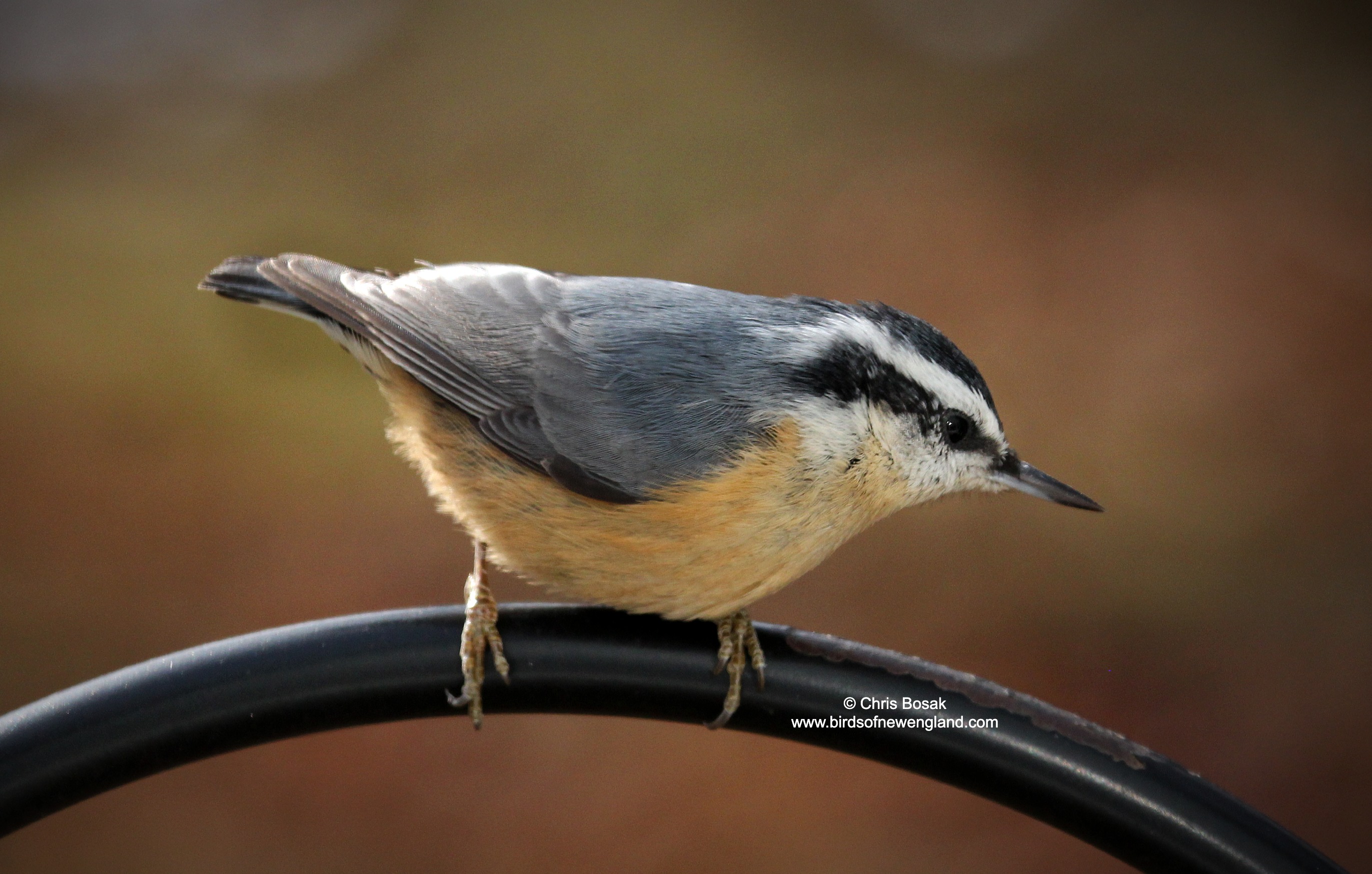
Photo by Chris Bosak – Red-breasted nuthatch in New England, December 2025.

I wrote about the winter finch forecast a few weeks ago. The annual forecast predicts which and how many finches will irrupt into New England from the north each winter. An irruption occurs when birds that are not typically seen in an area appear, sometimes in great numbers, during the winter.

Food, of course, is the main driver of these irruptions. If the seeds of a bird species’ diet are scarce up north, the birds will come south to find a food source.

Continue reading

Northern flicker at birdbath

Photo by Chris Bosak
A northern flicker sips from a birdbath in New England, fall 2025.

I looked out and saw that the water in the birdbath was a solid block of ice. I poured in enough warm water that the ice broke free, so I tossed the frozen block onto the ground and filled the bath with warm water. Within 10 minutes, a northern flicker arrived and took a few sips. What a design on this bird.

Snowy Christmas Bird Count

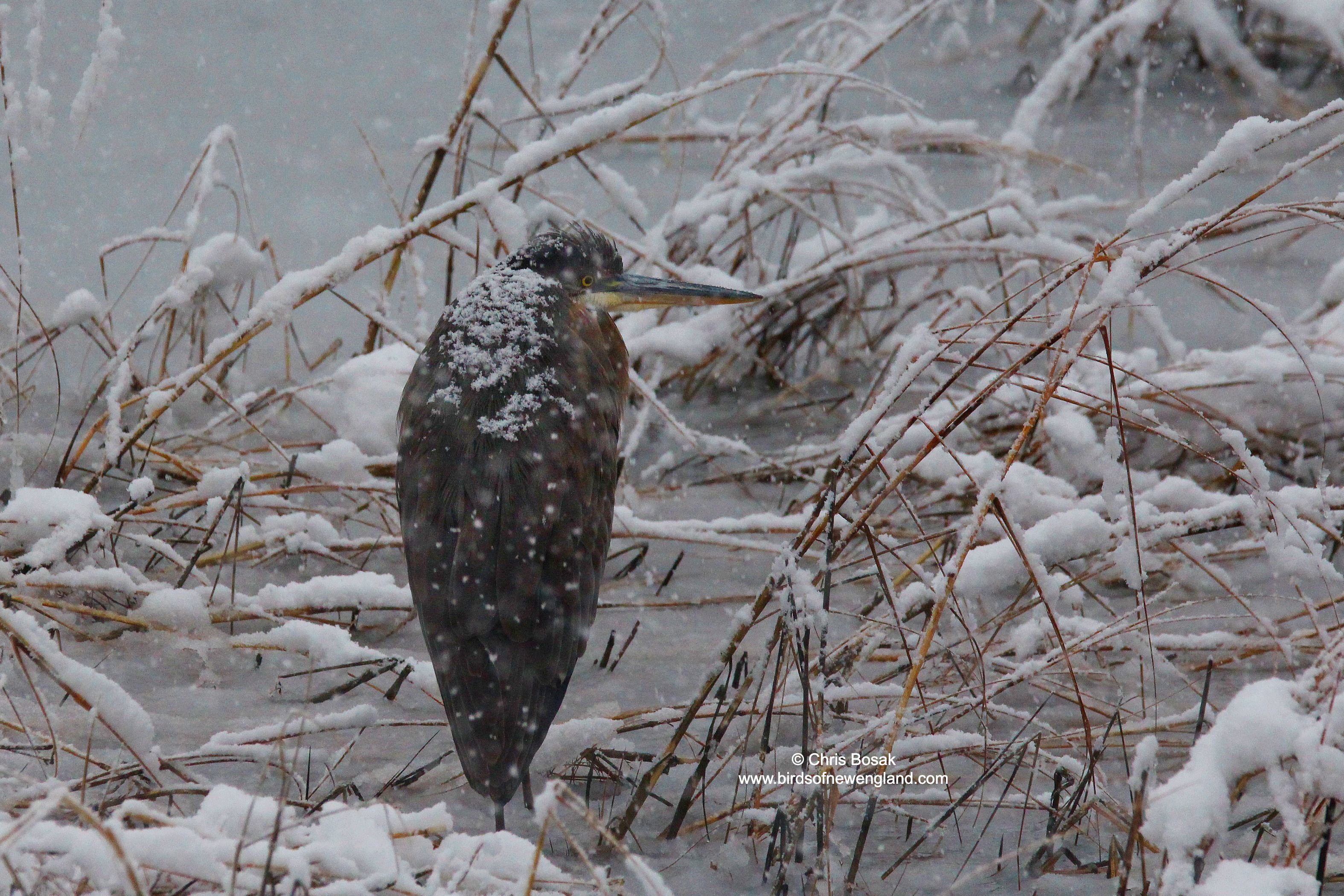
Great blue heron in snow, Christmas Bird Count 2025, Stamford, CT.

It was that type of day for the Christmas Bird Count today (Sunday, Dec. 14, 2025). Frank and I did the Cove area of Stamford (Connecticut) and nearby Darien.

The heavy snow in the morning kept many of the land birds hidden, but many of the water birds were still around, braving the elements. A few highlight species were: harlequin duck (one female), greater white-fronted goose, killdeer, yellow-bellied sapsucker, and snow bunting.

Continue reading

For the Birds: Nonprofits to consider for year-end gifts (donations)

Photo by Chris Bosak
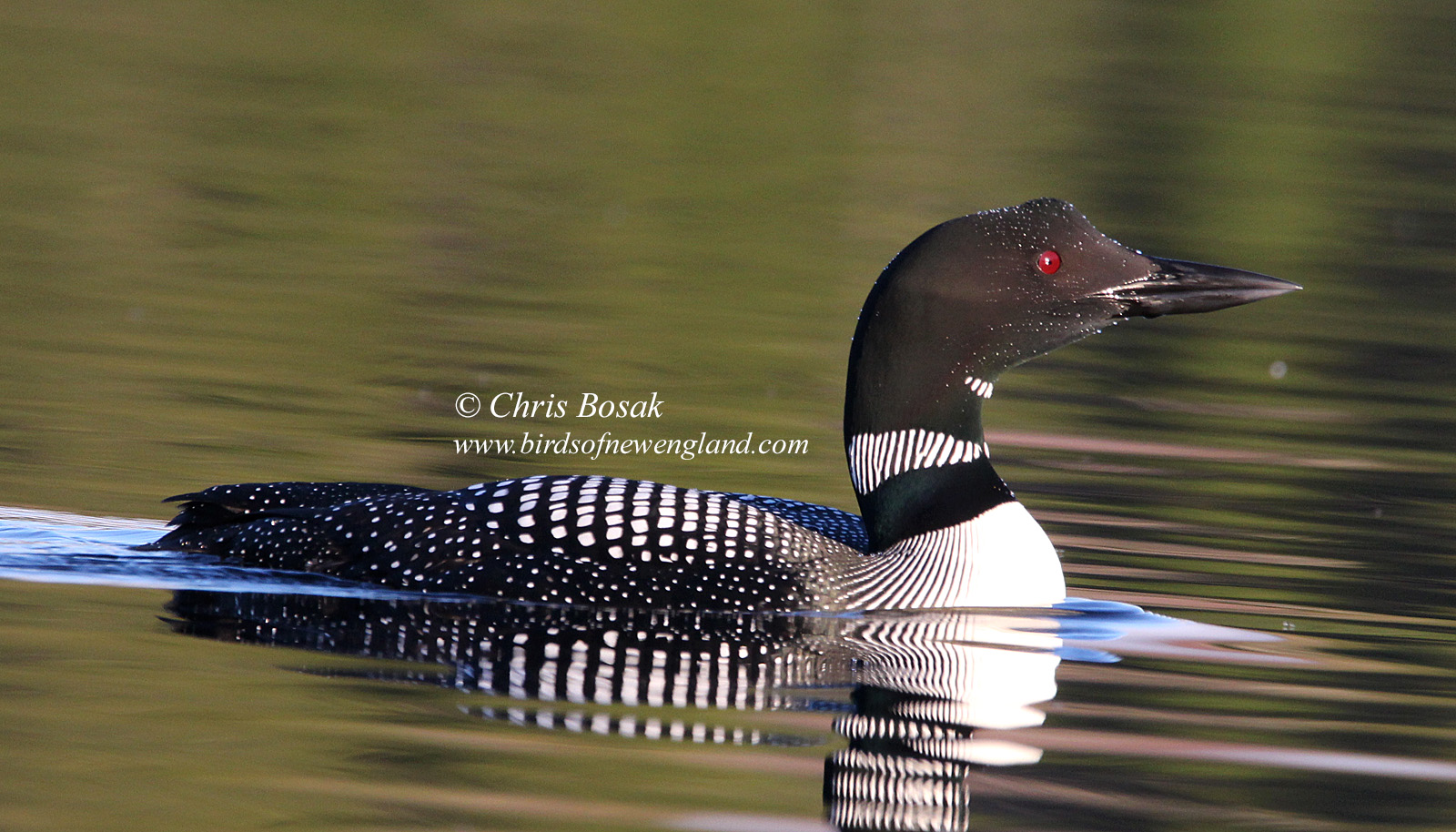
A common loon swims at Grout Pond in Vermont, spring 2023.

It’s never too late to celebrate Giving Tuesday.

Giving Tuesday, which occurred this year on December 2, is a day that supports acts of giving, most notably donating money to charities of one’s interest. It follows Black Friday, Small Business Saturday and Cyber Monday. Unlike those other days, Giving Tuesday encourages people to think outwardly in their giving.

While that specific date is when many nonprofit organizations make a push to raise funds for their cause (you probably received many emails that day), the spirit of Giving Tuesday is a year-round concept.

Continue reading

For the Birds: Winter birding surprises

Photo by Chris Bosak
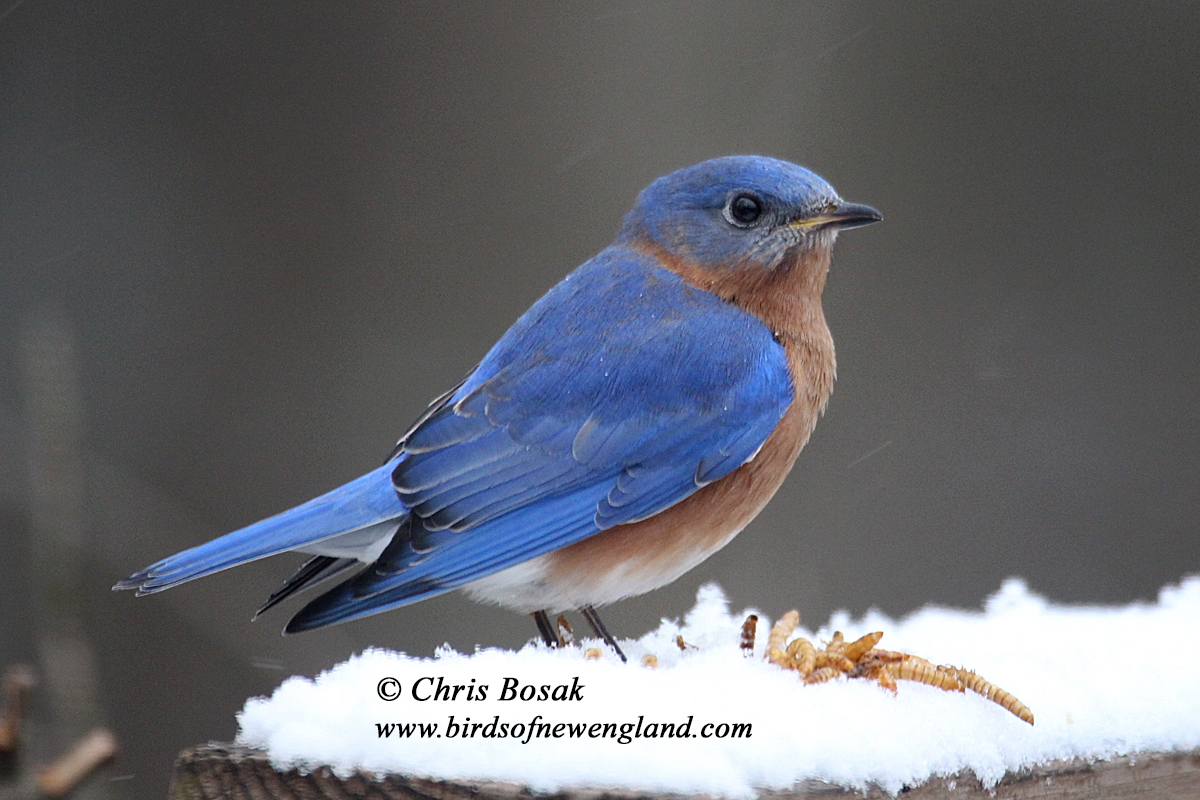
An eastern bluebird braves a New England winter and visit a backyard for mealworms, winter 2020.

The calendar may not show it yet, but in the New England bird world, we’ve officially entered what could be called winter birding season. The vast majority of southbound migrants have left, and the birds we get to enjoy for the next couple of months are either trusty year-round residents or northern visitors who have traveled as far south as they intend to go.

Winter is, of course, the prime time when juncos and white-throated sparrows are found in high numbers. My personal favorite part of winter birdwatching is tracking down different species of ducks. That is, if you can find some open water.

Continue reading

For the Birds: Inside the hawkwatch

Photo by Chris Bosak
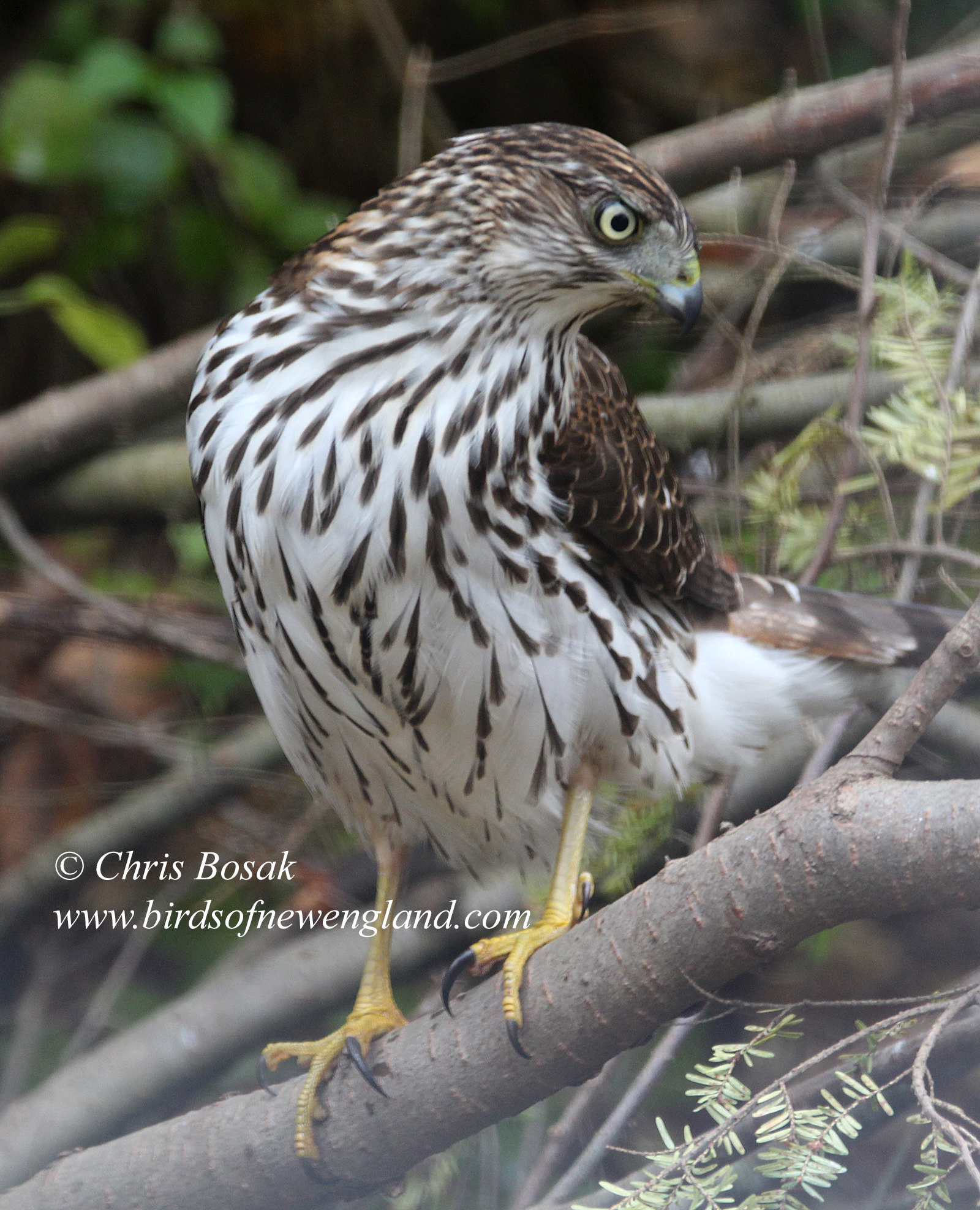
Young Cooper’s hawk in New England.

Last week’s For the Birds column highlighted the results of this year’s fall hawkwatches with a particular focus on Pack Monadnock in Peterborough. The column was heavily focused on data and the number of birds counted.

A number of questions came up in my head as I looked at the results and compiled the data. Not one to let questions go unanswered in my head, I turned to the experts for some explanations.

Specifically, I had an enjoyable chat with Phil and Julie Brown of Hancock, N.H. Phil is the Bird Conservation Director and Land Specialist at the Harris Center for Conservation Education. His wife, Julie, is the Raptor Migration and Program Director of the Hawk Migration Association.

Continue reading