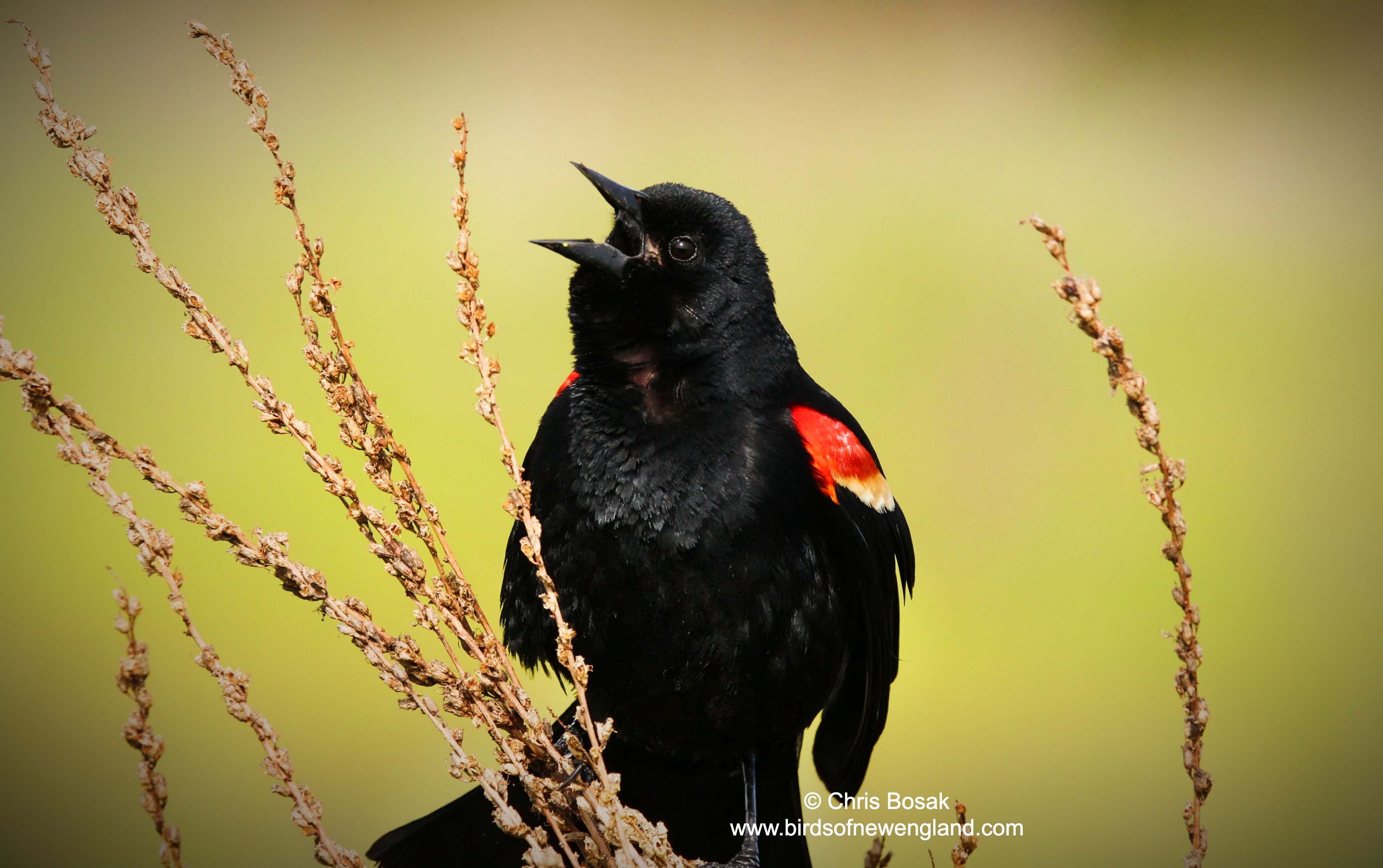
Photo by Chris Bosak A red-winged blackbird defends his territory, May 2026.
Here are a few shots taken over the last two weeks. More to come.
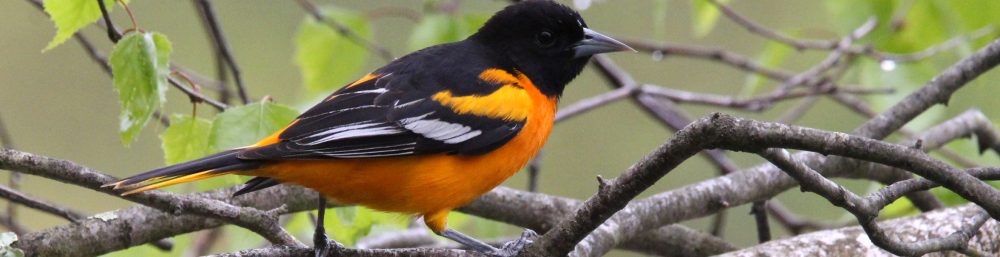
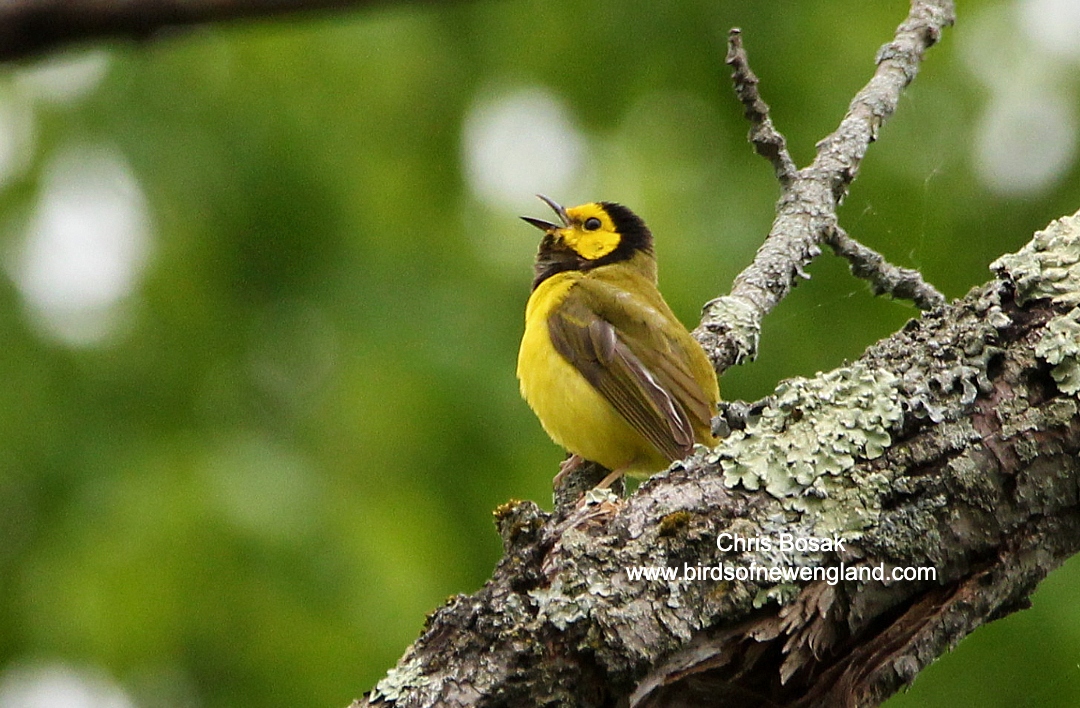
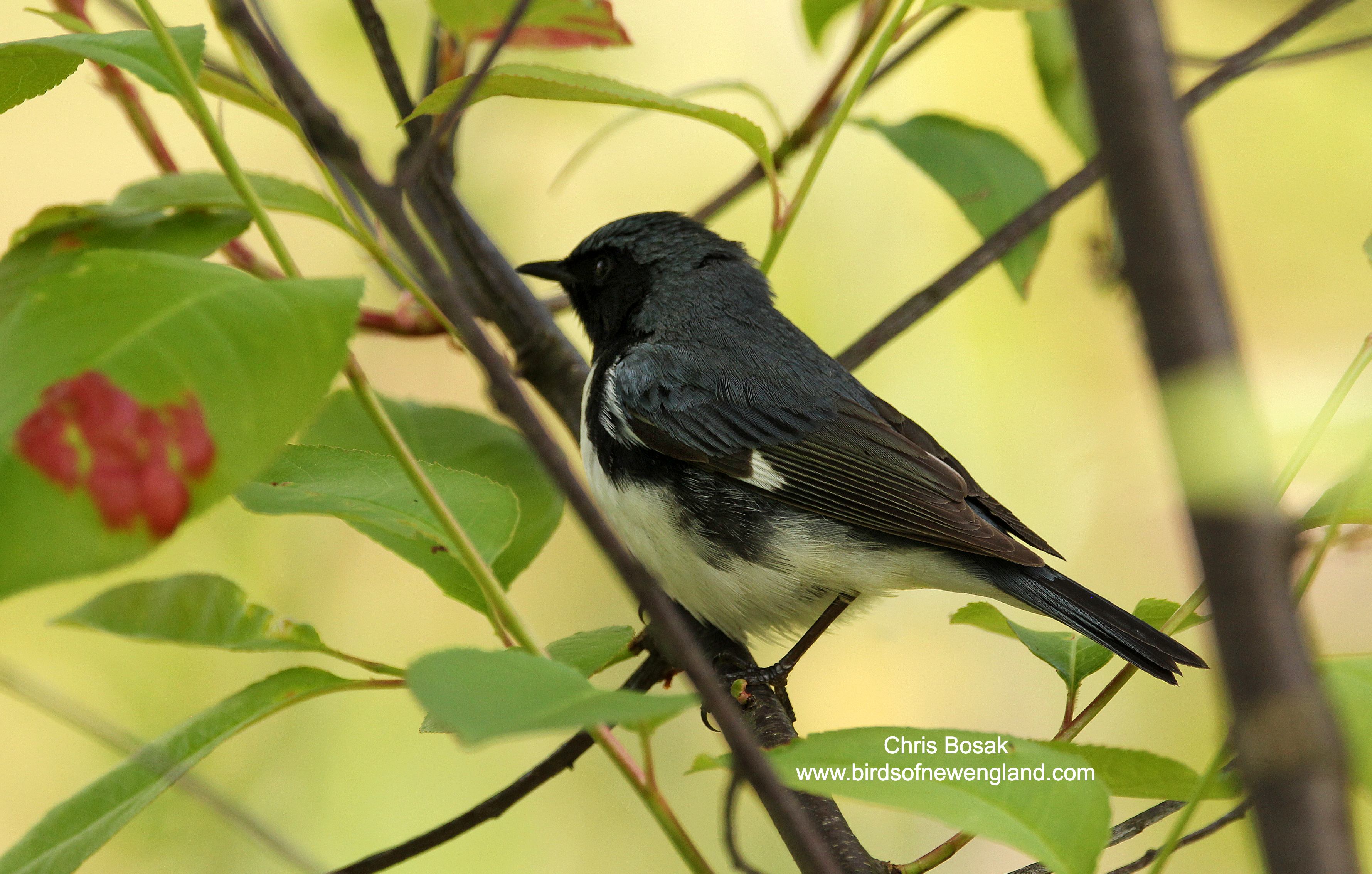
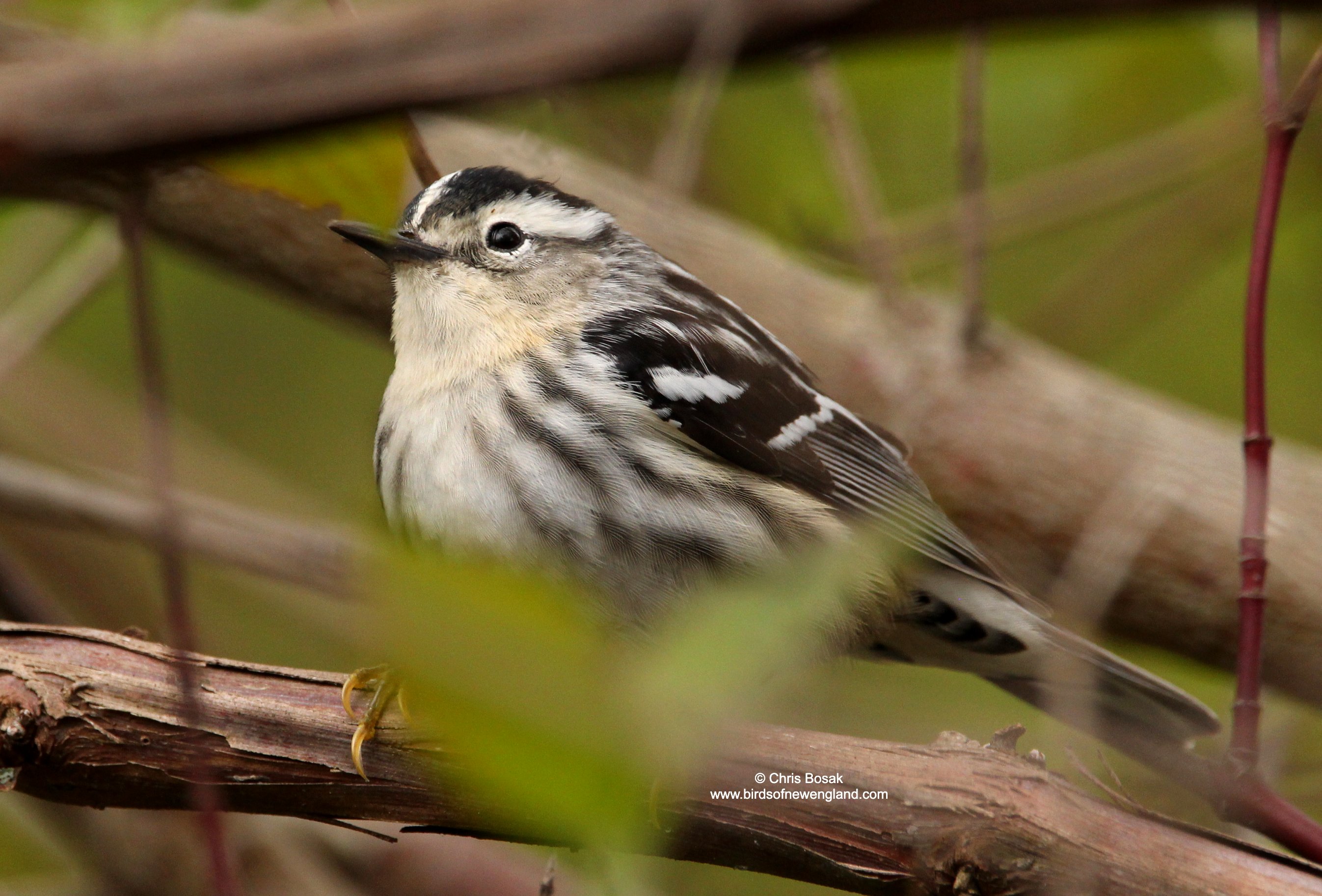
A hooded warbler sings from a perch in New England, May 2026.Black-throated blue warbler, May 2026.Photo by Chris Bosak Black-and-white warbler at Huntington State Park, Redding, CT, May 2026.Photo by Chris Bosak A red-winged blackbird defends his territory, May 2026.
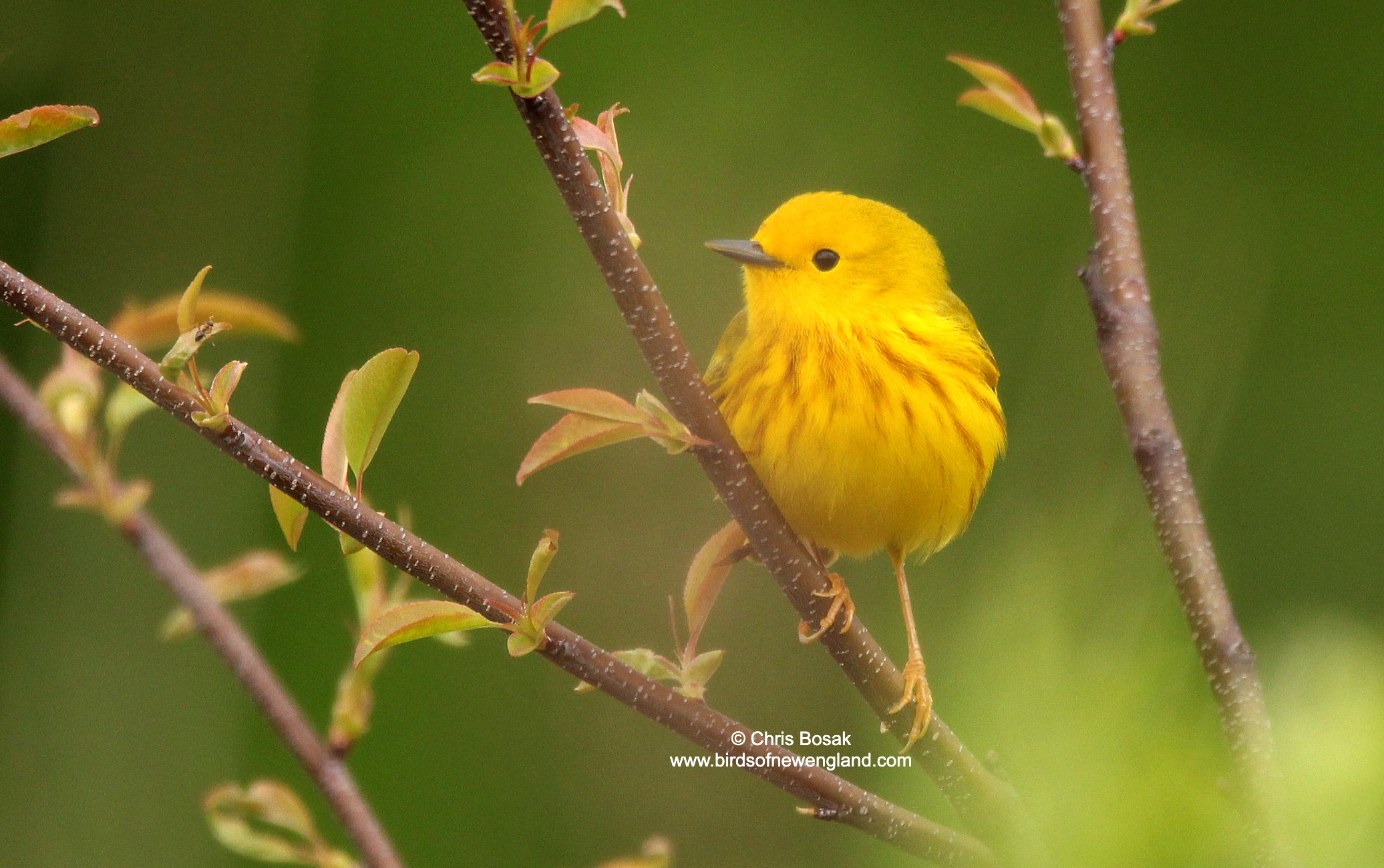
Photo by Chris Bosak Yellow warbler at Huntington State Park, Redding, CT, May 2026.
Spring migration continues to work its magic.
My walks have been filled with migrants, including a few FOYs (first of years) each time I go out. On one recent walk, I saw a veery, red-eyed vireo, and American redstart, all firsts of the year. It’s always nice to see birds for the first time since last spring, summer or fall.
The feeling is a little different for birds that we know are just passing through and won’t nest here. Of course, it’s always nice to see the first rose-breasted grosbeak, scarlet tanager, Baltimore oriole or ruby-throated hummingbird, but we know they will nest locally, and we will have plenty more chances to see them over the next several months.
Some birds, however, especially select warblers, will not nest locally, so if we miss them during their short window of passing through New England, we have to wait until fall to try to catch a glimpse of them as they pass through during their southern flight. If we miss that opportunity, our next chance will be the following spring.
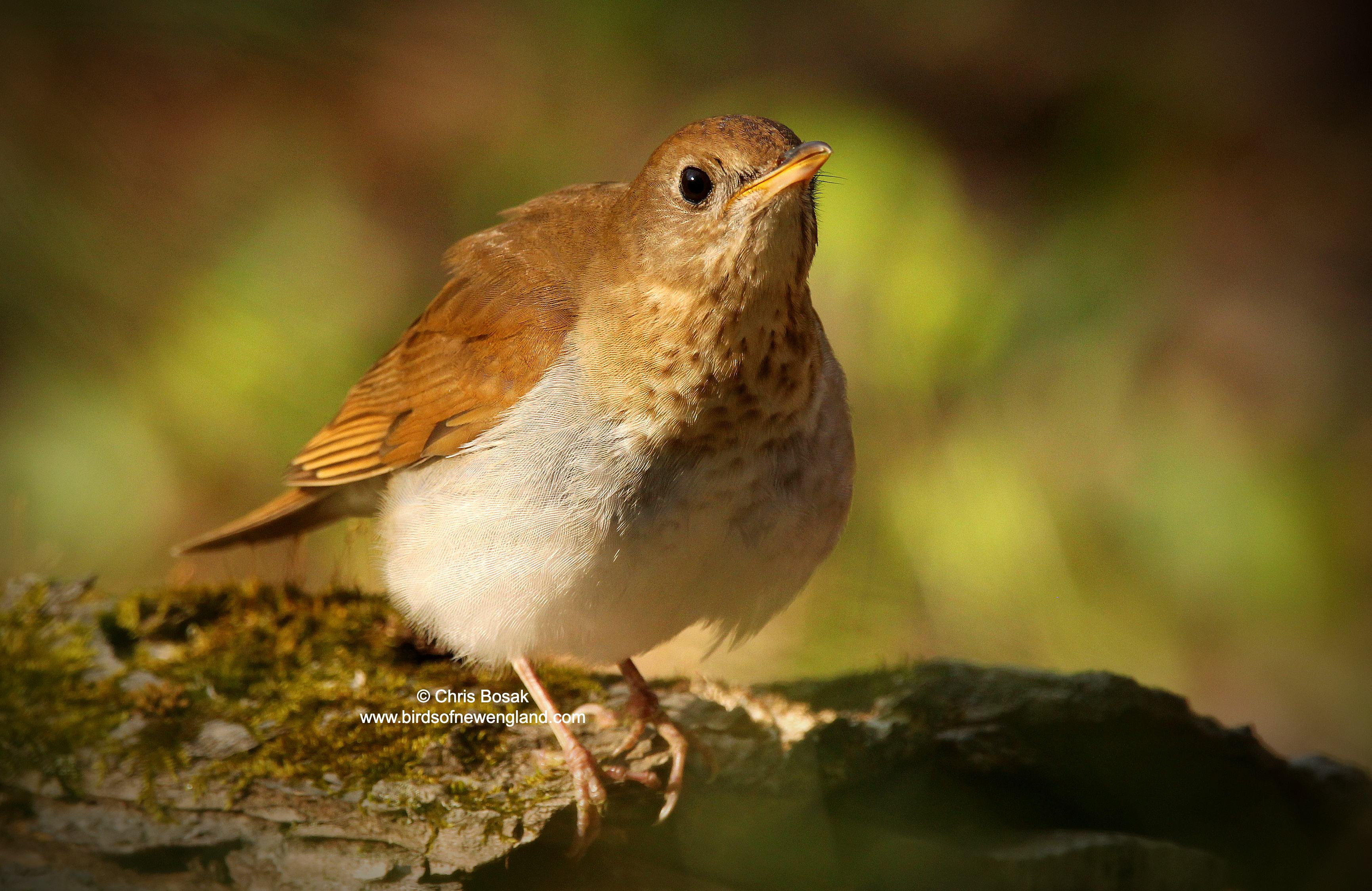
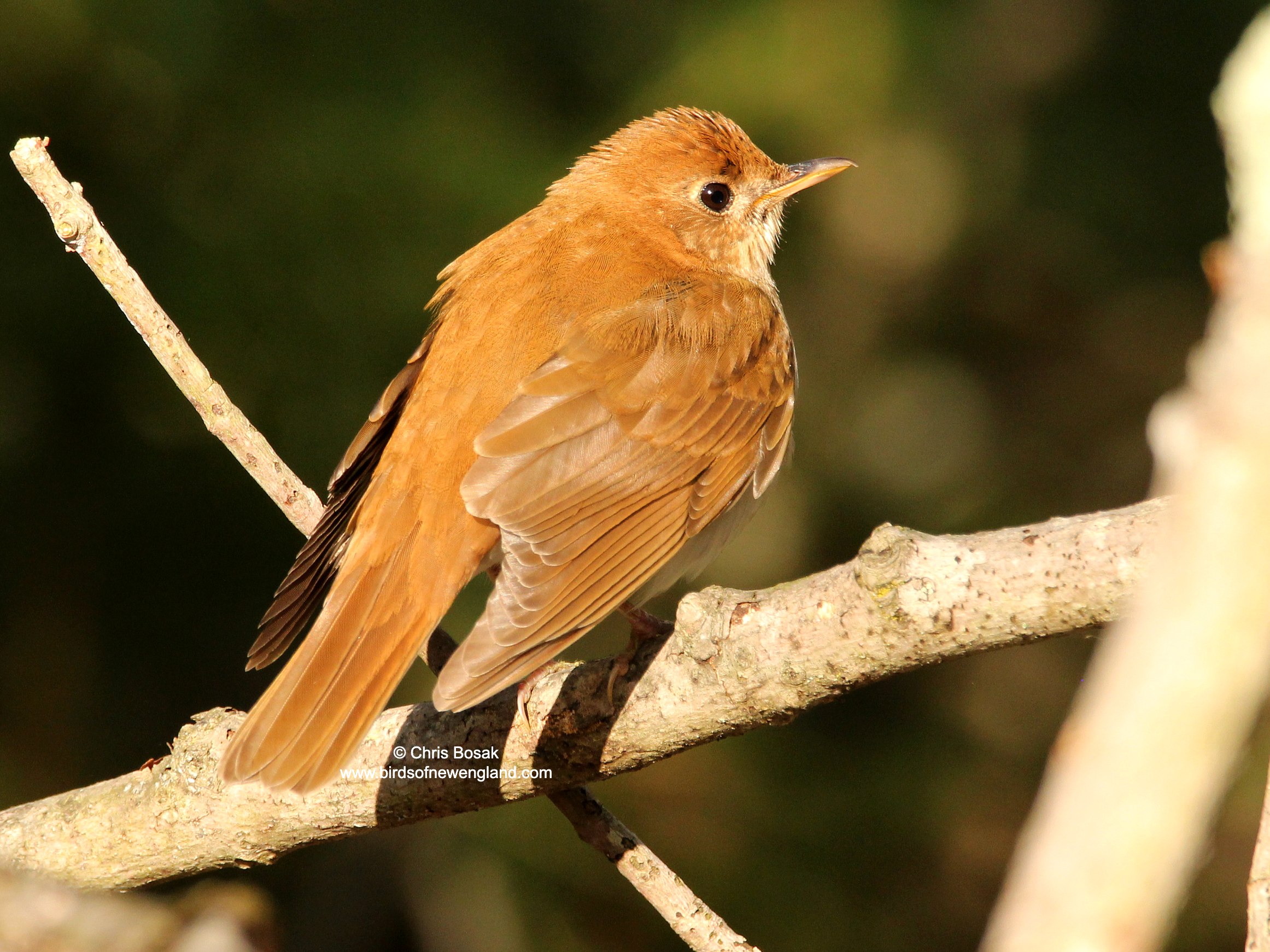
Photo by Chris Bosak A veery at Huntington State Park in Redding, CT, May 2026.
Here are a few shots I got this weekend while out and about.
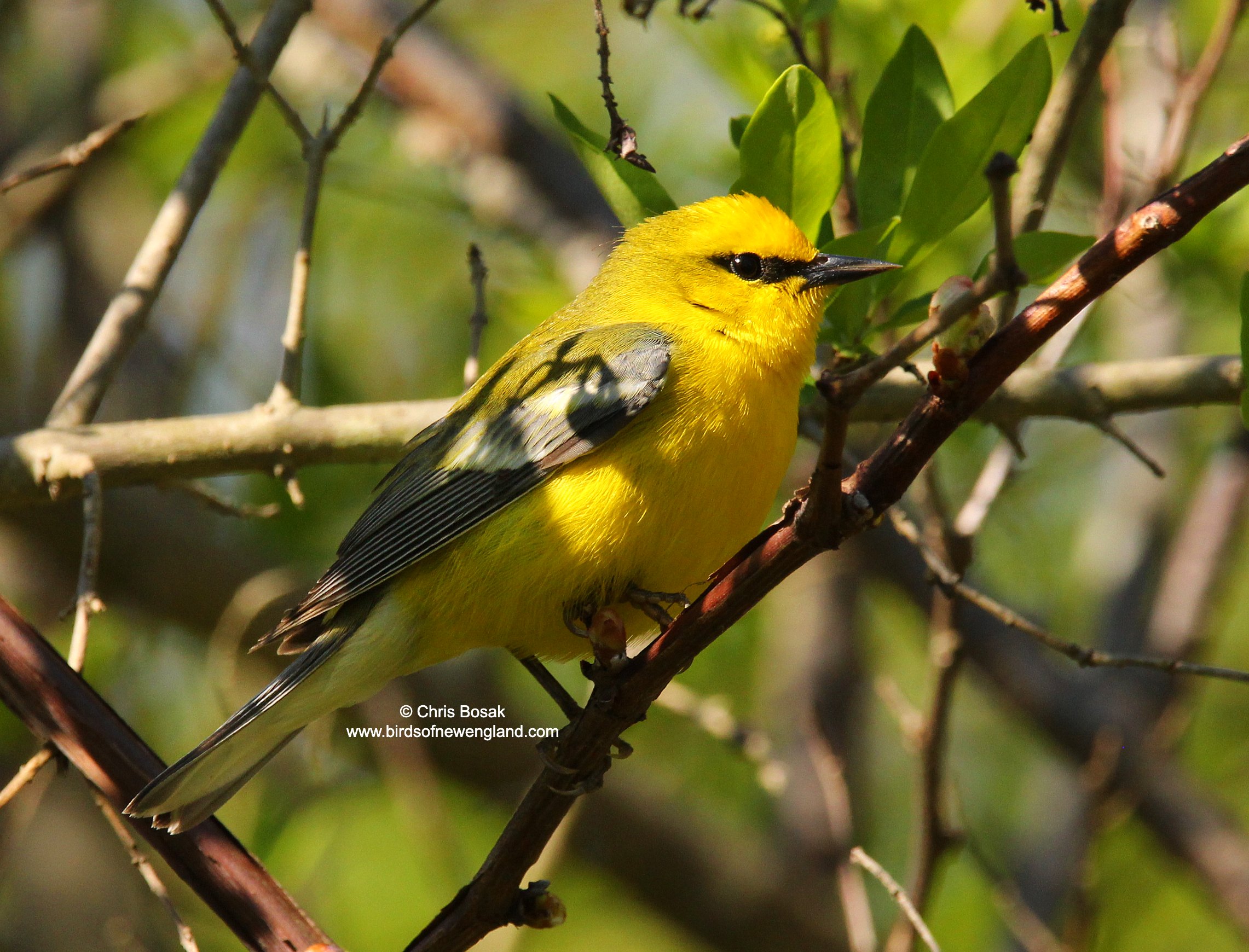
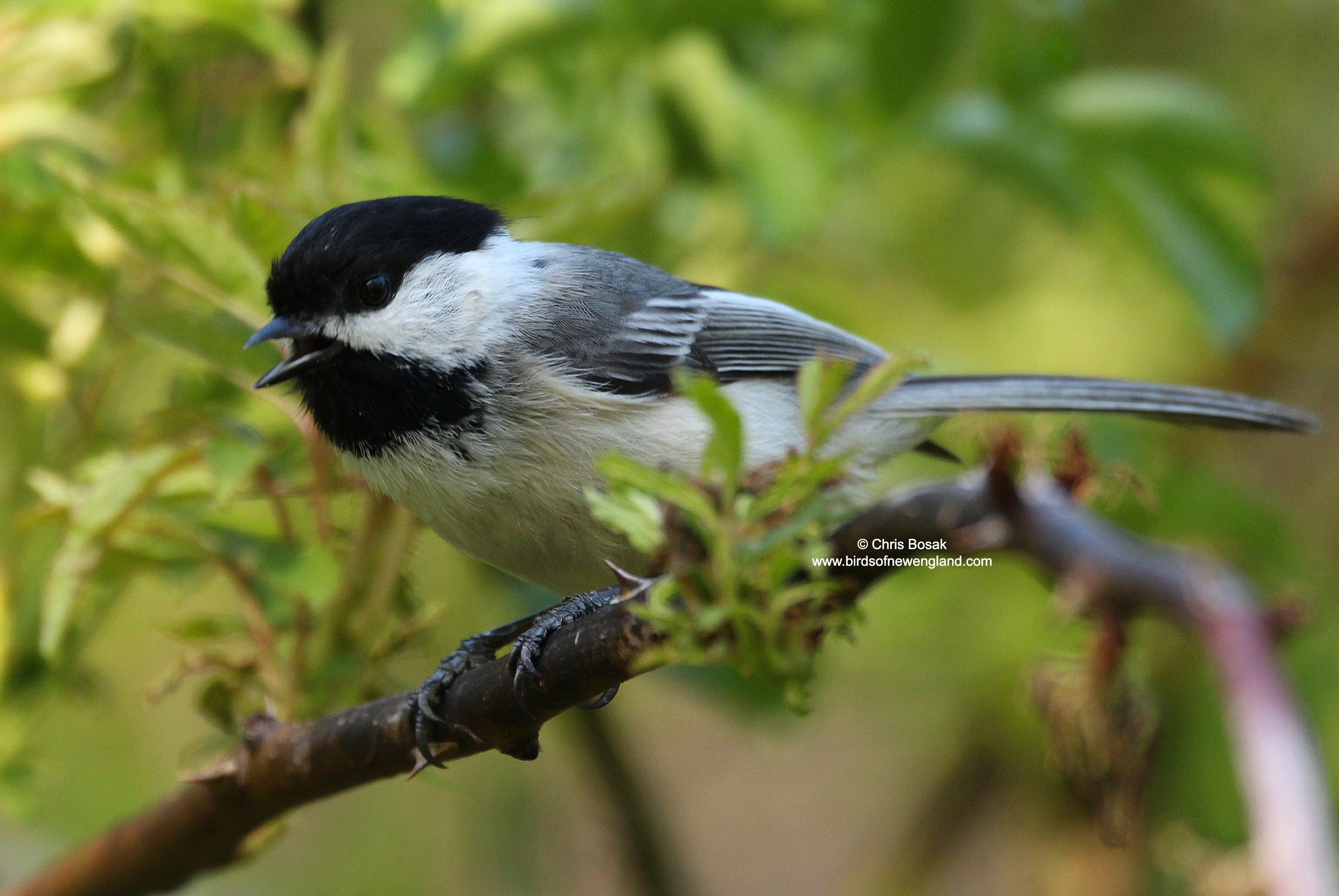
Photo by Chris Bosak A veery at Huntington State Park in Redding, CT, May 2026.Photo by Chris Bosak A blue-winged warbler at Huntington State Park in Redding, CT, May 2026.Photo by Chris Bosak A black-capped chickadee at Huntington State Park in Redding, CT, May 2026.
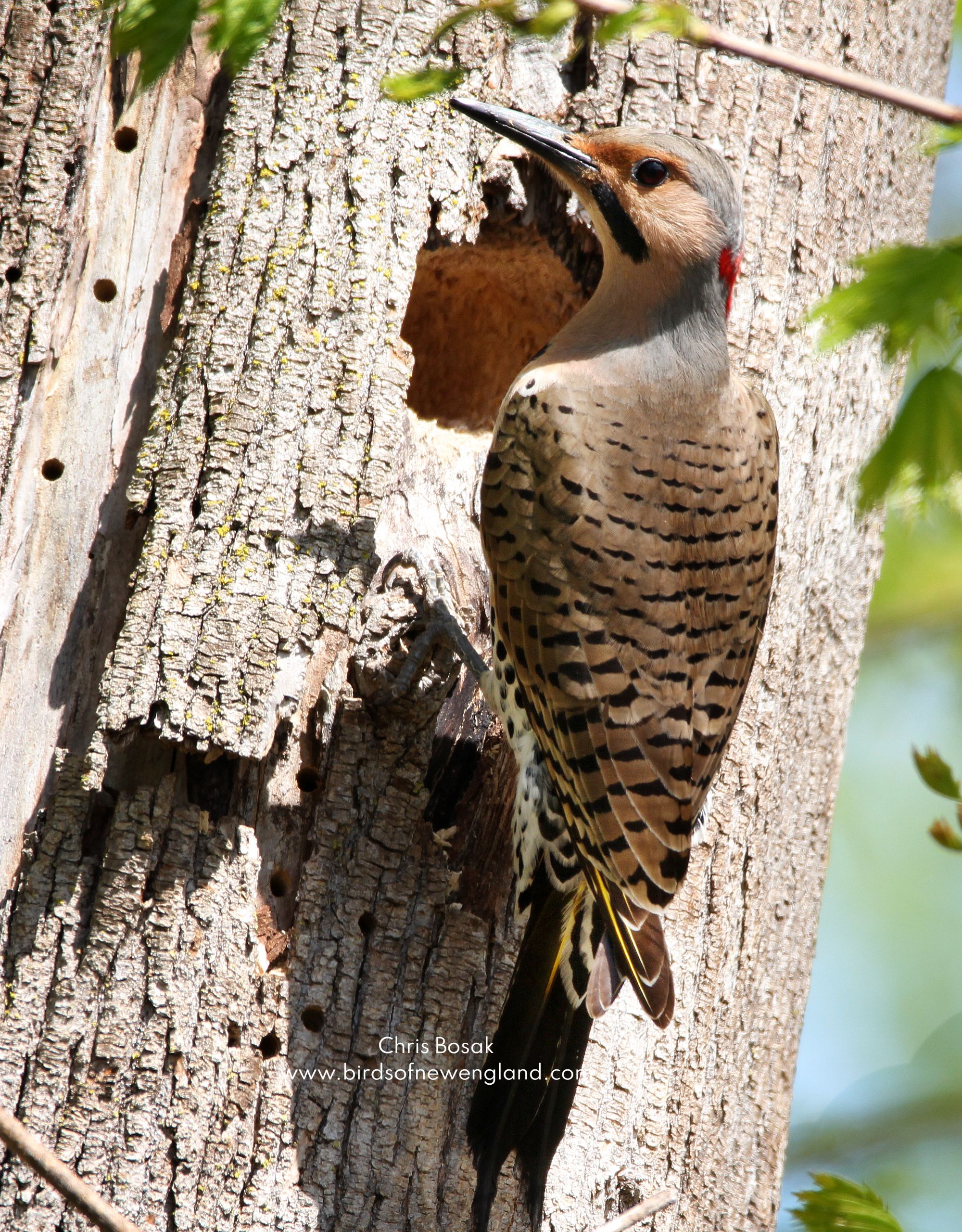
Photo by Chris Bosak A northern flicker hollows out a hole in a snag for a potential nest site, New England, April 2026.
While the majority of spring migrants are still working their way north, many of New England’s year-round birds are already getting down to the business of nesting.
I’m sure I’ll see plenty of nesting activity as the spring progresses, but last week I witnessed two interesting scenes related to nesting.
The first was in my backyard. As I approached one of my birdfeeders to throw in a handful of safflower seed, I noticed a northern flicker dart off into the woods. Its white rump patch gave away its identification. I was fairly certain the flicker had been clinging to a topped-off dead tree a dozen or so yards away from the feeder, and I made a note to approach the feeder more carefully next time.
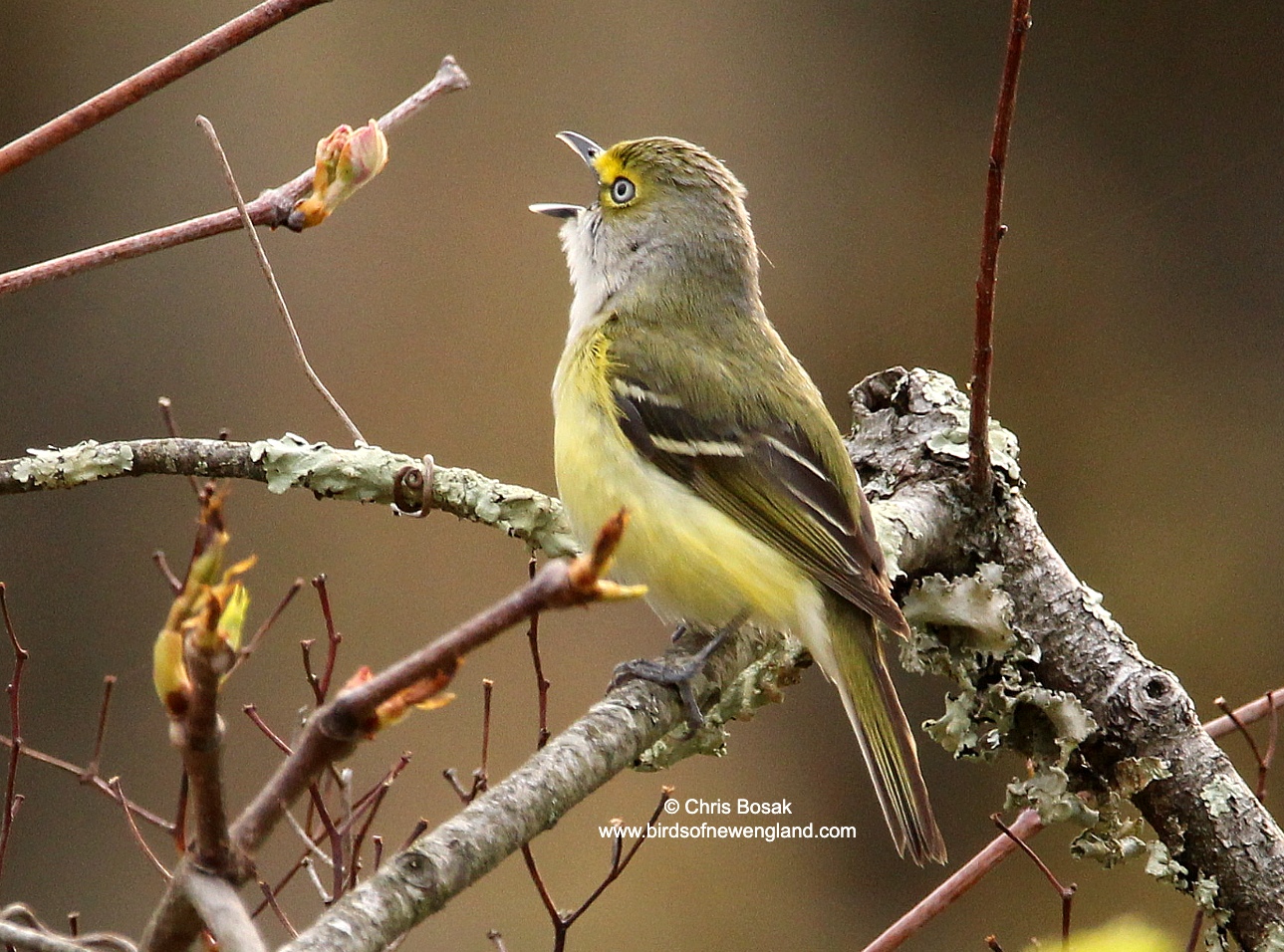
Photo by Chris Bosak White-eyed vireo at Huntington State Park, Redding, Conn., April 24, 2026.
I got up early and headed to Huntington State Park in Redding, Connecticut, and was rewarded with a good mix of migrants I hadn’t seen since last year.
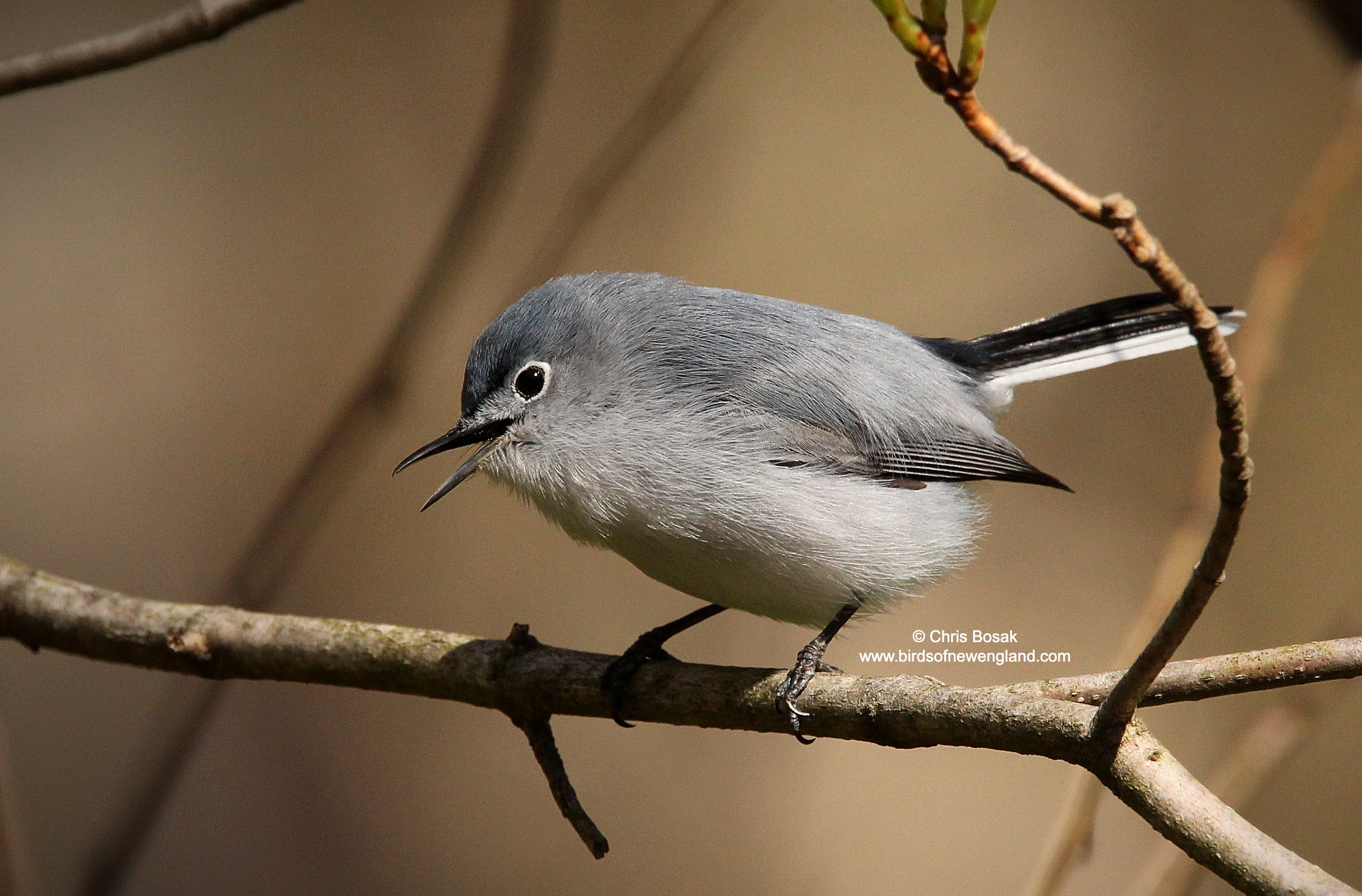
Photo by Chris Bosak Blue-gray gnatcatcher at Huntington State Park, Redding, Conn., April 24, 2026.
Fun, feisty little bird.
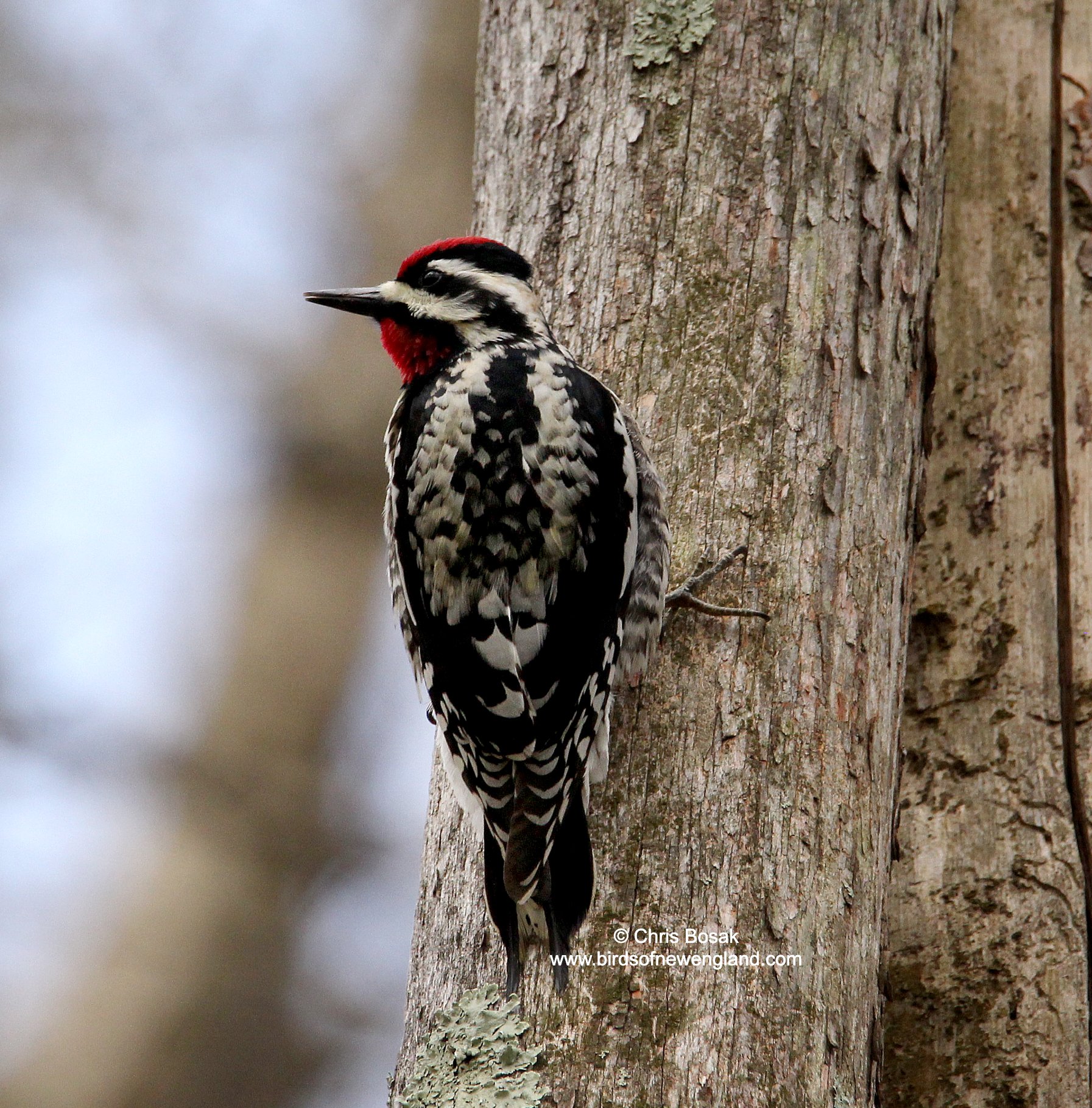
Photo by Chris Bosak Yellow-bellied sapsucker at Huntington State Park, Redding, Conn., April 24, 2026.
Not exactly a migrant, and I had seen sapsuckers all winter, but I had to include this handsome bird anyway. This is a male as indicated by the red throat.
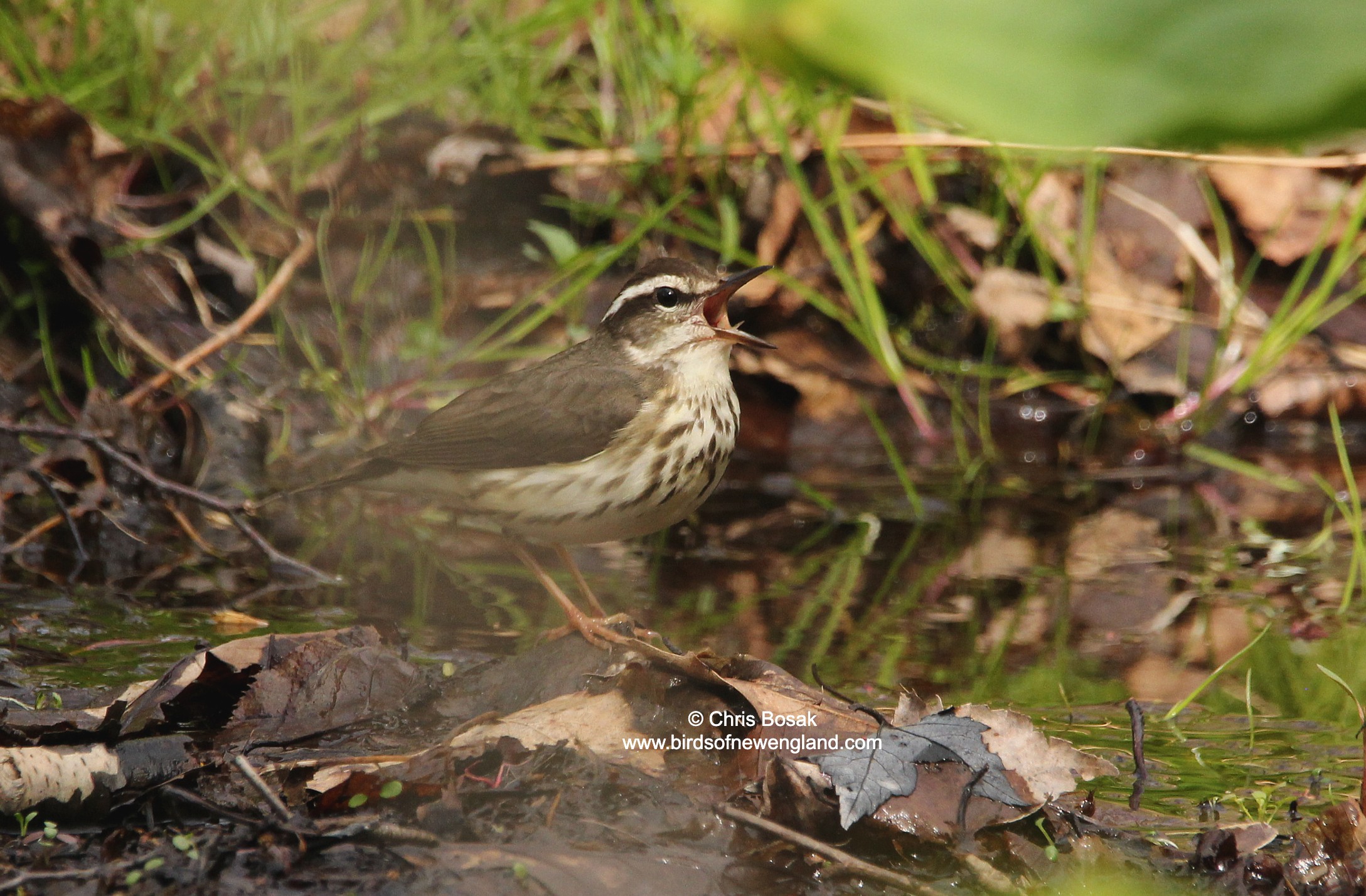
Photo by Chris Bosak Louisiana waterthrush at Huntington State Park, Redding, Conn., April 24, 2026.
I’ve been seeing these for a few weeks now.
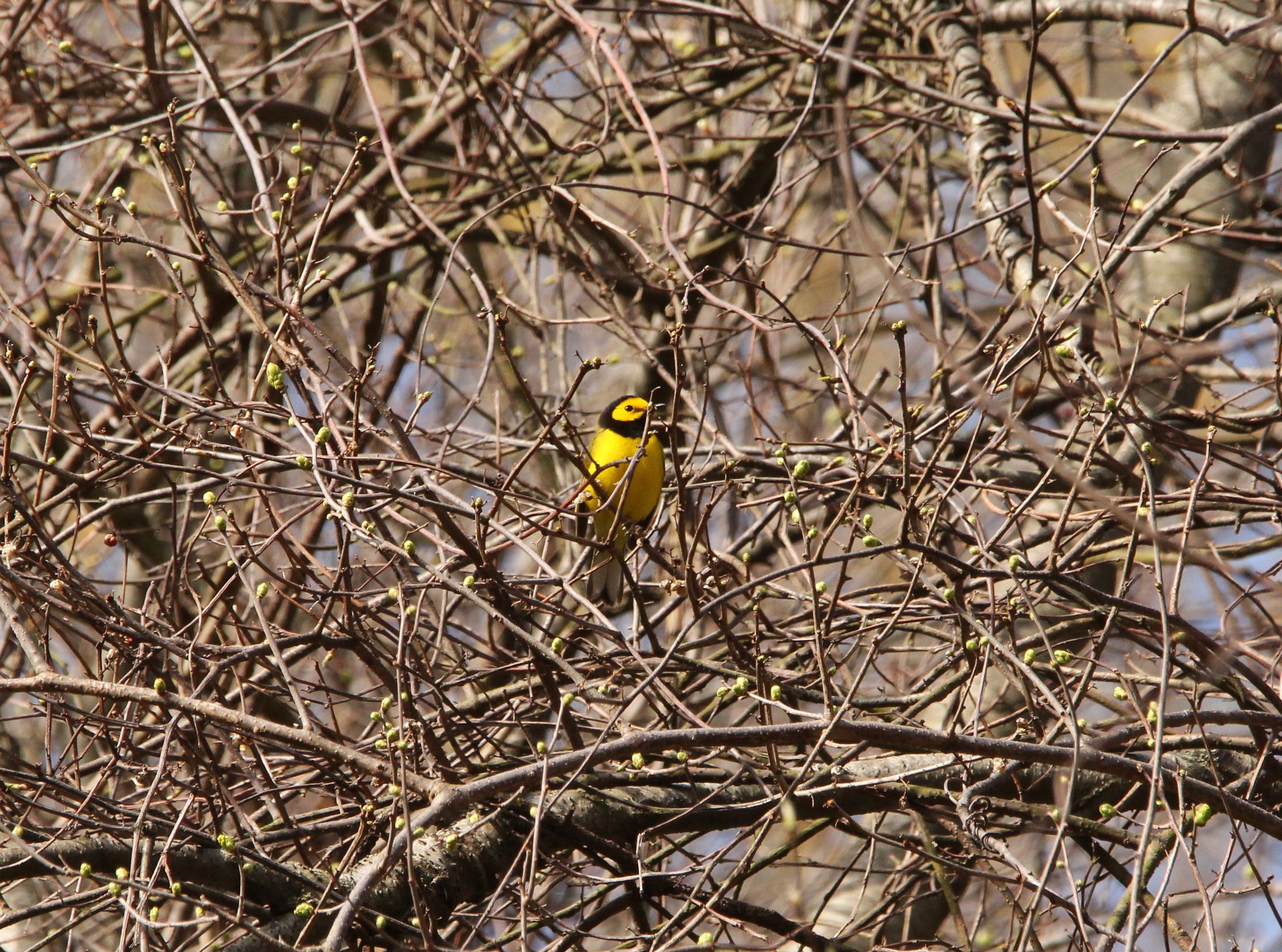
Photo by Chris Bosak Hooded warbler at Huntington State Park, Redding, Conn., April 24, 2026
Not the best photo, of course, but this was as close as I could get. Cool bird though.
Photo by Chris Bosak White-eyed vireo at Huntington State Park, Redding, Conn., April 24, 2026.
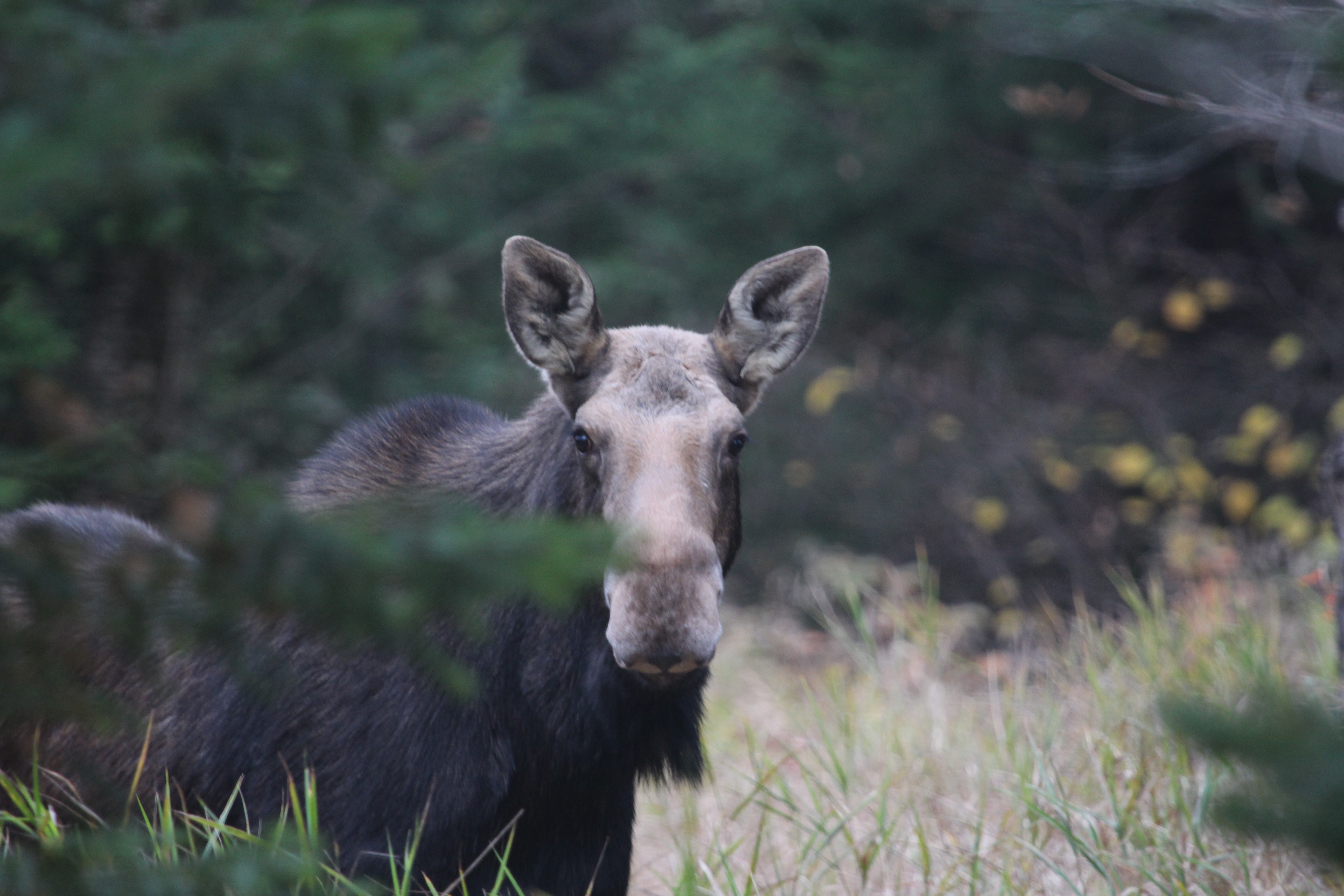
Photo by Chris Bosak – A cow moose in Pittsburg, NH, in the early 2000s.
I was lucky enough to live through New Hampshire’s golden age of moose.
The moose population in the state peaked at somewhere around 7,000 to 8,000 in the mid- to late-1990s. At the time, I worked a four-day week and had Sunday, Monday and Tuesday off each week. Working until midnight on Fridays and Saturdays wasn’t great for my social life, but it was ideal for camping trips. As I headed to northern New Hampshire on Sunday afternoons, most people were packing up and going back home to start the workweek.
I had my choice of campsites at Deer Mountain State Park in Pittsburg, and I had my choice of ponds on which to canoe. Rarely did I see other paddlers on the ponds. But I saw plenty of moose. I won’t exaggerate and say I saw dozens on each trip, but I certainly saw four or five either on the ponds or along the roads each time I went. I can’t recall a trip where I didn’t see at least a few moose.
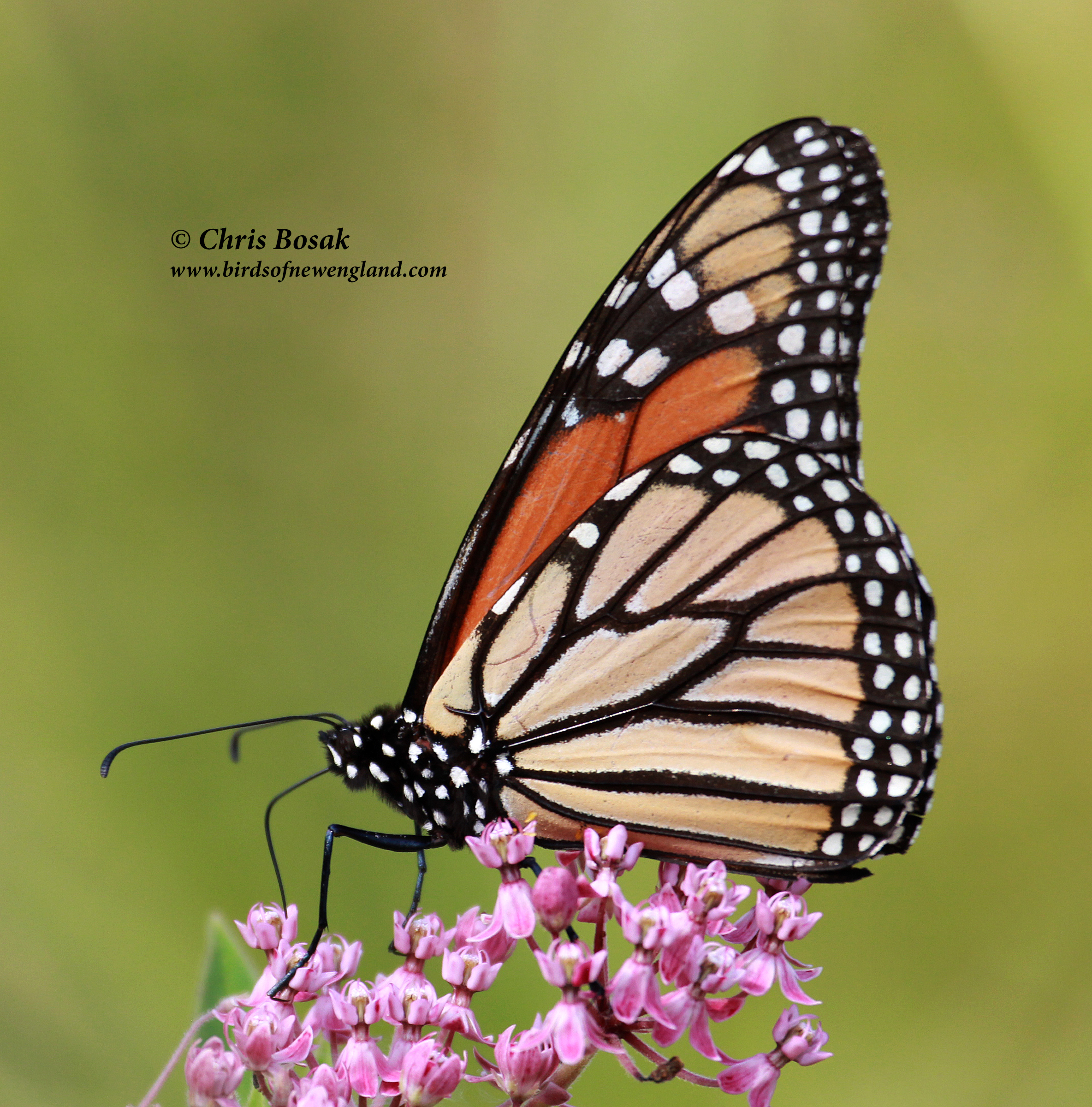
Photo by Chris Bosak Monarch, Brookfield, CT, summer 2019.
Too often, the perils facing a species in serious decline rise to the top of our consciousness through extensive media coverage or other means only to fade into the backs of our minds over time.
Is progress being made to help the species? Has the decline worsened, gotten better or stayed the same?
Here is a look at a few species in peril that were all over the media years ago, but not so much in recent years.
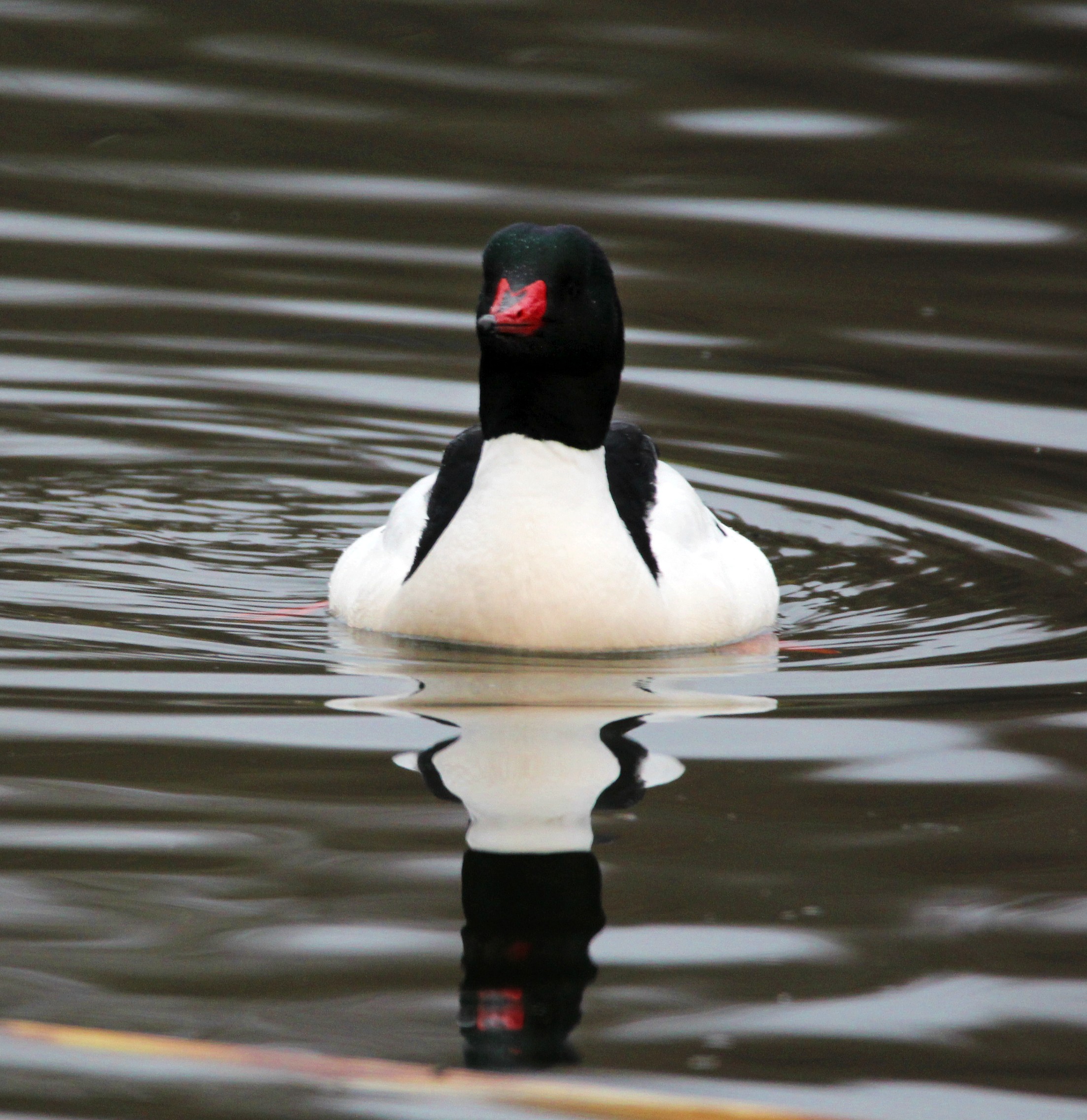
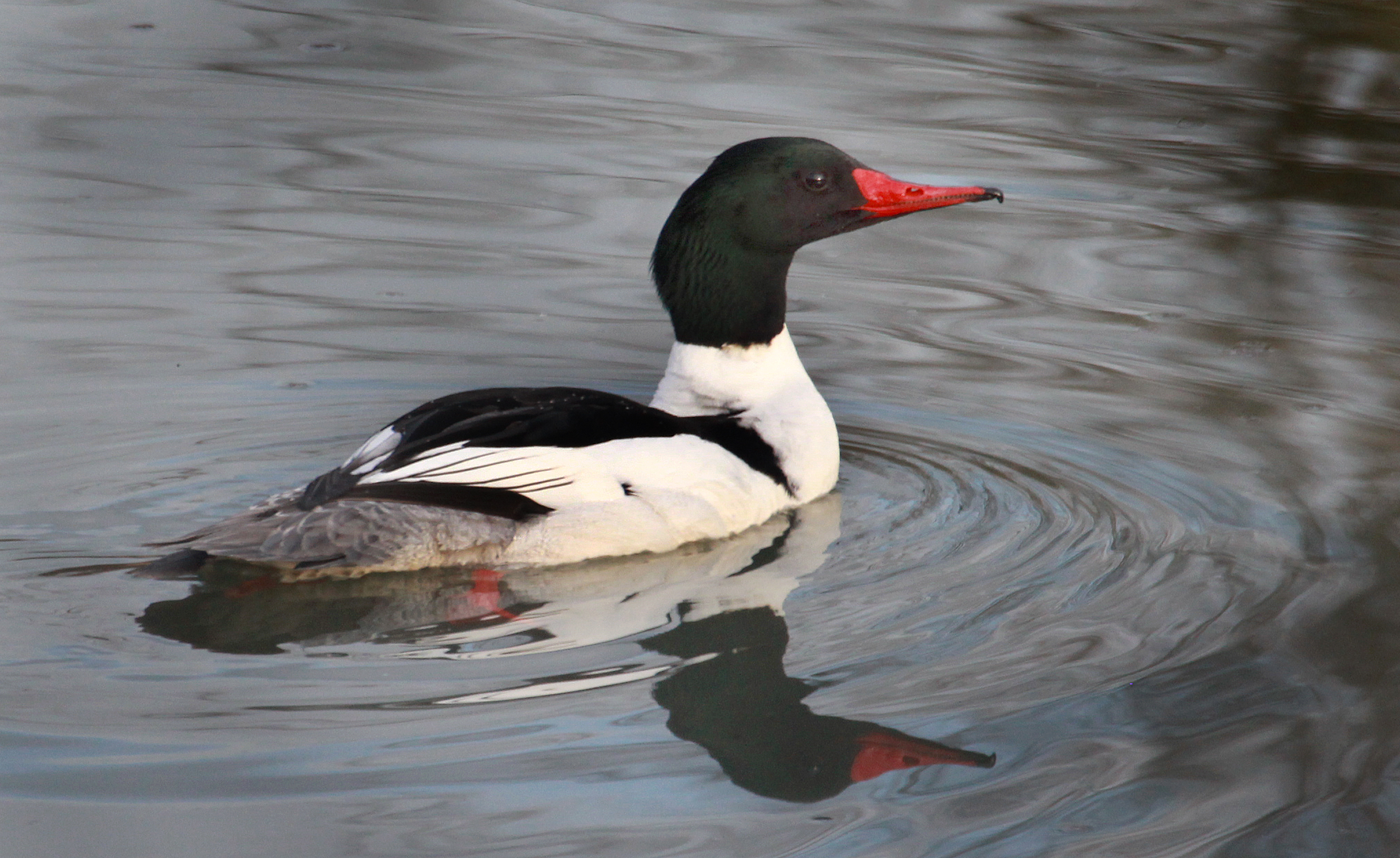
Photo by Chris Bosak – A male common merganser swims on a small pond in New England.
There is a pond 20 minutes from my house that I pass frequently. For 50 weeks of the year, the pond holds little interest for me other than being an aesthetically pleasing landmark to look at as I drive past.
In the summer, a few mallards and Canada geese are the only birds present. It being a small pond in New England, it is frozen for most of the winter, which is great for the skaters who have fun on the ice, but not so much for birdwatchers.
However, during one week in early spring and one week in late fall, the pond holds a surprisingly solid variety of migrating ducks.
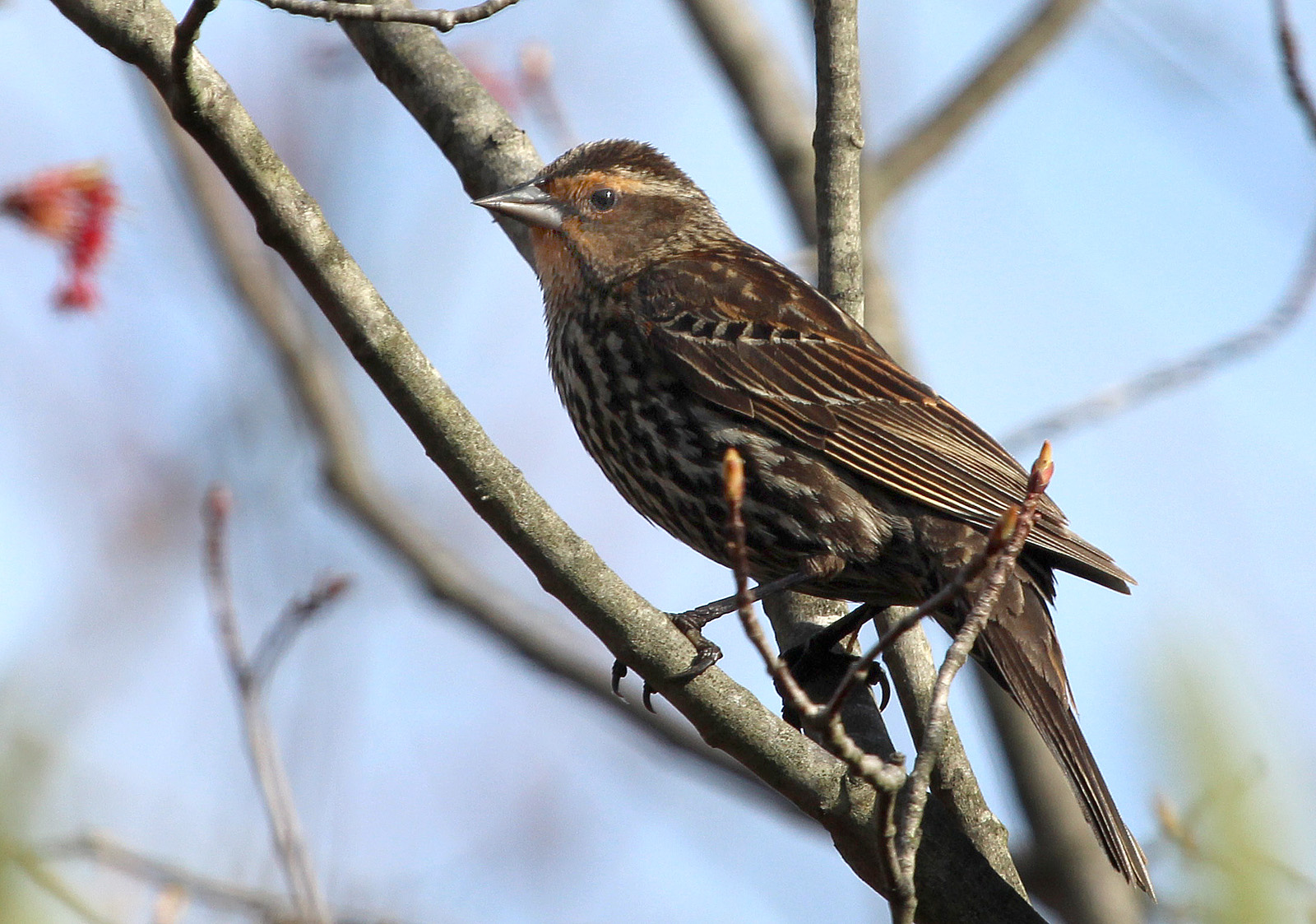
Photo by Chris Bosak A female red-winged blackbird perches in a tree.
As far as I’m concerned, it’s never too early to talk about signs of spring.
Not that I’m rushing winter. There is plenty to do in winter, and I appreciate all of New England’s seasons for what they offer birdwatchers. But when a sign of spring presents itself, even with several inches of snow still on the ground, it’s hard to ignore.
Unlike plants that may be popping up through the ground but remain unseen due to the snow, birds offer visible and reliable signs of spring. The other day, as soon as I started my walk, I spied several birds flying overhead. In the distance, I heard the familiar and unmistakable songs of red-winged blackbirds.
Photo by Chris Bosak
A common merganser swims in a pond in Danbury, Conn., March 2019.
When you have done something for so long, sometimes it is hard to remember what it was like at the beginning. The other day, however, I came across a scene that reminded me of one of my early birdwatching experiences.
The recent prolonged cold spell we endured froze or kept frozen most of the water throughout the region. That makes for a great time to check the areas where water does not freeze, such as dams or fast-moving streams.
I drive past a large dam frequently and always look at the bottom where the water is constantly flowing. I do this especially during the winter to see if any ducks are gathered in the open water. In the right season and under the right conditions, there are usually several common mergansers in the pool created by the flowing water.