Kicking off a celebration of our common backyard birds

Photo by Chris Bosak A Tufted Titmouse perches on a branch of a fading sunflower before heading to a nearby birdfeeder.

Photo by Chris Bosak
A Tufted Titmouse perches on a branch of a fading sunflower before heading to a nearby birdfeeder.

This photo of a Tufted Titmouse is pulling double duty. It accompanied my latest column in The Hour (Norwalk, Ct) and The Keene Sentinel (Keene, NH), which may be found here.

It is also being used on this post to kick off a celebration of our common backyard feeder birds. This is a great time of year for feeding birds as the feeders are active with titmice, chickadees, nuthatches, cardinals and other birds. Under the feeder, birds such as White-throated Sparrows and Dark-eyed Juncos have returned. So to celebrate that, I’ll post a series of photos highlighting some of our more common, but beloved, backyard birds.

No seagulls, just gulls

Here’s my latest For the Birds column, which runs weekly in The Hour newspaper (Norwalk, Ct.) and The Keene Sentinel (Keene, N.H.) This one deals with the various gulls (not “seagulls”) that we see in New England.

Want to see For the Birds in your local paper? Contact the editor and make the suggestion.

……
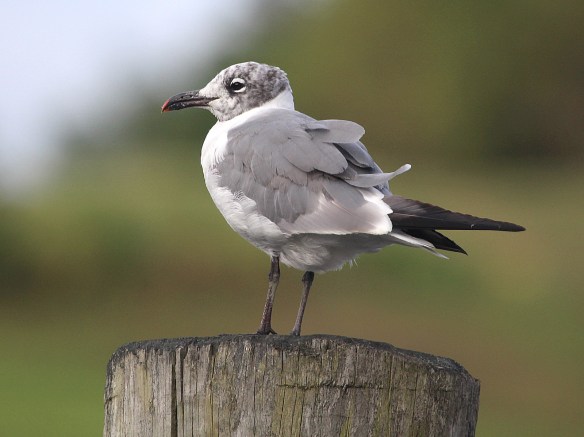
Photo by Chris Bosak A Laughing Gull stands on a piling at a boat dock along the Norwalk River, Sept. 2014.

Photo by Chris Bosak
A Laughing Gull stands on a piling at a boat dock along the Norwalk River, Sept. 2014.

Watching gulls is either one of the easiest things to do or most difficult things to do when it comes to birdwatching.

On one hand, you can go to the beach (or parking lot or dump) and see all the gulls you want. You are 100 percent guaranteed to see them any time of day and any time of year.

On the other hand, gulls can be endlessly challenging for birders, to the point that expert birdwatchers are the only ones who can be certain what they are looking at — and even then maybe not so much.

Like many aspects of birding, it’s as easy or as difficult as you want to make it. You can roll into a parking spot at the beach, pull out a stale loaf of bread and be surrounded by gulls in seconds. (Not that I’m condoning feeding birds bread.) That is certainly birdwatching, whether you care to identify the species of hungry gulls or not.

Or you can find a group of gulls and inspect them to see if any rare species are mixed in among the common species. That sounds easy, but can be extremely difficult, if not next to impossible. It’s not as if the common species are blue and the rare species are yellow. In many cases they look identical with only very subtle differences. It’s like trying to find Waldo but only every other person in the picture wears glasses, blue jeans, and has a red-and-white sweater and hat on.

So is that simply a flock of Herring Gulls and Ring-billed Gulls, or is there a first-year Iceland Gull mixed in there somewhere? Or perhaps is there a hybrid of some sort among the flock.

(Since I used the word “flock” in that previous paragraph twice, now seems to be a good time to address the obvious question. “Flock of Seagulls” is technically not correct since there are no birds that are actually called “seagulls.” They are simply gulls. With that said, good luck getting the song “I Ran” out of your head for the rest of the day. Sorry about that. Whatever you do, don’t go to YouTube and search for that song. The outfits and haircuts are too much. Some things should just stay in the 80s.)

Anyway, New England features several common gulls that may be easily found. The most common gull on a beach depends on exactly where you are in New England. Ring-billed Gulls and Herring Gulls are the predominant gulls in the Norwalk area. Herring Gulls are the large ones while Ring-billed Gulls are smaller and have a black ring around their bills. Greater Black-backed Gulls are also common around here. They are the very large gulls with dark backs. Laughing Gulls, which feature black heads, are also common throughout much of New England, but not seen as often in the Norwalk area as the others I mentioned. Laughing Gulls show up more around here in late summer and early fall.

The less common gulls that show up on occasion — and discernable only by experienced birders in many cases — include Lesser Black-backed Gull, Glaucous Gull, Iceland Gull, and Bonaparte’s Gull. Picking out these species is difficult because they look pretty much the same as the other gulls with white heads, chests and bellies, and darker backs.

Adding to the confusion is that gulls of the same species can look very much different depending on age and time of year. Young gulls are often brown and/or heavily speckled. So even if you’re looking at 100 Herring Gulls many of the birds may look very different.

Yes, digging deep into gull watching is not for the faint of heart or those short on patience. If all gets too much, keep trying and don’t run away from the challenge. After all, when it comes to breaking down a flock of gulls, do you really want to say “I Ran. (So Far Away.)”

There I go again — back to the 80s.
Are birds in our future? State of the Birds 2014 Report

Photo by Chris Bosak A Piping Plover preens at Milford Point in spring of 2014.

Photo by Chris Bosak
A Piping Plover preens at Milford Point in spring of 2014.

The State of the Birds 2014 report was released this week. It is a comprehensive look at how our bird populations are faring and how they might fare in the future. It’s fascinating stuff and a must read for anyone interested in birds and conservation.

Here’s my column on it, with input from Connecticut Audubon officials. 

Visit www.stateofthebirds.org for the full report.

Good news on the duck front; populations and habitat improve


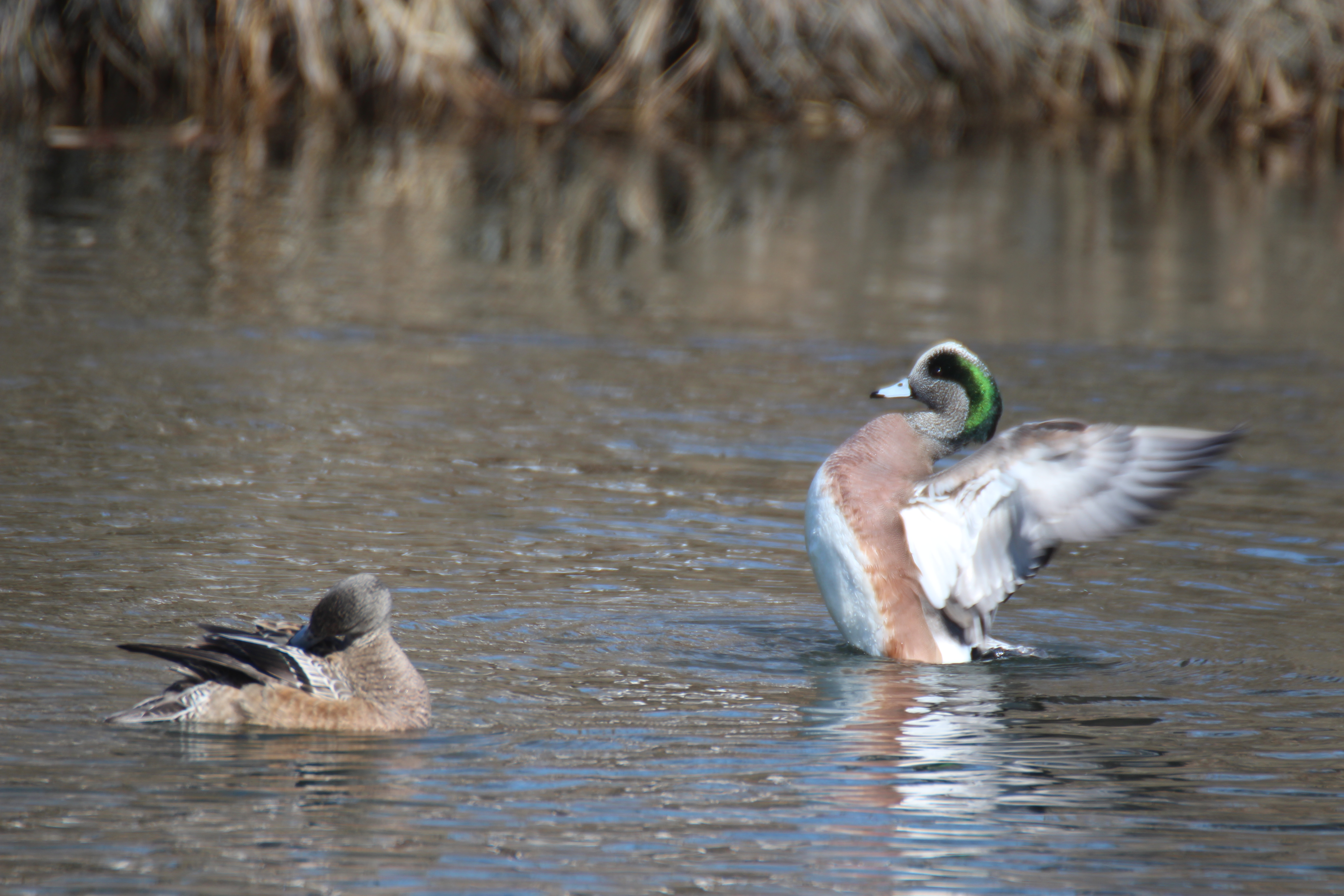
Photo by Chris Bosak American Wigeon in Norwalk.

Photo by Chris Bosak
American Wigeon in Norwalk.

As much as I love all birds, ducks are my favorite types of birds to watch. I’ve said that plenty of times. So when good news from that front crosses my desk, I’m eager to share it.

Here it is, shamelessly stolen from a U.S. Fish and Wildlife Service press release sent to my at my office:

“Duck populations have increased in overall abundance over last year, and their habitat conditions have improved, according to the U.S. Fish and Wildlife Service’s Trends in Duck Breeding Populations 2014 report released today. These conclusions are based on the 2014 Waterfowl Breeding Population and Habitat Surve Continue reading

Never mind Waldo, where’s the sandpiper?

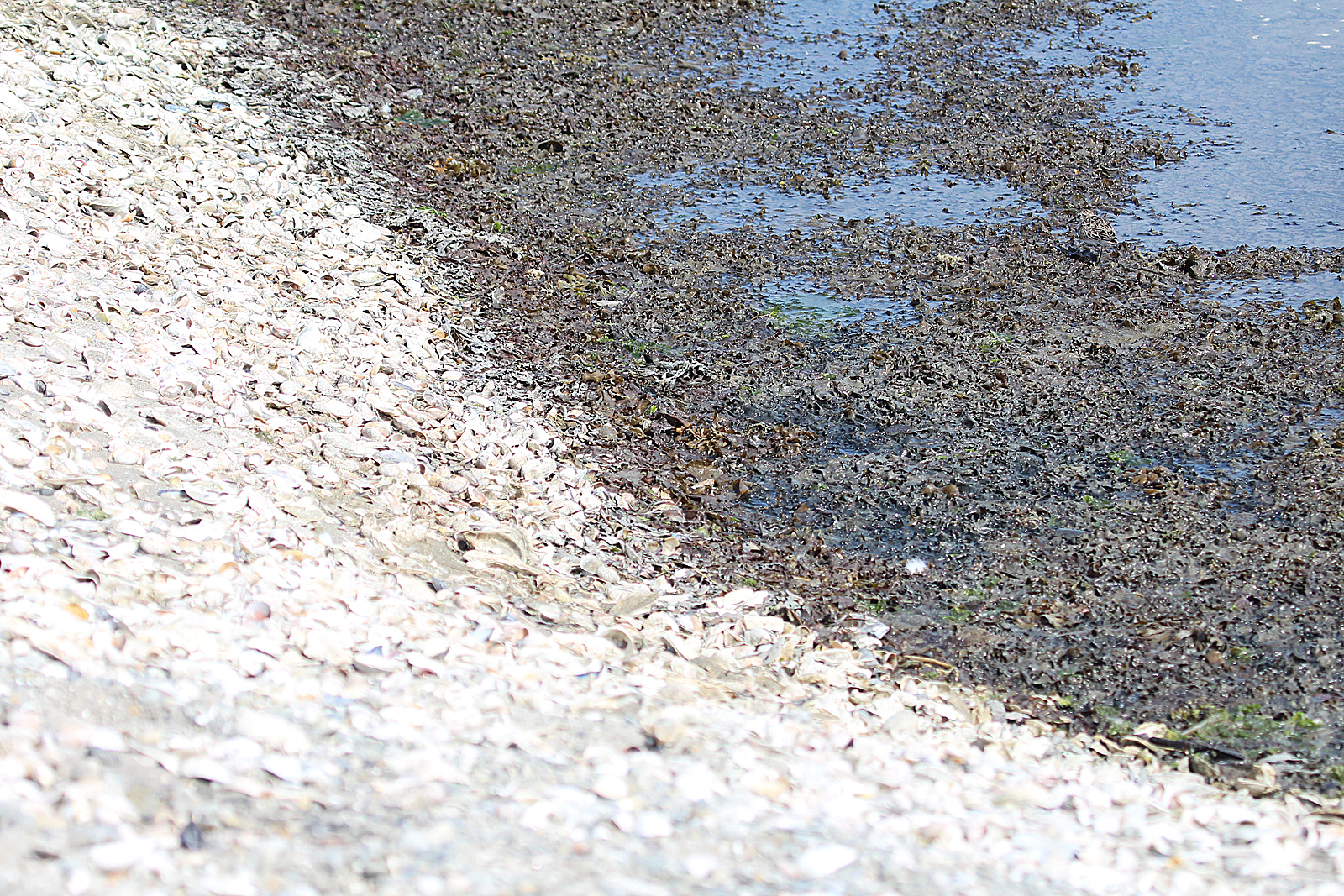
Photo by Chris Bosak Where's the Least Sandpiper in this photo?

Photo by Chris Bosak
Where’s the Least Sandpiper in this photo?

You all did so well on the last “find the bird” quiz, that I figured I’d give you another one. This one, I have to say, is much more difficult with its two distinct sides of the photo (a dry side and wet side.)

I grabbed this photo of a Least Sandpiper while volunteering to monitor Piping Plovers and Least Terns at Coastal Center at Milford Point in Milford, CT. It demonstrates the challenges birdwatchers have when it comes to finding and identifying shorebirds. It’s no wonder why so many people refer to them all simply at “peeps.” The camouflage is remarkable. The eggs laid by shorebirds are even more amazingly camo’d.

More importantly, it demonstrates how well their coloration and markings make it difficult for predators, such as Peregrine Falcons, to spot them.

So good luck in finding the bird. As a small hint, the bird is small in the photo, but not impossible to find. I’ll post the answer in a few days. If you can’t wait and need more hints, drop me a line at bozclark@earthlink.net

If you missed the last one — in which a Piping Plover was hidden in the photo — here it is.

Thanks for checking out http://www.birdsofnewengland.com.

Love those bluebirds (plenty of photos)

Photo by Chris Bosak Eastern Bluebird at Mather Meadows, a property of the Darien (Conn.) Land Trust.

Photo by Chris Bosak
Eastern Bluebird at Mather Meadows, a property of the Darien (Conn.) Land Trust.

Eastern Bluebirds are nesting again at Mather Meadows, a property of the Darien (Conn.) Land Trust. Here are some photos I took during a quick visit on Tuesday morning. (More photos below — click on “continue reading.”)

Eastern Bluebirds have made a strong comeback following a decline due to several factors, including competition for nesting sites with introduced species such as House Sparrows and European Starlings. The comeback has been bolstered in large part to humans offering nesting sites to bluebirds, a.k.a bluebird houses. The houses are built to specific dimensions, including the entry/exit hole sized to keep out sparrows and starlings. Bluebirds still face competition for those homes from Tree Sparrows, but the competition is not as fierce.

Continue reading

Sibley discusses ‘Birdwatching in New England’

Well-known birdwatcher David Allen Sibley visited The Hour newspaper’s office in March 2014 shortly after the launch of the second edition of his Sibley Guide to the Birds. He sat down with Chris Bosak of The Hour and http://www.birdsofnewengland.com to answer a variety of questions of about birds. Here he discusses birdwatching in New England, where he grew up and currently lives.

Warbler ID challenge

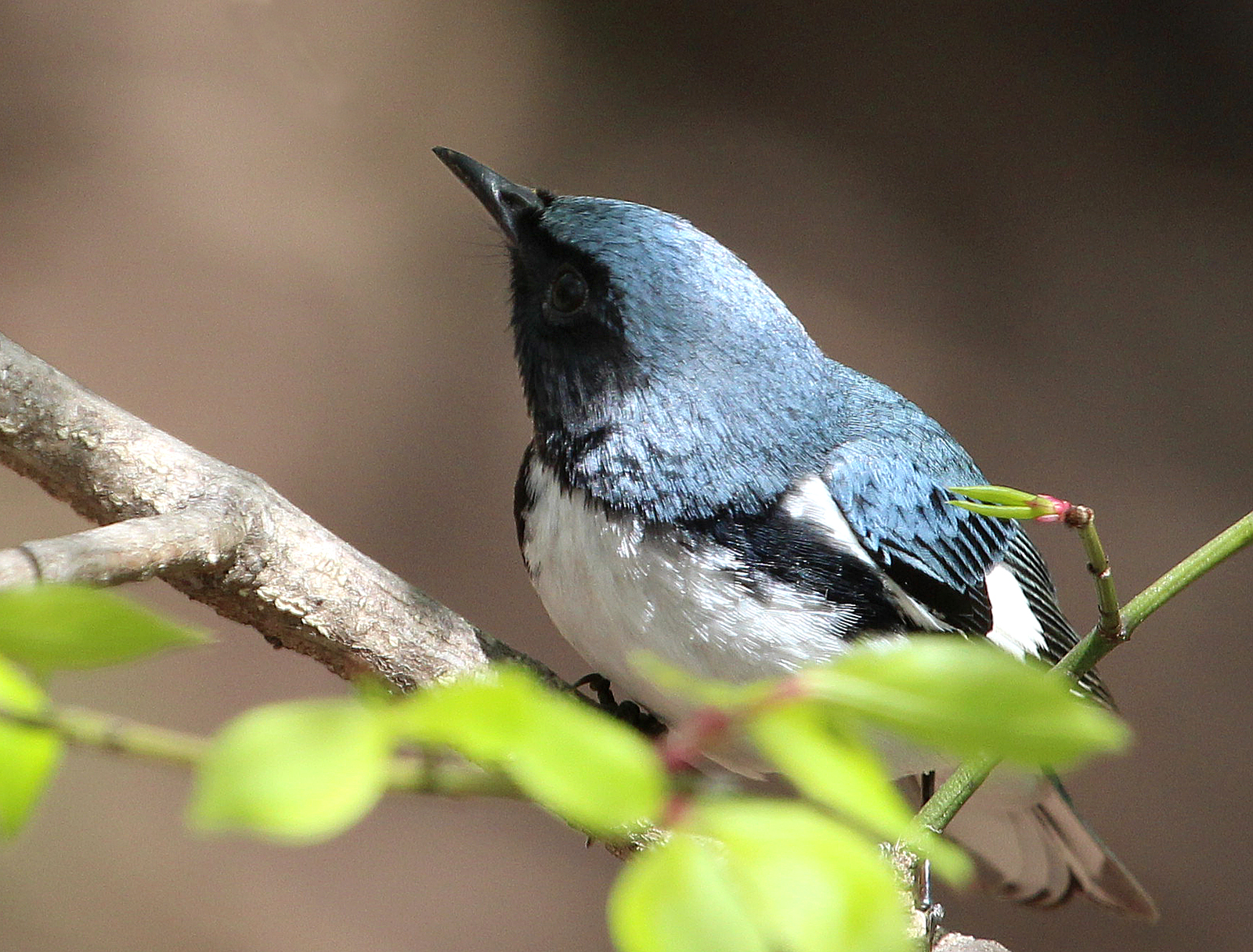
black-throated blue female

Wait a minute here. Aren’t warblers supposed to be colorful and obviously marked? Many are, but of course plenty are not. So, instead of just blurting out the answer, I’ll make this post a birding ID quiz.

So what do we have here? I’ll post the answer in a day or two.

Stumped? Drop me a line at bozclark@earthlink.net and I’ll give you a hint.

Today’s warbler photo

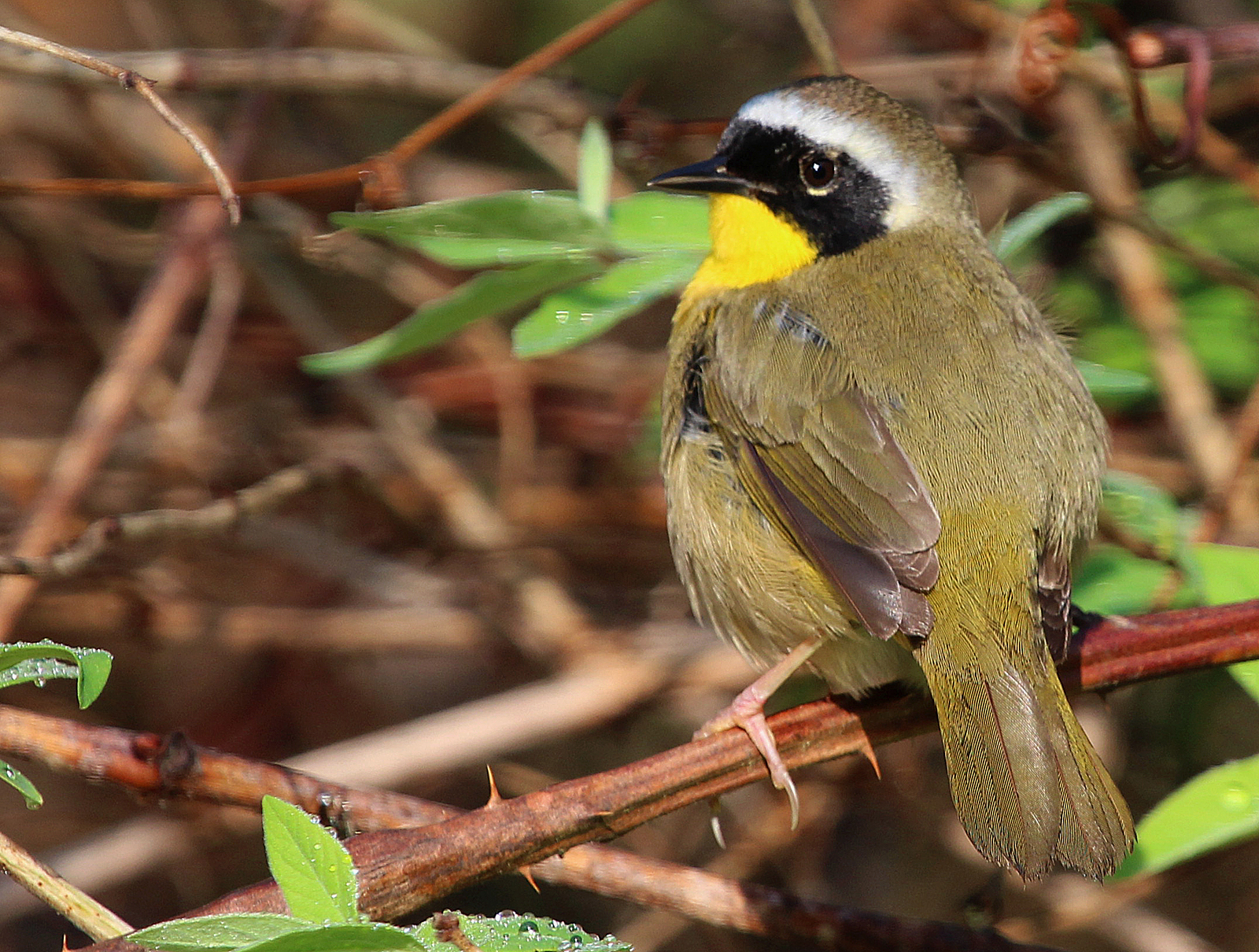
Photo by Chris Bosak A Common Yellowthroat perches on a branch at Selleck's/Dunlap Woods on Sunday, May 11, 2014.

Photo by Chris Bosak
A Common Yellowthroat perches on a branch at Selleck’s/Dunlap Woods on Sunday, May 11, 2014.

Here’s another warbler photo taken this weekend at Selleck’s/Dunlap Woods in Darien.

Last week I had a post with several warbler species included. The Common Yellowthroat was not included in that post, but I found a fairly cooperative one this weekend. Yellowthroats can be tricky to photograph because they are usually hidden among thick brush, often near wetlands.

On Saturday, I led a bird walk with a great group of people and we saw 10 warbler species, in addition to several other types of birds, such as vireos, egrets and thrushes. The warbler season in New England is still in full swing. Let me know what you’re seeing out there, send photos and sightings to bozclark@earthlink.net

Warbler season chugging along; lots of warbler photos

Photo by Chris Bosak A Black-throated Green Warbler perches in a tree at Selleck's/Dunlap Woods on Sunday, May 4, 2014.

Photo by Chris Bosak
A Black-throated Green Warbler perches in a tree at Selleck’s/Dunlap Woods on Sunday, May 4, 2014.

The New England spring warbler season is upon us in a big way and my favorite hang out, Selleck’s Dunlap Woods in Darien, Conn., is no exception. On Sunday, I counted 11 warbler species — with huge numbers of Black-and-white Warlbers and Black-throated Green Warblers — in addition to plenty of Baltimore Orioles, Gray Catbirds, and two vireo species.

Warblers are small, often colorful songbirds that winter in Central or South America and return to New England and points north each spring to breed. The spring warbler season is the highlight of the year for many birdwatchers.

It was a good day photographically, too, as I was able to get some decent shots for the first time of several species. So here, in no particular order, are a slew of spring migrant songbird photos — all taken either Sunday, May 4, or Monday, May 5.

I will be leading a walk from 7:30 to 9 a.m. on Saturday, May 10, at Selleck’s/Dunlap Woods. It is presented by the Darien Land Trust and open to all. Hope to see you there.

Lots more photos below. Click “continue reading.”

Photo by Chris Bosak A Black-throated Blue Warbler perches in a tree at Selleck's/Dunlap Woods on Sunday, May 4, 2014.

Photo by Chris Bosak
A Black-throated Blue Warbler perches in a tree at Selleck’s/Dunlap Woods on Sunday, May 4, 2014.

Continue reading