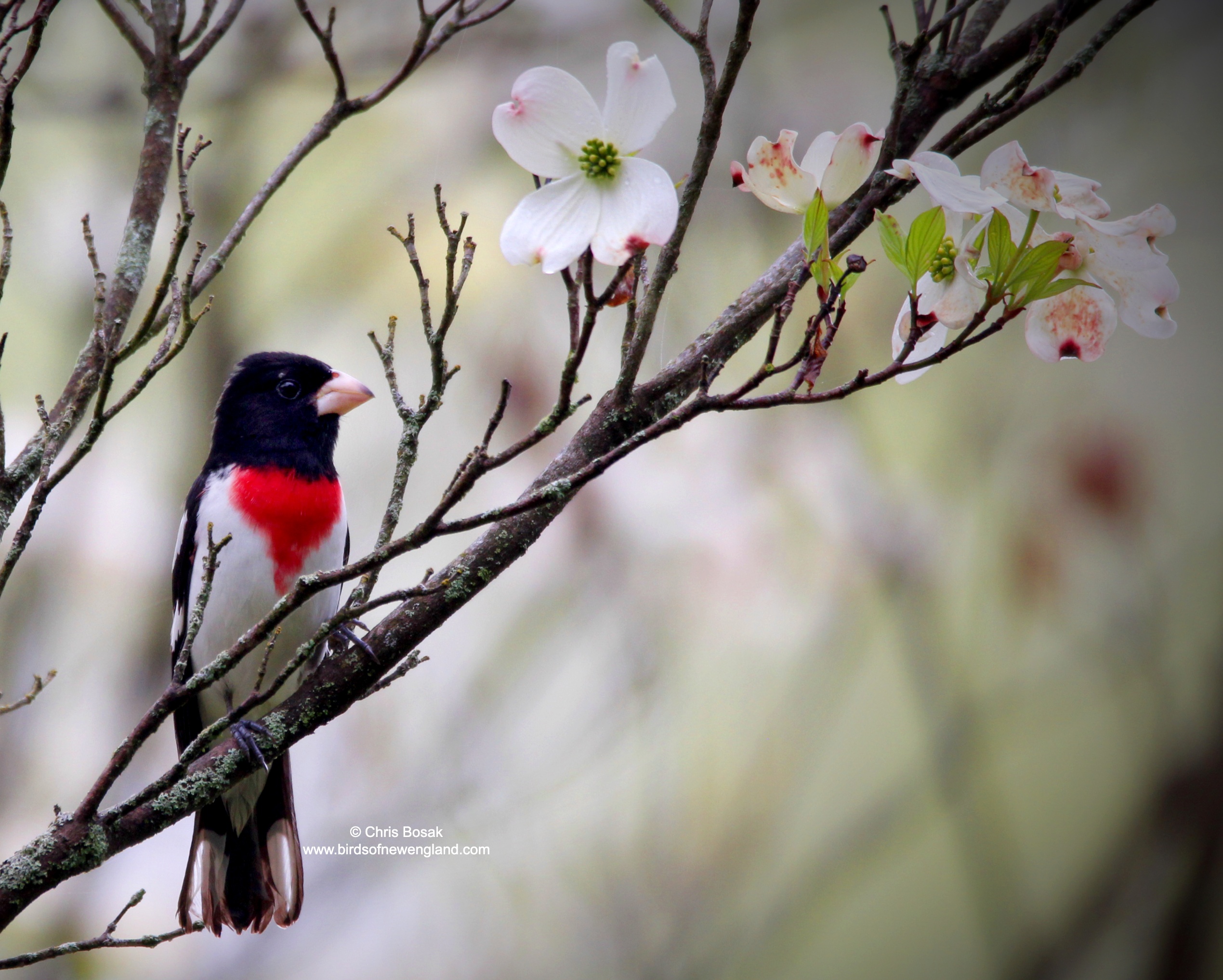
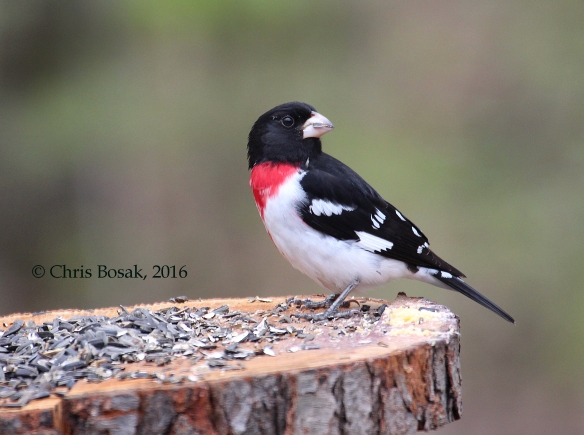
Yesterday, I used a photo of a rose-breasted grosbeak for my Singing in the Spring series. Today, I’m including a few bonus shots of a male rose-breasted grosbeak. You gotta love spring migration.
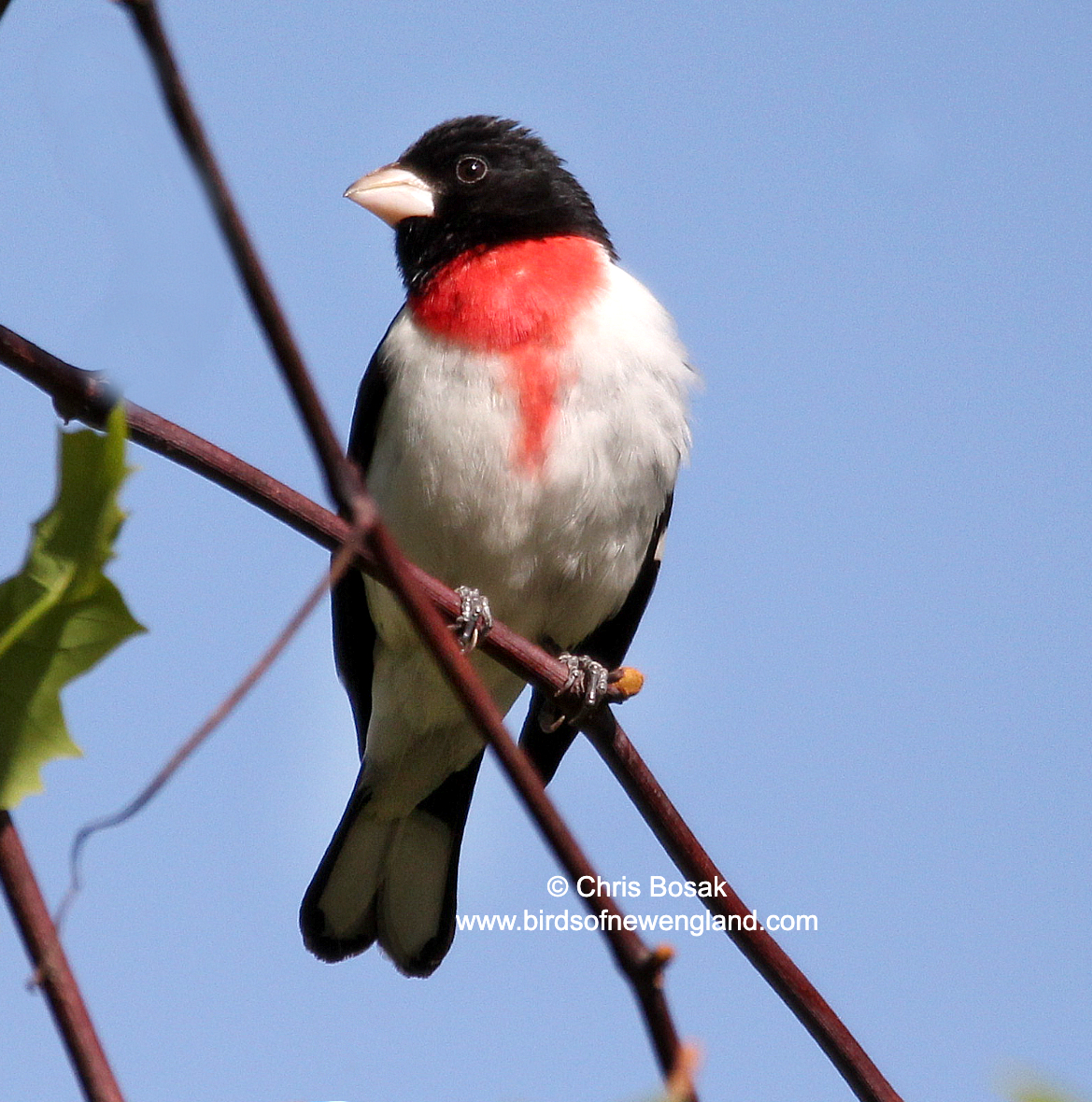
Yesterday, I used a photo of a rose-breasted grosbeak for my Singing in the Spring series. Today, I’m including a few bonus shots of a male rose-breasted grosbeak. You gotta love spring migration.

What can you say about rose-breasted grosbeaks? They’re awesome in every way.
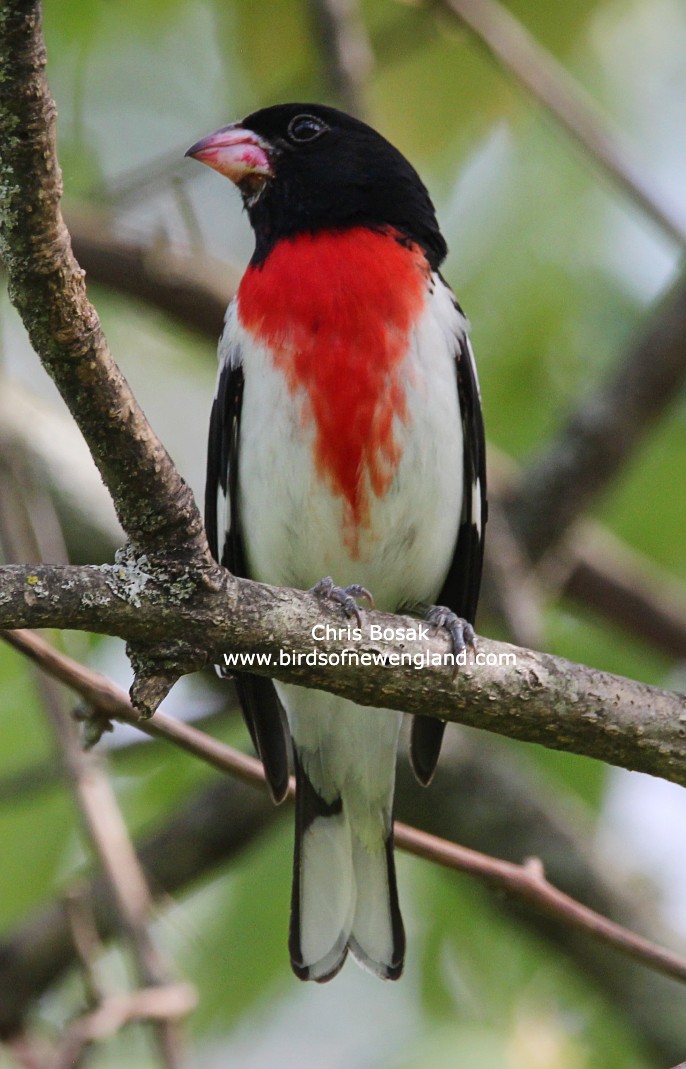
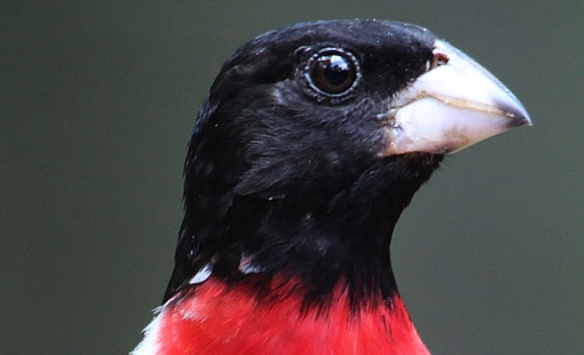
This male rose-breasted grosbeak must have just finished eating berries. It must be hard to eat and not make a mess with a bill like that.

Where to begin? May is a firestorm of birding activity in New England.
I’ll recap a few of my recent highlights and then expand, where necessary or otherwise interesting, in subsequent columns.
A warbler by any other name: Many warblers actually have the name warbler in their name. Yellow warbler, chestnut-sided warbler, worm-eating warbler and so on. Many, however, don’t have warbler in their name. Common yellowthroat, American redstart to name a few.
A few warblers don’t have warbler in their name and look like they belong in the thrush family. The ovenbird and waterthrushes (northern and Louisiana) could easily pass for thrushes with their brown bodies and spotted chests. Heck, the waterthrushes even have thrush in their name. But they are all, indeed, warblers.
That warrants a column unto itself. I’ll dig into that in the coming weeks.
Dueling grosbeaks: I heard a rose-breasted grosbeak singing in a tree during the tail end of one of my recent walks. I paused enough to find its perch. As soon as I spotted the beautiful bird, another male rose-breasted grosbeak dive-bombed the original bird, and they started chasing each other through the woods. The action caught the eye of a third male grosbeak and that one joined in the chase as well. That was a first for me. Rose-breasted grosbeaks, with their white wing bars, are just as impressive-looking in flight as they are perched.
Continue reading
So much for taking a break from feeding the birds.
I mentioned in last week’s column that I had taken down my feeders for the summer as my visits had dwindled to a few species. I also mentioned that I continued to maintain a large platform feeder on my deck to keep those few birds happy. Well, that platform feeder is busier than ever.
One day last week, while working from home and using the outdoor table on my deck as my office for the day, I watched as chickadees, nuthatches, titmice, catbirds, cardinals, blue jays, house finches, downy woodpeckers and red-bellied woodpeckers helped themselves to the offerings.
The feeder, which is nothing more than a large, flat board I found in the basement, is big enough to hold a variety of foods: sunflower seeds, mealworms, suet nuggets and thistle seeds. I nailed a few small branches around the edge of the board to keep the seeds in place during windy days.
I was already pleasantly surprised by the variety of birds that were coming when a male rose-breasted grosbeak landed on the board. Thankfully, I had the foresight to bring the camera out to the table with me. I was quite sure the strikingly beautiful bird would take off as soon as I lifted my arms to grab the camera off the table as I was sitting only 9 or 10 feet away from the feeder.
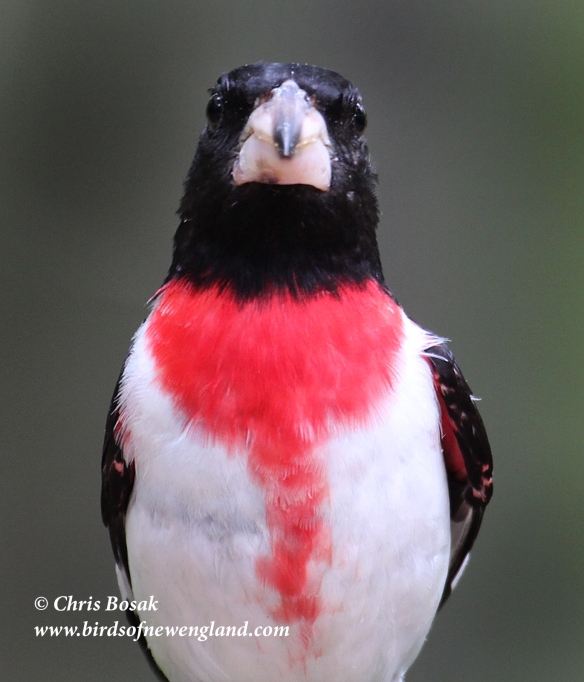
Slowly I moved my arms and watched as the black-and-white bird with a bright red triangular bib looked back at me. I was relieved when the bird looked away and started grabbing sunflower seeds. Still, I couldn’t risk double-checking my camera settings or autofocus point and I started photographing away. The settings were fine, luckily, and I got some nice, full-frame shots of the handsome songbird.
What also made the day special was that many of the birds that visited, especially the chickadees, titmice and downy woodpeckers, were first-year birds still gaining their adult plumage. The young woodpeckers usually arrived with a parent and watched and learned. It was amazing to think that some of these birds were born only a few weeks prior. I hope they visit for years to come and can avoid the many dangers birds face as they grow.
So I guess my summer feeding break isn’t going to pan out, which is fine with me. I’ll continue to enjoy the show as long as it lasts.
A Day on Merganser Lake
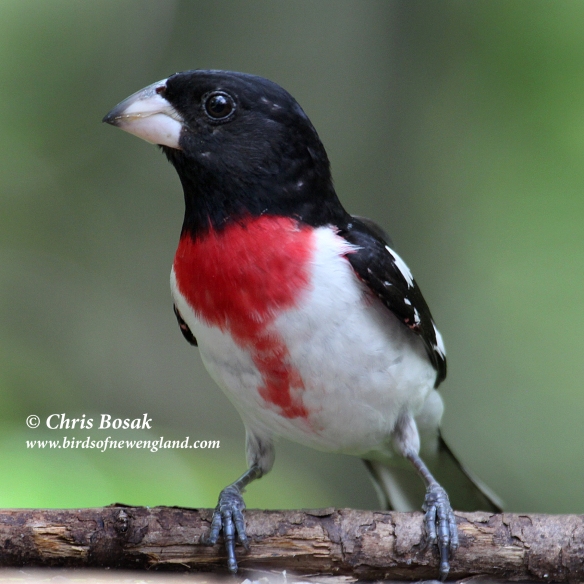
I posted one close-up shot of a rose-breasted grosbeak last week, but of course, I have more shots. So here’s a couple more.

A Day on Merganser Lake
Here’s a random close-up of a rose-breasted grosbeak. Why not?
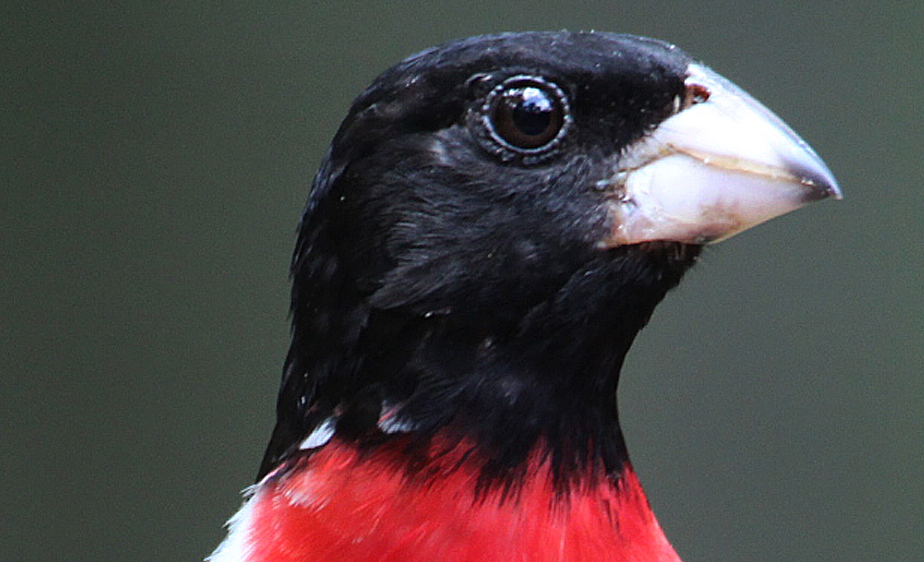

A Day on Merganser Lake
Here are a few more shots of the grosbeaks in love.
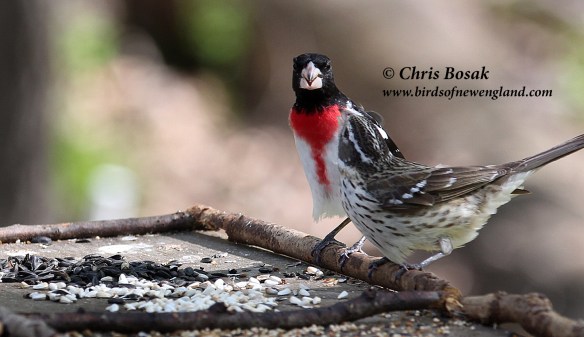
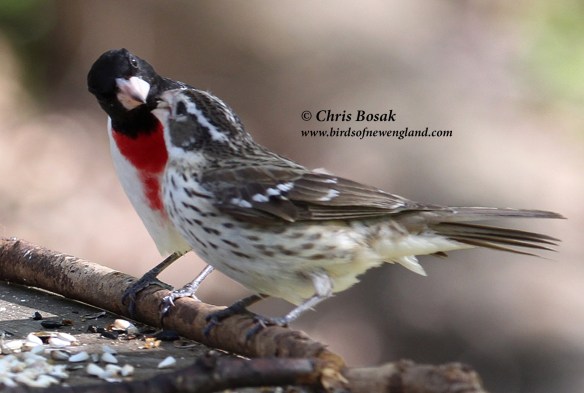

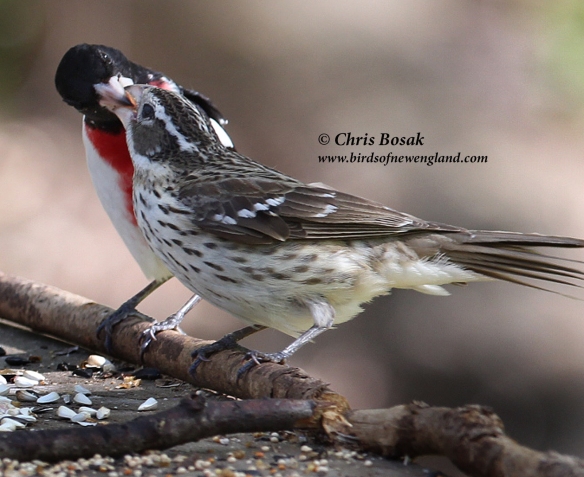

A Day on Merganser Lake
I’ve already posted photos of eastern bluebirds and northern cardinals feeding each other. Now, it’s the rose-breasted grosbeak’s turn. I took these photos a few weeks ago, but just now getting around to posting them. Click here to read I column I wrote about the behavior.

A Day on Merganser Lake
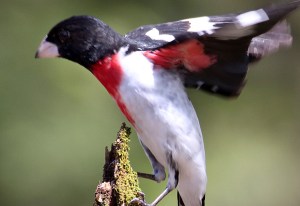
Male rose-breasted grosbeaks are known for their beautiful plumage: contrasting black-and-white overall with a large rose-red triangle patch on the chest. The red under the wings is not seen often, even in flight. Here’s a shot that shows that extra splash of color.
(Repeat text for context: I’m running out of COVID-19 lockdown themes so from now until things get back to some semblance of normalcy, I will simply post my best photo from the previous day. You could say it fits because of its uncertainty and challenge. I’ll call the series “A Day on Merganser Lake,” even though that’s not the real name of the lake I live near in southwestern Connecticut, it’s just a nod to my favorite duck family.)
 Birds of New England.com