For the Birds: Kinglets rule the walk

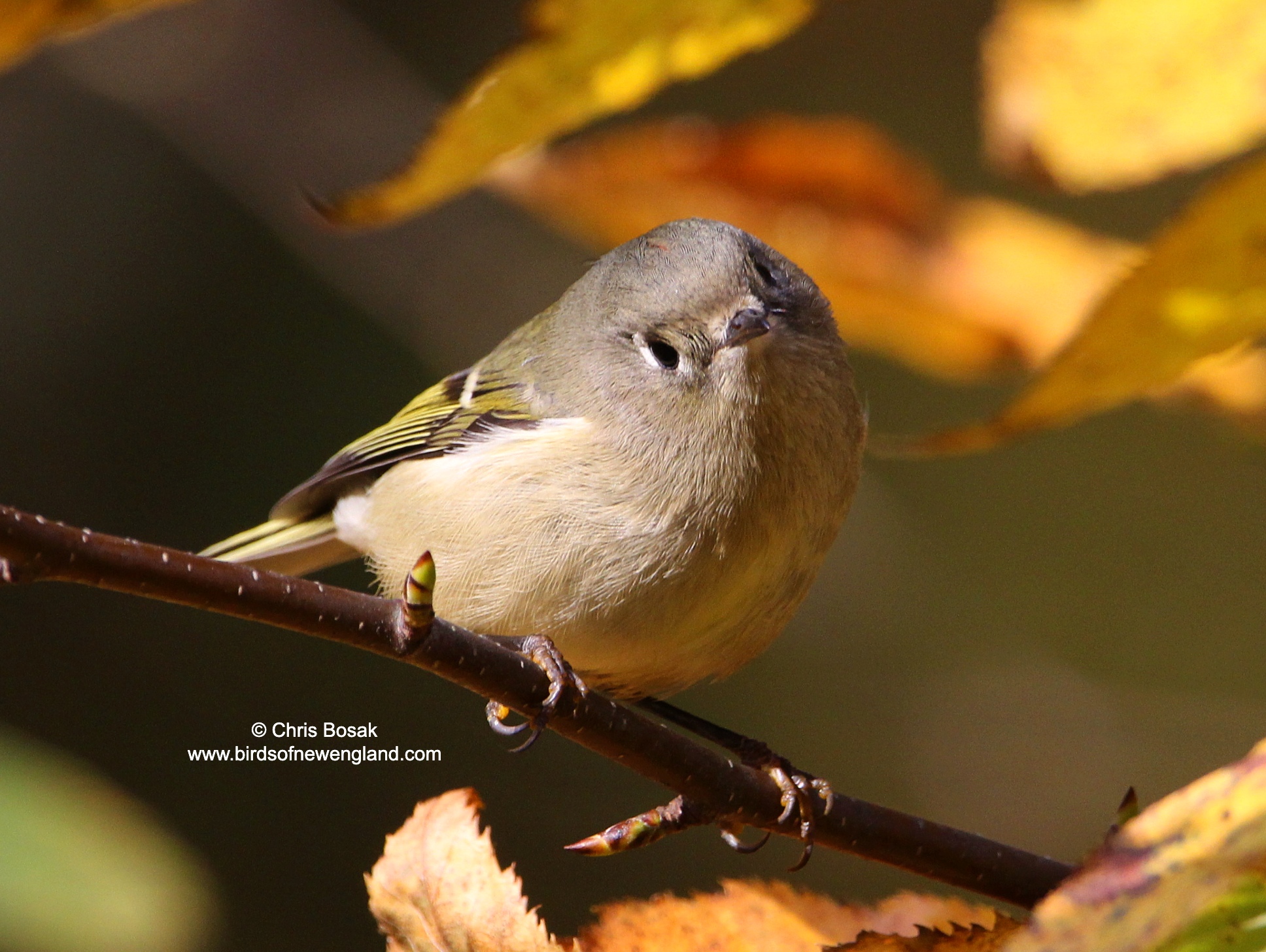
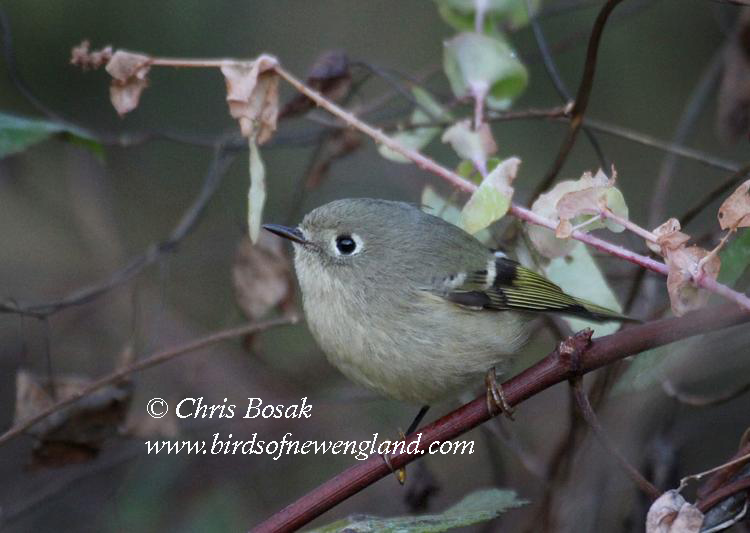
Ruby-crowned kinglet, fall 2025, Huntington State Park, CT.

Two species dominated my latest bird walk.

Perhaps not surprisingly, the white-throated sparrow was the most dominant species. I lost track of how many I had seen early in the walk as dozens of these beautiful native sparrows were around every bend.

The second-most dominant species may be a bit more surprising. While large groups of white-throated sparrows lingered around every corner, singular ruby-crowned kinglets kept me occupied on the straightaways.

They were constant companions during the walk. Little flashes of movement in the bushes or low branches of trees gave away their whereabouts. Not that they were trying to stay concealed, as they can be surprisingly tame for wild birds. 

Tame or not, close looks or not, ruby-crowned kinglets are notoriously difficult to photograph, as they are in constant motion, and predicting their next move is a crapshoot. If you see one that sits still for a full second, you’d better be prepared with the camera and not blow the opportunity. (I’ve blown innumerable opportunities, by the way.)

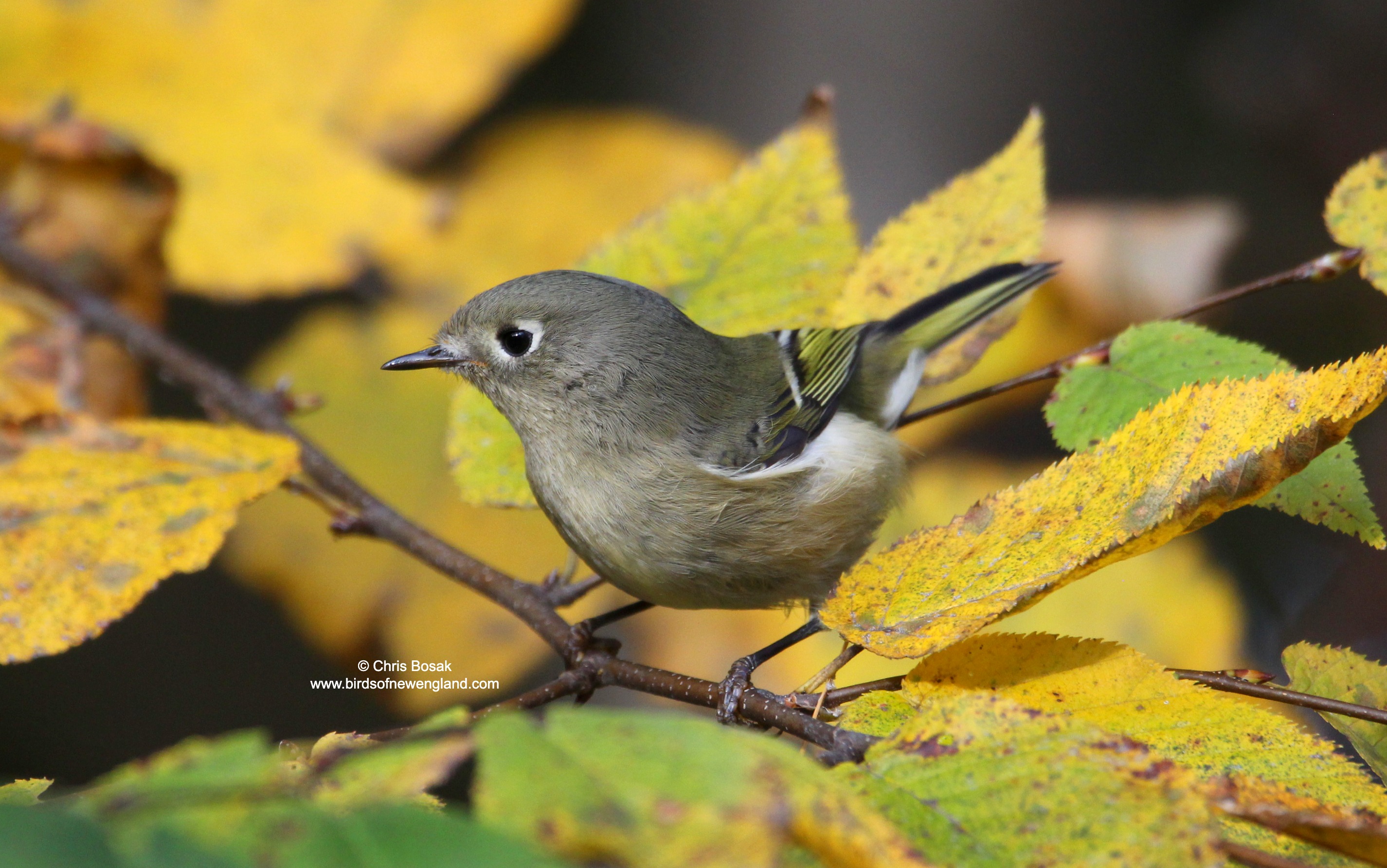
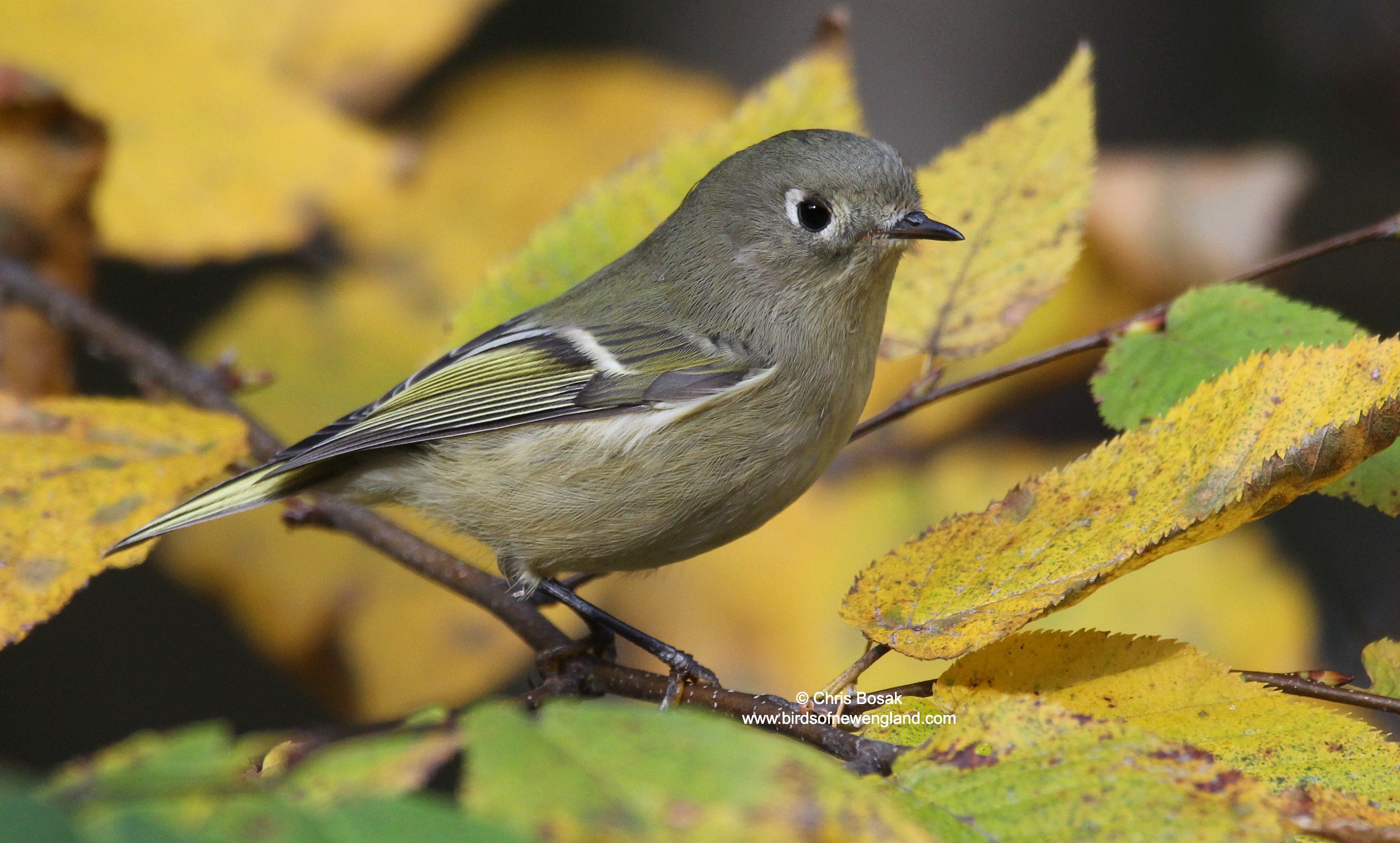
Then comes the real challenge: Getting a photo of one with their namesake crown exposed. Not only do you have to get a kinglet to sit still long enough for a photo, but the bird must be in an excited state. Ruby-crowned kinglets show their colorful crown only when they are unsettled. Otherwise, these birds are mostly olive colored with yellow and black wings and tails, and an eye ring that doesn’t quite make it all the way around the eye.

All the kinglet photos I managed to capture on this particular walk were without the crown exposed. (Although the photo at the top shows just a hint of the red crown.) In fact, in my entire photo collection going back many years, I have very few photos of kinglets with their crowns showing.

Golden-crowned kinglets, a sleeker and slightly more decorated cousin of ruby-crowned kinglets, are the same way. They are difficult to photograph because of their hyperactivity and display their crowns only when agitated. To me anyway, golden-crowned kinglets are even more difficult to photograph because I see far fewer of them than ruby-crowned kinglets.

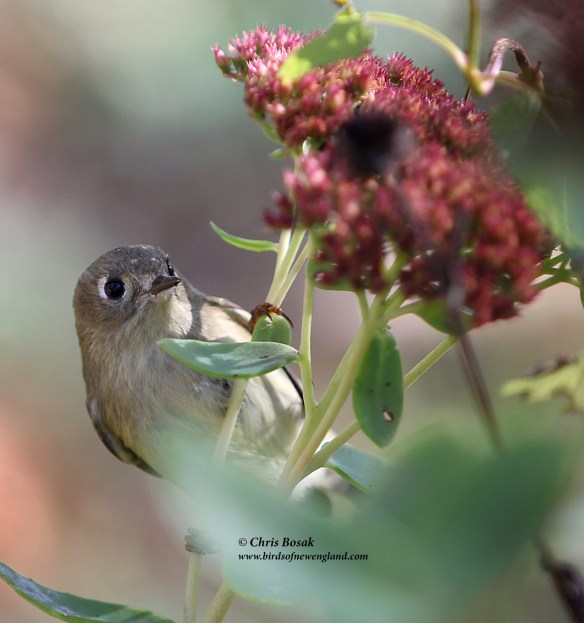
Kinglets do not typically visit birdfeeders, but they may still be found in yards. Check flowerbeds with dead and dying flowers, as kinglets are often found close to the ground. They are most likely looking for insects and spiders to eat, but they do supplement their diet with seeds and berries. Flowers that linger deep into fall, such as sedum, are good candidates to attract ruby-crowned kinglets. For golden-crowned kinglets, check evergreen trees, particularly those thick with branches and needles.

Kinglets are New England’s smallest birds, apart from hummingbirds. What they lack in size, kinglets make up for in character. (Hummingbirds fit that bill as well.) They are high-energy, exceptionally fun to watch and numerous during certain times of the year. Kinglets may occasionally be found during the winter in New England, but most of them make a relatively short migration to southern U.S. or Mexico.

As a late migrant, the tiny kinglet adds a little pizzazz to a late fall walk.

Ruby-crowned kinglet, fall 2025, Huntington State Park, CT.

Ruby-crowned kinglet in fall

Ruby-crowned kinglet, fall 2025, Huntington State Park, CT.

I finally got a ruby-crowned kinglet to sit still for half a second. Today’s walk was filled with white-throated sparrows and ruby-crowned kinglets.

Ruby-crowned kinglet, fall 2025, Huntington State Park, CT.
Continue reading

For the Birds: The small, but mighty kinglet

People like large birds. Eagles, hawks, owls, even herons and waterfowl, get birders and non-birders alike excited.

Smaller birds? Sure, birders get excited about smaller birds too, but for non-birders, these birds have to bring something appealing to the table.

Everyone likes cardinals. They’re bright red. Everyone likes chickadees. They’re cute, tame and active. Non-birders are split on blue jays. Some like them because they are blue (and fairly large), and some dislike them because they heard jays are bully birds and they can’t let it go.

In fact, many smaller birds go completely unnoticed by non-birders, even when the birds make their presence rather obvious. A flock of white-throated sparrows or dark-eyed juncos can dart in every direction right in front of a non-birder and it will be as if nothing ever happened. A birder, however, will stop dead in his or her tracks, reach for the binoculars and try to find the little birds in the brush just to confirm an ID.

Continue reading

For the Birds: Keep an eye out for kinglets

Photo by Chris Bosak A ruby-crowned kinglet inspects sedum for food in New England, fall 2019.

I’ve seen them in the deep woods, in my flower garden, in suburban parks and even at a sandy beach.

There are no excuses for missing out on kinglets during the fall migration. That is, unless you aren’t outside enough looking for them, which is unacceptable.

Last week, I wrote about the tiny kinglets being tough creatures able to withstand extremely low temperatures. This week, I’ll take a closer look at kinglets, a good reliable sighting throughout New England during migration periods.

We have two types of kinglets in New England: the ruby-crowned kinglet and the golden-crowned kinglet. Don’t let the names fool you, the color of the crown is not a good way to distinguish the two species in the field. First of all, you hardly ever see the crowns in the first place — especially that of the ruby-crowned kinglet — and secondly, the colors don’t Continue reading

For the Birds: Many sturdy birds from which to choose

Here is the latest For the Birds column, which runs in several New England newspapers …

Photo by Chris Bosak
A ruby-crowned kinglet inspects sedum for food in New England, fall 2019.

I was recently interviewed about birds and bird population trends by radio show host John McGauley of WKBK.

John had a lot of interesting questions and, following the interview, one in particular stood out in my mind. He asked: “What are the more sturdy birds? Are there any that are especially hardy and durable?”

My on-the-spot answer was hawks and other large raptors. While hawks are indeed large and strong and fierce, I wish I had would have responded differently. All birds, large and small, are hardy and durable. It would have sounded like a wishy-washy answer, but I could have explained it.

Ruby-throated hummingbirds, weighing in at about three Continue reading

A nice spring bird walk (aren’t they all?)

Photo by Chris Bosak
A bobolink perches at the end of a branch in Brookfield, CT, May 2019.

I checked out Happy Landings, an open space of fields and shrubby areas in Brookfield, Connecticut, after dropping off my son Will at middle school the other day. With its huge fields, the protected space is a rare haven for bobolinks in New England. There should be more such field habitat. Anyway, I wanted to see if the bobolinks were back and sure enough, they were — along with plenty of other birds. Take a look …

Happy birding and let me know what you see out there this migration period.

Photo by Chris Bosak
A yellow warbler sings from a perch in Brookfield Conn., May 2019.
Photo by Chris Bosak
A yellow warbler perches on a branch in Brookfield Conn., May 2019.

Continue reading

First post for the new BirdsofNewEngland.com

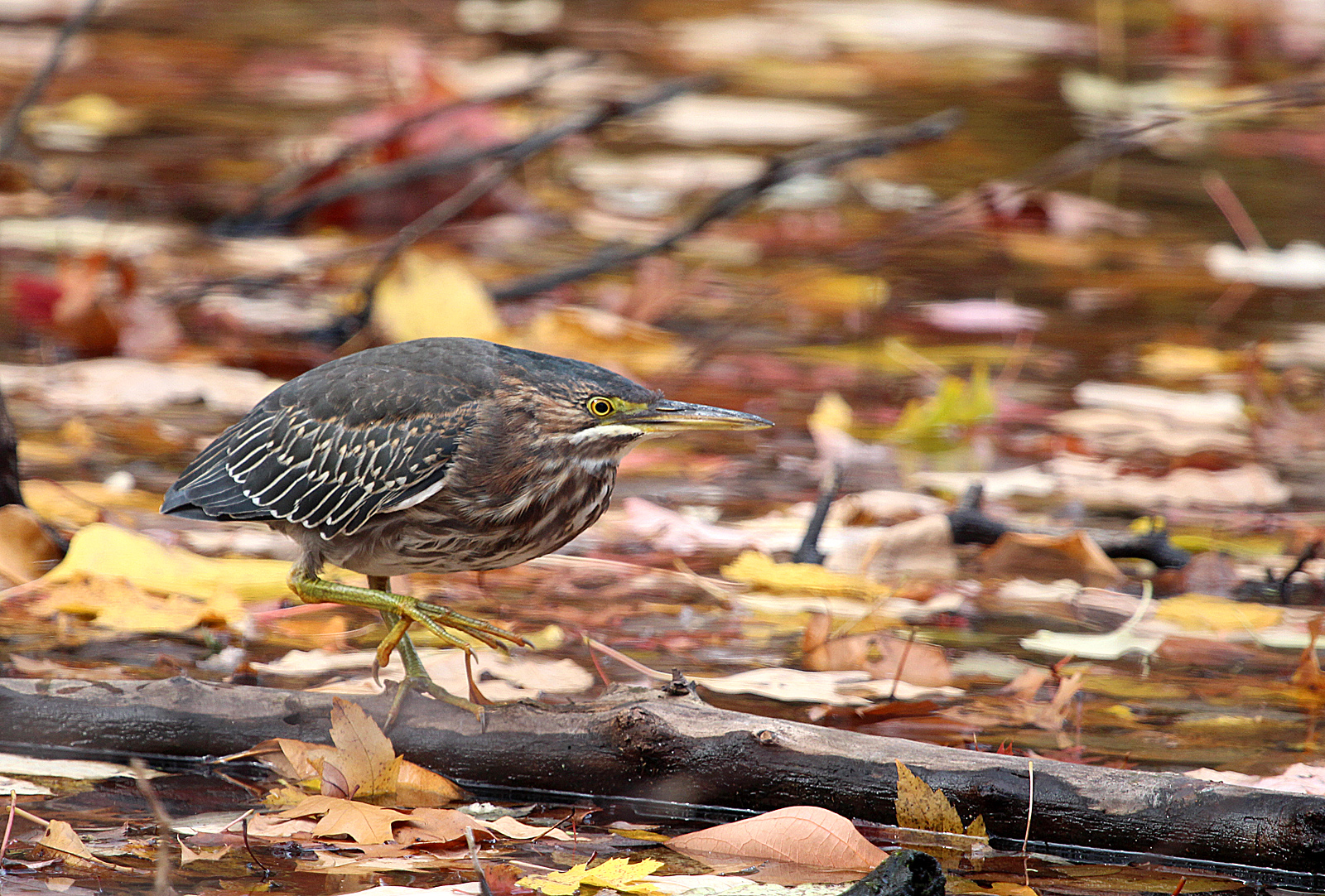
Green Heron in southern Connecticut, November 2013.

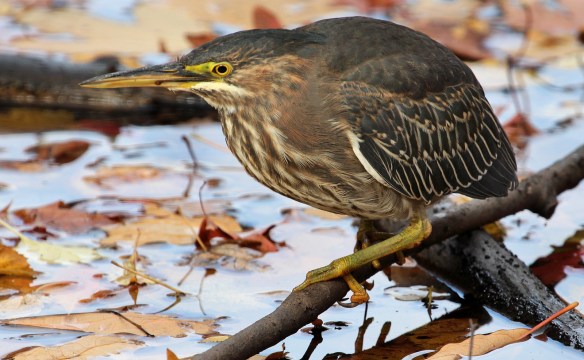
Green Heron in southern Connecticut, November 2013.

Welcome to the new http://www.birdsofnewengland.com. It will be similar to the former website with lots of bird photos and stories from my travels around New England. It will have a different look, however, and new features, such as a video page and “reader submitted” photos page. Feel free to submit photos you have taken of birds or other wildlife in New England (or beyond.)

So let’s just jump right into the first post.

November has been a great month for birdwatching so far, at least from my perspective in southern New England. On the first Sunday in November, I spotted a Green Heron at Selleck’s/Dunlap Woods, a Darien Land Trust property. I’ve seen plenty of Green Herons at this property before, but never in November _ or even October or late September for that matter. It was interesting to see the crow-sized wader surrounded by fall foliage.
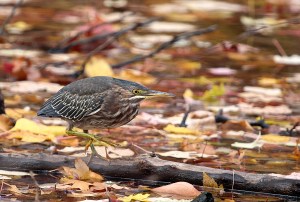
Green Heron in Southern Connecticut, November 2013.

Green Heron in Southern Connecticut, November 2013.

The Green Heron sighting followed an hour-long stretch whereby I sat in a dried-out swampy area and watched as Golden-crowned Kinglets, Ruby-crowned Kinglets and Yellow-rumped Warblers hopped along the ground among the weeds and grasses looking for seeds. Previous highlights that weekend included an Eastern Towhee, Brown Creeper and Winter Wrens.

Thanks for checking out the new http://www.BirdsofNewEngland.com. Check back often for updates and new stories and photos. Remember to send in your photos and I’ll add them to the “reader submitted” page. Send the photos or other suggestions to bozclark@earthlink.net