Unknown's avatar

About Chris Bosak

Bird columnist and nature photographer based in New England.

Latest For the Birds column: I knew there had to be Indigo Buntings there

Photo by Chris Bosak An Indigo Bunting perches in a tree in Ridgefield, Conn., spring 2016.

Photo by Chris Bosak
An Indigo Bunting perches in a tree in Ridgefield, Conn., spring 2016.

Did I make these sightings happen? Probably not, but it was pretty strange nonetheless.

I was checking out a new birding spot, Bennett Pond State Park in Ridgefield, that a few people had told me about. They told me about the pond, which had beaver and Wood Ducks, and told me how to get there. To paraphrase, they said: “Walk to the field, into the woods and you’ll get to the pond.”

I love ponds. They are perhaps my favorite habitat to explore, especially if there are swamps nearby, too. But the word that really stuck out to me was “field.” I know where plenty of ponds are, but fields are becoming a scarce resource these days. Just ask all of the bird species that are in peril because they rely on fields.

Of course I took the wrong trail to get to the pond. I read the trail map wrong (what else is new?) and ended up taking a very wooded trail. The trail was pleasant enough and I heard some good birds — Ovenbird, Veery, Wood Thrush, Worm-eating Continue reading

A couple rodents I met along the way

Photo by Chris Bosak A beaver swims in a pond in Ridgefield, Conn., spring 2016.

Photo by Chris Bosak
A beaver swims in a pond in Ridgefield, Conn., spring 2016.

I’m always on the lookout for birds, of course, but nature of all sorts thrill me. The moose, for instance, is my favorite sighting — hands down. So I’m looking for “other things” too when I’m out there birdwatching.

Here are a couple rodents I saw during some recent birdwatching outings. The word “rodent” has such a bad connotation, but these two rodents are pretty Continue reading

Barred Owls hunt by day and night

Photo by Chris Bosak A young Barred Owl clings to a branch in the woods in Danbury, Conn., spring 2016.

Photo by Chris Bosak
A young Barred Owl clings to a branch in the woods in Danbury, Conn., spring 2016.

I was taking a walk in the woods the other day when I heard an unfamiliar screeching sound from up above. It was loud and very unmelodic. It sounded like an animal in distress.

I looked up to try to pinpoint the source of the screeching. I didn’t have much hope in finding the source because I had heard birdsong during the entire walk up to that point and hadn’t been able find a single bird with the woods and leaves so thick.

But the source, as it turned out, was very easy to find. It was a Barred Owl family high in a tree. Two youngsters and an adult in one tree and another adult in an adjacent tree. Even through the thick leaves, the size of the owls gave away their whereabouts.

Knowing that owls are easily disturbed I didn’t venture off the trail. I didn’t have to as they were perched in a tree right near the trail. I snapped a few photos in the tricky lighting and moved along. I was happy to have seen the owls. I typically have poor luck finding owls, but the screeching led me right to them. The source was one of the youngsters calling for a parent. Later in the walk I heard in the distance the more familiar “Who cooks for you? Who cooks for you aaaallll?” song of the adult.

Barred Owls can be active during day and night. They are not strictly nocturnal like many owls. 

It was a nice surprise and certainly the highlight of the pleasant walk.

Photo by Chris Bosak A young Barred Owl rests on a branch in Danbury, Conn., spring 2016.

Photo by Chris Bosak
A young Barred Owl rests on a branch in Danbury, Conn., spring 2016.


Photo by Chris Bosak A Barred Owl looks down from a dead tree in Danbury, Conn., spring 2016.

Photo by Chris Bosak
A Barred Owl looks down from a dead tree in Danbury, Conn., spring 2016.

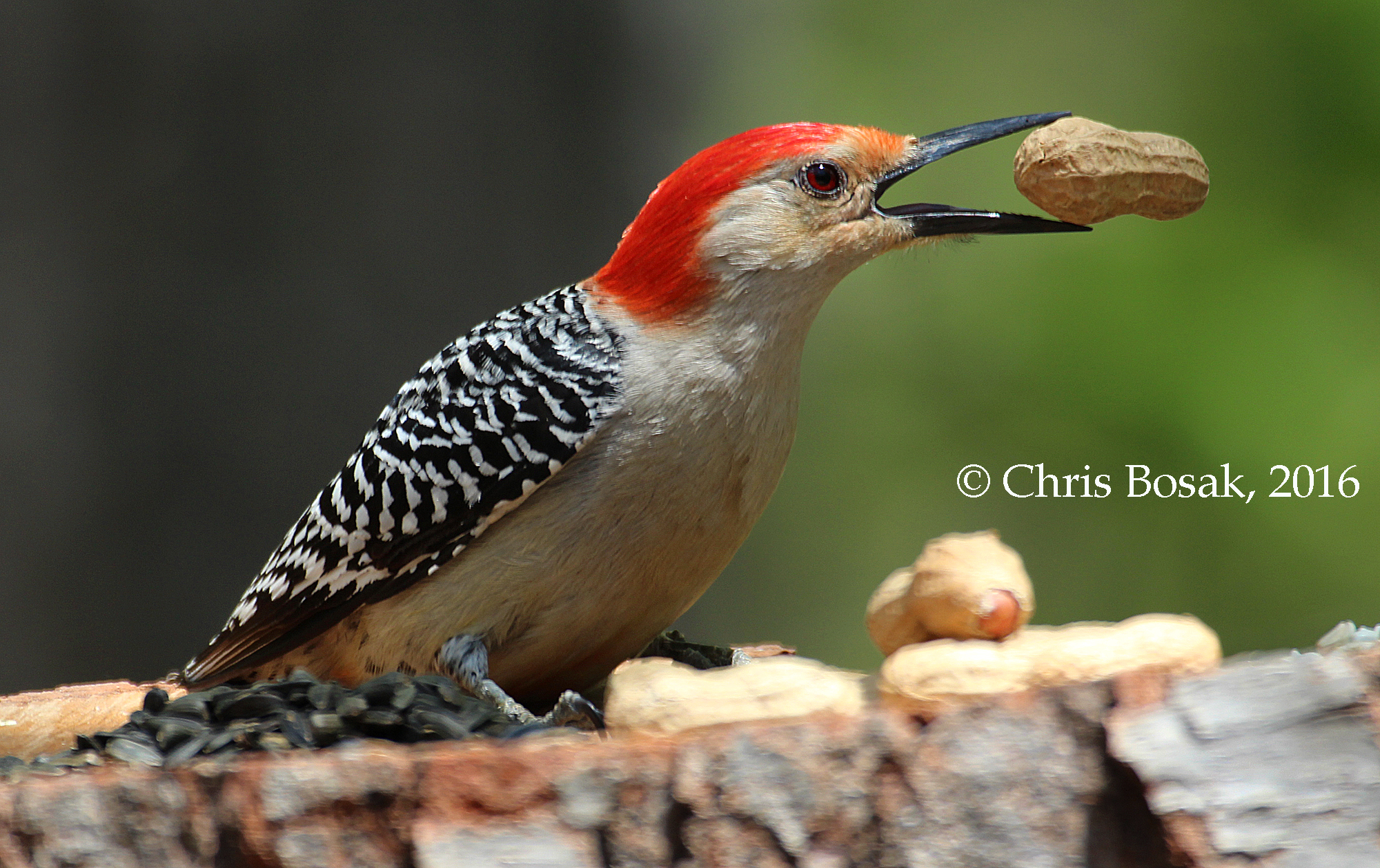
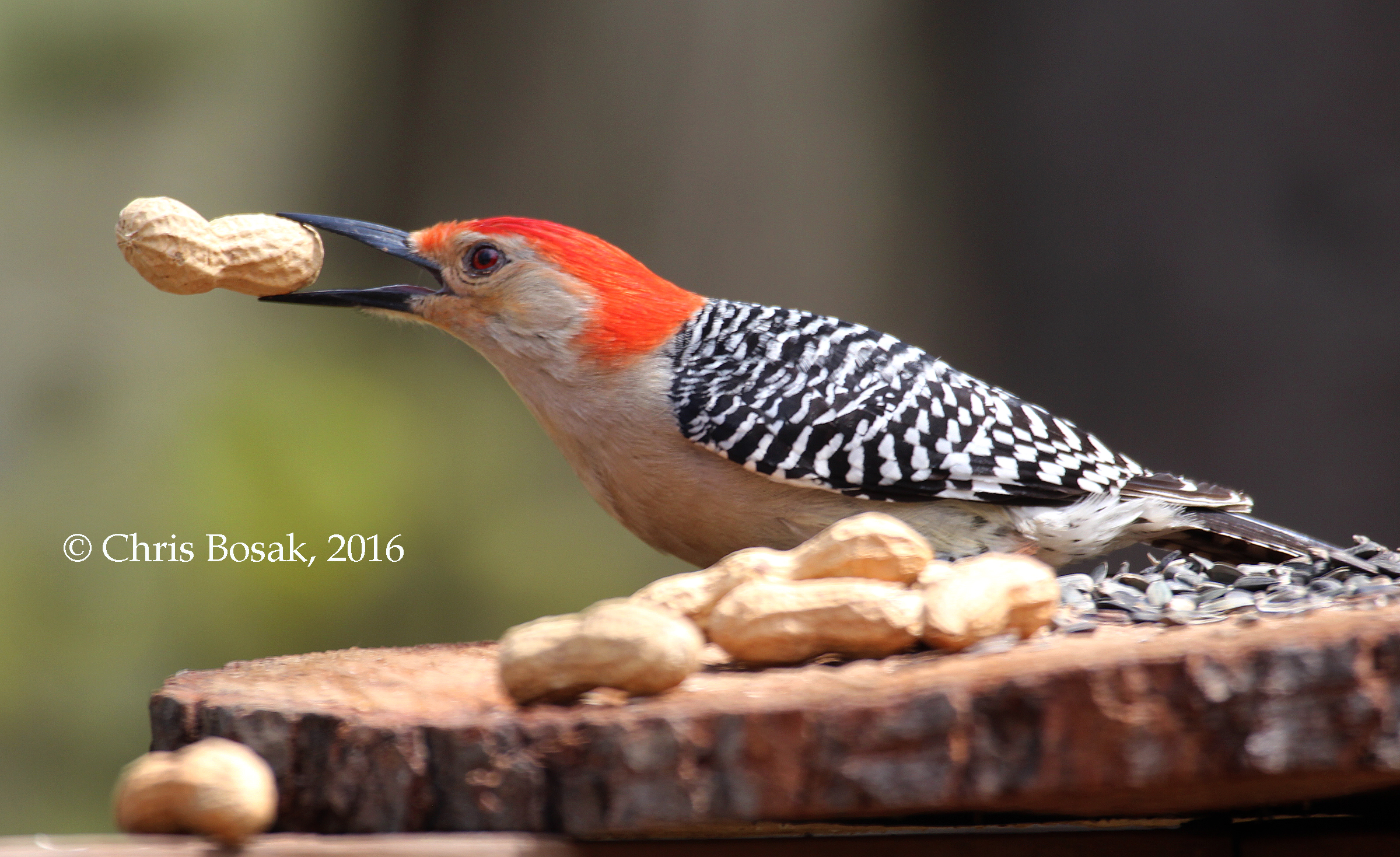
Apparently Red-bellied Woodpeckers like peanuts, too

Photo by Chris Bosak A Red-bellied Woodpecker takes a peanut from a homemade birdfeeder in Danbury, Conn., spring 2016.

Photo by Chris Bosak
A Red-bellied Woodpecker takes a peanut from a homemade birdfeeder in Danbury, Conn., spring 2016.

I wrote a few weeks ago about Blue Jays and how they love whole peanuts. They literally wait on nearby branches waiting for me to put some down on the platform feeder.

Now the Blue Jays have competition. A male Red-bellied Woodpecker discovered the peanut station and visits daily to take as many peanuts as I’ll put out there.

Here’s a few more photos of the Red-bellied Woodpecker.

Photo by Chris Bosak A Red-bellied Woodpecker perches near a homemade birdfeeder in Danbury, Conn., spring 2016.

Photo by Chris Bosak
A Red-bellied Woodpecker perches near a homemade birdfeeder in Danbury, Conn., spring 2016.

Photo by Chris Bosak A Red-bellied Woodpecker takes a peanut from a homemade birdfeeder in Danbury, Conn., spring 2016.

Photo by Chris Bosak
A Red-bellied Woodpecker takes a peanut from a homemade birdfeeder in Danbury, Conn., spring 2016.


Click here to see the post on Blue Jays.

And click here for the follow up post with more photos

Latest For the Birds column: Like an old friend

Here is my latest For the Birds column, which runs weekly in The Hour (Norwalk, Ct.) and Keene (N.H.) Sentinel.

Photo by Chris Bosak A Blue-winged Warbler seen at Fairchild Wildflower Sanctuary in Greenwich, Conn., May 2016.

Photo by Chris Bosak
A Blue-winged Warbler seen at Fairchild Wildflower Sanctuary in Greenwich, Conn., May 2016.


It was like hearing from an old friend.

I used to visit a wildflower sanctuary in southern Connecticut fairly often, especially during the spring migration. It is a great place to find migrants such as Yellow Warblers, Bobolinks, Baltimore Orioles, Scarlet Tanagers, Eastern Kingbirds and, my favorite, Blue-winged Warblers. Not only do Blue-winged Warblers look striking (bright yellow plumage with long, thin black eye stripe), but they sound otherworldly, too. Well, maybe not otherworldly, but definitely not birdlike. They sound more like an insect — a big, buzzing insect that sputters its notes at the end.

It’s a sound I used to hear often when I visited the sanctuary. I made frequent visits there when I lived in nearby Westchester, N.Y. That was more than 10 years ago now. I hadn’t been back since.

Last week, however, the stars aligned to create the perfect scenario for a return visit. I was coming from Westchester and had about two hours to kill Continue reading

A few more warblers from this spring

Photo by Chris Bosak A Black-throated Green Warbler perches in a tree in Danbury, Conn., spring 2016.

Photo by Chris Bosak
A Black-throated Green Warbler perches in a tree in Danbury, Conn., spring 2016.

Here are a few shots of warblers I got this spring but haven’t posted yet. So here they are, just kind of thrown at you in no particular order and without much description …

Oh, and there’s a few warbler shots at the end of the post that I took this year and had already posted. You can never have enough warbler photos.

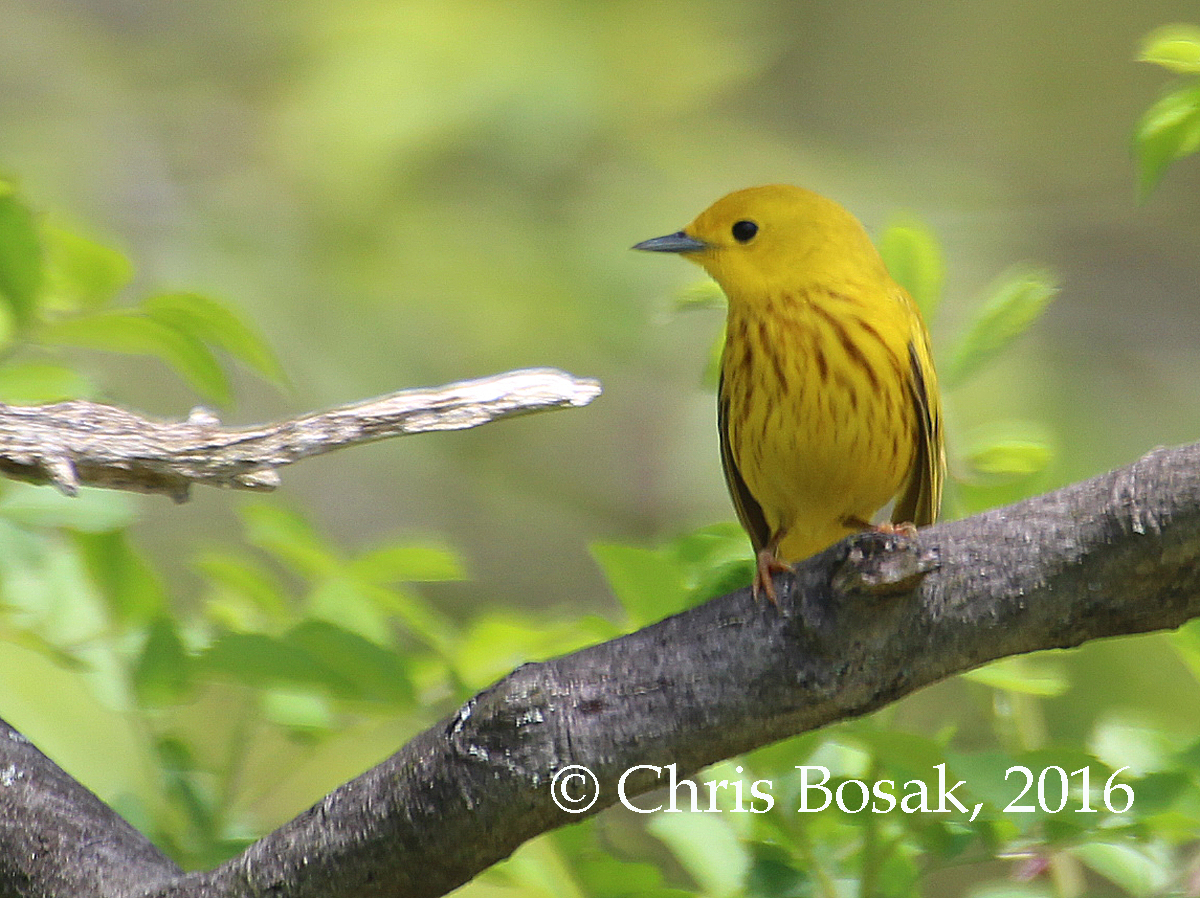
Photo by Chris Bosak A Yellow Warbler perches on a branch in Greenwich, Conn., spring 2016.

Photo by Chris Bosak
A Yellow Warbler perches on a branch in Greenwich, Conn., spring 2016.

Photo by Chris Bosak A female Yellow-rumped Warbler perches on a branch in Danbury, Conn., spring 2016.

Photo by Chris Bosak
A female Yellow-rumped Warbler perches on a branch in Danbury, Conn., spring 2016.

Photo by Chris Bosak A Blue-winged Warbler seen at Fairchild Wildflower Sanctuary in Greenwich, Conn., May 2016.

Photo by Chris Bosak
A Blue-winged Warbler seen at Fairchild Wildflower Sanctuary in Greenwich, Conn., May 2016.

Photo by Chris Bosak An Ovenbird stands on a log in Danbury, Conn., April 2016.

Photo by Chris Bosak
An Ovenbird stands on a log in Danbury, Conn., April 2016.

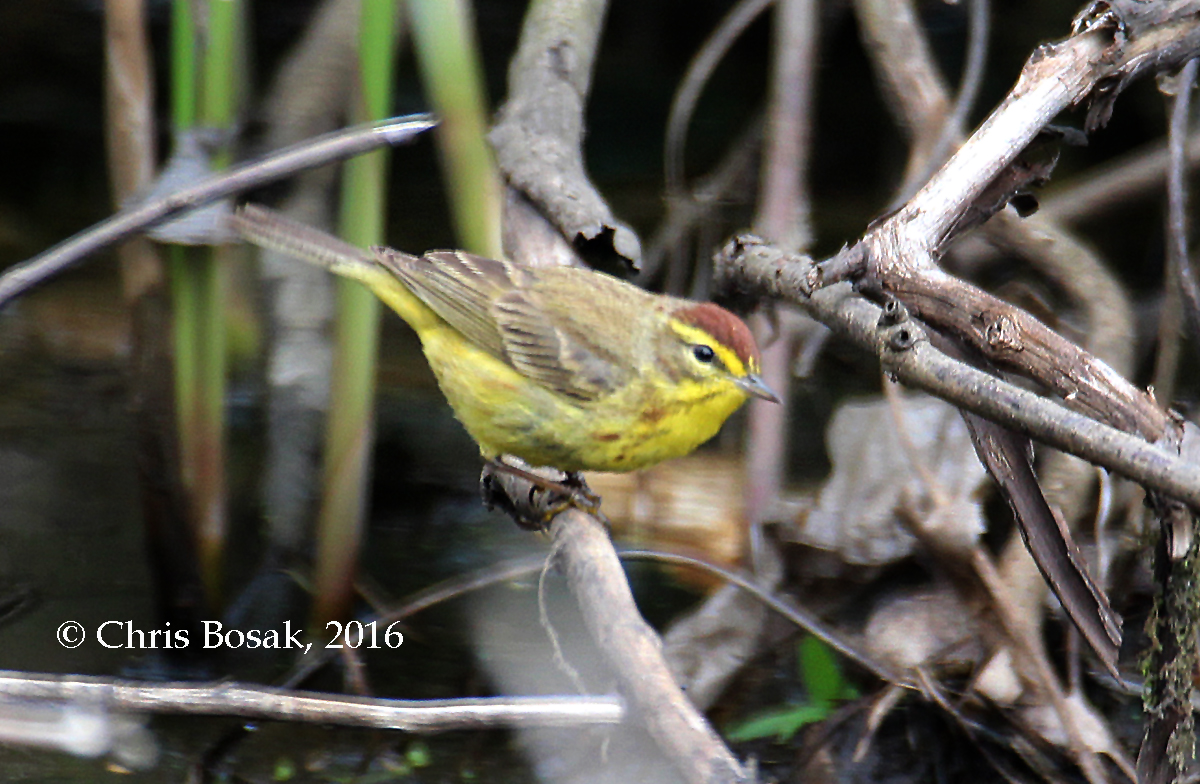
Photo by Chris Bosak A Palm Warbler perches on a branch near a pool of water in Selleck's Woods in Darien, Conn., April 2016.

Photo by Chris Bosak
A Palm Warbler perches on a branch near a pool of water in Selleck’s Woods in Darien, Conn., April 2016.

Photo by Chris Bosak A Yellow-rumped Warbler perches on a branch in Selleck's Woods, Darien, Conn., April 2016.

Photo by Chris Bosak
A Yellow-rumped Warbler perches on a branch in Selleck’s Woods, Darien, Conn., April 2016.

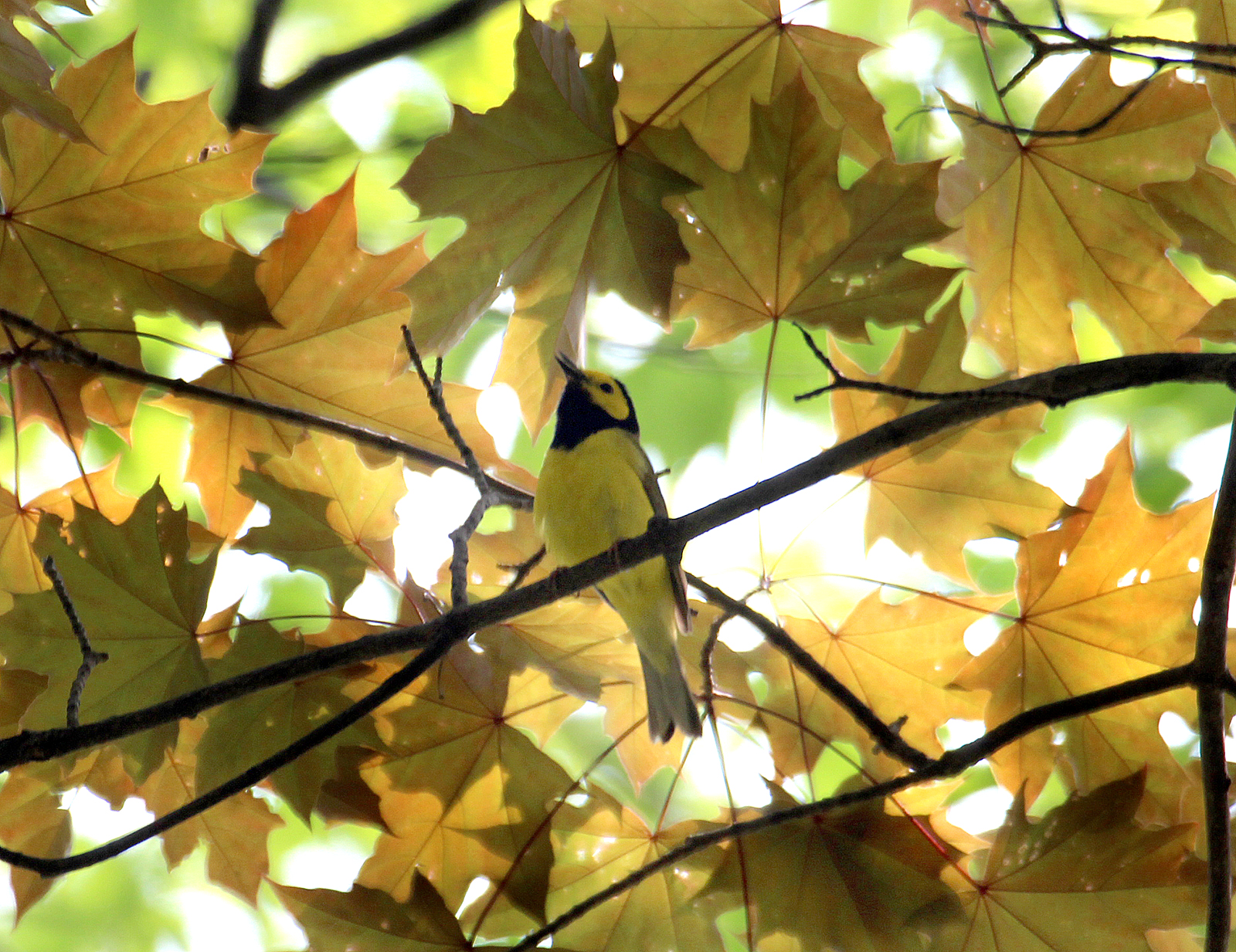
Hooded Warbler in Danbury, Ct., spring 2016.

Hooded Warbler in Danbury, Ct., spring 2016.

House Wren picks out his territory

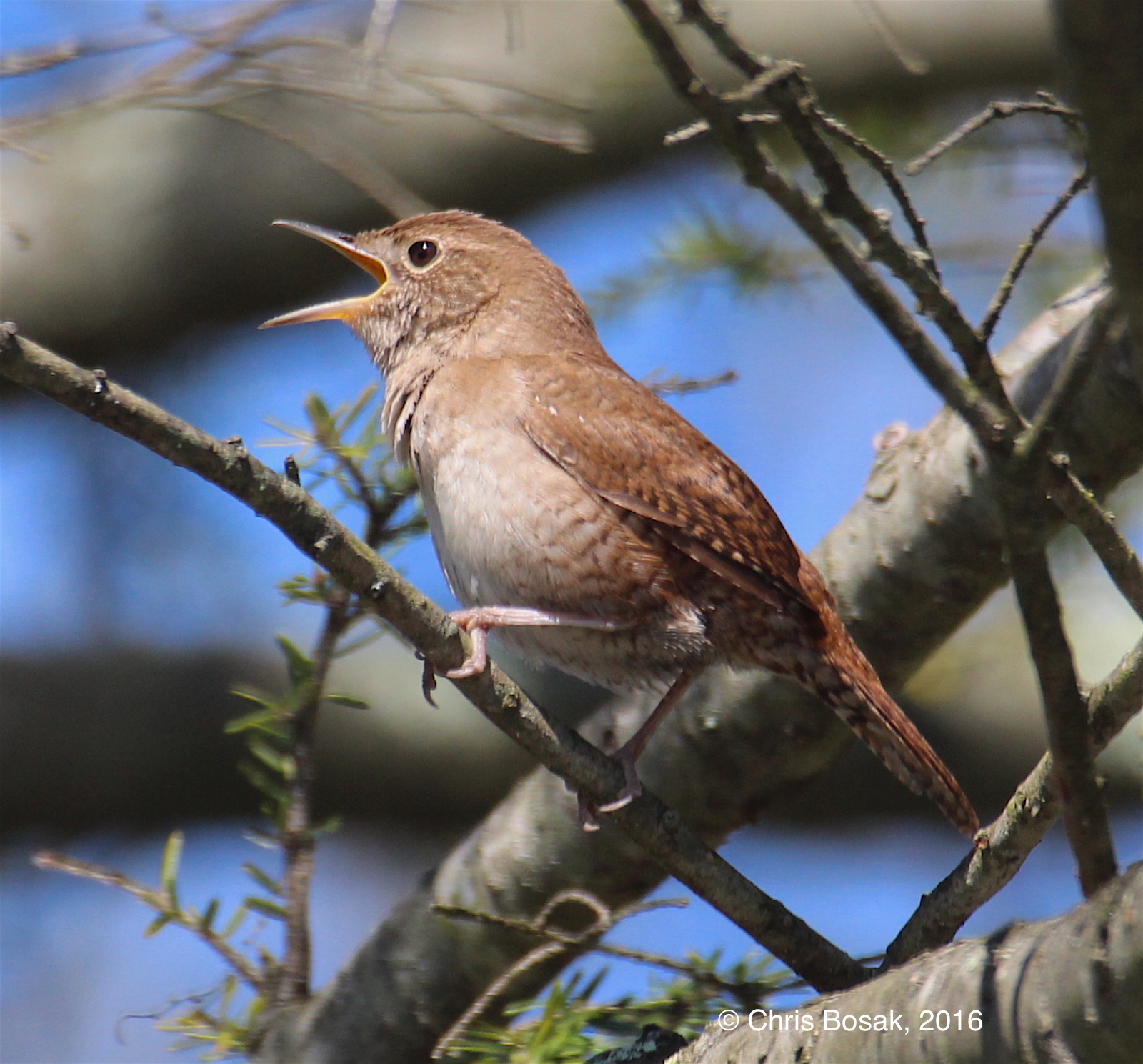
A House Wren sings in a tree during the nesting season 2016.

A House Wren sings in a tree during the nesting season 2016.

The other day I heard the familiar sound of a House Wren returning from the south and claiming his territory. He check out a few of the bird houses on my property and then perched in nearby trees to sings its song. They are loud and charismatic birds.

I watched one check out at least two houses on my property. To my knowledge, he didn’t pick either one. He didn’t even pick one to start a “dummy nest,” whereby to fool predators that may be watching the put a few sticks in house.

Oh well, there’s still time. Not every House Wren has picked its spot yet.

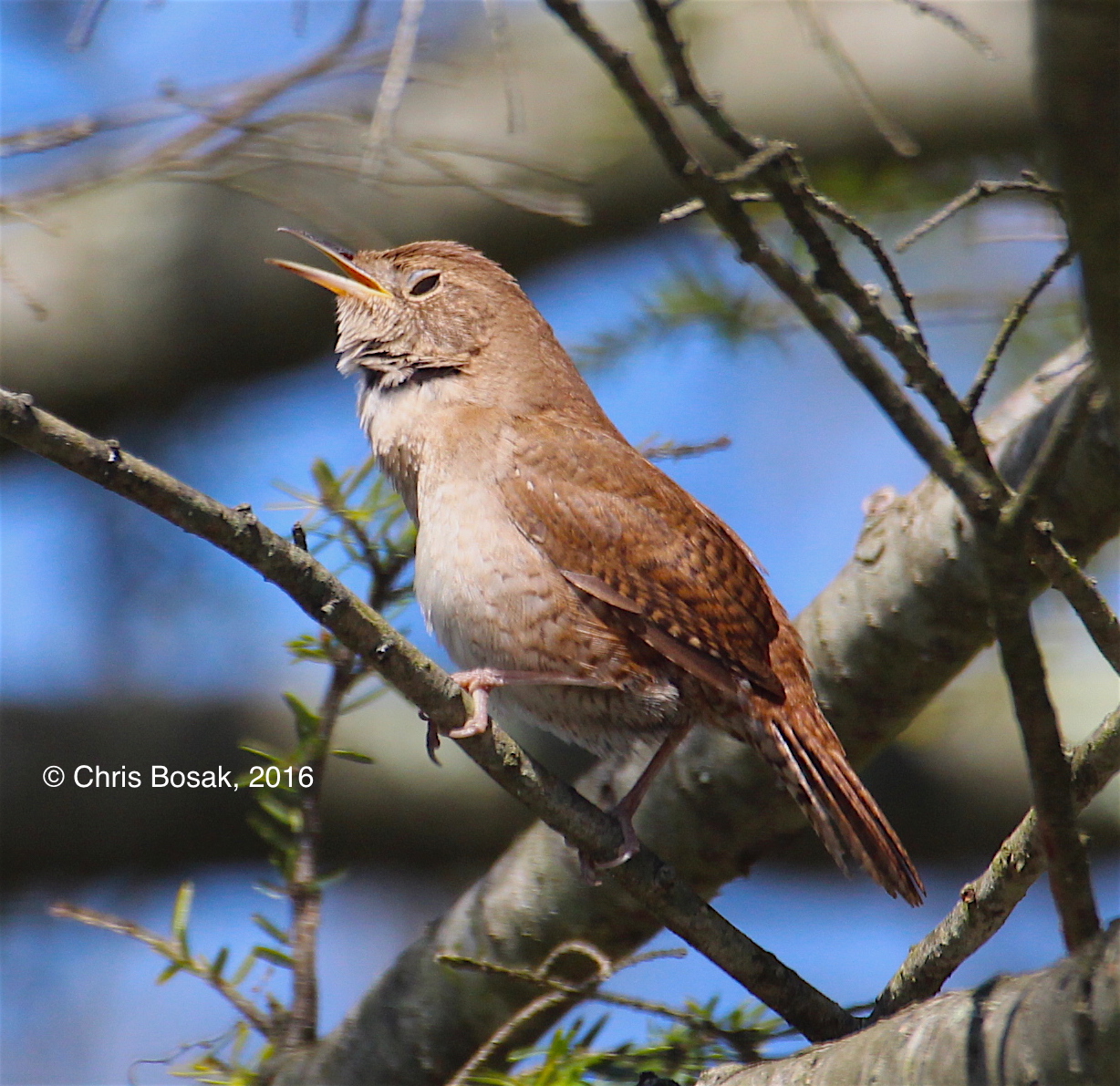
A House Wren sings in a tree during the nesting season 2016.

A House Wren sings in a tree during the nesting season 2016.

A House Wren sings in a tree during the nesting season 2016.

A House Wren sings in a tree during the nesting season 2016.

And the answer is …

Thanks for playing along with my latest birding quiz posted yesterday.

Here’s the answer … it’s a

IMG_8845

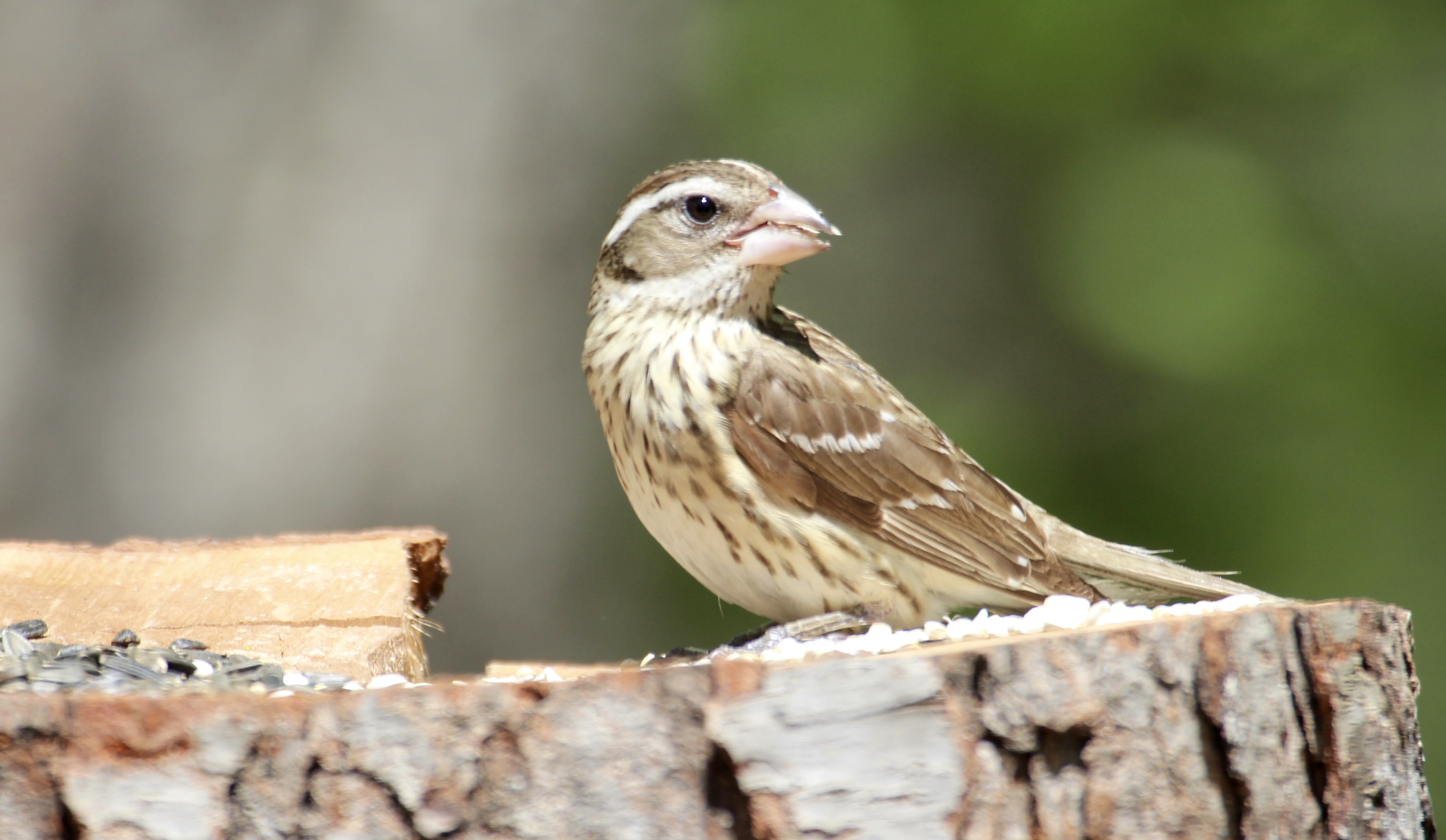
female Rose-breasted Grosbeak.

I told you it looked nothing like its male counterpart (in color anyway).

I also suggested you look at the “bulky bill,” or in this case its “grosbeak.”

Many field guides show only the male in breeding plumage, therefore making the identification of females or nonbreeding birds nearly impossible. Get a good field guide that shows all the various plumages of birds.

Below is the male Rose-breasted Grosbeak striking a similar pose. Quite a difference, huh. Good example of sexual dimorphism (when males and female have different physical characteristics.)

Photo by Chris Bosak A Rose-breasted Grosbeak visits a homemade platform feeder in Danbury, Conn., on May 6, 2016.

Photo by Chris Bosak A Rose-breasted Grosbeak visits a homemade platform feeder in Danbury, Conn., on May 6, 2016.


Birding quiz: Name the bird pictured

IMG_8845

Yes, my homemade backyard feeder did it again, drawing in another interesting bird.

So here’s a quick bird identification quiz. Seasoned birders will get it immediately. Intermediate birders may take a second, but will eventually get it. Beginning birders, if they haven’t seen one before, may be surprised at the answer (which is coming up tomorrow morning.)

Do you know it already? Awesome.

Need a hint? That’s fine, too. Here are a few hints:

It’s not a big sparrow.

It looks nothing likes its male counterpart.

Look at the bulky bill.

Send your guesses (or requests for more hints) to bozclark@earthlink.net, or just lock in your guess in your head and wait for the answer tomorrow.

Thanks for playing along.


Further proof that Blue Jays like peanuts

A continuation of my previous post about Blue Jays eating peanuts.

Photo by Chris Bosak A Blue Jay considers whether to grab a peanut from a feeder in Danbury, Conn., May 2016.

Photo by Chris Bosak
A Blue Jay considers whether to grab a peanut from a feeder in Danbury, Conn., May 2016.

Hmm, should I?

Photo by Chris Bosak A Blue Jay grabs a peanut from a feeder in Danbury, Conn., May 2016.

Photo by Chris Bosak
A Blue Jay grabs a peanut from a feeder in Danbury, Conn., May 2016.

Heck, yeah I should!