Now that’s a lot of robins!

Photo by Chris Bosak A flock of American Robins searches through the light snow near a cemetery in southern Connecticut, March 2015.

Photo by Chris Bosak
A flock of American Robins searches through the light snow near a cemetery in southern Connecticut, March 2015.

Early every spring, the robins return in force. Yes, of course many robins remain in New England all winter, but early spring marks the return of many robins that bolted for warmer temps down south.

Nowhere is that more apparent to me than a cemetery and adjacent field at town hall in Darien, CT. I drive past here nearly every day and suddenly one day in late March the fields are filled with American Robins. That day was a few days ago and the robins remain. Soon they will disperse and get down to the serious business of nesting and raising families.

That first robin of the year may not be an accurate harbinger of spring because many are with us all winter, but when the fields are full of robins … now that’s a sign of spring.

(The above photo is admittedly not the greatest, but it gives an idea of how many there are. About 50 are shown in this photo, but the field extends widely to the left and right. In all, there were about 400.)

Junco season winding down

Photo by Chris Bosak A Dark-eyed Junco perches in a tree in New England in March 2015.

Photo by Chris Bosak
A Dark-eyed Junco perches in a tree in New England in March 2015.

We love to see our first Dark-eyed Juncos of the late fall. They remind us that our winter birds have arrived and will be with us for the next several months.

Well, those months are passing by quickly and soon the junco sightings will become scarce again. So here’s a shot I took of a junco the other day. Will it be one of the last— at least until next fall?

Did you know …

• Juncos are members of the sparrow family

• There are several types of juncos in the U.S., including Slate-colored; Oregon; Pink-sided; White-winged; Gray-headed; and Red-backed. Only the Slate-colored is found in New England.


More Carolina Wrens (sorry, I can’t help myself)


Photo by Chris Bosak A Carolina Wren searches on the snow-covered ground for food in New England, Feb. 2015.

Photo by Chris Bosak
A Carolina Wren searches on the snow-covered ground for food in New England, Feb. 2015.

I know I just featured Carolina Wrens in a recent post, but I couldn’t resist posting a few more photos. I’ve seen these beautiful wrens on suet feeders and platform feeders, but I hadn’t seen them looking for food under feeding stations before. Severe weather can cause Continue reading

Clearing out my 2014 photos, Take 3: Mourning Dove close up

Photo by Chris Bosak A Mourning Dove looks for seeds under a feeder during a snowy day in Jan. 2014.

Photo by Chris Bosak
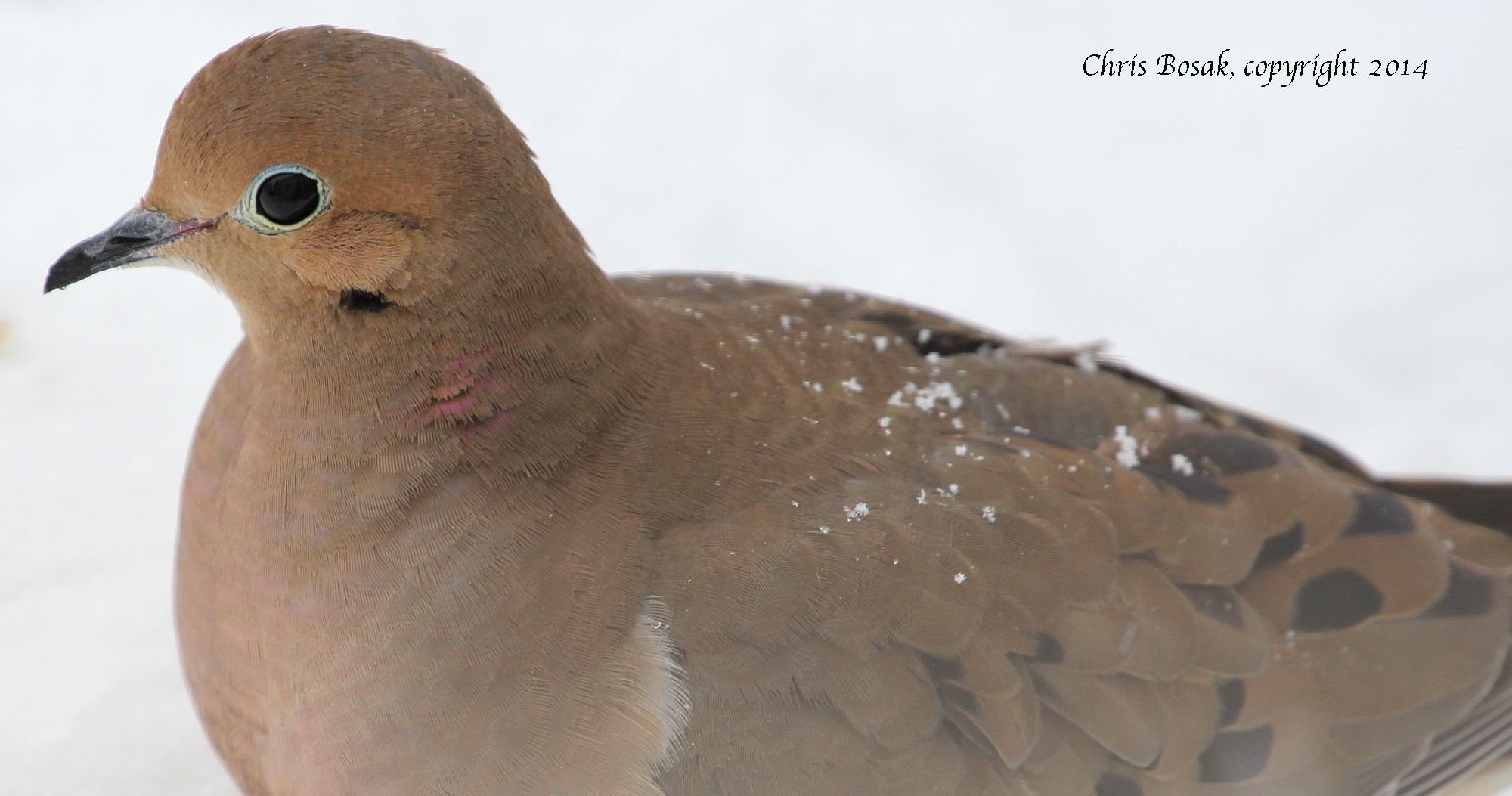
A Mourning Dove looks for seeds under a feeder during a snowy day in Jan. 2014.

Here’s my next photo in the series of 2014 photos that I never got around to looking at and posting. Here’s a Mourning Dove looking for food under my birdfeeder during a snowy day last winter. The photo was taken in January 2014. Check out the subtle colors in this beautiful bird.

Mockingbirds are liking the suet

Photo by Chris Bosak A Northern Mockingbird visits a suet feeder as snow falls in March 2014 in Stamford, CT.

Photo by Chris Bosak
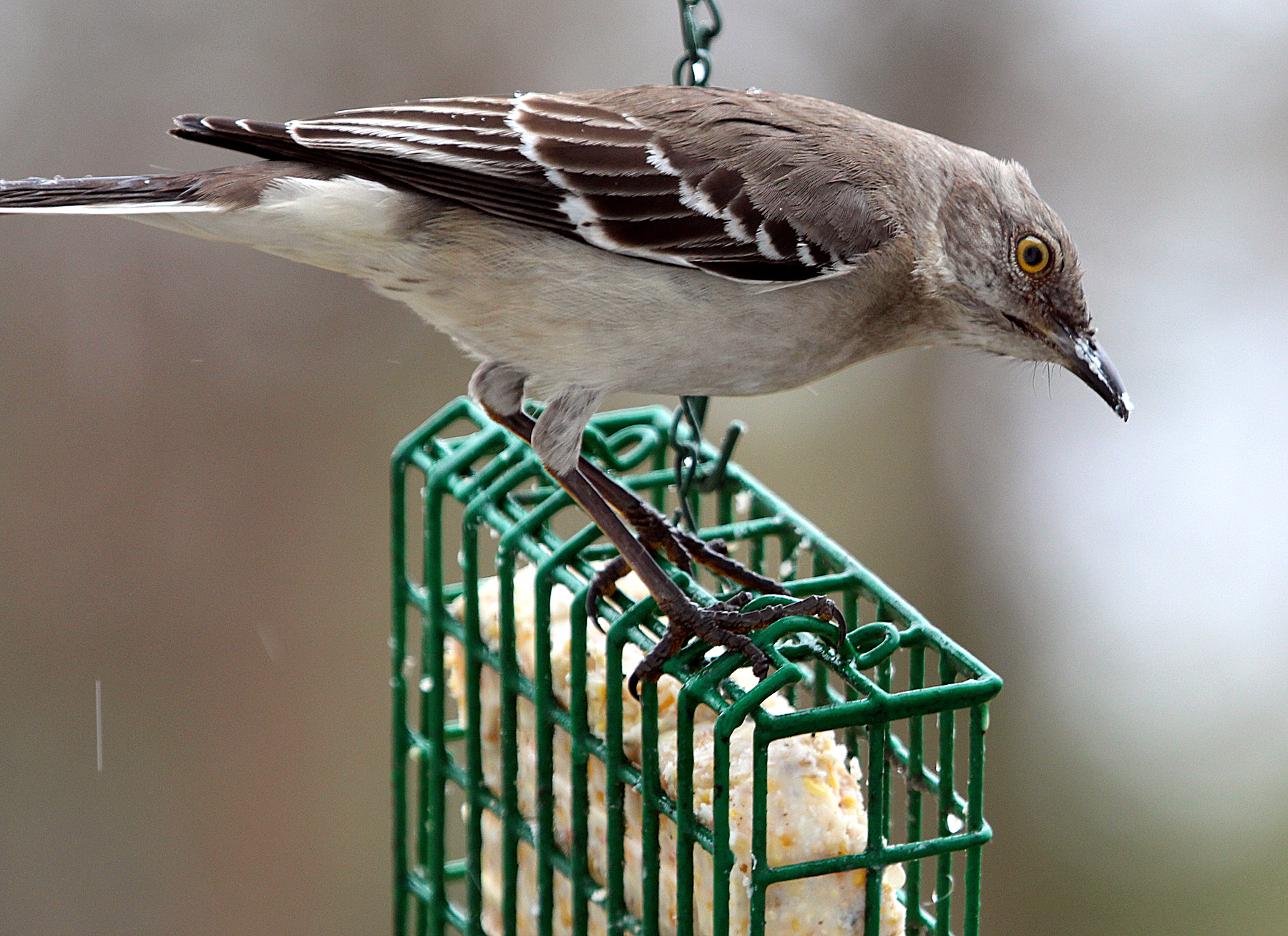
A Northern Mockingbird visits a suet feeder as snow falls in March 2014 in Stamford, CT.

It’s not often that I see Northern Mockingbirds at my feeders. I see them often enough, just not at the feeders. But for the past week or so, a pair of mockers have been regular visitors to the suet cake feeder. They split time with a pair of Downy Woodpeckers that has been visiting all winter.

Mockingbirds will begin their incredible singing performances soon. They will perch somewhere (often a very conspicuous spot) and sing their hearts out, going over their repertoire over and over. As its name suggests, the song is a long string of other birds’ calls. Personally, I always hear mockers include the Carolina Wren’s “tea kettle” song in their mix.

Have a mockingbird story? Feel free to comment. Thanks for visiting http://www.birdsofnewengland.com

David Allen Sibley talks about the Snowy Owl irruption

Photo by Chris Bosak A Snowy Owl flies across the beach at The Coastal Center at Milford Point in early March 2014.

Photo by Chris Bosak
A Snowy Owl flies across the beach at The Coastal Center at Milford Point in early March 2014.

I’ll post parts of my David Allen Sibley interview throughout the next few weeks. Here he talks about the great Snowy Owl irruption of winter 2013-14.

Another Snowy Owl sighting in this historic year

Photo by Chris Bosak A Snowy Owl sits on an old telephone pole at The Coastal Center at Milford Point in early March 2014. Smoke stacks in Bridgeport loom in the background.

Photo by Chris Bosak
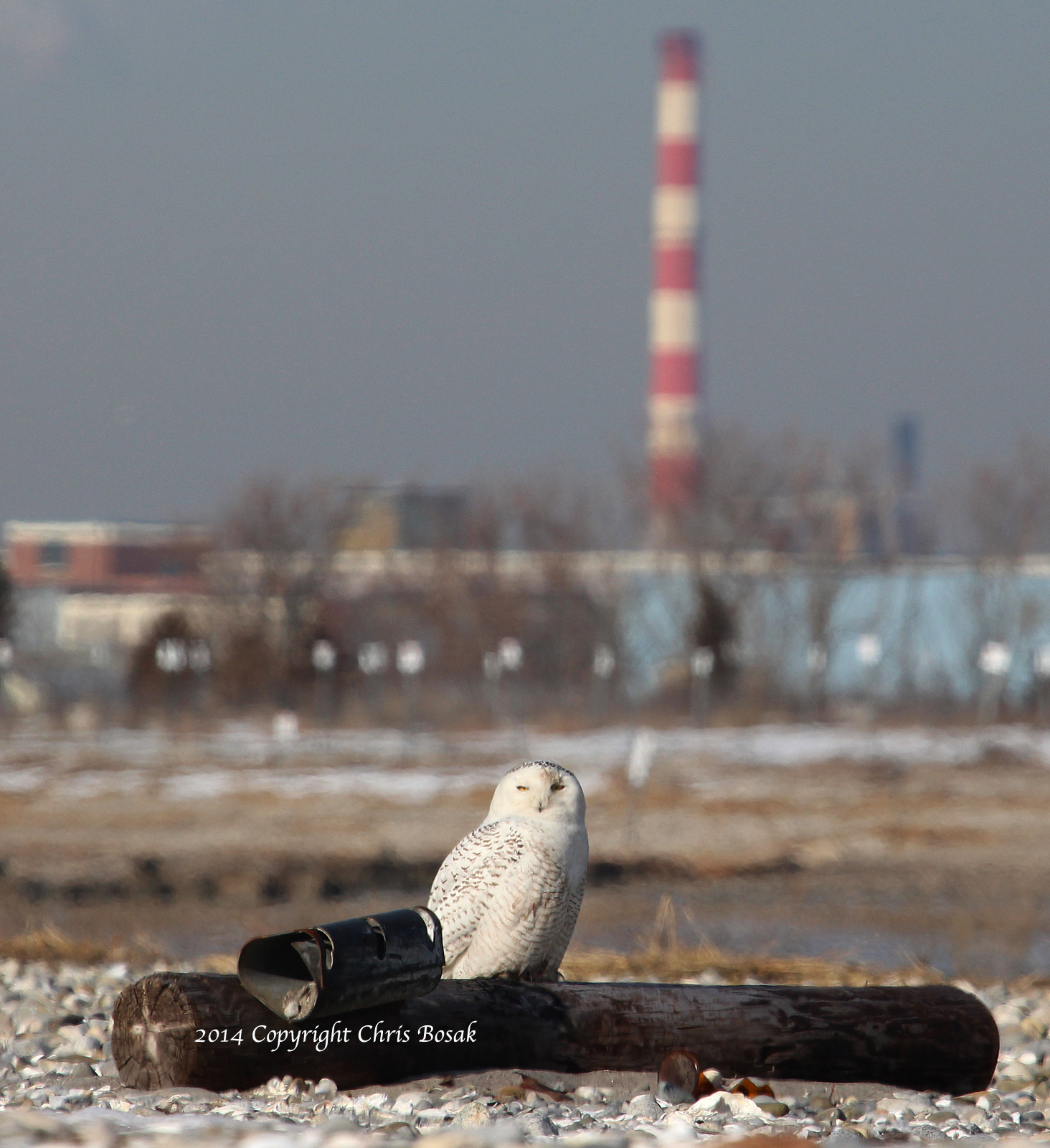
A Snowy Owl sits on an old telephone pole at The Coastal Center at Milford Point in early March 2014. Smoke stacks in Bridgeport loom in the background.

It’s no secret by now that this is a historic winter for Snowy Owl sightings throughout New England and beyond. Snowy Owls are large owls that breed in the Arctic. The irruption of Snowies has gained the attention of nearly all media outlets — small, medium and large; newspapers, magazines, radio and television.

It’s hard to ignore such an avian happening. A couple Snowy Owl sightings in a New England winter is the norm. This year there have been dozens, perhaps hundreds. The most recent Audubon magazine has a great article by Scott Weidensaul. I highly recommend reading it.

I saw my first Snowy Owl of this winter in December in Westport, Conn. I saw a few more in January and February in Milford and Stratford, Conn.

On March 1 I had perhaps my best Snowy Owl sighting of the year. It was at the Coastal Center at Milford Point in Milford, Conn. The owl was on the beach and, while I photographed it from a distance, other beach walkers flushed the impressive bird on occasion. Because of the owl’s impressive size I was able to relocate it each time. Such an impressive bird.

My hope is that as many of these beautiful birds as possible make it back to the Arctic. Perhaps they’ll visit us again another winter.

Enjoy these photos. I hope to have a short video ready soon.

Photo by Chris Bosak A Snowy Owl flies across the beach at The Coastal Center at Milford Point in early March 2014.

Photo by Chris Bosak
A Snowy Owl flies across the beach at The Coastal Center at Milford Point in early March 2014.

More photos below (click on “continue reading.”)

Continue reading

Yes, more Hooded Merganser photos

Over the years I’ve taken tons of Hooded Merganser photos. I just love those little ducks and find them infinitely interesting.

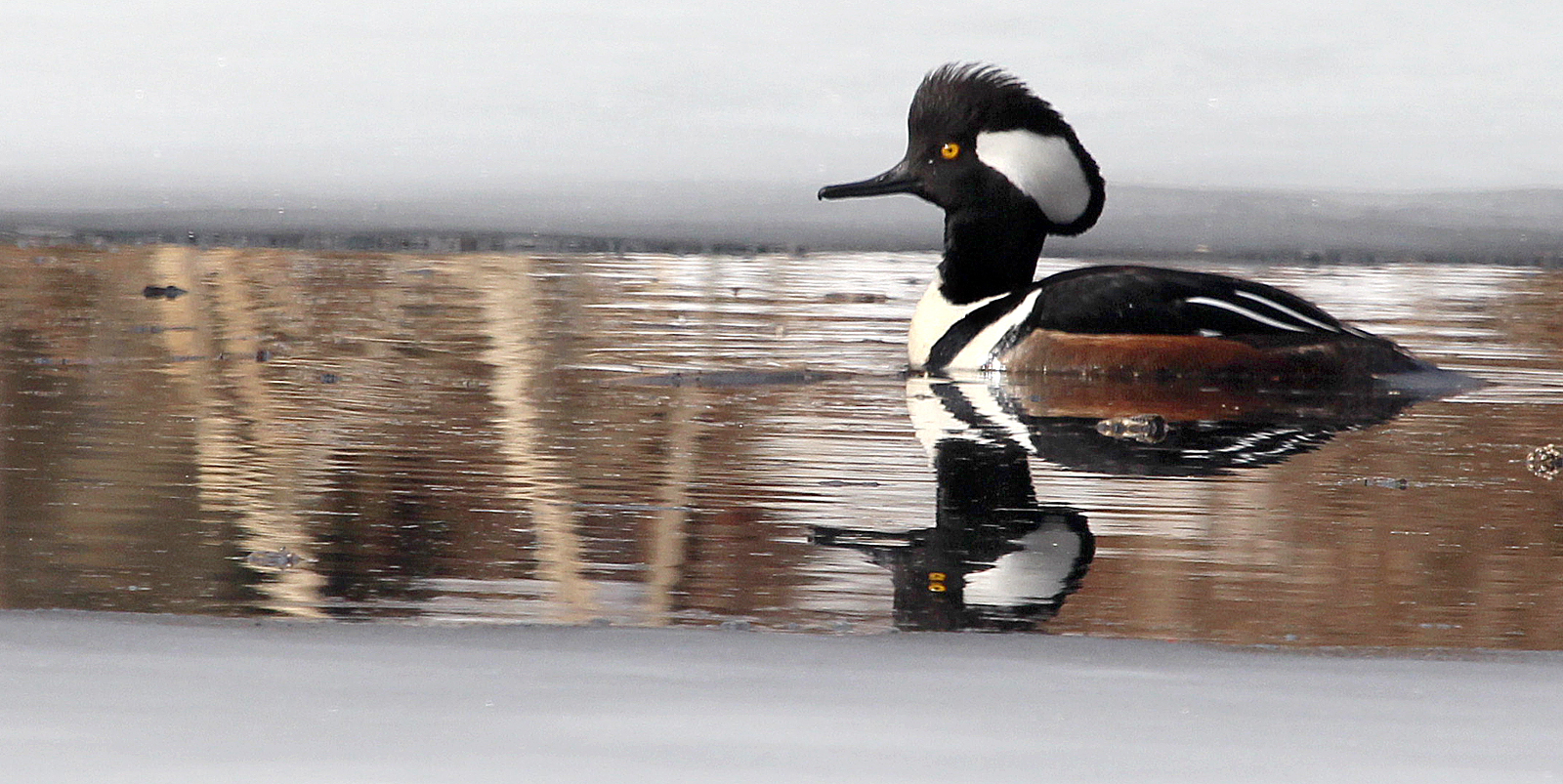
So this weekend, what did I do? I took more Hooded Merganser photos, of course. About five males and four females were utilizing a small pool of unfrozen water on an otherwise frozen lake at Sellecks/Dunlap Woods in Darien, Conn. The males were not displaying, but that time is coming soon. (A video I took last winter of their breeding display behavior is included at the bottom of this post.)

Here are the latest. (Remember, you can always send me your bird photos and I’ll include them on my “Reader Submitted Photos” page. Send me your photos at bozclark@earthlink.net.

Now for those hoodies:

Photo by Chris Bosak Hooded Mergansers swim in a small unfrozen section of water at Selleck's/Dunlap in Darien, Conn., in Feb. 2014.

Photo by Chris Bosak
Hooded Mergansers swim in a small unfrozen section of water at Selleck’s/Dunlap in Darien, Conn., in Feb. 2014.

Photo by Chris Bosak A Hooded Merganser swim in a small unfrozen section of water at Selleck's/Dunlap in Darien, Conn., in Feb. 2014.

Photo by Chris Bosak
A Hooded Merganser swim in a small unfrozen section of water at Selleck’s/Dunlap in Darien, Conn., in Feb. 2014.

More photos below …

Continue reading

A few of my snow birds

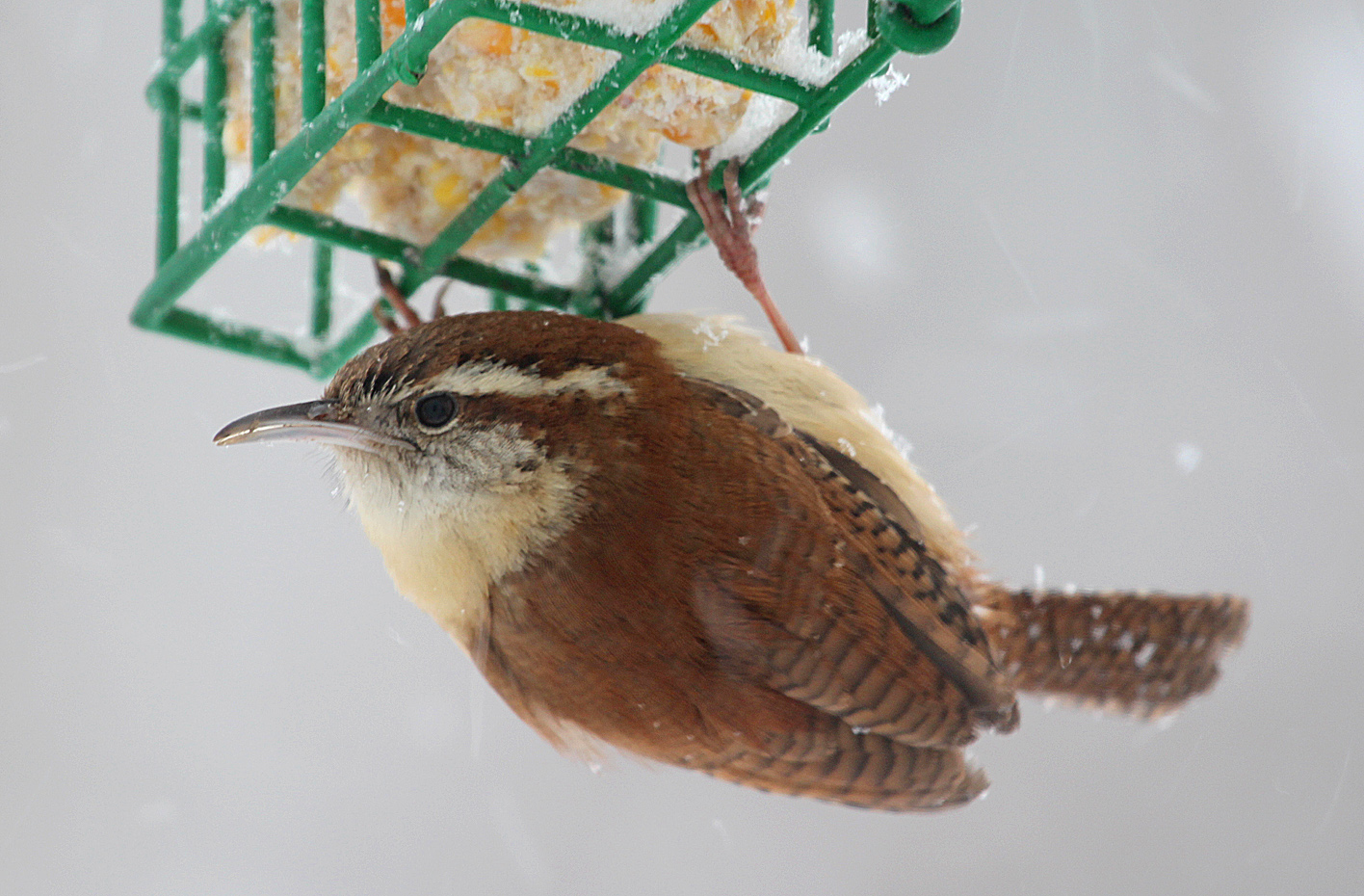
Photo by Chris Bosak A Carolina Wren holds onto the bottom of a suet cage during the February 13, 2014, snowstorm.

Photo by Chris Bosak
A Carolina Wren holds onto the bottom of a suet cage during the February 13, 2014, snowstorm.

Photo by Chris Bosak An American Tree Sparrow perches near a feeding station during the snowstorm of Feb. 13, 2014.

Photo by Chris Bosak
An American Tree Sparrow perches near a feeding station during the snowstorm of Feb. 13, 2014.

It was a busy day at the feeder on Thursday as snow fell hard and steady in the morning and afternoon in New England. It was a beautiful scene and I’m sure it played out at many feeding stations throughout the region.

I had the juncos, White-throated Sparrows, cardinals, and Mourning Doves I expected, but I didn’t see a single chickadee, titmouse or nuthatch. Very odd for winter snow day. Starlings and House Sparrows also paid a visit.

The biggest surprises were a Carolina Wren (actually, not too big of a surprise, but a welcomed sight for sure) and an American Tree Sparrow. Tree Sparrows come down to southern New England in the winter, but they are not often seen at feeders. This guy made a few brief visits, but never got real comfortable and was easily chased away by other feeder birds.


Many people are sick of the snow, I’m sure, but I love it when it comes to birding.

All in all, a good day at the feeders. How did you do with your feeders? Post a comment, or better yet, send me a photo to bozclark@earthlink.net and I’ll use it in the “Reader Submitted Photos” page on this site. 

Birds and the cold and snow

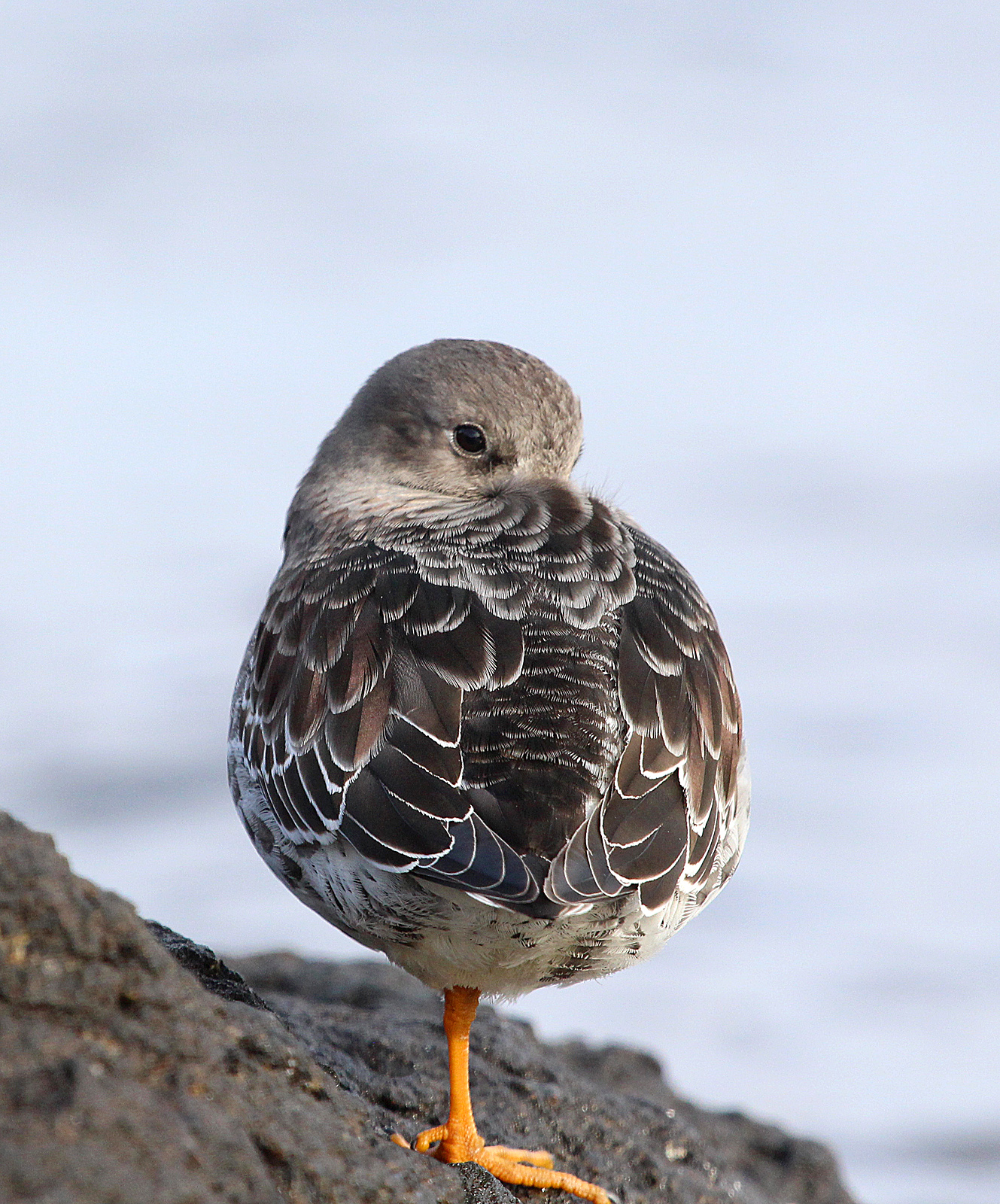
Photo by Chris Bosak Purple Sandpiper on rocky island off the coast of Darien, CT. (Dec. 2013)

Photo by Chris Bosak
Purple Sandpiper on rocky island off the coast of Darien, CT. (Dec. 2013)

Here we go again. Another snowstorm is due to hit New England tonight. That mean’s slippery roads and canceled school (if you’re a pessimist) or sled riding and canceled school (if you’re an optimist or kid).

It also means another tough night for our birds. But don’t fret, the birds will be just fine. They’ve been surviving our winters for years and years and will continue to do so.

Here’s my latest For the Birds column about how birds survive winters such as this:

Granted it’s been only three winters since The Hour has moved its offices to East Norwalk along the Norwalk River, but this is clearly the longest the river has been frozen over in that time. Instead of seeing rippling water and the accompanying ducks, geese and swans I usually see, for the last few weeks I’ve looked out the window and seen only a wide, serpentine-like expanse of white. Yes, this winter has been a tough one in New England. Extended freezing temperatures, short thaws (if any at all) and lots of snow. Humans can simply crank up the heat in their cars and homes if they are cold. But what about the birds? How do they survive tough winters like this? Birds and other animals have been surviving harsh winters for eons. True, a small percentage of birds will perish during the winter. This is particularly true of individual birds of a species that typically heads south for the winter. Most Great Blue Herons move south for the winter. Some stick around New England and brave the cold.

To read the rest, click here.