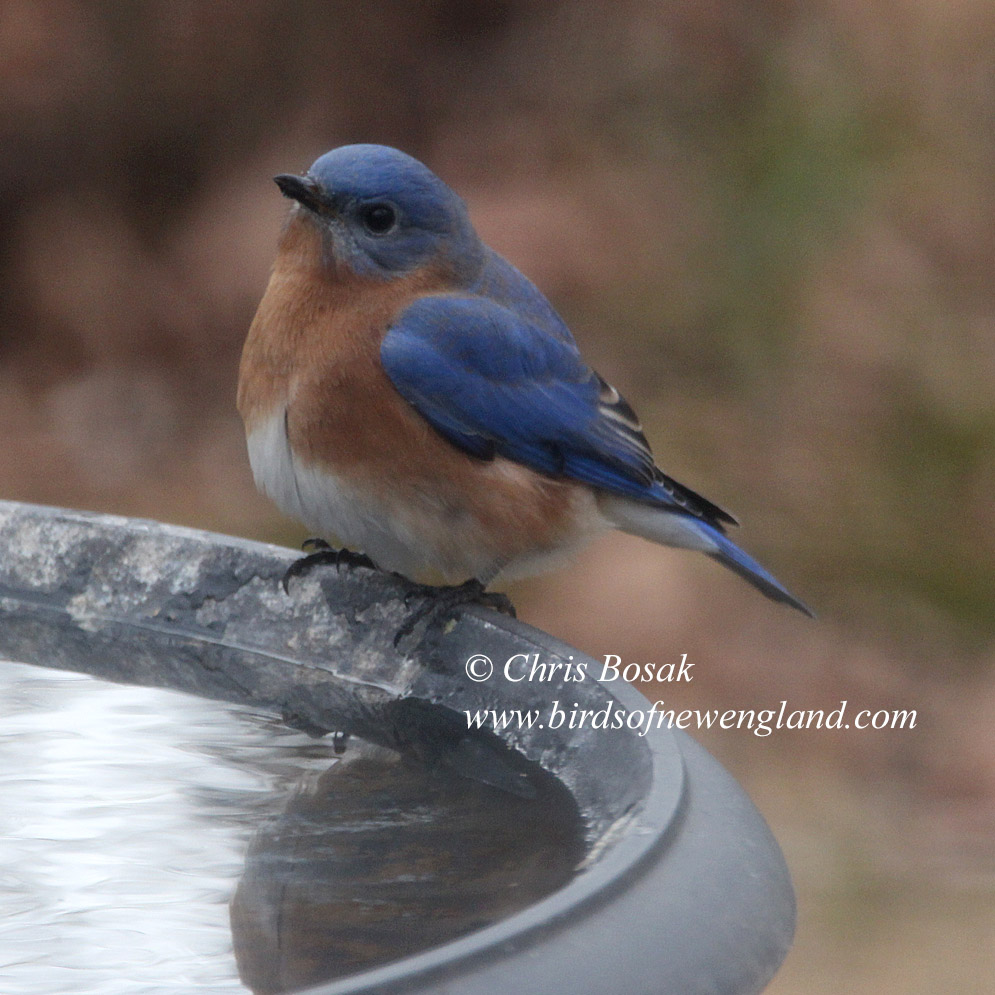
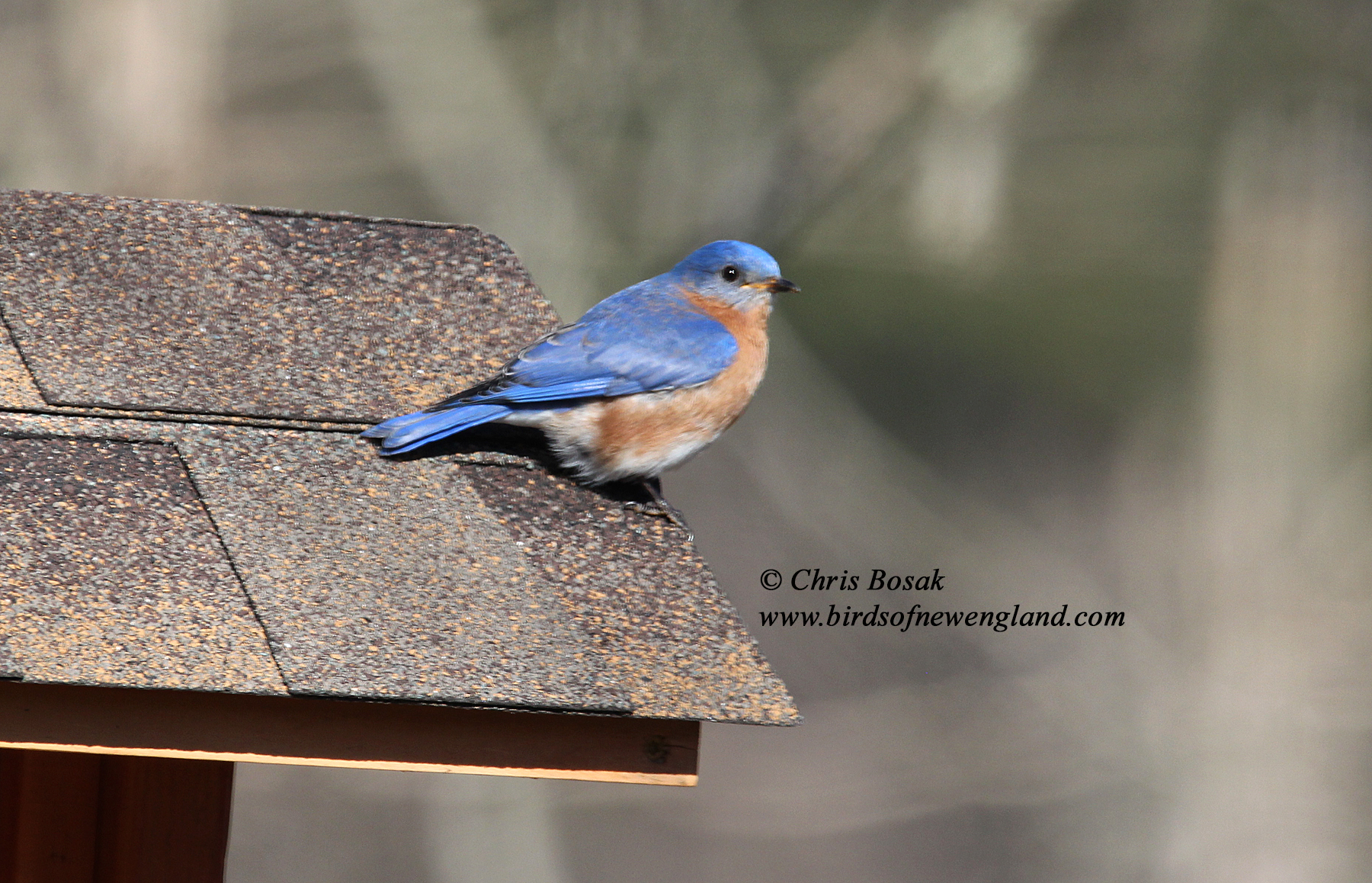
I had a nice bird walk this weekend and found 24 species in the bitter cold. When I got home, I was treated to a surprise eastern bluebird sighting in the yard. Below, a winter wren was one of the highlights of the walk.
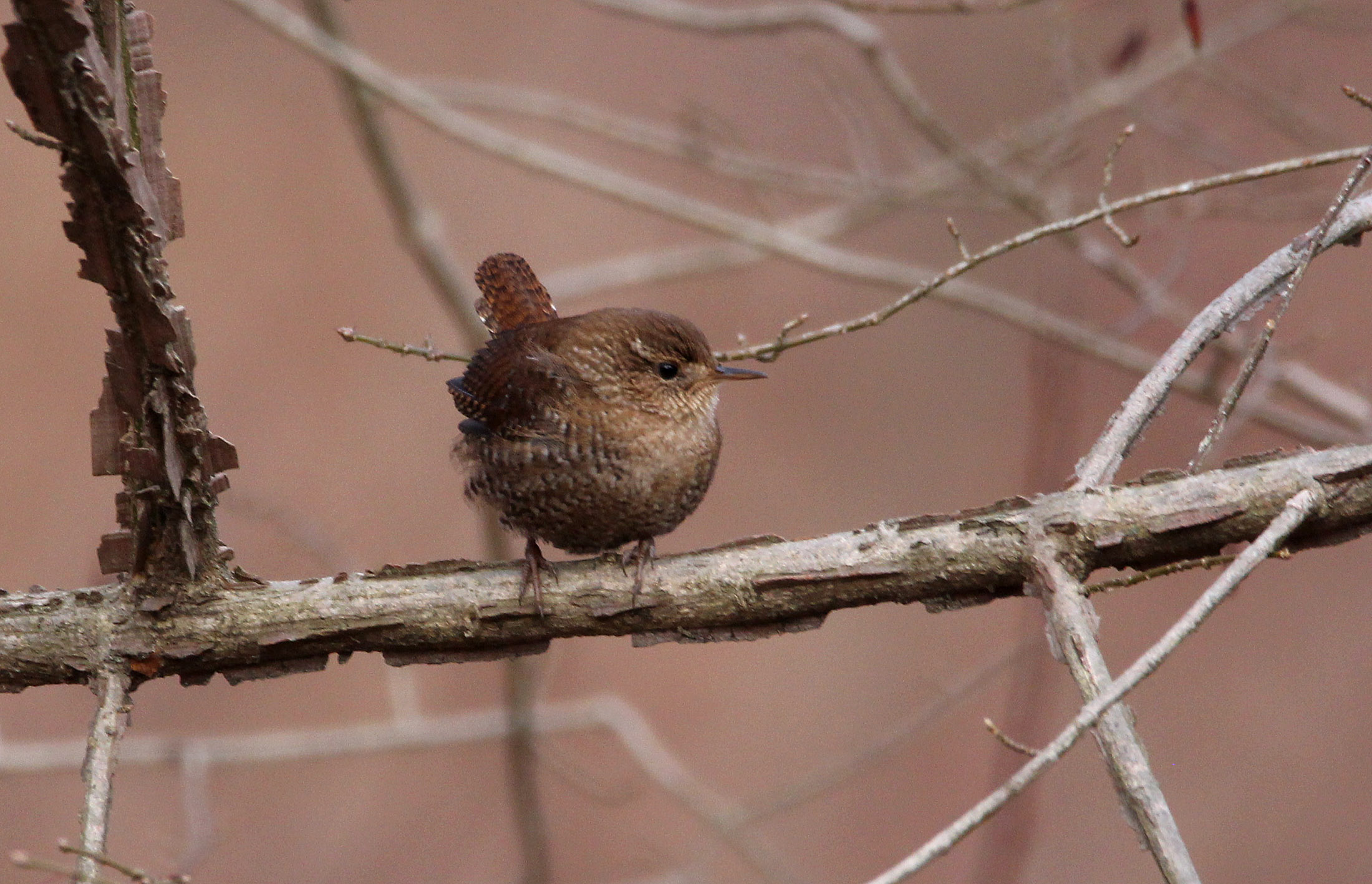

I had a nice bird walk this weekend and found 24 species in the bitter cold. When I got home, I was treated to a surprise eastern bluebird sighting in the yard. Below, a winter wren was one of the highlights of the walk.

I agreed to house- and dog-sit for a friend recently. I had never been to the house before so when I parked in the driveway, I did what I always do upon visiting a house for the first time: evaluate the birding potential of the yard.
When I visit a home in a city or busy part of a suburb, I don’t expect much but remain optimistic. Sometimes I’m disappointed and sometimes I’m pleasantly surprised. If the house is in a rural area, I assume the best and expect to spend many enjoyable hours on the porch or deck listening to and watching birds.
This particular house was in “the country” and lived up to all expectations.
Continue reading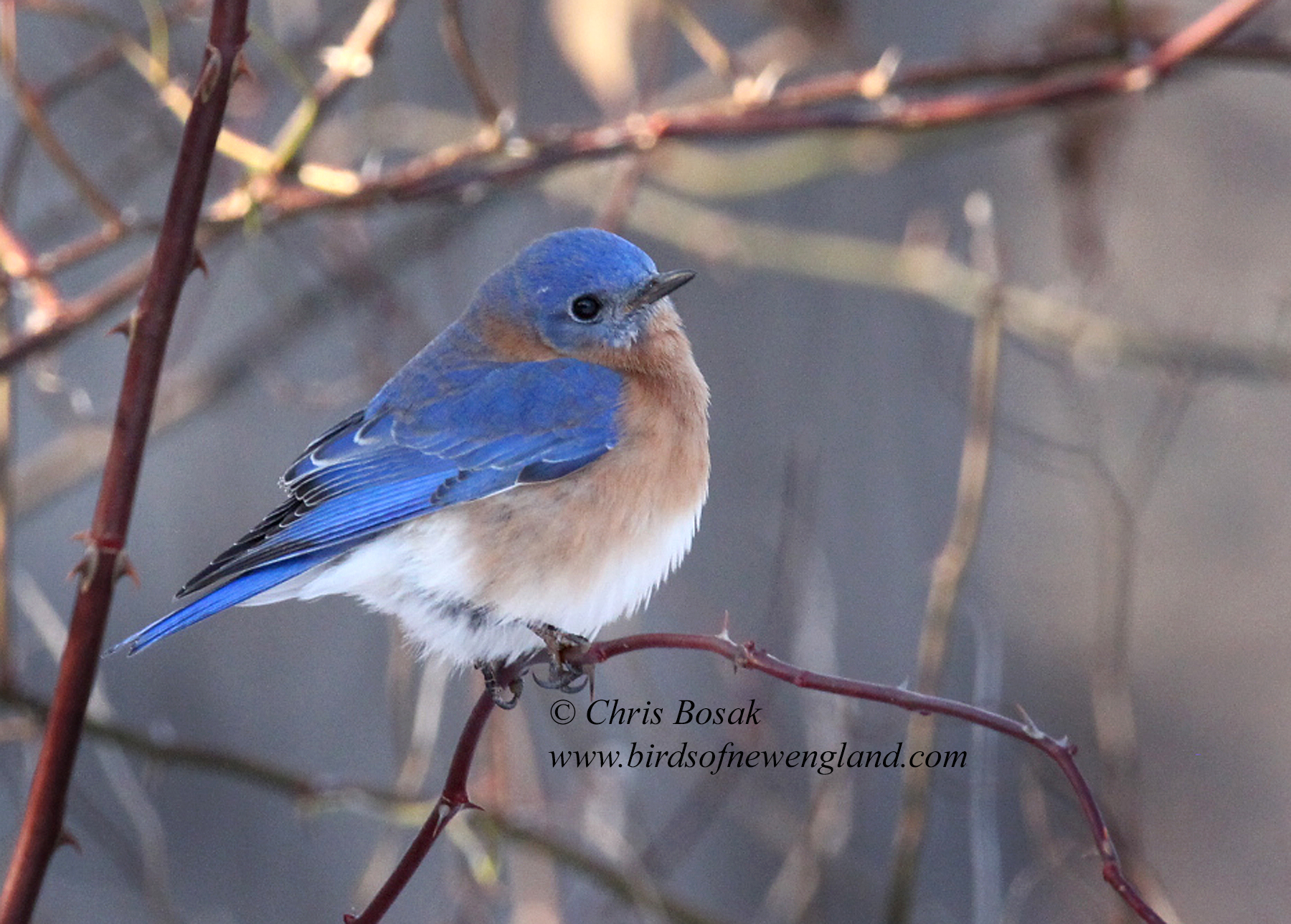
Beautiful sights in nature can be long-lasting or fleeting. Sometimes a split second is all it takes to leave an impression.
A beautiful view from a mountaintop is always there. You could hike to the top of Mount Monadnock or Mount Washington and enjoy the panoramic splendor today, tomorrow or next month. The view will always be there. Sure, it will change with the seasons and weather, but the mountain isn’t going anywhere. You could plan months or even years ahead and count on seeing the beautiful view.
An awe-inspiring sunrise or sunset is more fleeting. First of all, there is no guarantee a gorgeous sunrise or sunset will happen at all. But when you do happen to catch one, the view lasts for 20 or 30 minutes. You could grab a seat and watch the show until it is either dark or light, depending on whether it’s a sunrise or sunset.
With birdwatching, most memorable sights are fleeting, and unless you are visiting a zoo or nature center, there are no guarantees. There are some almost certainties, such as a hawk watch location in the fall or a bald eagle watching spot in the winter, but those sightings are mostly fleeting. During a hawk watch, the bird is spotted as it approaches, observed as it flies overhead and then disappears into the distant sky. Eagle watches can offer a longer view as the large birds rest in trees near the water, but they can take off at any time.
Continue reading
Before this recent string of sunny days, it seemed like it had been weeks since the sun had shown itself. It was gray day after gray day with some of the days made even more gloomy with cold rain. On a walk during one of those gray days, I spotted a flock of bluebirds darting from tree to tree and from tall grass to tall grass in an adjacent field. While most of the flock kept their distance, this drab adult bluebird didin’t mind my presence and let me grab a few portraits.


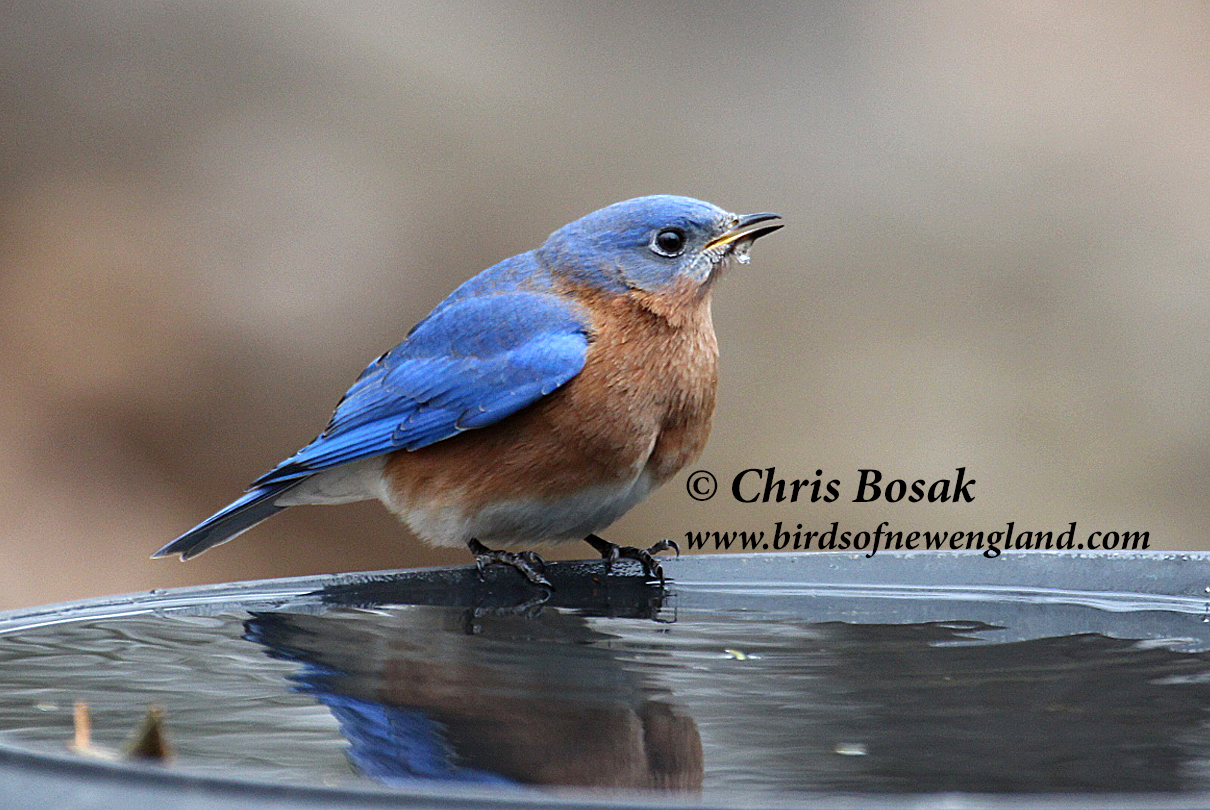
I’ve been getting quite a few emails about bluebirds lately. I see that as a good sign about the rebounding eastern bluebird population.
Cornell Lab of Ornithology’s AllAboutBirds.com, my go-to website for information about North American birds, says the eastern bluebird is a species of “low concern.” The site reads, “Eastern Bluebird populations fell in the early twentieth century as aggressive introduced species such as European Starlings and House Sparrows made available nest holes increasingly difficult for bluebirds to hold on to. In the 1960s and 1970s, establishment of bluebird trails and other nest-box campaigns alleviated much of this competition, especially after people began using nest boxes designed to keep out the larger European Starling. Eastern Bluebird numbers have been recovering since.”
Continue reading
Here are a few more photos of the eastern bluebirds I saw at the cemetery a few weeks ago. Here’s the original post with story.

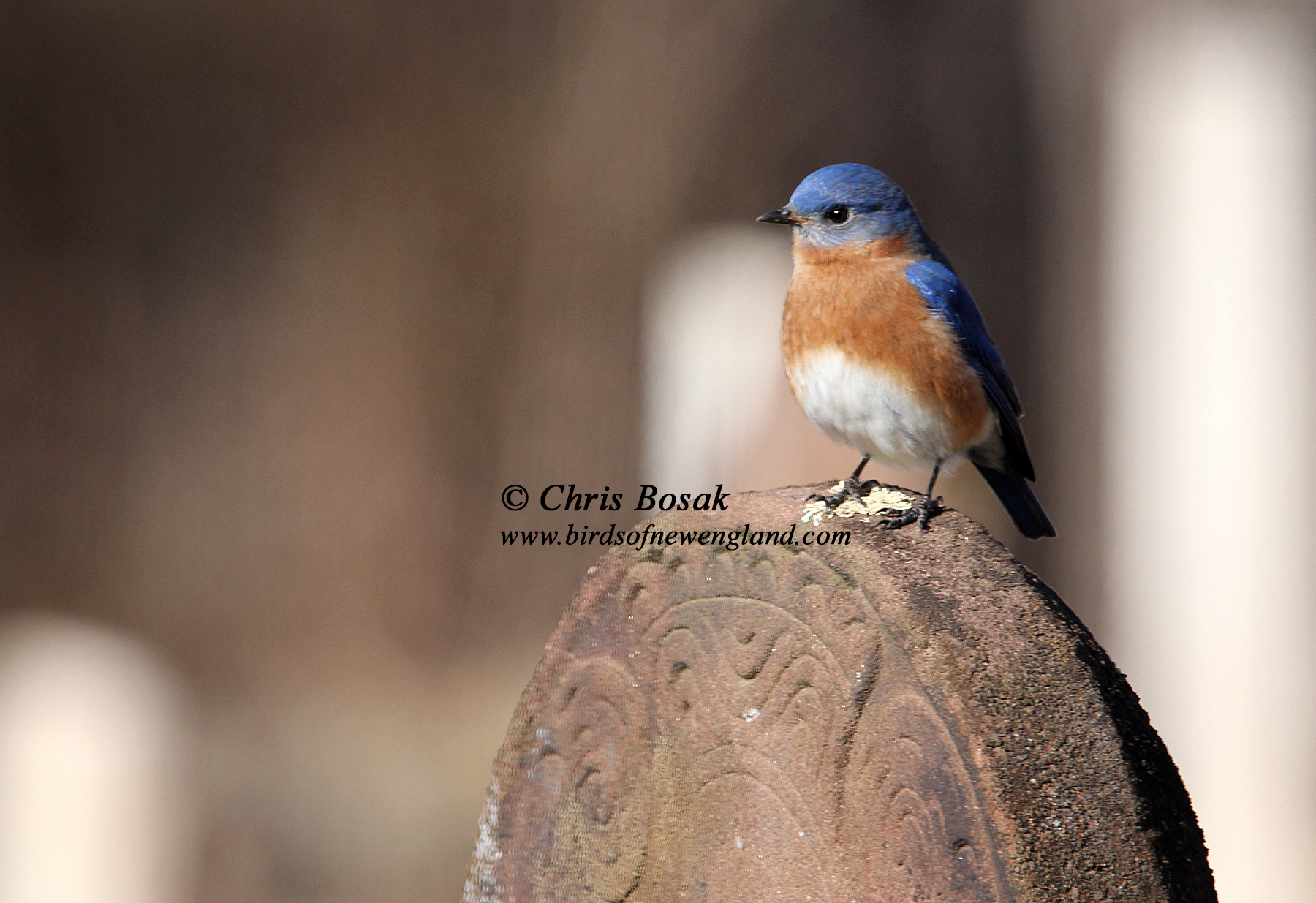
It looks like another Winter of the Bluebird.
In recent years, I have proclaimed our coldest season as the Winter of … whatever bird is being seen in unusually high numbers that winter. I remember the Winter of the Snowy Owl in 2014 and the Winter of the Barred Owl in 2019 (that winter was crazy with all the owls being seen throughout New England.) Juncos and robins have also made the list.
But this year, for the second time in three years, it has to be the Winter of the Bluebird. It is the first repeat selection. I should probably mention here that this is strictly my own proclamation based on my personal experiences and emails received from readers. There is absolutely nothing scientific about this.
I’ve seen bluebirds in a variety of locations this winter. I haven’t been lucky enough to attract them to my house, but I have received several emails from readers who have seen bluebirds in their yards. Many readers have sent along photos, which I appreciate and post to my blog.
Continue reading
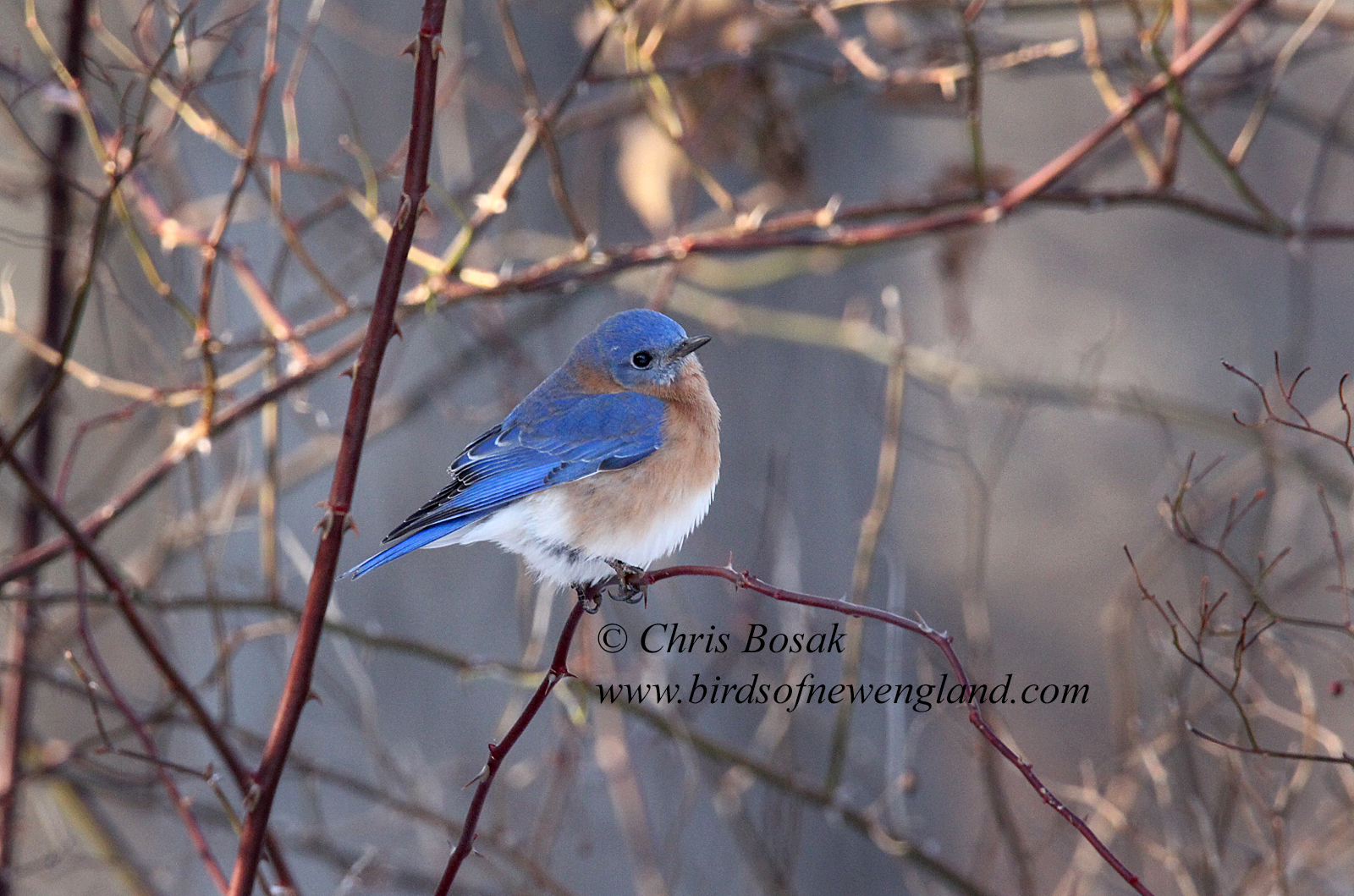
Here are a few more eastern bluebird photos I managed to get in addition to the one I used to support my last column, which may be found here. It appears to be another good year for seeing bluebirds this New England winter as I’ve heard from several readers who have seen these beauties.
My foot was finally feeling a little better so I figured I’d try a short bird walk. Turns out, it wasn’t ready for prime time. I walked a few hundred yards on the uneven snowy terrain and had to turn back.
The little I did manage to walk was along a wood’s edge with good, thick brush forming a barrier, perfect for birds to hide in. A lone white-throated sparrow and a lone tree sparrow were the only birds I saw, however. There was also a male cardinal, but he never left his protected spot among the bramble and I could spy only specks of red.
On my way back, I noticed a white-breasted nuthatch and a woodpecker in a big tree beyond the truck. I figured it was worth a closer look because I had seen a yellow-bellied sapsucker in that very tree some time ago. It turned out to be a downy woodpecker, and it had flown off to a more distant tree by the time I hobbled over there anyway.
Not all was lost, though, as the detour led me to a small flock of eastern bluebirds. Some were perched in the low branches of a nearby tree, and some were in the brush picking at berries of some sort.
Continue reading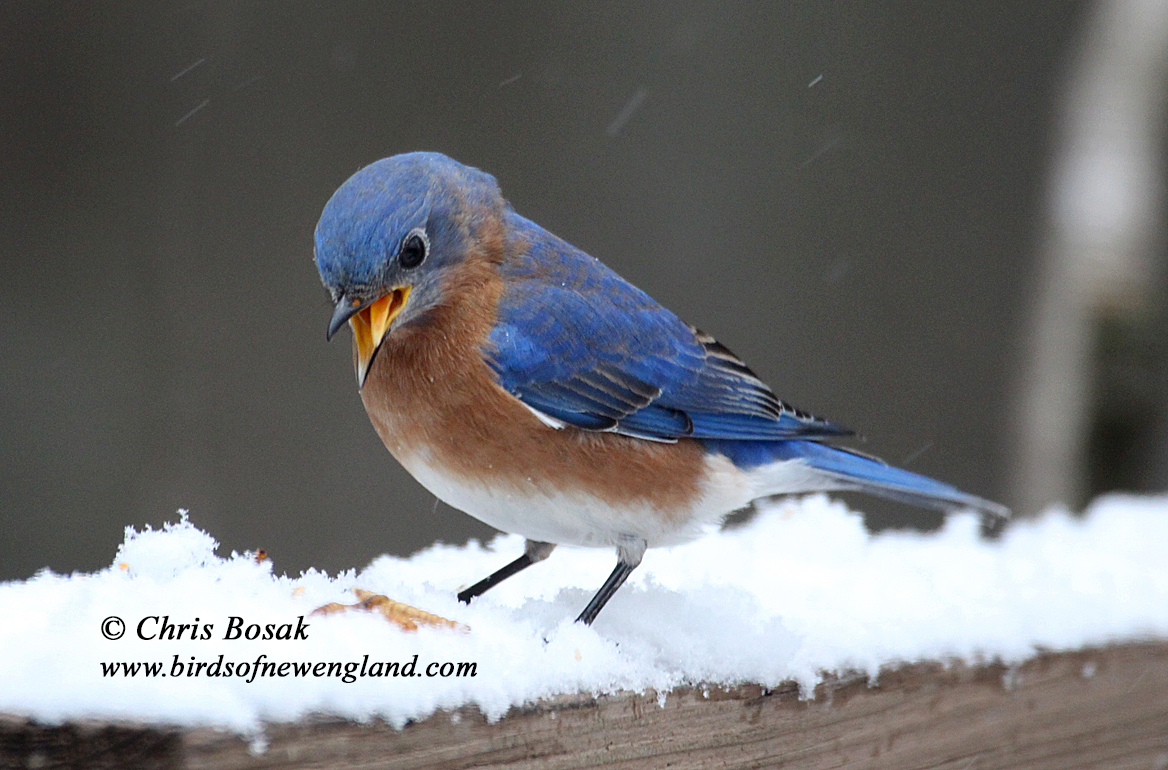
Here’s one more, just because. In case you missed it, here’s the original post with more photos.
 Birds of New England.com