Piping Plover monitoring update

Photo by Chris Bosak Piping Plover at Coastal Center at Milford Point, April, 2014.

Photo by Chris Bosak
Piping Plover at Coastal Center at Milford Point, April, 2014.

So I woke up the boys for school, got them breakfast and rushed them to the car for drop off. I turned into the school parking lot: empty. No school. Scheduled “staff development” day. If I had a nickel for every time I’ve done that. Damn.

Oh well. I’ve committed to monitoring Piping Plovers and other shorebirds and, later, Least Terns on a volunteer basis on Monday mornings through the spring and summer. “Boys, we’re going shorebird monitoring.”

They didn’t object and Will was actually excited and wanted to carry the camera with him. I filled them in on what we were looking for and, more importantly, why we were looking for them. Piping Plovers are a threatened species and protecting their nesting areas is critically important.

We saw about 10 Piping Plovers today (Monday, April 21, 2014), including a pair copulating. “That’s how they make babies,” I told Andrew and told him how to spell ‘copulation.’ He was the official note taker for the day.  Wonder if he’ll try to use that word in one of his fifth-grade essays. It’s OK as long as he uses it correctly and age appropriately, I guess.

We also saw eight American Oystercatchers, a pair of Osprey and countless shells, which entertained the boys as much as the birds.

All in all, a good, educational day with the boys. Thank goodness school was out.

Photo by Chris Bosak A Piping Plover preens at Milford Point in spring of 2014.
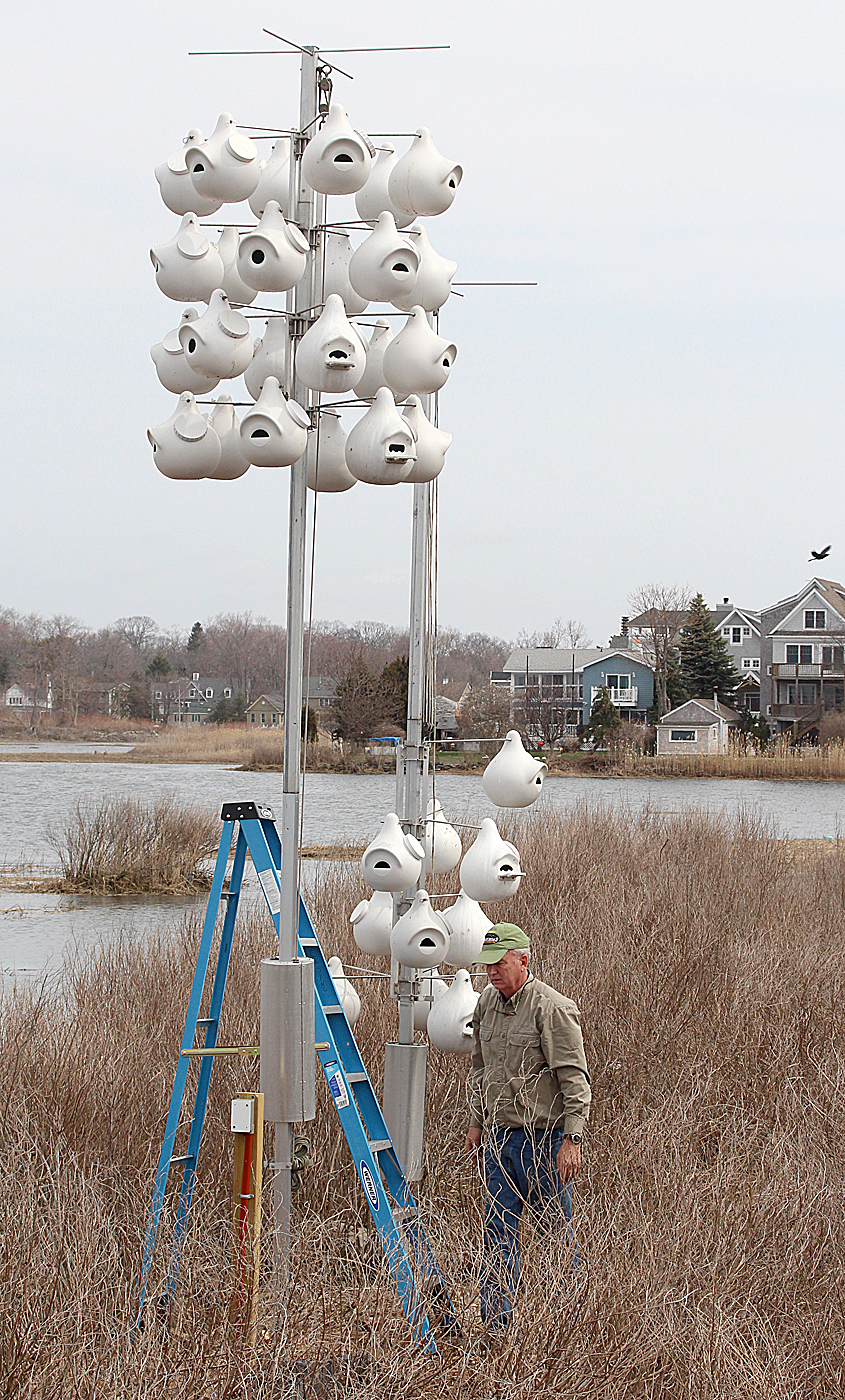
Photo by Chris Bosak
A Piping Plover preens at Milford Point in spring of 2014.
 

Purple Martins arrive in New England

Contributed photo Milan Bull, Senior Director of Science and Conservation at Connecticut Audubon, sets up the Purple Martin gourds at the Coastal Center at Milford Point on Monday, April 14, 2014.

Contributed photo
Milan Bull, Senior Director of Science and Conservation at Connecticut Audubon, sets up the Purple Martin gourds at the Coastal Center at Milford Point on Monday, April 14, 2014.

It’s Purple Martin season in New England! Last week I ran into David Winston and Patrick Duggan putting up the Purple Martin gourds at Cove Island Park in Stamford. On Monday, after finishing my volunteer Piping Plover monitoring duties at the Coastal Center at Milford Point (CT), I ran into Milan Bull of Connecticut Audubon putting up the gourds there.

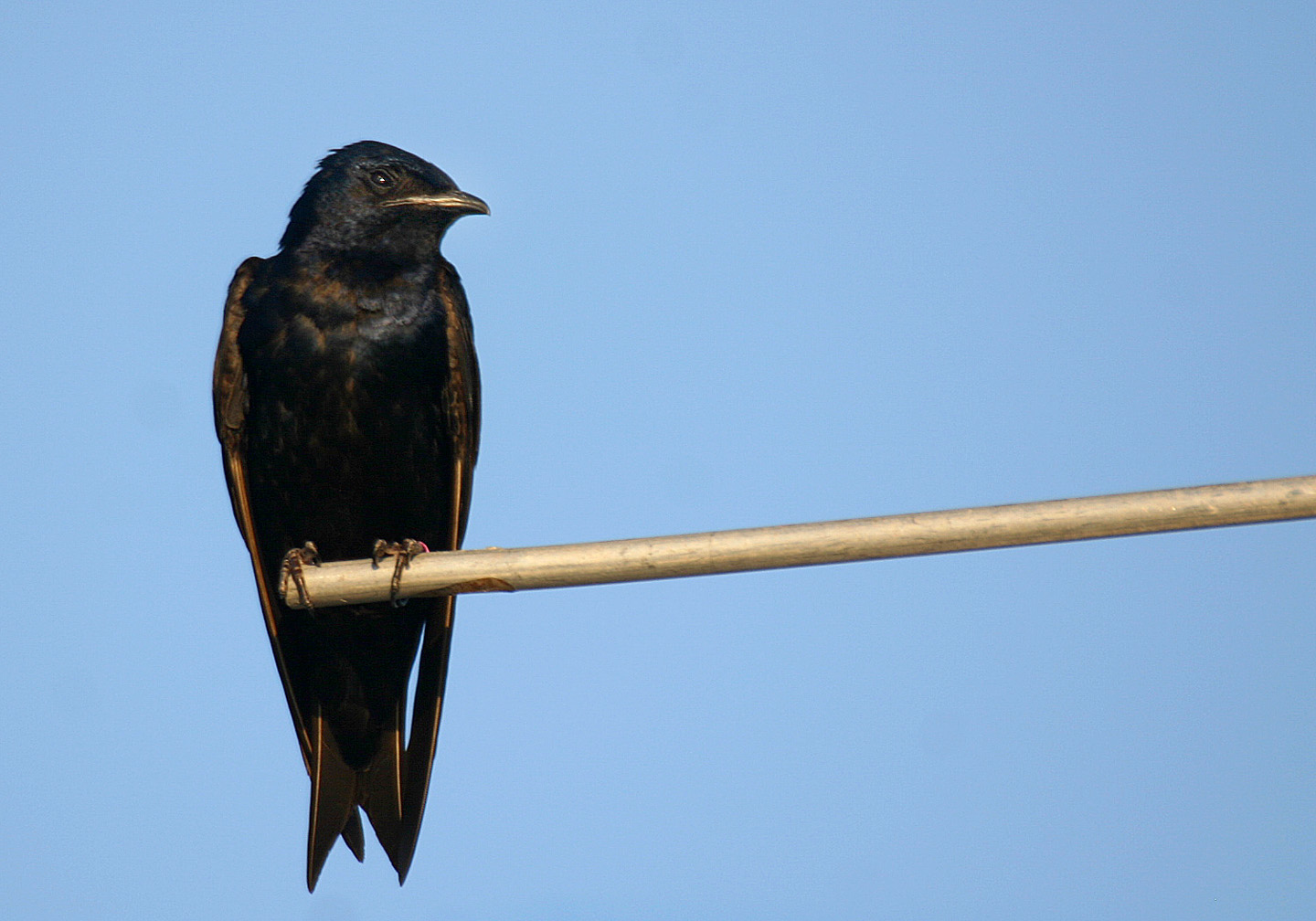
Purple Martin at Cove Island in Stamford.

Purple Martin at Cove Island in Stamford.

The Purple Martins had already arrived and many perched on the poles as Milan worked underneath to get the gourds ready. I even got my hands dirty and helped him out a bit (of course, he was nearly done by the time I got there.)

Purple Martins will return to the same site year after year, so if you were successful in getting Purple Martins last year, get your gourds or houses up soon. If you were not successful last year, or are trying for the first time this year, you can get the houses up now, or wait a few weeks. Younger birds seeking to start a new colony will arrive throughout the next several weeks, or even months. Just keep an eye on the gourds or houses for House Sparrows. Remove the nests if House Sparrows take up residence.

I’m far from an expert in attracting Purple Martins, so for more detailed information about Purple Martins, I’ll refer you to this site: http://www.purplemartin.org/

Thanks for visiting http://www.birdsofnewengland.com

Some ducks still hanging on in southern New England

Photo by Chris Bosak Greater Scaup in Norwalk Harbor, March 2014.

Photo by Chris Bosak
Greater Scaup in Norwalk Harbor, late March 2014.

April, for me anyway, is a bittersweet month for birdwatching. I love watching ducks, so the period from when the “winter ducks” arrive in fall to the time they depart in the spring is perhaps my favorite time of year for birdwatching. Well, that time in spring is approaching. The ducks _ other than mallards and a few others _ will soon depart southern New England for their breeding grounds up north.

The flip side of that, of course, is that the songbirds, shorebirds, birds of prey and other spring migrants will be here soon (if they haven’t arrived already.)

I’ve been seeing fewer and fewer ducks at my normal haunting grounds over the last week or so. Remember my post last week when a Redhead shared a pond with Hooded Mergansers, Ring-necked Ducks and Wood Ducks? Well, that pond is now vacant. No winter ducks or any other ducks for that matter. I’m sure the mallards and hopefully some Wood Ducks will return. But the other ducks will likely not be seen there for another seven or eight months.

Long Island Sound and its harbors are slowing down, too, but not shutting down. I saw a few Long-tailed Ducks, Bufflehead, Red-breasted Mergansers and Greater Scaup on a recent visit to Norwalk Harbor _ but not in the numbers that I saw them just a few weeks ago. In a few more weeks, only a few straglers will be left _ until next fall, that is.

David Allen Sibley talks about the Snowy Owl irruption

Photo by Chris Bosak A Snowy Owl flies across the beach at The Coastal Center at Milford Point in early March 2014.

Photo by Chris Bosak
A Snowy Owl flies across the beach at The Coastal Center at Milford Point in early March 2014.

I’ll post parts of my David Allen Sibley interview throughout the next few weeks. Here he talks about the great Snowy Owl irruption of winter 2013-14.

Oh, and there’s a loon


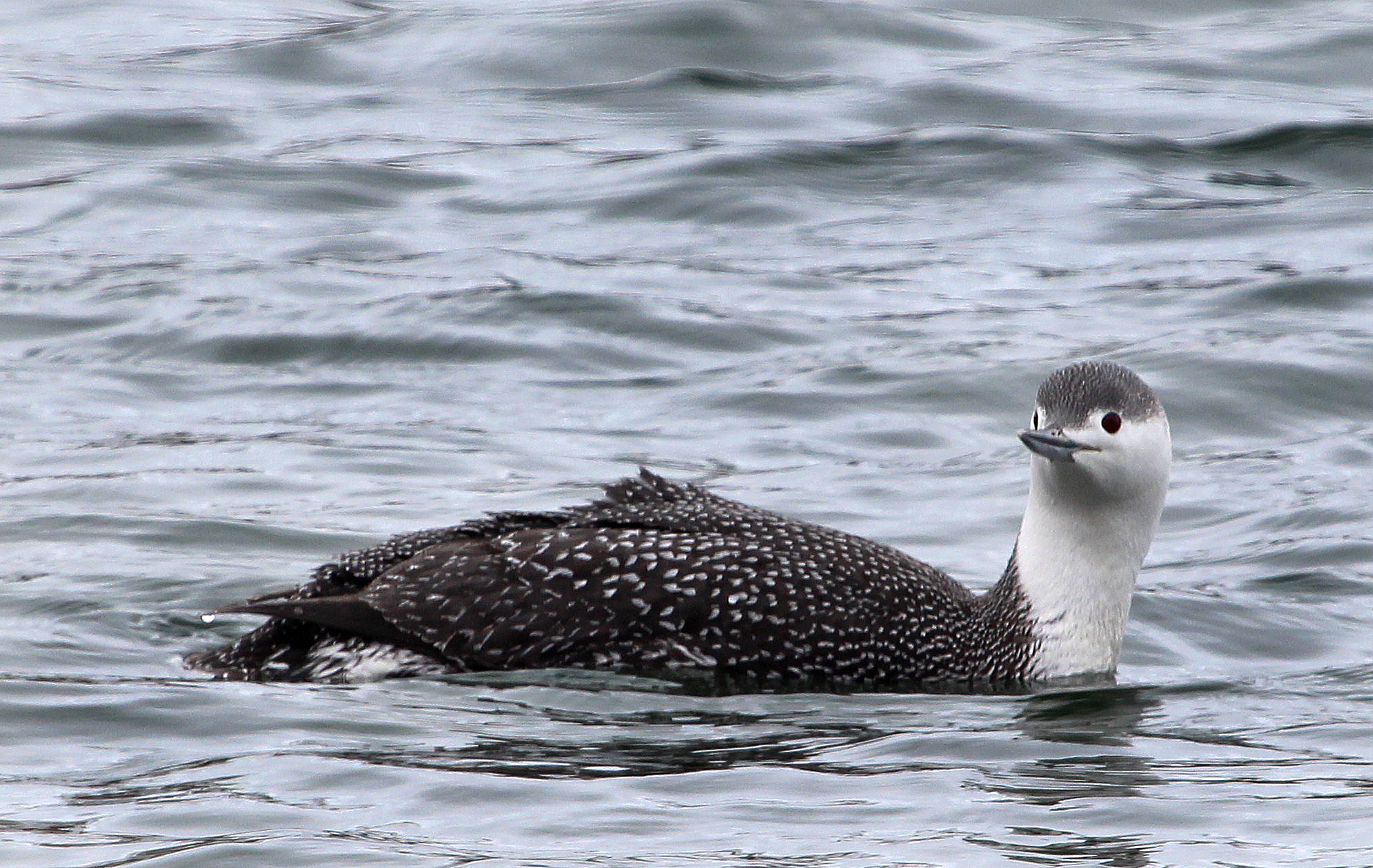
Photo by Chris Bosak A Red-throated Loon swims in Norwalk Harbor in this March 2014 photo.

Photo by Chris Bosak
A Red-throated Loon swims in Norwalk Harbor in this March 2014 photo.

I drove past Veterans Park the other day and, as is usually the case in winter, I pulled in to see what winter ducks might be around. I immediately spotted a female Red-breasted Merganser swimming somewhat near the shore. It was cloudy and the light was no at all ideal, but I managed to get a few very average photos of the bird.

It kept moving south slowly until it came up on a male Bufflehead. The two birds ignored each other, but for a brief moment they were mere feet away from each other. I snapped a few (again average) photos.  I always like to see birds together that you don’t always see “hanging out” near each other.

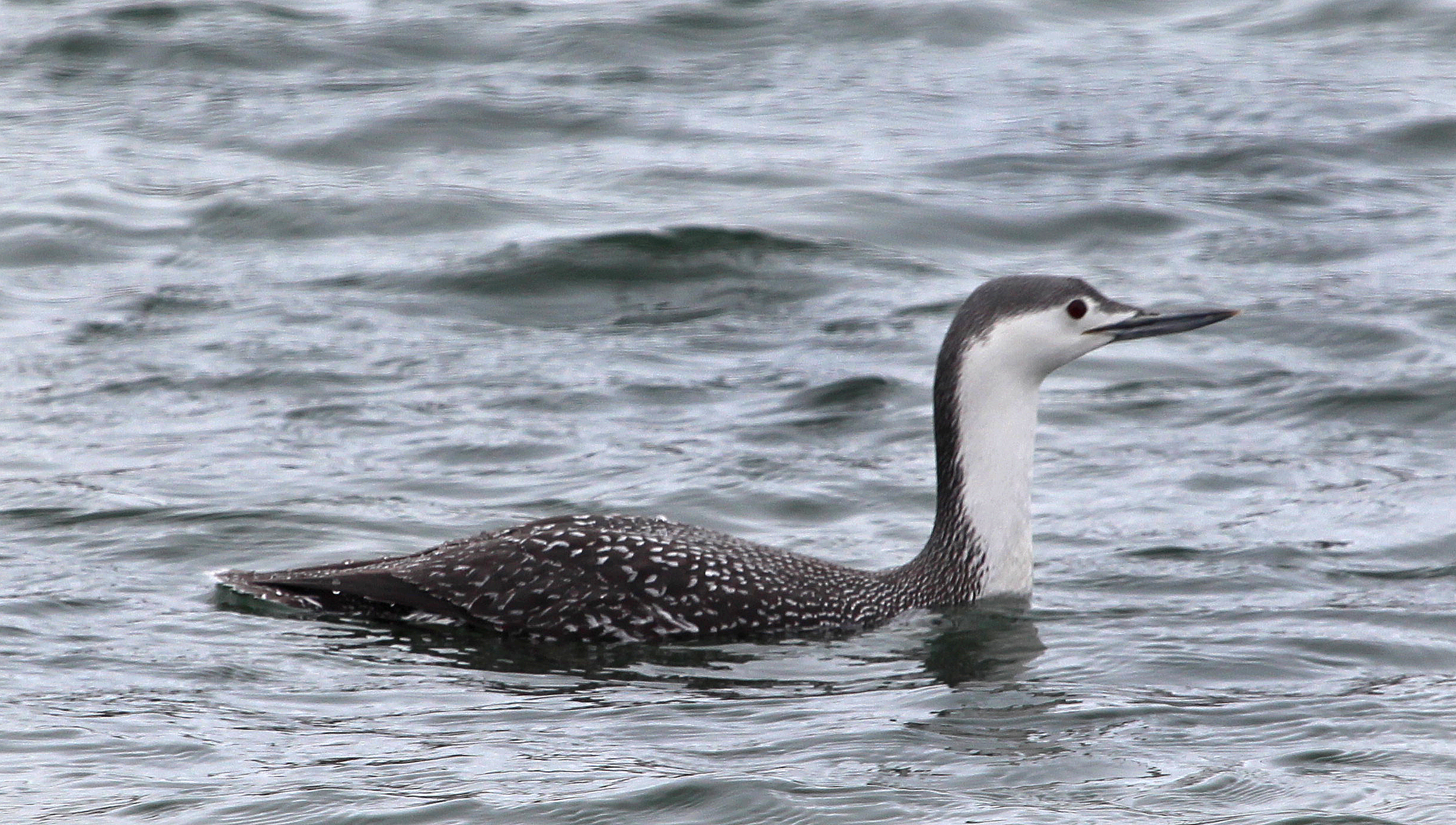
As I was photographing the merganser and Bufflehead I noticed out of the corner of my other eye a loon close to the shore. When did that pop up? I wondered. Loons are diving birds (as are mergansers and Buffleheads) and often “pop up” far from where they dove. I refocused and took some shots of the loon. It was a Red-throated Loon, a somewhat common occurrence in the Norwalk Harbor and Long Island Sound. They breed in the Arctic and some spend their winters here in New England. Common Loons, which breed in northern New England and farther north, are also fairly common birds in the winter around here. The loons will be heading north soon so I was happy to get this late sighting.

Soon enough the loon I was photographing dove again. I never did see where it popped up next.

Photo by Chris Bosak A Red-throated Loon swims in Norwalk Harbor in this March 2014 photo.

Photo by Chris Bosak
A Red-throated Loon swims in Norwalk Harbor in this March 2014 photo.

Photo by Chris Bosak A female Red-breasted Merganser swims in Norwalk Harbor in this March 2014 photo.

Photo by Chris Bosak
A female Red-breasted Merganser swims in Norwalk Harbor in this March 2014 photo.


Photo by Chris Bosak A female Red-breasted Merganser and a male Bufflehead swim in Norwalk Harbor in this March 2014 photo.

Photo by Chris Bosak
A female Red-breasted Merganser and a male Bufflehead swim in Norwalk Harbor in this March 2014 photo.

BirdsofNewEngland’s random bird thought of the day: Seeing ducks

Photo by Chris Bosak Female Hooded Merganaser at Holly Pond in Stamford, CT, Nov. 2013.

Photo by Chris Bosak
Female Hooded Merganaser at Holly Pond in Stamford, CT, Nov. 2013.

Our winter ducks will remain with us for only a few more weeks so be sure to check out your local watering holes for these birds before they are gone.
Some ducks, of course, will remain with us all summer and breed locally, but most of the ducks we have on our waters now will head far north of here shortly. Depending on what part of New England we are talking about, Mallards may be the only duck we see in the summer – with perhaps the occasional tucked away pond holding Wood Ducks. The farther north you go in New England the more duck species there will be.
So get out there and enjoy the mergansers, scaup, grebes, teal, Long-tailed Ducks, Buffleheads and Goldeneye while you can. We won’t see them again until the fall.

Another Snowy Owl sighting in this historic year

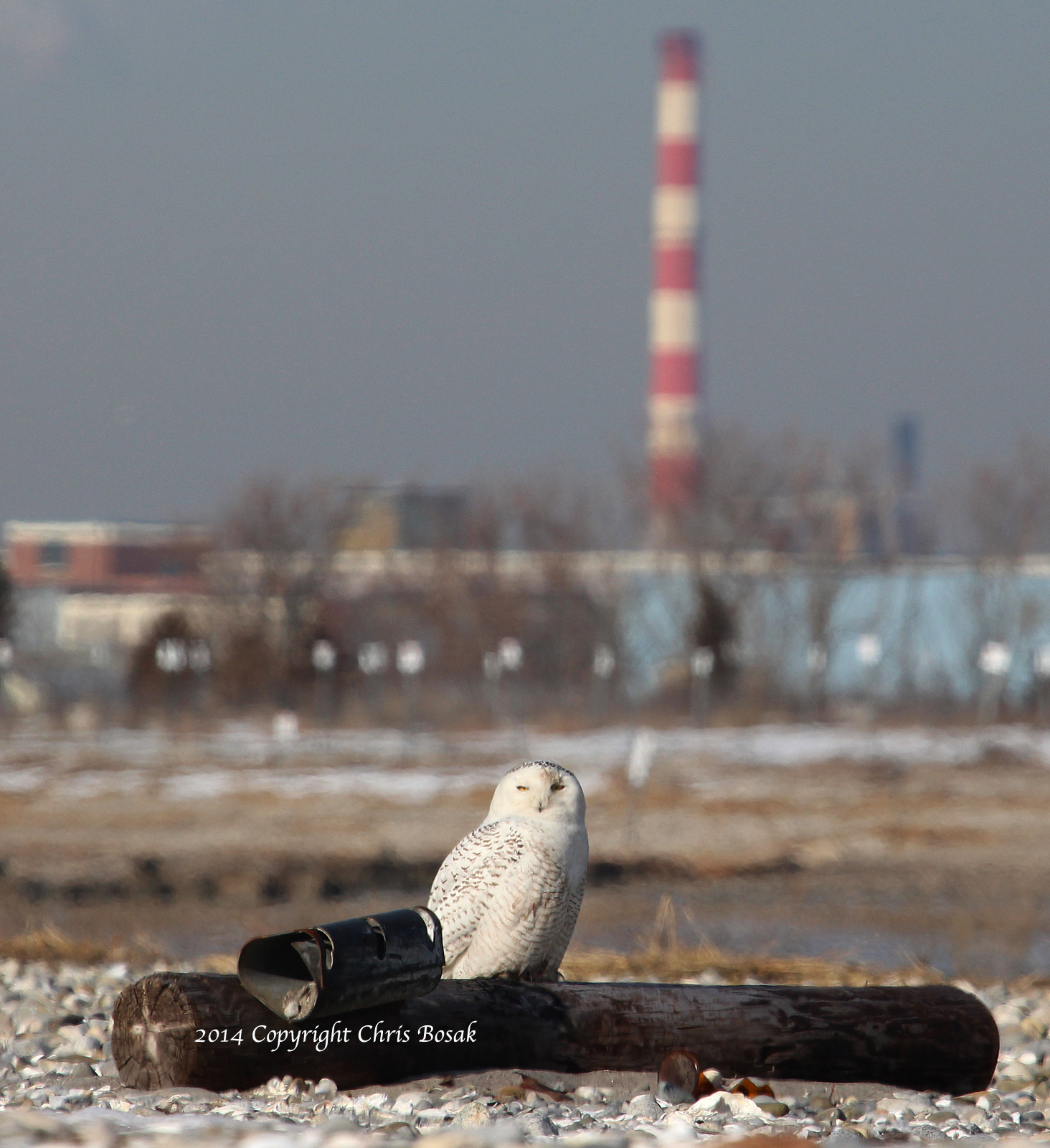
Photo by Chris Bosak A Snowy Owl sits on an old telephone pole at The Coastal Center at Milford Point in early March 2014. Smoke stacks in Bridgeport loom in the background.

Photo by Chris Bosak
A Snowy Owl sits on an old telephone pole at The Coastal Center at Milford Point in early March 2014. Smoke stacks in Bridgeport loom in the background.

It’s no secret by now that this is a historic winter for Snowy Owl sightings throughout New England and beyond. Snowy Owls are large owls that breed in the Arctic. The irruption of Snowies has gained the attention of nearly all media outlets — small, medium and large; newspapers, magazines, radio and television.

It’s hard to ignore such an avian happening. A couple Snowy Owl sightings in a New England winter is the norm. This year there have been dozens, perhaps hundreds. The most recent Audubon magazine has a great article by Scott Weidensaul. I highly recommend reading it.

I saw my first Snowy Owl of this winter in December in Westport, Conn. I saw a few more in January and February in Milford and Stratford, Conn.

On March 1 I had perhaps my best Snowy Owl sighting of the year. It was at the Coastal Center at Milford Point in Milford, Conn. The owl was on the beach and, while I photographed it from a distance, other beach walkers flushed the impressive bird on occasion. Because of the owl’s impressive size I was able to relocate it each time. Such an impressive bird.

My hope is that as many of these beautiful birds as possible make it back to the Arctic. Perhaps they’ll visit us again another winter.

Enjoy these photos. I hope to have a short video ready soon.

Photo by Chris Bosak A Snowy Owl flies across the beach at The Coastal Center at Milford Point in early March 2014.

Photo by Chris Bosak
A Snowy Owl flies across the beach at The Coastal Center at Milford Point in early March 2014.

More photos below (click on “continue reading.”)

Continue reading

Birds and the cold and snow

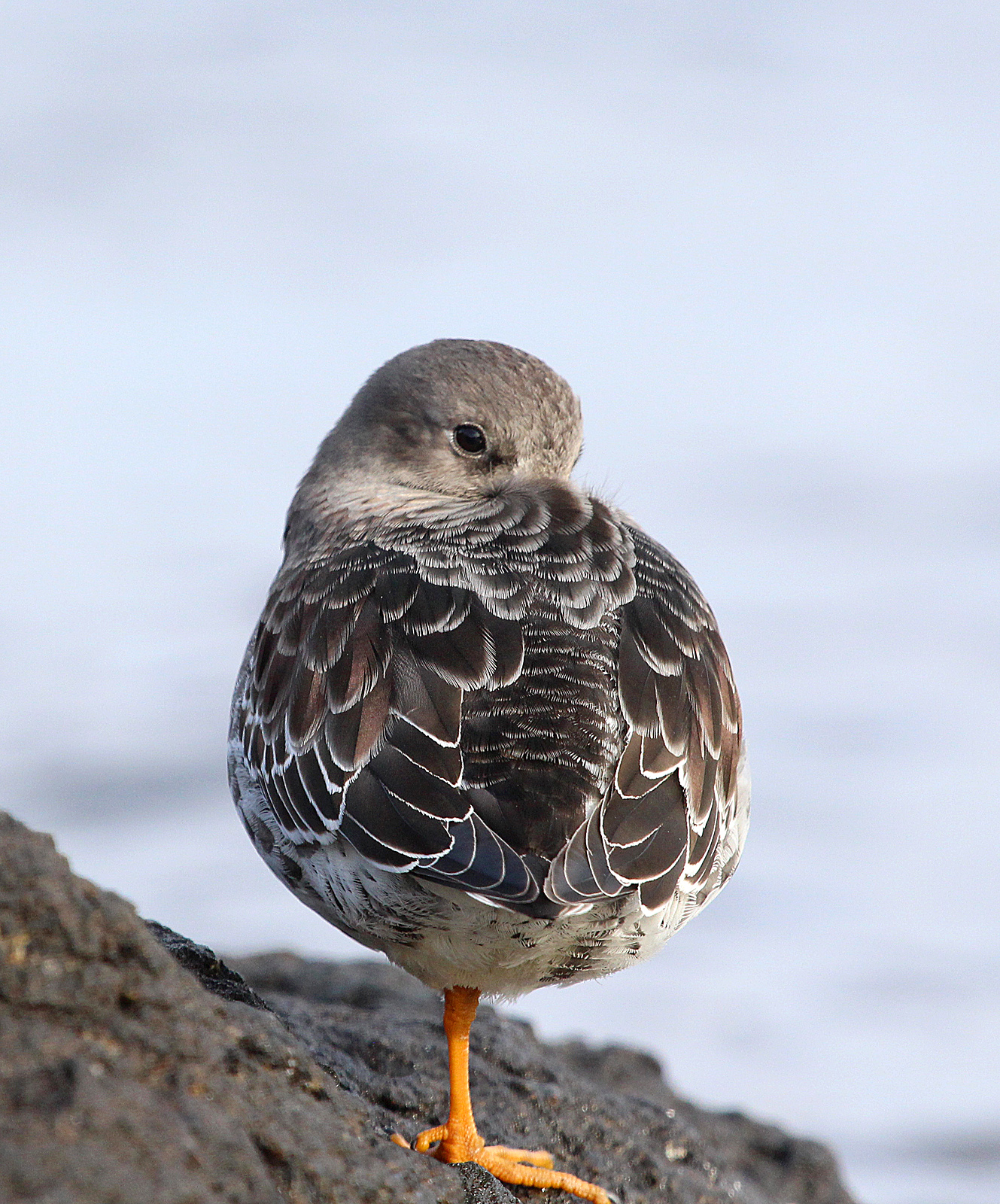
Photo by Chris Bosak Purple Sandpiper on rocky island off the coast of Darien, CT. (Dec. 2013)

Photo by Chris Bosak
Purple Sandpiper on rocky island off the coast of Darien, CT. (Dec. 2013)

Here we go again. Another snowstorm is due to hit New England tonight. That mean’s slippery roads and canceled school (if you’re a pessimist) or sled riding and canceled school (if you’re an optimist or kid).

It also means another tough night for our birds. But don’t fret, the birds will be just fine. They’ve been surviving our winters for years and years and will continue to do so.

Here’s my latest For the Birds column about how birds survive winters such as this:

Granted it’s been only three winters since The Hour has moved its offices to East Norwalk along the Norwalk River, but this is clearly the longest the river has been frozen over in that time. Instead of seeing rippling water and the accompanying ducks, geese and swans I usually see, for the last few weeks I’ve looked out the window and seen only a wide, serpentine-like expanse of white. Yes, this winter has been a tough one in New England. Extended freezing temperatures, short thaws (if any at all) and lots of snow. Humans can simply crank up the heat in their cars and homes if they are cold. But what about the birds? How do they survive tough winters like this? Birds and other animals have been surviving harsh winters for eons. True, a small percentage of birds will perish during the winter. This is particularly true of individual birds of a species that typically heads south for the winter. Most Great Blue Herons move south for the winter. Some stick around New England and brave the cold.

To read the rest, click here.


Young Peregrine Falcon picks on the wrong bird

Photo by Chris Bosak A young Herring Gull chases away a young Peregrine Falcon at Holly Pond in Stamford in Jan. 2014.

Photo by Chris Bosak
A young Herring Gull chases away a young Peregrine Falcon at Holly Pond in Stamford in Jan. 2014.

The distance and quickness of the event yielded an admittedly lousy photo, but it’s good enough to show that this young Peregrine Falcon has a lot to learn about what prey to target.

I was at Holly Pond in Stamford, Ct., trying to get some photos of a Hooded Merganser pair swimming in a small pool of water surrounded by ice. Suddenly the entire huge flock of gulls (Ring-billed, Herring and a few Greater Black-backed) that had been resting peacefully on the ice rose into the air started making a racket. I assumed at first that someone nearby had a bag of bread to offer the birds, but they all stayed above the water.

Then I noticed that a young Peregrine Falcon had swooped in on the flock. At this point the falcon was trying to single out individual gulls to pursue. Each chase was short-lived as the falcon quickly realized it was smaller than the birds it was trying to take down. Birds of Prey taking down larger prey is not unheard of, but this falcon did not yet have the strength or experience to handle a gull. It tried on three or four bird, got scolded and chased away, and eventually gave up and perched in a nearby tree.

Hey, you can’t blame the falcon. It was hungry and tried for a big, fat meal. Besides, if you don’t try, you’ll never succeed. The falcon learned a lesson and gained some experience. That’s always good in life.

Brant thriving along Connecticut’s coast

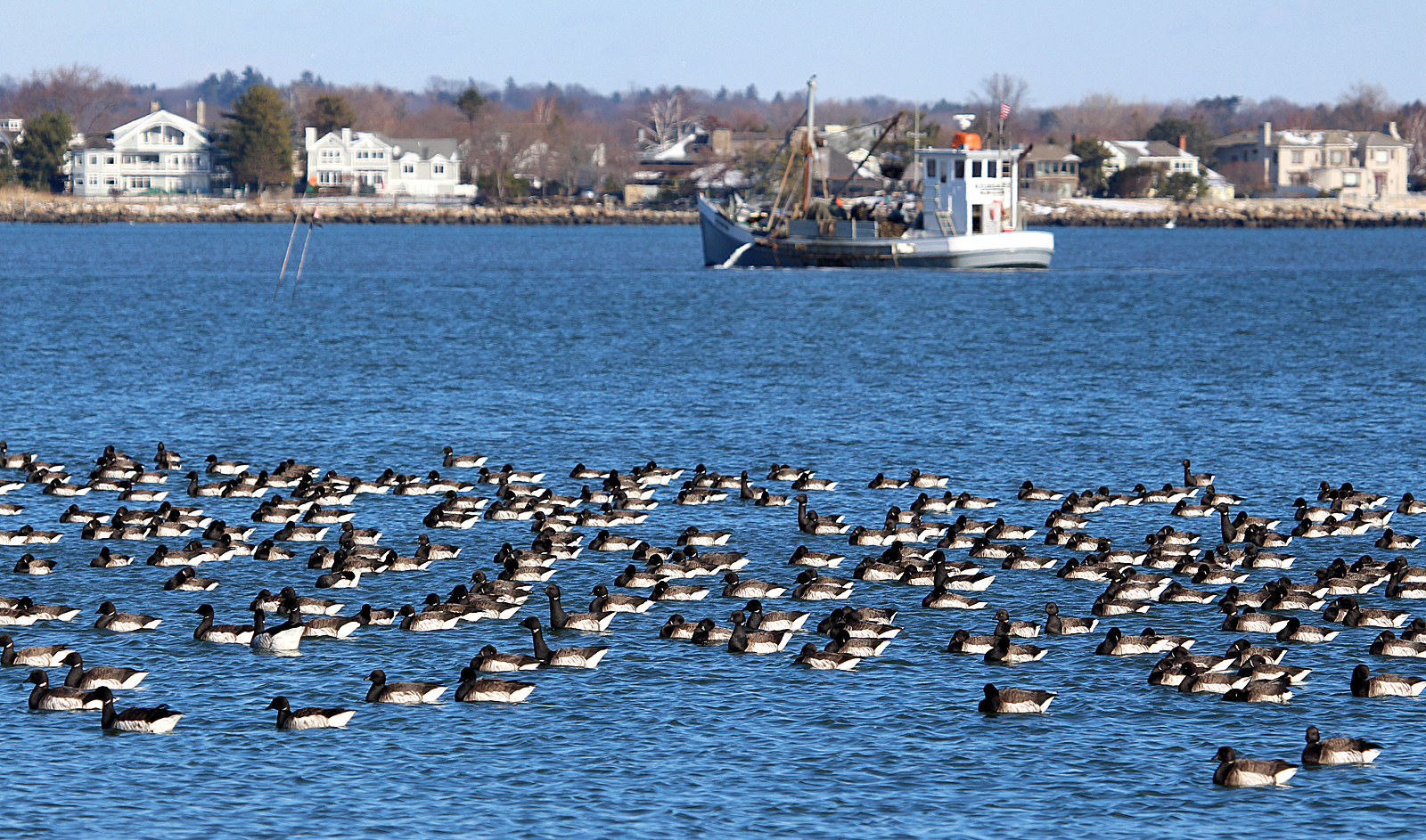
Photo by Chris Bosak A huge flock of Brant congregates as an oysterboat works the waters of Long Island Sound off Calf Pasture Beach in Norwalk this winter.

Photo by Chris Bosak
A huge flock of Brant congregates as an oysterboat works the waters of Long Island Sound off Calf Pasture Beach in Norwalk this winter.

I was filling out my Christmas Bird Count Captain’s Statistic Sheet (finally) and I had to question for a second my own numbers. Did I really see more than 1,000 Brant that day?

Then I recalled the massive flocks we had seen at Calf Pasture Beach that brisk morning. Count compilers Townsend and Mardi Dickinson were with me during that part of the day. They saw them, too. There were so many Brant it was hard to get a good count. (Watch the accompanying video to the end to see what we were up against. Not the best video of all times, but you will see what I’m talking about.)

Photo by Chris Bosak A Brant swims off the coast of Norwalk this winter.

Photo by Chris Bosak
A Brant swims off the coast of Norwalk this winter.

Brant are geese that breed in the Arctic and head to somewhat warmer waters during the winter. From a distance, or to the untrained eye, they can easily be mistaken for Canada Geese. Brant, however, are much smaller and lack the white “chin strap” that is so obvious on Canada Geese.

Norwalk has been a hot spot for Brant for many years. Huge flocks can be seen from Calf Pasture Beach throughout winter. Sometimes they are on the water. Sometimes they are near the water. Sometimes the flock is divided with some on the water and some near the water. The flocks often number hundreds and hundreds of birds.

It’s a treat to hear their low honking (maybe more of an of uttering), much different and more pleasing than the Canada Goose’s honk. When hundreds of them get going at once, it’s an even bigger treat. (Again, check out the video to listen for yourself.)

Most of the Brant will have migrated north by April, but some individuals or small flocks will remain into June or even later. They are likely young birds that aren’t going to breed anyway and therefore do not feel the sense of urgency to fly to the Arctic breeding grounds.

One of the many reasons I like Brant is because they are a reliable winter sighting here in New England. Birdwatching makes the winters here bearable — dare I say enjoyable — and it’s species like Brant that make winter birding fun.

Here’s the video: