How’s your warbler season going?

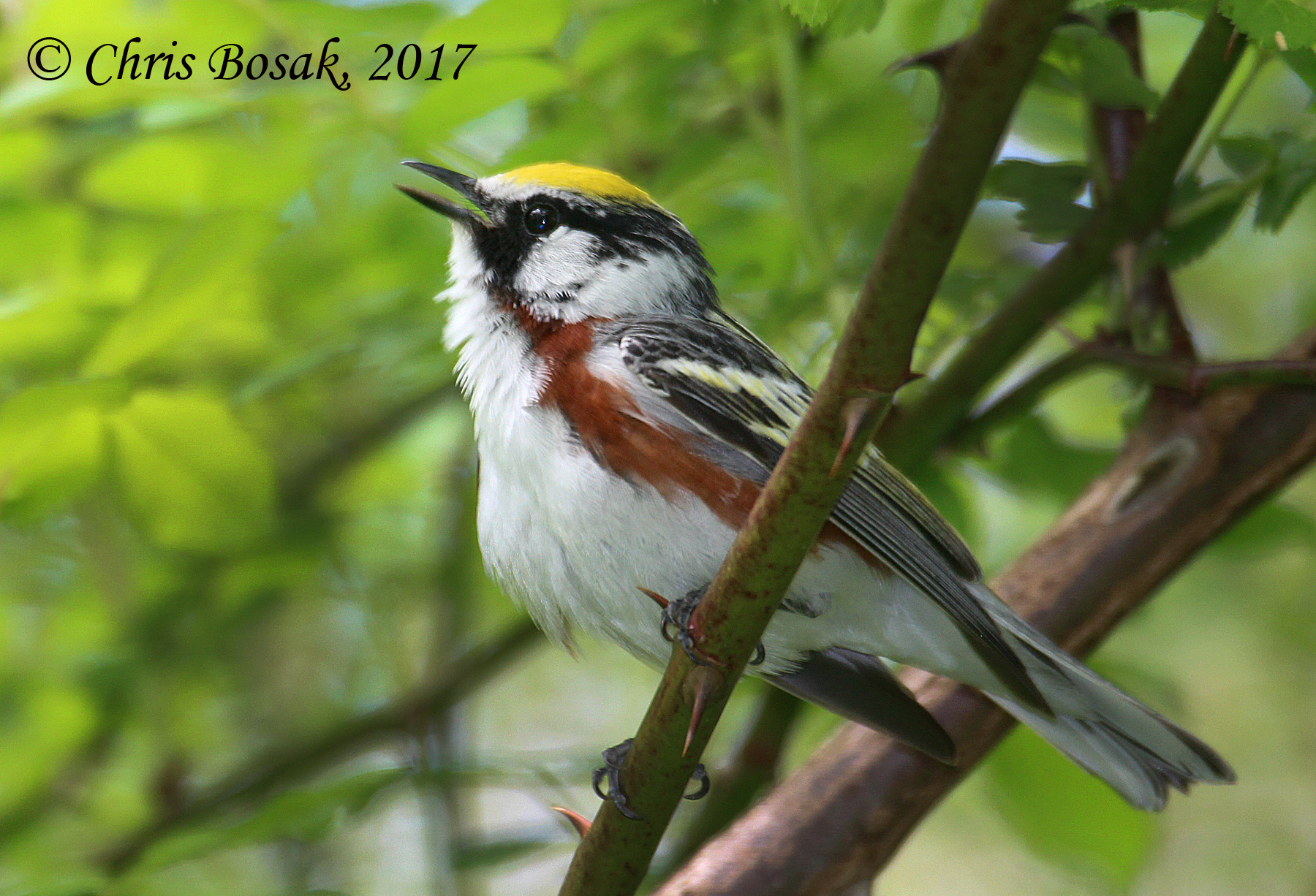
Photo by Chris Bosak A chestnut-sided warbler sings from a lower perch in Ridgefield, Conn., during the spring of 2017.

Photo by Chris Bosak
A chestnut-sided warbler sings from a lower perch in Ridgefield, Conn., during the spring of 2017.

We are heading to a point on the calendar where the spring warbler migration should be hitting its peak before trickling off as we head into the later weeks of May. The weather has been so cool and wet that many birders are wondering where the early part of the spring migration went.

I am included in that group as, between coaching youth baseball teams and having rain put a damper on birdwalks, my spring migration season has barely started .. and it’s already mid-May.

I did have a good walk recently with sightings of chestnut-sided warblers, blue-winged warblers, ovenbirds, wood thrushes, eastern towhees, and — to top it off — a male scarlet tanager. I also hear barred owls calling in the distance.

How is your spring migration season going? Let me know what you’re seeing out there.
A few singing warblers

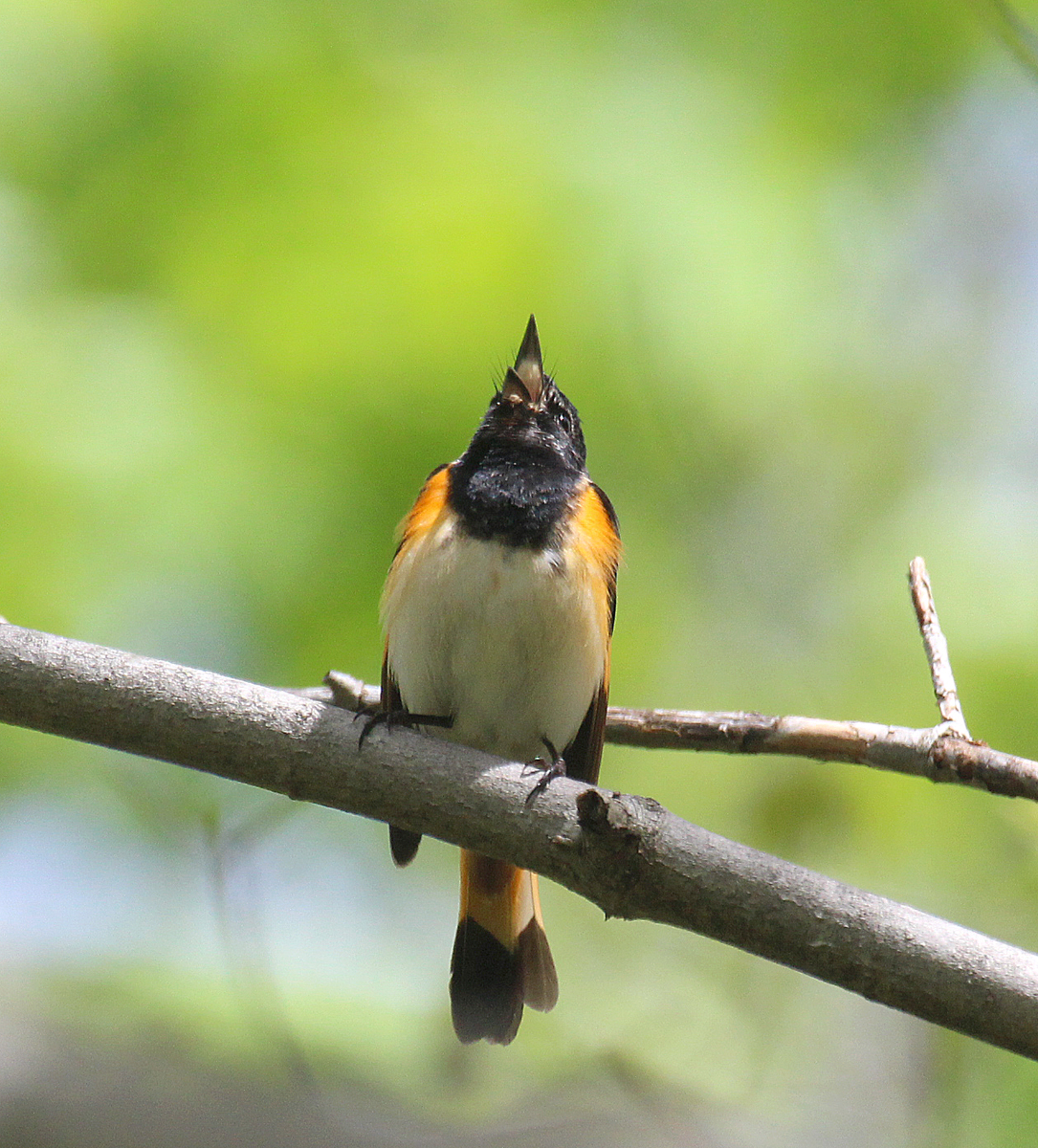
Photo by Chris Bosak  An American redstart sings from a perch in New England in spring 2017.

Photo by Chris Bosak
An American redstart sings from a perch in New England in spring 2017.

It’s warbler season (despite the below-normal New England temperatures) so I may as well post a few photos of these little birds …

Hopefully there will be more to come.

Photo by Chris BosakA chestnut-sided warbler sings from a perch in New England in the spring of 2017.

Photo by Chris BosakA chestnut-sided warbler sings from a perch in New England in the spring of 2017.

Lots of towhees on a rainy day

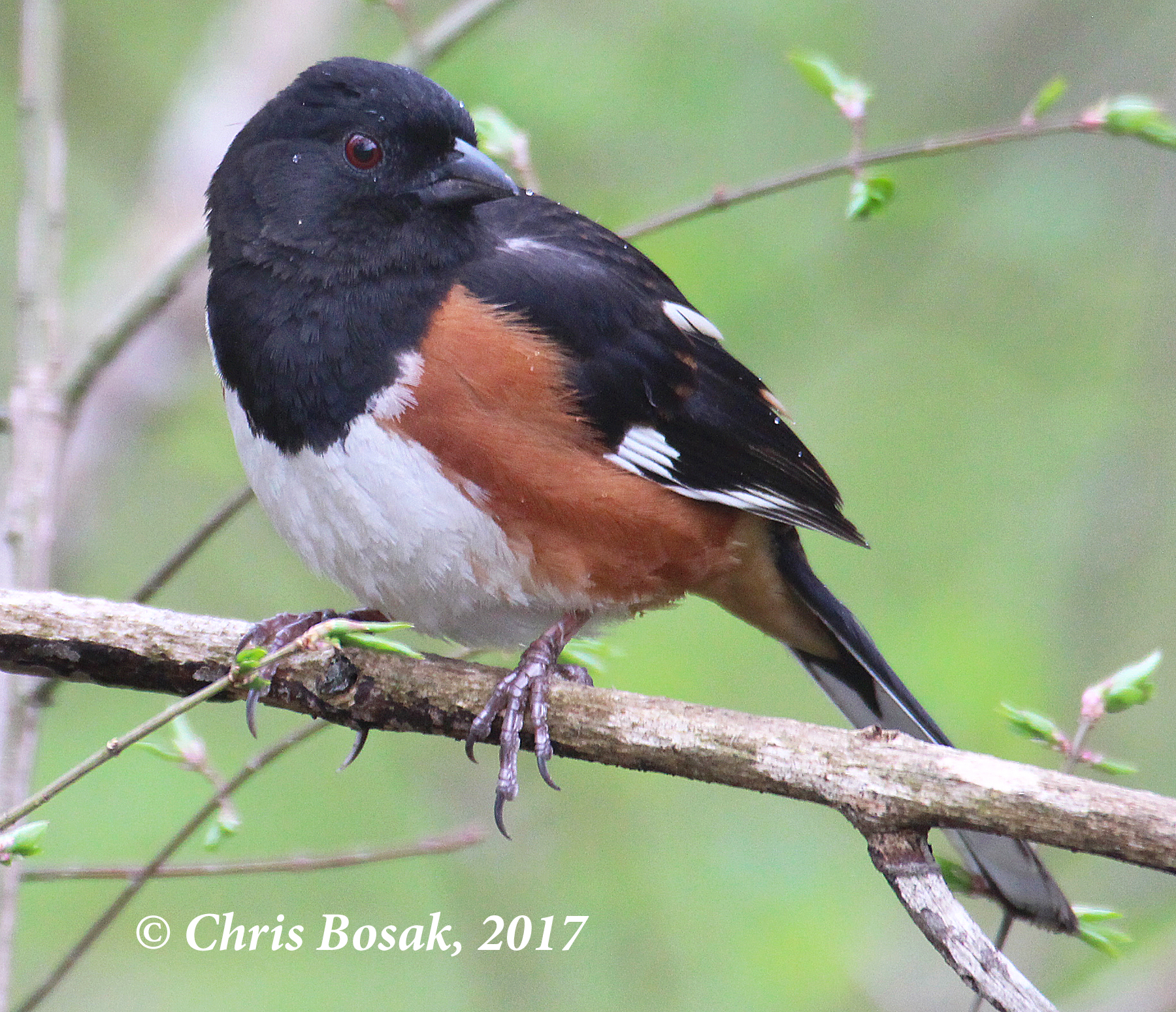
Photo by Chris Bosak An Eastern Towhee perches on a branch in Ridgefield, Conn., April 2017.

Photo by Chris Bosak
An Eastern Towhee perches on a branch in Ridgefield, Conn., April 2017.

I spent some of the rainy Saturday at Bennett’s Pond in Ridgefield, Conn. I didn’t see or hear a single warbler, but I did see and hear several eastern towhees. It is a great bird with interesting plumage and a unique song.

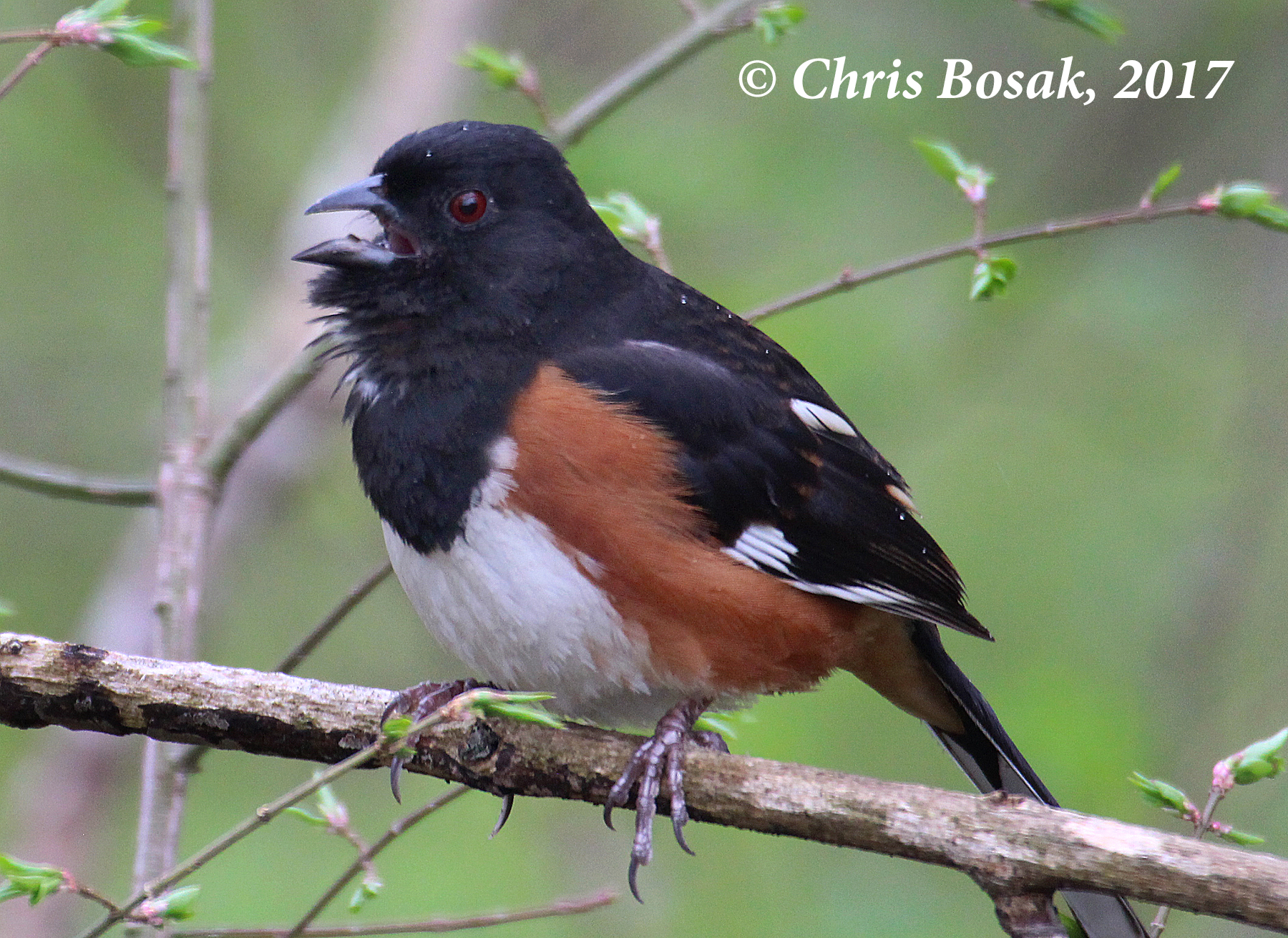
Formerly called the rufous-sided towhee, this bird has light brown/reddish flanks. Its call is a loud and quickly uttered “tow-hee” and its song is the famous “drink-your-teaaa!” They are more often seen on the ground, scratching in the leaves to uncover food. The male is pictured in this post. The female, which I couldn’t photograph yesterday but did see, is also a handsome bird with white and reddish light brown plumage.

They were passing through in large numbers Saturday. I hope at least a few of them stick around locally to nest. It’s a great bird to see in summer when the birding can get a little slow.

You can even see the little rain drops on this guy.

Here’s one of him singing: Drink-your-teaaa!

Photo by Chris Bosak An Eastern Towhee sings from a perch in Ridgefield, Conn., April 2017.

Photo by Chris Bosak
An Eastern Towhee sings from a perch in Ridgefield, Conn., April 2017.


Latest For the Birds column: Hawkwatching primer

Photo by Chris Bosak An Osprey soars over the Norwalk River on Monday, Sept. 1, 2014.

Photo by Chris Bosak
An Osprey soars over the Norwalk River on Monday, Sept. 1, 2014.

Here’s the latest For the Birds column, which runs weekly in The Hour (Norwalk, Conn.), The Keene (NH) Sentinel and several Connecticut weekly newspapers.

A September would not be complete without a bird column on the fall hawk migration. For many, the hawk migration is the highlight of the fall season, despite there being many other birding options this time of year.
It’s hard to blame those people who feel that way. You can’t complain about spending a sunny, crisp fall day on the top of a mountain or other open area looking for hawks coming down from the north. Pick the right day and you may see hundreds of hawks making their way to their winter grounds.
The trick for many people, including myself, is figuring out which hawk is which from such a distance in the sky. I have gotten better over the years but certainly not to the level of the experts at the popular hawkwatching sites throughout New England. The experts, who are trained in this sort of thing, know the identification of the bird long before I can even see it out in the horizon.

The other trick to hawkwatching is picking the right day. Weather plays a big role in the fall hawk migration. Pick a day with a steady southerly wind and you’ll likely see very few hawks. Which hawk wants to battle a stiff headwind to start a thousand-mile (or more) journey.

But, pick a sunny day following a cold Continue reading

Latest For the Birds column: For some birds, humans are a rarity

Here’s the latest For the Birds column. This one’s a little different. Let me know what you think. Thanks for taking a look at http://www.BirdsofNewEngland.com.

Photo by Chris Bosak Yellow-rumped Warbler in Selleck's Woods, Darien, Conn., April 2014.

Photo by Chris Bosak
Yellow-rumped Warbler in Selleck’s Woods, Darien, Conn., April 2014.

Is it possible that the bird in your backyard has never seen a human before?

It’s not likely, but if there were ever a time for that happen, it’s during the fall migration.

If we were a little farther north in New England, the odds would be much greater. Even in the middle of New England, however, the possibility still exists — at least in my very unscientific estimation. The adult birds, those that flew through our region on their northern migration in the spring, have almost certainly seen humans.

But first-year birds, those born a few short months ago, who knows? Maybe you are the first human one is seeing.

It would take a relatively cautious bird species that breeds in the vast Boreal Forest of the northern U.S. and Canada. So a Gray Catbird or Baltimore Oriole passing through has likely seen plenty of humans already, having likely been born in the suburbs.

But one of any number of warbler, vireo or fly Continue reading

A few more warblers from this spring

Photo by Chris Bosak A Black-throated Green Warbler perches in a tree in Danbury, Conn., spring 2016.

Photo by Chris Bosak
A Black-throated Green Warbler perches in a tree in Danbury, Conn., spring 2016.

Here are a few shots of warblers I got this spring but haven’t posted yet. So here they are, just kind of thrown at you in no particular order and without much description …

Oh, and there’s a few warbler shots at the end of the post that I took this year and had already posted. You can never have enough warbler photos.

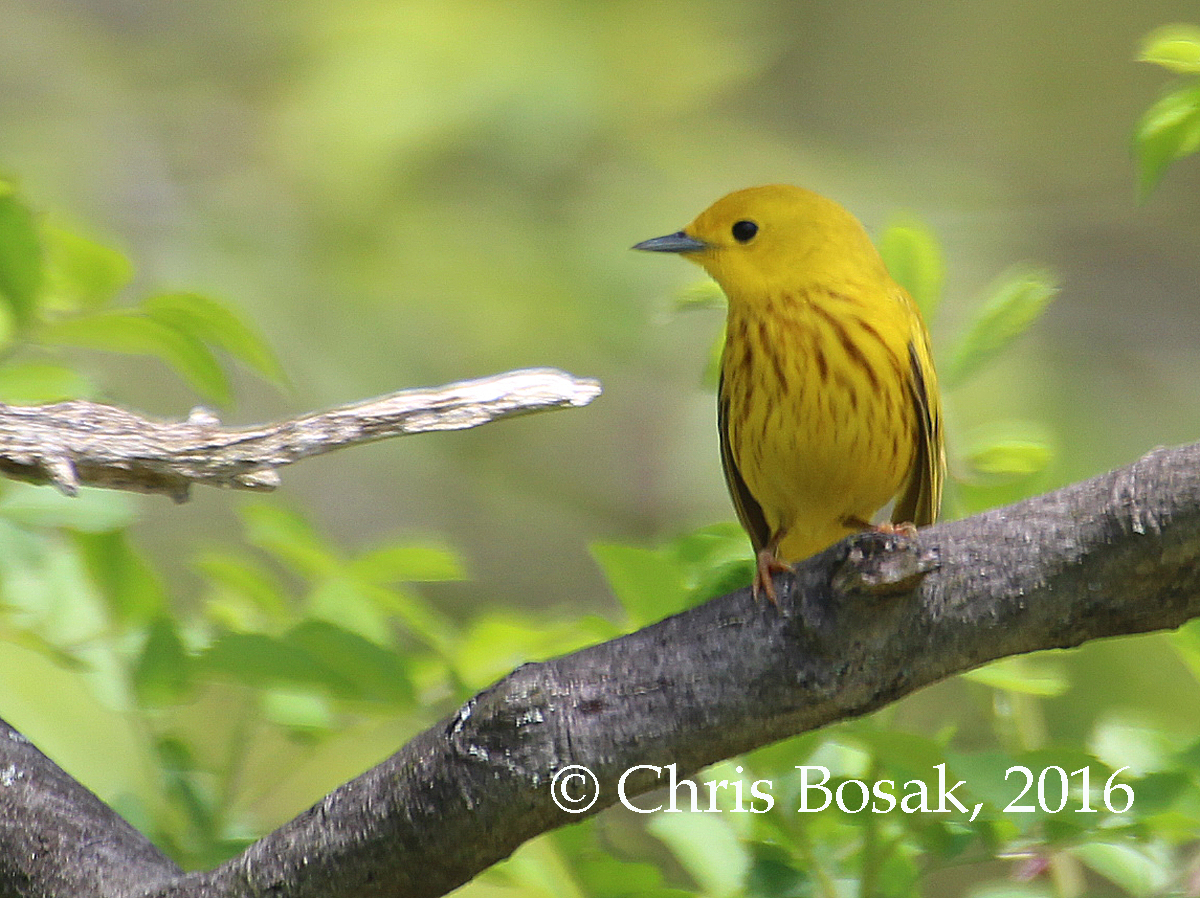
Photo by Chris Bosak A Yellow Warbler perches on a branch in Greenwich, Conn., spring 2016.

Photo by Chris Bosak
A Yellow Warbler perches on a branch in Greenwich, Conn., spring 2016.

Photo by Chris Bosak A female Yellow-rumped Warbler perches on a branch in Danbury, Conn., spring 2016.

Photo by Chris Bosak
A female Yellow-rumped Warbler perches on a branch in Danbury, Conn., spring 2016.

Photo by Chris Bosak A Blue-winged Warbler seen at Fairchild Wildflower Sanctuary in Greenwich, Conn., May 2016.

Photo by Chris Bosak
A Blue-winged Warbler seen at Fairchild Wildflower Sanctuary in Greenwich, Conn., May 2016.

Photo by Chris Bosak An Ovenbird stands on a log in Danbury, Conn., April 2016.

Photo by Chris Bosak
An Ovenbird stands on a log in Danbury, Conn., April 2016.

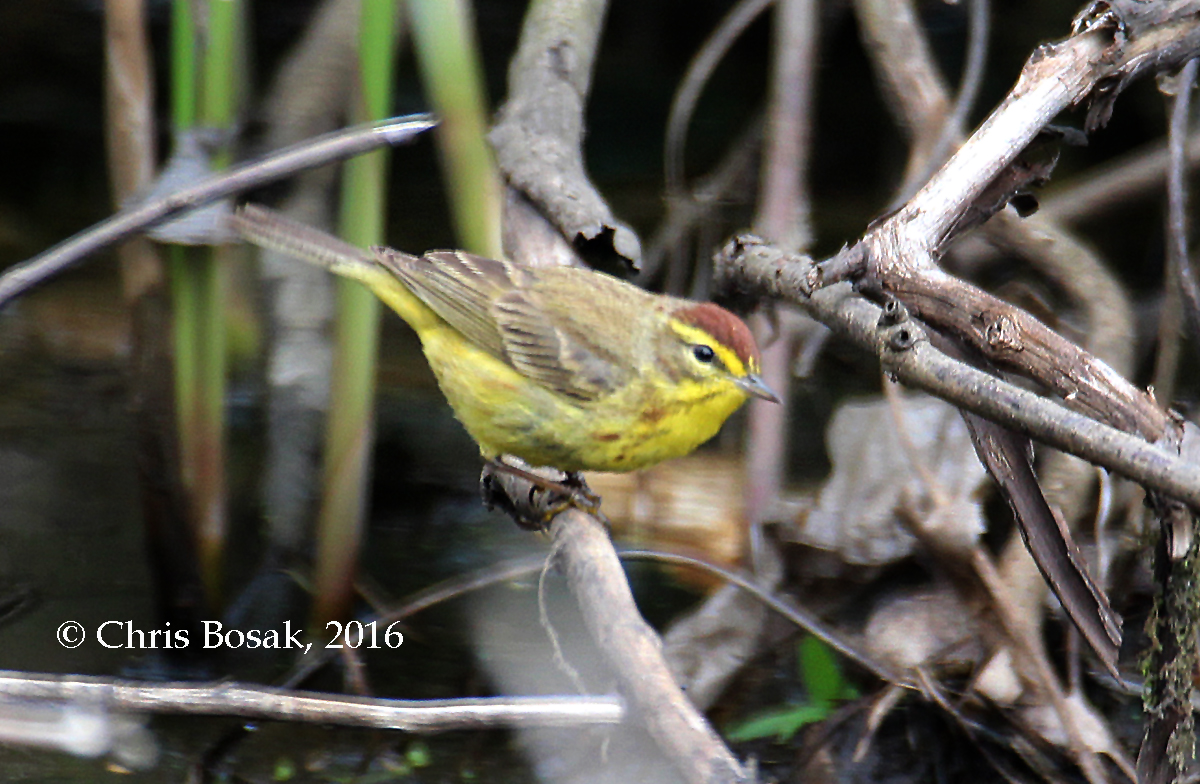
Photo by Chris Bosak A Palm Warbler perches on a branch near a pool of water in Selleck's Woods in Darien, Conn., April 2016.

Photo by Chris Bosak
A Palm Warbler perches on a branch near a pool of water in Selleck’s Woods in Darien, Conn., April 2016.

Photo by Chris Bosak A Yellow-rumped Warbler perches on a branch in Selleck's Woods, Darien, Conn., April 2016.

Photo by Chris Bosak
A Yellow-rumped Warbler perches on a branch in Selleck’s Woods, Darien, Conn., April 2016.

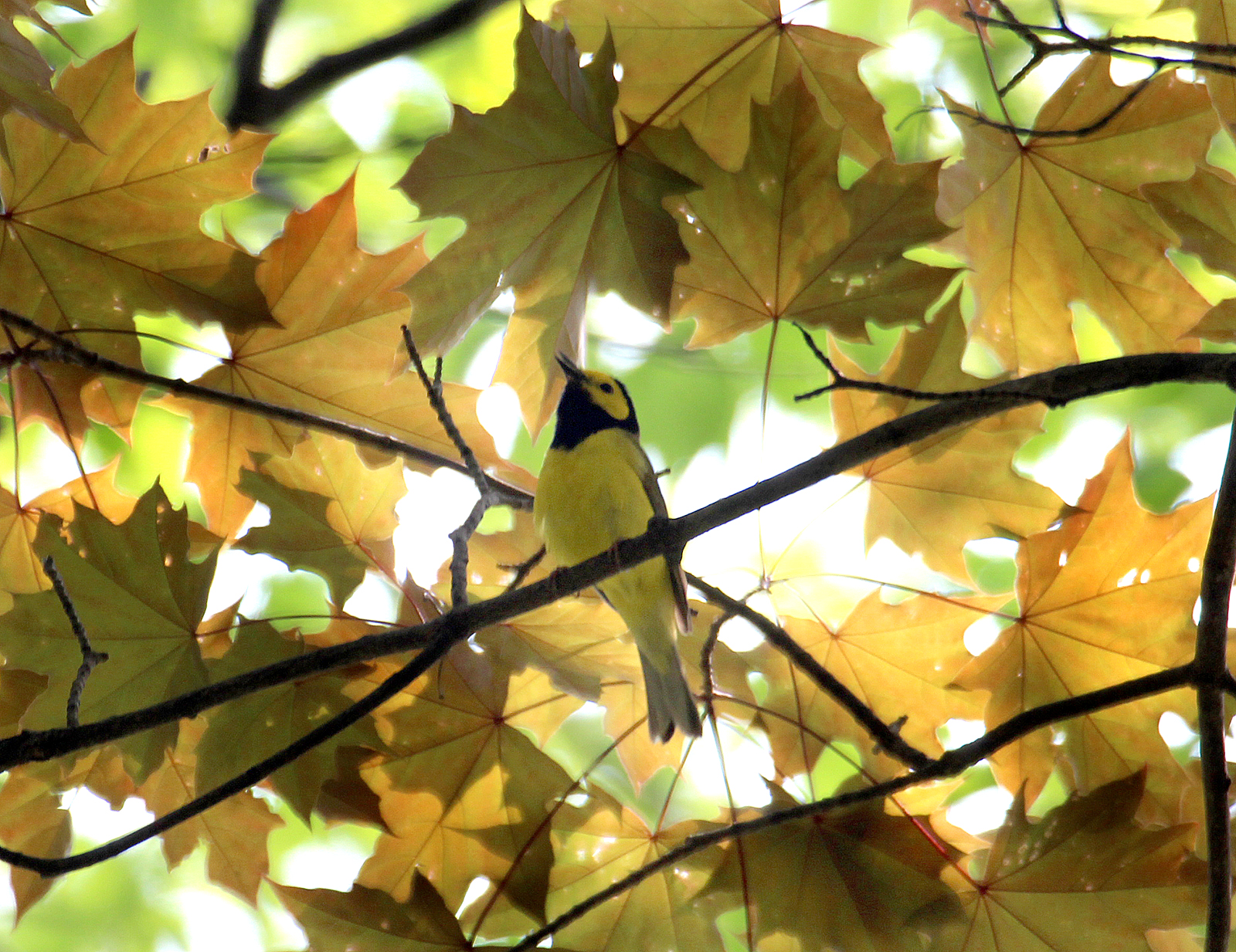
Hooded Warbler in Danbury, Ct., spring 2016.

Hooded Warbler in Danbury, Ct., spring 2016.

More photos of the Rose-breasted Grosbeak

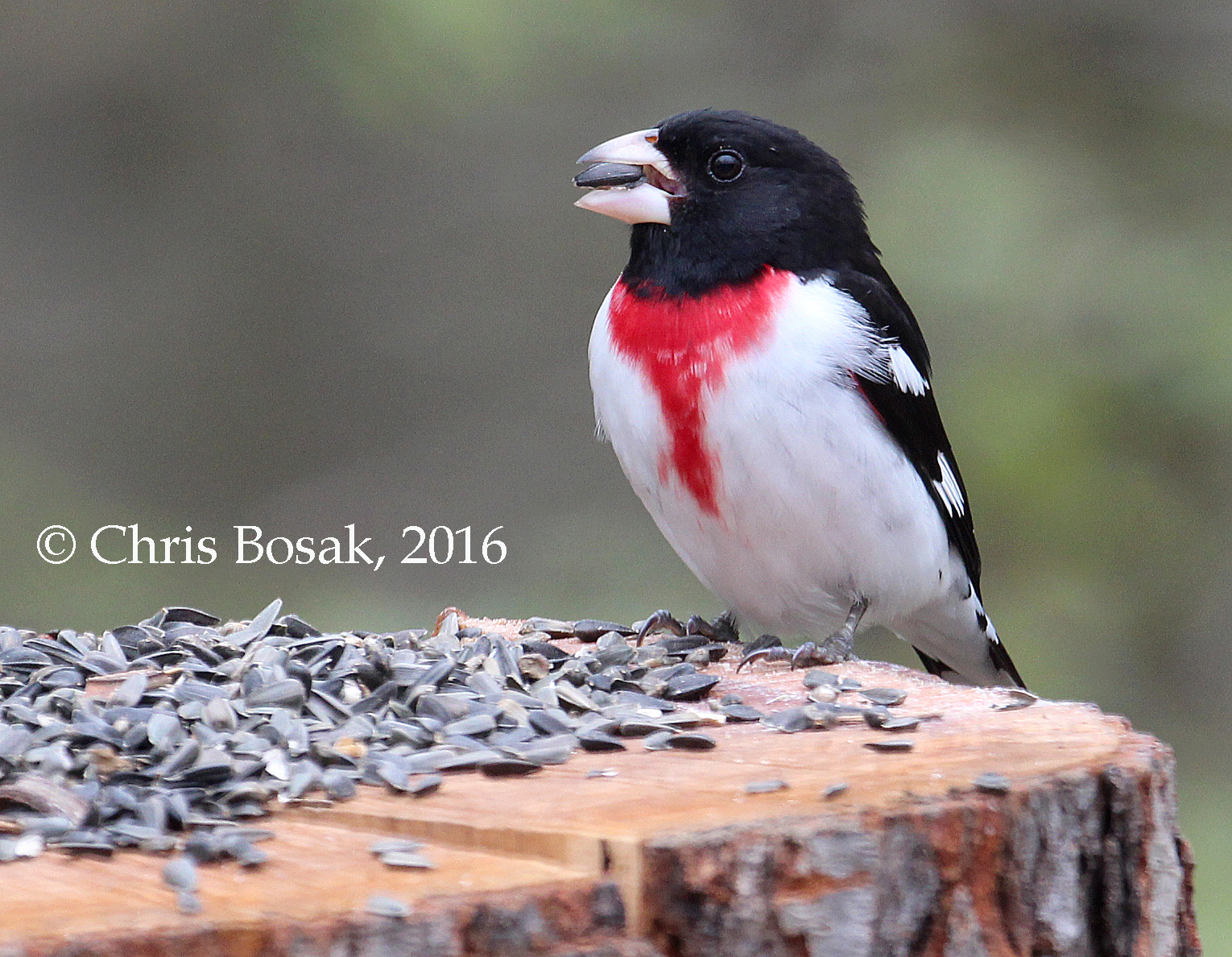
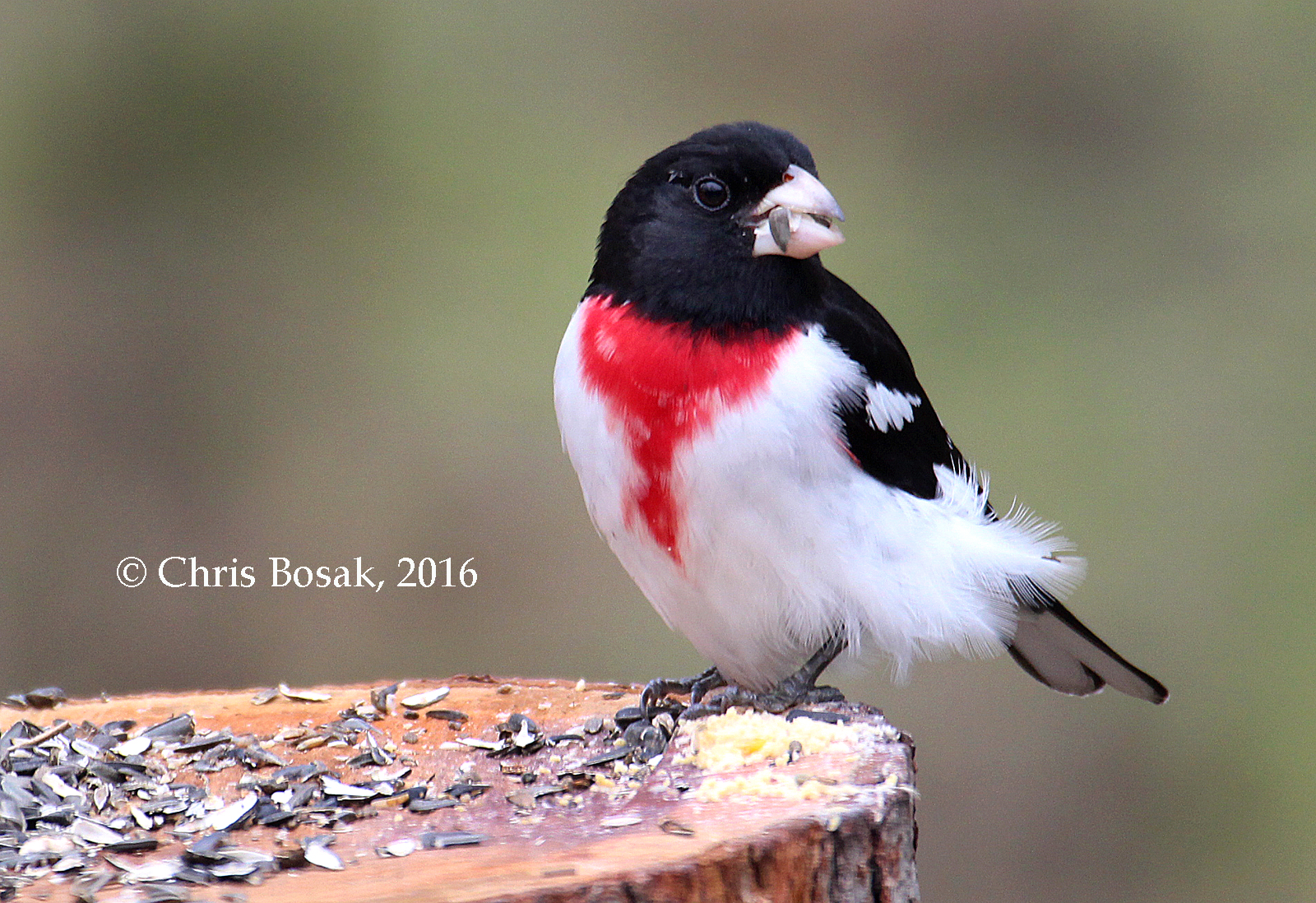
Photo by Chris Bosak A Rose-breasted Grosbeak visits a feeder in Danbury, Conn., May 2016.

Photo by Chris Bosak
A Rose-breasted Grosbeak visits a feeder in Danbury, Conn., May 2016.

You didn’t think a Rose-breasted Grosbeak would visit my yard and I’d post only a measly two photos, did you? Of course not. So here are several more photos. This guy hung around for about three days and then presumably headed north. Enjoy and good luck for the rest of this spring migration.

Let me know what you’re seeing out.

Photo by Chris Bosak A Rose-breasted Grosbeak visits a feeder in Danbury, Conn., May 2016.

Photo by Chris Bosak
A Rose-breasted Grosbeak visits a feeder in Danbury, Conn., May 2016.

Photo by Chris Bosak A Rose-breasted Grosbeak visits a feeder in Danbury, Conn., May 2016.

Photo by Chris Bosak
A Rose-breasted Grosbeak visits a feeder in Danbury, Conn., May 2016.

Photo by Chris Bosak A Rose-breasted Grosbeak visits a feeder in Danbury, Conn., May 2016.

Photo by Chris Bosak
A Rose-breasted Grosbeak visits a feeder in Danbury, Conn., May 2016.

Photo by Chris Bosak A Rose-breasted Grosbeak visits a feeder in Danbury, Conn., May 2016.

Photo by Chris Bosak
A Rose-breasted Grosbeak visits a feeder in Danbury, Conn., May 2016.

What a visitor: Rose-breasted Grosbeak

Photo by Chris Bosak A Rose-breasted Grosbeak visits a homemade platform feeder in Danbury, Conn., on May 6, 2016.

Photo by Chris Bosak
A Rose-breasted Grosbeak visits a homemade platform feeder in Danbury, Conn., on May 5, 2016.

I had a feeling one would show up. And I had a feeling it would just love a homemade platform feeder from which to eat during its migration. Boy, when you’re right, you’re right. Usually when I wish for a specific scenario it never happens. This time, Bingo!

Sure enough, this morning (May 5) I was awakened by a small commotion at my window feeder. It was a male Rose-breasted Grosbeak trying to land on the narrow perch. Even without my glasses on I could tell what it was. How do you mistake a bird like that? It eventually figured out how to land on the small window feeder. I hoped he would get tired of the narrow perch and eventually find his way into the backyard where the real feeding station is. I made sure the homemade platform feeder had plenty of seeds.

Sure enough (again), about 11 o’clock there he was. Standing on the platform feeder eating seeds. Grosbeaks are like finches or cardinals in their eating habits in that they will perch and stay there to eat seed after seed. That is unlike birds such as chickadees, nuthatches and titmice, which grabs seeds and go. So with the grosbeak sitting there chowing down, it presented a nice, long photo opportunity.

I’ll write more about it in a later post, but for now, I wanted to get these photos out there.

Thanks for supporting http://www.BirdsofNewEngland.com

Here’s one more shot, for now:

Photo by Chris Bosak A Rose-breasted Grosbeak visits a homemade platform feeder in Danbury, Conn., on May 6, 2016.

Photo by Chris Bosak A Rose-breasted Grosbeak visits a homemade platform feeder in Danbury, Conn., on May 5, 2016.

The quirky Ovenbird pays a visit

Photo by Chris Bosak An Ovenbird stands on a railing in Danbury, Conn., April 2016.

Photo by Chris Bosak
An Ovenbird stands on a railing in Danbury, Conn., April 2016.

The Ovenbird is an odd little warbler. It looks more like a thrush with its light brown plumage and spotted breast, but it is a warbler — a warbler that prefers to walk along the ground instead of fly among the treetops.

It is perhaps most known for its song — the ubiquitous “teacher-teacher-teacher” that rings out from the woods throughout May and June in New England. But just because their song is loud and proud, that doesn’t mean they are easy to find. They lurk among the leaf-strewn forest floor, blending in with their surroundings.

I’ve been lucky enough to have one (or more?) visit my yard over the last few days. I’ve enjoyed the visit, but know it won’t last long. Soon, perhaps it’s even left already, it will head farther north.

Photo by Chris Bosak An Ovenbird perches on a branch in Danbury, Conn., April 2016.

Photo by Chris Bosak
An Ovenbird perches on a branch in Danbury, Conn., April 2016.

Photo by Chris Bosak An Ovenbird stands on a log in Danbury, Conn., April 2016.

Photo by Chris Bosak
An Ovenbird stands on a log in Danbury, Conn., April 2016.


Yellow-rumped Warblers abound so far

Photo by Chris Bosak A Yellow-rumped Warbler perches on a branch in Selleck's Woods, Darien, Conn., April 2016.

Photo by Chris Bosak
A Yellow-rumped Warbler perches on a branch in Selleck’s Woods, Darien, Conn., April 2016.

So far, early in this warbler season, Yellow-rumped Warblers are by far the most abundant species. That is true pretty much any year, but this year that really seems to be the case. I’ve seen only a handful of the other typical early arrivers — Pine Warblers and Palm Warblers — but dozens of Yellow-rumpeds nearly everywhere I go.

I visited my old favorite spot Selleck’s Woods the other day and Yellow-rumped were everywhere I looked. I also saw a Palm Warbler, two Brown Thrashers and an Eastern Towhee — but Yellow-rumpeds were the dominant species. Not that I’m complaining. How can you complain about such a beautiful bird?

Stay tuned for more warbler photos (I hope so anyway).

Photo by Chris Bosak A Yellow-rumped Warbler perches on a branch in Selleck's Woods, Darien, Conn., April 2016.

Photo by Chris Bosak
A Yellow-rumped Warbler perches on a branch in Selleck’s Woods, Darien, Conn., April 2016.