Resourceful blue jay maximizes visit to birdfeeder

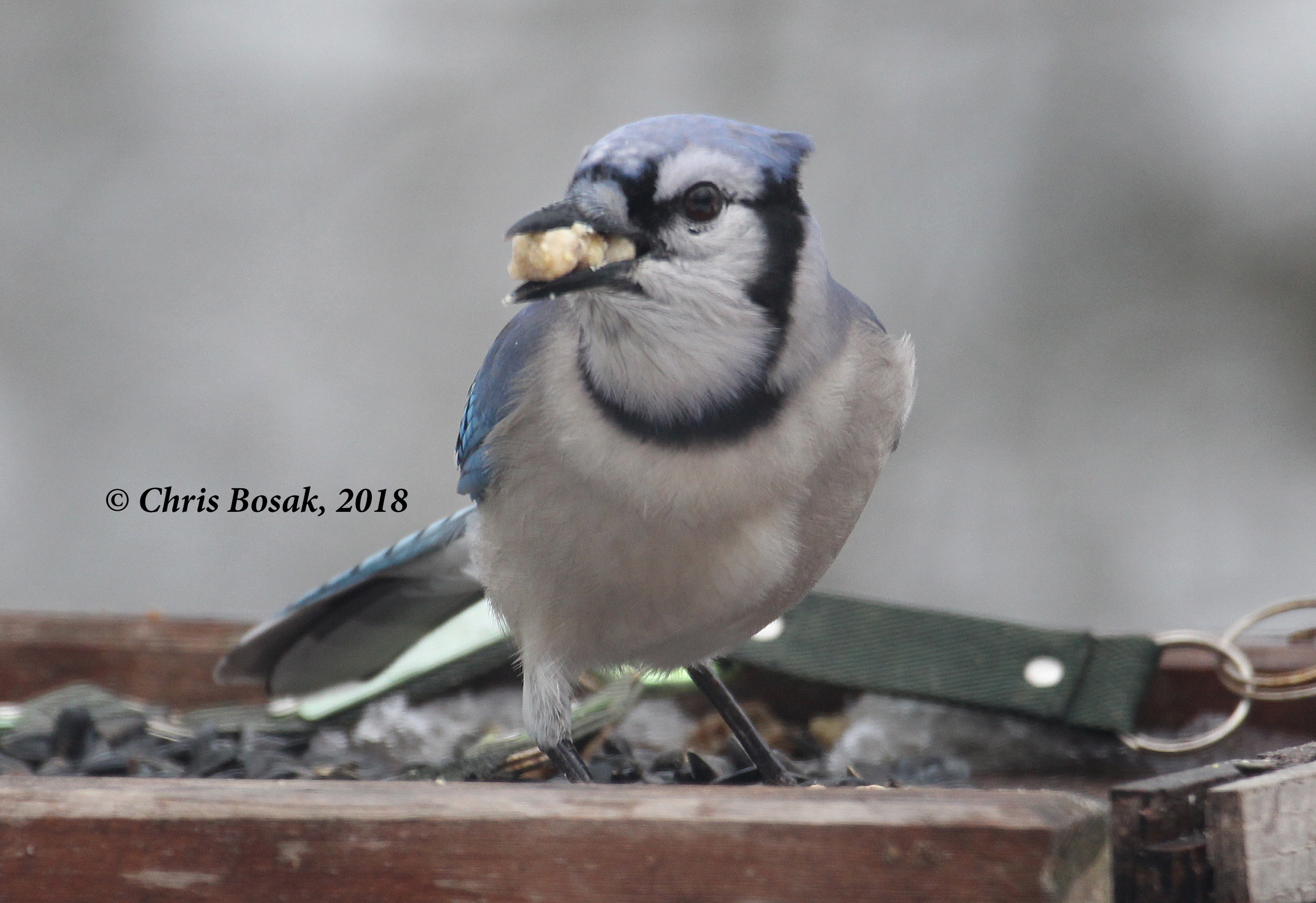
Photo by Chris Bosak A blue jay grabs a third suet nugget from a platform feeder, Danbury, Conn., March 2018.

Photo by Chris Bosak
A blue jay grabs a third suet nugget from a platform feeder, Danbury, Conn., March 2018.

This blue jay reminded me of myself when I return from a trip to the grocery store. Instead of taking two or three trips from the car to the kitchen — which would be exponentially easier and faster — I have to do it all in one trip. I position the handles of the bags all up and down my left arm until only one bag remains. I grab the last bag with my right hand and close the hatch with that hand, dangling whatever groceries happen to be inside.

I don’t distribute the weight of the bags because I’m going to need that right hand to open the front door, so I struggle with nine or 10 bags on my left arm. It gets real dicey when I bought lots of beverages — think gallons of milk and orange juice. But I manage to quick step my way to the door, open it with my relatively free right hand and run hunched over to the kitchen to release the bevy of bags into a mound on the floor. Yes, that gallon of milk is now on top of the hot dog buns. I look at my left arm to inspect the indentations and welts left from the bags and think: Next time I’ll take two trips. But I won’t.

Anyway, back to that blue jay. Instead of grabbing a suet nugget and flying off to eat it or store it, it stuck around to position the little rounds of goodness into its bill to fit in as many as it could. I think it got three, but it may have been four. Here’s a look at how it did it.

Photo by Chris Bosak A blue jay stands on a platform feeder, eyeing up some suet nuggets, Danbury, Conn., March 2018.

Photo by Chris Bosak
A blue jay stands on a platform feeder, eyeing up some suet nuggets, Danbury, Conn., March 2018.

Photo by Chris Bosak A blue jay grabs a suet nugget from a platform feeder, Danbury, Conn., March 2018.

Photo by Chris Bosak
A blue jay grabs a suet nugget from a platform feeder, Danbury, Conn., March 2018.

Continue reading

A flurry of winter bird photos before spring begins

Photo by Chris Bosak A red-bellied woodpecker grabs a peanut from a feeder, March 2018.

Photo by Chris Bosak
A red-bellied woodpecker grabs a peanut from a feeder, March 2018.

Andrew, my 14-year-old going on 21, and I took a walk in the woods together this evening. These walks don’t happen as often as they used to or as much as I’d like, so I was more than happy when he said ‘yes,’ when I asked if he’d like to come along.

The trail behind my house is covered in snow, but it’s been walked on and packed down so it’s not much different than walking on dirt or on a sidewalk. But, as my walks with Andrew almost always go, we veered off the path to check out one thing or another. As we ventured away from the path, the snow at spots was still a foot or more deep. A foot or deeper on March 19, two days away from the official start of Continue reading

Latest For the Birds column: Chickadees, scarce or not?

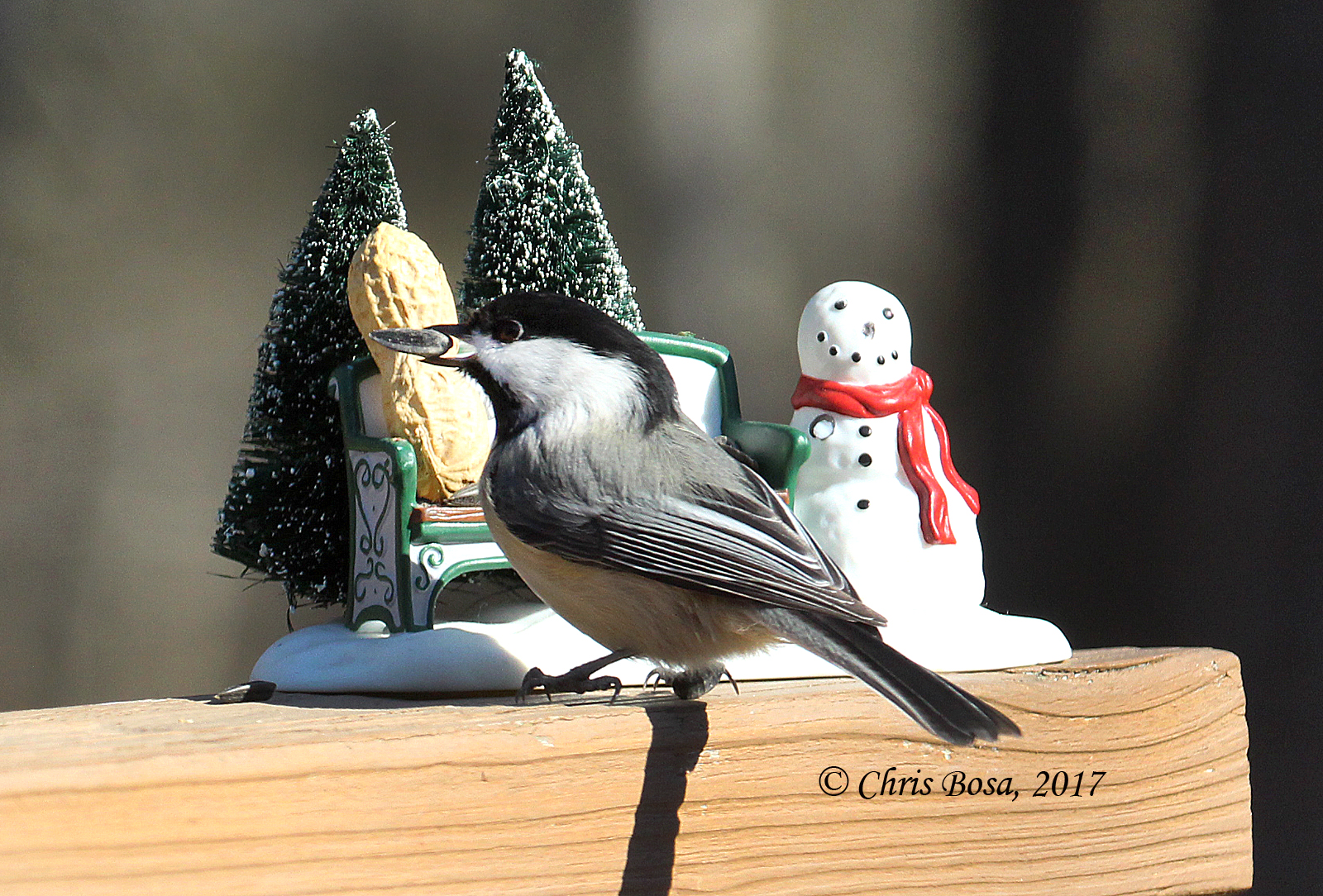
Photo by Chris Bosak Ablack-capped chickadee grabs a sunflower seed from a Christmas decoration during the winter of 2016-17 in Danbury, Conn.

Photo by Chris Bosak
A black-capped chickadee grabs a sunflower seed from a Christmas decoration during the winter of 2016-17 in Danbury, Conn.

Where are the chickadees?

That question has been on the minds of many concerned birders this winter. I’ve been lucky enough to see a few at my feeding stations, but not great numbers. Consistent numbers, but not big numbers.

Titmice? Those I’ve seen in consistently high numbers. Nuthatches and the downy woodpecker — also consistent and high. 

But chickadees have been harder to come by. As I said, I’m one of the lucky ones. I’ve at least seen a few. Many people have written to me to say they’ve not seen any.

“What has happened to these birds?” one reader asked.

Another reader noted a general drop in bird numbers, but: “The biggest absence seems to be chickadees. … In all previous winters I would be inundated with chickadees and nuthatches. This winter: zero nuthatches, and only one or two chickadees at the feeder. I used to have more of them than there was room to perch!”

Chickadees are a beloved bird in New England and Continue reading

Latest For the Birds column: Robins and spring

Photo by Chris Bosak An American Robin perches on a rock at Weed Beach in Darien, Conn., in Jan. 2015.

Photo by Chris Bosak
An American Robin perches on a rock at Weed Beach in Darien, Conn., in Jan. 2015.

Here is the latest For the Birds column, which runs in several New England newspapers.

Nor’easters and pending snowfalls aside, spring is knocking on the door.

The robins are back. That has to mean spring, right? Aren’t robins the traditional harbinger of spring?

Well, yes and no. Yes, they are the traditional harbinger of spring by manner of conventional wisdom, but, no, because some robins have remained in New England all winter.

A number of robins spend their winters in New England, Continue reading

A shot from the storm: Cardinal in snow

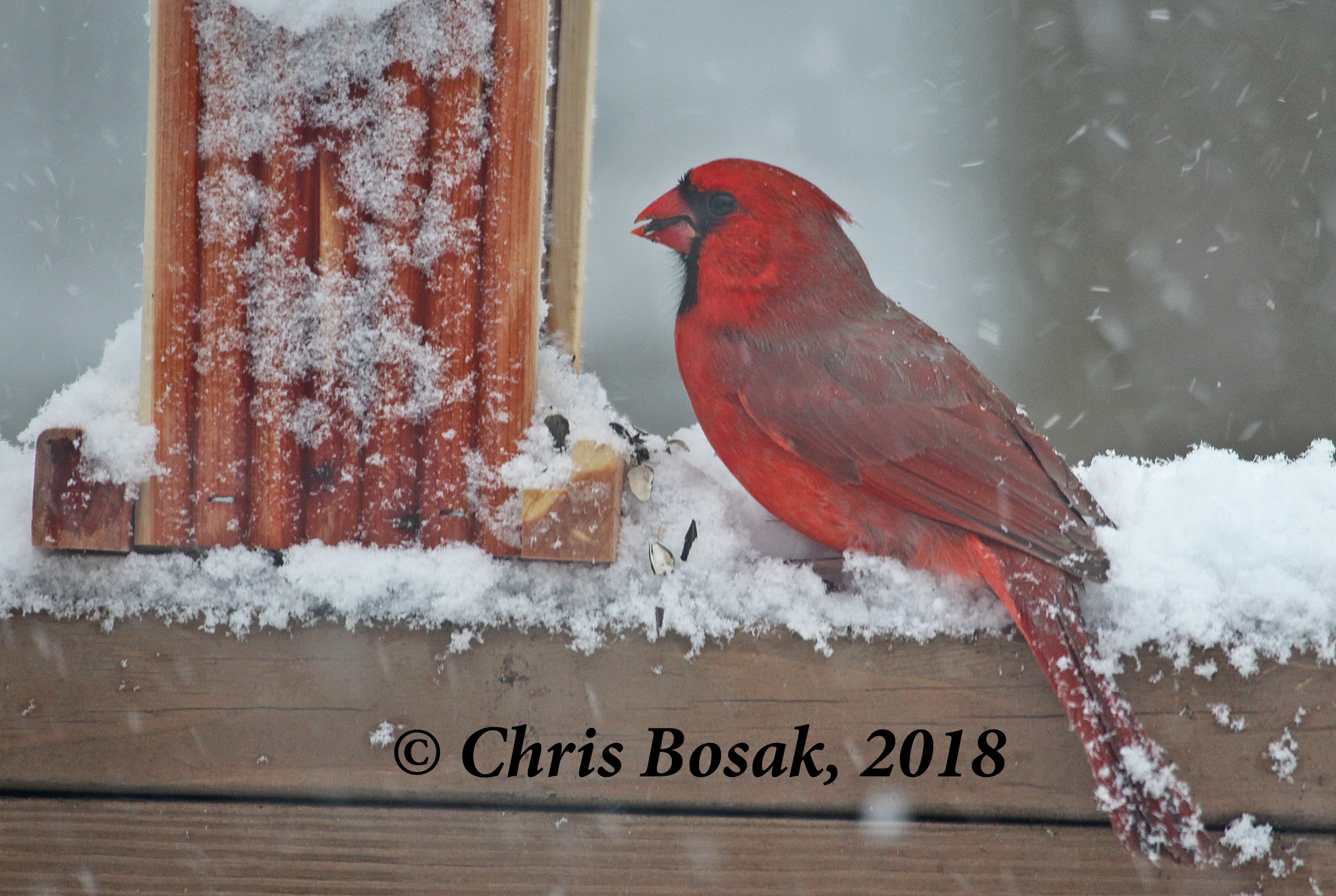
Photo by Chris Bosak A northern cardinal eats seeds from a feeder during a snow storm, March 2018.

Photo by Chris Bosak
A northern cardinal eats seeds from a feeder during a snow storm, March 2018.

Here’s one shot from today’s nor’easter that hit parts of New England hard. Here in Danbury, Connecticut, we got socked with over a foot of heavy snow. The day started out calmly enough, but around 3 or 4 p.m., the heavy stuff started falling and accumulating FAST. I got this cardinal before things got out of hand. Hopefully, there will be more shots to follow.


Preening away II

Here are a few more preening photos to go along with my last For the Birds column post. Click here in case you missed it.

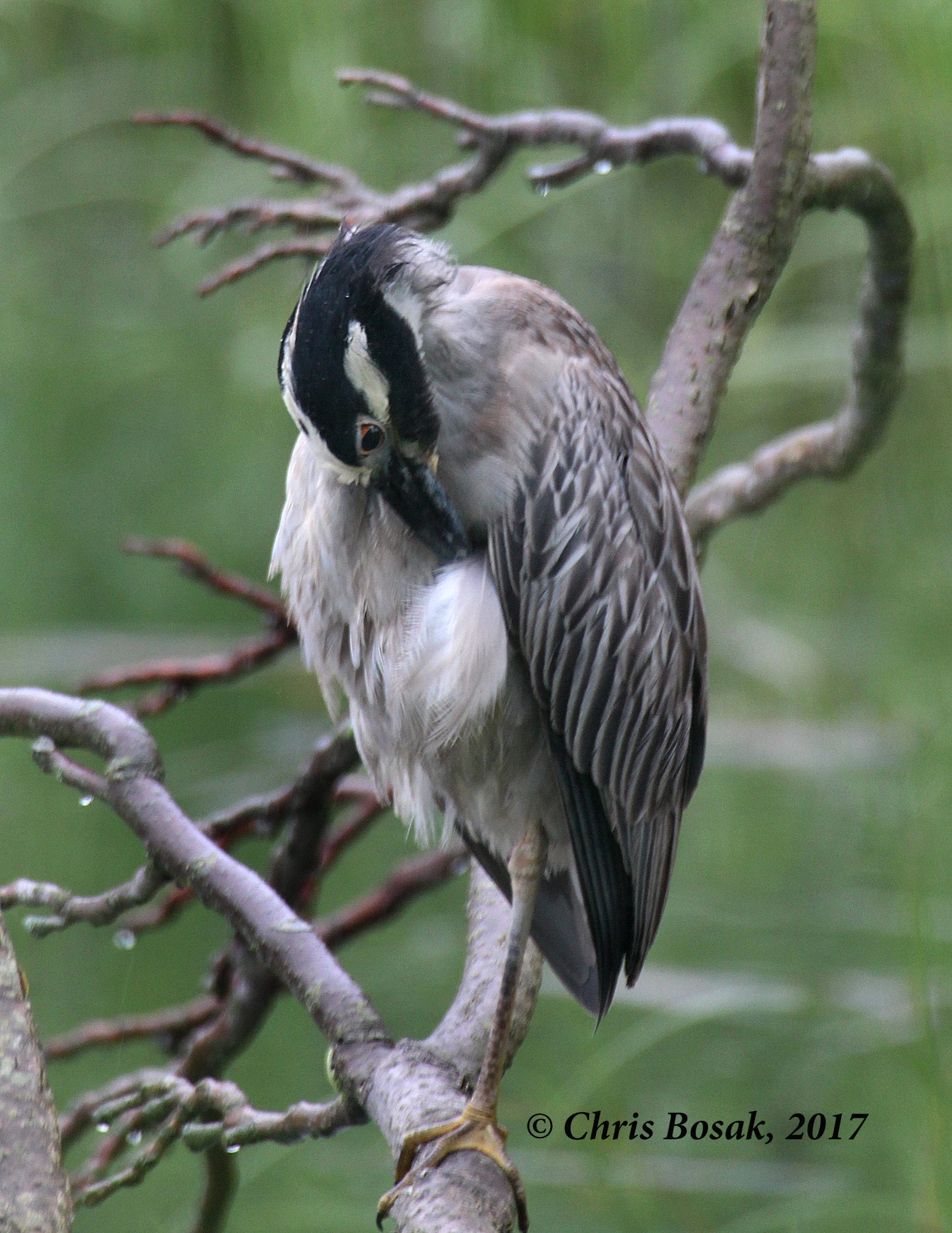
Photo by Chris Bosak A yellow-crowned night heron preens in Norwalk, Conn., summer 2017.

Photo by Chris Bosak
A yellow-crowned night heron preens in Norwalk, Conn., summer 2017.

Photo by Chris Bosak A Piping Plover preens at Milford Point in spring of 2014.

Photo by Chris Bosak
A Piping Plover preens at Milford Point in spring of 2014.

Photo by Chris Bosak A Piping Plover preens on the beach at Milford Point, Conn., in April 2014.

For the Birds column: Preening away

Here is the latest For the Birds column, which runs in several New England newspapers.

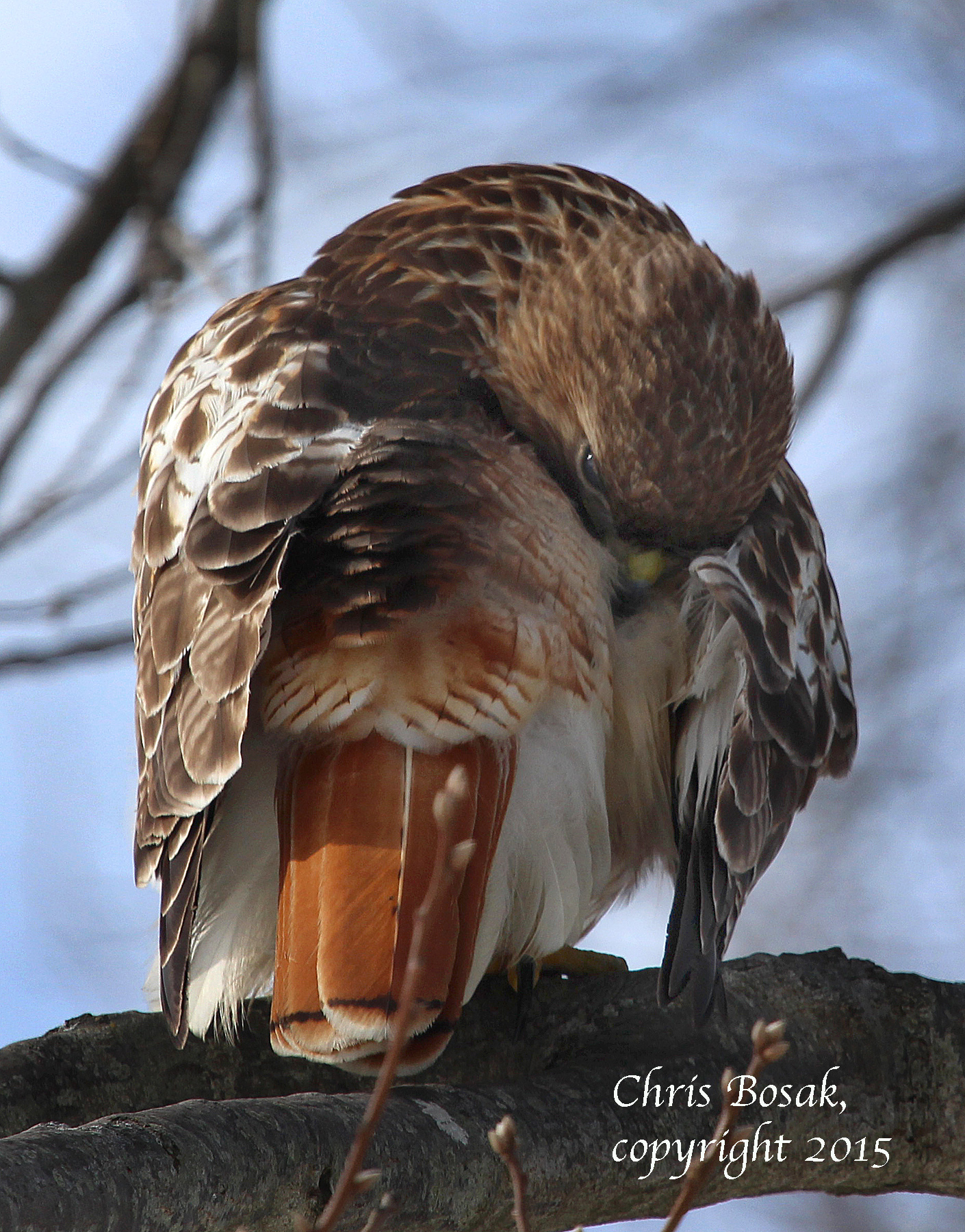
Photo by Chris Bosak A Red-tailed hawk preens at Weed Beach in Darien, Conn., January 2015.

Photo by Chris Bosak
A Red-tailed hawk preens at Weed Beach in Darien, Conn., January 2015.

I thought my cat was bad. The incessant licking to keep himself clean. He’s got to be the cleanest cat ever.

Then I watched a northern mockingbird preening itself. It went on for as long as I could watch and who knows how much longer after I walked away.

Feather maintenance is an important part of life for birds and it takes up a great amount of their time. Feathers play a role in a bird’s ability to fly, attract a mate, hide from predators and protect itself from the weather. Birds are the only living creatures with Continue reading

Latest For the Birds column: Tale of two birdwatching days

Here is the latest For the Birds column, which runs in several New England newspapers.

Photo by Chris Bosak
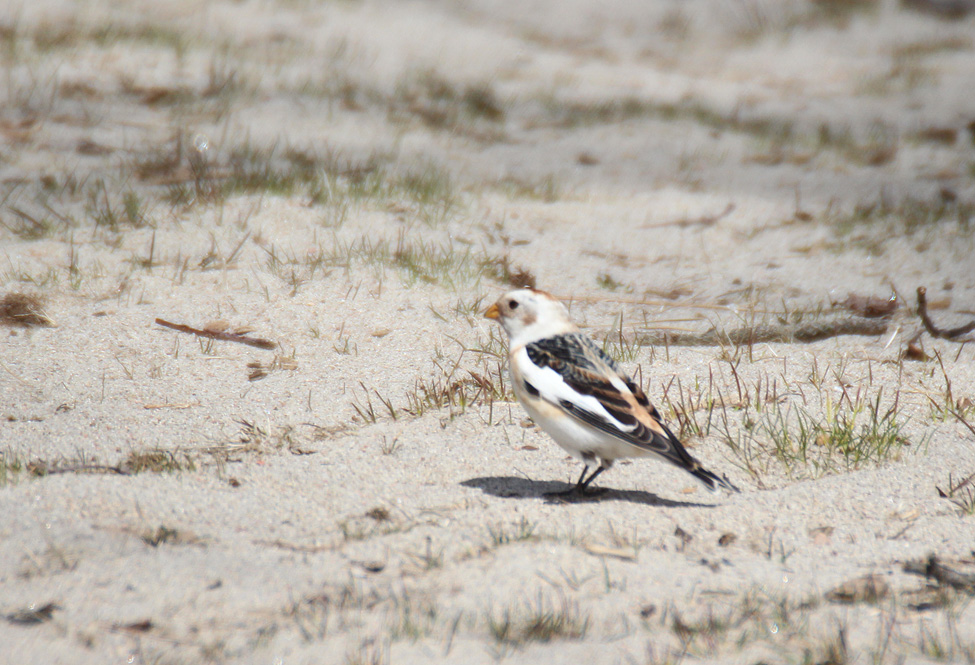
Snow Bunting at Norwalk’s Calf Pasture Beach, March 26, 2013.

I had two very different birdwatching experiences on consecutive days recently. Both of them were great, of course, but very, very different.

Let’s start with a Wednesday outing. I had some rare time to myself, so I was going somewhere. I didn’t care how cold it was outside, I was getting out of the house.

I had read the previous day on the Connecticut Rare Bird Alert Web site that short-eared owls were being seen at Silver Sands State Park in Milford. I’ve never had much luck finding owls, but figured I’d give it a shot. Maybe this was the day my luck would change. Snowy owls are being seen in larger-than-normal numbers this year, too, so my chances were doubled.

Armed with a heavy winter coat, hat and oversized dorky mittens, Continue reading

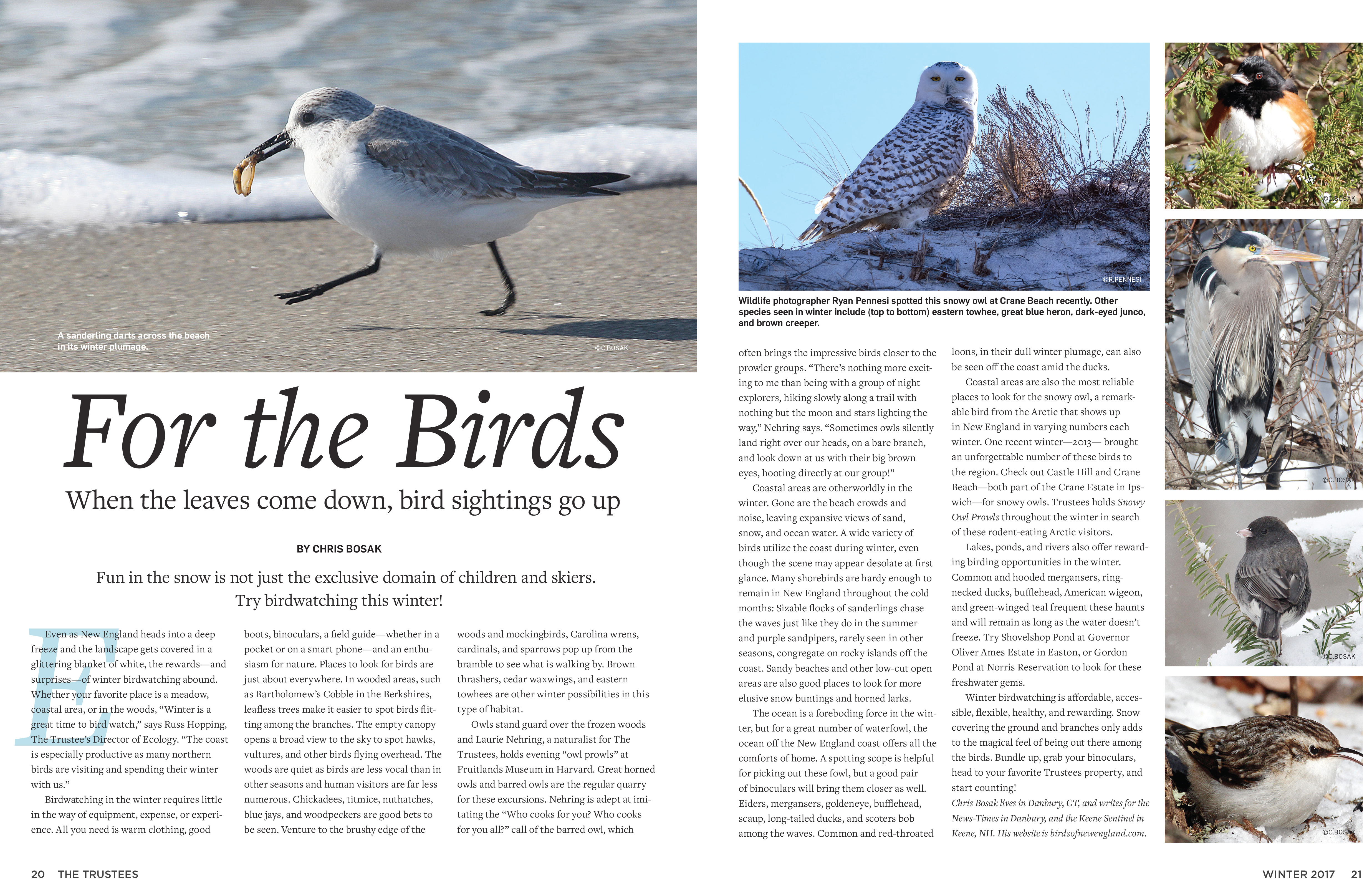
Great work by The Trustees on this magazine story

Story in Special Places, the magazine of The Trustees

Story in Special Places, the magazine of The Trustees

Kudos to the layout team at Special Places, the magazine of the The Trustees of Reservations, a Massachusetts conservation organization with many terrific lands under its care. I was asked to write a story on winter birdwatching, which of course I accepted. The editorial and layout team did a great job of packaging the story and making the story look great. (All of the photos are mine, too, except for the nice shot of the snowy owl, which was taken by Ryan Pennesi.)

I know this photo of the layout makes the story close to impossible to read (if not impossible). The text will be available soon at the website of The Trustees. Check out what this great organization has been up to at www.thetrustees.org.


Bird of prey indeed

Photo by Chris Bosak A red-shouldered hawk perches on a wire in Brookfield, Connecticut, Jan. 2018.

Photo by Chris Bosak
A red-shouldered hawk perches on a wire in Brookfield, Connecticut, Jan. 2018.

Sorry for the delay on this post … I ended the last post with this:

“I have a feeling this bird is digesting a recently eaten meal. Anybody know what makes me think that?”

Take a look at the bill and talons of the bird. Some small bird or animal found out why hawks are “birds of prey.”

Photo by Chris Bosak
A red-shouldered hawk perches on a wire in Brookfield, Connecticut, Jan. 2018.

Photo by Chris Bosak
A red-shouldered hawk perches on a wire in Brookfield, Connecticut, Jan. 2018.