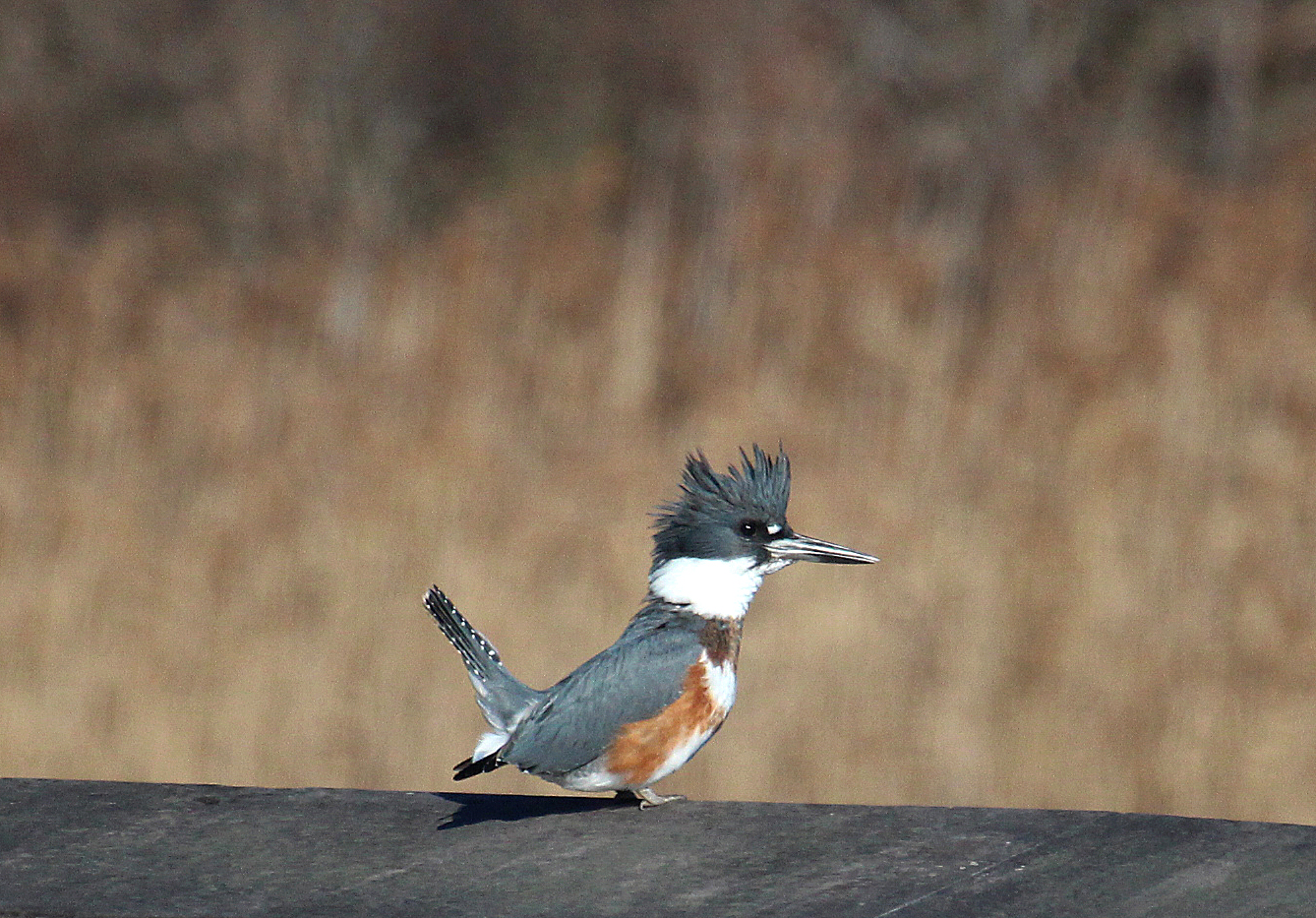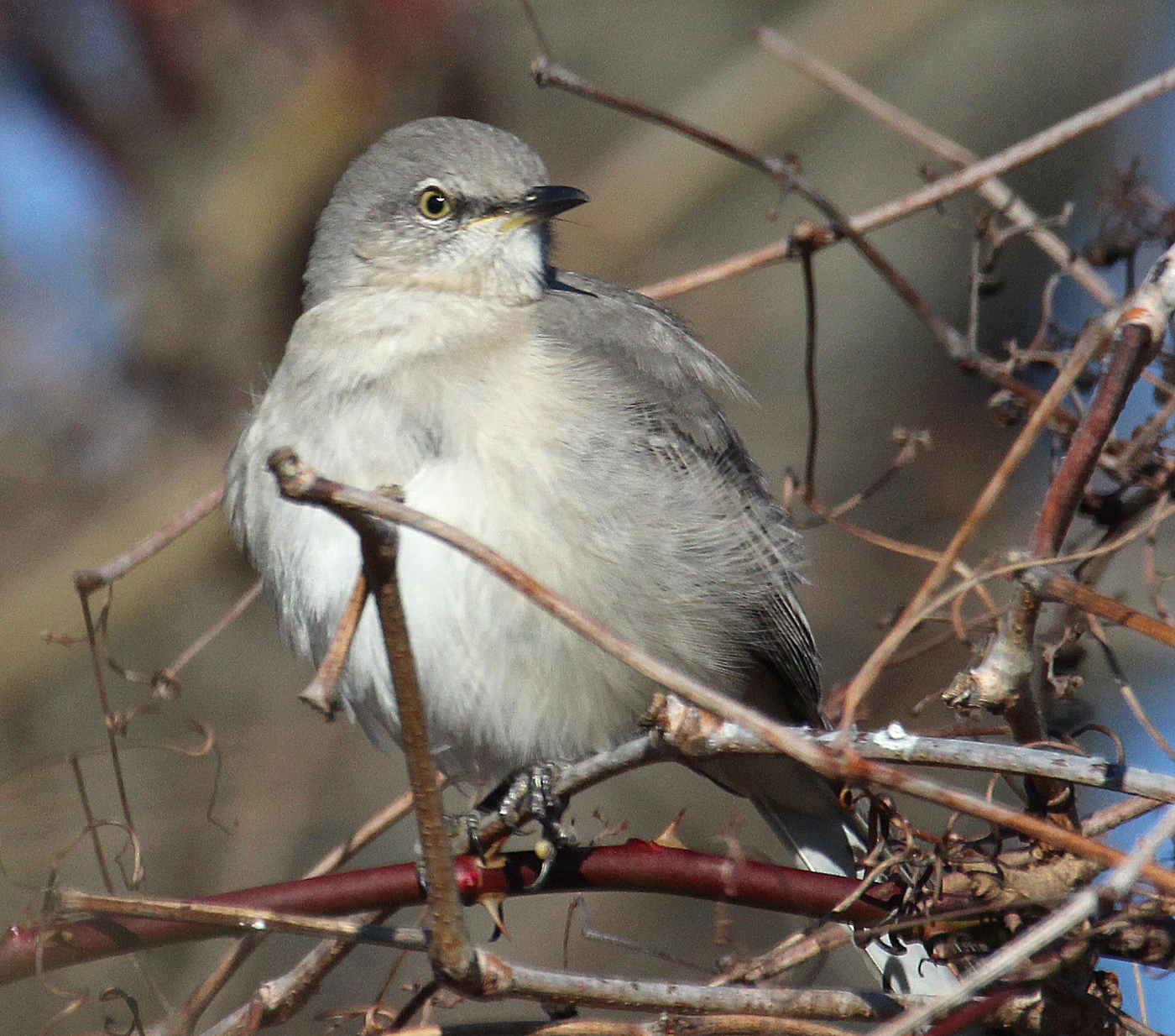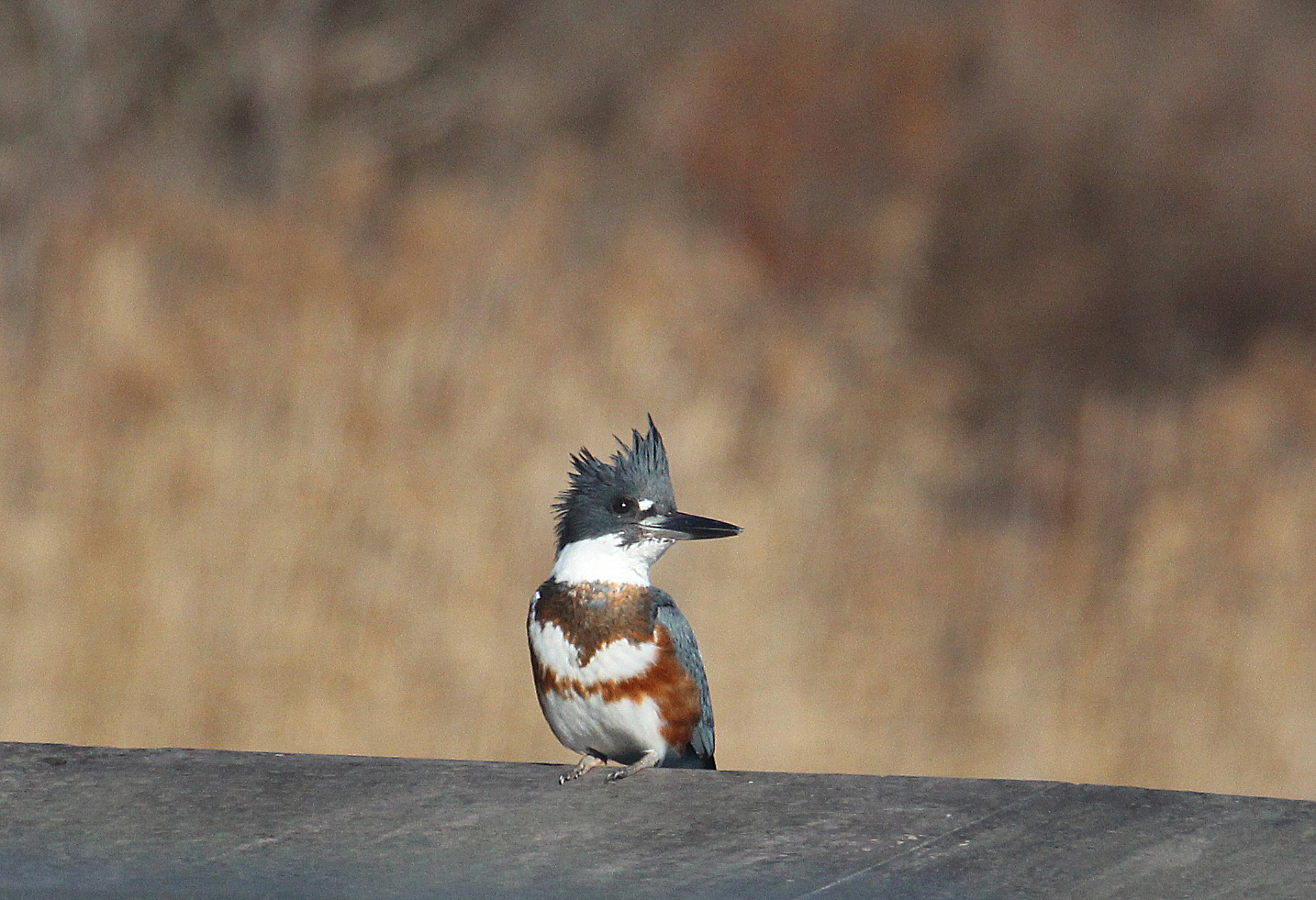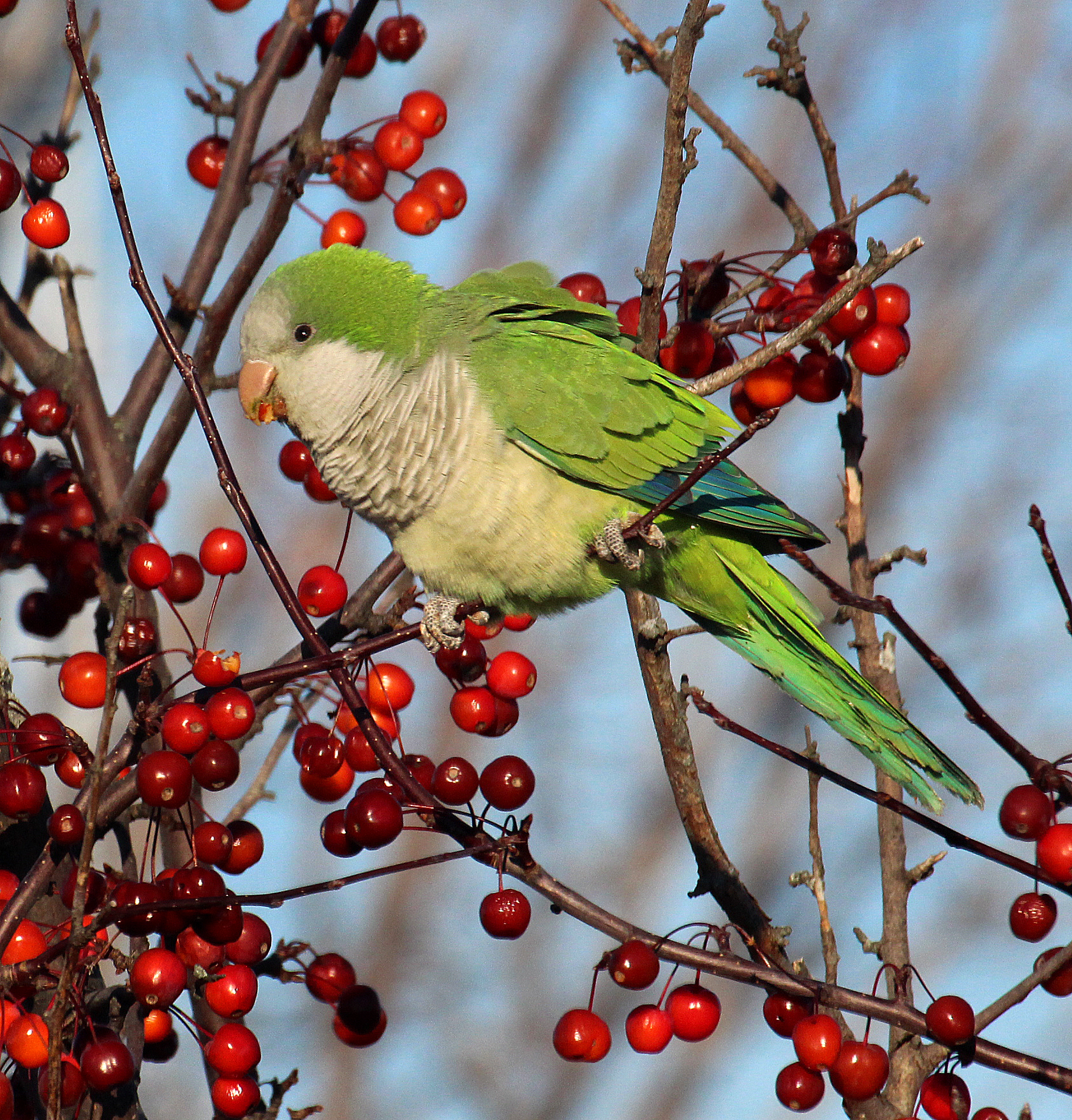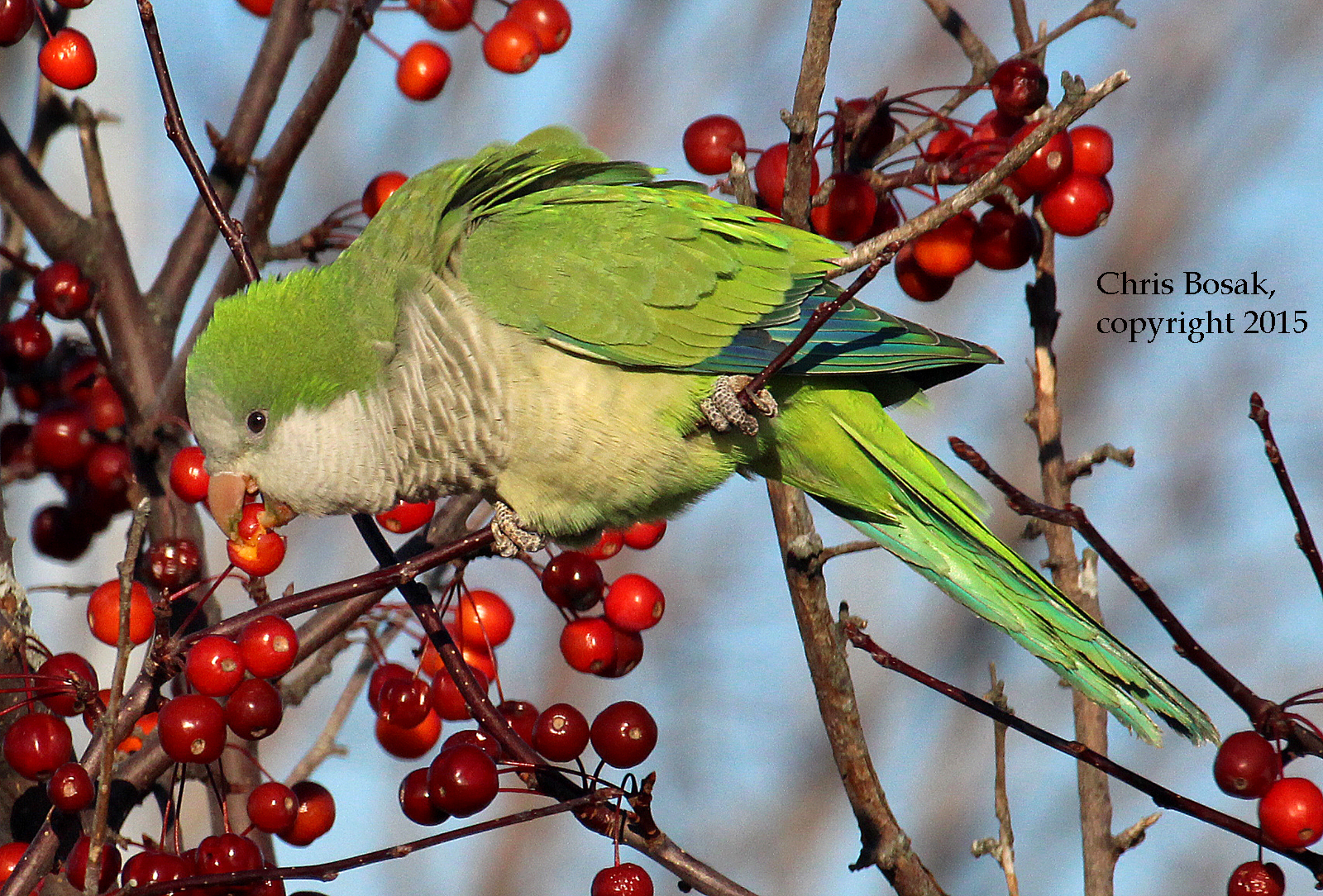
Birding quiz — a bit of a tricky one

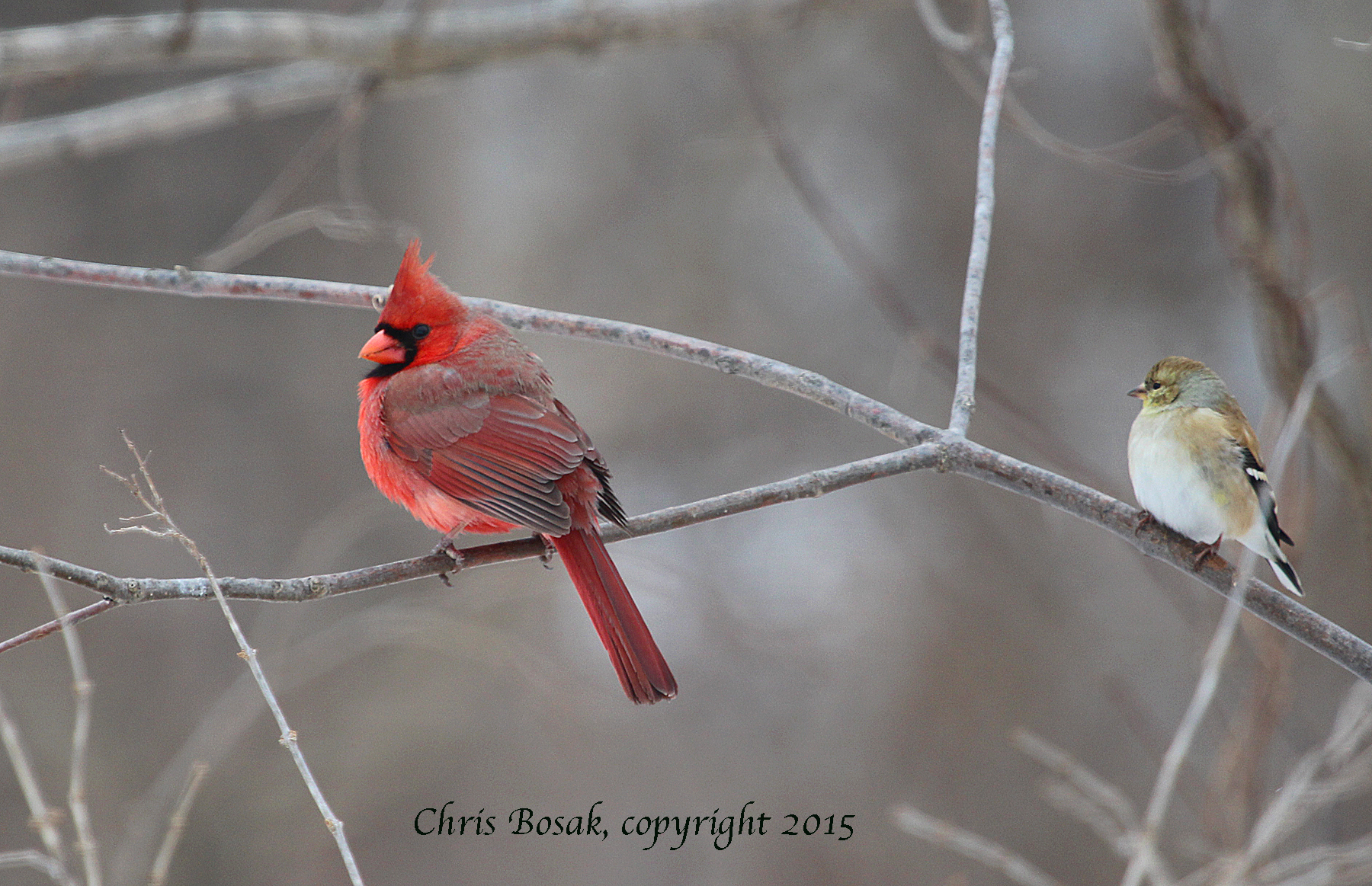
Photo by Chris Bosak

Photo by Chris Bosak

I haven’t done a birding quiz in quite some time. So here’s the latest. Admittedly, it’s somewhat of a trick question ,but I think many of you will get this, regardless …

So what is it?? Thanks for playing along and be sure to tell your friends so they can guess, too.


Common Loons are a year-rounder for New England

Photo by Chris Bosak A Common Loon seen during a recent winter in Long Island Sound off the coast of Norwalk, Conn. Loons feature a more drab plumage in the winter.

Photo by Chris Bosak
A Common Loon seen during a recent winter in Long Island Sound off the coast of Norwalk, Conn. Loons feature a more drab plumage in the winter.

Here’s my latest For the Birds column regarding Common Loons being a year-round New England bird. It was inspired by the release of a study that determined that loons are loyal to both summer and winter sites. Enjoy and thanks for checking out http://www.BirdsofNewEngland.com

Common Loons are a year-round New England bird. You won’t see them at the same place in the summer and winter, but they are true to our region. In the summer, head to the northern New England lakes and ponds and you’ll see loons. Those waters will be void of loons in the winter. In fact, there’s a very strong possibility that those waters will be frozen in the winter. But head to southern coastal New England in the winter, and you’ll see loons. Some loons head farther south for the winter months, but many spend their winters on Long Island Sound or off the Atlantic coast. As a bonus, these wintering grounds also play host to a fair amount of Red-throated Loons, too. But these waters are void of loons in the summer. So, unlike say, for instance, a Black-capped Chickadee, which can be seen

Read the rest of the column here.

Young Cooper’s Hawk after meal

Photo by Chris Bosak An immature Cooper's Hawk rests in a tree after eating a songbird in Norwalk, CT, summer 2015.

Photo by Chris Bosak
An immature Cooper’s Hawk rests in a tree after eating a songbird in Norwalk, CT, summer 2015.

I love when these types of calls come in.

“Hey Chris. It’s Alex. There’s a hawk in the parking lot. Come down.”

I jumped in the elevator, went down and met Alex (one of the photographers here at The Hour) in the parking lot. Sure enough, there was an immature Cooper’s Hawk sitting in a tree right above some cars. I grabbed a few shots, shot the breeze a bit with Alex and went back to work. Not all good bird photographs happen that easily, trust me.

Before I arrived, the young hawk had been eating a smaller bird, perhaps a catbird or titmouse, it was tough to tell from the scraps I could see on the ground. Alex captured a few shots of the hawk eating. He tweeted one, which may be seen here:


Yet more Osprey shots

Photo by Chris Bosak A first-year Osprey sits on the top of a sailboat mast along the Norwalk River in Norwalk, Conn., summer 2015.

Photo by Chris Bosak
A first-year Osprey sits on the top of a sailboat mast along the Norwalk River in Norwalk, Conn., summer 2015.

I had mentioned in the previous post that I was photographing a young Osprey on the top of a sailboat mast when I spotted another Osprey overhead carrying a fish in its talons. Naturally I was more excited about the Osprey carrying a fish so I posted that photo first.

So with that photo out of the way, here are some more Osprey photos that I have taken in the last week — yes, including a few of that young Osprey on the sailboat mast.

Photo by Chris Bosak An Osprey flies with a fish in its talons over the Norwalk River in Norwalk, Conn., summer 2015.

Photo by Chris Bosak
An Osprey flies with a fish in its talons over the Norwalk River in Norwalk, Conn., summer 2015.

Photo by Chris Bosak An Osprey sits near its nest on Fish's Island off the coast of Darien, Conn.,  in summer 2015.

Photo by Chris Bosak
An Osprey sits near its nest on Fish’s Island off the coast of Darien, Conn., in summer 2015.

Photo by Chris Bosak A first-year Osprey sits on the top of a sailboat mast along the Norwalk River in Norwalk, Conn., summer 2015.

Photo by Chris Bosak
A first-year Osprey sits on the top of a sailboat mast along the Norwalk River in Norwalk, Conn., summer 2015.

Photo by Chris Bosak An adult Osprey sits on a piling (left) as a first-year Osprey sits in a nest off the coast of Norwalk, Conn., summer 2015.

Photo by Chris Bosak
An adult Osprey sits on a piling (left) as a first-year Osprey sits in a nest off the coast of Norwalk, Conn., summer 2015.


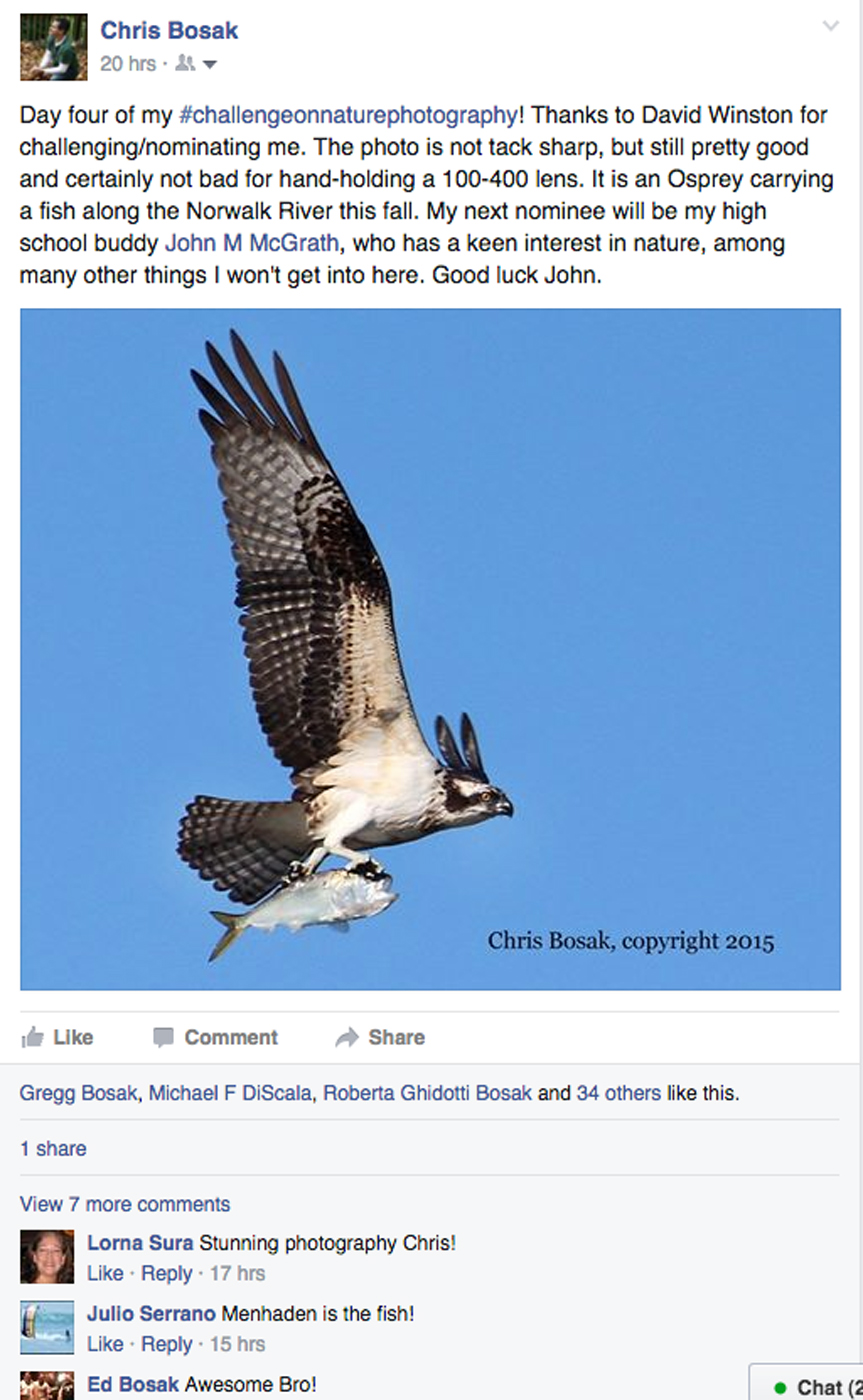
Osprey with fish. Can you name the fish?

Photo by Chris Bosak An Osprey carries a fish along the Norwalk River in Norwalk, CT, summer 2015.

Photo by Chris Bosak
An Osprey carries a fish along the Norwalk River in Norwalk, CT, summer 2015.

I’m pretty good with my birds, but only very average with my fish. I got this photo of an Osprey carrying a fish along the Norwalk River on Friday, Aug. 28, 2015. I was photographing a young Osprey on a sailboat mast when this older Osprey flew by with its prey. The younger Osprey looked up and gave a look as if to say: “I wish I could do that.” The youngster will learn soon enough.

It looks like a fairly good-sized fish, but honestly my fish ID skills are not up to par. Who knows what it is? Thanks for your input.

Cover shot of Darien Times, featuring bird shot by yours truly

Chris Bosak photo of Black-crowned Night Heron on page one of The Darien Times, Thursday, August. 20, 2015.

Chris Bosak photo of Black-crowned Night Heron on page one of The Darien Times, Thursday, August. 20, 2015.

Here’s part of the front page of the Thursday, Aug. 20, 2015, Darien Times, featuring my shot of the Black-crowned Night Heron. Thanks to Darien Times Editor Susan Shultz. More editors should have such good taste. 🙂

Deceptive commercial featuring birds (video has returned)

Update on Wednesday, Aug. 26: the video had disappeared from this post. For now anyway, it’s back.)

Birds and bird songs are often misrepresented in movies, TV shows and commercials. An eagle may fly overhead and the sound of a hawk will be played. Often you’ll hear the call of the loon, but the scene in the movie is taking place in an area hundreds (or even thousands) of miles from where the nearest loon would be. That one happens a lot. Of course, we all remember the golf tournament when the TV producers played birdsongs over the golf “action” of birds that weren’t actually there.

I noticed another bird faux pas in a commercial that is out now. The Verizon commercial with the “magnificent geese” that states “Come home for a better network,” features a flock of geese flying and feeding. At one point the commercial zooms in for a closeup on one of the geese.

The implication is that they are following a single flock of geese. At least that’s how I interpret the commercial. The problem is that they show two different species of goose. The vast majority of the commercial features a handsome goose species that I honestly can not identify. It is not a goose that is found in the U.S. _ at least not regularly.  But two briefs clips, including the close up, feature a Canada Goose. If the intention was to show multiple flocks, then the commercial is fine. If it was intended to follow one “suffering” flock, which I think it was, they tried to pull one over on us.

I know, no big deal in the grand scheme of life, but figured I’d point it out anyway. Thanks for checking out http://www.birdsofnewengland.com

Bird Book Look: Birdology

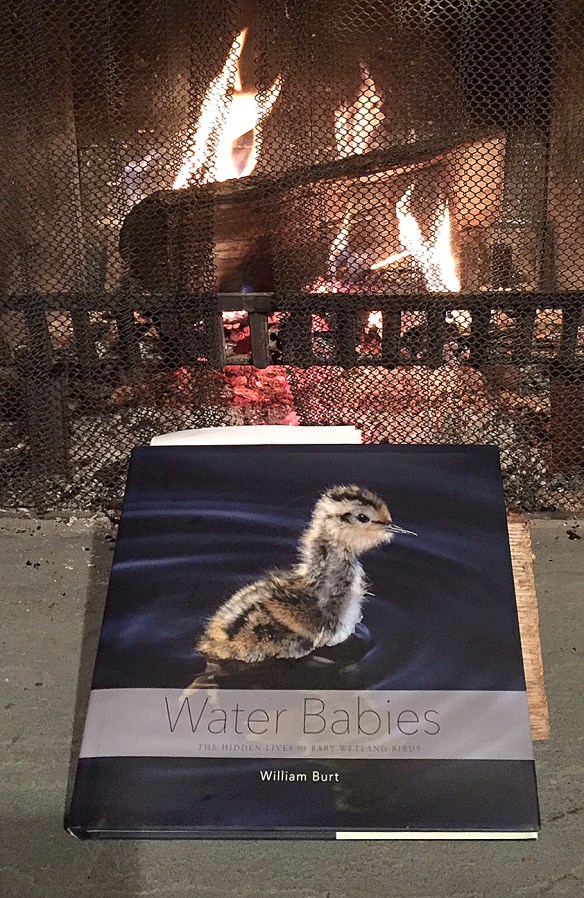
Cover of Birdology

Cover of Birdology

The book “Birdology” by Monica Russo came out earlier this year. It’s designed for kids, but is also interesting and engaging for adults. It is full of information about birds, activities for further exploration of birds and excellent photos by Kevin Byron.

I enjoy this book and have enjoyed reading parts with my kids.

Here’s the description of the book from its publisher Chicago Review Press:

“An engaging book that encourages young nature enthusiasts to explore the world of birds This generously illustrated, full-color book teaches kids that birds can be seen almost anywhere: in city parks and streets, zoos, farms, and backyards. Using “Try This,” “Look For,” and “Listen For” prompts, Birdology promotes independent observation and analysis, writing and drawing skills, and nature literacy. Kids observe the diversity of shapes, colors, patterns, and behavior of birds; listen for their songs and the clap of wings; make a juice-box feeder; plant flowers that attract hummingbirds; start a birding journal and sketchbook; and much more. Other topics that are presented in clear, kid-friendly prose include migration, nesting, food, territories, and conservation and preservation. Additional resources, such as a glossary, bird orders and scientific names, bird and wildlife organizations, and “Teacher Topics” to initiate classroom discussion and investigation, are also included.”

Red eyes in the bird world

Photo by Chris Bosak A Black-crowned Night Heron looks for food in Holly Pond in Stamford in summer 2015.

Photo by Chris Bosak
A Black-crowned Night Heron looks for food in Holly Pond in Stamford in summer 2015.

My most recent For the Birds column focuses on birds with red eyes. It starts with Black-crowned Night Herons and then talks about the other New England birds with red eyes. I can run only one photo with the column in the newspaper, so here are some more photos that would accompany the column. The column may be found here.

This is not an all-inclusive list, of course, just a few photos I had readily available.

Continue reading

Black-crowned Night Heron and their big red eyes

Photo by Chris Bosak A Black-crowned Night Heron looks for food in Holly Pond in Stamford in summer 2015.

Photo by Chris Bosak
A Black-crowned Night Heron looks for food in Holly Pond in Stamford in summer 2015.

I finally got my big camera lens back. I sent it to the “shop” months ago. “Oh, it will be back soon,” I heard week after week. But it’s back for real now. The next morning I drove by Holly Pond on the Stamford/Darien border and noticed a few Black-crowned Night Herons perched on rocks and branches exposed from the low tide. So I got between the sun and birds and tried out my newly fixed lens. it’s good to have it back.

More shots of the birds are below. Thanks for checking out http://www.birdsofnewengland.com

Continue reading