Clearing out my 2014 photos, Take 1: American Oystercatcher

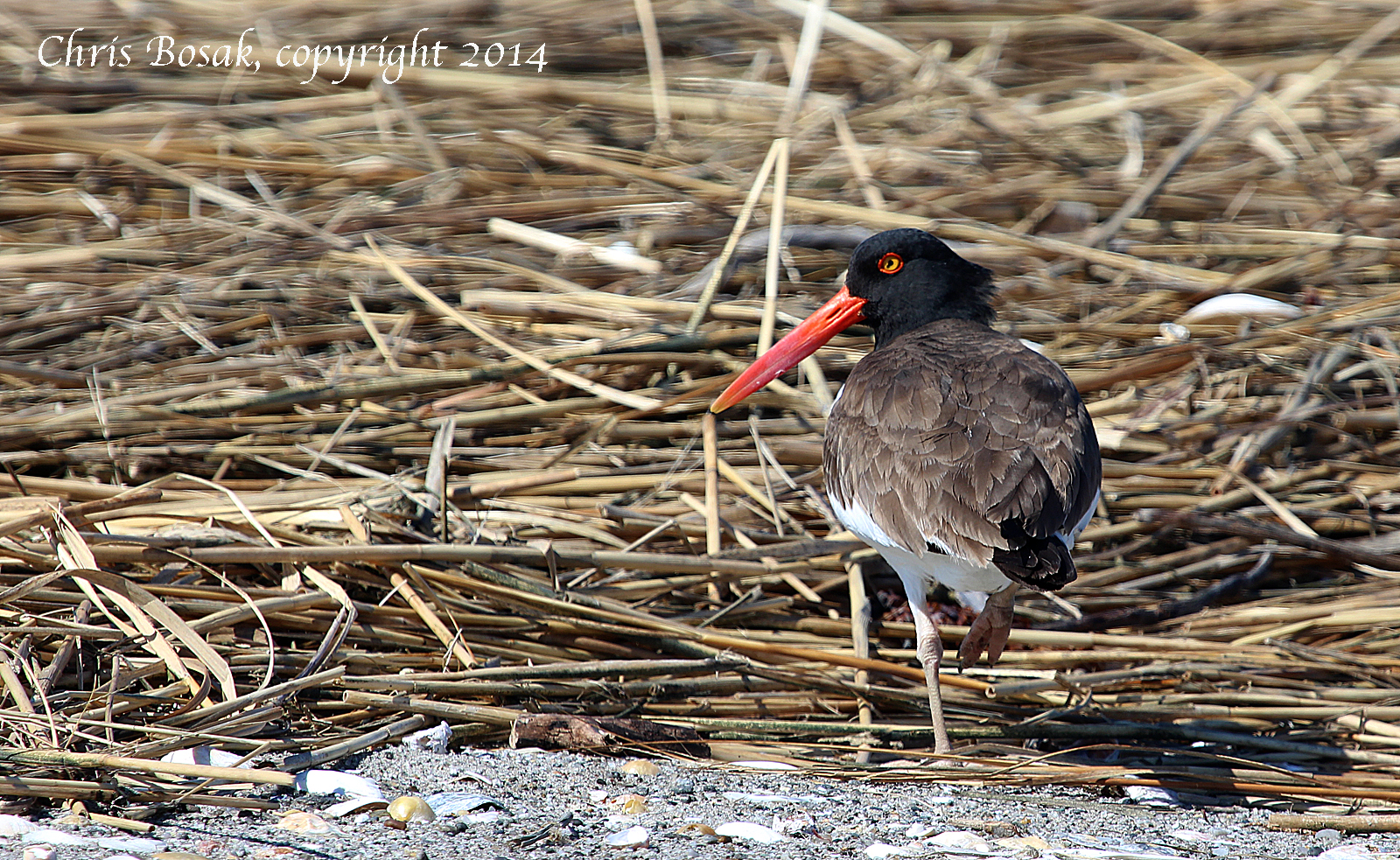
Photo by Chris Bosak An American Oystercatcher walks along the beach at Milford Point in Connecticut, April 2014.

Photo by Chris Bosak
An American Oystercatcher walks along the beach at Milford Point in Connecticut, April 2014.

I was trying to find something on my computer’s desktop recently and just couldn’t find it for the life of me. I knew it was there and I knew I kept somehow looking right past it. Yet, it escaped my view.

My eyes eventually fixed upon it, but the whole experience got me thinking. Why did I have such a hard time trying to find that damn file? The answer was blatantly obvious. I have way too much sh … stuff on my desktop. I looked at the contents of my desktop and many are folders of photos I took during 2014. Some contained photos I used for one reason or another, and some contained photos that never saw the light of day: not in a column, website posting, nothing.

So with this posting, I’ll start showing some of the photos that I “never got around to” in 2014. It will force me to go through the folders, clean up my desktop and, hopefully, give visitors to this site some nice, until now never-before-seen New England wildlife photos. I’ll post several photos over the next few days. I hope you like these almost-forgotten photos.

What’s on your bird wish list for 2015?


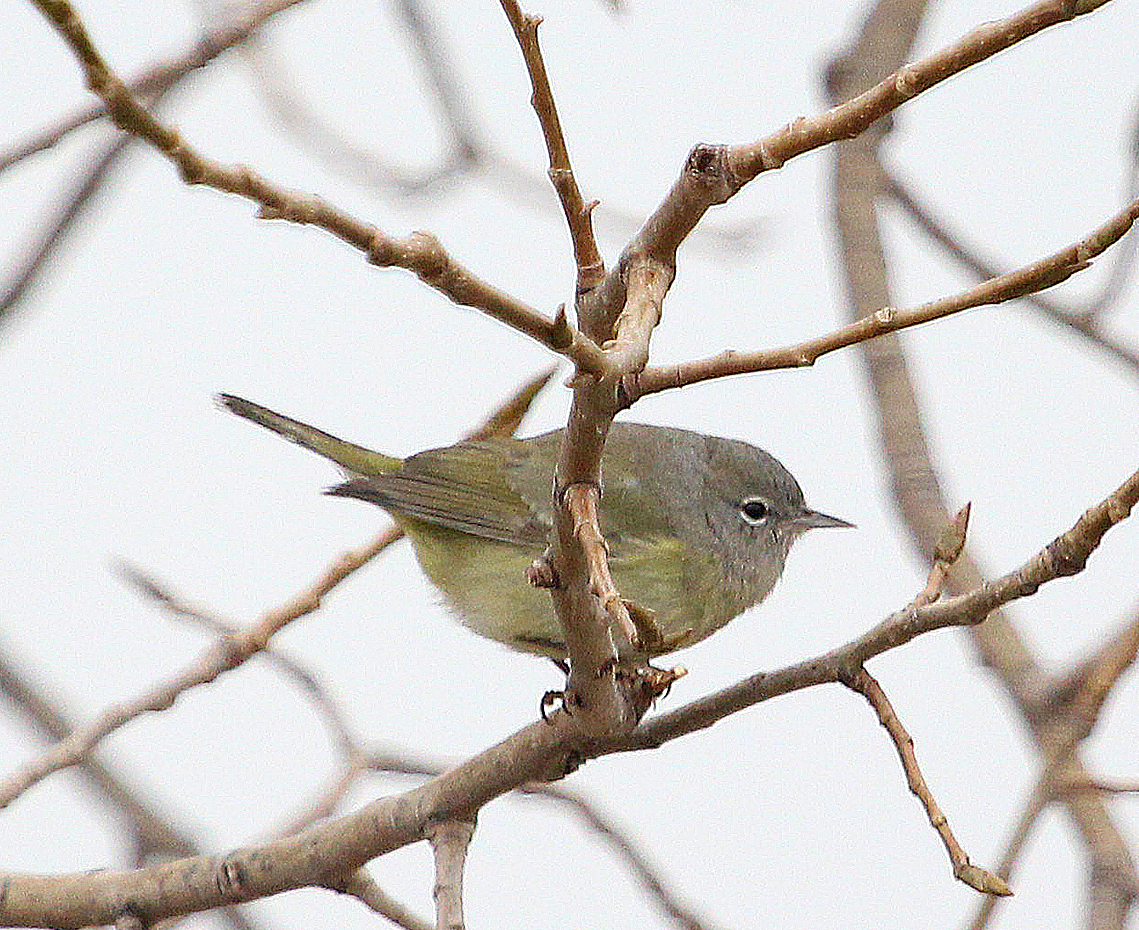
Photo by Chris Bosak An Orange-crowned Warbler seen at Oyster Shell Park in Norwalk, Conn., during Christmas Bird Count, Dec. 2014.

Photo by Chris Bosak
An Orange-crowned Warbler seen at Oyster Shell Park in Norwalk, Conn., during Christmas Bird Count, Dec. 2014.

During the Christmas Bird Count last week I found an Orange-crowned Warbler on my last stop of the day. It was a good bird for the Count and, for me, the first time I had seen one. It was a good way to end 2014, gaining a “life” bird. I’m not big on lists and do not even have an official “life list,” but I do know in my head what I’ve seen and what I haven’t seen. And I know I hadn’t seen an Orange-crowned Warbler before.

So what will 2015 bring in terms of new birds? I guess we will have to wait and see. The bird I’d like to see in 2015 is a Spruce Grouse. It’s a boreal bird so the only chance I have to see one is during a camping trip to northern New England or Canada. I hope to get in at least two camping trips up north in 2015, so we’ll see. I have, however, been looking for them on my camping trips for years and years and have never found one. Maybe this will be my year.

So what’s on your bird wish list for 2015? Leave a comment here, Facebook comment or email me your top bird(s) that you want to add to your life list in 2015.

Oh, and good luck getting it.

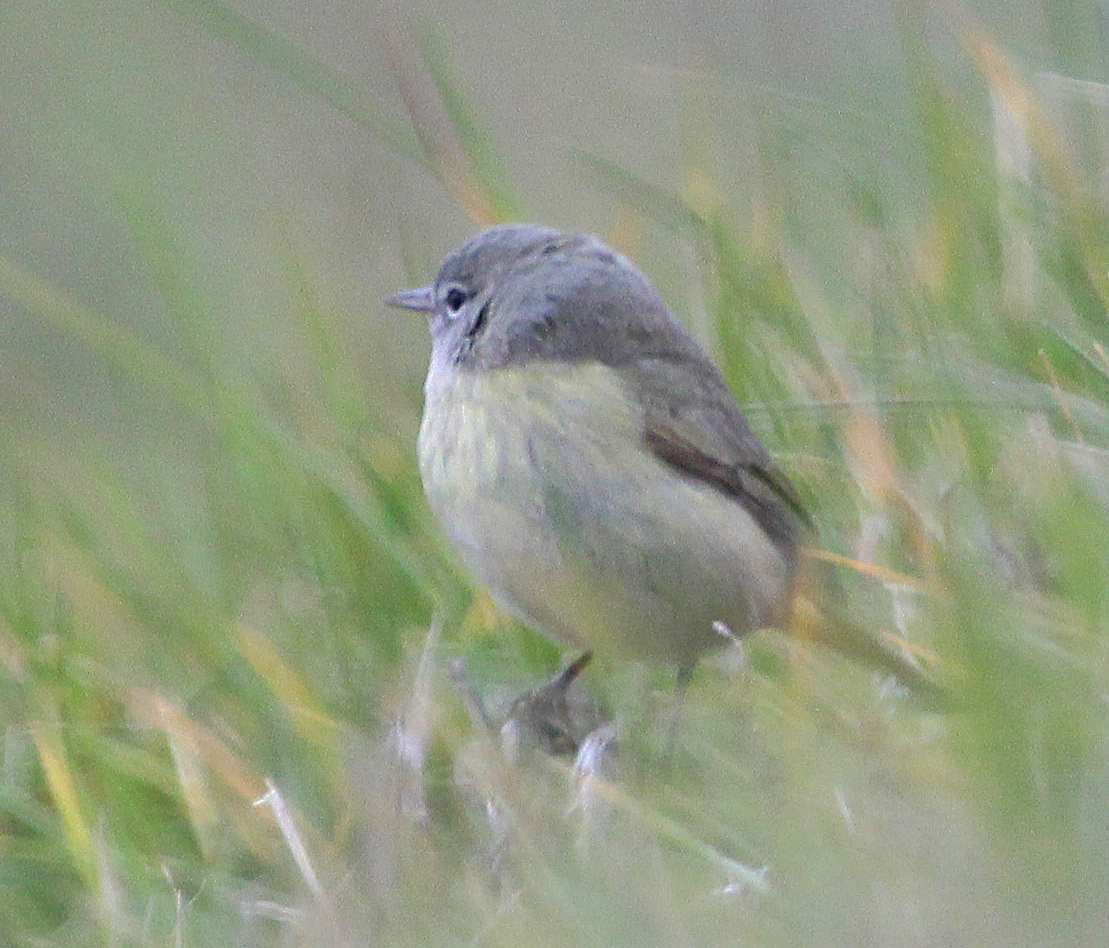
Photo by Chris Bosak An Orange-crowned Warbler seen at Oyster Shell Park in Norwalk, Conn., during Christmas Bird Count, Dec. 2014.

Photo by Chris Bosak
An Orange-crowned Warbler seen at Oyster Shell Park in Norwalk, Conn., during Christmas Bird Count, Dec. 2014.

Audubon Connecticut’s winter bird forecast

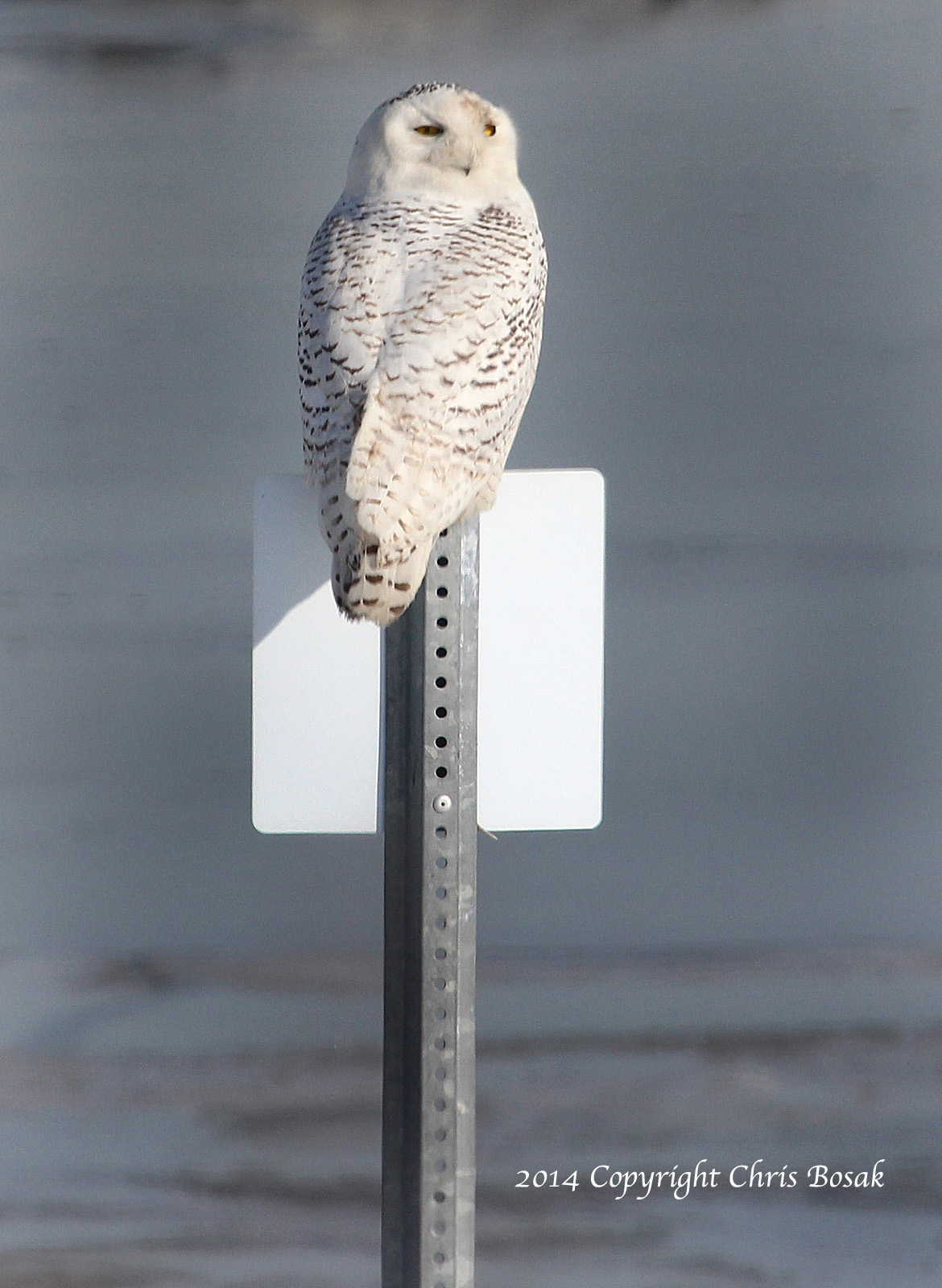
Photo by Chris Bosak A Snowy Owl sits on a sign at The Coastal Center at Milford Point in early March 2014.

Photo by Chris Bosak
A Snowy Owl sits on a sign at The Coastal Center at Milford Point in early March 2014.

I wrote previously about my experiences with the Christmas Bird Count in which I saw three warbler species. A good start to winter birding, for sure. What else is in store for us this winter. More Snowy Owls perhaps? The folks at Audubon Connecticut have put together their predications.

They may be found here.

Merry Christmas from www.BirdsofNewEngland.com: Gray Jay with berries

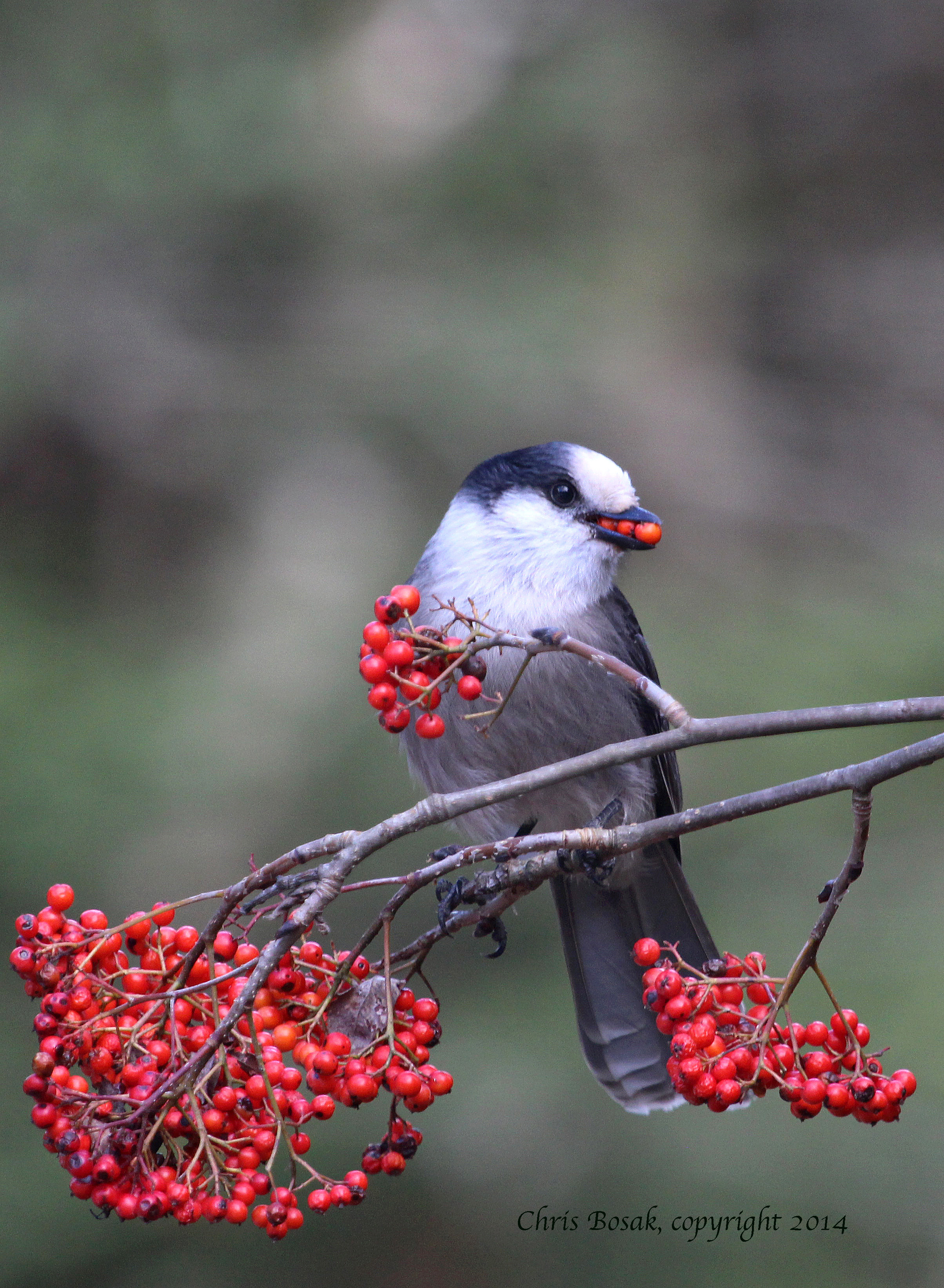
Photo by Chris Bosak Gray Jay with berries, northern New Hampshire, fall 2013.

Photo by Chris Bosak
Gray Jay with berries, northern New Hampshire, fall 2013.

I took this photo of a Gray Jay in the fall of 2013 in northern New Hampshire. Until now I’ve never used the photo in any manner. Not for my bird column, not a blog posting, not in a slideshow, not as part of a gallery or exhibit. I could think of no better way to use it for the first time than to wish visitors of http://www.BirdsofNewEngland.com a Merry Christmas and Happy New Year. Thanks for your support and help spread the word about this site. There are exciting things in store for 2014.

Good day for Christmas Bird Count (lots of photos)


Photo by Chris Bosak Peregrine Falcon at Veterans Park in Norwalk, Conn., seen during the 115th Christmas Bird Count.

Photo by Chris Bosak
Peregrine Falcon at Veterans Park in Norwalk, Conn., seen during the 115th Christmas Bird Count.

The weather was actually quite nice (cold, but calm) and the birds were plentiful. A story about the Christmas Bird Count (Westport Circle) is posted on http://www.theour.com.

I personally had a good day, too, in terms of finding birds. Below are more photos from the interesting birds I found during the count. Yes, I realize the photos aren’t of great quality, but it was very overcast and the photos were taken mostly to prove what was seen. Some of the photos aren’t too bad, though. Anyway …

The highlight was the three warblers I saw at Oystershell Park in Norwalk. Even one warbler species is pretty rare for a New England Christmas Bird Count, but I had three at one location. The warblers were an Orange-crowned Warbler, Continue reading

Sad bird news: Bald Eagle shot in Connecticut

eagle

Here’s a link to a sad story in the Connecticut birding world.

Click here.


Christmas Bird Count time is here

CBC-logo-stacked

The Christmas Bird Count (CBC) season is upon us. The local one that I participate in — the Westport Circle — takes place on Sunday. Many of the counts take place this weekend, but the range to do the count started on Dec. 14 and runs through Jan. 5. Participants spend all day “in the field” counting birds (individual species and total number) and send the data to the circle’s compiler, who turns it all into the National Audubon Society.

The Christmas Bird Count is the world’s largest citizen science program with data going back to 1900. The data helps scientists track bird populations and is valuable in determining what steps, if any, need to be taken to help certain species.

The data, of course, is valuable and is indeed the most important part of the CBC. But it’s also a fun day to look for birds all day. Sometimes the weather doesn’t cooperate — let me rephrase that, the weather hardly ever cooperates — but that only adds Continue reading

A lingering Great Blue Heron; to migrate or not to migrate

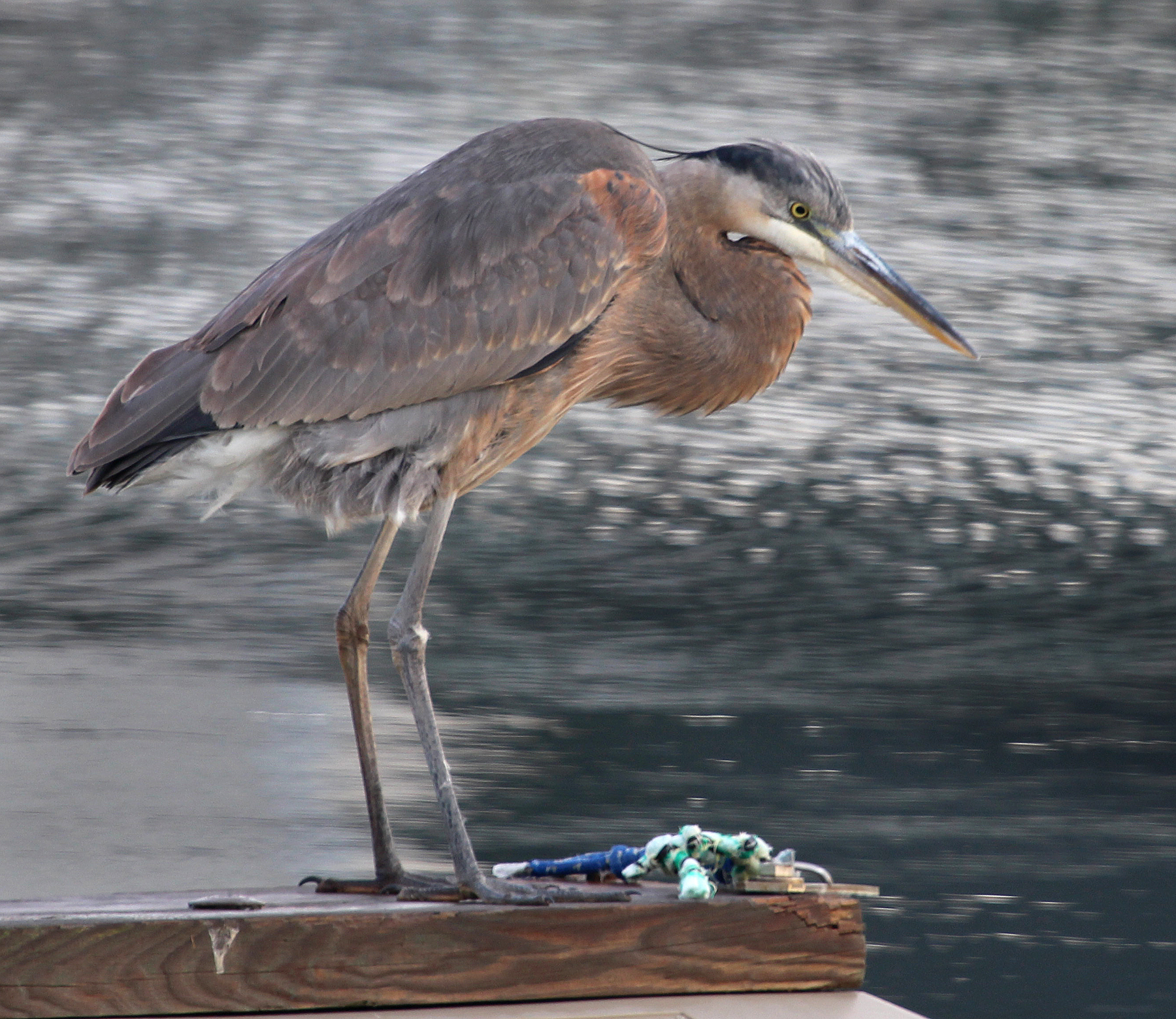
Photo by Chris Bosak A Great Blue Heron stands on a dock near the Norwalk River on Wednesday, Dec. 17, 2014.

Photo by Chris Bosak
A Great Blue Heron stands on a dock near the Norwalk River on Wednesday, Dec. 17, 2014.

Some try to stick out the New England winters and some fly south where it’s warmer. That can be said for several species of birds, but for this posting I’m talking about Great Blue Herons. The pictured bird was found earlier this week near Veterans Park in Norwalk, Conn.

It’s an interesting dilemma for the birds. What gives the better chance of survival? Sticking out a New England winter and subsisting on the small fish to be found, or risking the perils of migration and moving to a warmer climate? Both have their risks, of course. A particularly cold winter can spell doom for the herons that stay around. However, the risks Continue reading

More “colorful” sparrows

This past summer I wrote a post on this website about sparrows and, while they may not boast red, blue or green feathers, they are still beautiful and heavily decorated. The beauty, however, is more subtle — mixing browns and tans rather than vibrant hues. Sometimes you have to look closely or at a different angle, but the beauty is there. In that previous post, I included a photo of a Song Sparrow. Here’s the link in case you missed it or want to see it again.

So now I offer this Swamp Sparrow as further proof. I saw this sparrow at Cove Island Wildlife Sanctuary in Stamford (Ct.) earlier this fall, so it’s not even in its breeding plumage. I have seen Swamp Sparrows on their breeding grounds while camping in northern New Hampshire and they are strikingly plumaged. Their fall plumage, as you can see here, is not too bad either.

Photo by Chris Bosak A Swamp Sparrow perches on a branch at Cove Island Wildlife Sanctuary, fall 2014.

Photo by Chris Bosak
A Swamp Sparrow perches on a branch at Cove Island Wildlife Sanctuary, fall 2014.


Red Knot Shorebird Listed as Threatened by U.S. Fish and Wildlife Service

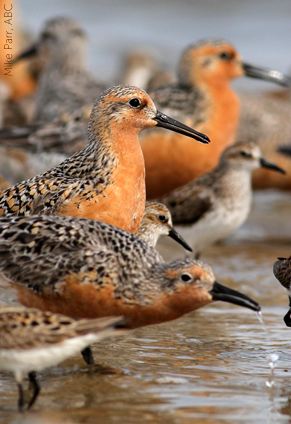
Red Knot, from American Bird Conservancy.

Red Knot, from American Bird Conservancy.

Here’s an interesting press release from the American Bird Conservancy. It will be interesting to follow the fate of this beautiful shorebird.

(Washington, D.C., December 9, 2014) American Bird Conservancy (ABC), Defenders of Wildlife, and the Natural Resources Defense Council welcomed today’s decision by the U.S. Fish and Wildlife Service (FWS) to formally list as threatened under the Endangered Species Act (ESA) the highly imperiled rufa Red Knot, a shorebird that flies more than 9,300 miles from south to north every spring and repeats the trip in reverse every autumn—one of the longest migrations in the animal kingdom. Though the decision to list the Red Knot was hailed as an important victory by the three groups, they urge FWS to quickly designate critical habitat to better protect the bird.

Surveys of wintering knots along the coasts of southern Chile and Argentina and in Delaware Bay on the East Coast of the United States during spring migration indicate that the species experienced a serious population decline in the 2000s. Specifically, a 2011 count of the main wintering population of the bird in South America found a decline from the previous winter of at least 5,000 birds—approximately one-third of the remaining population.

“The compelling scientific case for ESA listing fueled our 10-year effort to encourage this decision,” says Darin Schroeder, Vice President of Conservation Advocacy for ABC. “While the decision to list the rufa Red Knot was certainly a protracted process, we do now have hope that future generations of Americans will be able to witness this migratory marvel.”

Red Knot survival is tied to management practices associated with a key food source for the bird: horseshoe crab populations along the shores of New Jersey, Delaware, and Maryland. An abundant horseshoe crab population provides critical fuel for migration when the birds stop at Delaware Bay to feed on horseshoe crab eggs. Birds with higher weights have a better chance of reaching the Arctic to breed and survive into the next year.

The decline of Red Knots and other shorebird species has been largely caused by a diminishing supply of horseshoe crab eggs due to overharvesting of horseshoe crabs for bait and other purposes. When Red Knots leave Delaware Bay in poor condition due to the lack of horseshoe crab eggs, they either die before ever arriving in the Arctic or arrive in too poor a condition to successfully reproduce. As a result, adult birds are dying off without being replaced by juveniles, leading to a decline in population.

“It’s clear that Red Knots are dying because we’re decimating a food source they desperately need to survive,” says Jason Rylander, senior attorney at Defenders of Wildlife. “Now that they’ve been listed as threatened, it’s time to make serious changes to horseshoe crab management and put a halt to their decline. We’ve waited far too long for this decision, and Red Knots are paying the price.”

Despite the growing evidence of over-exploitation of the horseshoe crab population, the Atlantic States Marine Fisheries Commission has not reduced the harvest significantly in the last six years. The State of New Jersey eventually implemented a moratorium on horseshoe crab harvesting in 2008, but Delaware and Maryland, which border Delaware Bay, have failed to do so.

“I’ve personally seen the Red Knot’s numbers dwindling in migratory stopover points like Canada’s Mingan Archipelago,” says Elly Pepper of the Natural Resources Defense Council. “These birds are strong enough to make migratory trips of nearly 20,000 miles annually, but not strong enough to weather the overharvesting of East Coast horseshoe crab populations. If we don’t change management policies for one of the key foods this bird relies on quickly, one of nature’s most epic journeys, and the birds that make it, will be wiped off the map.”

Red Knots are not the only species affected by the horseshoe crab fishery. Other species including Sanderlings, Ruddy Turnstones, and Semipalmated Sandpipers also depend on an abundant supply of horseshoe crab eggs at the Delaware Bay stopover and have experienced significant declines as a result of the shortage.

Background:

Since 2005, four formal requests to list the Red Knot under the Endangered Species Act have been submitted to FWS. Citing a lack of resources and other priorities, FWS chose not to list the bird but placed it on the candidate list in 2006. Since then, Red Knot numbers have continued to fall.

A “threatened species” is one that is likely to become endangered in the foreseeable future throughout all or a significant portion of its range. Such a designation requires that the species be protected from adverse effects of federal activities; provides restrictions on taking, transporting or selling a species; provides authority for recovery plans as well as the purchase of important habitat; and provides for federal aid to state and commonwealth wildlife agencies that have cooperative federal agreements.

Continue reading