For the Birds: Spring birding and reader insights

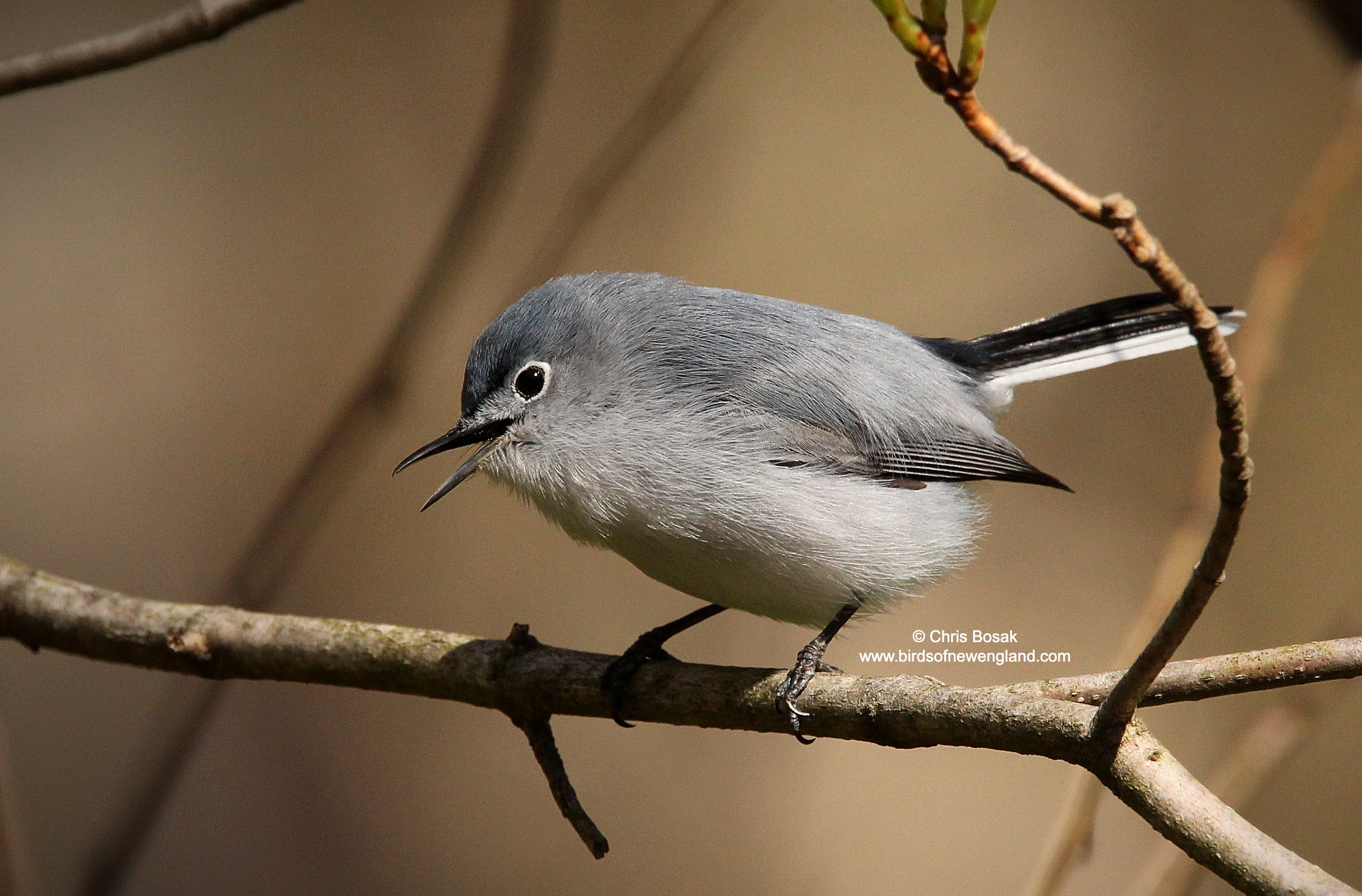
Photo by Chris Bosak
Blue-gray gnatcatcher at Huntington State Park, Redding, Conn., April 24, 2026.

For many birdwatchers, this is the best time of year. Breeding season has begun in earnest, and the spring migration is in full swing.

Every walk in late April and early to mid-May has the potential to yield something that wasn’t there the day before. The other day, I took a quick walk and spotted my year’s first wood thrush, blue-gray gnatcatcher, blue-winged warbler and black-and-white warbler.

It’s also a busy time for my email inbox, as spring’s increased activity brings many exciting bird observations and raises some questions too.

Nancy from Keene shared that a pileated woodpecker made holes from top to bottom on a snag (dead tree) in her yard. She mentioned that she hears the large woodpeckers every year, but this was the first time she was able to get a video with her phone. Now, the moment has documentation that she can enjoy at any time.

Continue reading
For the Birds: gnatcatcher nest find highlights walk

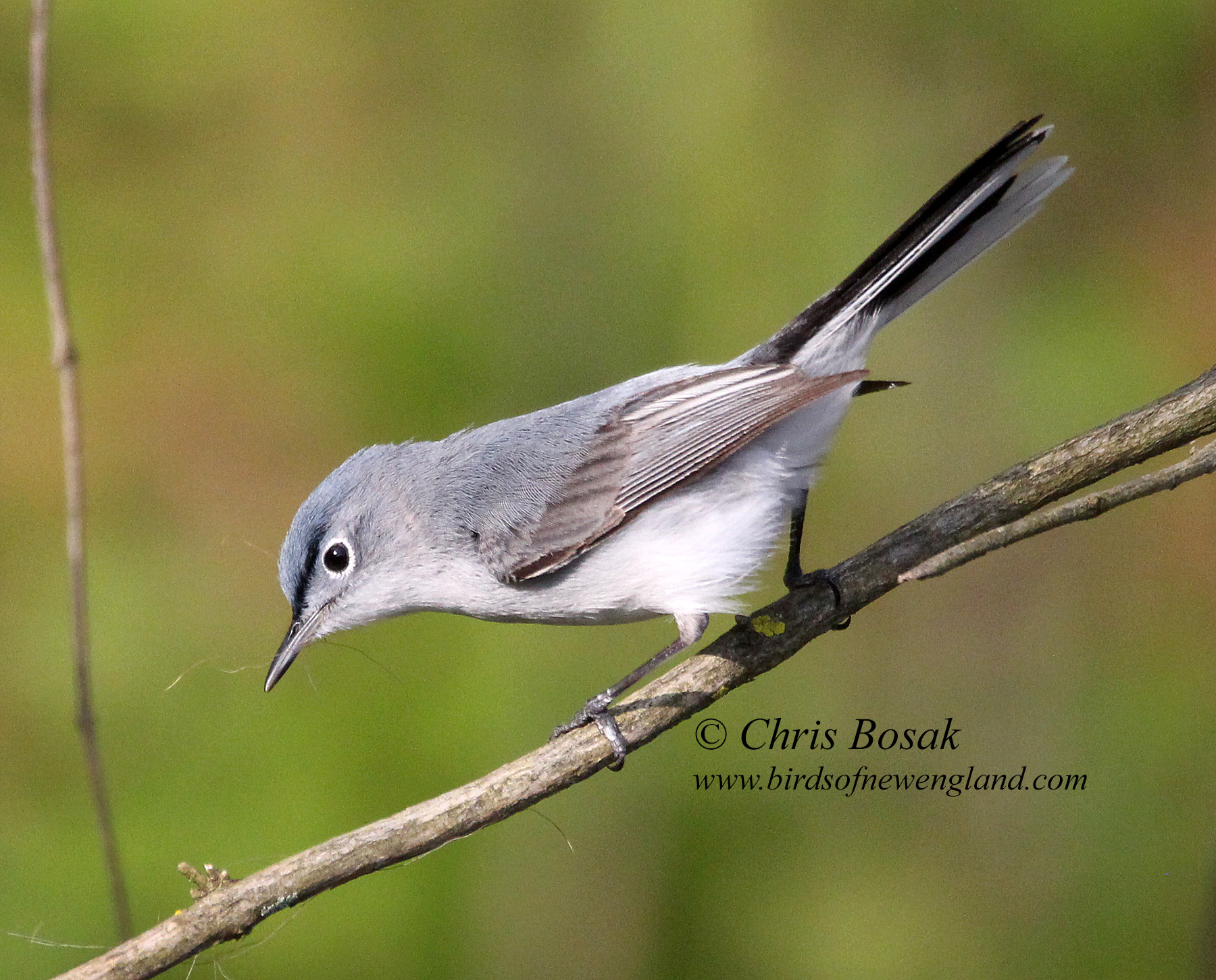
Photo by Chris Bosak – A blue-gray gnatcatcher collecting material for its nest, Presque Isle, 2024.

The birdwatching had already been fantastic as Baltimore orioles, gray catbirds, yellow warblers, and even bay-breasted warblers were overly abundant. The walk got even more exciting as we watched a blue-gray gnatcatcher fly back and forth from a branch to a bush about 30 yards away.

A nest must be up there, I thought, as we now watched two blue-gray gnatcatchers going back and forth to the branch. Blue-gray gnatcatchers are small migratory birds with blue-gray plumage, as the name suggests, long tail and white eye ring. A peek through the binoculars confirmed that a nest was on the branch. I was surprised that the nest had been built in the middle of a dead branch with very little cover from the leaves above.

It took binoculars for confirmation as blue-gray gnatcatchers are tiny birds of only four or five inches. Their nests are just as small as the birds themselves, even a bit smaller at only two or three inches wide.

Continue reading