For the Birds: Winter birding surprises

Photo by Chris Bosak
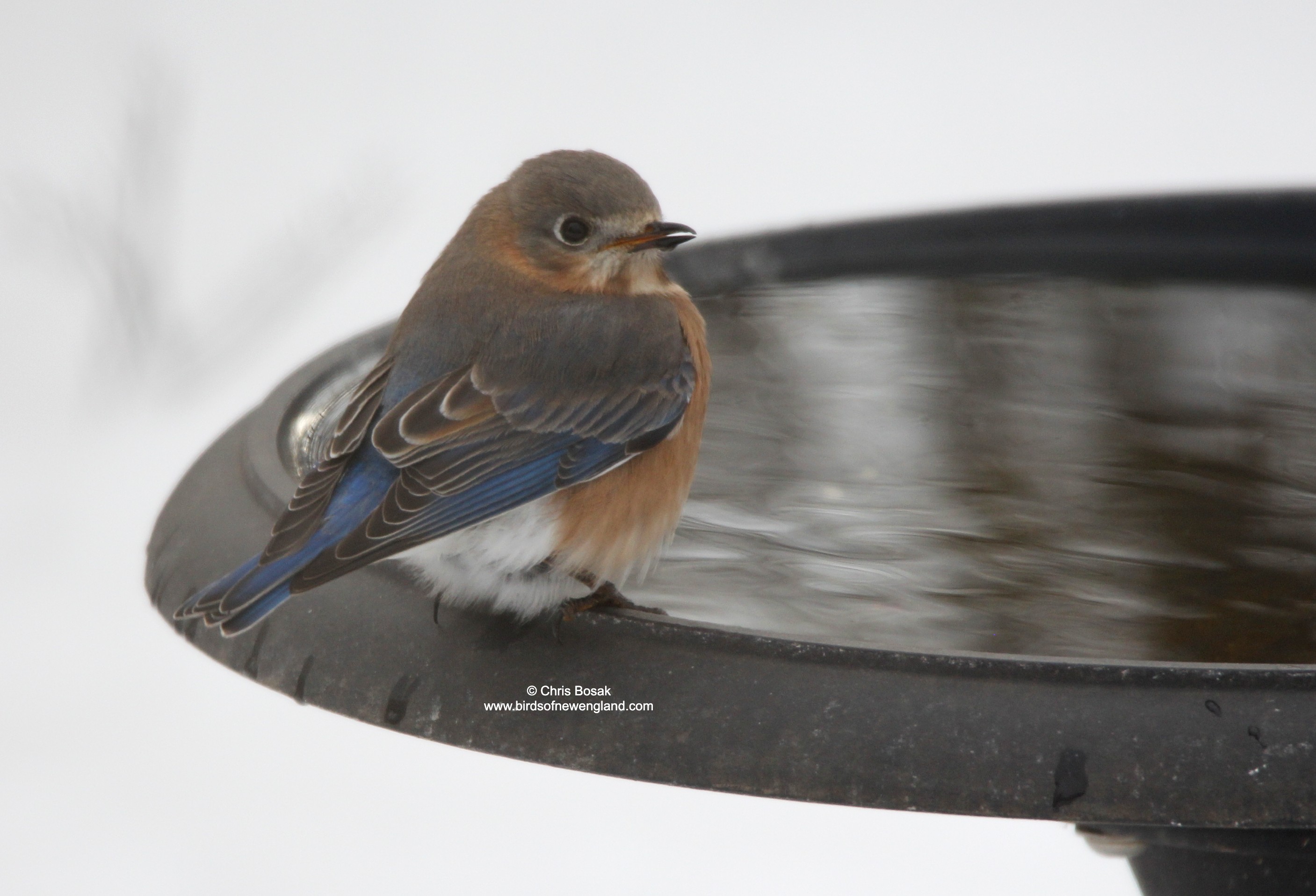
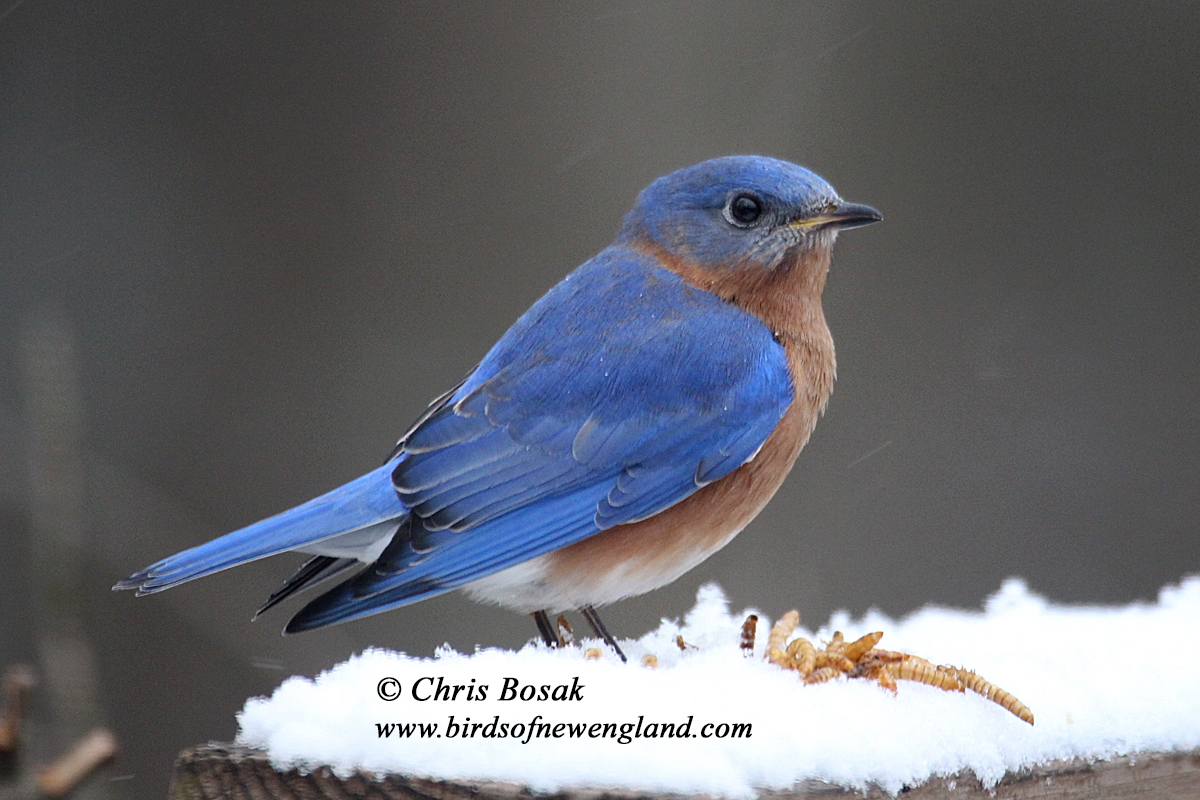
An eastern bluebird braves a New England winter and visit a backyard for mealworms, winter 2020.

The calendar may not show it yet, but in the New England bird world, we’ve officially entered what could be called winter birding season. The vast majority of southbound migrants have left, and the birds we get to enjoy for the next couple of months are either trusty year-round residents or northern visitors who have traveled as far south as they intend to go.

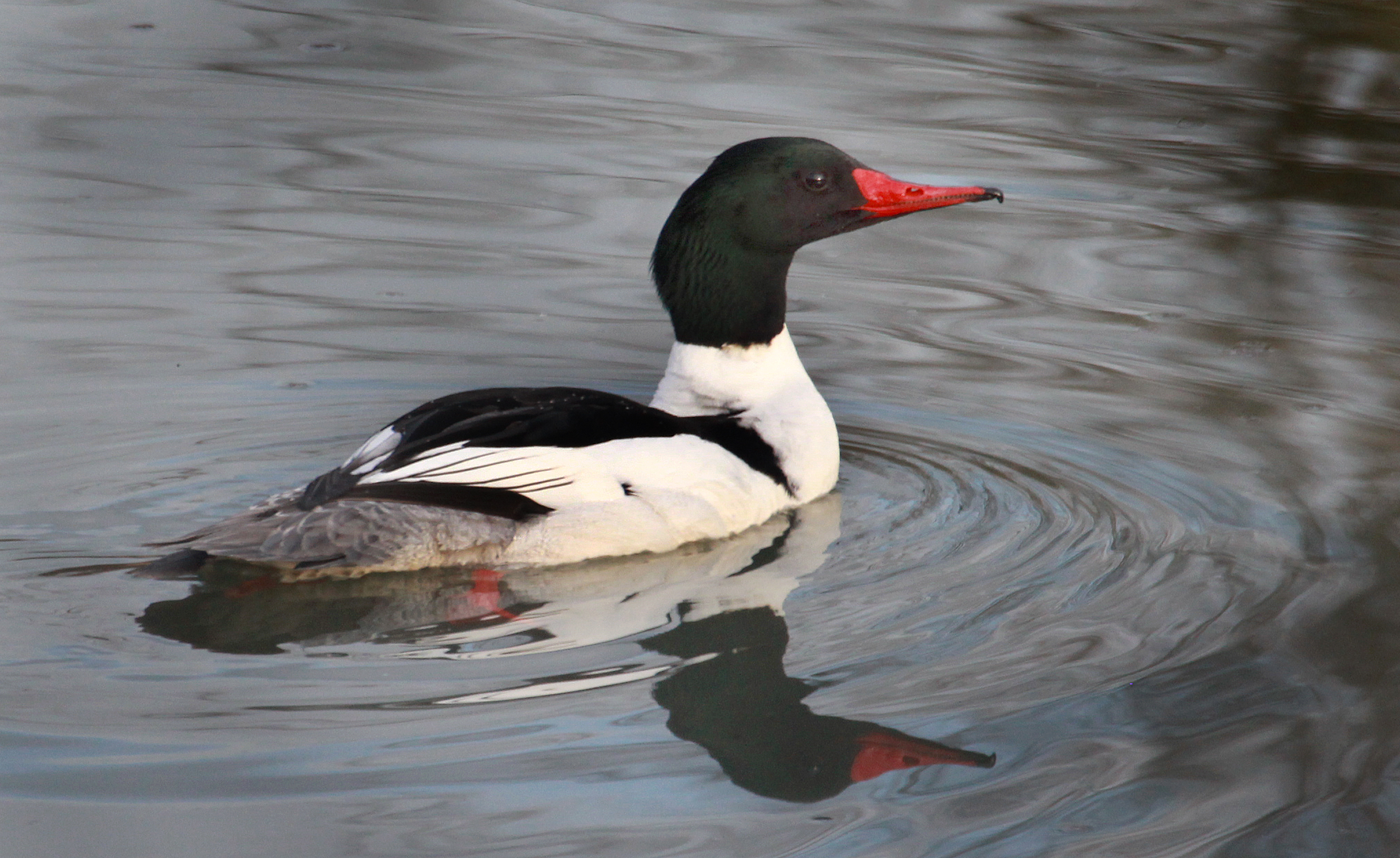
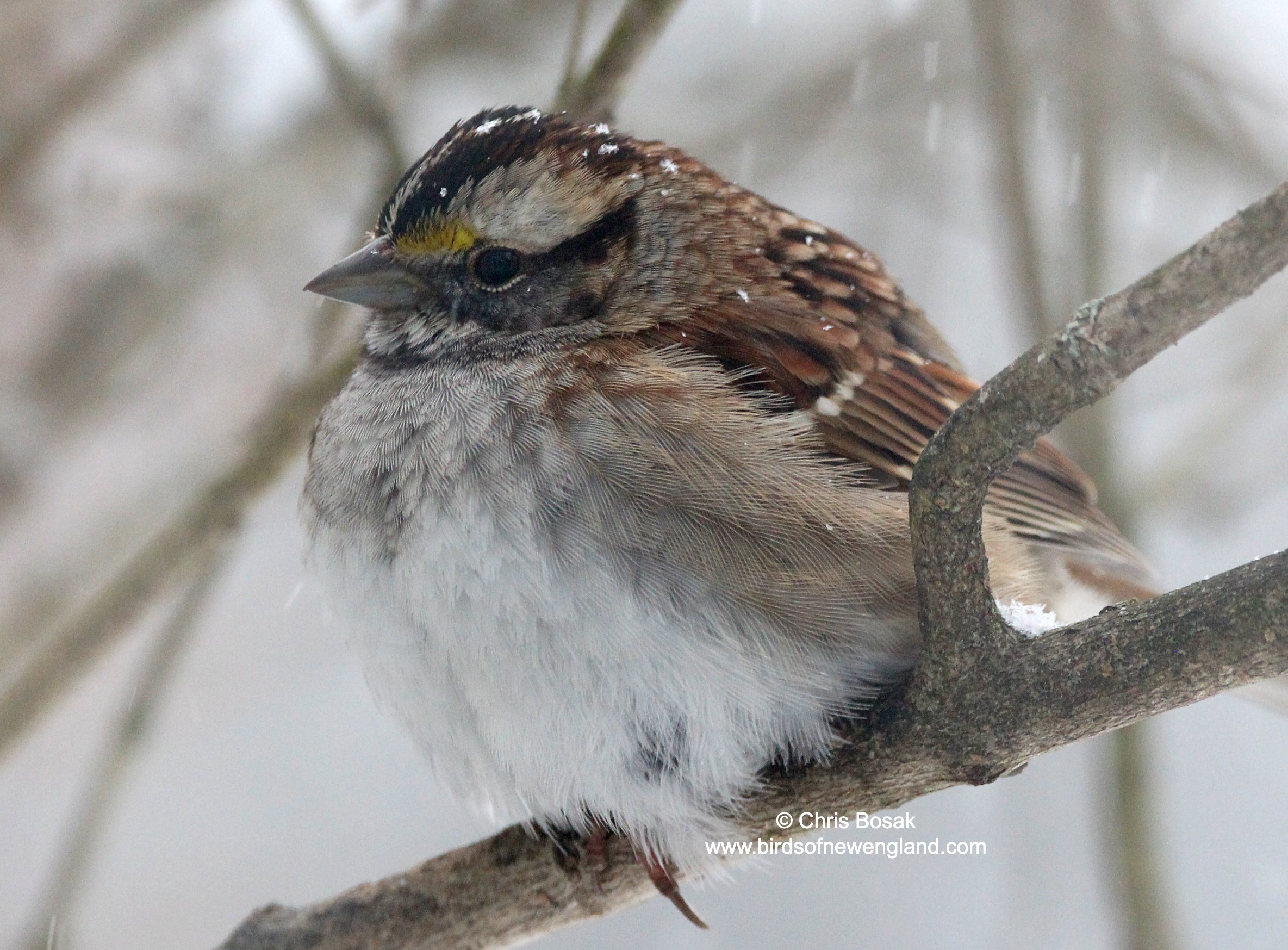
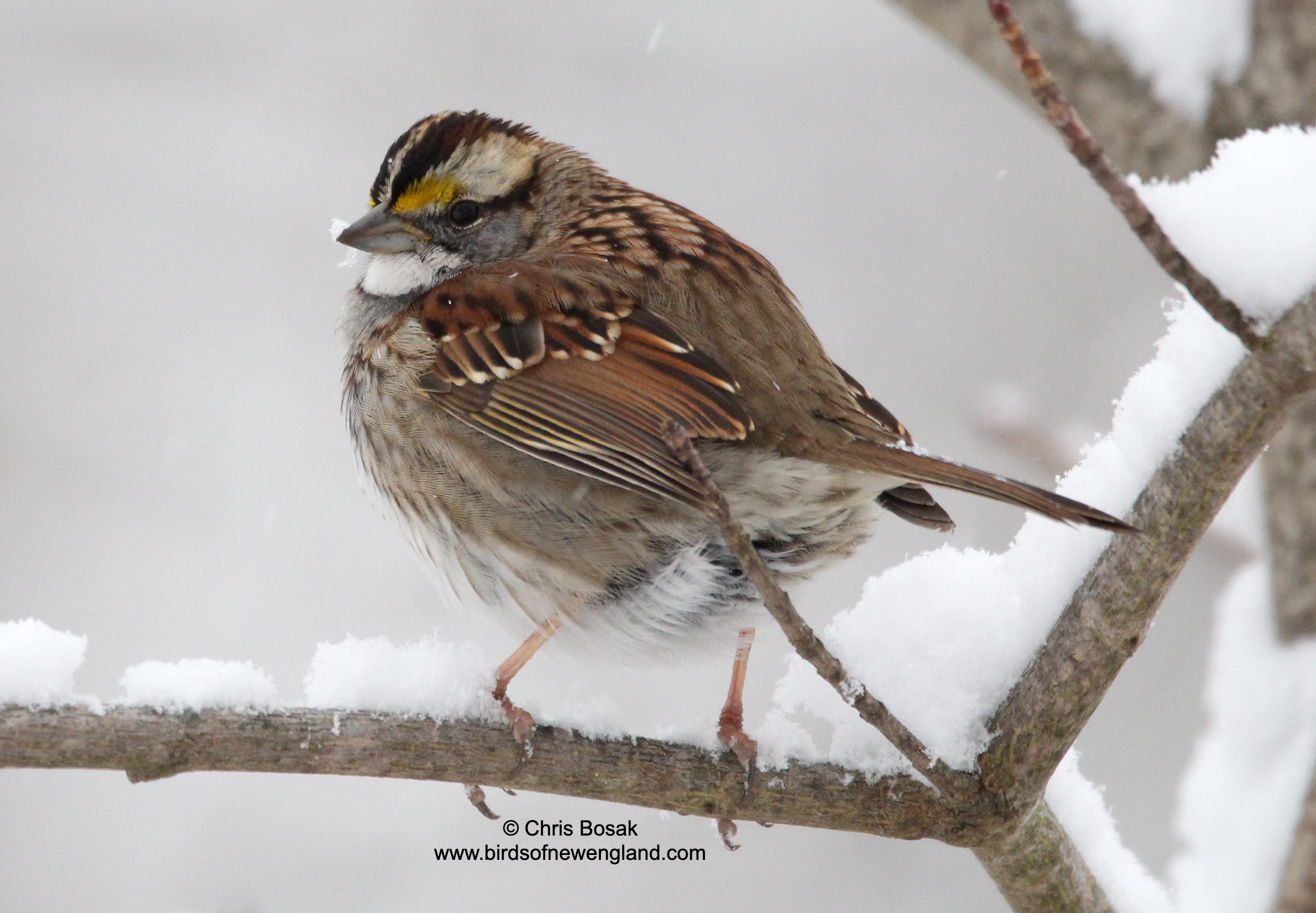
Winter is, of course, the prime time when juncos and white-throated sparrows are found in high numbers. My personal favorite part of winter birdwatching is tracking down different species of ducks. That is, if you can find some open water.

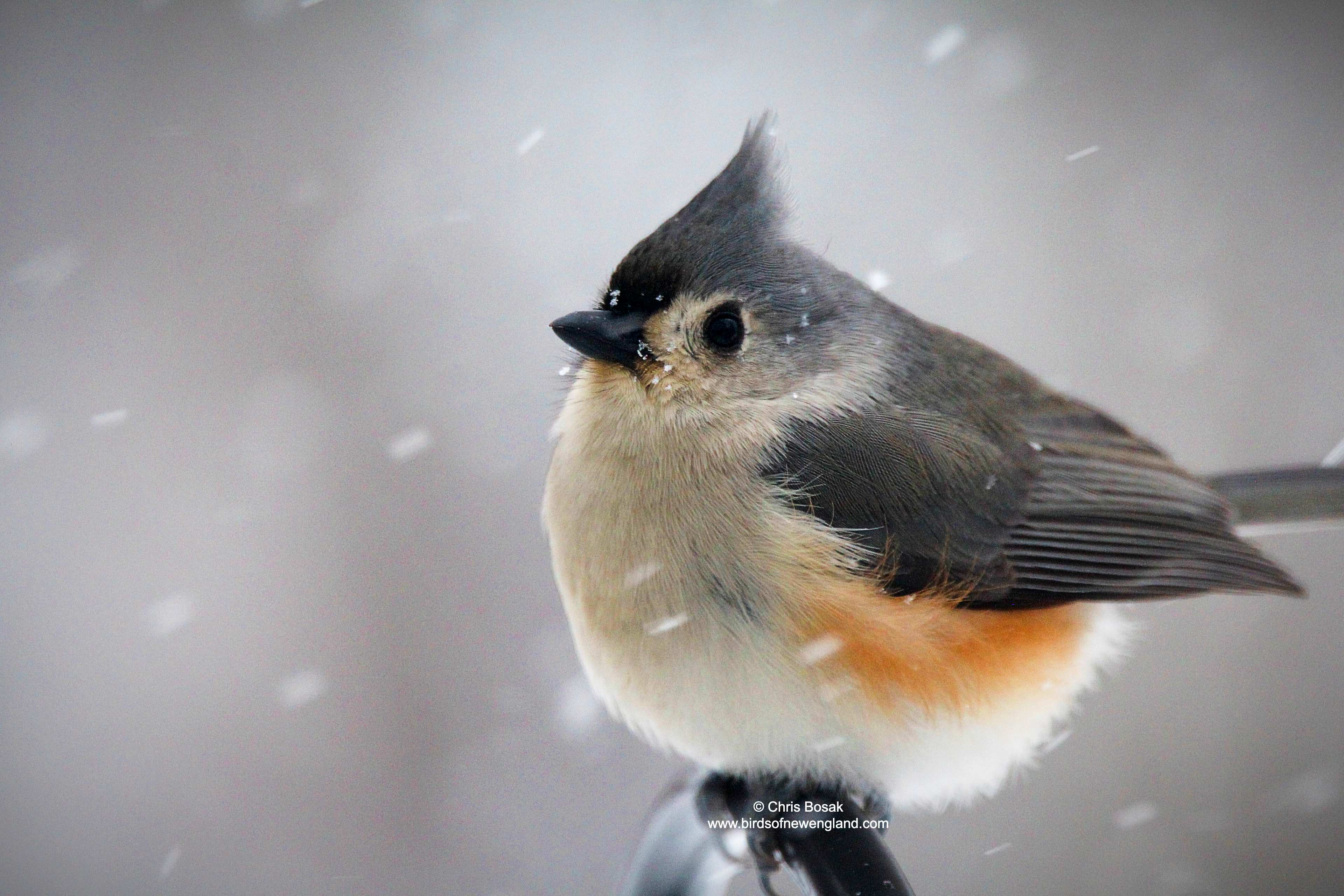
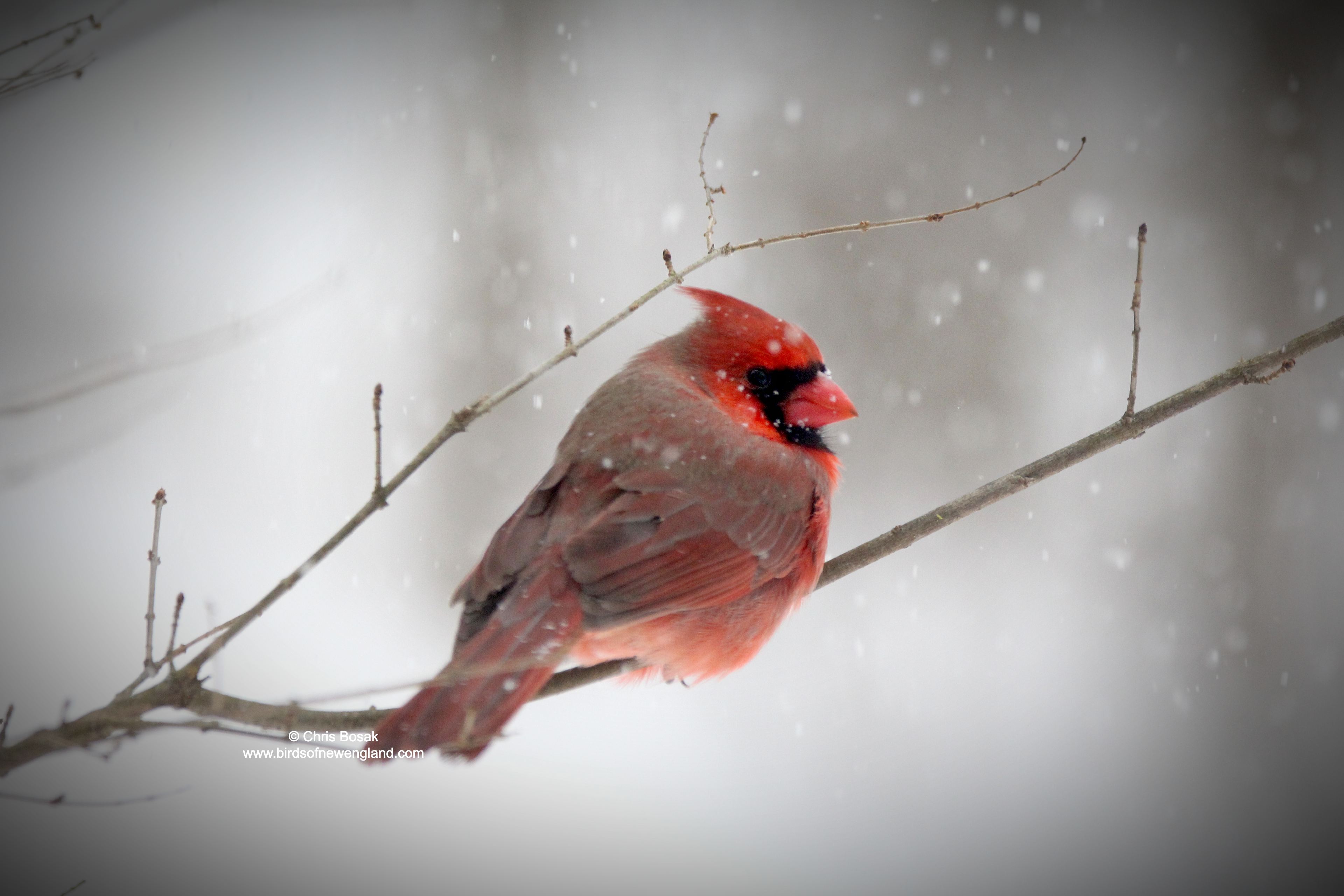
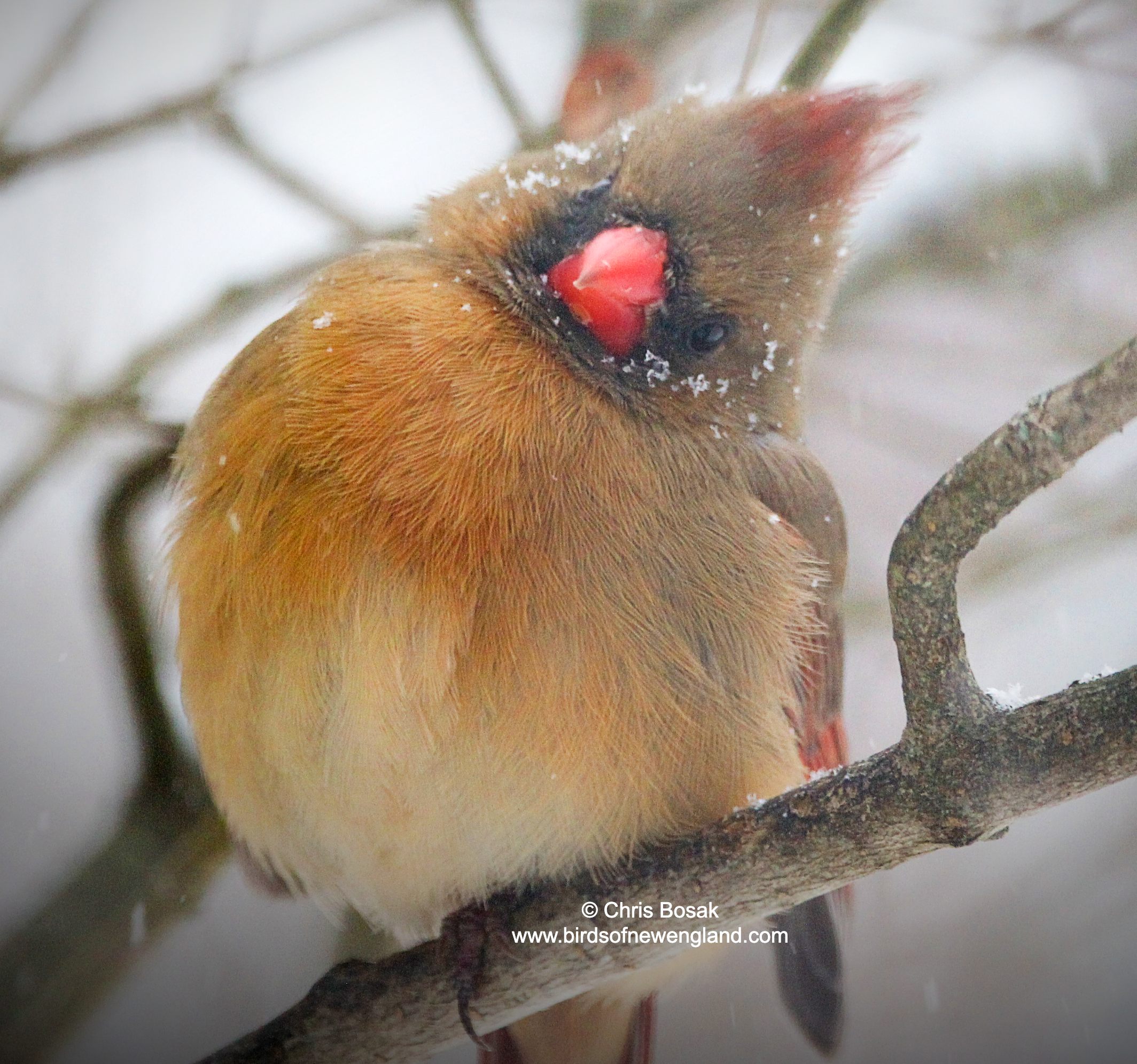
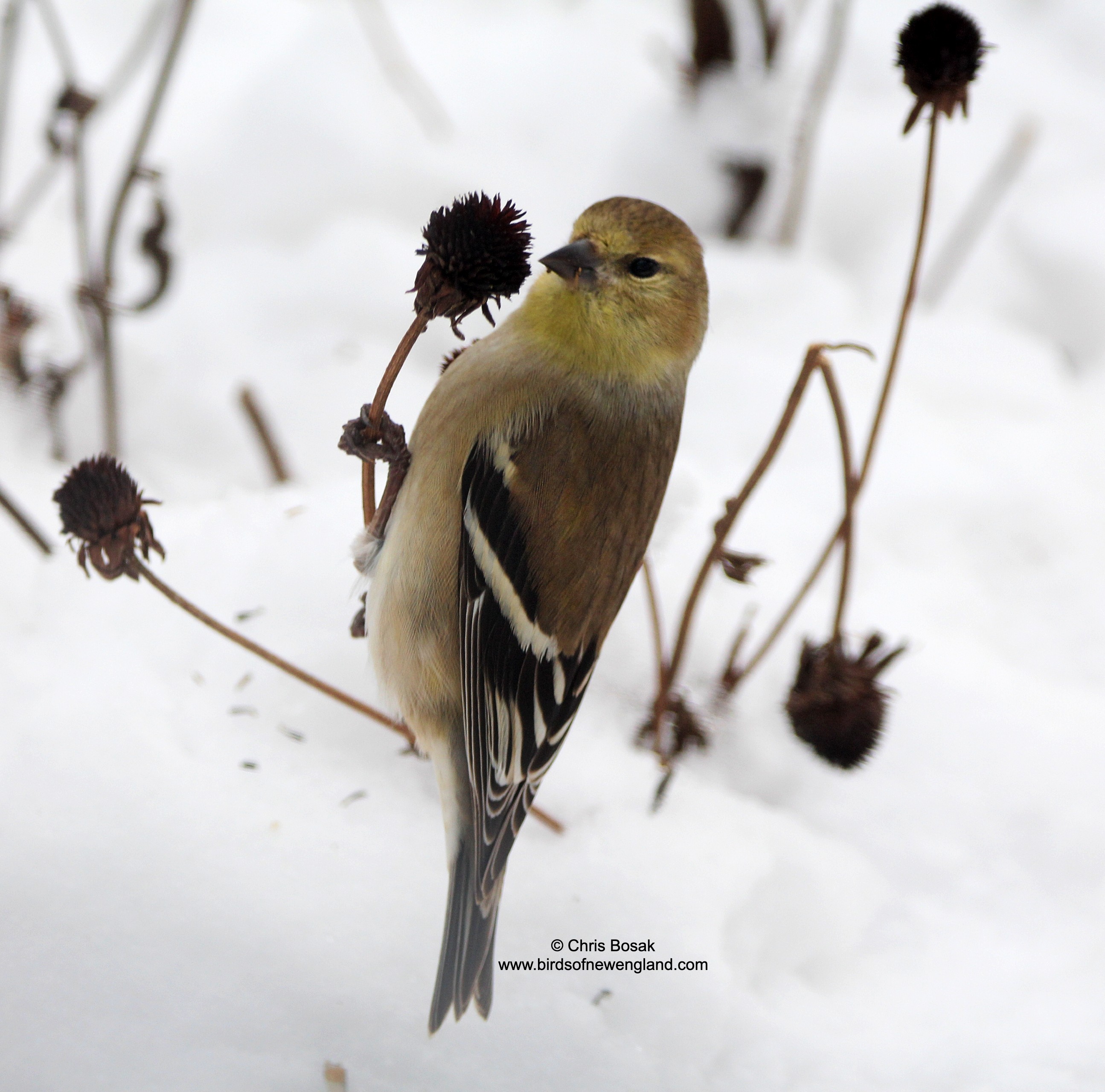
Beyond the usual suspects, like chickadees, cardinals, titmice and nuthatches, there are some other fascinating aspects of winter birdwatching. One is the possibility of a finch irruption. I wrote in a previous column about the winter finch forecast and how it could be a strong year for birds like pine siskins and redpolls to be on the move.

An irruption is when species that aren’t typically seen here, or only a few of them, suddenly appear in certain areas in higher-than-usual numbers. Lately, I’ve been seeing social media posts and hearing other reports about evening grosbeak sightings, so be sure to keep an eye out for those striking yellow birds.

Winter birding also means seeing birds that may be unexpected in the cold months. American robins are known as harbingers of spring, but many stay with us all winter in New England. They may not be the same robins that nested with us in spring and summer, but rather ones that nested farther north and have come here for a “warm” winter. Robins tend to be seen in large flocks during the winter, particularly when there are berries to be had.

Cedar waxwings are another bird species not always thought of when it comes to winter birding in New England, but it’s always a treat when you stumble across a flock. Keep an eye on any berry sources, as they give you your best shot at finding waxwings.

Similarly, eastern bluebirds are often found in winter, though many people don’t think of them as cold-weather birds. While some do migrate, others will remain with us all the way through spring.

For species like the bluebird, robin, and even some great blue herons and hawks, it comes down to the lesser of two risky choices. Stick out a New England winter, enduring tough conditions with the possibility of freezing or starving, or fly south and risk the innumerable dangers involved with migration.

I’m thankful for the ones that choose to stick around and keep us company throughout the long months here in New England. Maintaining feeders is one way to help birds make it through the winter. Cleaning out and leaving up birdhouses is another way to help out, as some birds, like chickadees, will huddle inside the shelter away from the wind and other elements. Keeping a heated birdbath is also an excellent way to help out and see birds during the winter.

Birding is rarely cut and dry. Do bluebirds migrate? Yes. Do they all migrate? No. There are many exceptions to a lot of long-held beliefs about birds. The hobby is full of surprises, even when the winter landscape looks so bleak and lifeless.

For the Birds: Breaking down hawkwatch season

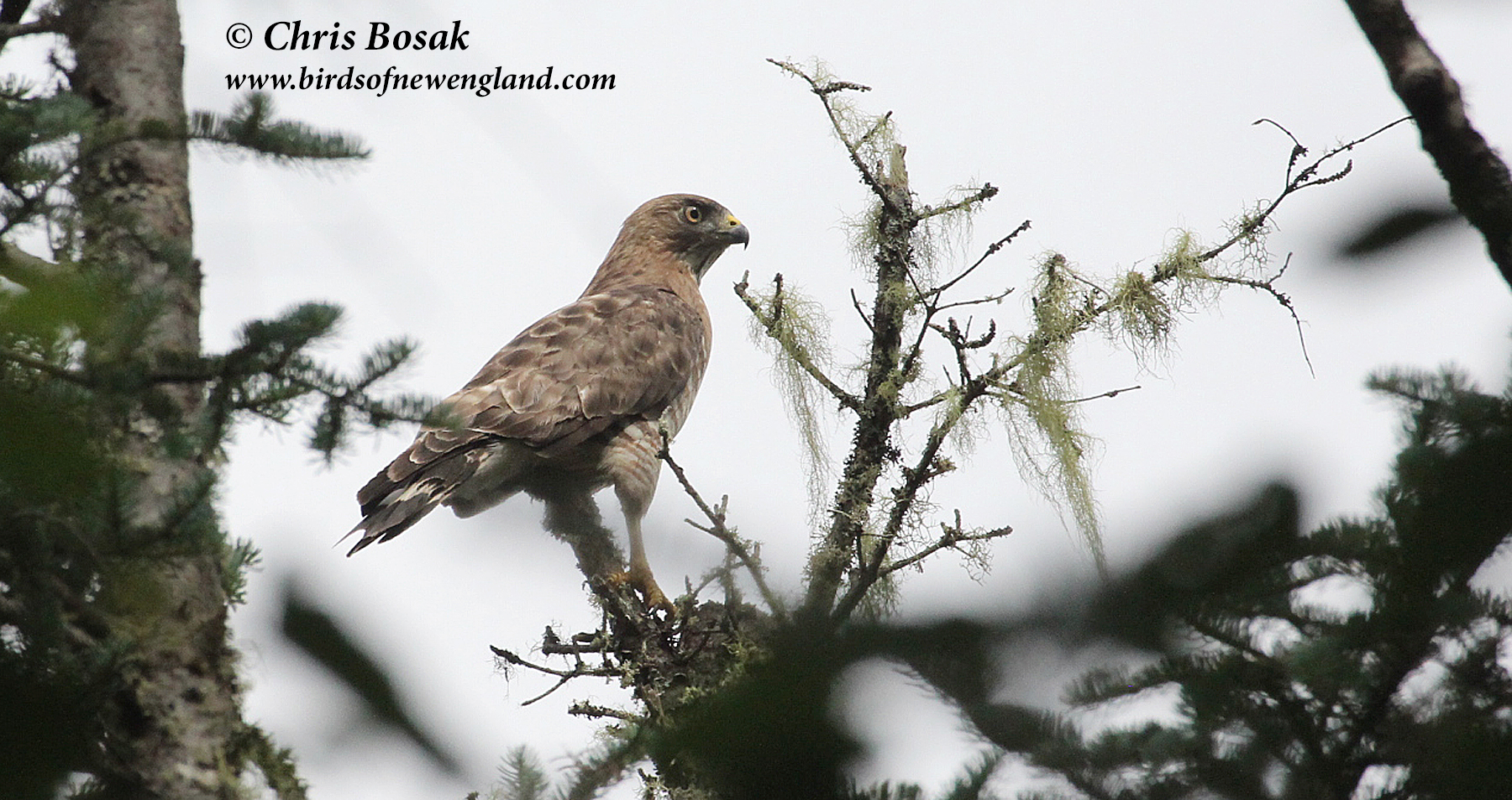
Photo by Chris Bosak A broad-winged hawk perches in a tree in northern New Hampshire, July 2020.

The fall hawkwatching season is winding down. Raptor sightings at the various dedicated locations are slowing down, with only a handful of birds counted each day as November progresses.

It’s a good time, therefore, to check in to see how the various hawkwatching sites fared this year. New England has several popular sites, but Pack Monadnock at Miller State Park in Peterborough is New Hampshire’s most active and popular site. The hawk count is a project of the Harris Center for Conservation Education in Hancock.

As of November 11, and according to hawkcount.org, overall numbers look good in 2025 at Pack Monadnock and outpace the number of hawks counted in 2024. It may be noted, however, that 2025 numbers are below the several years prior to 2024. With the official count season ending there on November 20, Pack Monadnock will end up with about 8,500 hawks counted for the fall.

The term hawk is used somewhat loosely here as the count includes hawks, eagles, ospreys, vultures and falcons. The hawks are counted by experts and volunteers who sit at the peak of Pack Monadnock and watch the birds soar in from the north. I’ve been to several hawkwatch sites and am always amazed at the skills of the official counters. They see and identify most of the birds long before the bird is even in view of most other people. 

Before reading on, can you guess what hawks are counted the most? Hint: One bird stands head and shoulders above the rest in terms of sheer numbers. Another hint: It’s not the red-tailed hawk, which I assume would be many people’s first guess. 

That bird is the broad-winged hawk. Of the roughly 8,500 birds counted at Pack Monadnock this fall, nearly 6,000 (5,821 to be precise) were broad-winged hawks. A distant second is the sharp-shinned hawk with 1,133. 

Simple math (even though I used a calculator) shows that broad-winged and sharp-shinned hawks account for more than 80 percent of the total birds counted. The number drops sharply again for the third-most-counted “hawk,” the turkey vulture, with 222 individuals counted. 

For all you stat geeks out there (like me), the next birds in line are American kestrel (196), Cooper’s hawk (190), osprey (167), bald eagle (159), red-tailed hawk (154) and northern harrier (121). Remember, these are not final numbers, but they will be pretty close.

Although “only” five golden eagles were counted, I’m sure each one elicited some oohs and aahs from the crowd. 

According to hawkcount.org, a page that aggregates hawkwatch sites across the country, a few New Hampshire schools performed mini-hawkwatches this September. Concord School District did a week-long program and counted, you guessed it, mostly broad-winged hawks. Turkey vultures were also counted in fairly high numbers.

Interlakes Elementary School in Meredith did a two-day count and found an impressive 1,350 broad-winged hawks, including 1,257 in a single day. Sharp-shinned hawks and turkey vultures were the next highest counts. 

The aptly named Hawk Mountain Sanctuary in Kempton, Pennsylvania, is perhaps the most well-known hawkwatch site in the East. Similar to Pack Monadnock, broad-winged hawks were the most numerous, accounting for 9,015 of the 13,436 overall birds counted. Sharp-shinned hawks were next with 1,530. 

If you missed this year’s hawk counts, mark your calendars for next year. You don’t want to miss mid-September, which is when the number of broad-winged hawks peaks. More than 3,000 broad-wingeds were counted on September 14 at Pack Monadnock. The conditions must have been right just on that day. October is a good month to see a variety of species, while things start to slow down by November.

The end of hawkwatching season means that winter is right around the corner. Winter may bring out a bah humbug from many, but it is also a great time for birdwatching, just in a different way.

More junco on goldenrod photos

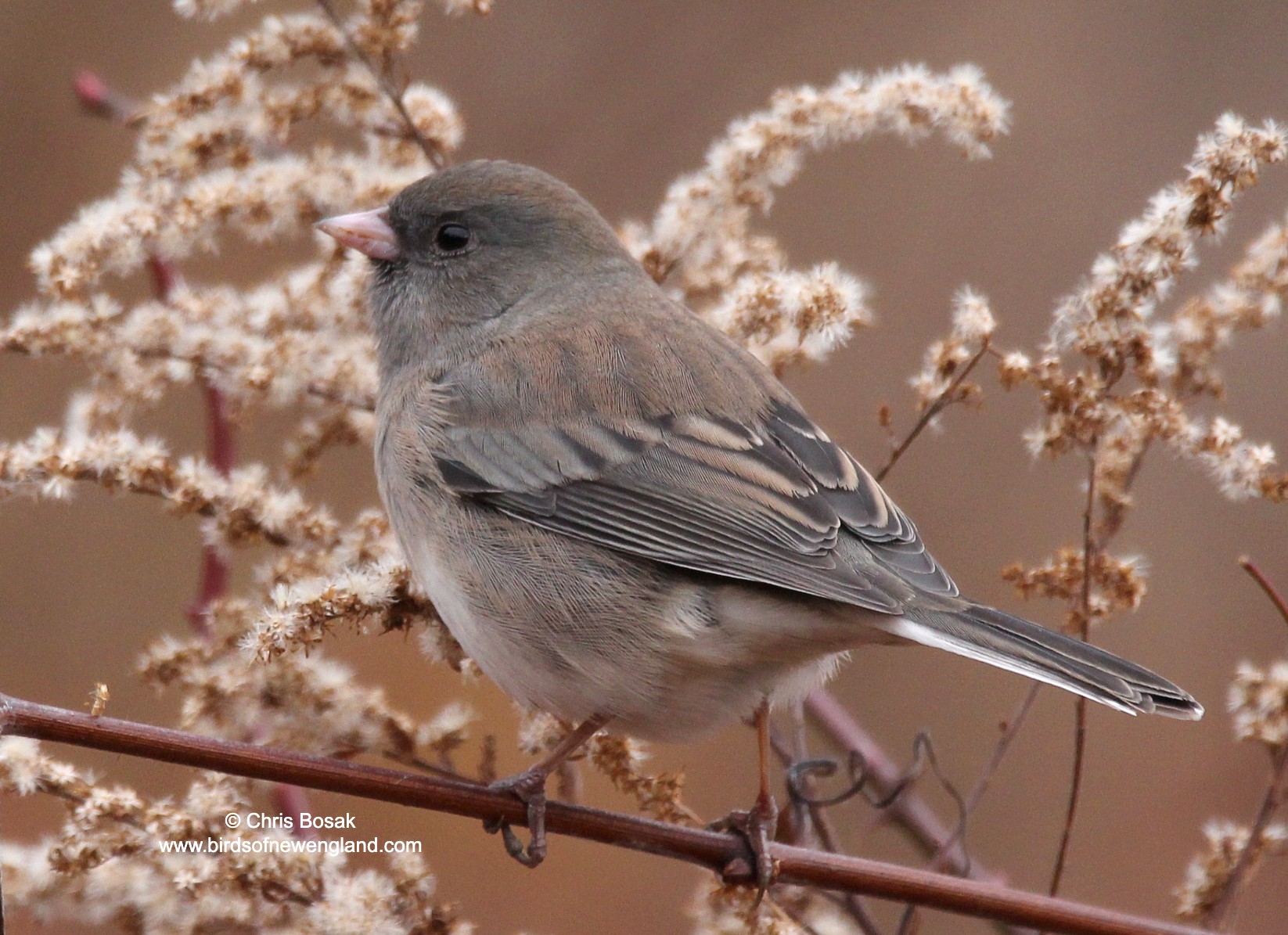
Photo by Chris Bosak – A dark-eyed junco eats goldenrod seeds at Huntington State Park in Redding, Connecticut, November 2025.

Here are a few more photos of my experience with juncos in the goldenrod field recently. See the last “For the Birds” column for the whole story. On a side note, now you know what goldenrod looks like after the yellow flowers die off.

Thanks for your support of Birds of New England.com.

Photo by Chris Bosak – A dark-eyed junco eats goldenrod seeds at Huntington State Park in Redding, Connecticut, November 2025.

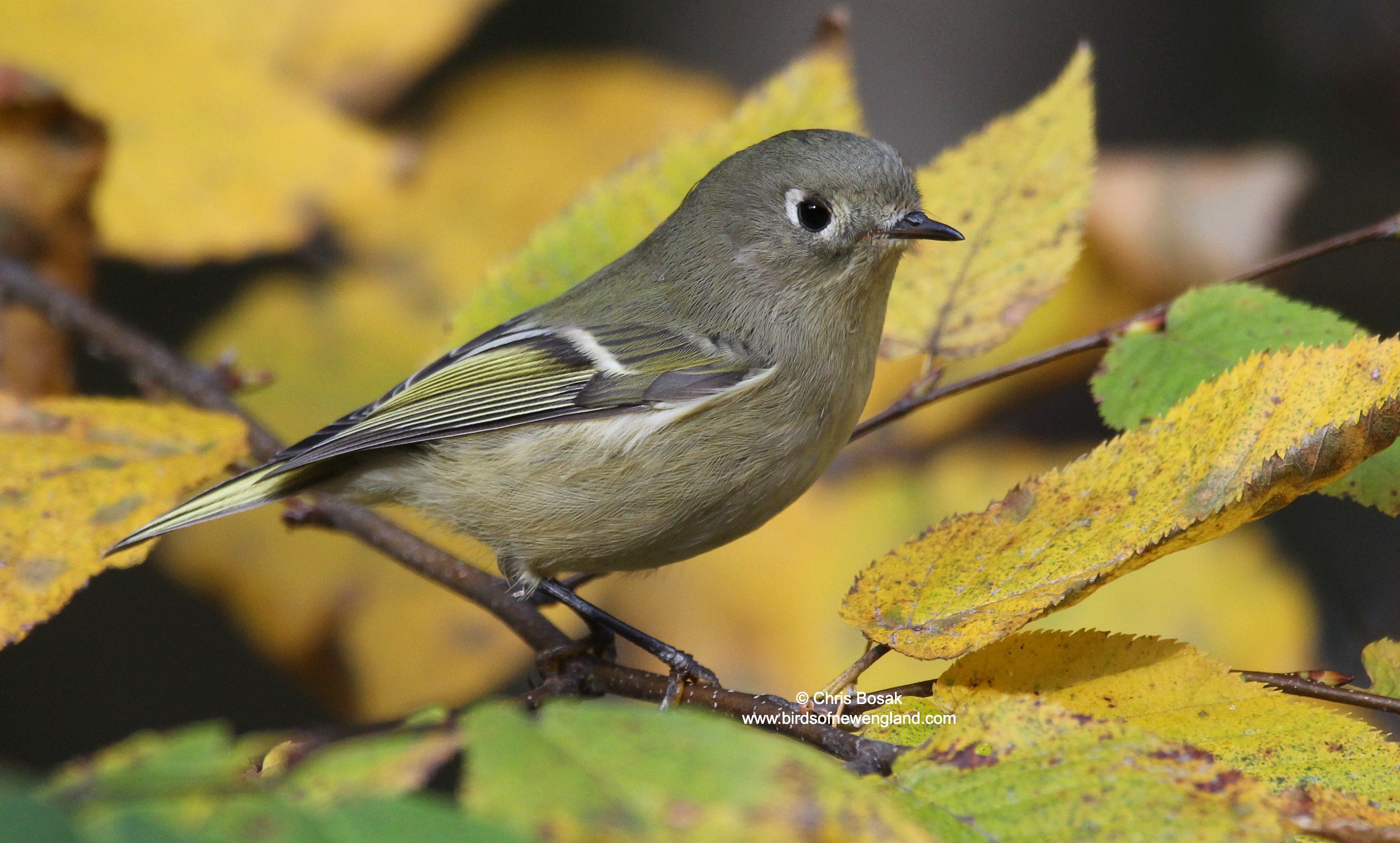
Ruby-crowned kinglet in fall

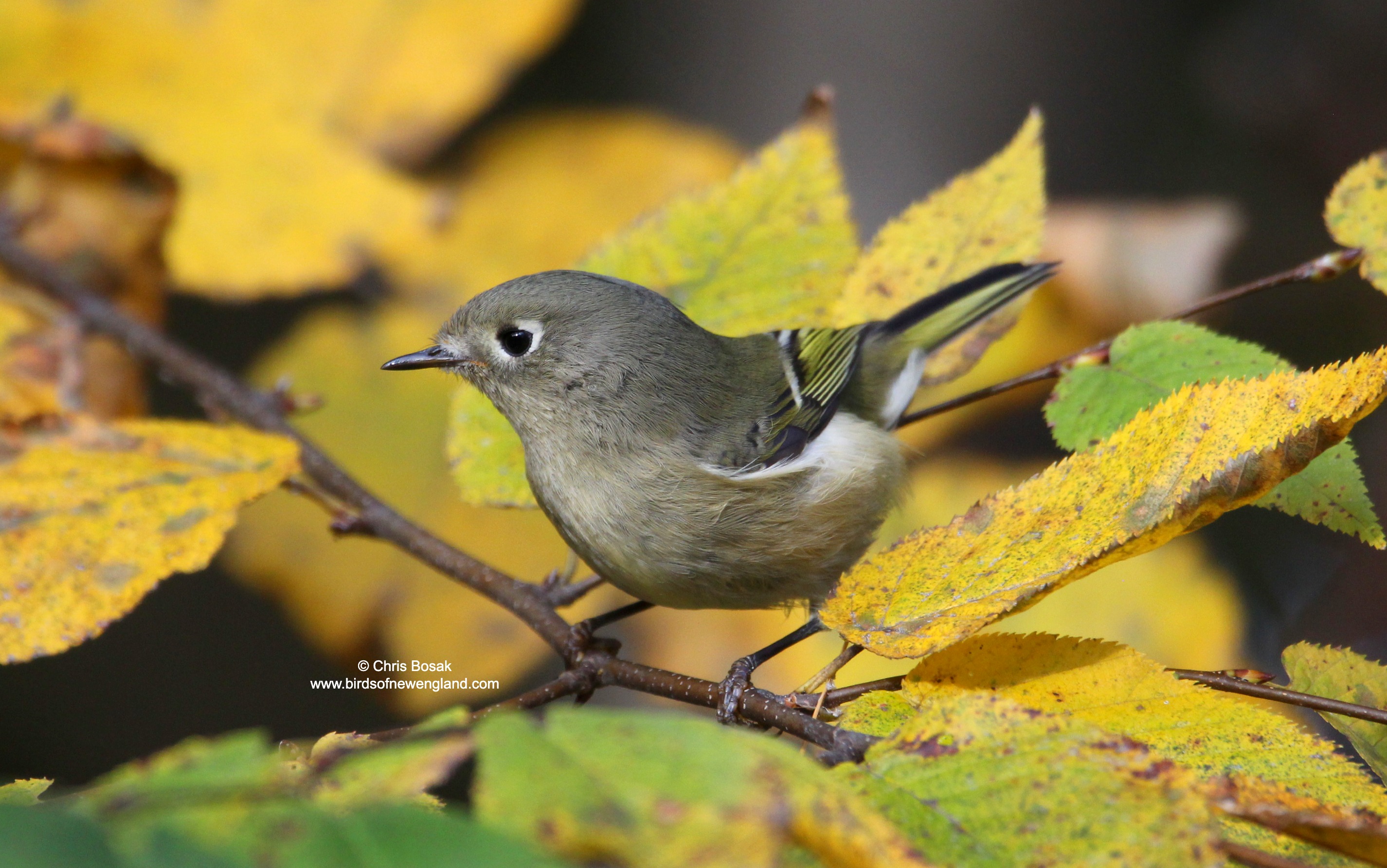
Ruby-crowned kinglet, fall 2025, Huntington State Park, CT.

I finally got a ruby-crowned kinglet to sit still for half a second. Today’s walk was filled with white-throated sparrows and ruby-crowned kinglets.

Ruby-crowned kinglet, fall 2025, Huntington State Park, CT.
Continue reading

For the Birds: Strong winter for finches forecasted

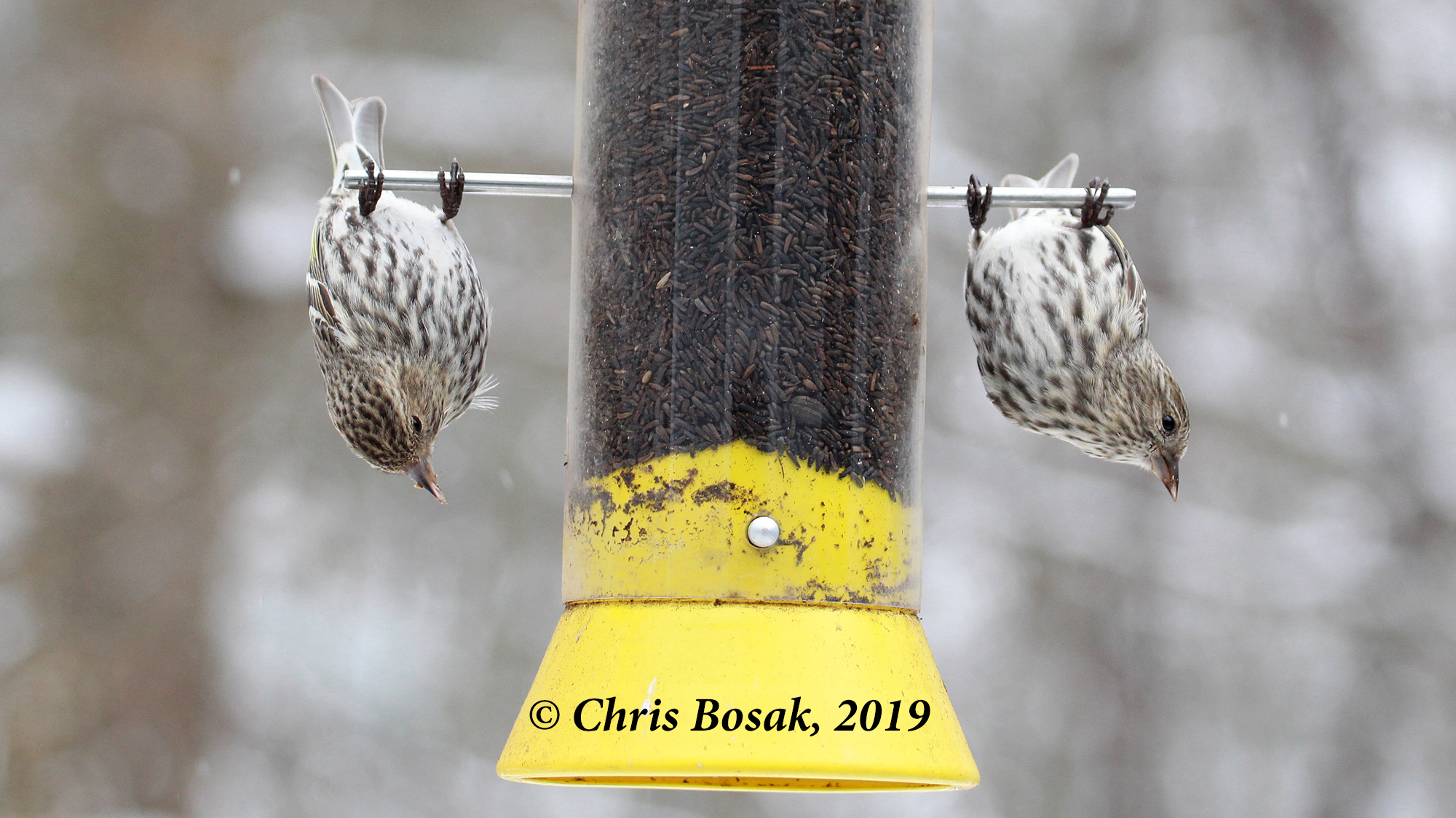
Photo by Chris Bosak Pine siskins visit a feeder in Danbury, Connecticut, March 2019.

My favorite part of winter birdwatching has always been looking for waterfowl on whatever open water remains. Searching for bald eagles in those same areas has become another favorite of mine as the population of our national bird soars, and we see them more frequently.

Winter is also arguably the best time to watch feeders in the yard, although one can easily make a case for spring being the best time when the grosbeaks, buntings and other surprises arrive. Watching the feeders in winter, particularly before a storm, is a constant treat of chickadees, titmice, nuthatches, woodpeckers, cardinals, blue jays, juncos and white-throated sparrows.

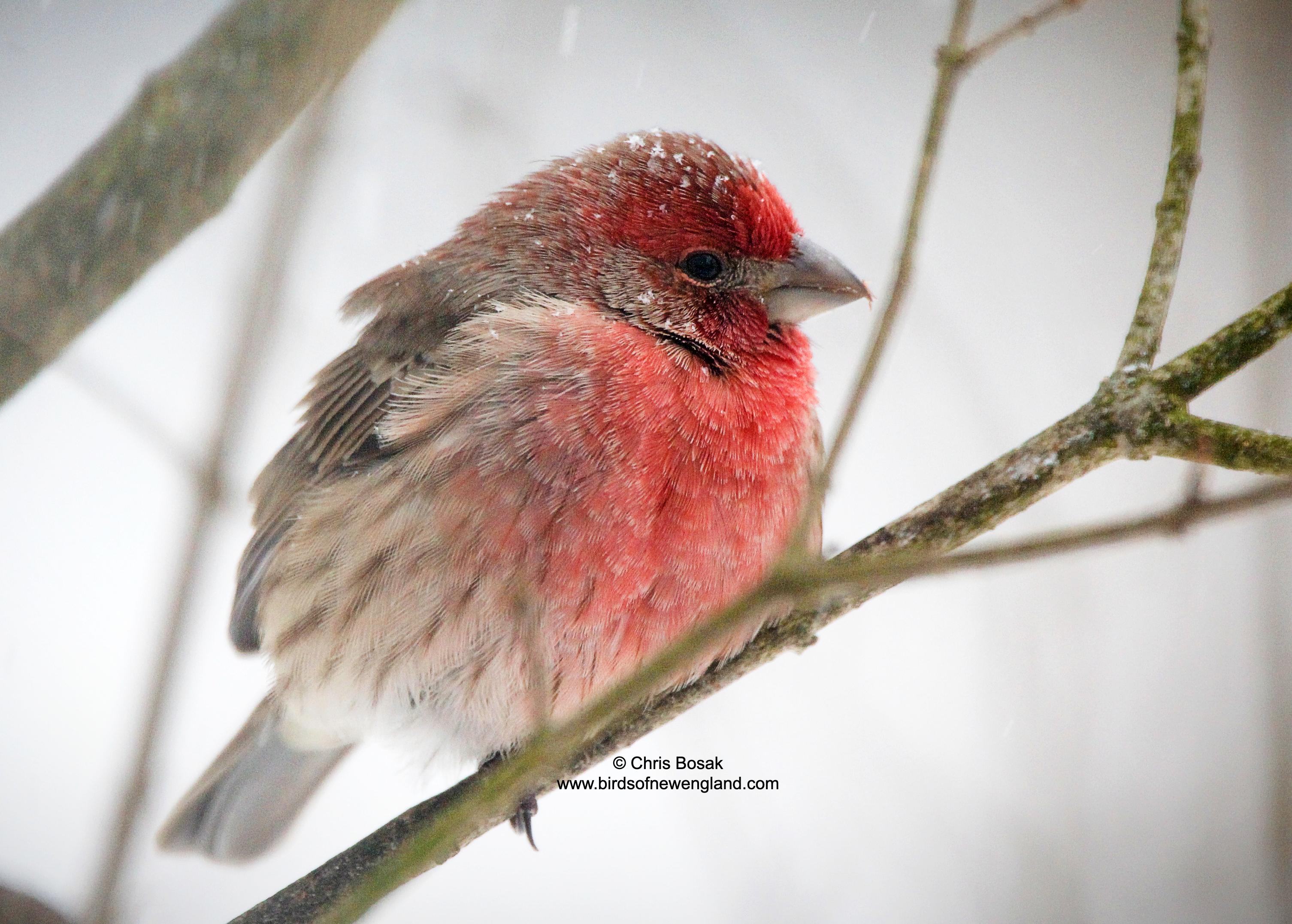
In my opinion, an underrated part of winter birding is the finch irruption, or lack thereof, depending on the year. Birds such as siskins, redpolls, purple finches, crossbills, pine grosbeaks and evening grosbeaks sometimes irrupt into our region as food supply dictates. Other birds such as red-breasted nuthatches are also lumped into the category of unpredictable winter bird visitors.

Continue reading

For the Birds: Fall migration under way

Photo by Chris Bosak A male scarlet tanager in the fall.

It seems like just yesterday we were welcoming back the warblers and other songbirds during spring migration and here we are at fall migration already.

Many of the birds we saw in the spring heading north will look the same on their southward journey. Many others, however, will look different. 

Some, like male scarlet tanagers, will bear little resemblance to what they looked like in the spring. When we saw them in May and June, they were the most brightly colored birds in the woods. A sighting always yielded a gasp of excitement as we wondered how a bird in New England could be so brilliant. After the breeding season, however, they molted and are now dull yellow with less shiny black wings. They are still awesome-looking birds but not the striking birds they were in the spring.

In addition to many adult birds molting, the fall migration includes first-year birds that haven’t attained familiar adult plumage yet. They often resemble females or a mix of male and female plumage. 

Continue reading

For the Birds: Rails get their turn finally

Photo by Chris Bosak Clapper rail in Milford, Connecticut, summer 2025.

I’ve written about a lot of different types of birds over the last 30 years. There are some birds I’ve likely written about hundreds of times, and some only a handful of times.

If I searched my “For the Birds” folder for chickadee, robin or woodpecker, I’d get hundreds of hits. If I searched for vireo or flycatcher, I’d get far fewer hits, but still a decent amount.

There’s one bird family found in New England I’m not sure I’ve ever written about or even mentioned within a column. It’s the rail family. Rails are small to medium-sized chicken-like birds of the marshes. The reasons I haven’t written about them before are fairly obvious: rails are not very common, live in a habitat that is difficult for humans to traverse and are extremely secretive.

New England has a few members of the rail family. Virginia rail is the most common and the one most likely to be seen in New Hampshire. Sora is the other most likely candidate in New Hampshire. Clapper rails may be found along the coastal regions of New England.

There are also yellow rails, black rails and king rails found in New England, but they are rarely seen. Virginia rail is the best bet, but even that is a chore.

Continue reading

For the Birds: New England birding from top to bottom

Photo by Chris Bosak Piping plover, Milford, Connecticut, summer 2025.

I’ve looked for birds in New England from top to bottom this month. At the beginning of July, I drove to Pittsburg, NH, near the Canadian border, and last week, I visited a beach/nature preserve on Long Island Sound in southern Connecticut.

Yes, technically, northern Maine would be top of New England, but let’s not split hairs here.

It was quite a contrast in habitat and birdlife between the two points, from the boreal forest up north to the marsh and shoreline down south. 

Continue reading

For the Birds: Young birds offer hope for the future

Photo by Chris Bosak – A young male rose-breasted grosbeak visits a feeder in New England, summer 2025. Note the brown feathers on the wings.

I was heading to my car at work when four or five relatively large birds emerged on the ground from around the corner of a building. I didn’t immediately recognize them, as their sudden appearance surprised me and my mind was elsewhere.

I took a few more steps and quickly realized what they were: baby turkeys. By that time, I had progressed enough that the mother turkey was now visible and only a few yards away. Will she attack like a mute swan or Canada goose might? Never get between a mother and her babies, the saying goes. I wasn’t actually between them, but I was certainly close enough to some of the babies that I could be considered a threat.

Continue reading

Hard to beat an American oystercatcher sighting

Photo by Chris Bosak American oystercatcher, Milford, Connecticut, summer 2025.

They aren’t particularly rare, especially if you know where to look, but American oystercatchers are always a thrill to see. I saw these beauties during a short birdwalk at Connecticut Audubon Society Coastal Center at Milford Point the other day. One of the coolest looking birds in New England, if you ask me. Check out the youngster below.

More information about the American oystercatcher may be found here.

Photo by Chris Bosak American oystercatcher, Milford, Connecticut, summer 2025.
Photo by Chris Bosak American oystercatcher chick, Milford, Connecticut, summer 2025.