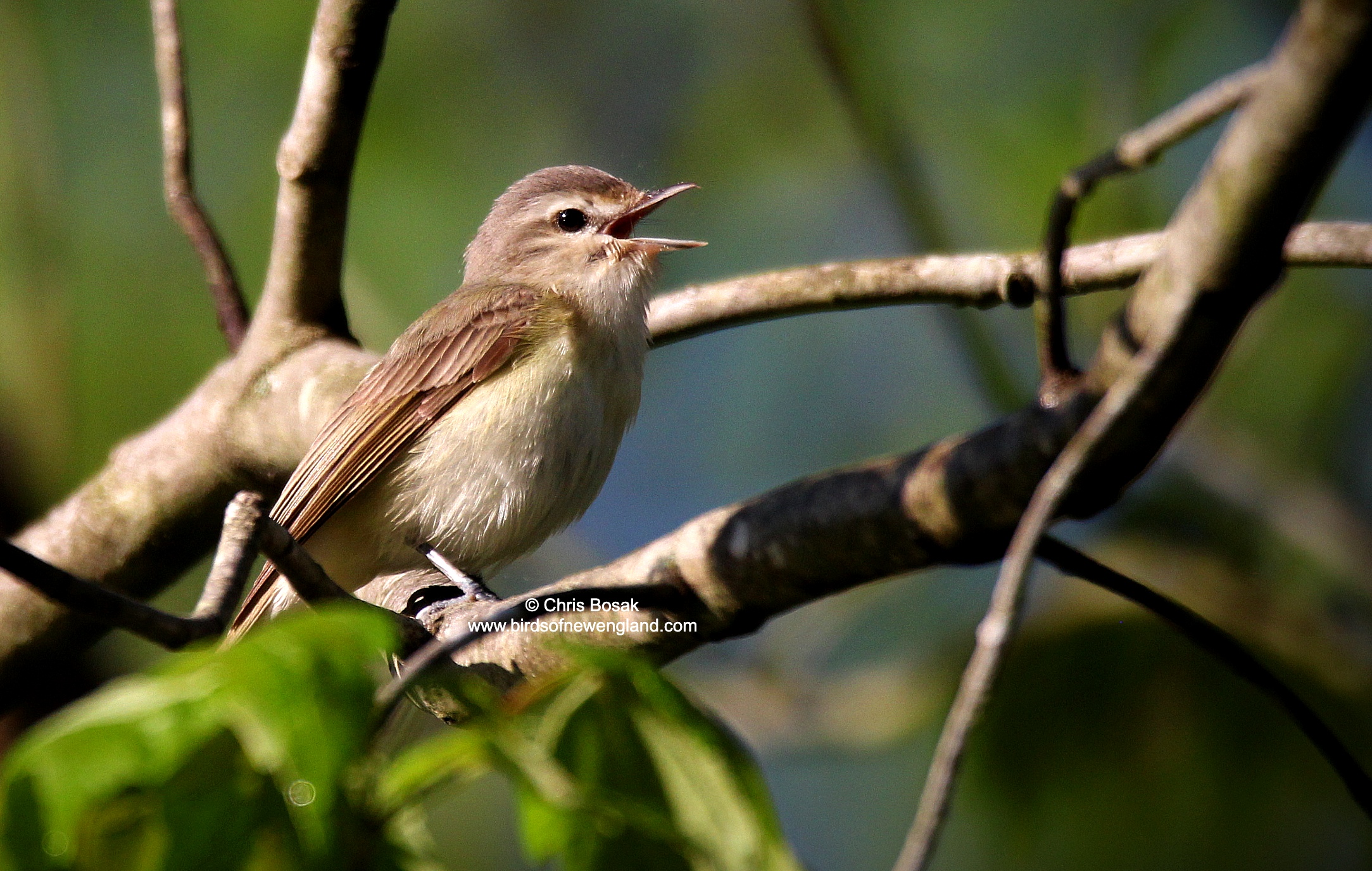
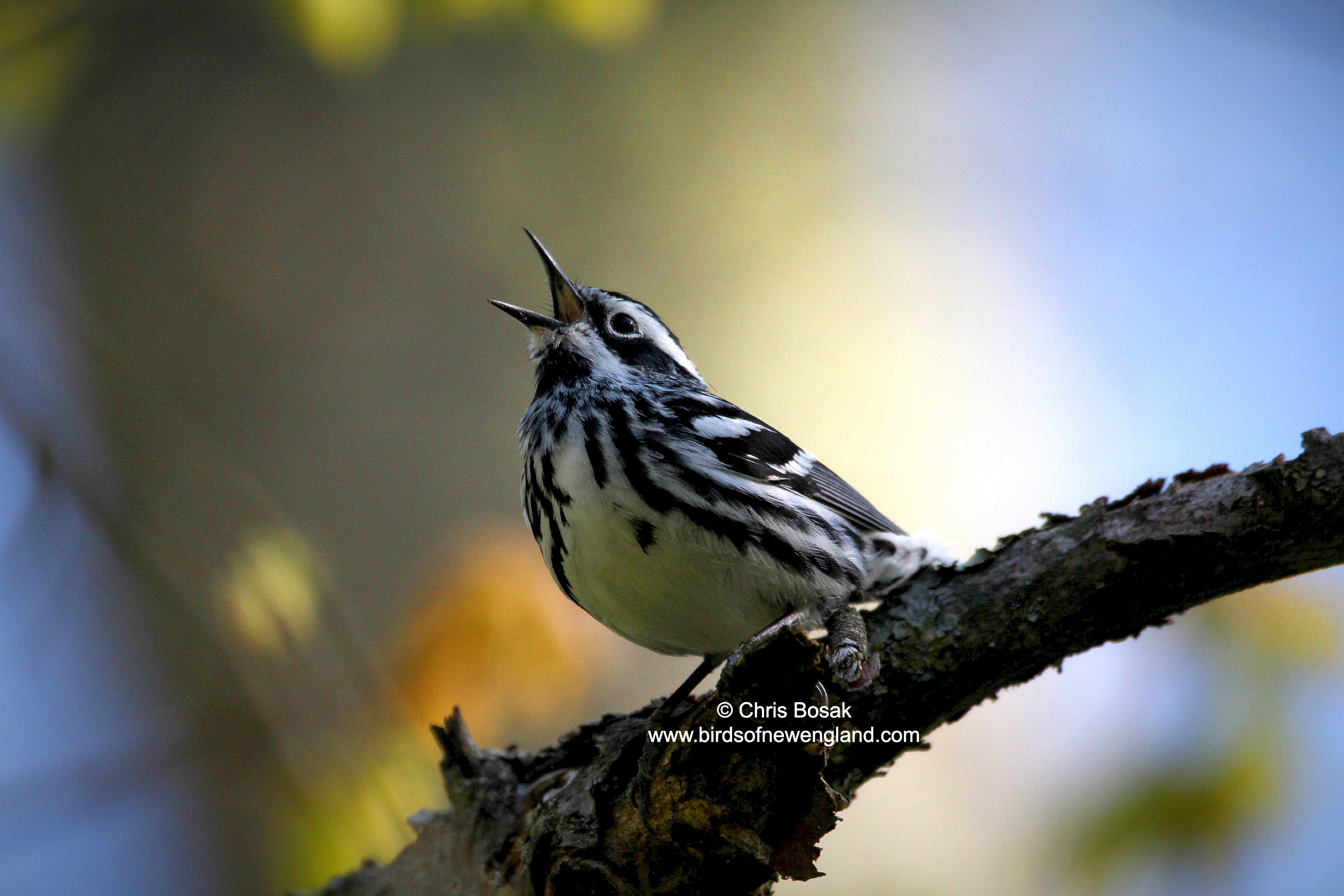
It’s not surprising to get a photo of a warbling vireo, as these birds sing constantly. A bird that is true to its name.

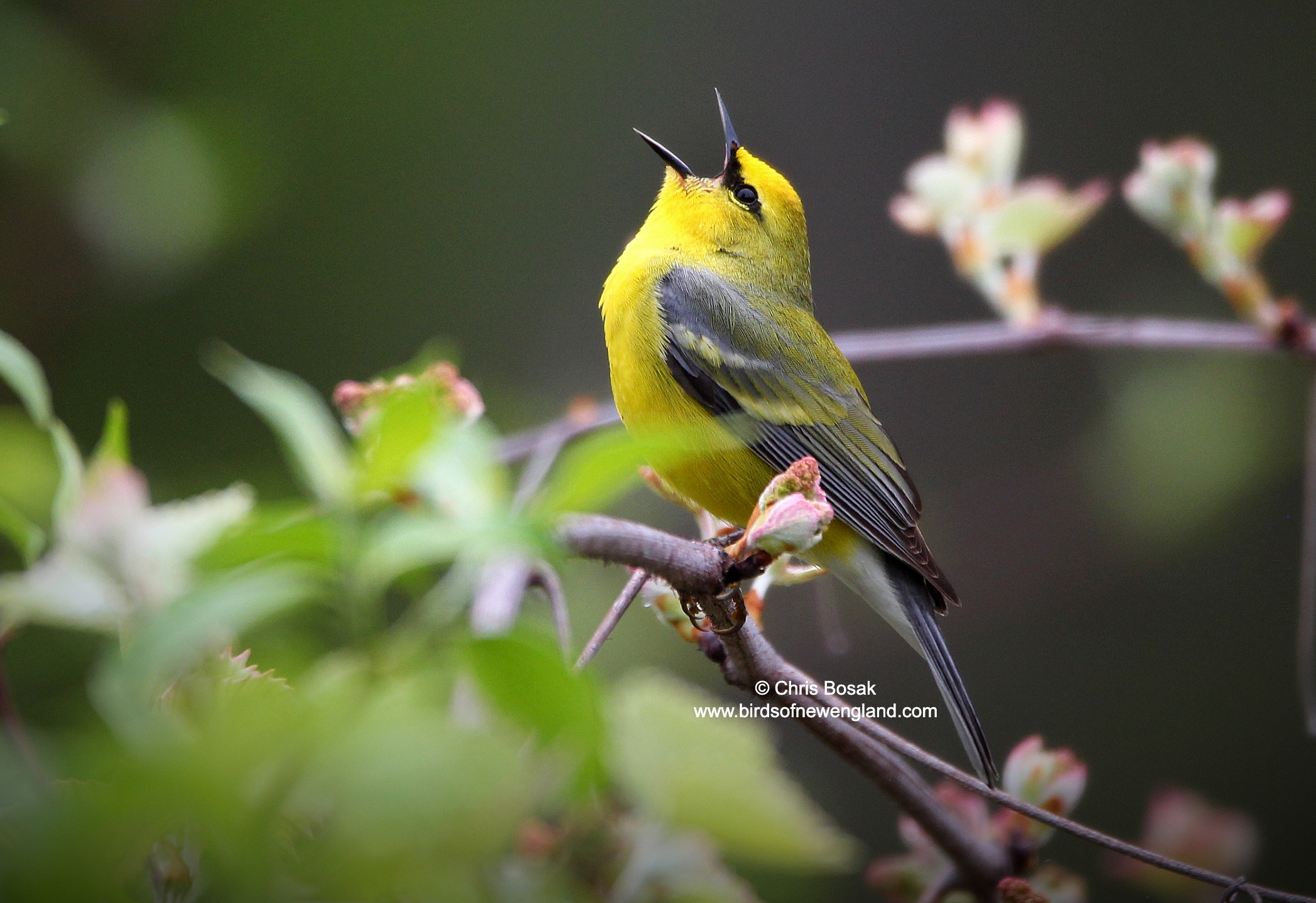
Here is the latest photo in the Singing in the Spring series: the blue-winged warbler. One of my favorite warblers, blue-winged warblers arrived back in New England over the last two weeks. They nest in New England and have a song that sounds more insect-like than bird-like.

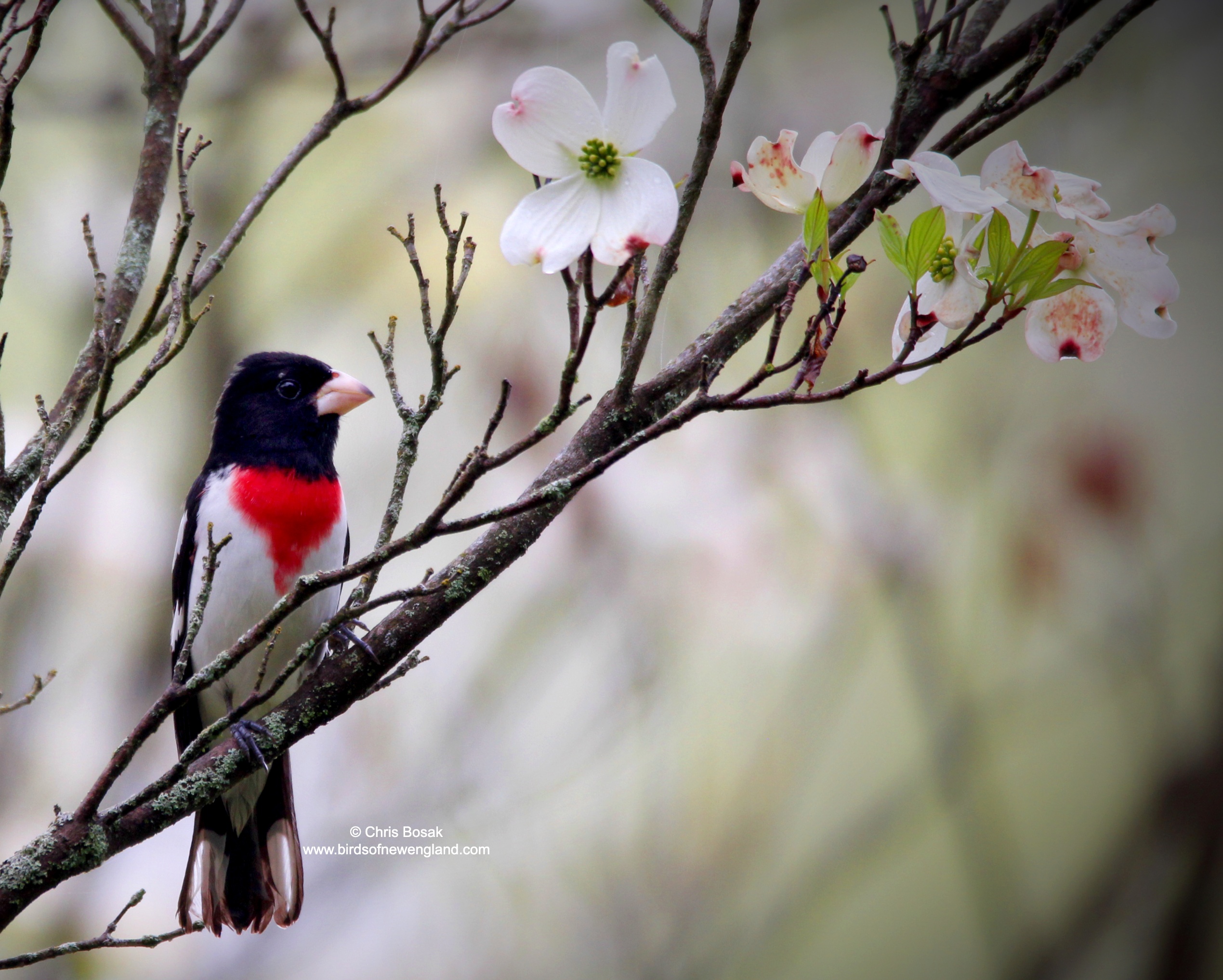
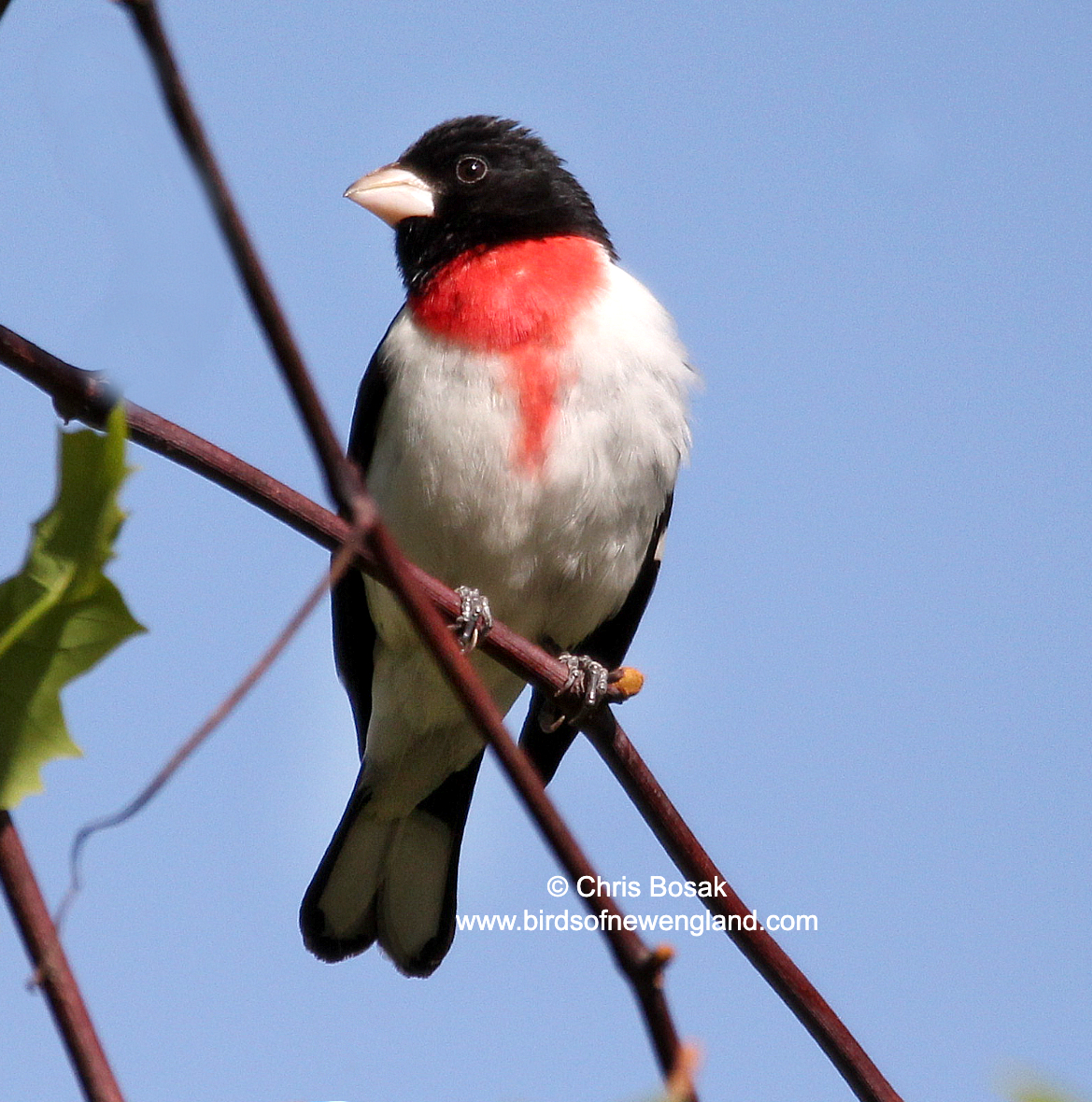
Yesterday, I used a photo of a rose-breasted grosbeak for my Singing in the Spring series. Today, I’m including a few bonus shots of a male rose-breasted grosbeak. You gotta love spring migration.


Here’s the second installment of Singing in the Spring. The field sparrow looks more like a typical sparrow than the previously featured eastern towhee, but a close look reveals a handsome bird with subtle beauty.

Here’s the start of a new birdsofnewengland.com mini series called Singing in the Spring. It will feature, all together now, birds singing in the spring. The posts will appear randomly throughout this spring.
I’ll kick it off with an eastern towhee. Although a member of the sparrow family, which features mostly small brownish birds, the towhee is larger and much more decorated.

The American black duck is, in my opinion, one of the more underrated birds in New England.
While it is true that black ducks are not the most exciting or colorful ducks in New England, I think the black duck is often overlooked because a lot of people assume it is a mallard. Mallards, of course, are extremely common and tame. Black ducks are not as common and certainly not as tame.
Differentiating an American black duck from a female mallard is one of the more common difficult identifications to make. It is up there with the house vs. purple finch and the sharp-shinned vs. Cooper’s hawk.
Continue reading
It’s an early start to the warbler season for me.
I was walking at my usual patch on March 31 when I heard a familiar trill-like song from the top of a tall white pine. A fast-paced trilling usually means it is a junco, chipping sparrow, or pine warbler. All three of these birds are in New England now, so unless you are an expert at identifying birds by song, it is best to find the bird and get visual confirmation.
Like most warblers, pine warblers do not sit still for very long, so it took only a few seconds of searching to find the tiny bird moving among the branches. It was indeed a pine warbler, a mostly yellow bird with white wing bars on gray wings.
Pine warblers are always the first, or at least one of the first, warblers to show up in New England each spring. I usually do not find them until a few days into April, but this year, my first warbler sighting came on the last day of March.
Coincidentally, I saw my first chipping sparrow of the spring last week as well. Yes, spring migration is underway.
Continue reading