Photo by Chris Bosak
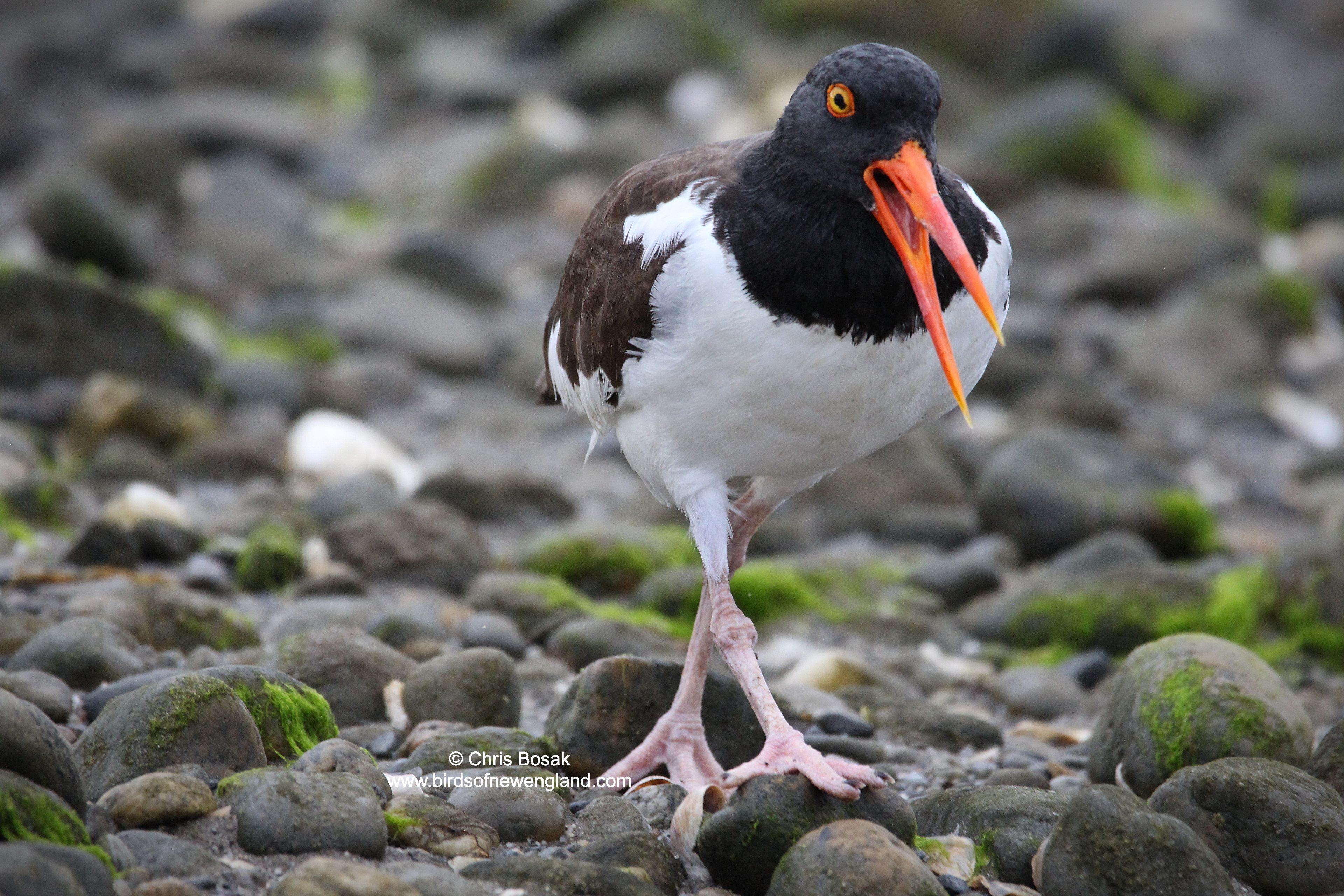
American oystercatcher, Milford, Connecticut, summer 2025.
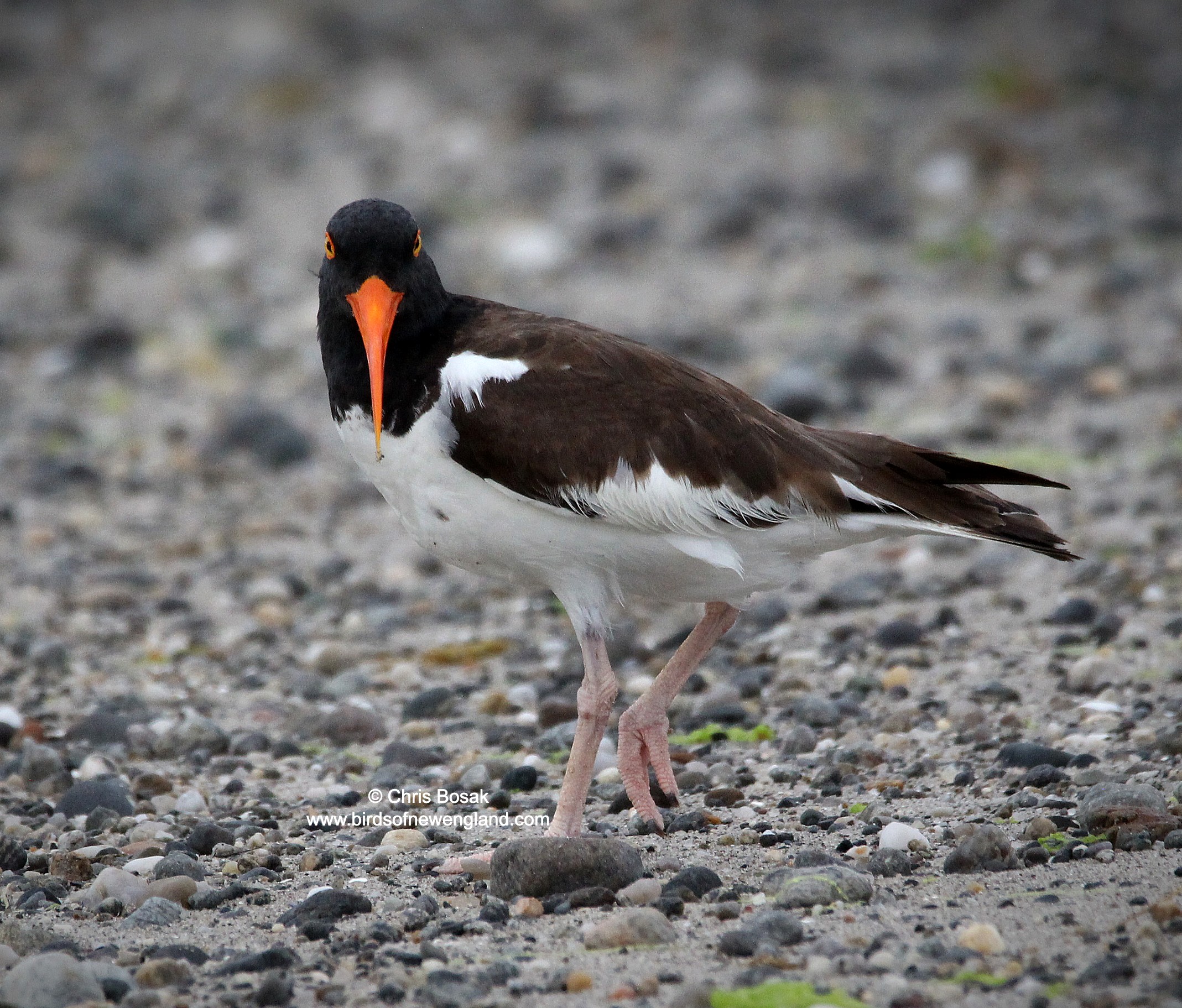
Following up on yesterday’s post, here are a few more American oystercatcher photos. I find both of these photos rather humorous. The top photo looks like an unhappy customer storming away from the counter. The bottom photo looks like an oystercatcher giving someone the evil eye.
Photo by Chris Bosak
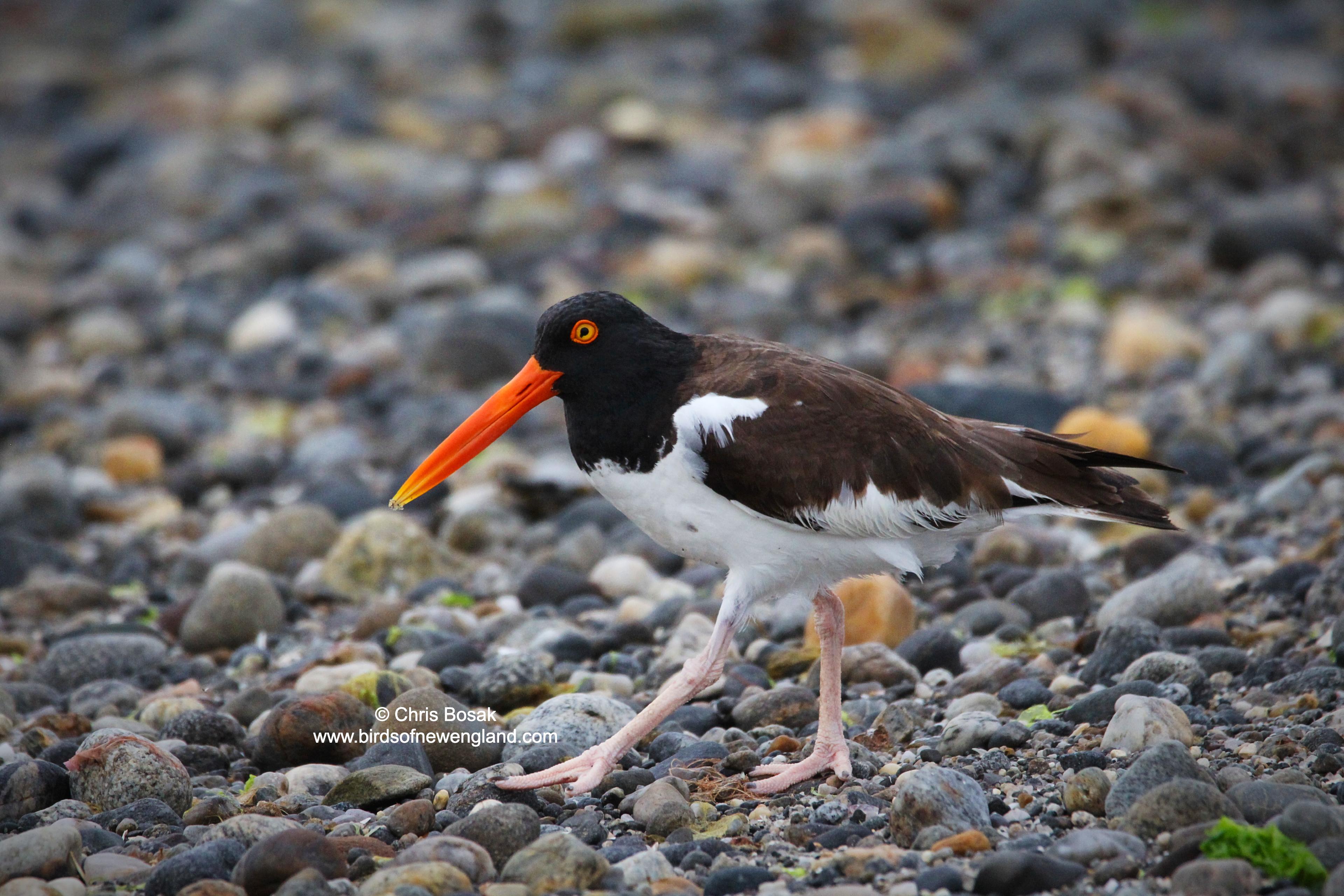
American oystercatcher, Milford, Connecticut, summer 2025.
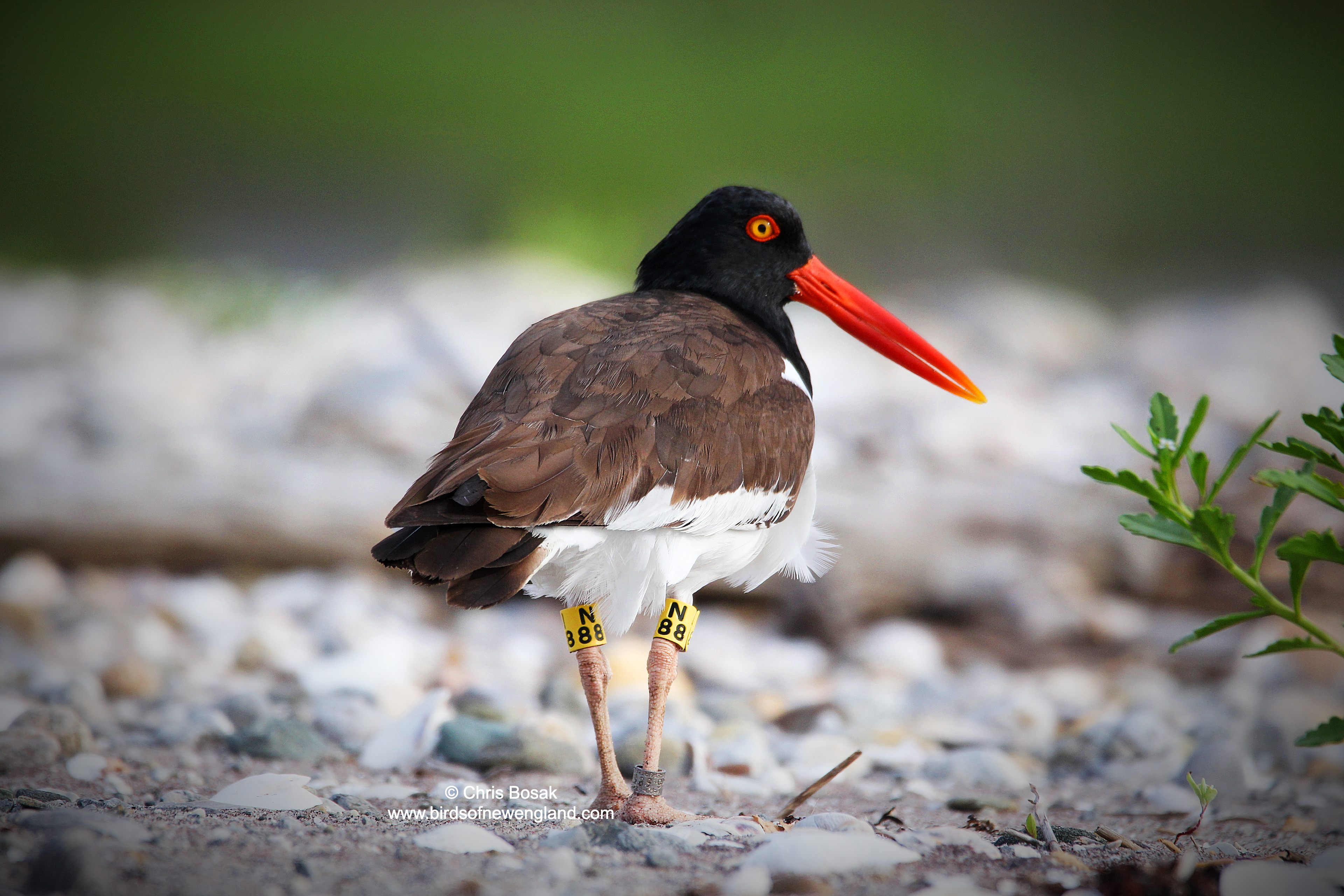
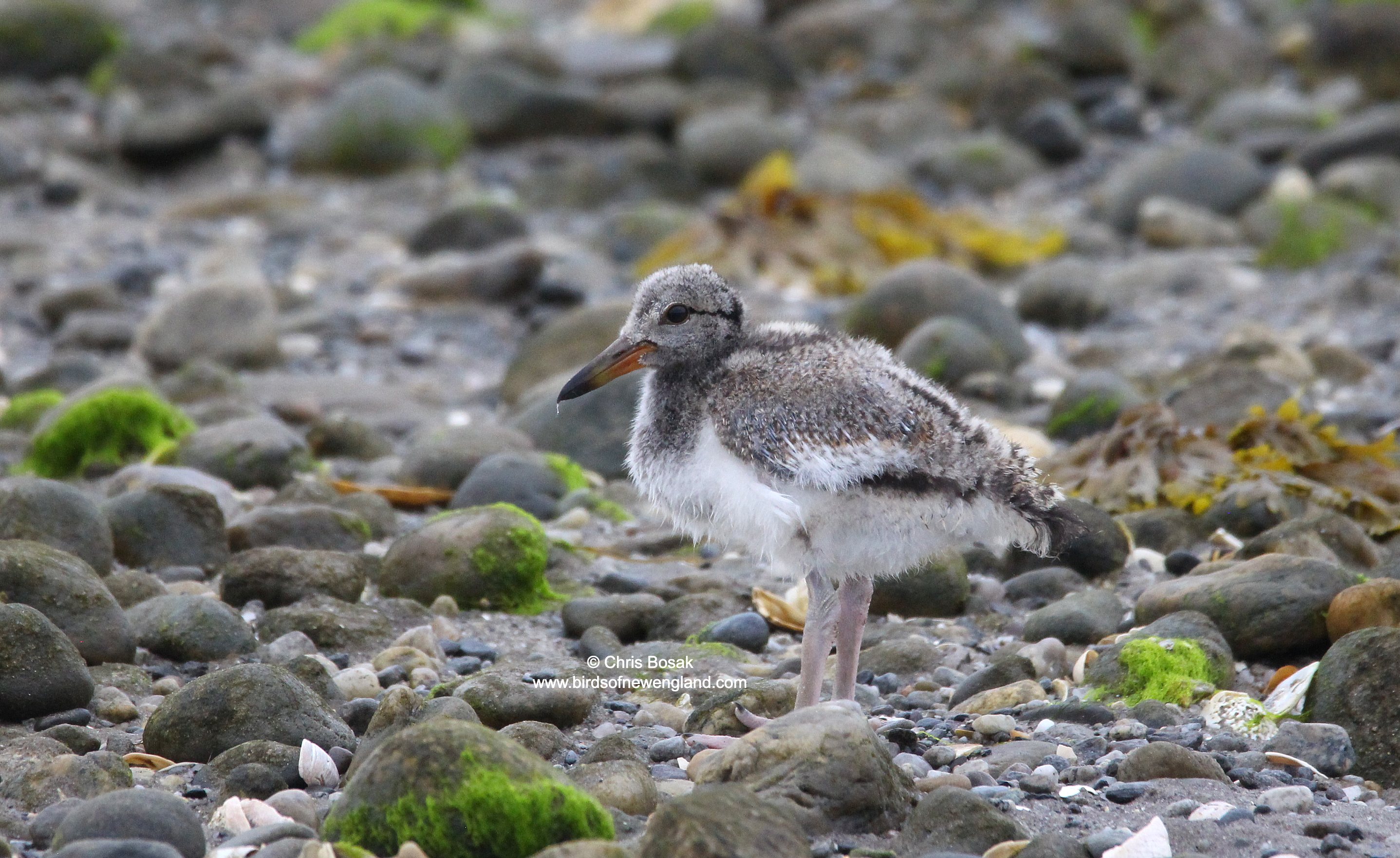
They aren’t particularly rare, especially if you know where to look, but American oystercatchers are always a thrill to see. I saw these beauties during a short birdwalk at Connecticut Audubon Society Coastal Center at Milford Point the other day. One of the coolest looking birds in New England, if you ask me. Check out the youngster below.
Photo by Chris Bosak
American oystercatcher, Milford, Connecticut, summer 2025.Photo by Chris Bosak
American oystercatcher chick, Milford, Connecticut, summer 2025.
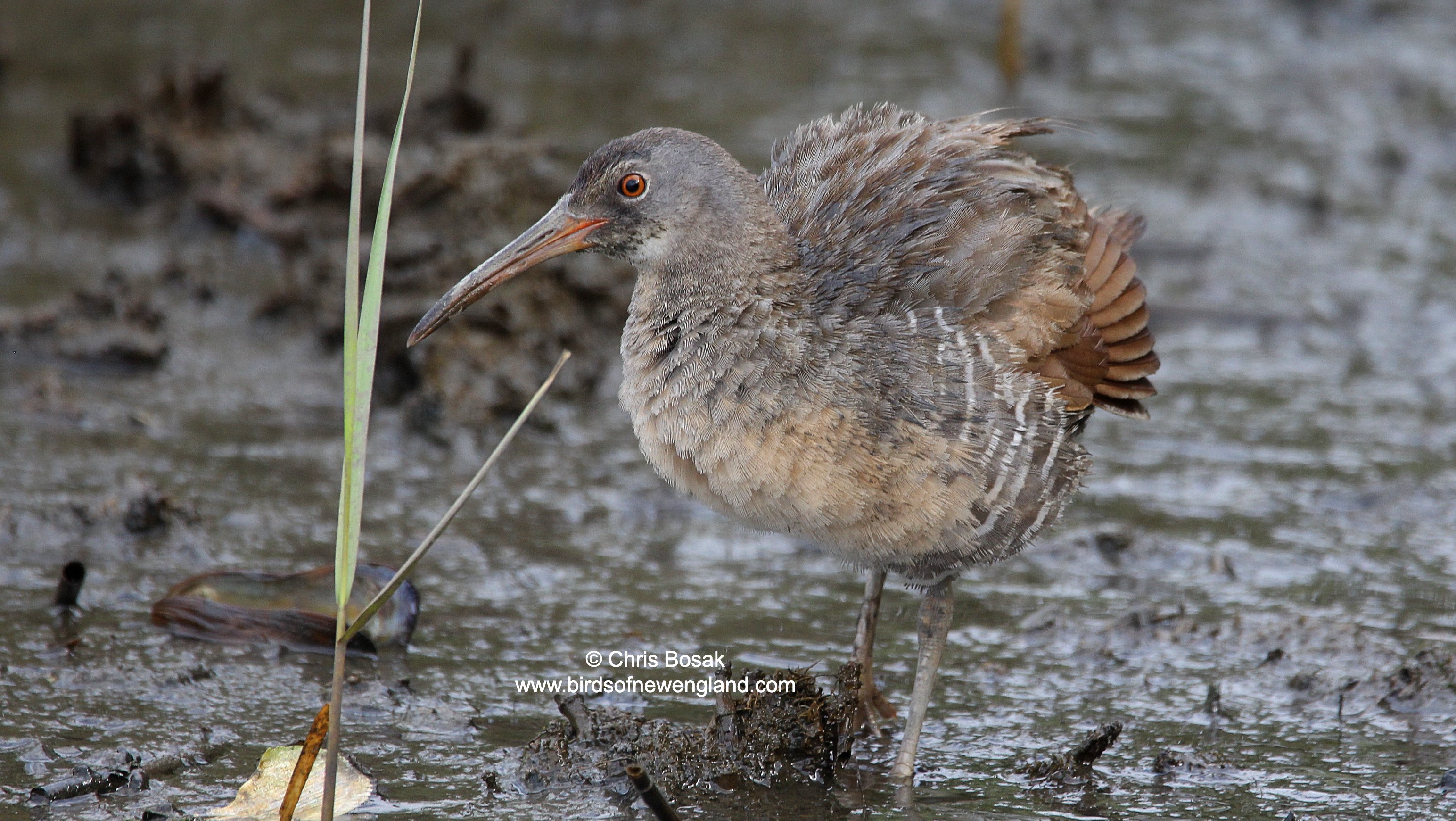
Photo by Chris Bosak
Clapper rail in Milford, Connecticut, summer 2025.
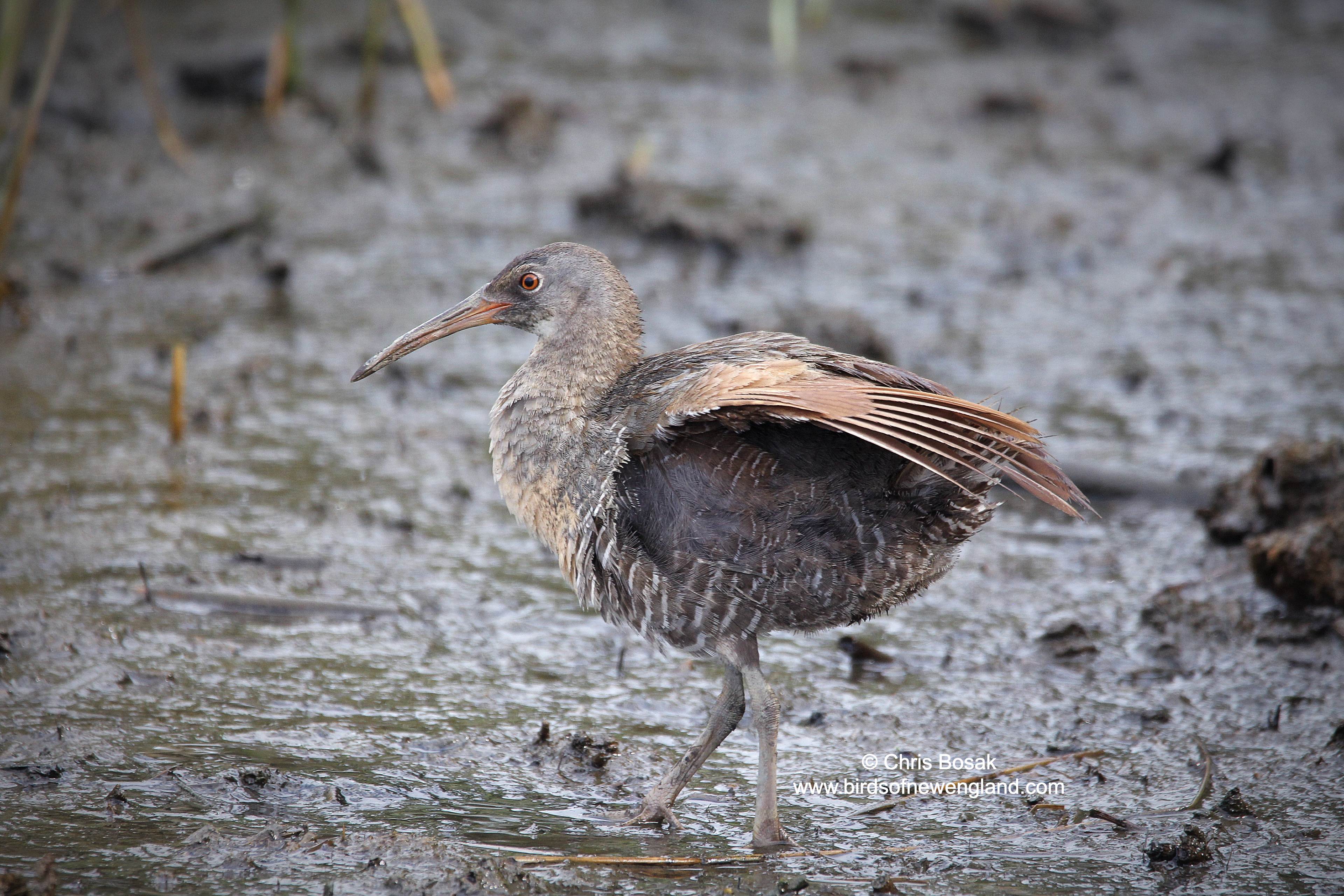
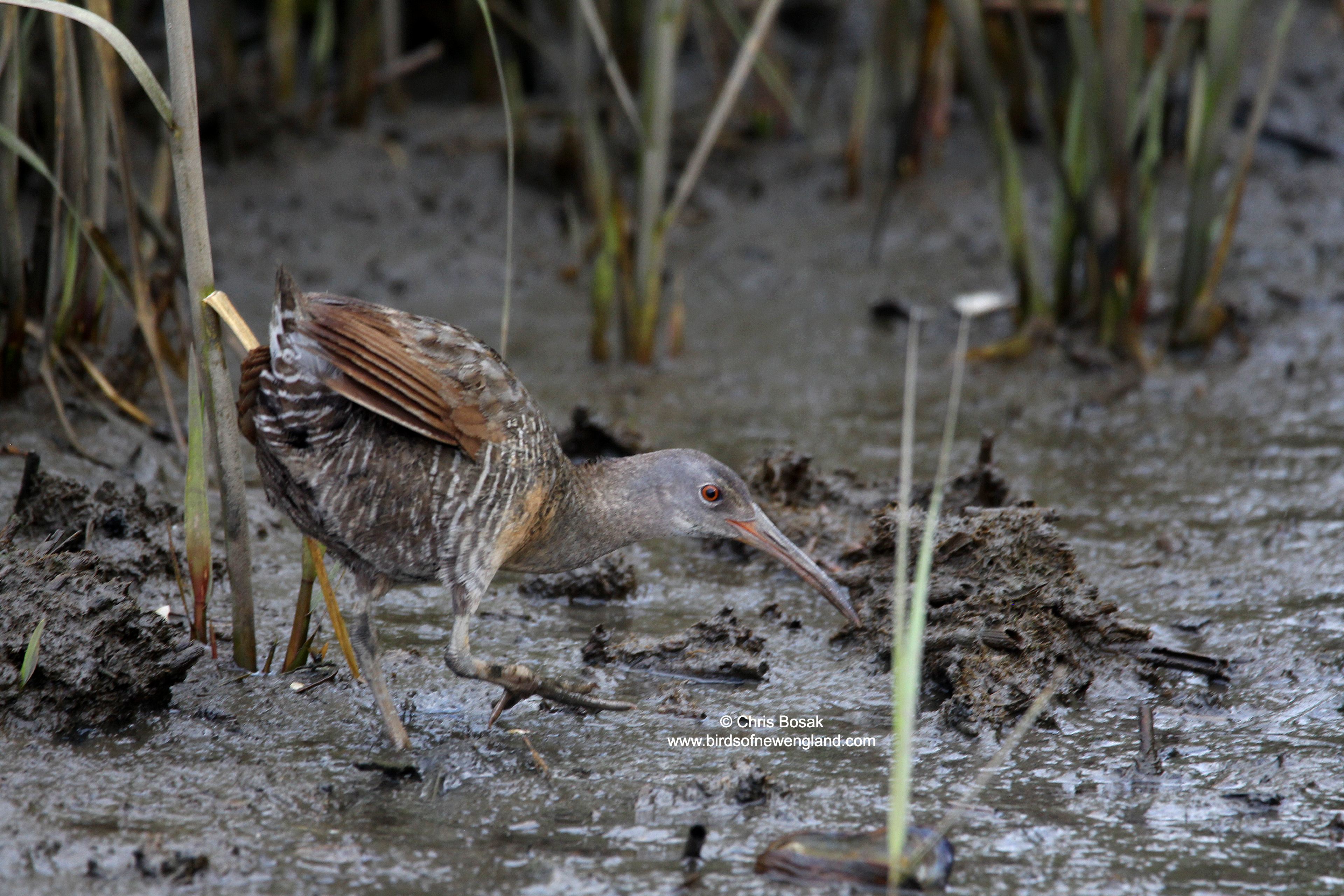
Rails are shy birds of the marshlands. Clapper rails are usually heard before they are seen, if they are seen at all. I stood in the muck at low tide for several minutes, and finally, this clapper rail decided to come out of the vegetation and walk along the mud for a few seconds. Several rails were calling back and forth in the marsh.
Photo by Chris Bosak
Clapper rail in Milford, Connecticut, summer 2025.Photo by Chris Bosak
Clapper rail in Milford, Connecticut, summer 2025.
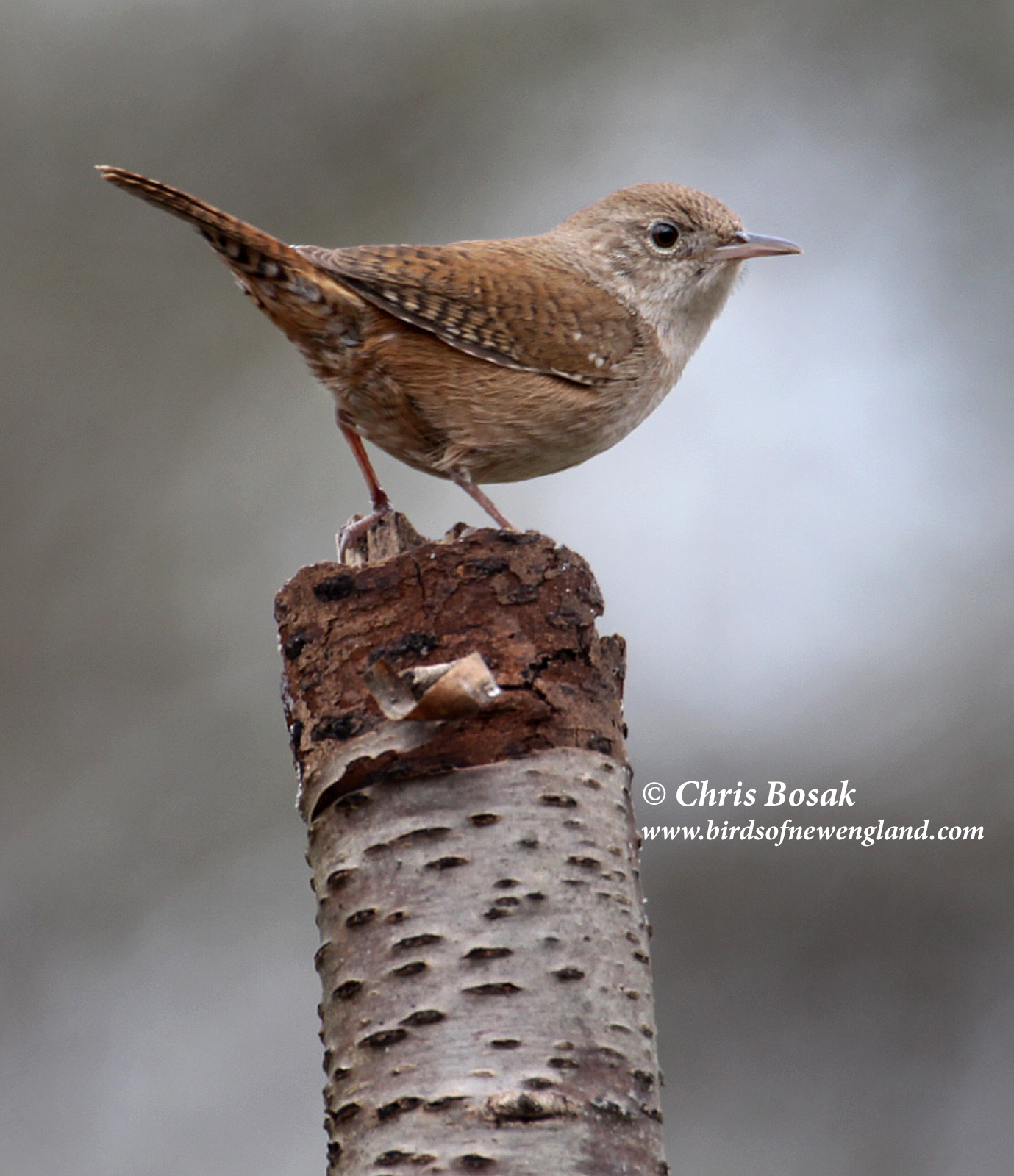
Photo by Chris Bosak A house wren perches on a branch in New England.
My brother and I were on our favorite birding trail in my old hometown of Erie, Pennsylvania, when one of those fantastic bird flurries happened.
It was mid-May and the flurry consisted of four or five types of warblers, two brown thrashers, a blue-gray gnatcatcher, Baltimore orioles, a house wren and a few other species. When the flurry died down and I entered the species into my eBird report, I noticed something that struck me as odd.
When I entered house wren, the only option that came up was northern house wren. What the heck is that? I thought. I assumed that was the species I’ve always known as house wren, but I still wondered where the “northern” came from.
A quick internet search confirmed that the new official name for the house wren species that occurs in the U.S. is northern house wren. The southern house wren, formerly considered the same species as the northern, lives south of the U.S. and there are also five separate Caribbean endemic species. The split and name changes happened in 2024. Somehow, I missed the memo until now.
Photo by Chris Bosak
A red-headed woodpecker in Pennsylvania earlier this year.
It wasn’t long ago, just last week, in fact, that I wrote about uncommon birds showing up unexpectedly now and then.
You never know where or when they will appear, I wrote, but being vigilant is the key to finding them.
Not long after that column went to print, I received an email that really drove home that point. Eric from Surry wrote to say he had seen a red-headed woodpecker in his backyard.
When I opened the email, I could see only the text, not the photos. I have no way of knowing one’s bird identification skills when I get an email, so it’s always nice when a photo is attached, regardless of quality, to confirm the sighting.
Photo by Chris Bosak
A yellow-breasted chat sings from a shrub in New England, June 2025.
I was walking along a productive section of a trail in southern New England when a loud birdsong caught my attention. As is often the case, I didn’t recognize it immediately, but knew it was worth stopping for and investigating.
Sometimes when that happens, it turns out to be a seldom-used song or call from a familiar bird. Tufted titmice have a wide variety of sounds and they often throw me off. The same goes for catbirds, robins and orioles. But this time, it was indeed something uncommon.
I used the Merlin app on my phone and it identified it as a yellow-breasted chat. That would be cool, I thought, but let’s get visual confirmation. The Merlin app is a great new tool for birdwatchers, but it’s not 100 percent accurate, and I always like to get visual confirmation.
Photo by Chris Bosak
A pair of loons at Second Connecticut Lake in Pittsburg, NH, June 2025.
It had been several years since I had been to Pittsburg, NH, a place I used to visit three times a year or more back in the day.
My visits gradually became more infrequent as I got older, gained work and family responsibilities and grew less inclined to make the long drive. Besides, moose sightings had become increasingly rare up there, while they used to be a sure thing. Moose had always been the main attraction for me and many others who visit there.
Even so, the area has retained a special place in my heart, and I often long to be there. I just wish I could teleport there with my truck, canoe and camping equipment.
Photo by Chris Bosak
An American robin eats border privet berries in New England, January 2025.
I was finishing up a bird walk the other day when I came across another birder just starting their day’s adventure. She asked a question common among birdwatchers: “Did you see anything good out there?”
Of course, all birds are good, but the underlying question is whether anything rare or uncommon was spotted. I shared that there were a few warblers and songbirds around, but I hadn’t seen anything too noteworthy.
I started naming off some of the highlights. I had found a bluebird nest in a snag (dead tree) and the parents were busy feeding the youngsters. The warblers included American redstart, common yellowthroat, yellow warbler, ovenbird and black-and-white warbler. I had spotted a few rose-breasted grosbeaks and Baltimore orioles, but no scarlet tanagers or indigo buntings.
Photo by Chris Bosak
A Canada warbler in Pittsburg, NH, June 2025.
Here are a few warblers I saw on my trip up north. Previously, I had posted photos of loons and an eagle. Canada warblers and magnolia warblers are similar looking with their bright yellow chests and bellies streaked with black. There some obvious differences, such as the eyes. Canada warblers have an obvious eye ring, while magnolia warblers have a black mask with less obvious broken eye ring.
Photo by Chris Bosak
A magnolia warbler in Pittsburg, NH, June 2025.Photo by Chris Bosak
A Canada warbler in Pittsburg, NH, June 2025.




 Birds of New England.com