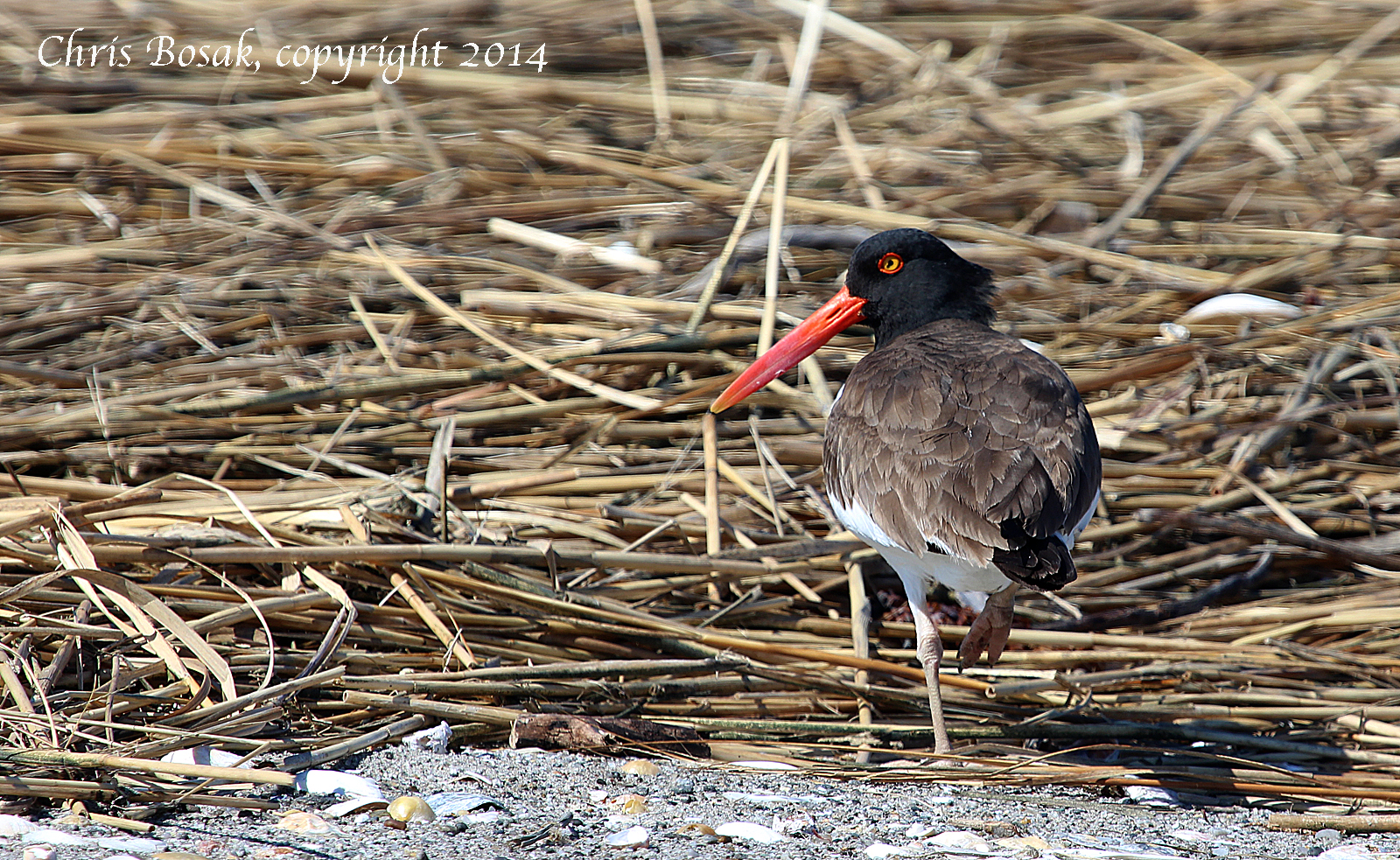
Clearing out my 2014 photos, Take 1: American Oystercatcher

Photo by Chris Bosak An American Oystercatcher walks along the beach at Milford Point in Connecticut, April 2014.

Photo by Chris Bosak
An American Oystercatcher walks along the beach at Milford Point in Connecticut, April 2014.

I was trying to find something on my computer’s desktop recently and just couldn’t find it for the life of me. I knew it was there and I knew I kept somehow looking right past it. Yet, it escaped my view.

My eyes eventually fixed upon it, but the whole experience got me thinking. Why did I have such a hard time trying to find that damn file? The answer was blatantly obvious. I have way too much sh … stuff on my desktop. I looked at the contents of my desktop and many are folders of photos I took during 2014. Some contained photos I used for one reason or another, and some contained photos that never saw the light of day: not in a column, website posting, nothing.

So with this posting, I’ll start showing some of the photos that I “never got around to” in 2014. It will force me to go through the folders, clean up my desktop and, hopefully, give visitors to this site some nice, until now never-before-seen New England wildlife photos. I’ll post several photos over the next few days. I hope you like these almost-forgotten photos.

Wood Duck in mixed company with Mallards

Photo by Chris Bosak A Wood Duck hangs out with a flock of Mallards at Wood's Pond in Norwalk, Dec. 2014.

Photo by Chris Bosak
A Wood Duck hangs out with a flock of Mallards at Wood’s Pond in Norwalk, Dec. 2014.

Several years ago (10 maybe), during a visit to Central Park in New York City, I noticed a very tame male Wood Duck hanging out with a flock of Mallards. I’ve spent hours upon hours on remote New England ponds trying to get decent photographs of Wood Ducks and here was one acting like it was a tame Mallards. The behavior struck me as odd because Wood Ducks, in all my previous observations, are usually extremely wary.

I had pretty much forgotten about this sighting until the other day when I visited Wood’s Pond in Norwalk, Conn., a frequent haunt of mine. A lingering Great Blue Heron

(click “continue reading” for another photo of the female Wood Duck)

Continue reading

Here’s the starling in winter


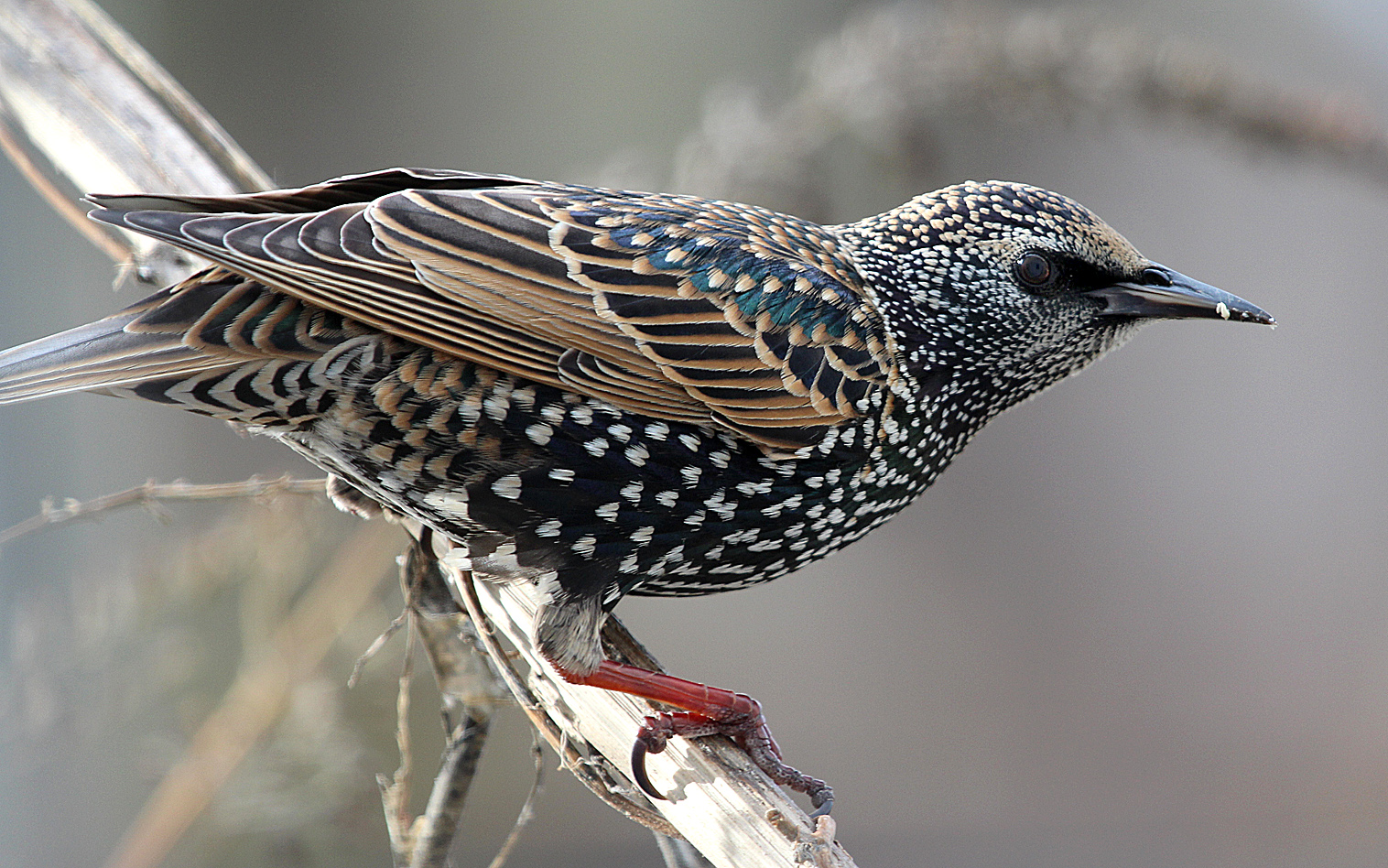
Photo by Chris Bosak A European Starling in winter plumage perches on an old sunflower stalk, Dec. 2014.

Photo by Chris Bosak
A European Starling in winter plumage perches on an old sunflower stalk, Dec. 2014.

This spring I wrote a post about starlings. Starlings are an invasive species to the United States and very numerous. In the spring, however, I saw a starling near my birdfeeder that caught my eye as visually striking. Well, it happened again. This time the starling was in its winter plumage, which is different from its breeding plumage.
The winter plumage is not always shown in field guides, so it causes confusion with some new birders. I have received emails from readers of my bird column asking what type of bird is in the photo they have attached and it is a starling in winter plumage.
So in this post you have a starling in its winter plumage. Still a striking bird. Click on the link below to see the bird in its breeding plumage.

Click here.

Mallards: Common as dirt, but lookers none the same

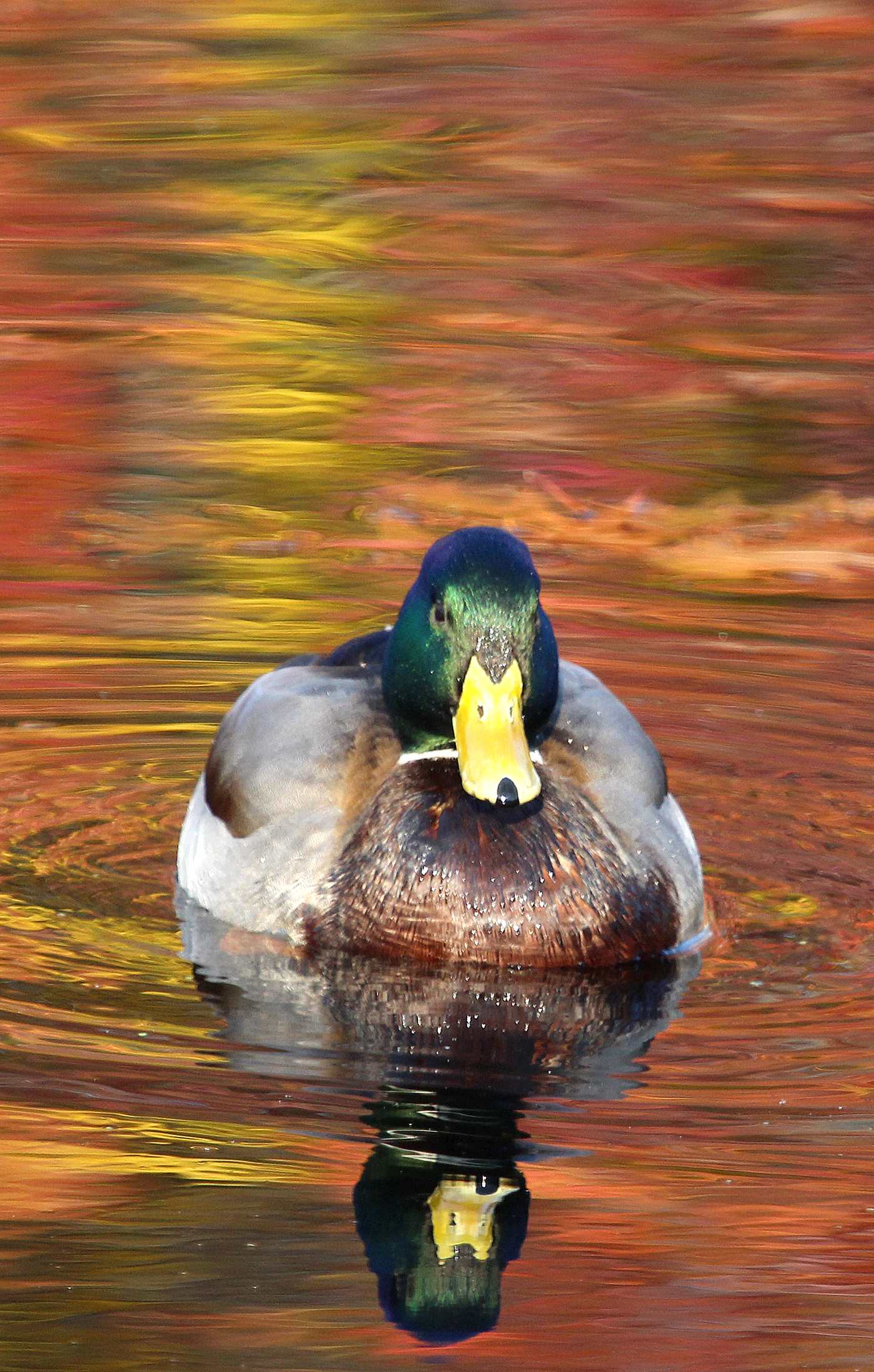
Photo by Chris Bosak A Mallard swims in a small pond in Darien, Conn., Dec. 2014.

Photo by Chris Bosak
A Mallard swims in a small pond in Darien, Conn., Dec. 2014.

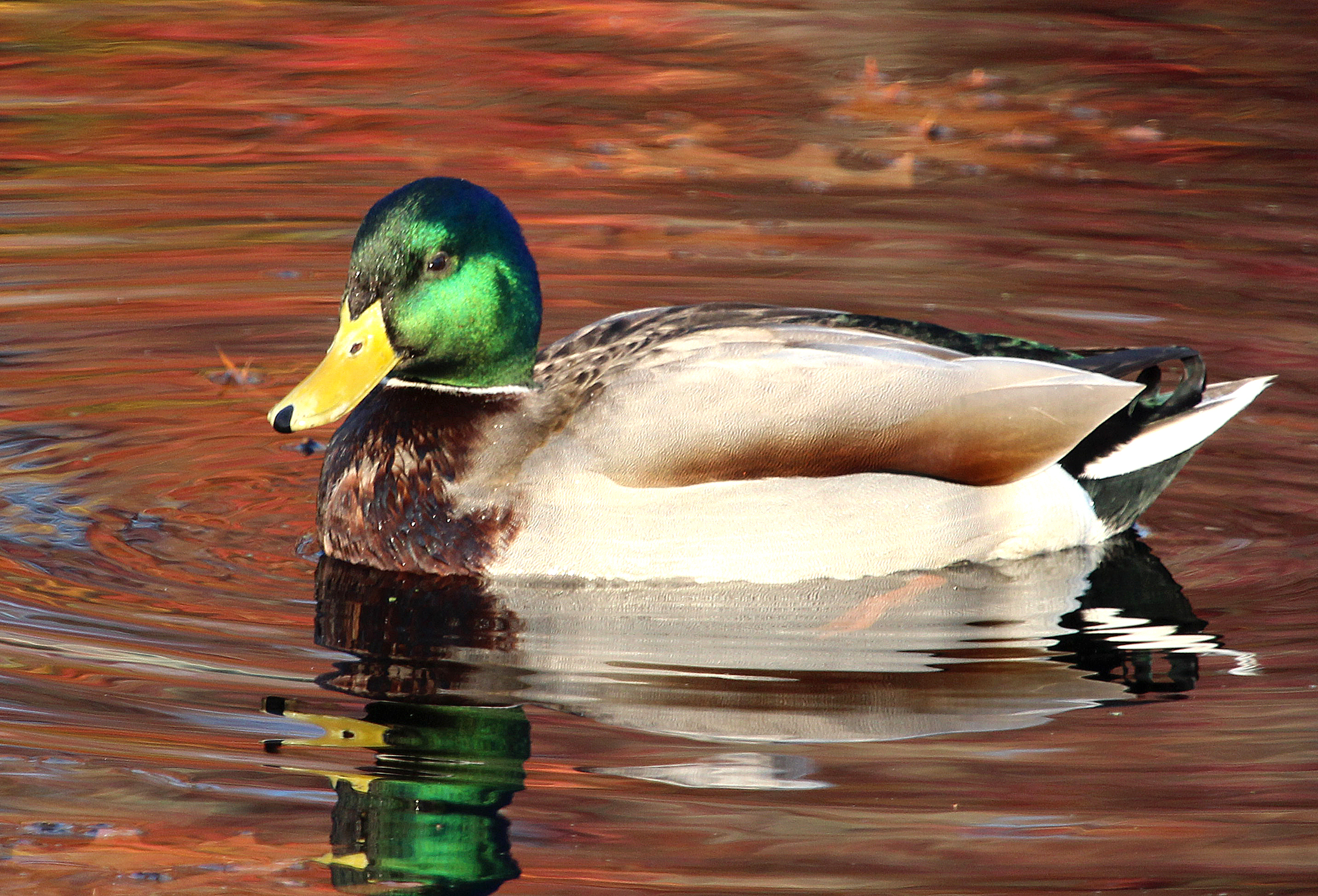
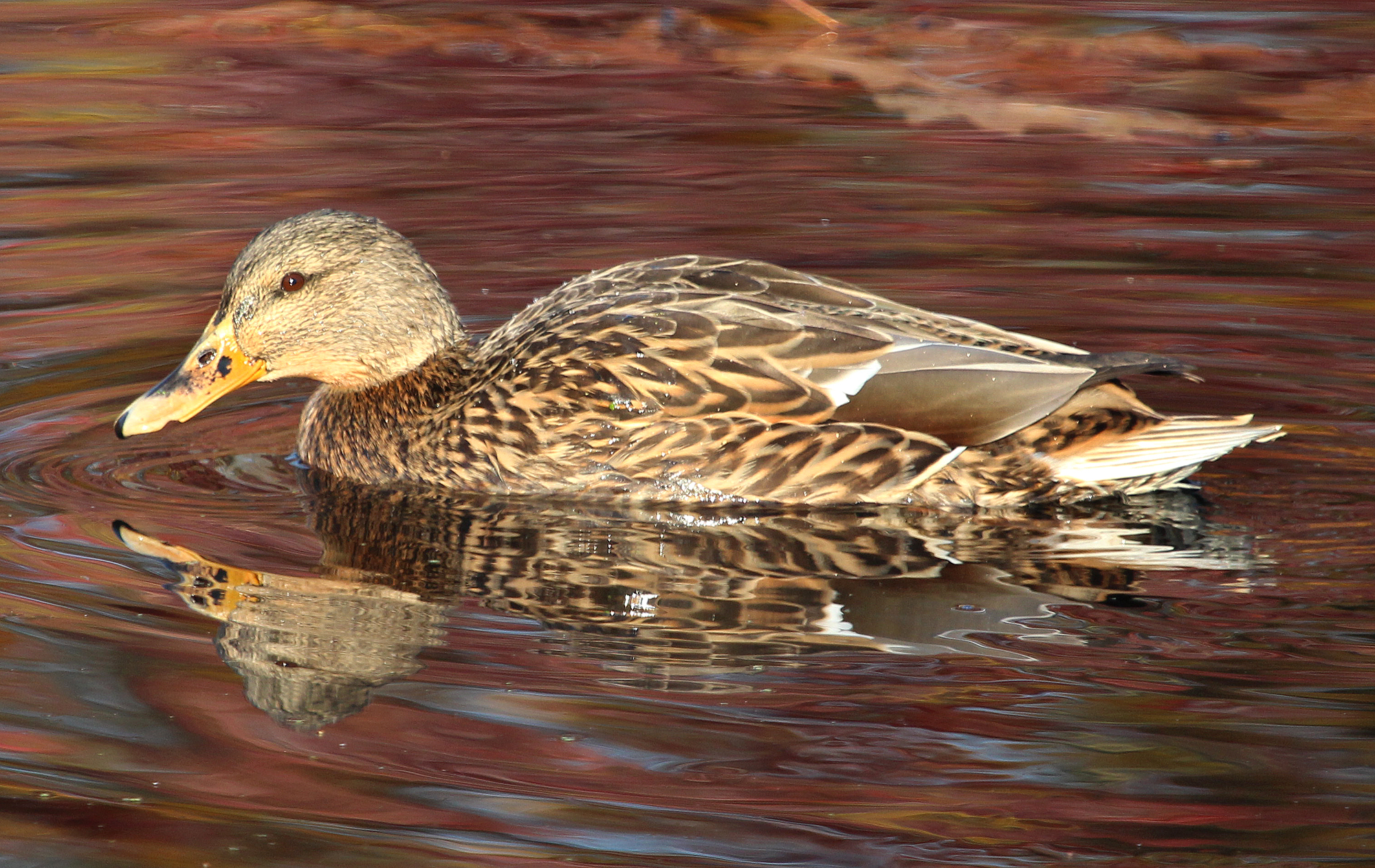
Everyone has seen Mallards. In fact, everyone has probably seen thousands upon thousands of Mallards. Even so, every once in a while I see Mallards in a setting that catches my eye and I have to pull out the camera to try to capture the scene. Such was the case the other day when I visited a small pond in Darien, Conn. A tree on the shoreline still had its colorful leaves on it — long after most of the leaves have fallen already — and the colors were reflected in the section of the pond where the Mallards were swimming. So, yes, they are common, but they are also picturesque.

Photo by Chris Bosak A Mallard swims in a small pond in Darien, Conn., Dec. 2014.

Photo by Chris Bosak
A Mallard swims in a small pond in Darien, Conn., Dec. 2014.

Photo by Chris Bosak A female Mallard swims in a small pond in Darien, Conn., Dec. 2014.

Photo by Chris Bosak
A female Mallard swims in a small pond in Darien, Conn., Dec. 2014.

Today at the feeder

Photo by Chris Bosak

Photo by Chris Bosak
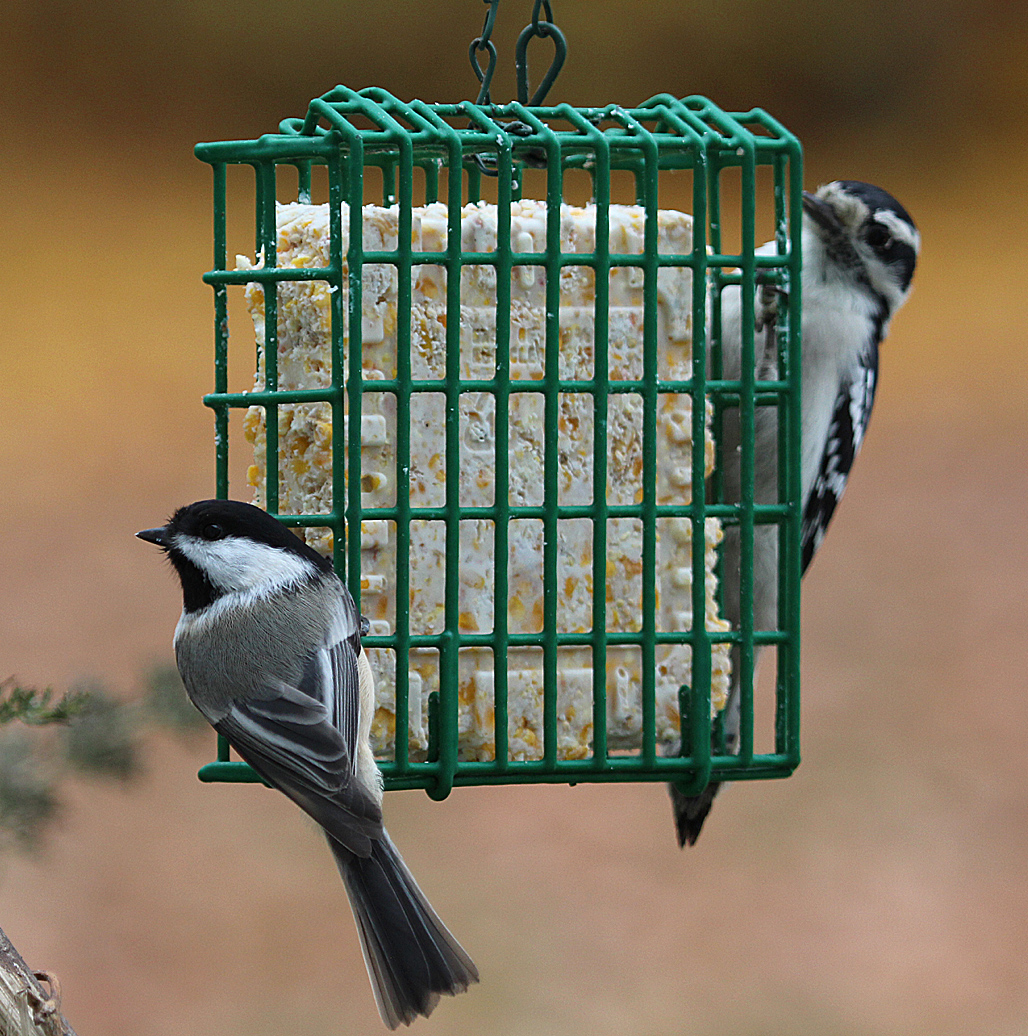
A Black-capped Chickadee and Downy Woodpecker share the suet feeder, Nov. 16, 2014.

It’s been a particularly busy day at the feeder today. There haven’t been any out of the ordinary species, just lots of backyard favorites. Here are a few photos from the action. Not pictured, but seen visiting today are: American Goldfinch; Northern Cardinal; Hairy Woodpecker, Red-bellied Woodpecker; Dark-eyed Junco; White-throated Sparrow; Blue Jay and American Crow. No nuthatches today yet … odd.

(Author’s note: OK, got my nuthatch. All is good.)

More photos are below. Click on “continue reading.”

Thanks for visiting http://www.birdsofnewengland.com

Continue reading

Hermit thrushes abound on latest bird walk

Photo by Chris Bosak A Hermit Thrush perches on a branch at Selleck's/Dunlap Woods .

Photo by Chris Bosak
A Hermit Thrush perches on a branch at Selleck’s/Dunlap Woods .

I can’t speak for how well the Hermit Thrush population is doing in general, but the last bird walk I took yielded a lot of these handsome birds. I was walking through Selleck’s/Dunlap Woods in Darien (Conn.) with my buddy Larry Flynn and the thrushes were by far the most commonly seen bird. At one point we had five or six Hermit Thrushes in one bush. I’ve seen plenty of Hermit Thrushes in my day, but never that many in the same bush.

As we walked along the trails, Hermit Thrushes popped up here and there, and pretty much everywhere. The birds, however, were silent — other than their little feet rustling among the fallen leaves. They didn’t sing their famous flute-like song because it’s the fall migration. During the breeding season (spring and summer) it’s a treat to hear their song echo throughout the woods.

I mentioned before than I can’t speak for how the population is doing overall. Well, that was a white lie because I can, at least by crediting another source. Hermit Thrushes, thankfully, are doing well as a species. In fact their numbers have been rising since 1966, according to the North American Breeding Bird Survey.

Hermit Thrushes are probably the most commonly seen thrush in New England, but there are several types of thrushes — and they can be very difficult to tell apart. The Wood Thrush and Veery look somewhat different than the Hermit Thrush and are fairly easy to differentiate. However, species such as Bicknell’s Thrush, Swainson’s Thrush and Gray-checked Thrush pose a tougher ID challenge and it takes a trained eye to pick out those species.

Larry and I are pretty certain that what we were seeing were all Hermit Thrushes. The next walk, however, may yield nary a Hermit Thrush. That’s the joy of migration — and birding in general.

Feel free to leave a comment …
We need more Titmice

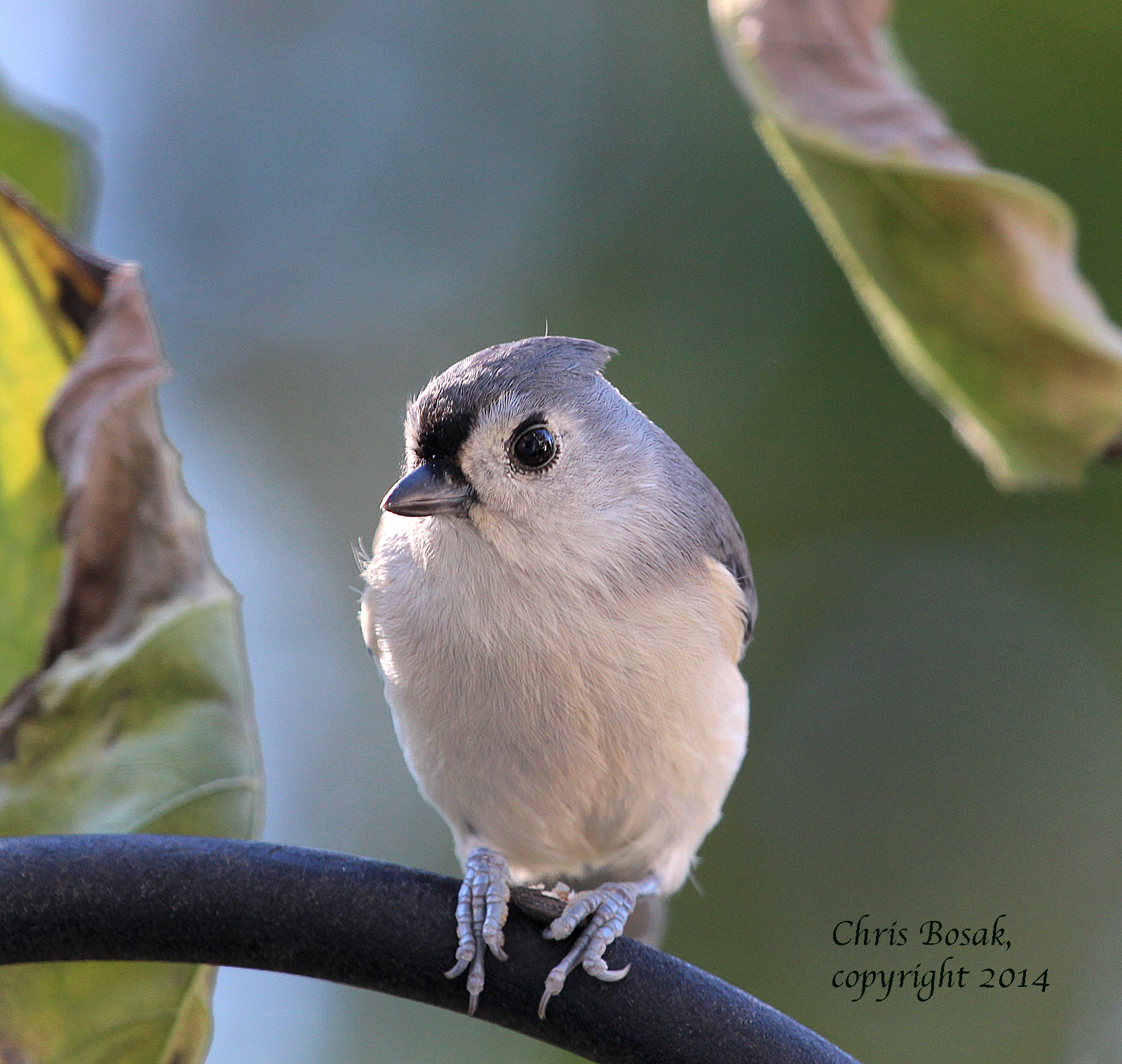
Photo by Chris Bosak A Tufted Titmouse perches on a pole near a birdfeeding station, Oct. 2014.

Photo by Chris Bosak
A Tufted Titmouse perches on a pole near a birdfeeding station, Oct. 2014.

Last week I posted a photo of Tufted Titmouse that I saw outside my window at my birdfeeding station. It kicked off a short series of photos I posted of common backyard feeder birds.

But, of course, I had more than just one photo of Tufted Titmice. So here are a few more photos of this small and lovable blue-gray bird. So far this fall Tufted Titmice have been the most numerous and reliable birds at my feeder. I can’t complain about that.

More photos below:

Continue reading

Nice young buck

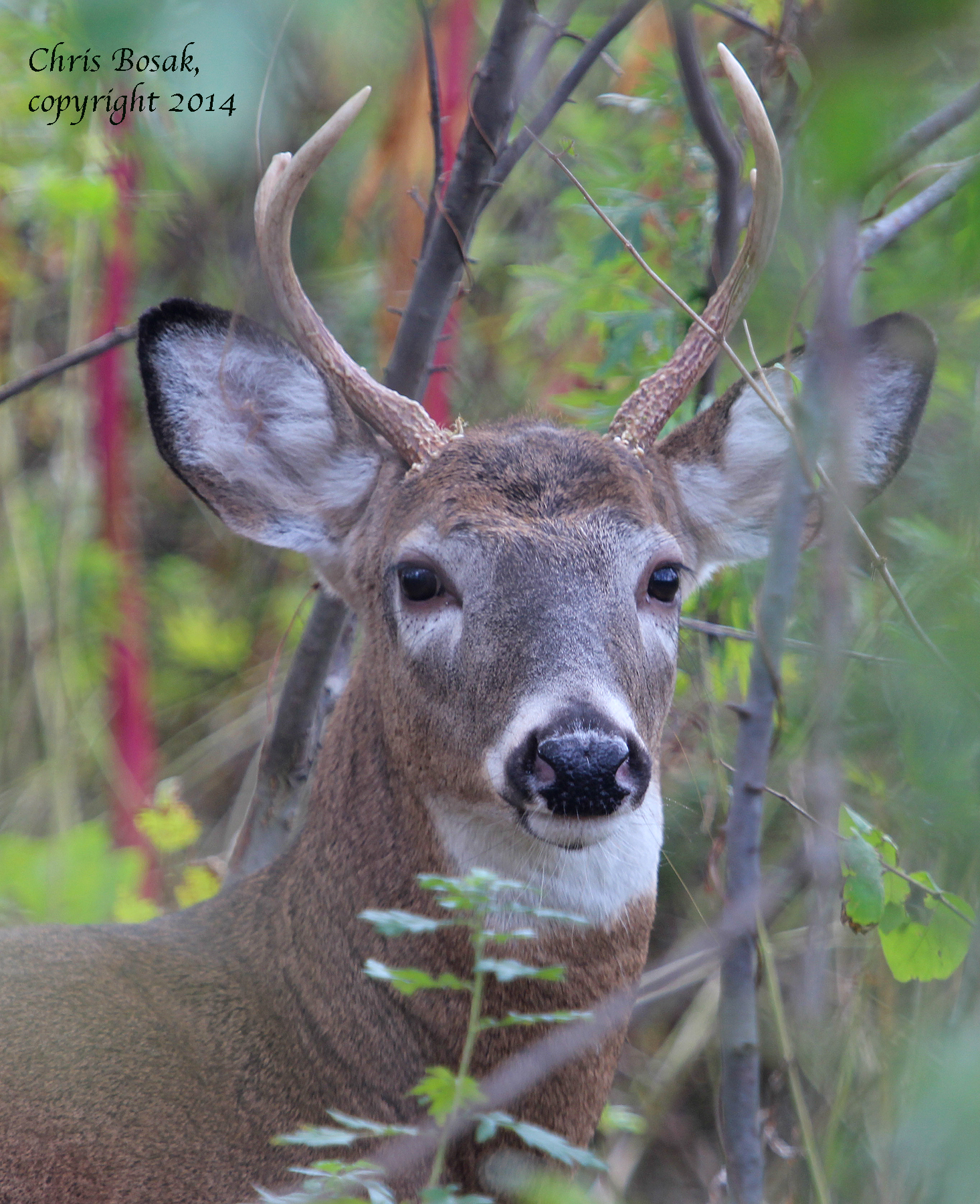
Photo by Chris Bosak A young White-tailed Deer in Stamford, Oct. 2014.

Photo by Chris Bosak
A young White-tailed Deer in Stamford, Oct. 2014.

I was looking for birds, of course, but this young buck (literally) was just off the trail and seemingly unfazed by my presence, so I grabbed a few shots of him. You never know what you’ll see out there. I found this guy at Cove Island Wildlife Sanctuary.

Feel free to share your bird and other wildlife sightings and/or photos. Send them to bozclark@earthlink.net

Hey, a hawk’s gotta eat, too

Photo by Chris Bosak A Red-tailed Hawk eats a Gray Squirrel in a cemetery in Darien, Oct. 2014.

Photo by Chris Bosak
A Red-tailed Hawk eats a Gray Squirrel in a cemetery in Darien, Oct. 2014.

A local cemetery is often fruitful when it comes to finding birds. This day was no exception as literally hundreds of juncos and other small sparrows scattered as I drove slowly along the narrow roads.

I almost missed the highlight of the short birding trip, though. I glanced to my right just in time to see a Red-tailed Hawk on the ground a few dozen yards away. I hit the brakes and backed up just a touch. A Red-tailed Hawk on the ground usually means it is eating. Such was the case as this raptor was picking apart a freshly-killed Gray Squirrel. I watched for a bit, snapped a few photos and left the hawk to its meal. They aren’t called birds of prey for nothing.

More photos below:

Continue reading