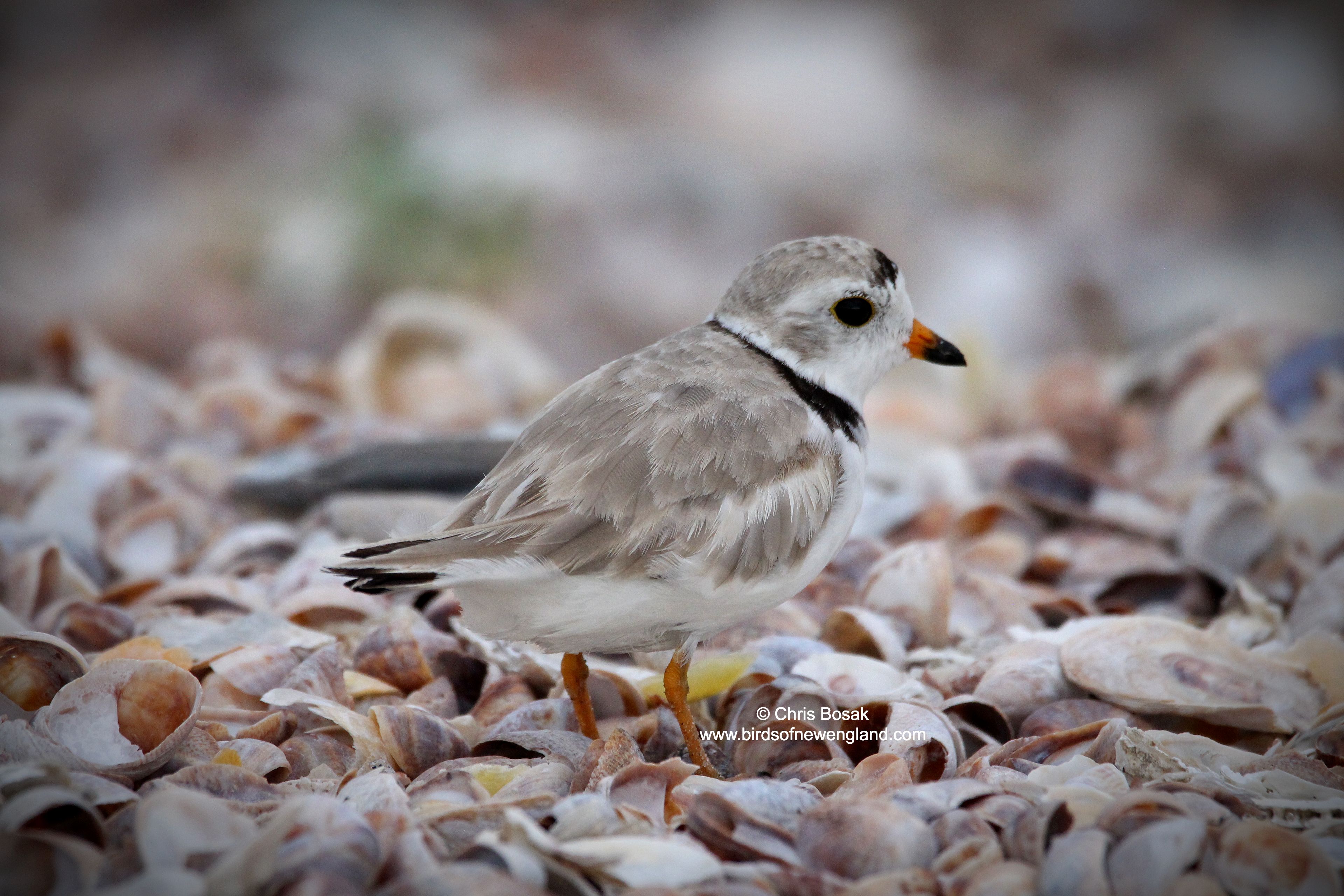
Photo by Chris Bosak
Piping plover, Milford, Connecticut, summer 2025.
I’ve looked for birds in New England from top to bottom this month. At the beginning of July, I drove to Pittsburg, NH, near the Canadian border, and last week, I visited a beach/nature preserve on Long Island Sound in southern Connecticut.
Yes, technically, northern Maine would be top of New England, but let’s not split hairs here.
It was quite a contrast in habitat and birdlife between the two points, from the boreal forest up north to the marsh and shoreline down south.
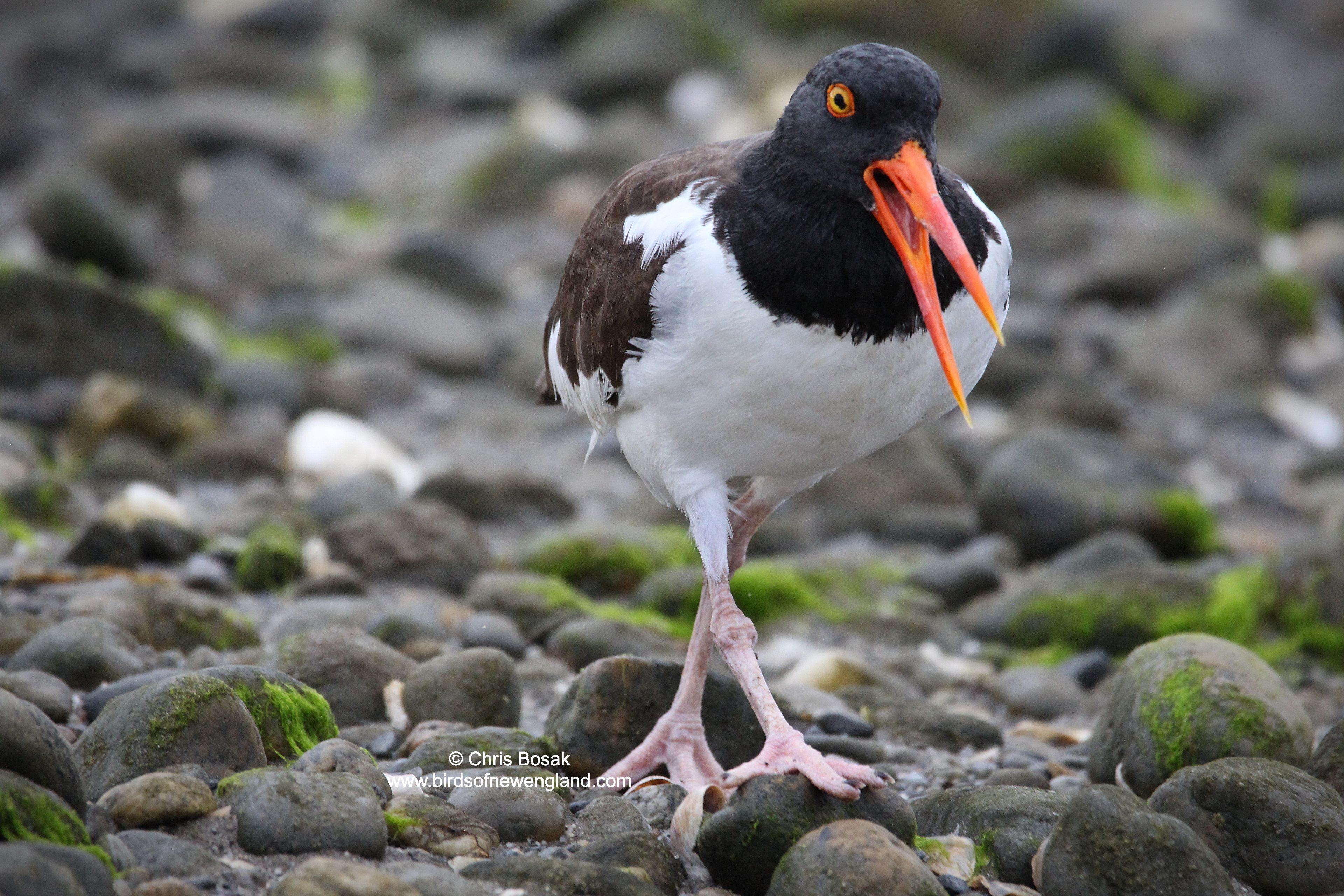
Photo by Chris Bosak
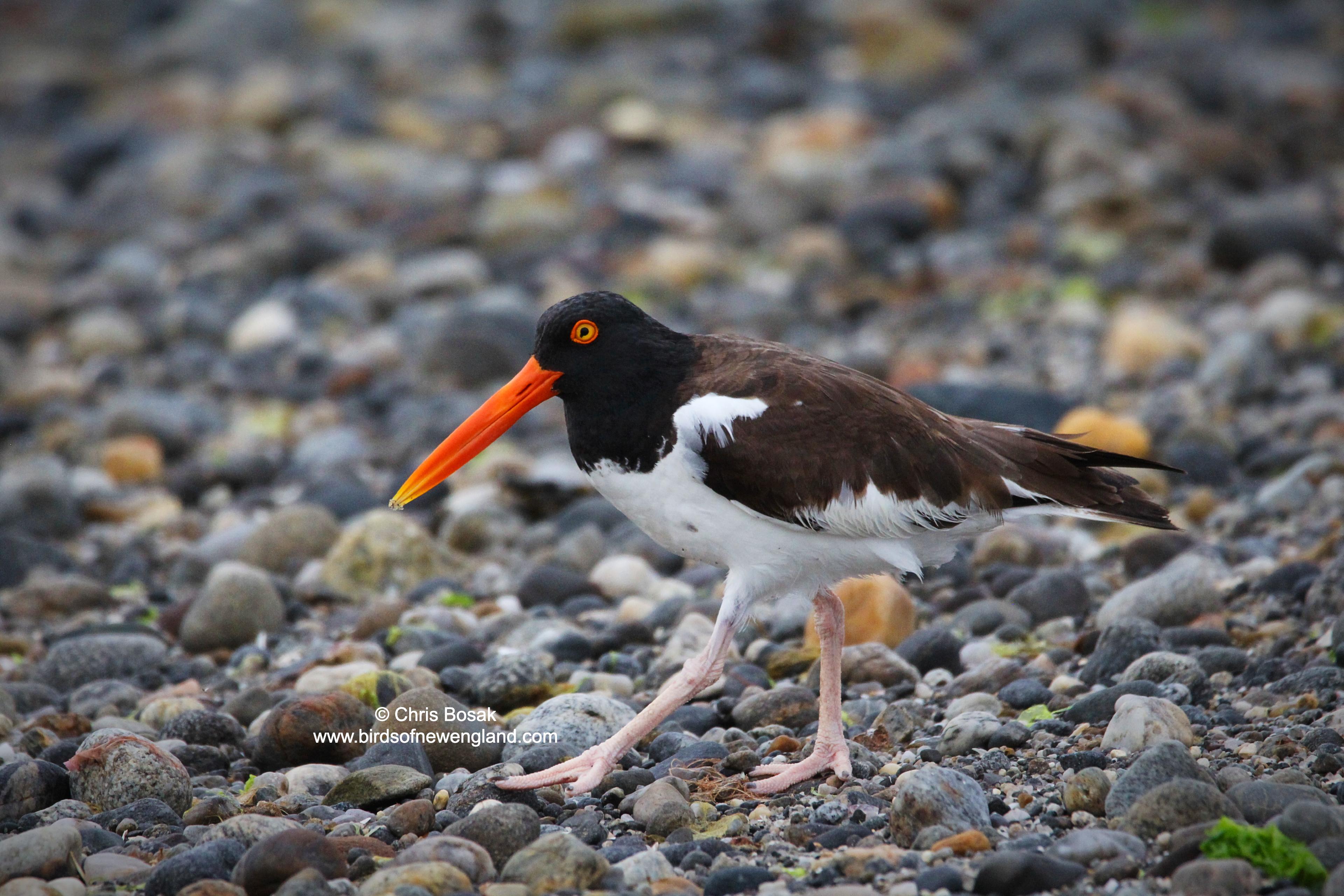
American oystercatcher, Milford, Connecticut, summer 2025.
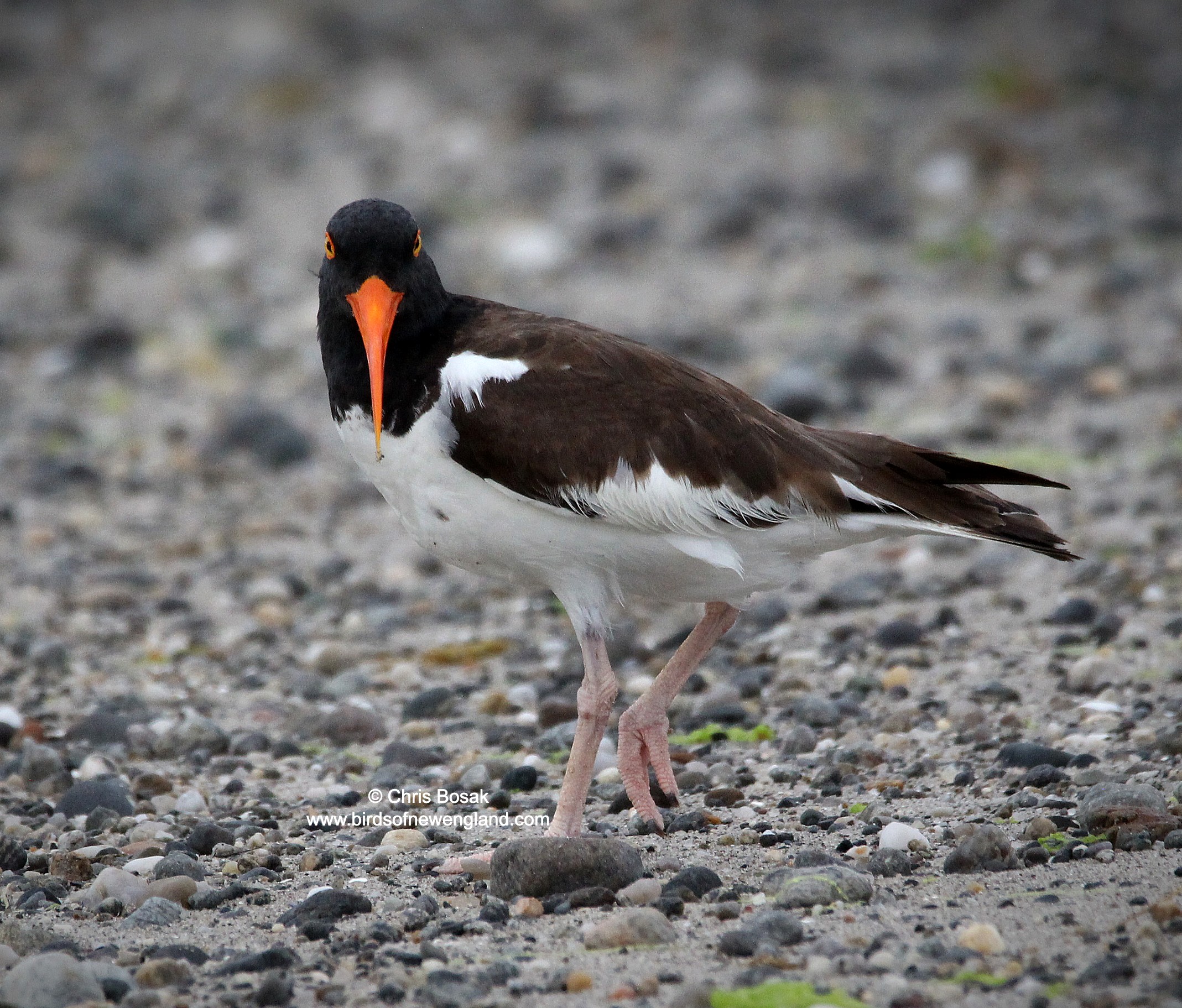
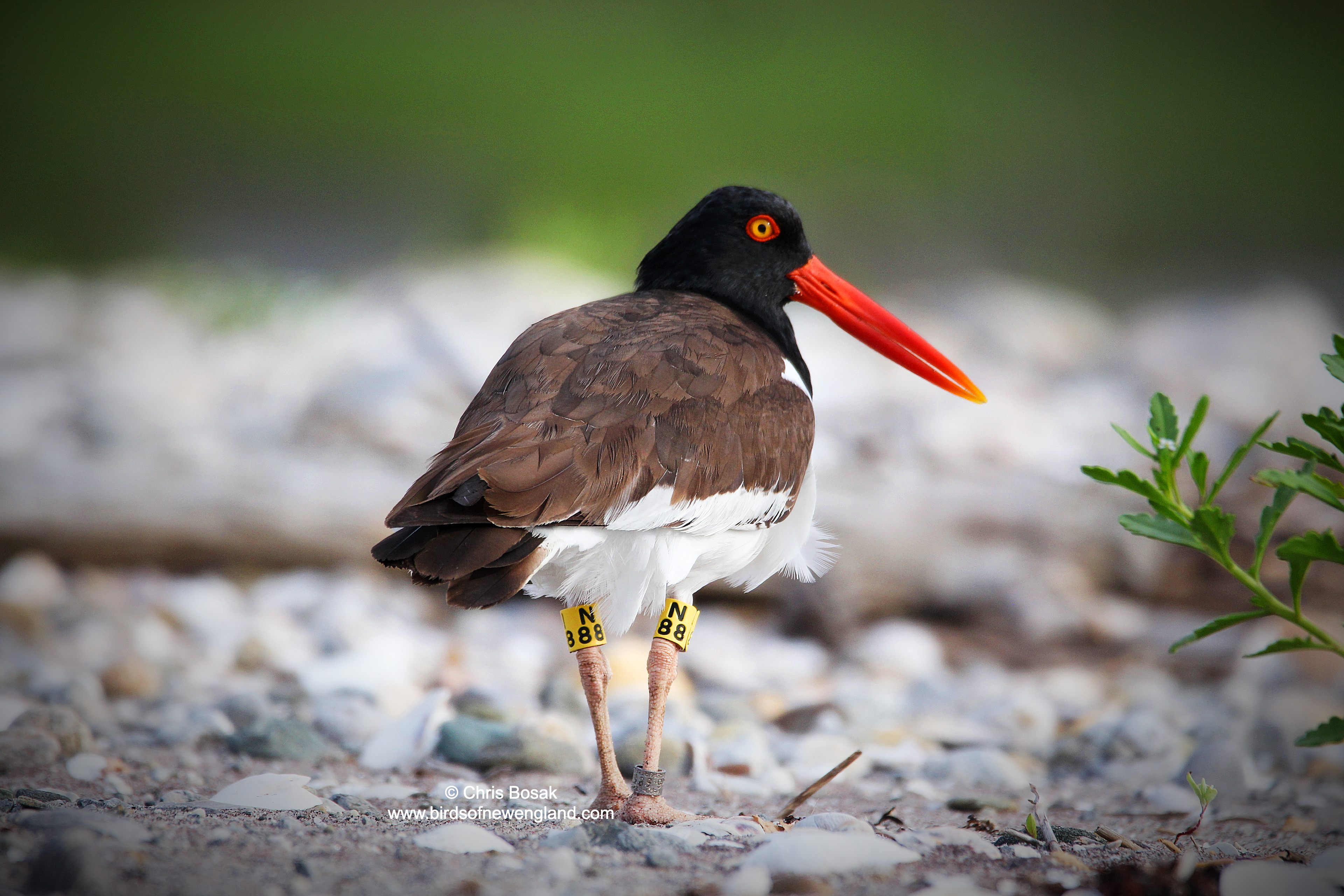
Following up on yesterday’s post, here are a few more American oystercatcher photos. I find both of these photos rather humorous. The top photo looks like an unhappy customer storming away from the counter. The bottom photo looks like an oystercatcher giving someone the evil eye.
Photo by Chris Bosak
American oystercatcher, Milford, Connecticut, summer 2025.
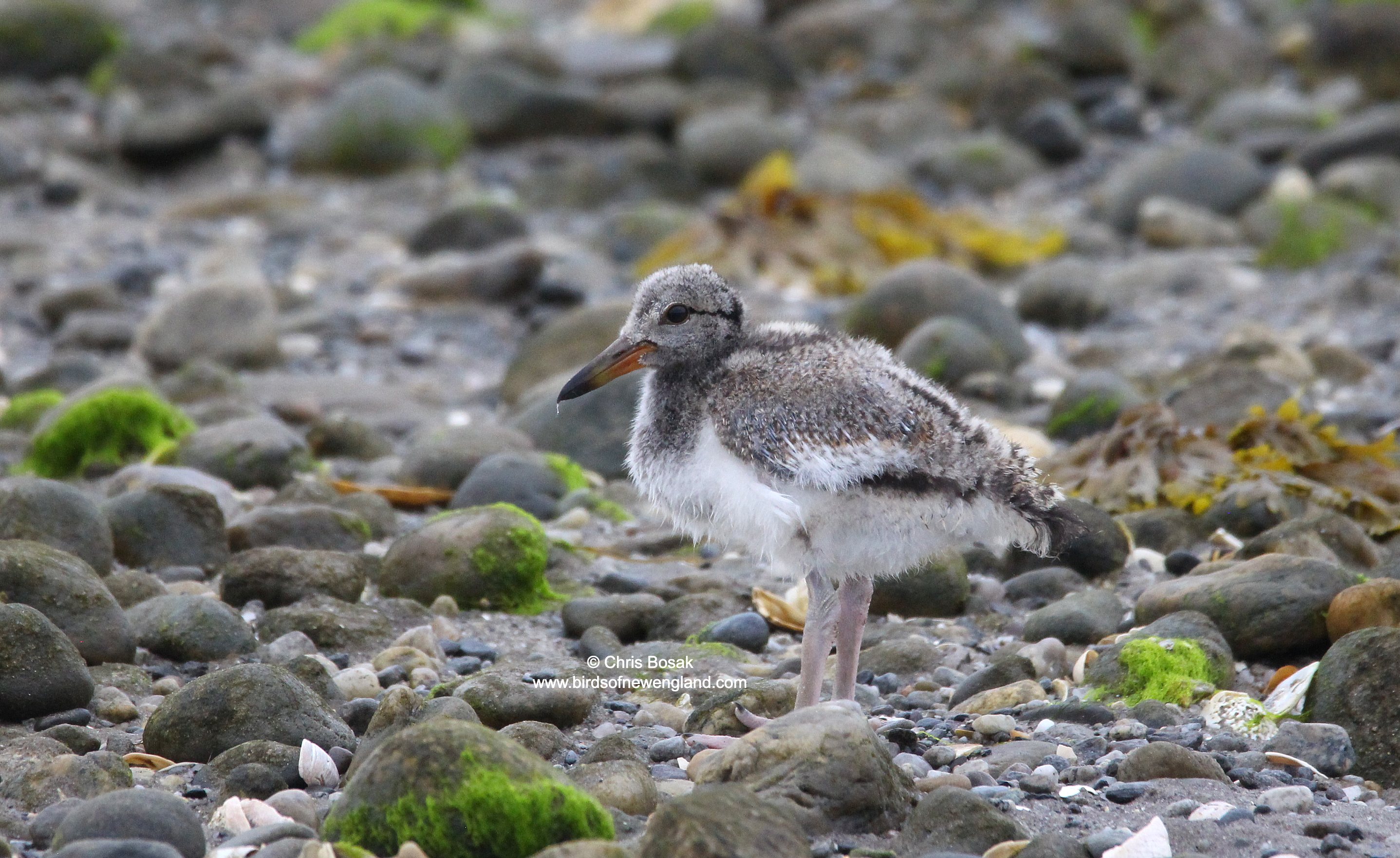
They aren’t particularly rare, especially if you know where to look, but American oystercatchers are always a thrill to see. I saw these beauties during a short birdwalk at Connecticut Audubon Society Coastal Center at Milford Point the other day. One of the coolest looking birds in New England, if you ask me. Check out the youngster below.
Photo by Chris Bosak
American oystercatcher, Milford, Connecticut, summer 2025.Photo by Chris Bosak
American oystercatcher chick, Milford, Connecticut, summer 2025.
Photo by Chris Bosak – A semi-palmated plover rests on a log near Long Island Sound earlier this month.
My oldest son Andrew, who somehow is now a full-blown adult at age 21, recently took up shore fishing as a hobby. I was happy when he told me because any hobby that requires spending a lot of time in the great outdoors away from screens and technology is a good thing.
I was equally happy when he asked me to come along on a recent outing. I have fished on and off throughout my life, but the hobby never really grabbed me in the same way as some other outdoor pursuits. I have great memories of trout fishing with my brother when we were teens and teaching my boys to fish when they were youngsters, but other than that, my fishing experiences are rather few and far between.
I purchased a few marine fishing licenses online, and Andrew and I headed to the Connecticut coast of Long Island Sound. I brought my camera just in case there happened to be birds there too.
Photo by Chris Bosak A white-winged scoter rests on the beach as a ruddy turnstone shares the area at Coastal Center at Milford Point on Monday, May 12, 2014.
The shore is a great place to find commingling bird species as shorebirds often congregate near the water. In this case, I got a ruddy turnstone and white-winged scoter together. White-winged scoters are usually found in large rafts off the coast. I’m not sure why this one sitting on the shore, but the shorebirds didn’t seem to mind its presence.
(Repeat text from yesterday:) With many of us working from home or otherwise “physical distancing” as we combat COVID-19, I figured I’d start a daily series of photos showing different bird species together. Why not? Maybe it will brighten somebody’s day to see commingling bird species each morning as we’re all stuck inside.
Photo by Chris Bosak A Piping Plover preens at Milford Point in spring of 2014.
Here’s some good news from Connecticut Audubon regarding the success of shorebirds nesting on CT beaches. The nesting areas are monitored by volunteers and staff of the Audubon Alliance, a partnership with Connecticut Audubon Society(standalone organization), Audubon Connecticut (state chapter of national Audubon), CT DEEP, and Roger Tory Peterson Institute of Natural History. The main focus of the monitoring and study are piping plovers and least terns, as well as American oystercatchers.
I was a monitor years ago when I worked nights and loved it. There’s nothing being the first one to discover a piping nest. I use the word “nest” lightly as it’s nothing more than a slight indentation in the rocky/sandy beach. The birds and eggs Continue reading →
Photo by Chris Bosak A least sandpiper seen in New England.
This moment existed only because of the heavy rains we experienced last week. The body of water was small, shallow, algae-ridden and not at all something to behold.
OK, it was a puddle. No more, no less … your typical run-of-the-mill puddle.
Until a least sandpiper showed up and transformed the puddle into an exotic waterscape. The small shorebird was migrating south earlier this week and saw the puddle as the perfect place to rest and perhaps find an easy meal.
It had flown in from somewhere up north and was on its way to points south. But for a few hours anyway, home was a puddle in New England.
The bird paid little attention to me as I watched and photographed it for several minutes. Migrating birds can be like that. They are intensely focused on fueling and resting for their long journey.
The funny thing about the sighting was the location of the puddle. It exists on and off — depending on the weather — at a dirt parking area that Continue reading →
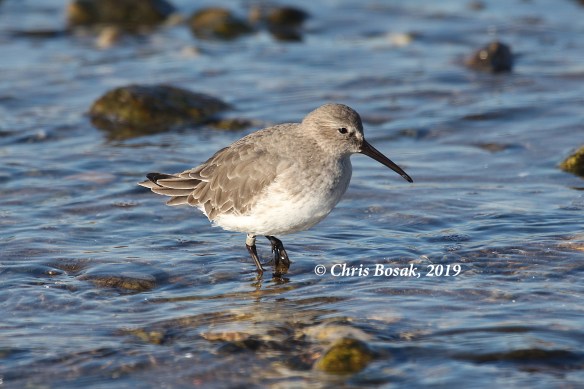
Photo by Chris Bosak A dunlin walks through the shallow water of Long Island Sound in Westport, Connecticut, during Nov. 2017.
The spring migration is under way and many birds have made appearances in New England already. Birds such as red-winged blackbirds started showing up in February but the spring migration here is still in the beginning stages. By the end of April and into May, we’ll be hitting full stride.
Today I heard my first eastern phoebe. That, to me, is a true sign of spring. I’ve also seen a few American woodcock, thousands of mergansers, a handful of hawks, and several great blue herons flying with large sticks in their bills.
Eventually, all the talk will be about warblers and other songbirds. But we have a few weeks before that happens. To me, the large flocks of shorebirds that move through New England is an underrated aspect of spring migration. Shorebird migration is underrated in general, probably because it is so spread out. The northward movements start in late March and April and continue all the way into June. The southward movements start in July and continue into November. Of course, many shorebirds remain in New England throughout the winter.
So while we are excited to see the ducks, songbirds, hawks and other birds return to New England, don’t forget about the shorebirds dotting our saltwater and freshwater shorelines.
Photo by Chris Bosak Dunlins stand in the shallow water of Long Island Sound in Westport, Connecticut, during Nov. 2017.




 Birds of New England.com