I was pulling weeds the other day when I noticed a snake slither out from the greenery. It didn’t go far, however, and I found out why when I looked down. It had already injured a pickerel frog and wasn’t about to let the meal get away. The rest is documented in the video below.
Fair warning: If you love frogs or don’t like seeing the harsh side of nature, don’t hit the play button. You’ve been warned.
With many schools throughout New England opening this week, I figured it would be appropriate (and fun) to explore the region’s smartest birds.
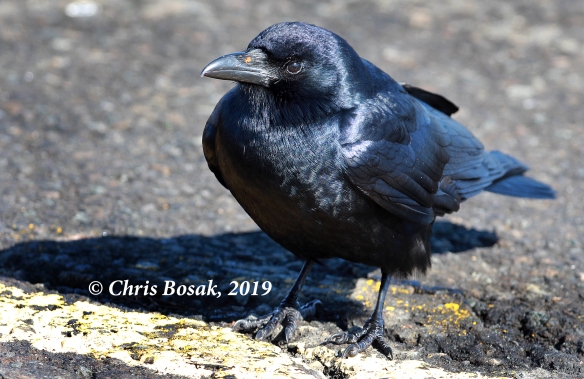
We all know crows and other members of the corvid family (blue jays and ravens among them) are intelligent birds, but what other species have the gift of intellect? Parrots, of course, can learn and repeat human phrases, but they aren’t exactly New England birds.
I think an argument can be made that all birds are smart because they utilize various strategies to survive in the natural world. According to various sources (which will be named appropriately) found using simple internet searches, however, here are New England’s honor students. As a disclaimer, this is an utterly unofficial list and not to be used in Continue reading →
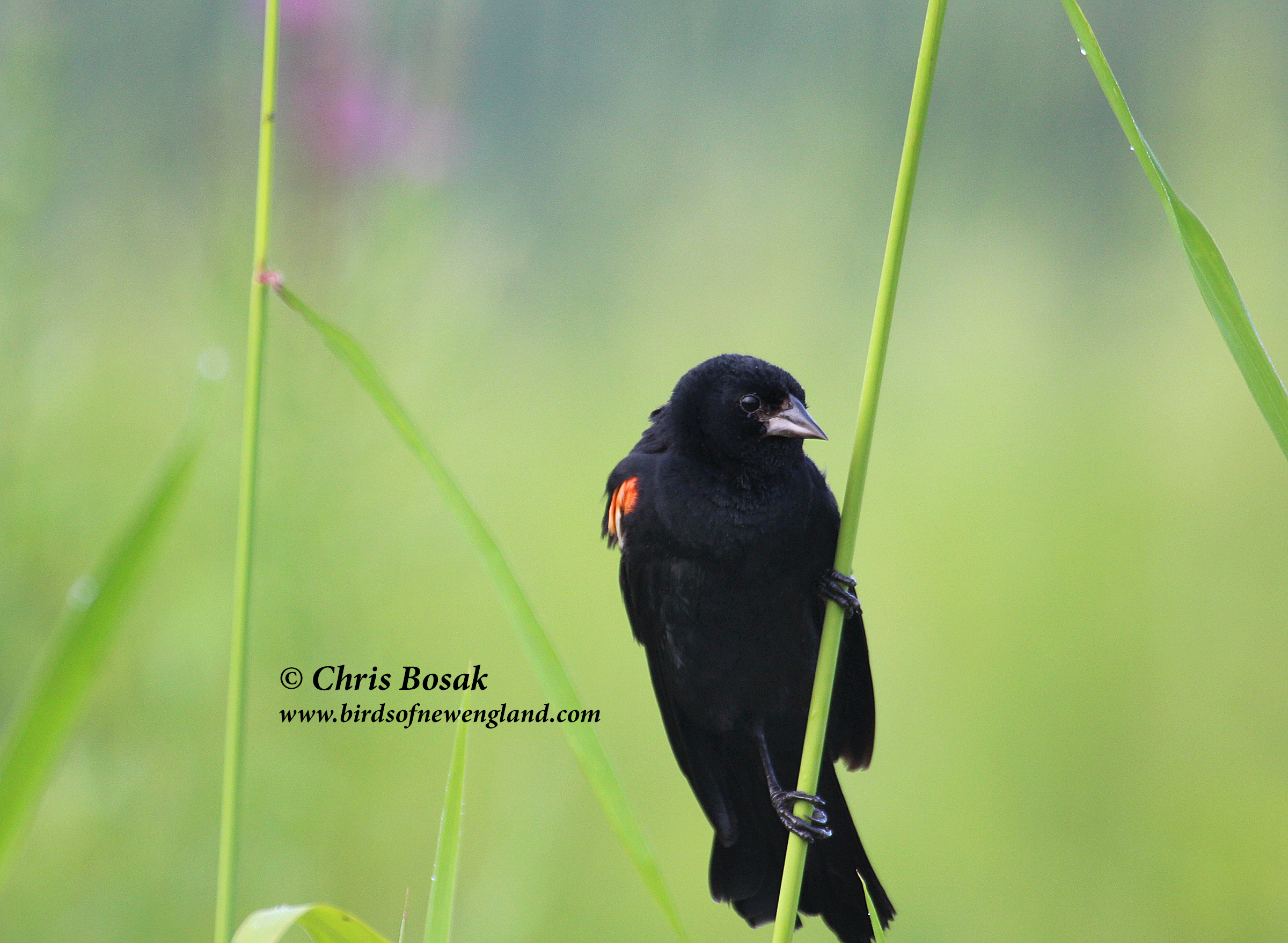
One of my favorite ways to view wildlife is in my canoe. I can’t even begin to guess how many miles my 14-foot Radisson has in it. There will be more exciting photos coming up from a recent canoe trip, but for now here’s a cool shot of a red-winged blackbird.
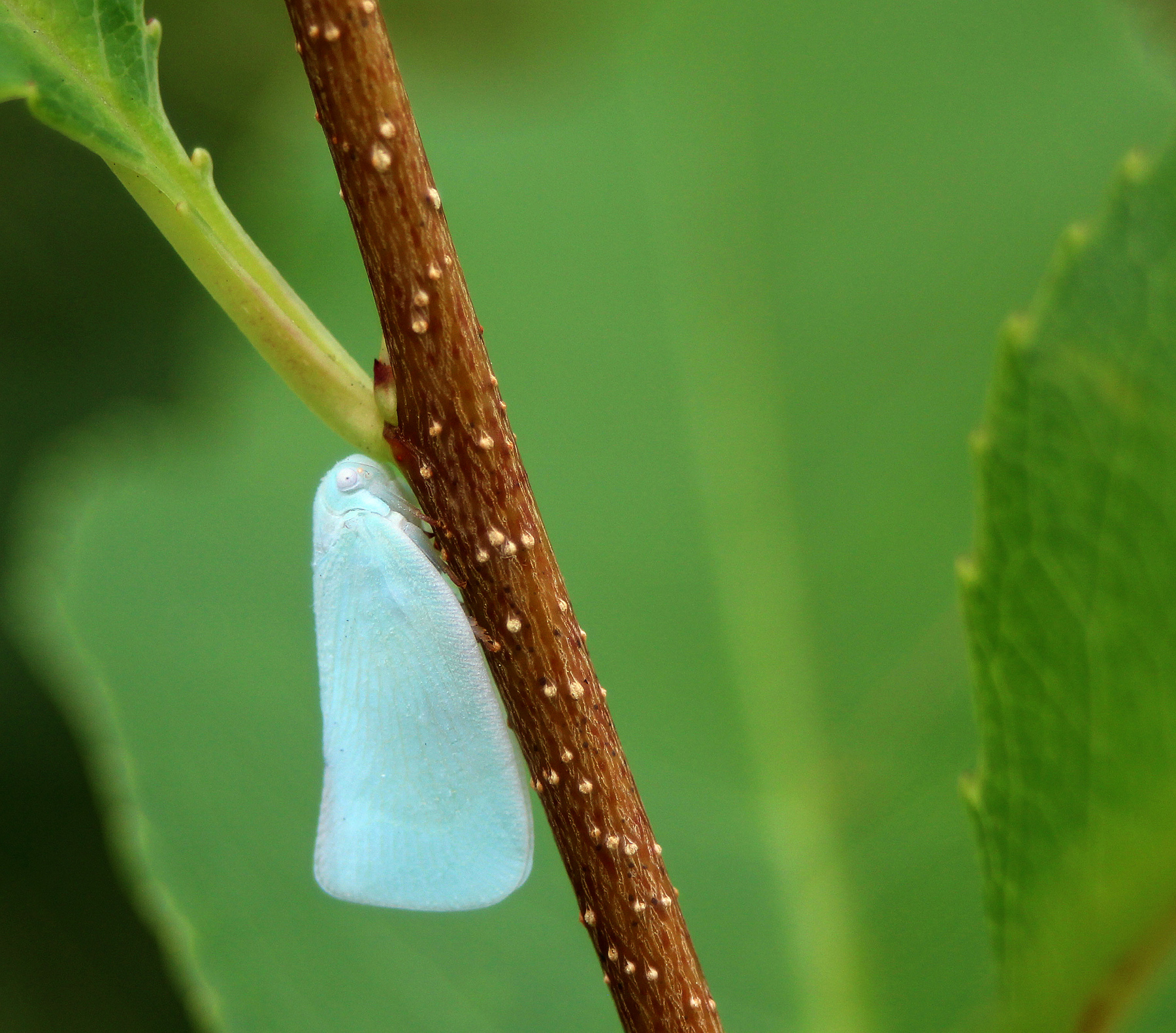
Here’s a shot from the close-up meadow series I did for the Darien Land Trust five years ago. I came across many strange things during my time in the meadows that summer. It’s amazing what you find when you tune out everything except your immediate surroundings.
Treehoppers, not to be confused with planthoppers, are often called “thorn bugs” because of their appearance.
Photo by Chris Bosak
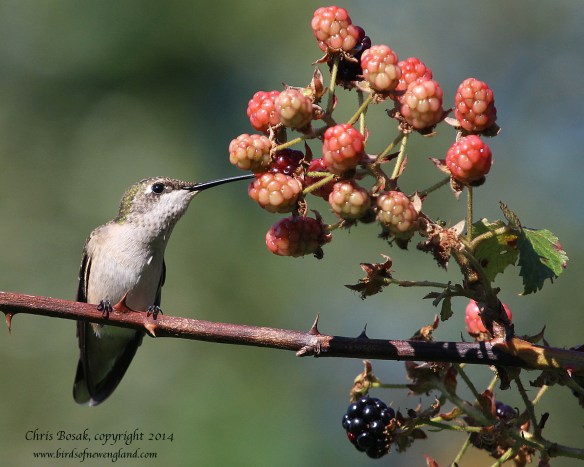
A female Ruby-throated Hummingbird sips juice from a berry in Norwalk, Conn., summer 2014.
I’ll be venturing out of New England for a few days and don’t want the birds here to think I forgot about them so I’m instituting my own Hummingbird Week. Each day this week I’ll post a new or old photo of a ruby-throated hummingbird, the only hummer that occurs regularly in New England. There is no such thing as too many hummingbird photos, after all. Each day will also include a joke or fun fact about hummingbirds.
Fun fact: Their wings aren’t the only things that move fast as a hummingbird’s tongue can sip from a feeder at 13 times per second.
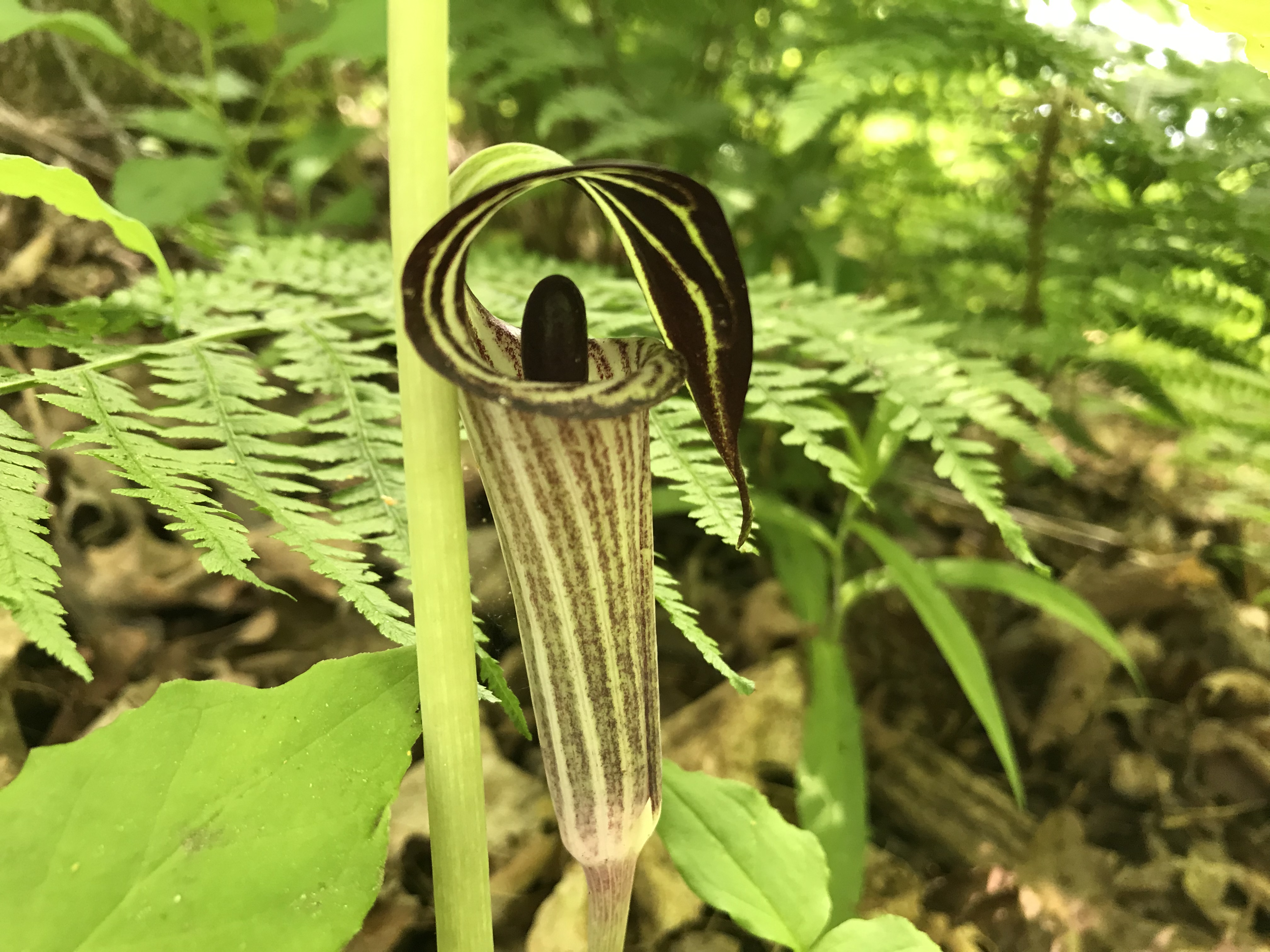
Here are a few shots of my favorite, shade-loving plant: Jack-in-the-Pulpit. They can be grown from seed in a shady garden, but I have always just randomly come across them in the New England woods. They are interesting to see and have a unique life history. (More about the plant may be found here: https://www.fs.fed.us/wildflowers/plant-of-the-week/arisaema_triphyllum.shtml )
Being a plant, Jack-in-the-Pulpits make for cooperative photographic subjects. These shots were taken with an iPhone during my recent camping trip to New Hampshire.
Photo by Chris Bosak Chipping Sparrow, Pillsbury State Park, N.H., June 2019.
I think I shared enough loon photos for a while, so here are some of the other birds I saw during a recent camping trip to Pillsbury State Park in New Hampshire. I saw plenty of birds, but wasn’t able to photograph many as the leaves are out in force and a foot injury limited my mobility. (Enough excuses for you?) Anyway, here are a few other Continue reading →