For the Birds: Welcome to May!

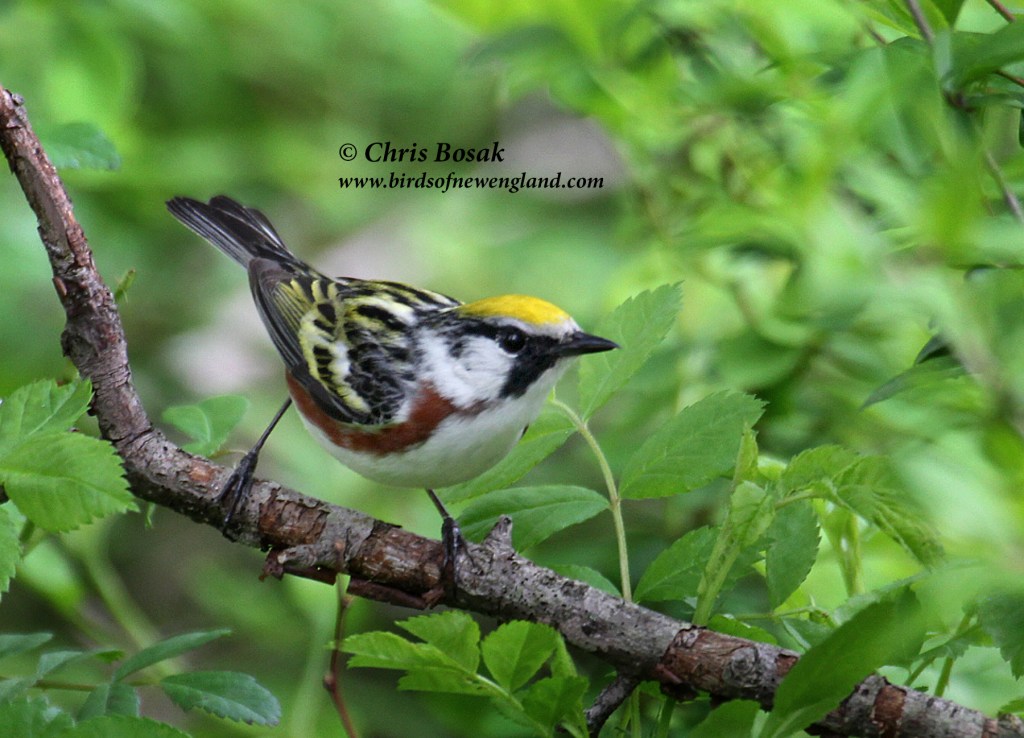
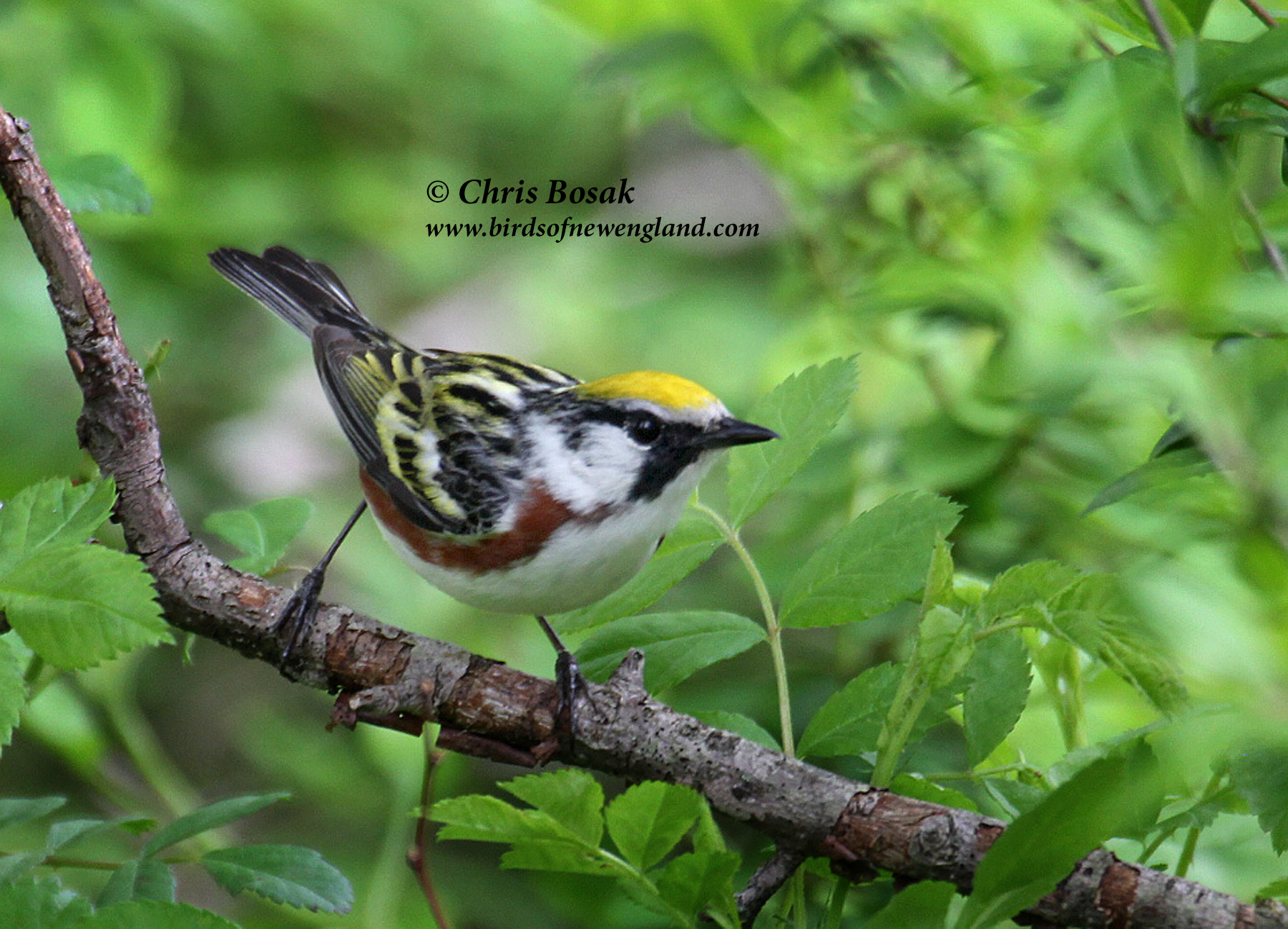
Photo by Chris Bosak A chestnut-sided warbler lurks in the brush in New England, May 2020. Merganser Lake.

Welcome to May, arguably the best month of the year for birdwatching.

So many exciting things happen in the bird world in May that it’s hard to know where to begin. The breeding season is in full swing and our year-round birds as well as newly arrived migrant birds are either looking for nesting sites or already raising young. Suddenly our feeders are visited by colorful newcomers such as rose-breasted grosbeaks, Baltimore orioles or indigo buntings. Waders are back in full force stalking our ponds and rivers.

When it comes to May, however, talk of the birding world has to begin with warblers, those small and often colorful Neotropical migrants that add life to our neck of the woods every spring. Some of these warblers will simply stop by for a few days before heading farther north to their breeding grounds. Many, however, will find a suitable place to raise young and will be with us until the fall.

Continue reading
A few more warblers

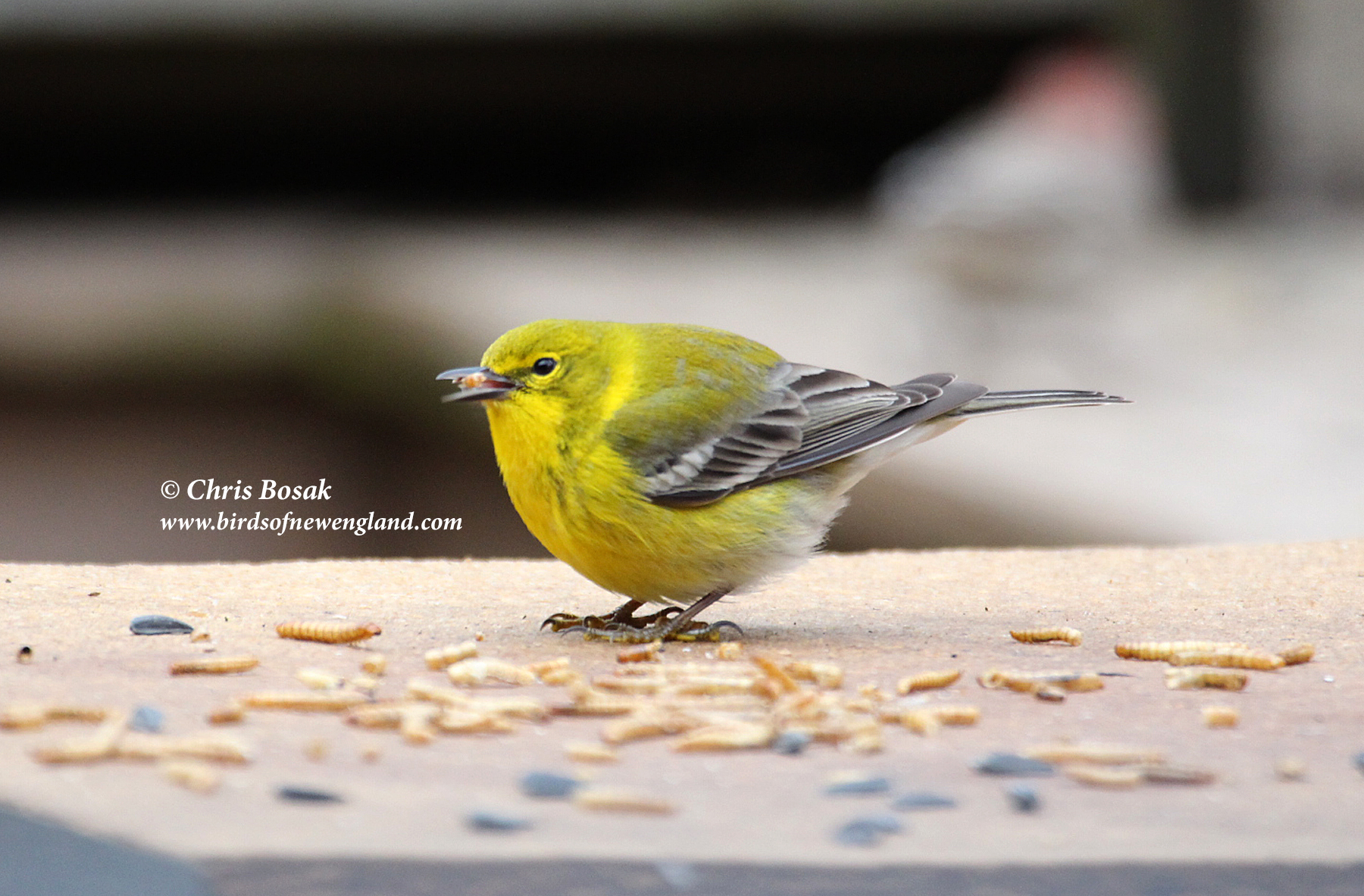
Photo by Chris Bosak A pine warbler visits a backyard in New England, April 2020, Merganser Lake.

Because why not? It’s warbler season, after all.

Continue reading

A few warblers

Photo by Chris Bosak A chestnut-sided warbler lurks in the brush in New England, May 2020. Merganser Lake.

Due to various reasons (excuses?), I haven’t been out this year looking for warblers yet. But here are a few “old” shots to celebrate warbler season, a highlight of the birding year. I will take my own advice soon and “get out there.”

Continue reading

The first warblers

Photo by Chris Bosak A pine warbler visits a backyard in New England, April 2020, Merganser Lake.

Other than the very few warblers of various types that remained in New England all winter, the pine warbler and palm warbler will be the first arrive in the region. I have seen them show up on rare bird alerts already but they will return in larger numbers over the next two weeks. Keep you eyes on your feeders as pine warblers are one of the few warbler species that will visit feeders. I’ve seen them eat suet, suet nuggets and meal worms. Above is the pine warbler; below is the palm.

Photo by Chris Bosak A palm warbler rests on a wire fence in a backyard in New England, April 2020. Merganser Lake.

Christmas Bird Count photos

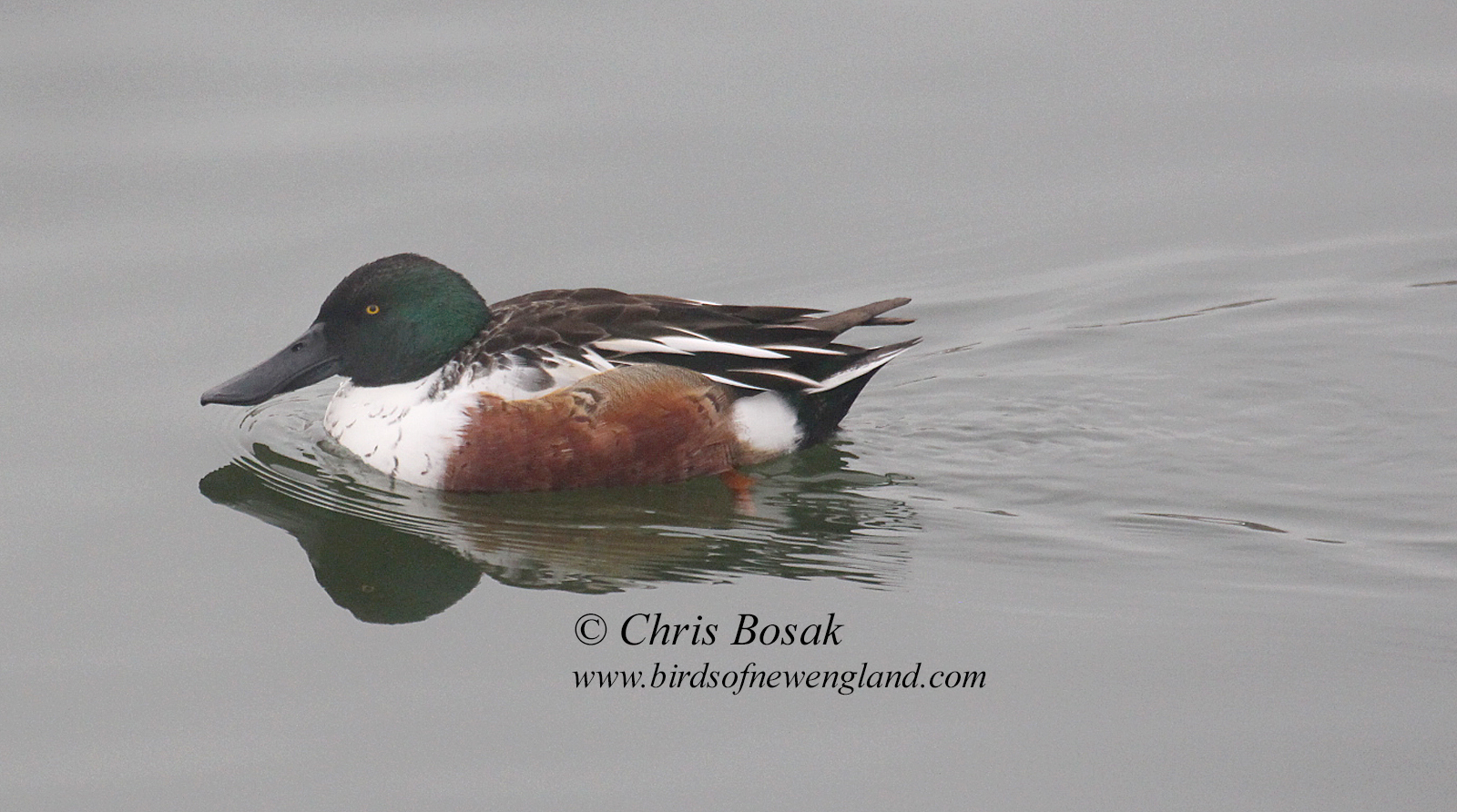
Photo by Chris Bosak A northern shoveler swims on the Norwalk River in New England, December 2020.

It was a gray day that turned into a snowy day that turned into a misty, gray day. The weather never fails to be part of the story of a Christmas Bird Count (CBC) in New England. Yesterday (Sunday) was the annual CBC in my area and, as usual, I covered the Norwalk (Conn.) coastline and parts inland with Frank Mantlik, one of Connecticut”s top birders. We tallied 61 species, which will be combined with the other birds spotted by the Count’s other teams. Highlights included northern shoveler, northern pintail, prairie warbler, pine warbler, yellow-rumped warbler, northern harrier, merlin and horned lark. Full story coming in my For the Birds column. In the meantime, here’s what the Christmas Bird Count is all about.

Photo by Chris Bosak A red-tailed hawk perches on the top of a pine tree in New England, December 2020.
Photo by Chris Bosak A prairie warbler perches on a cement barrier at a waste water treatment center in New England, December 2020.
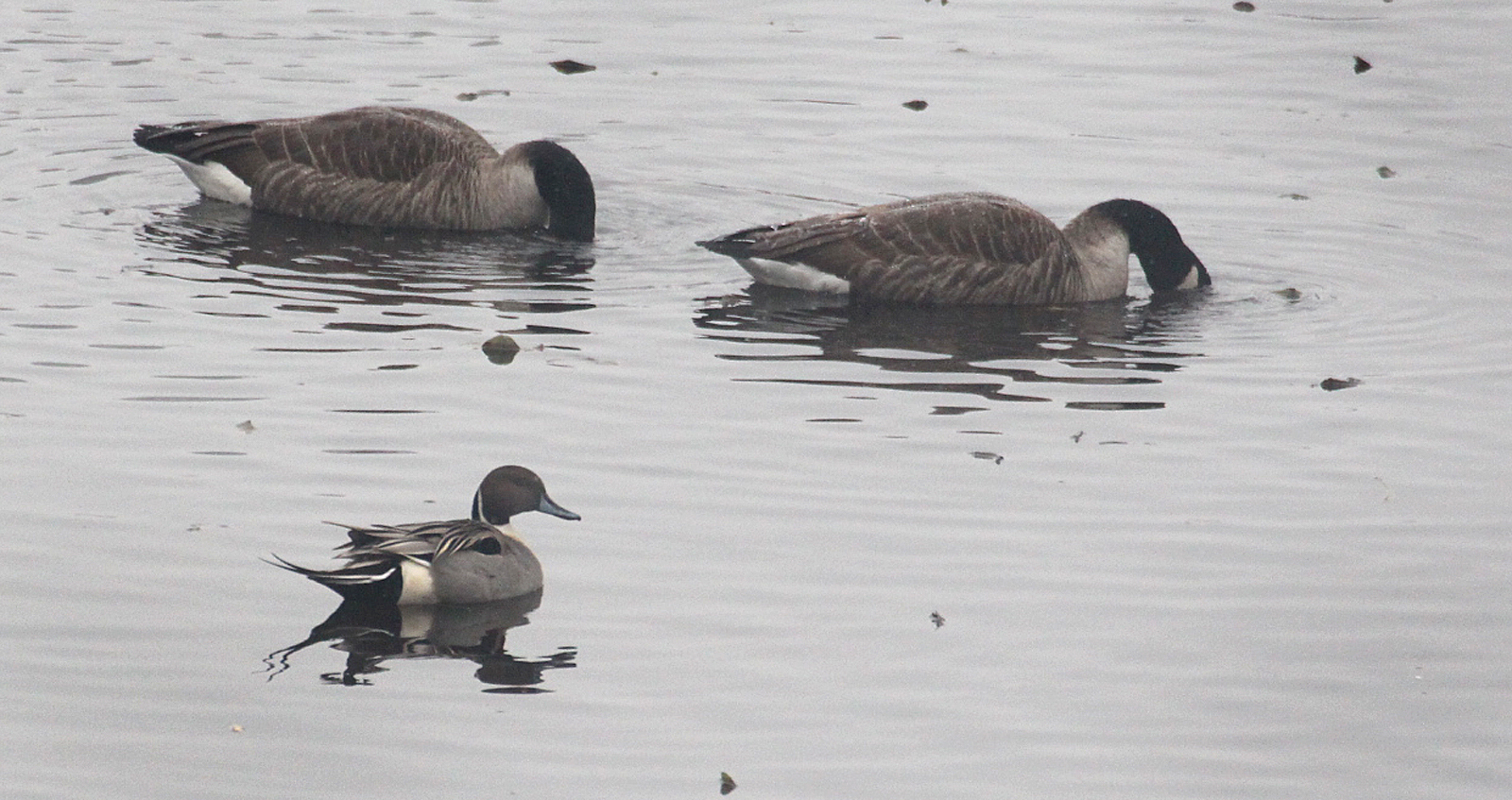
Photo by Chris Bosak A northern pintail drake swims in a pool of water with Canada geese in New England, December 2020.
Photo by Chris Bosak A northern shoveler swims on the Norwalk River in New England, December 2020.

Bluebird and pine warbler, a look back

Photo by Chris Bosak An eastern bluebird and pine warbler share a suet feeder in New England, April 2020. Merganser Lake.

A Day on Merganser Lake

Unfortunately, the bluebirds that had visited daily since February have moved on. I haven’t seen them in about a week. Hopefully they will return next winter. It seems an appropriate time to look back on an action-packed April, which included scenes like this: an eastern bluebird and pine warbler sharing a suet feeder.

Palm warbler searches in the moss

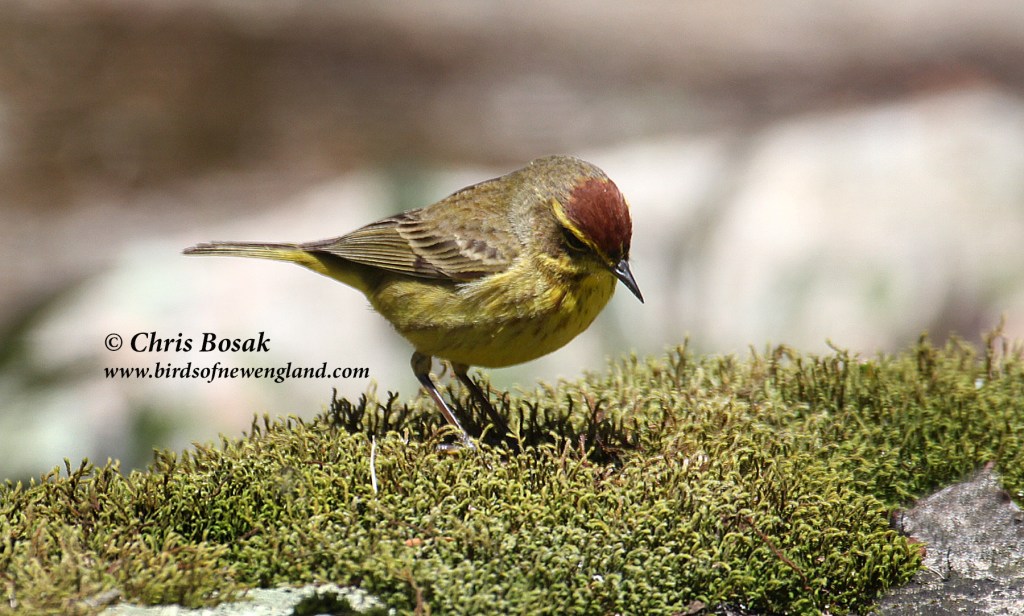
Photo by Chris Bosak A palm warbler searches for food in a bed of moss, April 2020. Merganser Lake.

A Day on Merganser Lake

Warbler season, sadly, is done for the year. The warblers that remain are the nesters, which is exciting in its own right. Here’s a throwback photo of a palm warbler I saw back in April. Palm warblers are one of the first warblers to arrive in New England each spring.

American redstart male and female

Photo by Chris Bosak
A female American redstart perches on a branch in New England, May 2020. Merganser Lake.

A Day on Merganser Lake

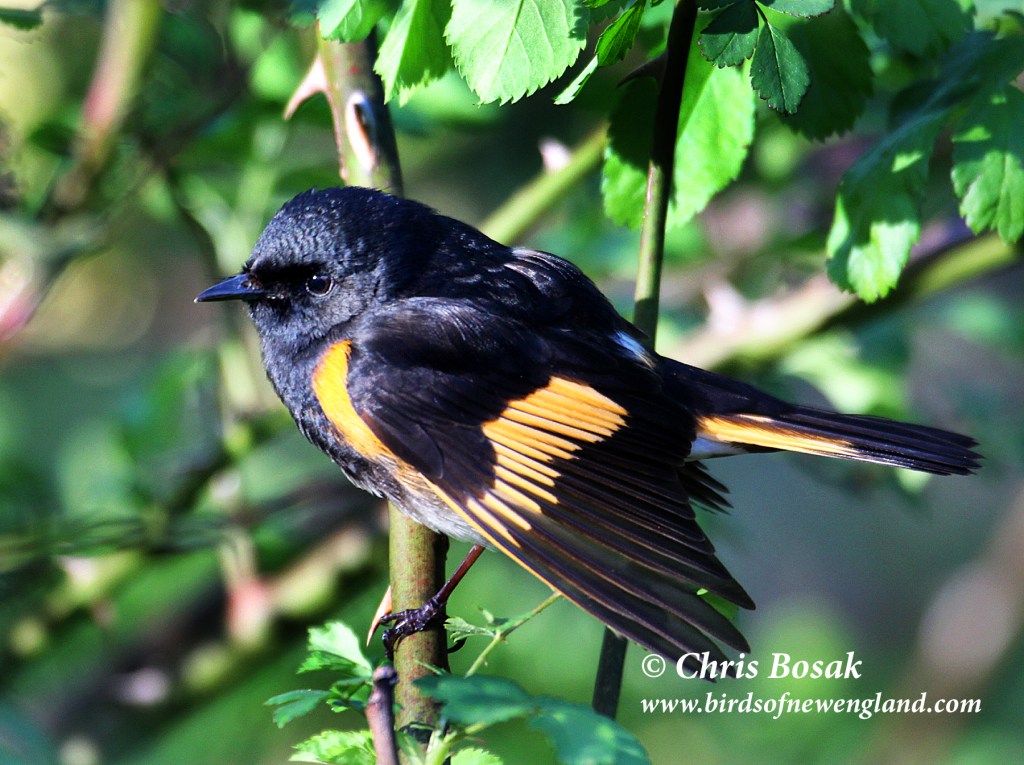
Like most warblers, American redstarts are dimorphic. (From Wikipedia: Sexual dimorphism is the condition where the two sexes of the same species exhibit different characteristics beyond the differences in their sexual organs.) In other words, males and females look different from each other. Females are usually duller in color so as to not attract the attention of predators. Cardinals are one of the most obvious examples. Chickadees and many other birds are sexually monomorphic. I got these shots of male and female redstarts yesterday and those terms came to mind.

Here’s the male …

Photo by Chris Bosak
A male American redstart perches on a branch in New England, May 2020. Merganser Lake.

Birds to brighten your day: May 18

Photo by Chris Bosak A chestnut-sided warbler lurks in the brush in New England, May 2020. Merganser Lake.

A Day on Merganser Lake

Warbler season was on full display over the weekend. One of my favorite warblers is the chestnut-sided warbler. I like the color scheme and anything with the color chestnut has got to be cool. This guy was lurking among the bushes as I was trying to find a different warbler. I’m glad he made himself known.

(Repeat text for context:  I’m running out of COVID-19 lockdown themes so from now until things get back to some semblance of normalcy, I will simply post my best photo from the previous day. You could say it fits because of its uncertainty and challenge. I’ll call the series “A Day on Merganser Lake,” even though that’s not the real name of the lake I live near in southwestern Connecticut, it’s just a nod to my favorite duck family.)

Birds to brighten your day: May 14

Photo by Chris Bosak
An American redstart perches in a bush at Bennett’s Farm State Park in Connecticut, May 2020.

Something woke me up around 3:30 a.m. and I couldn’t fall back asleep. I gave up trying when the darkness outside my window started to brighten. What the heck, I told myself. It’s the height of warbler season so let’s go find some warblers. I made a cup of coffee and raced the rising sun to a nearby park. I headed down a path that has led to warblers in the past. It did again this time. There wasn’t a tremendous variety of warblers (maybe seven species) but the ones I did see kept me entertained.

My favorite was this American redstart that followed me along the path for an inordinate amount of time. It gave me great looks at it, but it would not sit still very well for photos. I managed a few decent shots despite his hyperactivity. A few more photos are below.

(Repeat text for context:  I’m running out of COVID-19 lockdown themes so from now until things get back to some semblance of normalcy, I will simply post my best photo from the previous day. You could say it fits because of its uncertainty and challenge. I’ll call the series “A Day on Merganser Lake,” even though that’s not the real name of the lake I live near in southwestern Connecticut, it’s just a nod to my favorite duck family.)

Photo by Chris Bosak
An American redstart perches in a bush at Bennett’s Farm State Park in Connecticut, May 2020.
Photo by Chris Bosak An American redstart perches on a branch at Bennett’s Farm State Park in Connecticut, May 2020.