Here are a few more photos of the cedar waxwings eating crabapples, as a follow-up to my recent column.


Here are a few more photos of the cedar waxwings eating crabapples, as a follow-up to my recent column.


Sometimes, the path less traveled is the way to go. In fact, it almost always is when it comes to birdwatching.
The park I frequent in southern New England features a variety of habitats: ponds, woods, fields and marshlands. The fields are quite large and have a path running through the middle. In the spring and summer, visitors are restricted to the path to protect nesting birds such as bobolinks, field sparrows and red-winged blackbirds.
In fall and winter, however, after the fields have been cut, the restricted signs come down. Most people, in fact almost all people, still stick to the path as it’s the quickest and easiest way to get to the woods. They don’t see (or care about) the tremendous opportunities that exist along the brushy edges of the fields.
Fall is the best time to explore the edges as berries and shelter attract birds and other wildlife. Palm warblers are automatic sightings for a few weeks in October as they devour seeds from the grasses that remain standing. Yellow-rumped warblers are also reliable sightings as they chow down on poison ivy berries and the fruits of other plants.
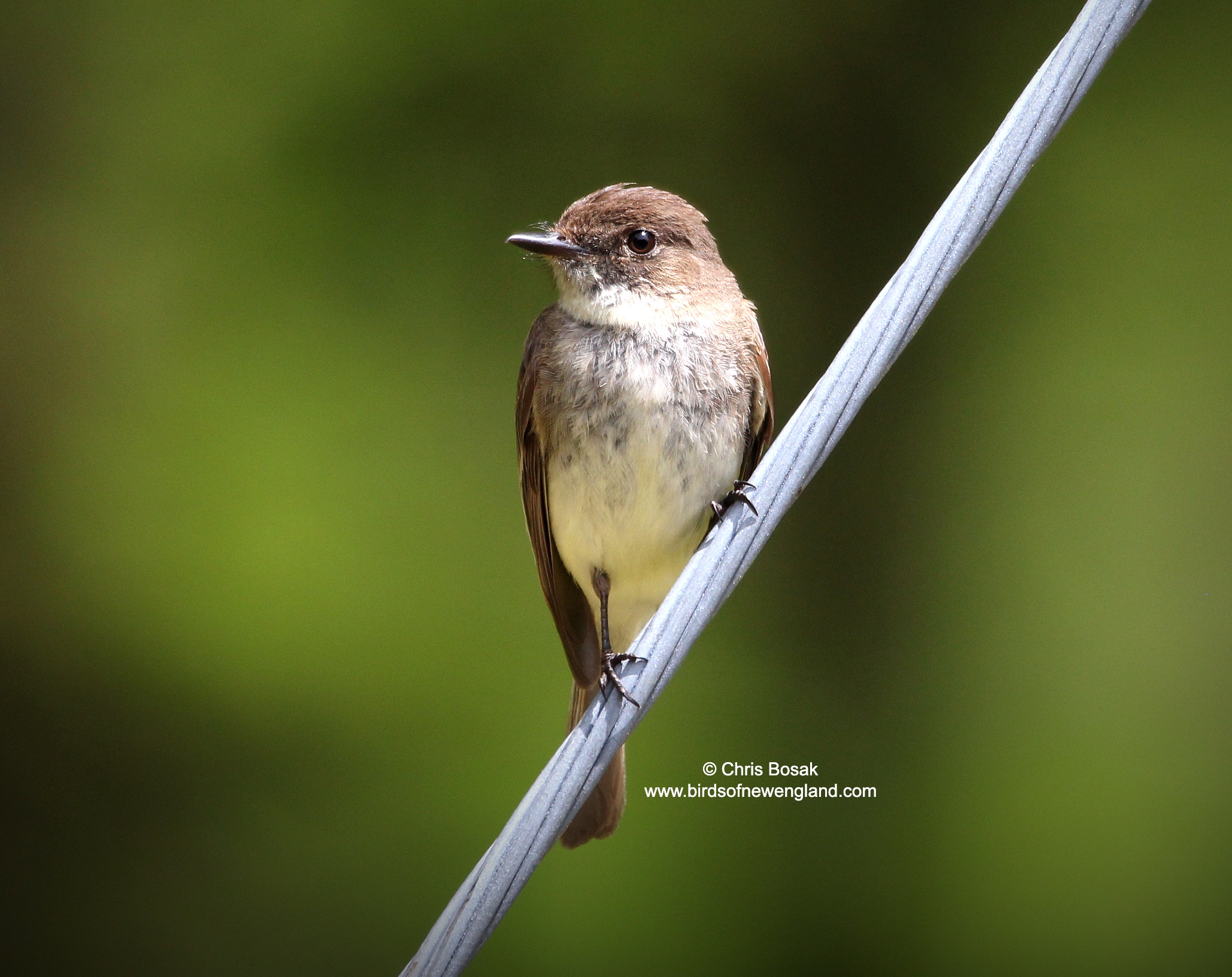
Eastern bluebirds and eastern phoebes like to hang out around the edges as well. They use the overhanging branches to scan the field for insects.
The other day, I noticed a flock of birds in a distant bare tree. They were flying back and forth to a nearby tree. Assuming they were starlings, I raised my binoculars to confirm. Turns out, they were cedar waxwings. Lots of them.
As I got closer, I realized the tree they were flying to and from was a crabapple tree loaded with red, orange and yellow fruits. I climbed over a stone wall overgrown with all sorts of weeds and grasses for a closer look. I pulled a single deer tick off of my sweatshirt and closed the distance even more.
The waxwings paid me no mind, so I approached within camera range. Surrounded by goldenrod that had gone to fluffy seed, I took some photos and observed the flock. Many of the birds were youngsters, hatched a few months prior. Waxwings nest a bit later than most songbirds, so the immature birds were several weeks younger than the migrating first-year birds that passed through the area in September or early October.
Immature cedar waxwings lack the polished, silky look of the adults. They appear much duller and have streaked undersides. The black mask is not as obvious as in adults, and they lack the trademark waxy, red wingtips. (Not all adults have obvious wing tips either.) They do sport the yellow-tipped tail.
The waxwings feasted on the apples. The apples were small but still much too large for the birds to eat in one gulp. Rather, they contorted themselves and took meaty bites of the fruits until only the stem remained.
I came across an interesting tidbit while researching cedar waxwings recently. According to the Cornell Lab of Ornithology, waxwings specialize in eating fruit and can live on fruit alone for several months. Brown-headed cowbirds that are raised by waxwings often do not survive because of the all-fruit diet.
The remainder of the walk was filled with sightings of white-throated sparrows and ruby-crowned kinglets. They seemed to be around every corner. The highlight of the walk, however, was the waxwings feasting on the apples. Had I stuck to the trail, I would have missed it.

Launching the canoe from the campsite proved to be much more difficult than I imagined. The dry summer left the pond extremely shallow, and the shoreline had receded to the point where I had to carry the canoe through several yards of muck to reach the water.
A solitary sandpiper watched the action from the opposite shoreline. Its interest faded quickly, and it went back to looking for food in the shallows.
Once on the water, I dodged a few rocks ─ some exposed and some lurking just beneath the surface ─ and eventually was able to float freely. The feeling of freedom shortly came to an end as the canoe stopped abruptly. Thick vegetation put the brakes on the effortless ride and required heavy paddling to move forward.
The pond is relatively small, so I was determined to canoe around the entire shoreline and end up back at the campsite. For the moment anyway, I put out of my mind the effort it was going to take to get the canoe back out of the water.
The thick vegetation made the going tough, but I managed to round the first bend. A young bald eagle flew overhead and landed near the top of a distant evergreen. A vast swamp and towering mountains in the background came into view. No birds, mammals or reptiles to be seen, however.
But there was an interesting sighting that drew me in. As I slogged my way toward the target, I had no fear of it flying away like a heron, plopping in the water like a turtle, running away like a deer or silently sauntering into the woods like a moose. It was a plant. It wasn’t going anywhere.
I don’t normally get excited about seeing plants, although I understand why many people do. It was a purple pitcher plant, or more accurately, several purple pitcher plants. I hadn’t seen pitcher plants in many years, mostly because I haven’t been in my canoe as much as I’d like.
Pitcher plants are named after the container that holds liquid, not the baseball player that stands on the mound. The pitcher-shaped leaves attract and trap insects. They are one of New England’s few carnivorous plants.
According to Massachusetts Audubon’s website, “Its vase-shaped leaves are 4-10 inches long. Peer inside one of these leaves and you’ll see a bacteria-laden soup. Insects fall into this fluid and are digested; they can’t escape because the walls are lined with downward-pointing hairs.”
I don’t typically find plants interesting, but it’s hard not to be fascinated by carnivorous plants. For those of a certain age, like me, we can remember the advertisements for Venus flytraps in the backs of comic books. The plants, of course, were depicted as menacing creatures daring any insect to come close. I guess that’s where my fascination started.
Pitcher plants do not look menacing, but they do stand out among the shorelines of ponds, fens and bogs with their rich maroon or purple color. They live in wet, acidic places where the soil is poor in nutrients. The insects they “eat” supplement their diet.
Purple pitcher plants are hardy enough to handle cold winters and can be found throughout New England, from Connecticut through Maine. They grow low to the ground in clusters. While not as flashy a wildlife sighting as a rare bird or regal mammal, pitcher plants have a beauty, mystery and intrigue that makes their story fascinating.
Sometimes the allure comes from unexpected sources, but New England nature never disappoints.

I finally got a ruby-crowned kinglet to sit still for half a second. Today’s walk was filled with white-throated sparrows and ruby-crowned kinglets.


I pulled into the lot at the park, and a small flock of dark-eyed juncos scurried into the tall grass as my wheels came to a stop. The white border on the tail makes for an easy identification of juncos, even from behind.
Ten minutes later, as I walked along a trail with brush on either side of me, I heard the unmistakable call of the eastern towhee: “tow-hee,” with the second part rising in pitch. I spotted the beauty a few moments later.
There is a fairly short window in New England to see both of these birds on the same day. Towhees, the vast majority of them anyway, fly south before the juncos arrive from their northern breeding grounds. Juncos do breed throughout New England, but they are much more visible and numerous when the weather gets colder. Towhees are early arrivals in the spring and late departures in the fall, offering windows to see them and juncos on the same bird walk.
Eastern towhees and dark-eyed juncos look nothing alike. They aren’t even the same size, as the towhee is larger and much bulkier. Yet they are from the same family. Even more interesting is that neither one of them looks like other members of their family.
What comes to mind when you hear the word “sparrow”? Many people likely think of a house sparrow. Even though they are not native to the U.S., they are the dominant member of the sparrow family, in terms of numbers anyway. House sparrows look like sparrows. They are mostly brownish and rather plain-looking, at least from a superficial glance.
Continue reading
My favorite part of winter birdwatching has always been looking for waterfowl on whatever open water remains. Searching for bald eagles in those same areas has become another favorite of mine as the population of our national bird soars, and we see them more frequently.
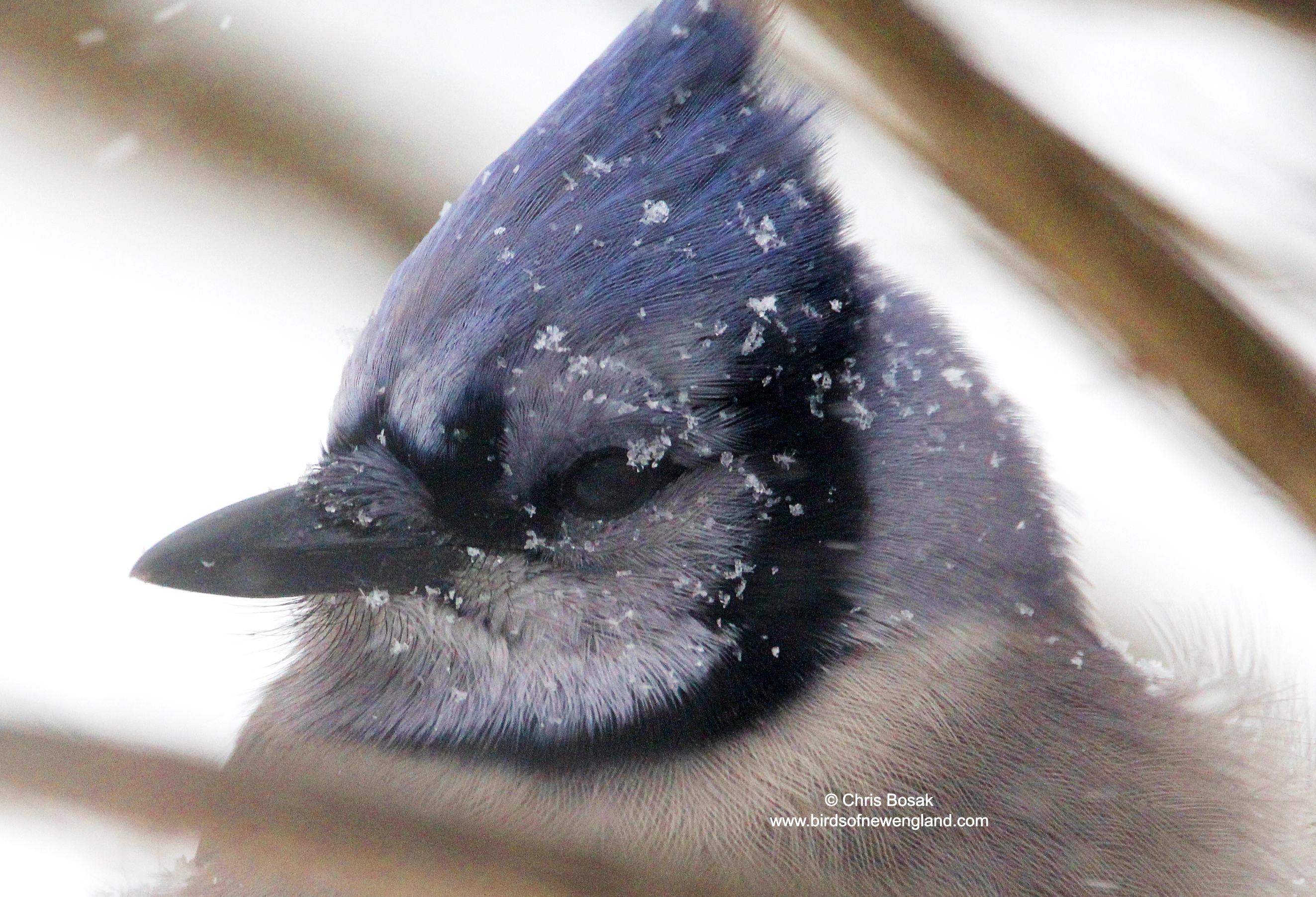
Winter is also arguably the best time to watch feeders in the yard, although one can easily make a case for spring being the best time when the grosbeaks, buntings and other surprises arrive. Watching the feeders in winter, particularly before a storm, is a constant treat of chickadees, titmice, nuthatches, woodpeckers, cardinals, blue jays, juncos and white-throated sparrows.
In my opinion, an underrated part of winter birding is the finch irruption, or lack thereof, depending on the year. Birds such as siskins, redpolls, purple finches, crossbills, pine grosbeaks and evening grosbeaks sometimes irrupt into our region as food supply dictates. Other birds such as red-breasted nuthatches are also lumped into the category of unpredictable winter bird visitors.
Continue reading
Fall is a great time to watch birds, but it’s much different than watching birds in the spring. It’s quieter, sometimes harder to find the birds and many of the birds don’t look the same.
It’s quieter because most of the birds are not singing. In the spring, birds are singing constantly as the urgency of securing a territory, finding a mate and breeding is foremost on their minds. The songs of perhaps dozens of birds overlap and it can be difficult to isolate the songs of a single species.
That urgency has long passed by the time fall comes around, and foremost on their minds is getting to their winter grounds safely. That doesn’t mean they are silent, however. Fall is when you hear more calls than songs as the birds issue warnings to other birds and try to remain in contact more quietly.
Continue reading
Fall bird walks can seem like a series of goodbyes to old friends.
I thought of this when I saw an eastern towhee receive an “infrequent” designation on eBird the other day. Ebird, a massive bird database, often flags birds when they are out of their territory or uncommon in an area.
I was a little surprised by the infrequent flag, as I see eastern towhees in that park quite frequently. Of course, it wasn’t because the bird is uncommon in the park, but rather it is getting late in the season for towhees.
Continue reading
A recent camping trip with my son to Pillsbury State Park yielded a slew of quality wildlife sightings.
It started right away as I made my first entry to our remote camping site on the edge of North Pond, one of the smaller ponds at the park. A greater yellowlegs, a relatively large shorebird often seen at freshwater ponds and lakes during migration, worked the shallow water around the rocks looking for morsels.
Three half-mile walks to the car and back later, I headed out for my first canoe ride. It proved to be a bit of a challenge to launch, as the extremely dry weather in New Hampshire had the pond as low as it’s been in years, according to the park ranger.
Continue reading
Other than a few sightings while on walks at local parks, I hadn’t seen a single hummingbird all spring and most of the summer.
It wasn’t for lack of trying. I put out the same feeders and filled them with the same liquid I always do: four parts water, one part sugar. They never came. Not in April or May. Not in June or July.
August was headed toward a shutout as well until one day late in the month, it all changed. And it changed in a big way. Not only did a few hummingbirds show up, but they were around constantly. They visited the feeder one at a time, of course, because god forbid they’d actually share a feeder with four ports.
Continue reading