
Here’s the second installment of Singing in the Spring. The field sparrow looks more like a typical sparrow than the previously featured eastern towhee, but a close look reveals a handsome bird with subtle beauty.

Here’s the second installment of Singing in the Spring. The field sparrow looks more like a typical sparrow than the previously featured eastern towhee, but a close look reveals a handsome bird with subtle beauty.

Here’s the start of a new birdsofnewengland.com mini series called Singing in the Spring. It will feature, all together now, birds singing in the spring. The posts will appear randomly throughout this spring.
I’ll kick it off with an eastern towhee. Although a member of the sparrow family, which features mostly small brownish birds, the towhee is larger and much more decorated.
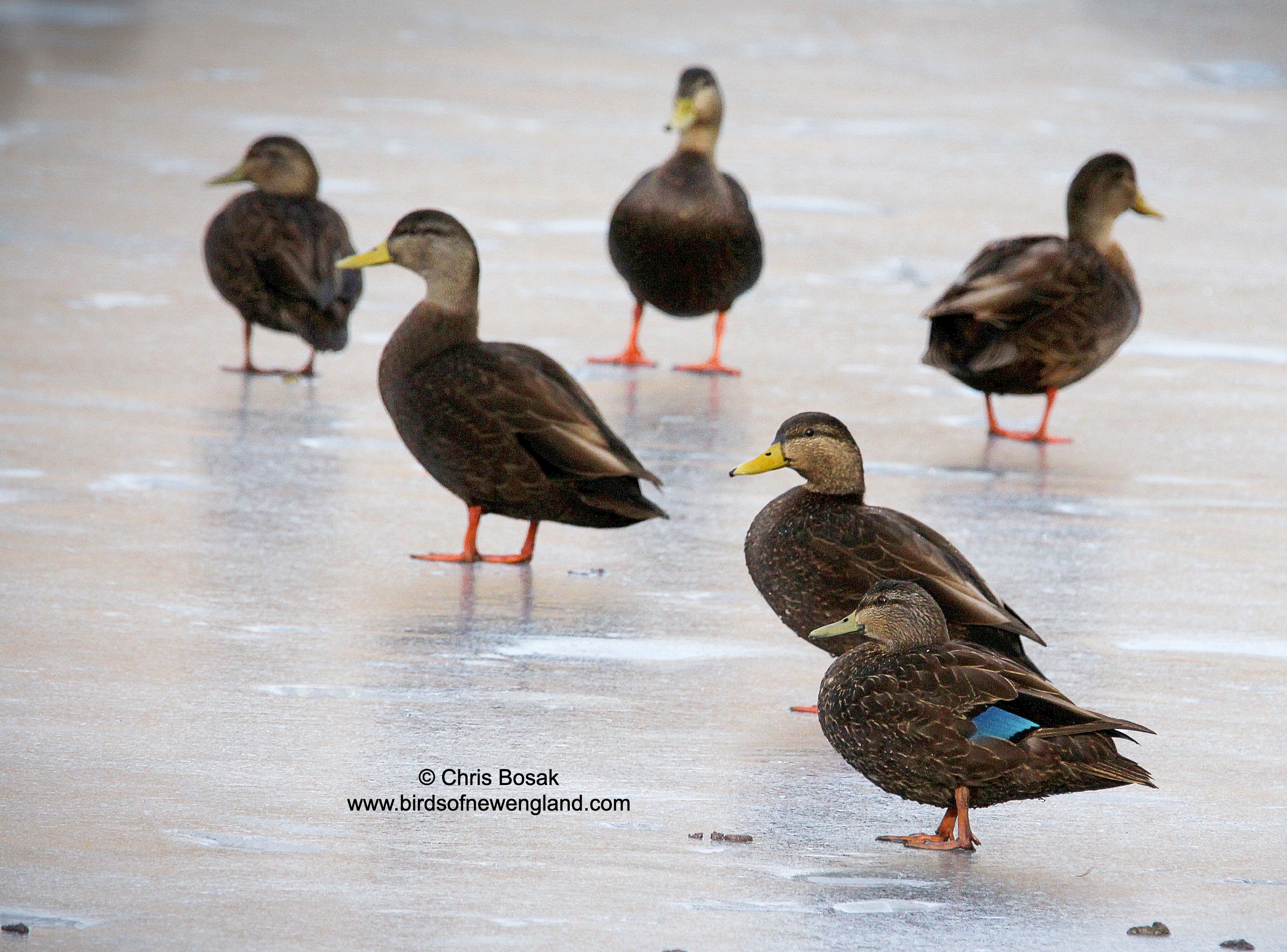
The American black duck is, in my opinion, one of the more underrated birds in New England.
While it is true that black ducks are not the most exciting or colorful ducks in New England, I think the black duck is often overlooked because a lot of people assume it is a mallard. Mallards, of course, are extremely common and tame. Black ducks are not as common and certainly not as tame.
Differentiating an American black duck from a female mallard is one of the more common difficult identifications to make. It is up there with the house vs. purple finch and the sharp-shinned vs. Cooper’s hawk.
Continue reading
It’s an early start to the warbler season for me.
I was walking at my usual patch on March 31 when I heard a familiar trill-like song from the top of a tall white pine. A fast-paced trilling usually means it is a junco, chipping sparrow, or pine warbler. All three of these birds are in New England now, so unless you are an expert at identifying birds by song, it is best to find the bird and get visual confirmation.
Like most warblers, pine warblers do not sit still for very long, so it took only a few seconds of searching to find the tiny bird moving among the branches. It was indeed a pine warbler, a mostly yellow bird with white wing bars on gray wings.
Pine warblers are always the first, or at least one of the first, warblers to show up in New England each spring. I usually do not find them until a few days into April, but this year, my first warbler sighting came on the last day of March.
Coincidentally, I saw my first chipping sparrow of the spring last week as well. Yes, spring migration is underway.
Continue reading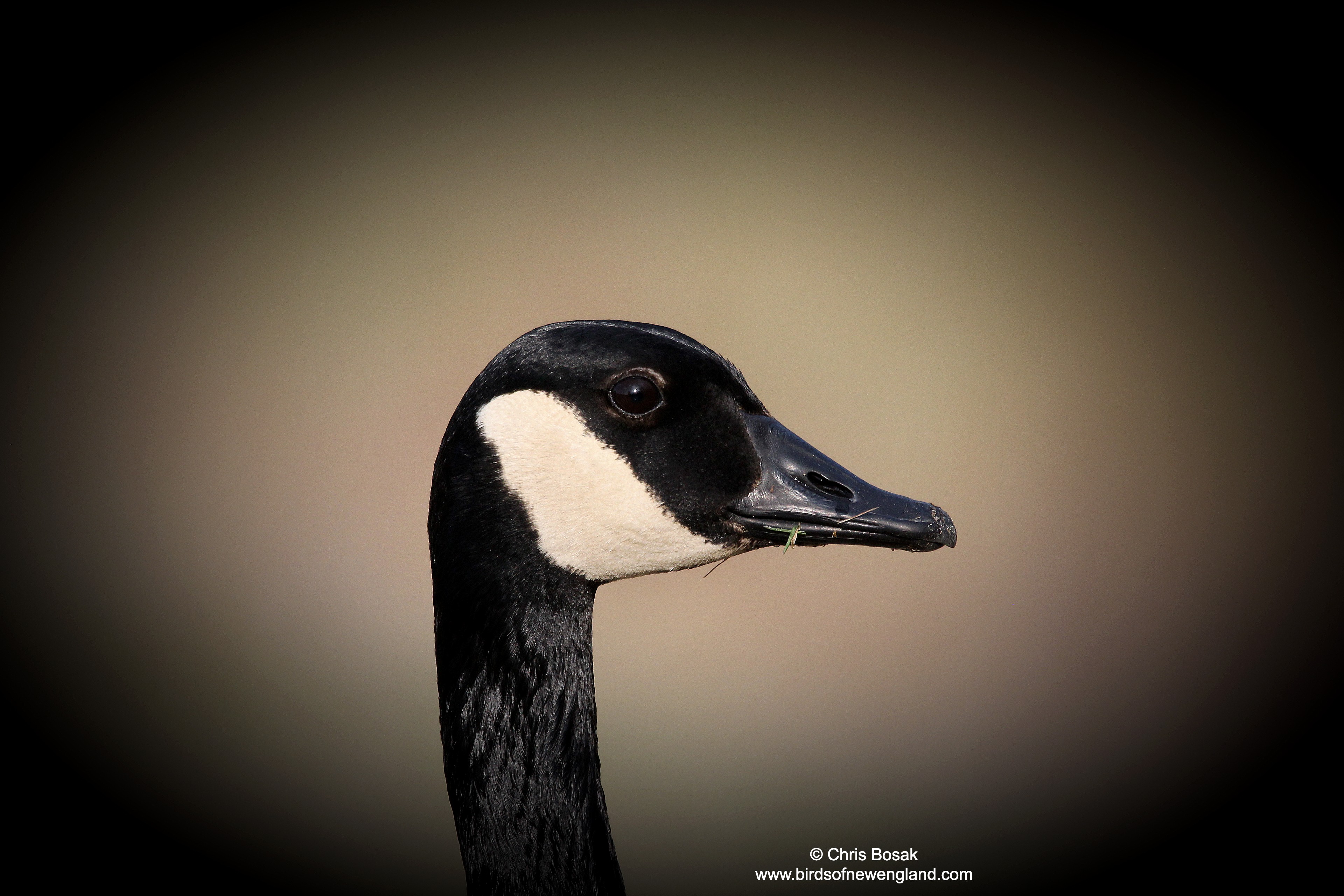
Here’s an interesting shot I took of a Canada goose the other day. I used the vignette feature to make the goose stand out more.

I pulled into the small dirt parking lot at the reservoir to see what ducks were hanging around the dam. The water by the dam does not freeze, and there is always a good variety of waterfowl there all winter.
As I stepped out of the car, I noticed two large birds perched in a tree along the shoreline. I knew immediately they were much too large to be hawks. They must be eagles. Sure enough, it was one adult and one immature bald eagle. It takes eagles four or five years to get their signature white heads and tails. Immature eagles are, however, just as large and impressive as adults.
Of course, I was thrilled to see the bald eagle. However, I was not surprised. Bald eagle sightings have become increasingly common over the last several years as the population continues to rise.
The bald eagle’s recovery is one of the best conservation stories of the last several decades. The osprey recovery is equally exciting.
Continue reading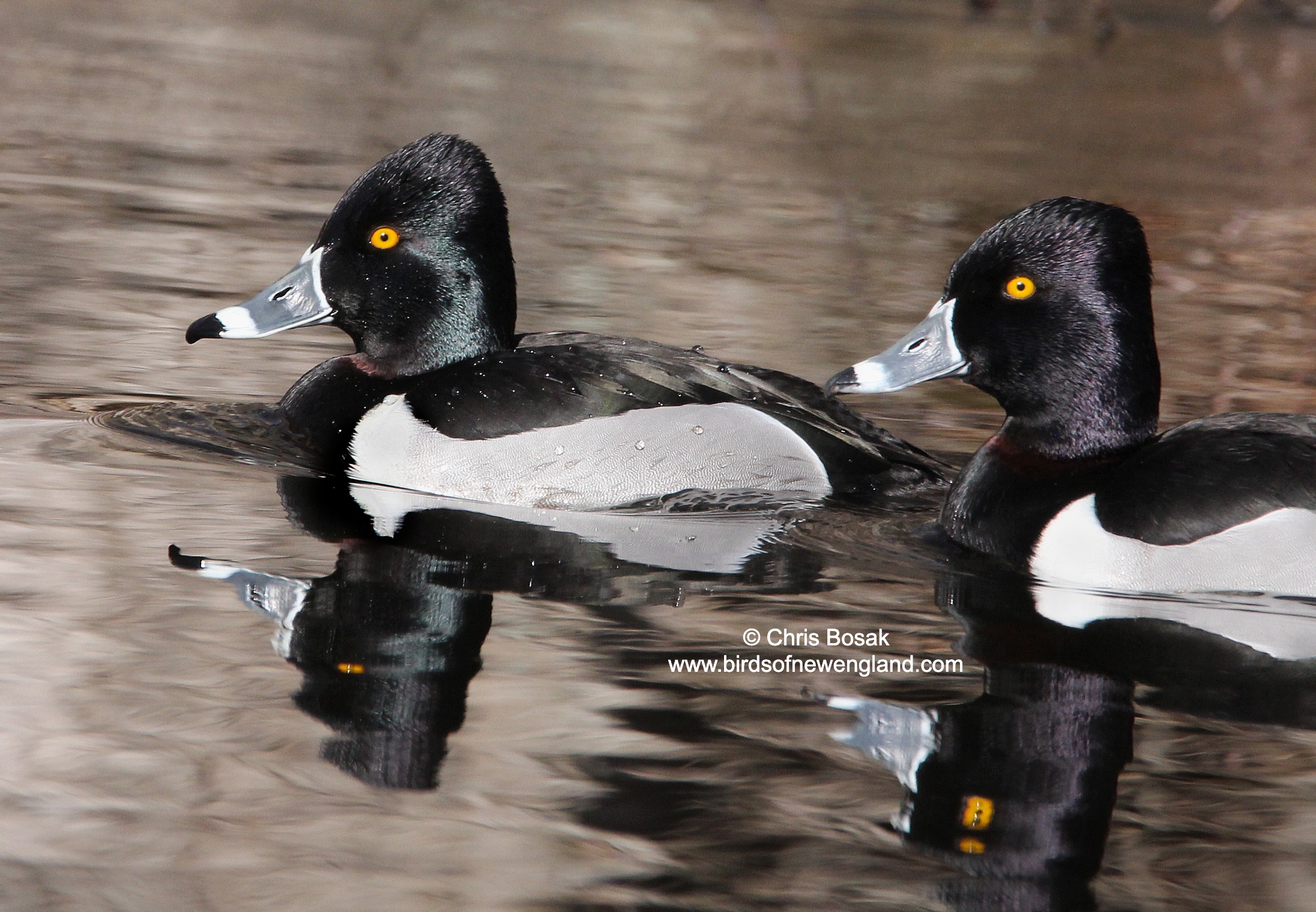
The ring-necked duck is next up for birdsofnewengland.com’s Duck Week. This duck may have been better suited to being called ring-billed duck because the ring on its bill is a much easier field mark to see than the one on its neck. But it isn’t, so we’re stuck with ring-necked duck. Just like the hooded merganser, which kicked off Duck Week on Monday, I’ve seen a ton of ring-necked ducks this winter. They were seemingly on every unfrozen fresh-water body a few weeks ago.
For more information on the ring-necked duck, click here.

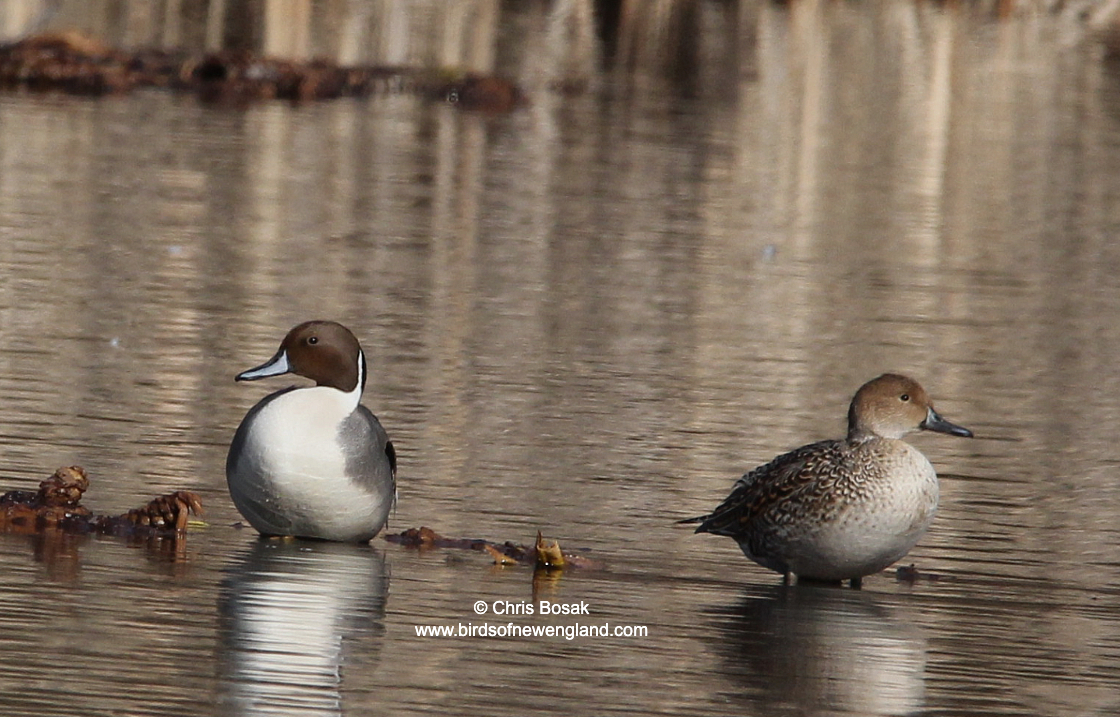
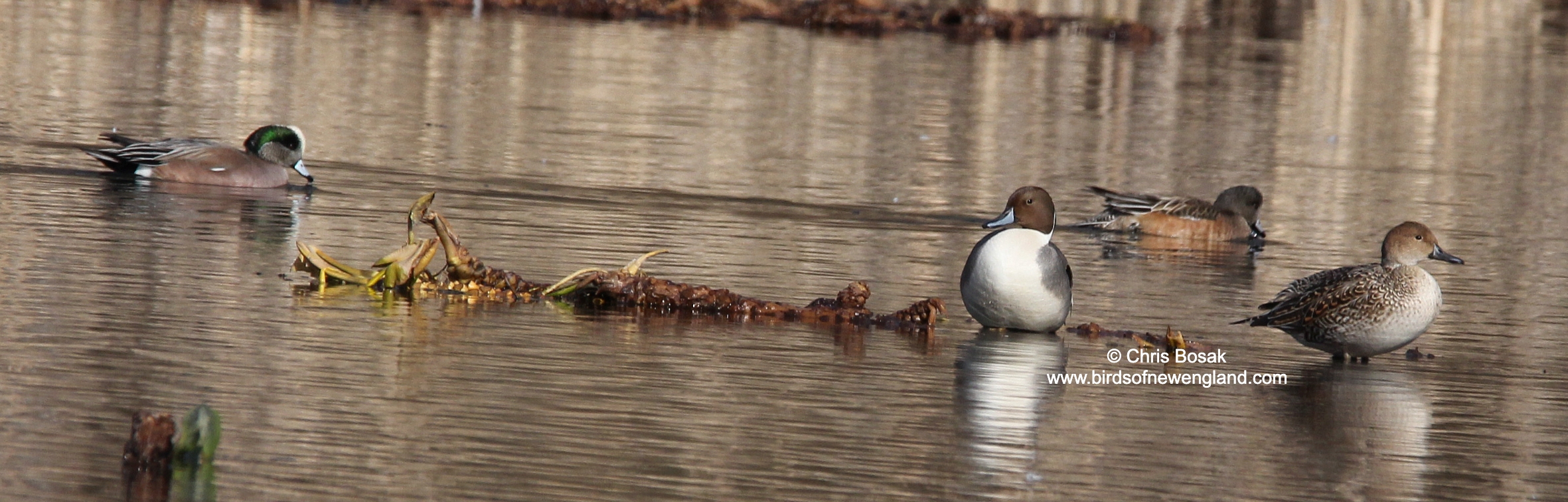
The northern pintail is the next fowl up for birdsofnewengland’s Duck Week, a very unofficial declaration made by me because I have a lot of recent duck photos that need to be shared. Pintail drakes are one of the most handsome ducks we have in New England. If you missed the first Duck Week post, click here to meet the hooded merganser.
For more information about the northern pintail, click here.
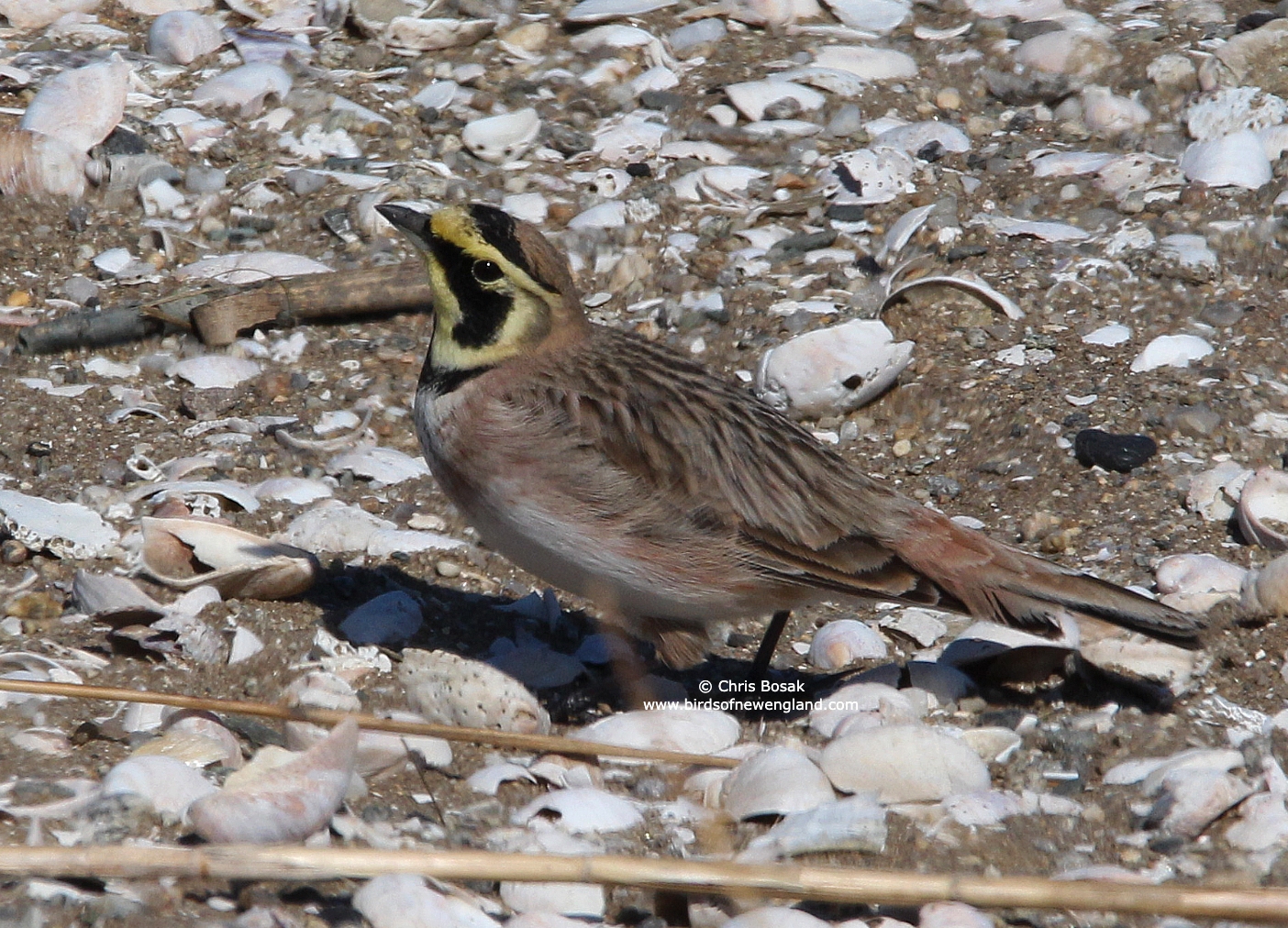
I came across these horned larks during a recent walk along a beach in southern Connecticut the other week. Larks and buntings are often seen during the winter along the Long Island Sound coast. I’m yet to get a quality photo of one with its “horns” raised. Until then, enjoy these photos.
Continue reading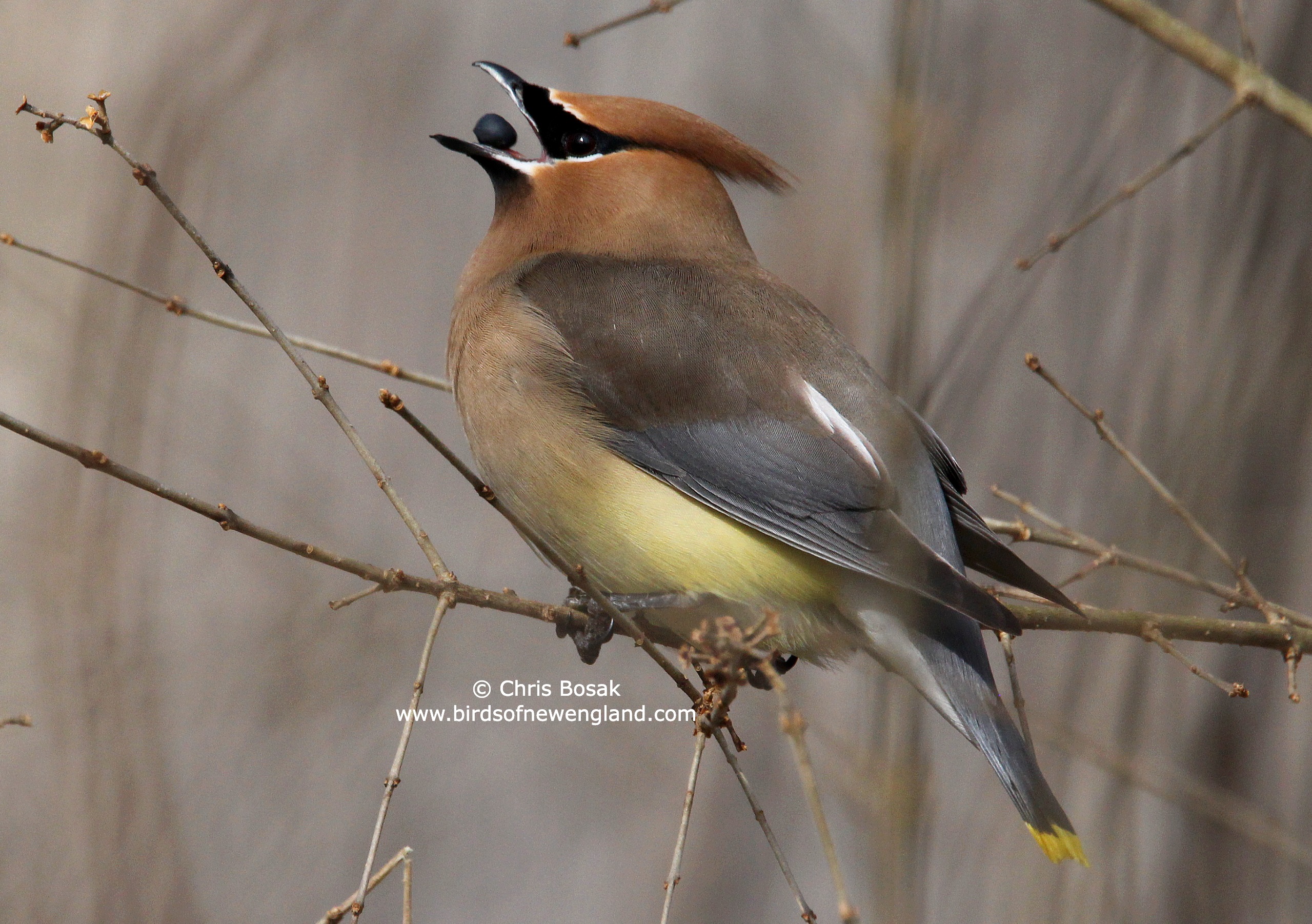
A walk earlier this week yielded these beauties eating border privet berries. Cedar waxwings are one of my favorites.
Continue reading Birds of New England.com