For the Birds: Eerie noises during a night in New England

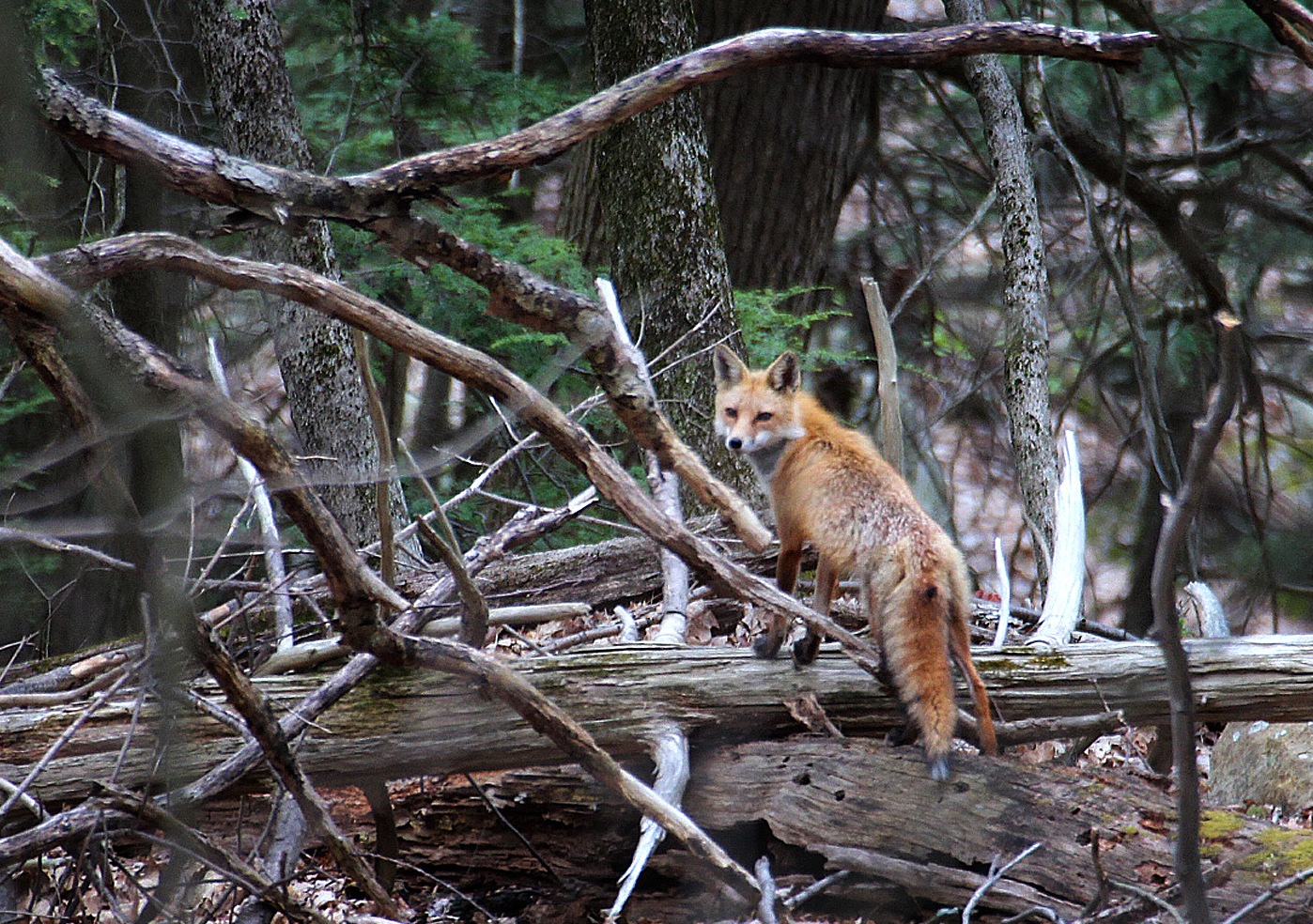
Photo by Chris Bosak – A red fox works its way through the New England woods.

This fox had no consideration for my sleep schedule.

I was sound asleep when the fox decided it was a good time to sit on the shared driveway that separates my house from my neighbor’s house and start barking over and over. I rolled over, tapped the screen on my phone and saw 3:01 displayed. 

The fox was about 15 yards away from where I had been enjoying a good night’s sleep. I pulled back the curtain and there it was, plain as day (even though it was the middle of the night), sitting in the middle of the driveway barking away.

If you’ve ever heard a fox barking, you know it’s not like a dog barking. We’ve all been jarred awake by dogs barking before, but that sound is familiar, and usually the owner is quick to respond and stop the barking. 

A fox’s bark, however, is otherworldly. They are canines, but they do not sound like domesticated dogs. They sound like something you’d hear at a haunted house around Halloween.  

Under other circumstances, I would have enjoyed the visit and, believe it or not, taken pleasure in the sound. But 3:01 in the morning? A fox barking is one of the more unnerving night sounds in New England, especially from 15 yards away when you are in the middle of a deep sleep.

If you have never heard a fox barking, do an internet search and see what you’ve been missing. 

I’ve never personally heard a fisher vocalize at night (or day for that matter), but I understand it makes a fox’s bark sound like child’s play. 

Coyotes calling back and forth at night can also be alarming at first, especially if there are several yipping back and forth to each other. I’ve heard that plenty of times, day and night.

The ultimate “spooky” night sound, of course, is an owl hooting. Great horned owls are not so alarming, as their “who’s awake, me too” call is rather quiet and soothing. 

The barred owl, however, is anything but soothing. Their “who cooks for you, who cooks for you all” call is given at a high volume and sounds nothing like the owls you hear in the movies. I love hearing it, don’t get me wrong, but I can definitely see how some people, especially those hearing it for the first time, would wonder what the heck is making that noise. When there are two barred owls going back and forth, well, that’s double the fun.

I heard a pair of barred owls on a recent walk. Barred owls are primarily active at night, but they can also hunt and vocalize during the day. I never did find the owls, although I didn’t look very hard either. Owls nest early in the year, and I didn’t want to go tromping through the woods and potentially disturb them. Even so, hearing the owls was the birding highlight of the walk. 

The sounds that may be heard at night in New England are fascinating, if not somewhat unnerving at times. Foxes, fishers, coyotes, owls, whippoorwills (if you’re lucky enough), tree frogs, and even a deer snorting can make your ears perk up and wonder what’s going on out there. 

Good luck going back to sleep right away after hearing those sounds.

For the Birds: Looking back on birding highlights of 2025

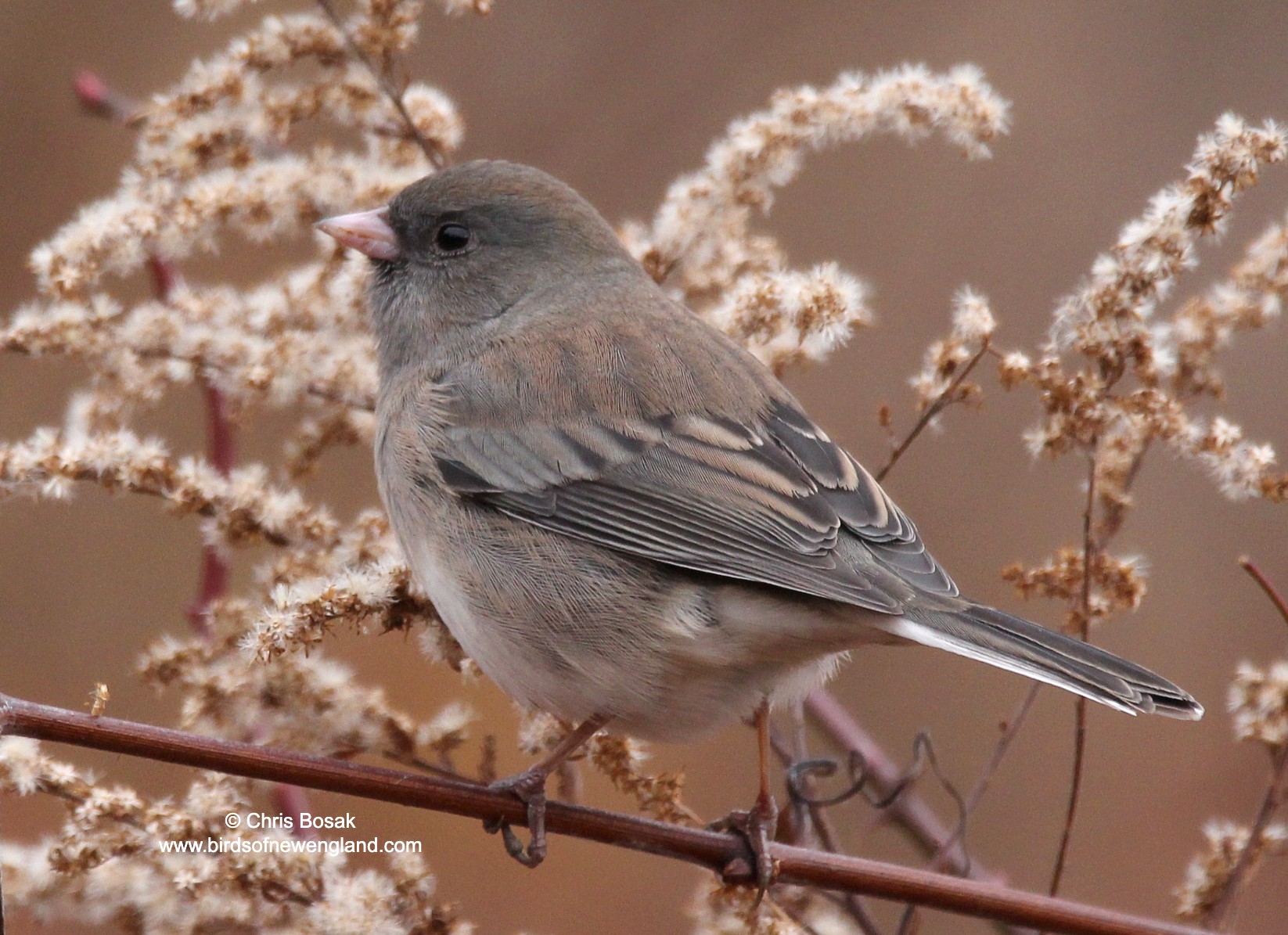
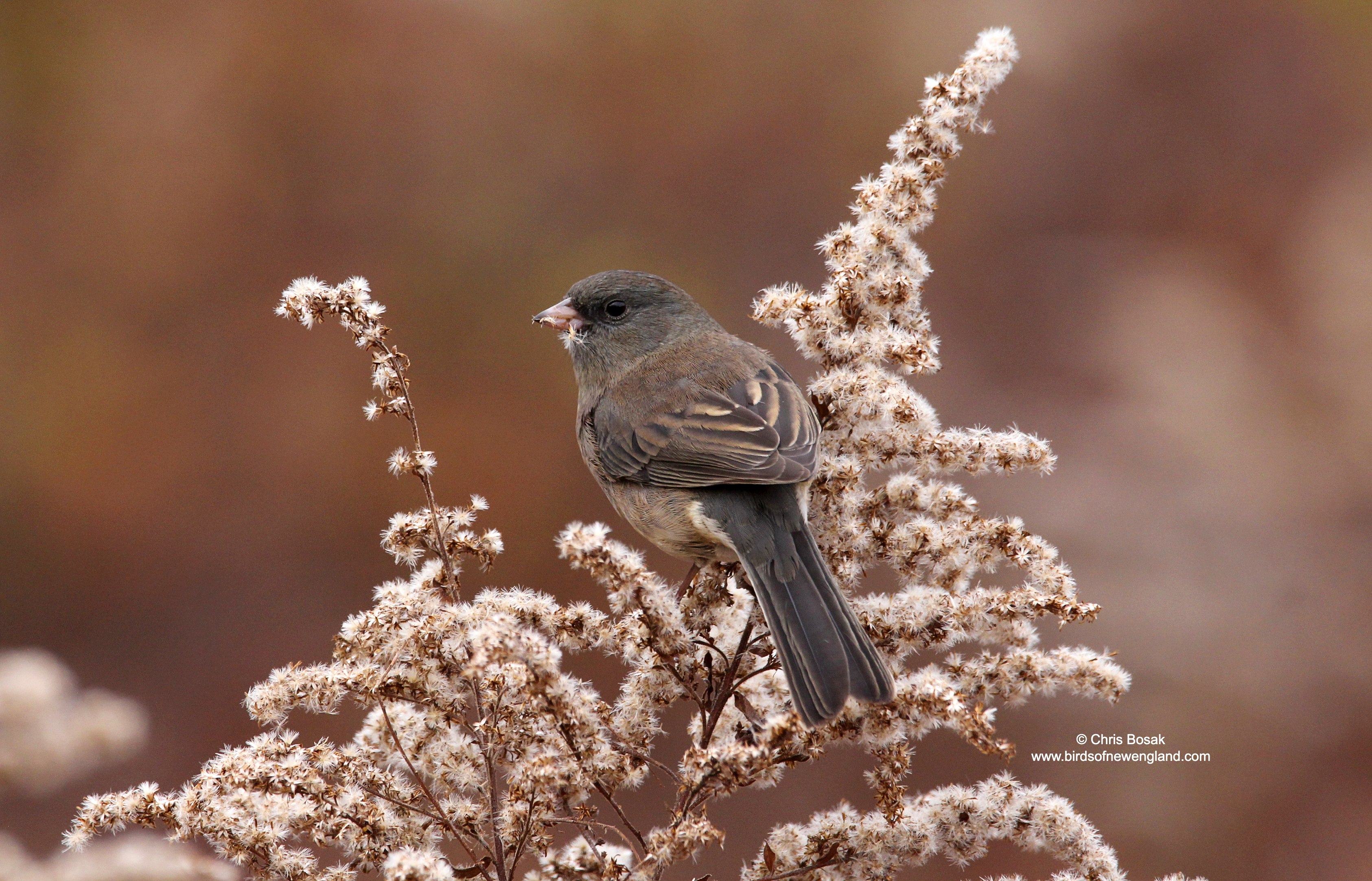
Photo by Chris Bosak – A dark-eyed junco eats goldenrod seeds at Huntington State Park in Redding, Connecticut, November 2025.

It’s time for one of my favorite annual columns, as I take a look at my top 10 birding/wildlife moments from the past year. It’s always fun to look back at a year’s worth of For the Birds columns and pick the moments that continue to resonate with me the most.

Here are my top 10 birding moments of 2025:

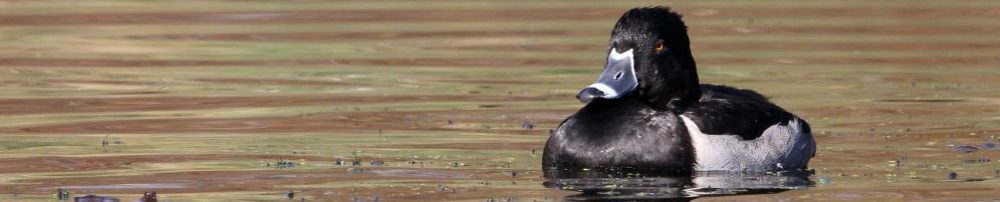
10. Early in 2025, when ice still dominated most ponds and rivers, I found a small unfrozen pond with a hooded merganser pair and a small flock of ring-necked ducks. The pond was small enough to afford good photo ops of the birds but large enough that they felt safe on the opposite shore.

9. My eBird totals for 2025 were the highest they have ever been, with 171 species seen during the year, including 134 in New England. They are still modest numbers compared to many serious birders, but I’ve never been a lister and do not put a strong emphasis on finding rarities. For me, the total number is not as important as the combined experience.

8. A few of the species I saw exclusively outside of New England this year came during what has become an annual May birding trip to my old hometown of Erie, Pennsylvania. My brother Paul and I visit Presque Isle State Park and hit our favorite warbler spots for three days straight. We spotted 63 species on our best day.

7. Watching a female Baltimore oriole build a nest was one of the best sightings from that trip to Pennsylvania. It was interesting to see the progress she made on her woven hanging nest over a three-day span.

6. I took a mid-September camping trip to Pillsbury State Park in Washington, N.H., and caught several warbler species on their southward migration. Other highlights included three otters, an immature bald eagle, a solitary sandpiper and a green snake.

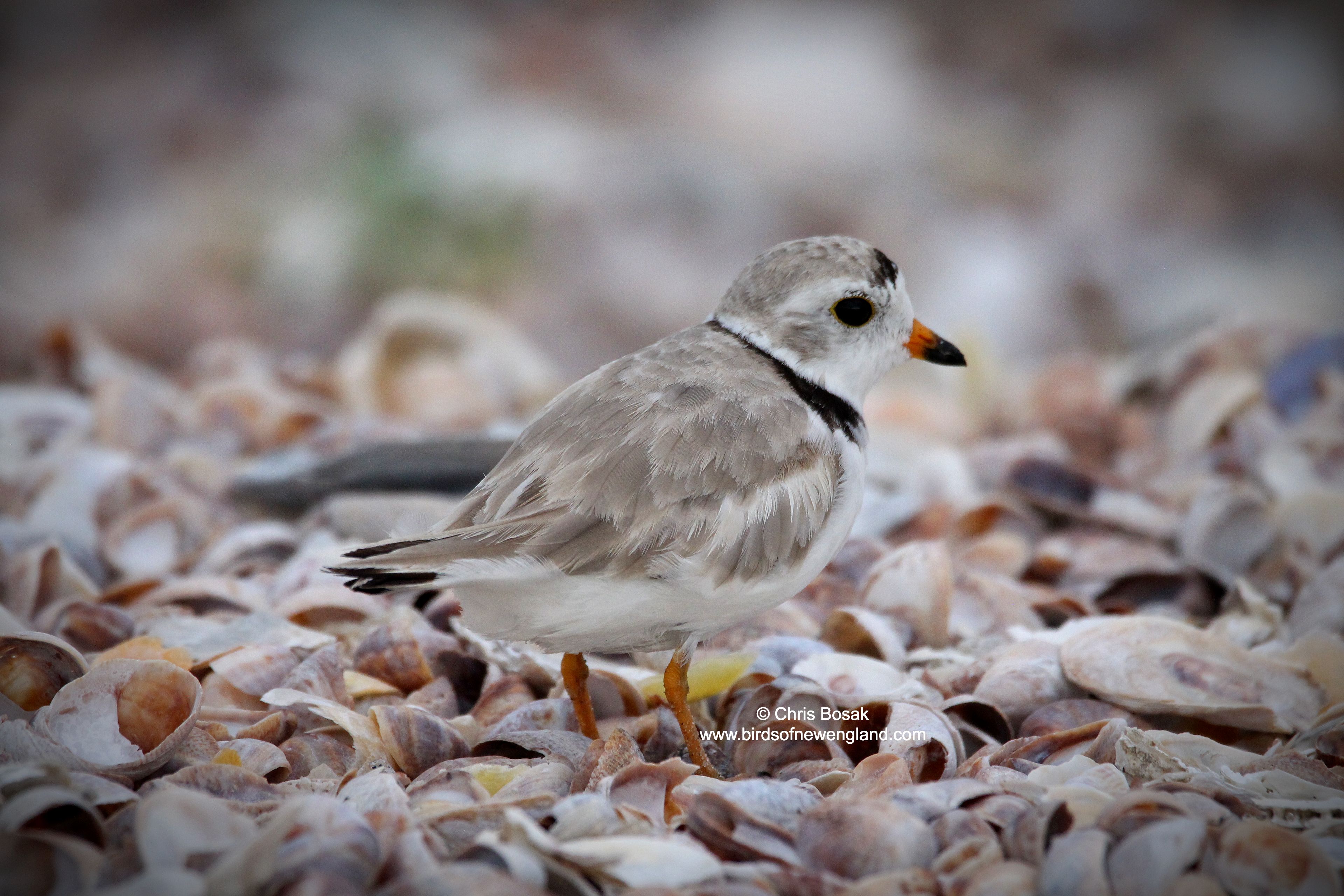
5. It had been several years since I visited the shore of Long Island Sound in the summer to see the nesting grounds of piping plovers, American oystercatchers and least terns. I found all three of those species during a late July visit to the Coastal Center at Milford Point in southwest Connecticut.

4. Although it was a very short camping trip, I did manage to get to Pittsburg, N.H., this summer. Loons, bald eagles and warblers were the highlights. I saw the common loon pair on a large lake in the morning with a heavy fog making visibility almost nonexistent.

3. Going back to my Pennsylvania trip in May, I saw and was able to photograph a sandhill crane pair that nested at the park for the first time. I heard the birds first and immediately recognized that it wasn’t a typical bird found in the Northeast. Merlin confirmed it was a sandhill crane, and the search began, which eventually ended in success.

2. I continue to have a fascination with photographing birds eating berries. This was a good year in that regard with robins, cardinals and white-throated sparrows eating border privet berries in January. In October, I came across a huge flock of cedar waxwings eating yellow crabapples. 

1. My top birding highlight of 2025 features a rather common bird, the dark-eyed junco. On a rather dreary early November morning, I stepped into a small field where the goldenrod had faded to varying shades of brown. Dozens of juncos eating seeds from the tops of goldenrod plants literally surrounded me as I stood there taking in the scene. It was proof that bright colors or rare birds are not necessary ingredients for lasting memories or treasured photos. 

Thanks for indulging me on that walk down memory lane. Feel free to send me some of your top birding moments from the year that was.

For the Birds: Nonprofits to consider for year-end gifts (donations)

Photo by Chris Bosak
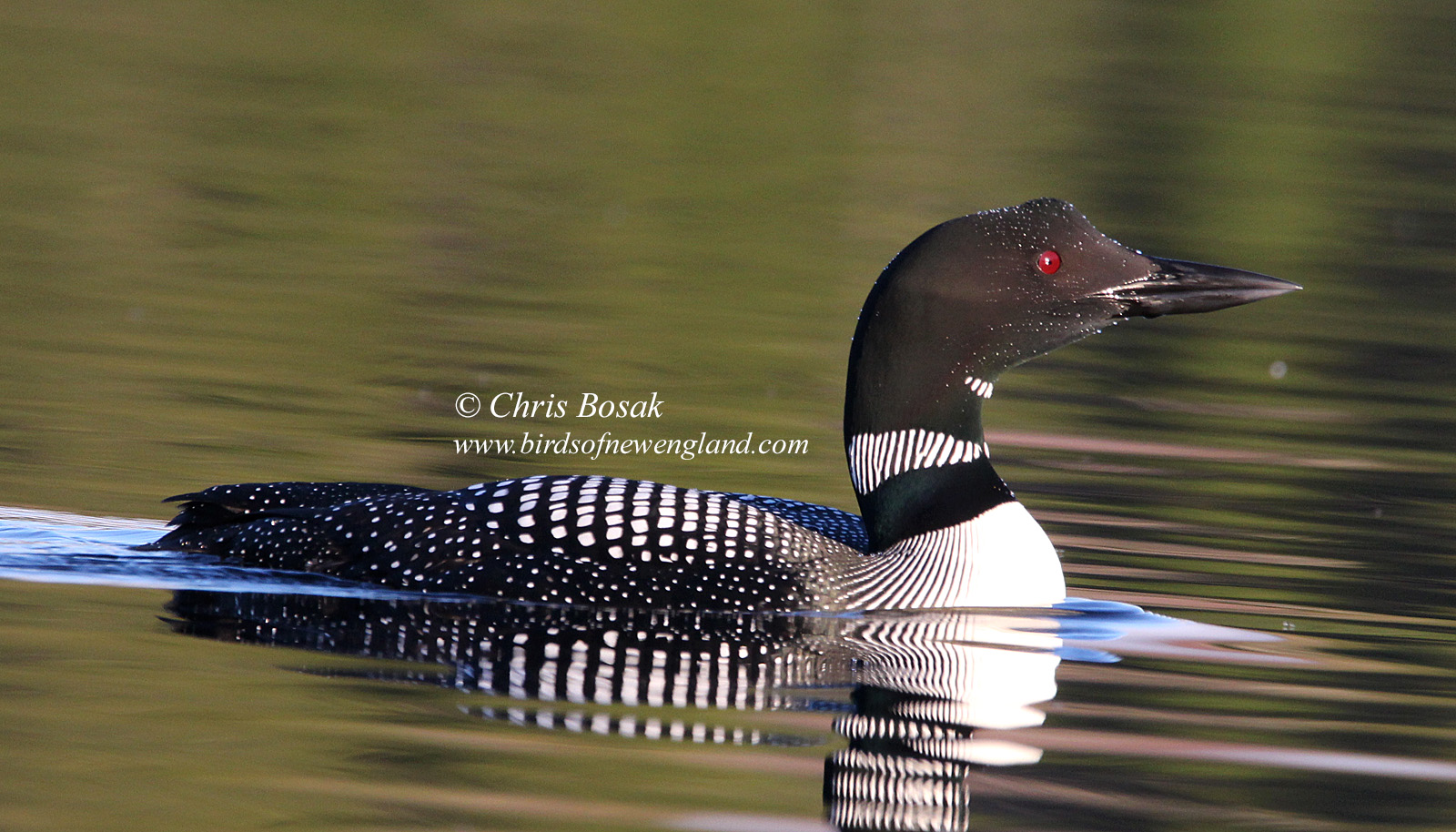
A common loon swims at Grout Pond in Vermont, spring 2023.

It’s never too late to celebrate Giving Tuesday.

Giving Tuesday, which occurred this year on December 2, is a day that supports acts of giving, most notably donating money to charities of one’s interest. It follows Black Friday, Small Business Saturday and Cyber Monday. Unlike those other days, Giving Tuesday encourages people to think outwardly in their giving.

While that specific date is when many nonprofit organizations make a push to raise funds for their cause (you probably received many emails that day), the spirit of Giving Tuesday is a year-round concept.

Continue reading

For the Birds: Breaking down hawkwatch season

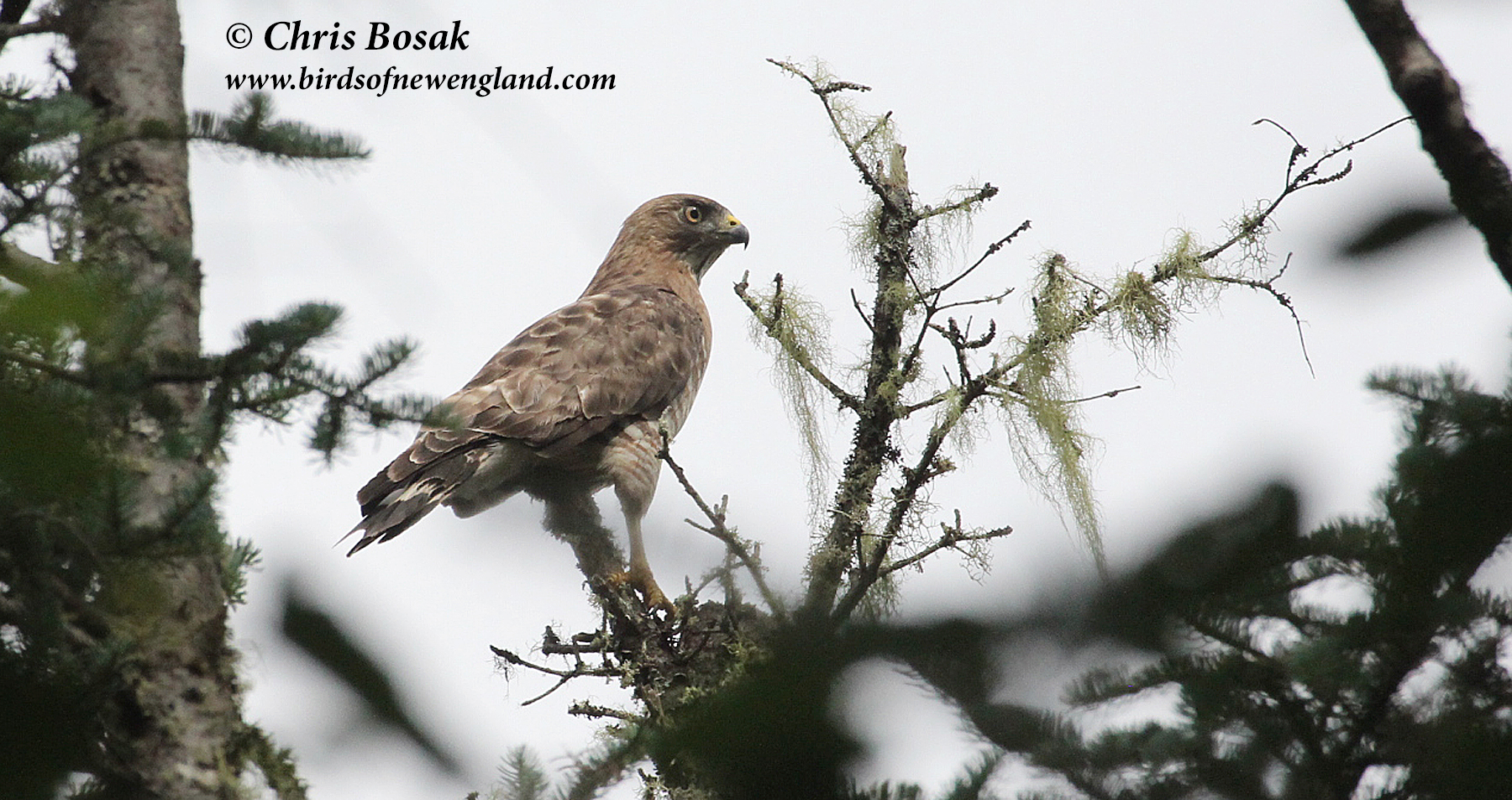
Photo by Chris Bosak A broad-winged hawk perches in a tree in northern New Hampshire, July 2020.

The fall hawkwatching season is winding down. Raptor sightings at the various dedicated locations are slowing down, with only a handful of birds counted each day as November progresses.

It’s a good time, therefore, to check in to see how the various hawkwatching sites fared this year. New England has several popular sites, but Pack Monadnock at Miller State Park in Peterborough is New Hampshire’s most active and popular site. The hawk count is a project of the Harris Center for Conservation Education in Hancock.

Continue reading

For the Birds: Surrounded by juncos

Photo by Chris Bosak – A dark-eyed junco eats goldenrod seeds at Huntington State Park in Redding, Connecticut, November 2025.

Have you seen any videos of kayakers being surrounded by whales? 

I’ve seen a few such videos. I’m not sure where they were filmed, but I’m reasonably sure they are real and not AI-generated. Of course, it’s getting harder to tell these days.

While being surrounded by whales would be a moment you’d never forget, I’m not sure I’d want to experience it. I didn’t get into bird- and wildlife-watching for extreme, brush-with-destiny experiences. 

I did, however, have a similar experience last week. Granted, this was far less risky and would never go viral on social media, but for me, it was a moment I won’t soon forget.

Continue reading

For the Birds: Fall is different, but still great for birdwatching

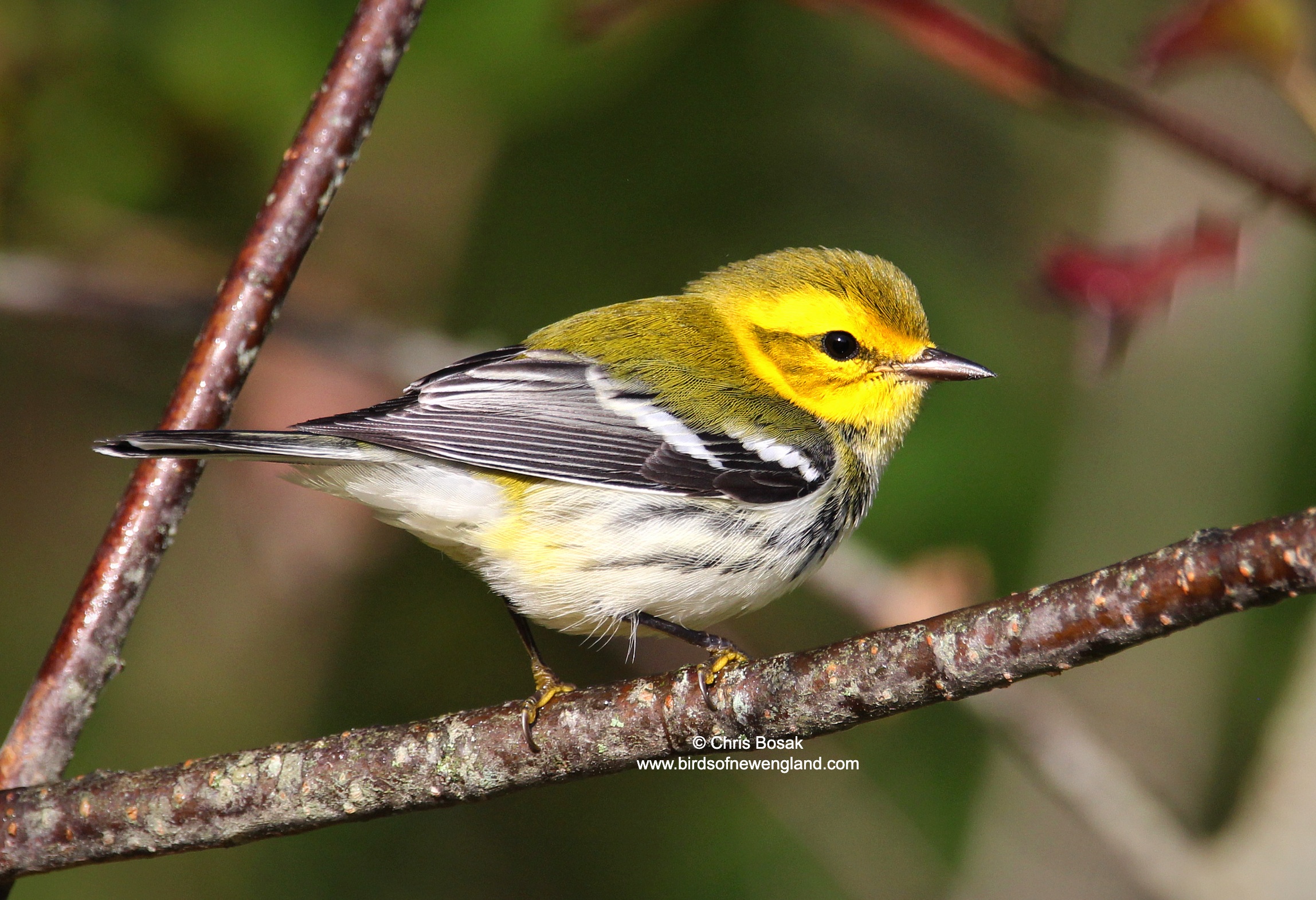
Photo by Chris Bosak – A black-throated green warbler, September in New England.

Fall is a great time to watch birds, but it’s much different than watching birds in the spring. It’s quieter, sometimes harder to find the birds and many of the birds don’t look the same.

It’s quieter because most of the birds are not singing. In the spring, birds are singing constantly as the urgency of securing a territory, finding a mate and breeding is foremost on their minds. The songs of perhaps dozens of birds overlap and it can be difficult to isolate the songs of a single species.

That urgency has long passed by the time fall comes around, and foremost on their minds is getting to their winter grounds safely. That doesn’t mean they are silent, however. Fall is when you hear more calls than songs as the birds issue warnings to other birds and try to remain in contact more quietly. 

Continue reading

For the Birds: Fall migration under way

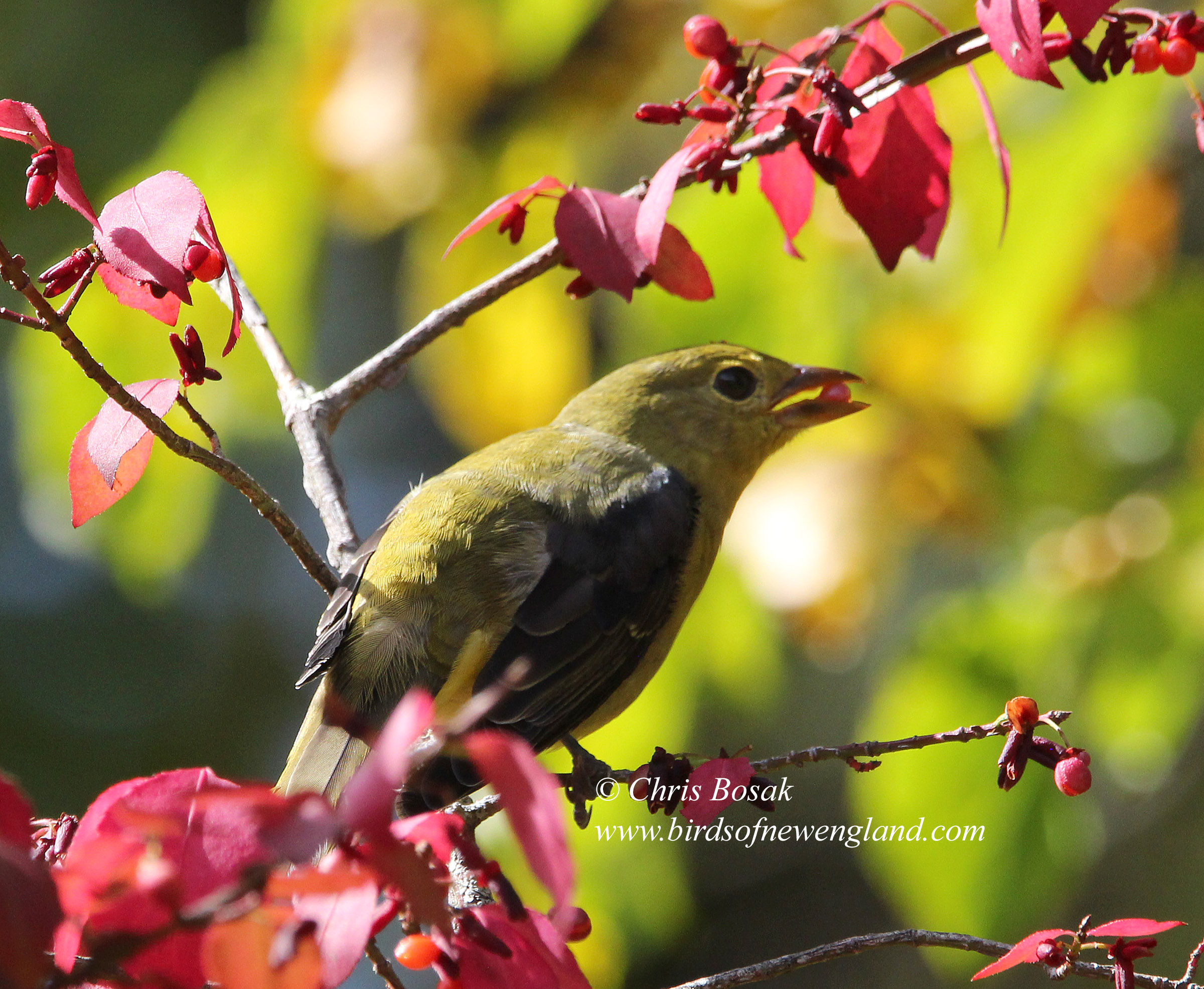
Photo by Chris Bosak A male scarlet tanager in the fall.

It seems like just yesterday we were welcoming back the warblers and other songbirds during spring migration and here we are at fall migration already.

Many of the birds we saw in the spring heading north will look the same on their southward journey. Many others, however, will look different. 

Some, like male scarlet tanagers, will bear little resemblance to what they looked like in the spring. When we saw them in May and June, they were the most brightly colored birds in the woods. A sighting always yielded a gasp of excitement as we wondered how a bird in New England could be so brilliant. After the breeding season, however, they molted and are now dull yellow with less shiny black wings. They are still awesome-looking birds but not the striking birds they were in the spring.

In addition to many adult birds molting, the fall migration includes first-year birds that haven’t attained familiar adult plumage yet. They often resemble females or a mix of male and female plumage. 

Continue reading

For the Birds: New England birding from top to bottom

Photo by Chris Bosak Piping plover, Milford, Connecticut, summer 2025.

I’ve looked for birds in New England from top to bottom this month. At the beginning of July, I drove to Pittsburg, NH, near the Canadian border, and last week, I visited a beach/nature preserve on Long Island Sound in southern Connecticut.

Yes, technically, northern Maine would be top of New England, but let’s not split hairs here.

It was quite a contrast in habitat and birdlife between the two points, from the boreal forest up north to the marsh and shoreline down south. 

Continue reading

For the Birds: Warbling vireos everywhere

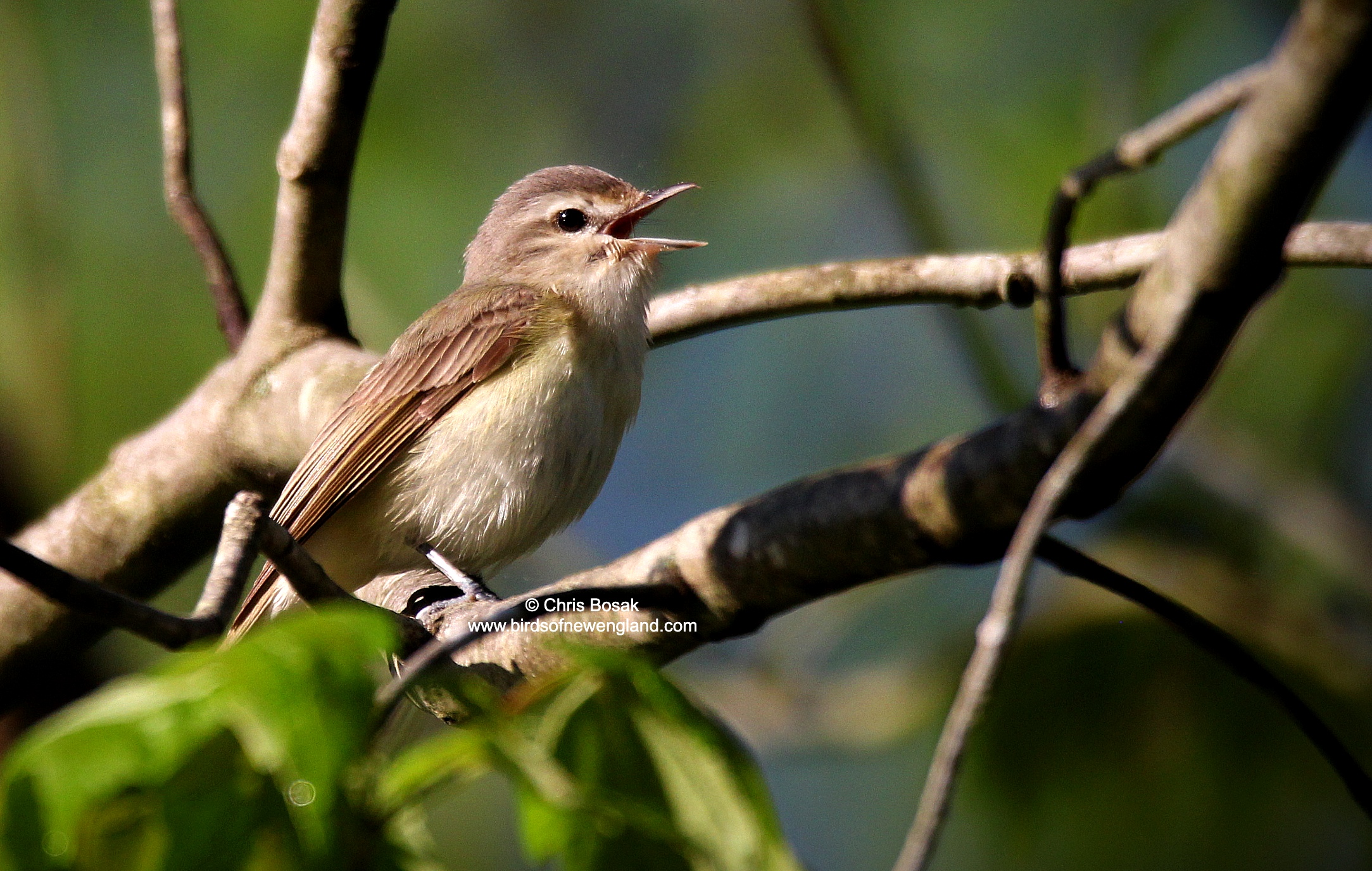
Photo by Chris Bosak A warbling vireo sings from a branch in New England, spring 2025.

It’s funny how you can still discover new things after so many years.

I’m sure that applies to most hobbies, but it certainly applies to birdwatching. I have only recently “discovered” the warbling vireo. The small, loquacious bird, of course, has been around for far longer than I have been birdwatching, but I am only recently taking notice of it.

Part of the reason I may not have paid it much mind previously is that it is a small, fairly nondescript bird that typically hangs out in the middle to upper branches among the leaves. It is not like some birds that take an obvious perch somewhat low in the trees or brush and are easily found on a birdwalk.

Over the last couple of years, however, I have come to know warbling vireos not only because the males sing constantly, but I am finding them almost everywhere I go in the spring.

Continue reading

For the Birds: Blue jays and special memories

Photo by Chris Bosak A blue jay perches on a log and grabs a peanut in New England, October 2020.

I settled on the back porch of my brother’s house in western Pennsylvania and watched the blue jays hunt for acorns in an oak tree. 

Before I get into that, I wanted to acknowledge how exceptional the fall foliage has been this year. The conditions must have been just right. Oaks can sometimes go from green to burnt orange to brown quickly. This oak, and many others I’ve seen this fall, are a much brighter orange and the color is lingering longer before turning brown.

The blue jays would fly in from the surrounding areas and alight in this spectacular oak tree. The birds disappeared into the bright orange foliage and work at dislodging acorns. I couldn’t see the jays at work but the rustling of the leaves and branches let me know where they were.

Continue reading