The warbler is a …

Here is the answer to the mystery warbler in the previous post. Click “continue reading” to see the answer. If you haven’t seen the photo yet, scroll down a bit and take a shot. Thanks to everyone who played along.
Continue reading

Warbler ID challenge

black-throated blue female

Wait a minute here. Aren’t warblers supposed to be colorful and obviously marked? Many are, but of course plenty are not. So, instead of just blurting out the answer, I’ll make this post a birding ID quiz.

So what do we have here? I’ll post the answer in a day or two.

Stumped? Drop me a line at bozclark@earthlink.net and I’ll give you a hint.

Today’s warbler photo

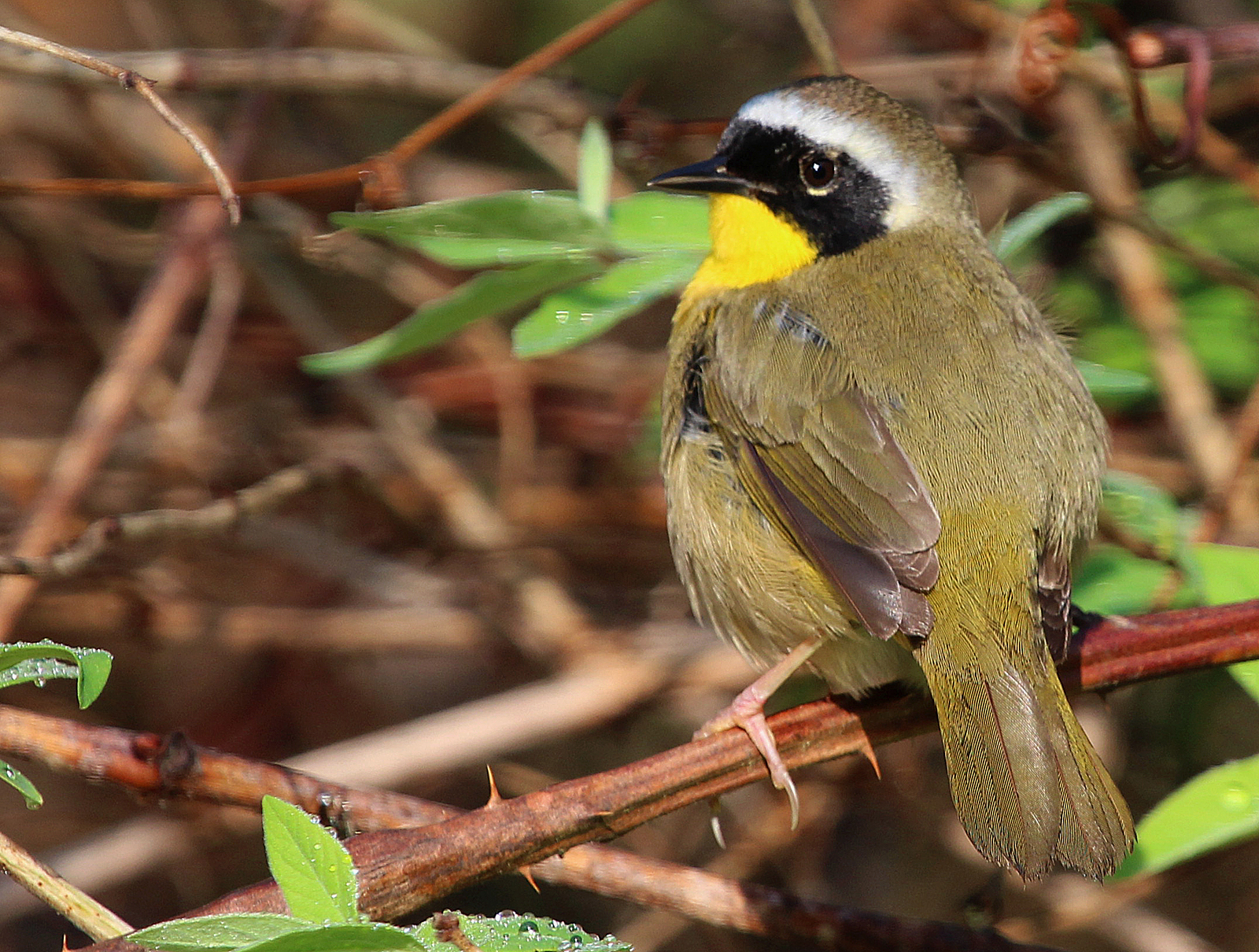
Photo by Chris Bosak A Common Yellowthroat perches on a branch at Selleck's/Dunlap Woods on Sunday, May 11, 2014.

Photo by Chris Bosak
A Common Yellowthroat perches on a branch at Selleck’s/Dunlap Woods on Sunday, May 11, 2014.

Here’s another warbler photo taken this weekend at Selleck’s/Dunlap Woods in Darien.

Last week I had a post with several warbler species included. The Common Yellowthroat was not included in that post, but I found a fairly cooperative one this weekend. Yellowthroats can be tricky to photograph because they are usually hidden among thick brush, often near wetlands.

On Saturday, I led a bird walk with a great group of people and we saw 10 warbler species, in addition to several other types of birds, such as vireos, egrets and thrushes. The warbler season in New England is still in full swing. Let me know what you’re seeing out there, send photos and sightings to bozclark@earthlink.net

White-winged Scoter hanging out with shorebirds

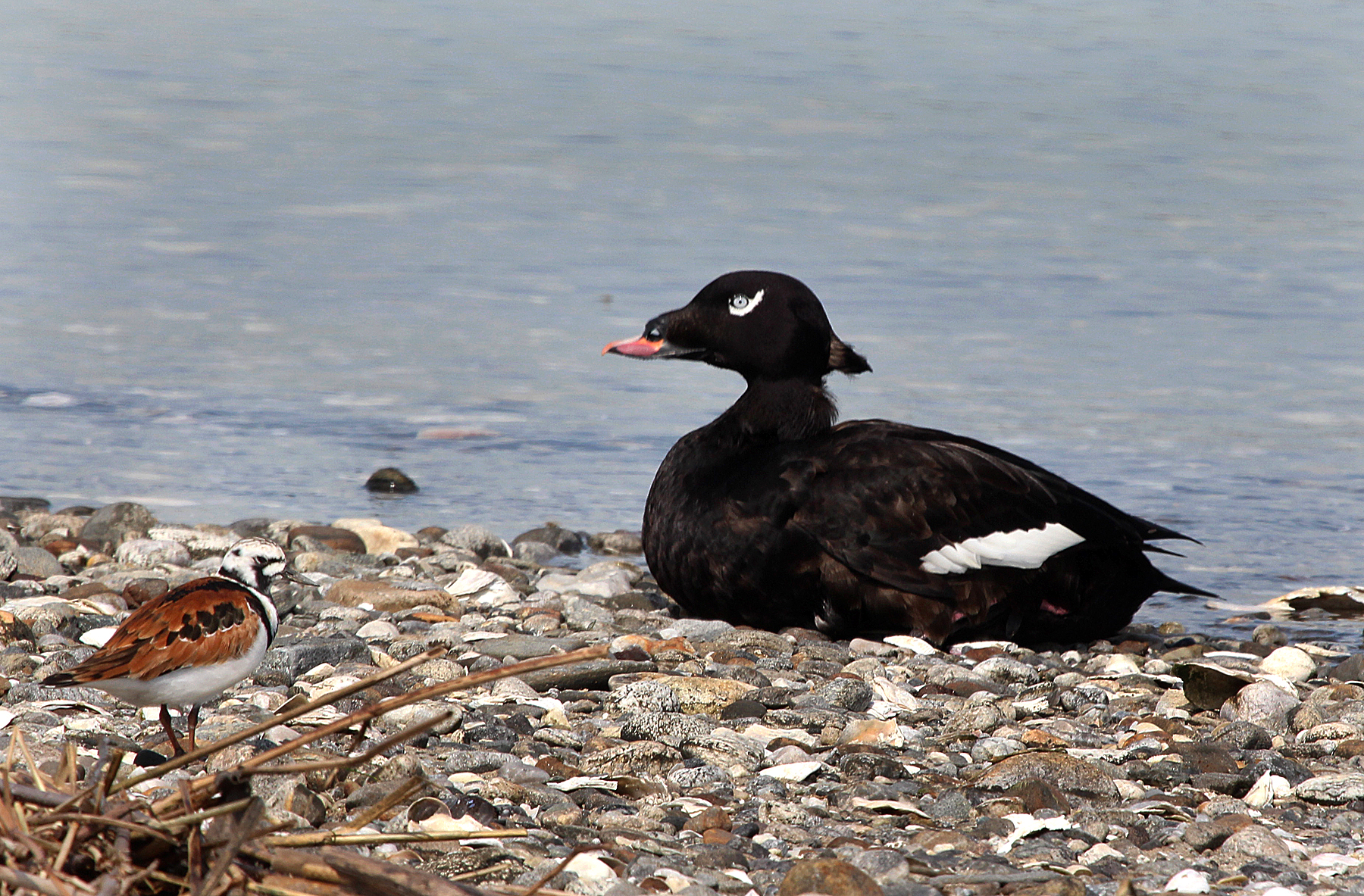
Photo by Chris Bosak A White-winged Scoter rests on the beach as a Ruddy Turnstone shares the area at Coastal Center at Milford Point on Monday, May 12, 2014.

Photo by Chris Bosak
A White-winged Scoter rests on the beach as a Ruddy Turnstone shares the area at Coastal Center at Milford Point on Monday, May 12, 2014.

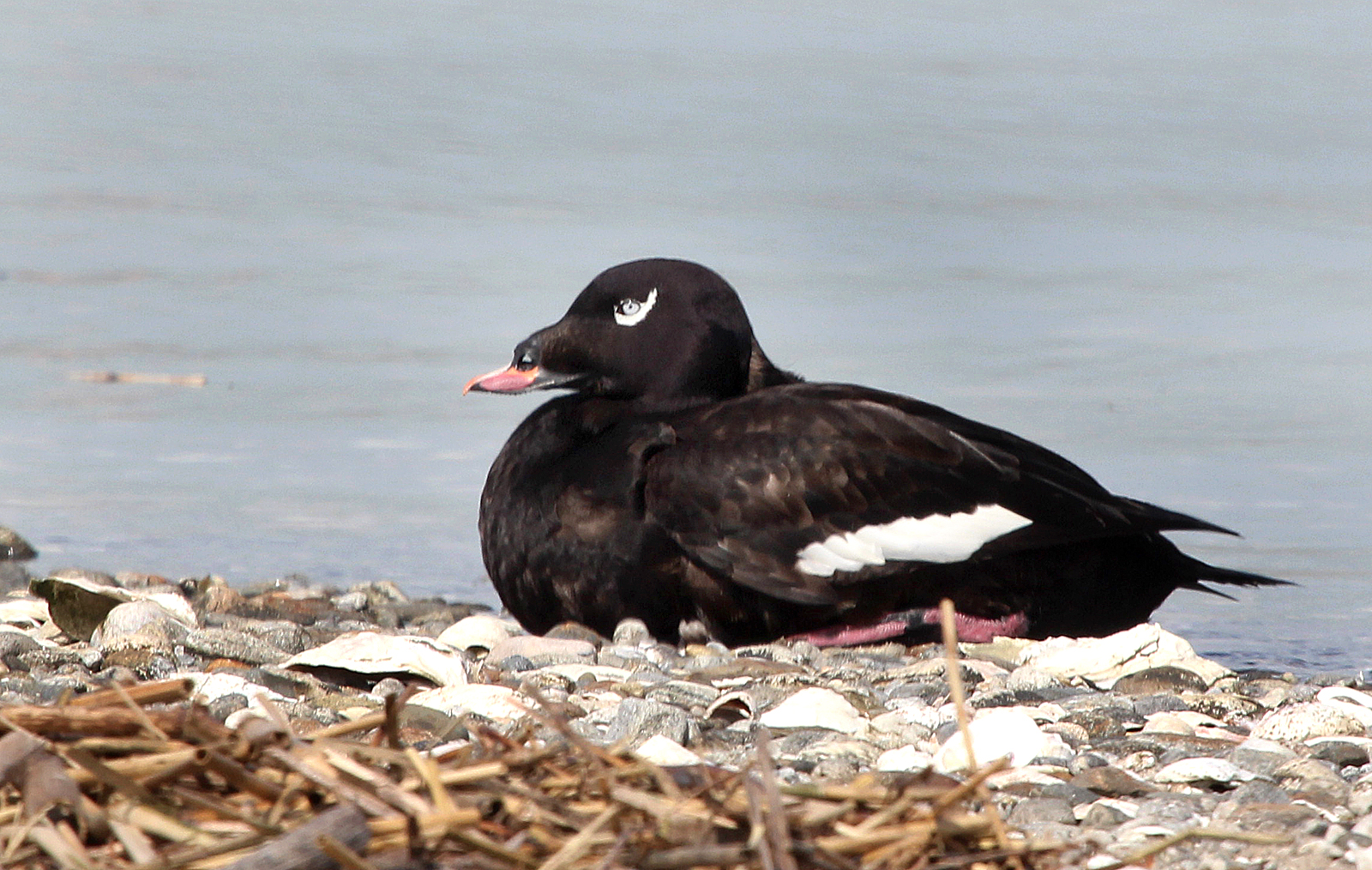
While doing my weekly volunteer shorebird monitoring at Coastal Center at Milford Point, I came across a surprise bird on the beach. A White-winged Scoter, usually a bird I see in the distance on the waters of Long Island Sound during the winter, was sitting on the beach with dozens of little (in comparison) shorebirds.

It was an odd scene to see the scoter resting on the beach as Ruddy Turnstones, Dunlin and Semipalmated Plovers scampered all around it.

Scoters are large sea ducks. Three types are seen along the New England coast: Surf; Black; and White-winged.

The day also included sightings of Peregrine Falcon (a young one sitting on the beach), Least Terns, Brant, American Oystercatcher, Piping Plover, Lesser Yellowlegs, and other shorebirds.

Photo by Chris Bosak White-winged Scoter at Milford Point, Connecticut, May, 2014.

Photo by Chris Bosak
White-winged Scoter at Milford Point, Connecticut, May, 2014.

There’s the plover

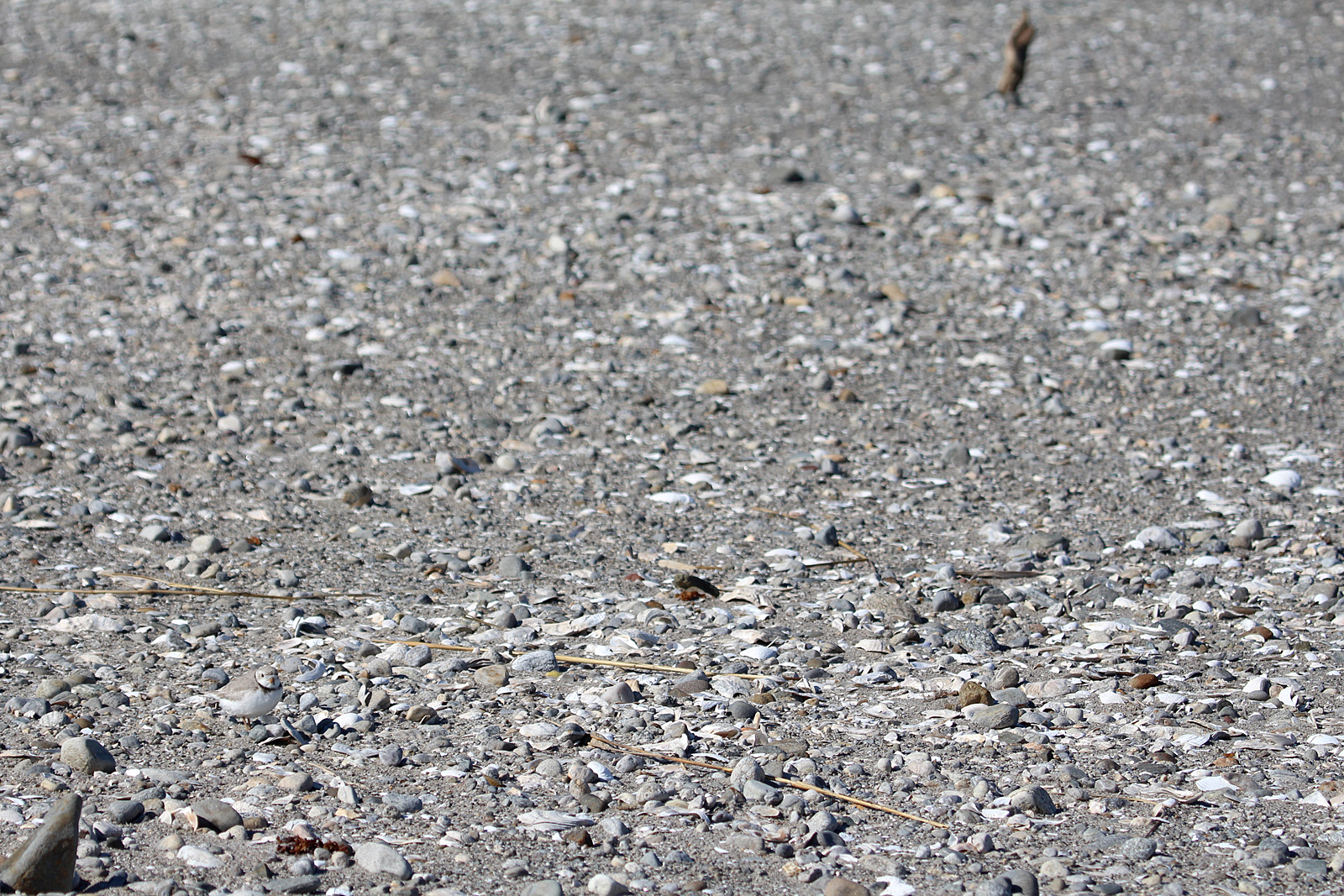
Did you find the Piping Plover in the photo I posted last week? Most people did, at least eventually, based on the poll results at the end of the post.

The answer is below. Click on “continue reading” to see the photo again with an arrow pointing to the bird.

For those who missed the photo, scroll down a few posts and see how long it takes you to find the Piping Plover. Then come back here for the answer. Thanks for checking out http://www.birdsofnewengland.com

Continue reading

Warbler season chugging along; lots of warbler photos

Photo by Chris Bosak A Black-throated Green Warbler perches in a tree at Selleck's/Dunlap Woods on Sunday, May 4, 2014.

Photo by Chris Bosak
A Black-throated Green Warbler perches in a tree at Selleck’s/Dunlap Woods on Sunday, May 4, 2014.

The New England spring warbler season is upon us in a big way and my favorite hang out, Selleck’s Dunlap Woods in Darien, Conn., is no exception. On Sunday, I counted 11 warbler species — with huge numbers of Black-and-white Warlbers and Black-throated Green Warblers — in addition to plenty of Baltimore Orioles, Gray Catbirds, and two vireo species.

Warblers are small, often colorful songbirds that winter in Central or South America and return to New England and points north each spring to breed. The spring warbler season is the highlight of the year for many birdwatchers.

It was a good day photographically, too, as I was able to get some decent shots for the first time of several species. So here, in no particular order, are a slew of spring migrant songbird photos — all taken either Sunday, May 4, or Monday, May 5.

I will be leading a walk from 7:30 to 9 a.m. on Saturday, May 10, at Selleck’s/Dunlap Woods. It is presented by the Darien Land Trust and open to all. Hope to see you there.

Lots more photos below. Click “continue reading.”

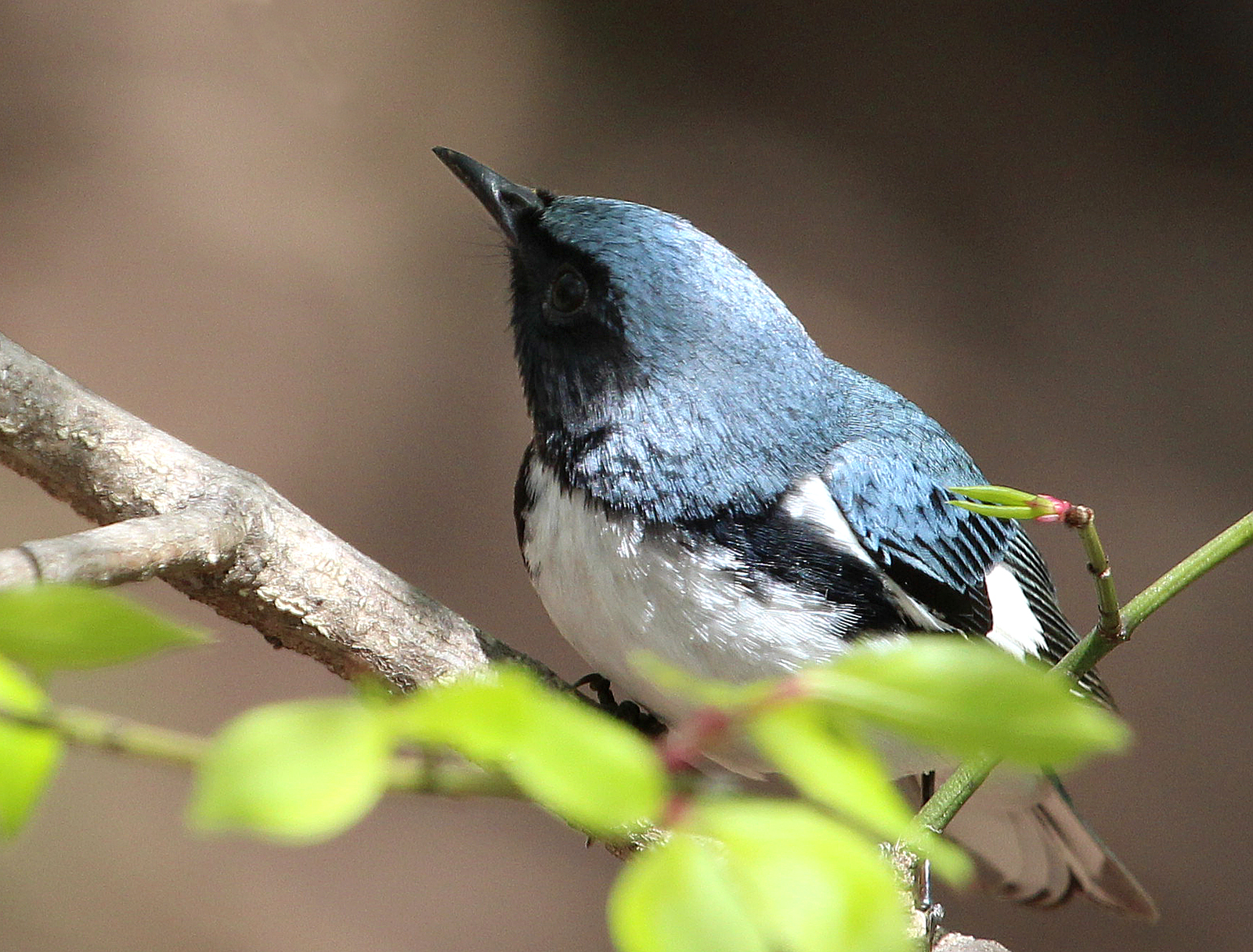
Photo by Chris Bosak A Black-throated Blue Warbler perches in a tree at Selleck's/Dunlap Woods on Sunday, May 4, 2014.

Photo by Chris Bosak
A Black-throated Blue Warbler perches in a tree at Selleck’s/Dunlap Woods on Sunday, May 4, 2014.

Continue reading

The brighter side of starlings

Photo by Chris Bosak European Starling visits feeding station in May, 2014.

Photo by Chris Bosak
European Starling visits feeding station in May, 2014.

Yes, European Starlings are overpopulated, outcompete native species for nesting sites, take over birdfeeding stations, destroy crops and really don’t belong in the United States in the first place, but … they sure can be a handsome bird in the breeding season, especially if the light hits them just right.

Starlings look markedly different from one season to the next. Their breeding plumage, seen above, features an array of dots, lines and colors, such as green, purple, blue and, of course, black.

I don’t often have good things to say about European Starlings, but this visitor to my feeder this morning at least temporarily softened my stance.

The story about how starlings ended up in the United States in the first place is very interesting. Here it is, from Wild Birds Unlimited:

“The European Starling was introduced into North America when the “American Acclimatization Society” for European settlers released some 80-100 birds in Central Park (New York City) in 1890-91. The head of this particular organization, Eugene Scheiffelin, desired to introduce all birds ever mentioned in the works of William Shakespeare.”

Read more by clicking here.


Shorebird quiz time: Find the Piping Plover

Photo by Chris Bosak Piping Plover at Coastal Center at Milford Point, Conn., April 2014.

Photo by Chris Bosak
Piping Plover at Coastal Center at Milford Point, Conn., April 2014.

My latest For the Birds Column focuses on the Audubon Alliance for Coastal Waterbirds, or in other words, volunteering to monitor Piping Plovers, Least Terns, American Oystercatchers and other shorebirds. The program is important in order to help protect these threatened birds. (See the column here.)

To give you an idea of the challenges faced by volunteers in finding Piping Plovers, here’s a fun little quiz for everybody. When on the beach you really have to look for motion in order to find the birds most of the time as they blend in so terrifically with their beach surroundings. With that in mind … the task of the quiz is simple: find the Piping Plover in the above photo.

Let me know how you did. I’ll post the answer later this week for those who can’t find it.

Yellow-headed Blackbird in Stamford, CT

Photo by Chris Bosak A Yellow-headed Blackbird perches in a tree at Cove Island Wildlife Sanctuary in April 2014.

Photo by Chris Bosak
A Yellow-headed Blackbird perches in a tree at Cove Island Wildlife Sanctuary in April 2014.

By now you may have heard about a Yellow-headed Blackbird that has been hanging around Cove Island Wildlife Sanctuary in Stamford, Conn. If not, don’t worry. I was a little late to the game, too.

But on Sunday morning I took a trip over there to see if the bird was still around. A birder from Rowayton was already there looking at the bird, which was at the main feeding station within the sanctuary. It remained only a few seconds before taking off to the top of a nearby tree. It returned after a few minutes and fed on the ground under the feeders for several minutes.

Yellow-headed Blackbirds are rare sightings in New England. They are western and Midwestern birds. I love my New England Red-winged Blackbirds, but Yellow-headed Blackbirds are even more colorful and much larger. Having never seen on in New England before, I was very impressed with the bird’s color, size, yellow rump patch and white wing patches.

David Winston arrived and said the bird had been there for several days and it frequented the feeding station. Suddenly the birds all darted off into the woods and other safe areas. While the bird was elsewhere temporarily, David Winston took the opportunity to make sure the feeders were filled and the ground underneath had plenty to offer. David is tireless in his efforts to promote and maintain the sanctuary.

Photo by Chris Bosak David Winston fills the feeders at Cove Island Wildlife Sanctuary this weekend, hoping to keep a rare Yellow-headed Blackbird in the area.

Photo by Chris Bosak
David Winston fills the feeders at Cove Island Wildlife Sanctuary this weekend, hoping to keep a rare Yellow-headed Blackbird in the area.

See more photos of the bird (taken by David Winston) by clicking here.

David spotted a Cooper’s Hawk in a somewhat distant tree, hence the apprehension for the feeder birds to stay at the feeder. Eventually the hawk flew off and the blackbirds came back. By now a few more birders had arrived and the star of the show returned.

In the field guide “Birds of North America” Kenn Kaufman mentions something about the Yellow-headed Blackbird’s “awful attempts to sing.” I can now vouch for that as the Stamford bird vocalized several times while I was there.

I returned very briefly this afternoon (April 28, 2014), but did not see the bird. Truthfully, I didn’t look that hard today. Time was short. Hopefully it’s still around and many other birders will be able to see it.

Another great rarity spotted at Cove Island Wildlife Sanctuary.
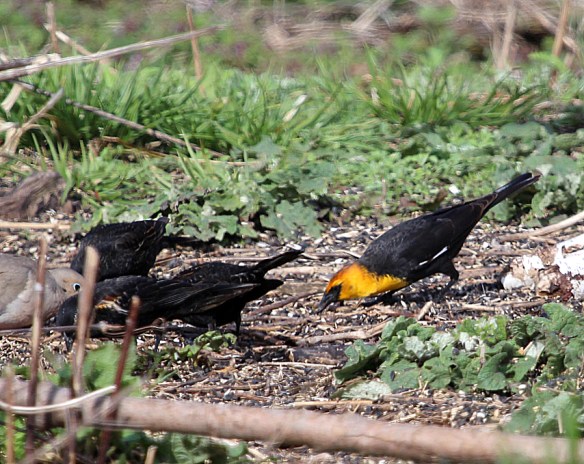
Photo by Chris Bosak A Yellow-headed Blackbird eats seeds under a feeder station at Cove Island Wildlife Sanctuary in April 2014.
Photo by Chris Bosak
A Yellow-headed Blackbird eats seeds under a feeder station at Cove Island Wildlife Sanctuary in April 2014.
Look who’s back on the bridge (Peregrine Falcon)

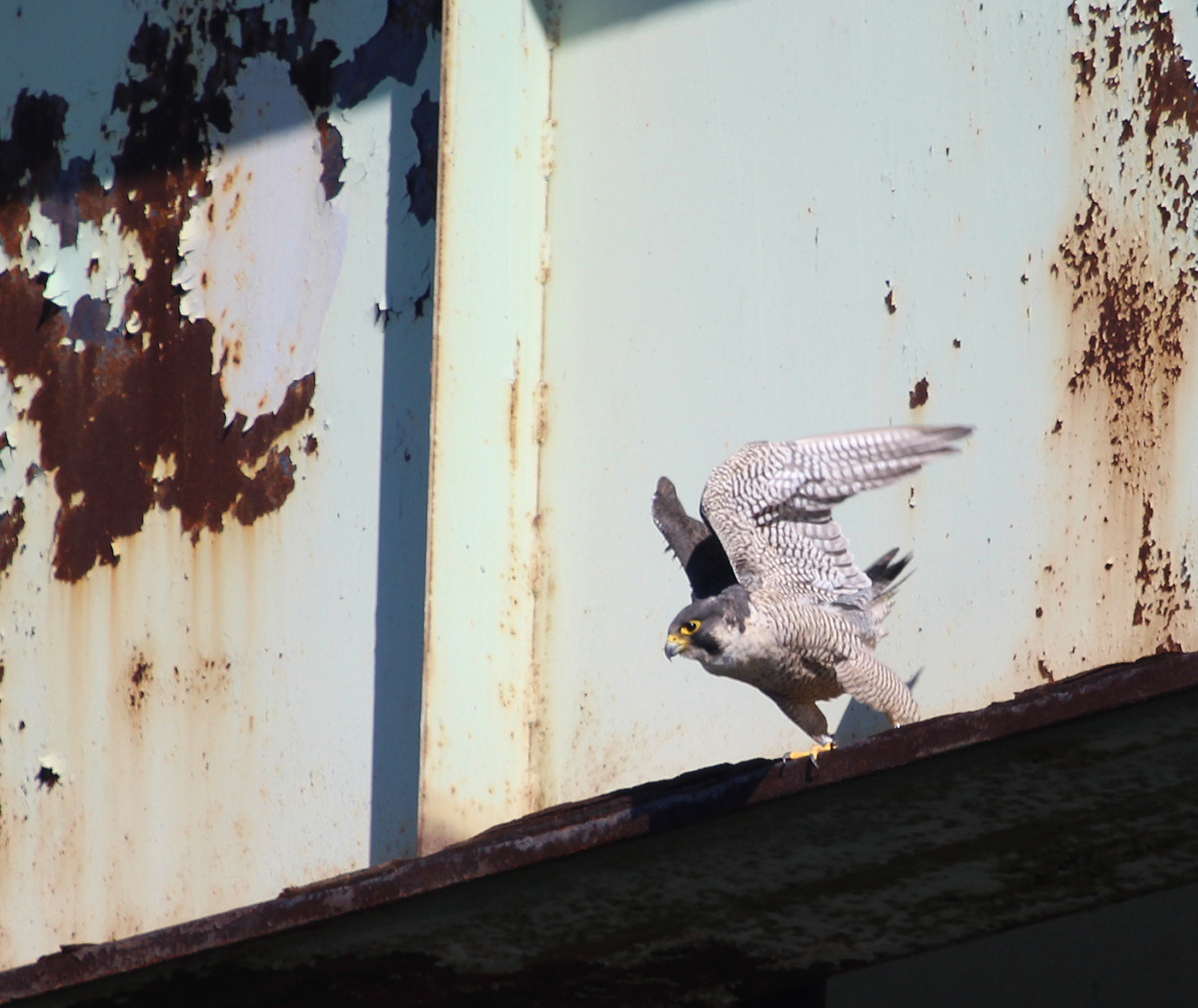
Photo by Chris Bosak Peregrine Falcon on Yankee Doodle Bridge on I-95 in Norwalk, Conn., April 2014.

Photo by Chris Bosak
Peregrine Falcon on Yankee Doodle Bridge on I-95 in Norwalk, Conn., April 2014.

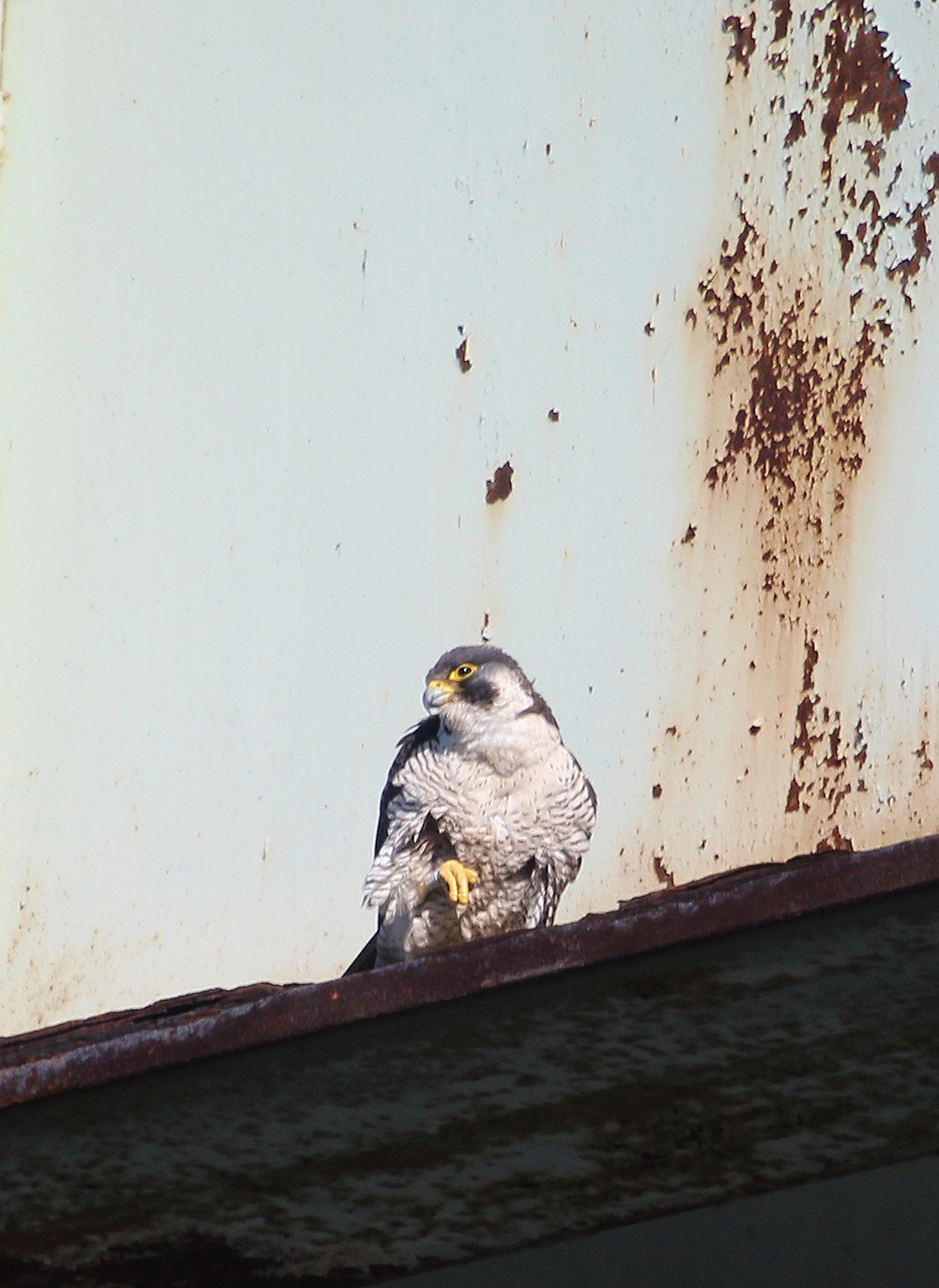
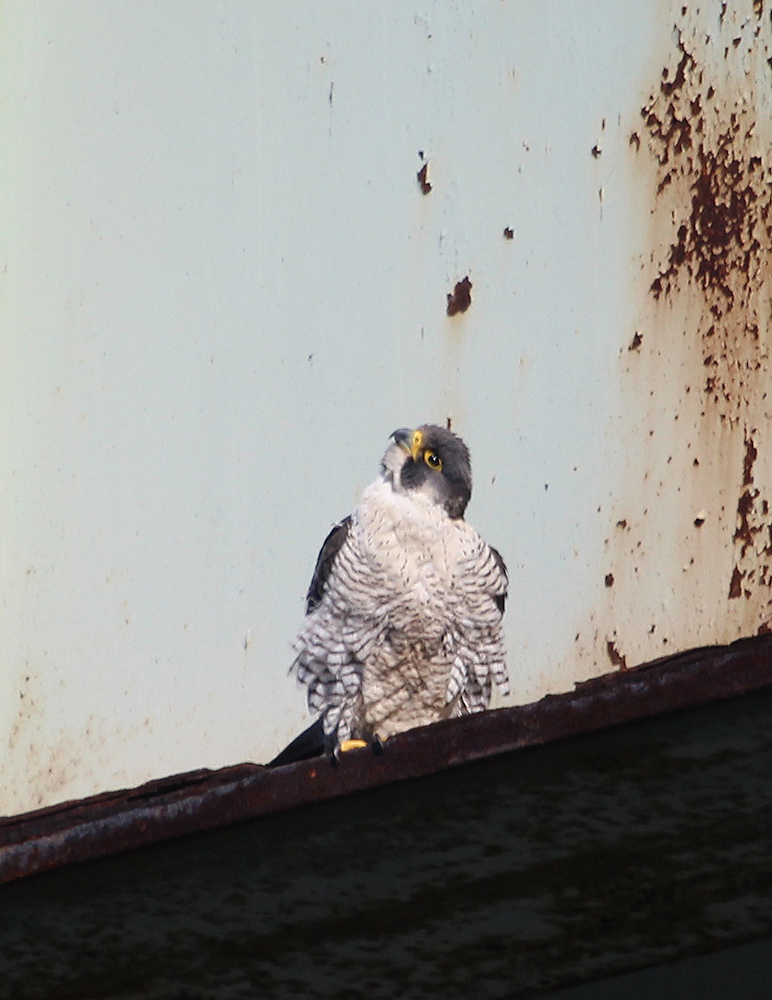
Two years ago a Peregrine Falcon pair nested and fledged two chicks under the bridge right next to where I work in Norwalk, Conn. I was lucky enough to see the birds every day as they flew, hunted and screeched around the Yankee Doodle Bridge (I-95).

The birds do not nest there anymore — which surprises me because they were successful when they tried two years ago — but they do come to the bridge fairly often. It’s a rare week that I don’t see them and typically it’s a few times a week I see them perched on the bridge. I like my work anyway, but seeing the falcons gives me another thing to look forward to as I start my days.

What birds brighten your days? Comment or email me to let me know.

More photos:

Photo by Chris Bosak Peregrine Falcon on Yankee Doodle Bridge on I-95 in Norwalk, Conn., April 2014.

Photo by Chris Bosak
Peregrine Falcon on Yankee Doodle Bridge on I-95 in Norwalk, Conn., April 2014.

Photo by Chris Bosak Peregrine Falcon on Yankee Doodle Bridge on I-95 in Norwalk, Conn., April 2014.

Photo by Chris Bosak
Peregrine Falcon on Yankee Doodle Bridge on I-95 in Norwalk, Conn., April 2014.