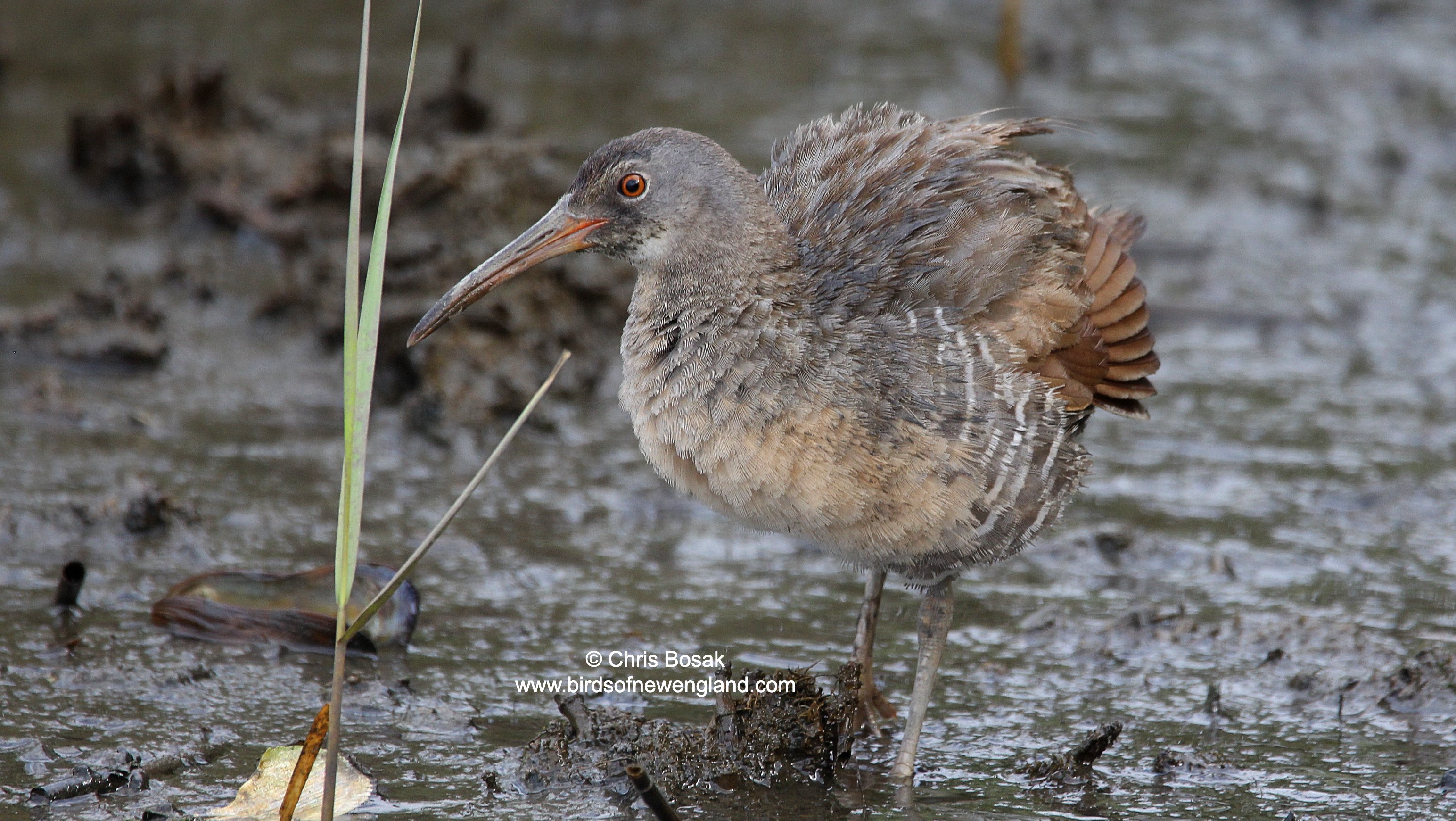
Green heron in the rain

Photo by Chris Bosak Green heron at Presque Isle State Park, Erie, Pa., May 2025.

I missed an opportunity to photograph a least bittern (it would have been my first photos of that species) when I noticed it too late, and it quickly and silently disappeared into the reeds never to be seen again.

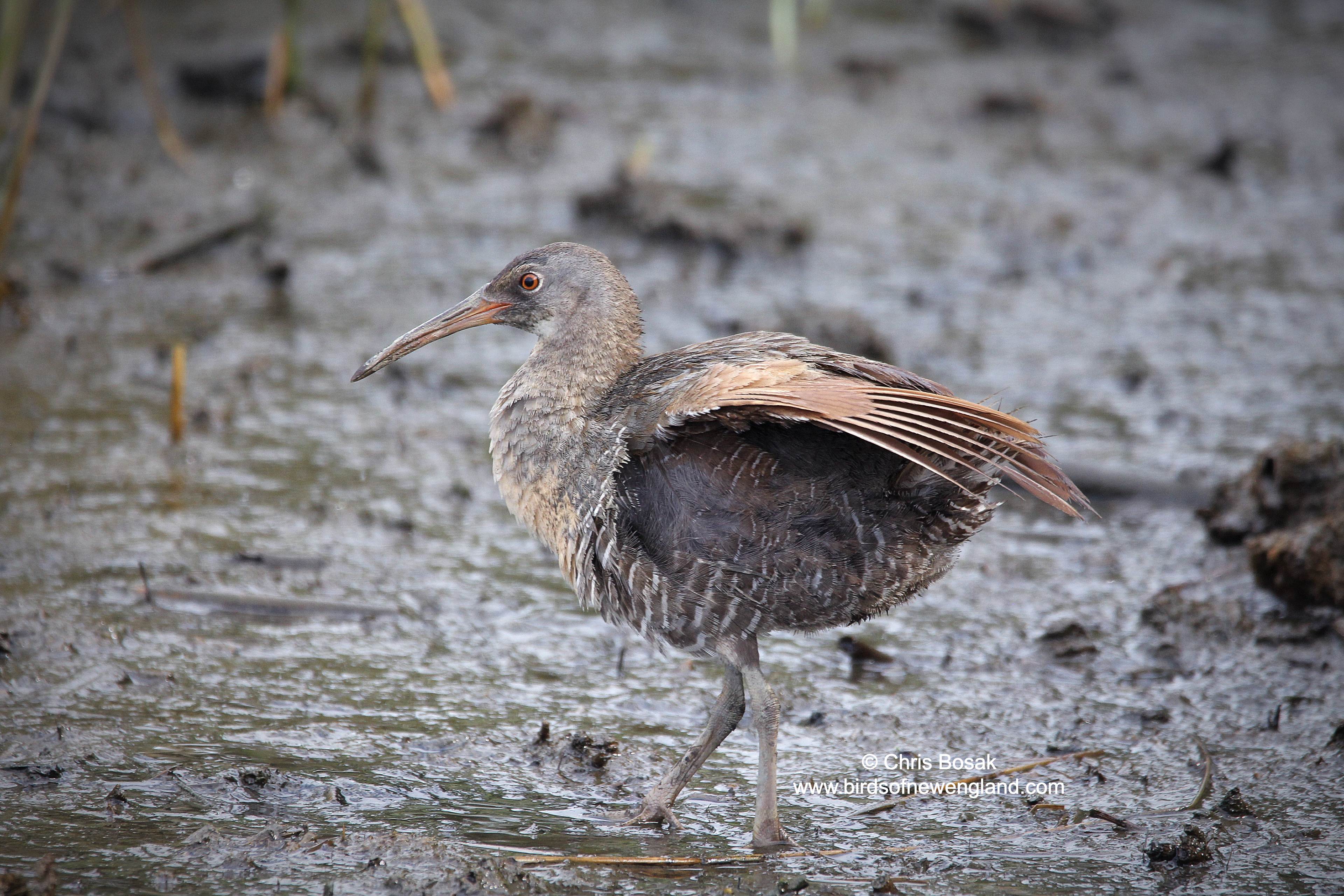
A few hours later, I found this green heron as a consolation prize. Not that I consider the heron a lesser bird, but I already had plenty of photos of green herons. A light rain was falling and at one point the heron shook its body to get rid of the excess water.

One day I’ll get that least bittern.

Photo by Chris Bosak Green heron at Presque Isle State Park, Erie, Pa., May 2025.

Brown thrashers never fail to stir excitement

Photo by Chris Bosak Brown thrashers at Presque Isle State Park, Erie, Pa., May 2025.

Brown thrashers are one of my favorite birds. I think I’ve now said that about 88 birds or more. But, really, brown thrashers are one of those birds that make me stop in my tracks every time I see one. In this case, I saw two. Thrashers are usually quite timid and do not allow for a close approach. I didn’t even try to get closer to these birds because I knew what the result would be. So, I let my zoom lens do the work from a distance that would not disturb the birds.

Below are a few shots of just one thrasher. (Just the name itself is awesome.)

Photo by Chris Bosak Brown thrasher at Presque Isle State Park, Erie, Pa., May 2025.
Photo by Chris Bosak Brown thrashers at Presque Isle State Park, Erie, Pa., May 2025.

A few more warbler photos

Photo by Chris Bosak Blackburnian warbler at Presque Isle State Park, Erie, Pa., May 2025.

Here are a few warbler photos I took earlier this month and never got around to posting, until now. The photos don’t do it justice, but the blackburnian warbler is one of the more strikingly colored birds that pass through New England. The warbler migration is winding down, but the ones that nest in our region will keep us busy and occupied for the next few months.

Photo by Chris Bosak Blackburnian warbler at Presque Isle State Park, Erie, Pa., May 2025.
Photo by Chris Bosak Bay breasted warbler at Presque Isle State Park, Erie, Pa., May 2025.
Photo by Chris Bosak Chestnut-sided warbler at Presque Isle State Park, Erie, Pa., May 2025.
Photo by Chris Bosak Black-and-white warbler, New England, spring 2025.
Photo by Chris Bosak Blackburnian warbler at Presque Isle State Park, Erie, Pa., May 2025.

For the Birds: Sandhill crane not on my Bingo card

Sandhill crane, Presque Isle, Erie, Pa., May 2025.

What is rare and causes excitement in one area is often commonplace and taken for granted in other areas.

For instance, a roseate spoonbill caused quite a stir in southern New England a few years ago. People came from all over the region to see it. If you visit the right places in Florida, however, roseate spoonbills, while I’m sure still appreciated, are no big deal to the locals.

Conversely, there are birds common to New England that sometimes stray into other regions where they are not common and are a thrill for the people in that region.

Last week, while visiting my brother in Erie, Pennsylvania, I had one of those out-of-place bird experiences. We were walking along a trail looking for warblers and other migrating songbirds when I heard in the distance a very loud song from a bird that I did not recognize. Even though I didn’t know what the song was right away, I knew it was something special as I was certain I had never heard it before. The call was extremely distinctive, loud and carried a long way. 

My brother had his Merlin app activated and sandhill crane came up. I had no idea that there were sandhill cranes at Presque Isle State Park as we have visited there frequently and had never seen, heard or even heard mention of the large birds being there before.

Continue reading

Oriole builds nest; construction goes quickly

Photo by Chris Bosak A Baltimore oriole builds a nest at Presque Isle State Park, Erie, Pa., May 2025.

Baltimore orioles have one of the most unique nests of all the songbirds in New England.

According to allaboutbirds.org, “Baltimore Orioles build remarkable, sock-like hanging nests, woven together from slender fibers. The female weaves the nest, usually 3 to 4 inches deep, with a small opening, 2 to 3 inches wide, on top and a bulging bottom chamber, 3 to 4 inches across, where her eggs will rest. She anchors her nest high in a tree, first hanging long fibers over a small branch, then poking and darting her bill in and out to tangle the hank. While no knots are deliberately tied, soon the random poking has made knots and tangles, and the female brings more fibers to extend, close, and finally line the nest. Construction materials can include grass, strips of grapevine bark, wool, and horsehair, as well as artificial fibers such as cellophane, twine, or fishing line. Females often recycle fibers from an old nest to build a new one. Males occasionally bring nesting material, but don’t help with the weaving. Building the nest takes about a week, but windy or rainy weather may push this as long as 15 days. The nest is built in three stages: first, the female weaves an outer bowl of flexible fibers to provide support. Next, springy fibers are woven into an inner bowl, which maintains the bag-like shape of the nest. Finally, she adds a soft lining of downy fibers and feathers to cushion the eggs and young.”

During my recent trip to Presque Isle State Park in Erie, Pa., I came across an oriole pair building a nest. We saw tons of orioles overall, but this was the only nest I found under construction. I was amazed at how much progress the orioles made in just one day. The first photo below was taken on a Sunday and next two photos (and the one above) were taken on a Monday. Nature is amazing.

Click here to see photos of sandhill cranes at Presque Isle.

Photo by Chris Bosak A Baltimore oriole builds a nest at Presque Isle State Park, Erie, Pa., May 2025.

For the Birds: Warbling vireos everywhere

Photo by Chris Bosak A warbling vireo sings from a branch in New England, spring 2025.

It’s funny how you can still discover new things after so many years.

I’m sure that applies to most hobbies, but it certainly applies to birdwatching. I have only recently “discovered” the warbling vireo. The small, loquacious bird, of course, has been around for far longer than I have been birdwatching, but I am only recently taking notice of it.

Part of the reason I may not have paid it much mind previously is that it is a small, fairly nondescript bird that typically hangs out in the middle to upper branches among the leaves. It is not like some birds that take an obvious perch somewhat low in the trees or brush and are easily found on a birdwalk.

Over the last couple of years, however, I have come to know warbling vireos not only because the males sing constantly, but I am finding them almost everywhere I go in the spring.

Continue reading

Sandhill cranes at Presque Isle. Who knew?

Sandhill crane, Presque Isle, Erie, Pa., May 2025.

I recently visited my old hometown of Erie, Pennsylvania, and took several trips to Presque Isle State Park with my brother Paul. Presque Isle is one of the country’s birding hotspots due to its location on Lake Erie. We have been birding there for many years, but this year we were surprised to see sandhill cranes there. I believe it is the first year sandhill cranes have stayed for an extended period of time at the park. A ranger expressed hope that the birds will breed there. More on the cranes coming to birdsofnewengland.com in a future column. In the meantime, here are several photos of the beauty.

Sandhill crane, Presque Isle, Erie, Pa., May 2025.

For the Birds: The other bird families that highlight spring in New England

Photo by Chris Bosak – A veery stakes out territory in New England, spring 2025.

Warblers get all the press, but they are hardly the only bird family that passes through in great numbers in the spring. 

I’m guilty myself of fixating on warblers, both in my birdwatching and writing. It’s hard not to as they are a fascinating family of birds and a joy to see in the spring. They come in a wide variety of colors, which is a welcome sight after a long, gray New England winter. 

But enough about warblers, at least for now. Let’s focus on some of the other families that brighten our spring.

The other day, during a morning walk, I saw a great-crested flycatcher, wood thrush, red-eyed vireo and field sparrow. They are all members of families that have several species that either migrate through or nest in New England. 

We don’t often think of sparrows as migrants as several types remain here all winter. I also think house sparrows are so ubiquitous that they are the only birds some people think about when they hear the word sparrow. But over the past few days, I’ve seen chipping sparrows, swamp sparrows and field sparrows. Don’t forget that eastern towhees are sparrows too. I’m growing more and more fond of the sparrow family as time goes on – house sparrows excluded. 

Continue reading

Singing in the spring: Warbling vireo

Photo by Chris Bosak A warbling vireo sings from a branch in New England, spring 2025.

It’s not surprising to get a photo of a warbling vireo, as these birds sing constantly. A bird that is true to its name.

Singing in the Spring: Blue-winged warbler

Photo by Chris Bosak A blue-winged warbler sings in New England, spring 2025.

Here is the latest photo in the Singing in the Spring series: the blue-winged warbler. One of my favorite warblers, blue-winged warblers arrived back in New England over the last two weeks. They nest in New England and have a song that sounds more insect-like than bird-like.