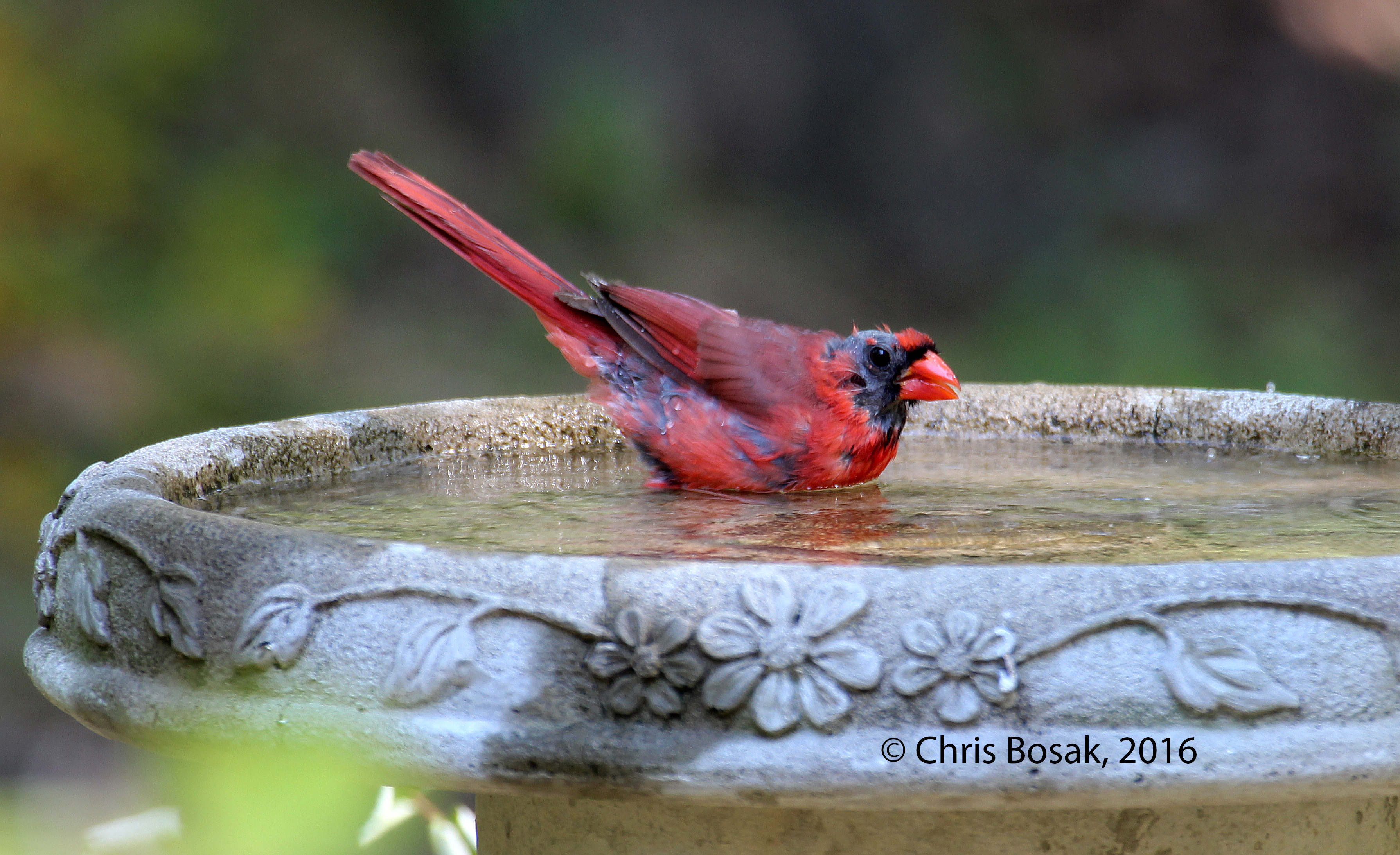
For the Birds: What’s up with the bald cardinal?

Photo by Chris Bosak A Northern Cardinal drinks from a bird bath in New England, fall 2015.
Photo by Chris Bosak
A Northern Cardinal drinks from a bird bath in New England.

I’ve seen it dozens of times, but it’s always initially startling when I see a molting cardinal with a bald head.

My home office looks over the side yard where my birdfeeders are located. (No surprise there, I’m sure.) There are tall bushes on either side of the feeders, and most birds perch in one of those before venturing over to the feeders. 

Lately, the action has been predictably a bit slower as the birds are busy raising young. Throughout the day, however, the usual assortment of chickadees, titmice, nuthatches, song sparrows, blue jays, mourning doves, downy woodpeckers and cardinals pay visits. So far this summer, as a pleasant surprise, gray catbirds are my most common visitors as they come to eat mealworms and suet. They are also frequent visitors to the birdbath located a few dozen yards away. I never pinpointed it, but I know the catbirds have a nest in one of the nearby bushes.

Continue reading

Just a few bobolinks

Photo by Chris Bosak
A male bobolink perches in a field in Brookfield, Connecticut, summer 2026.

Just a few bobolinks I met the other day on a walk.

Photo by Chris Bosak
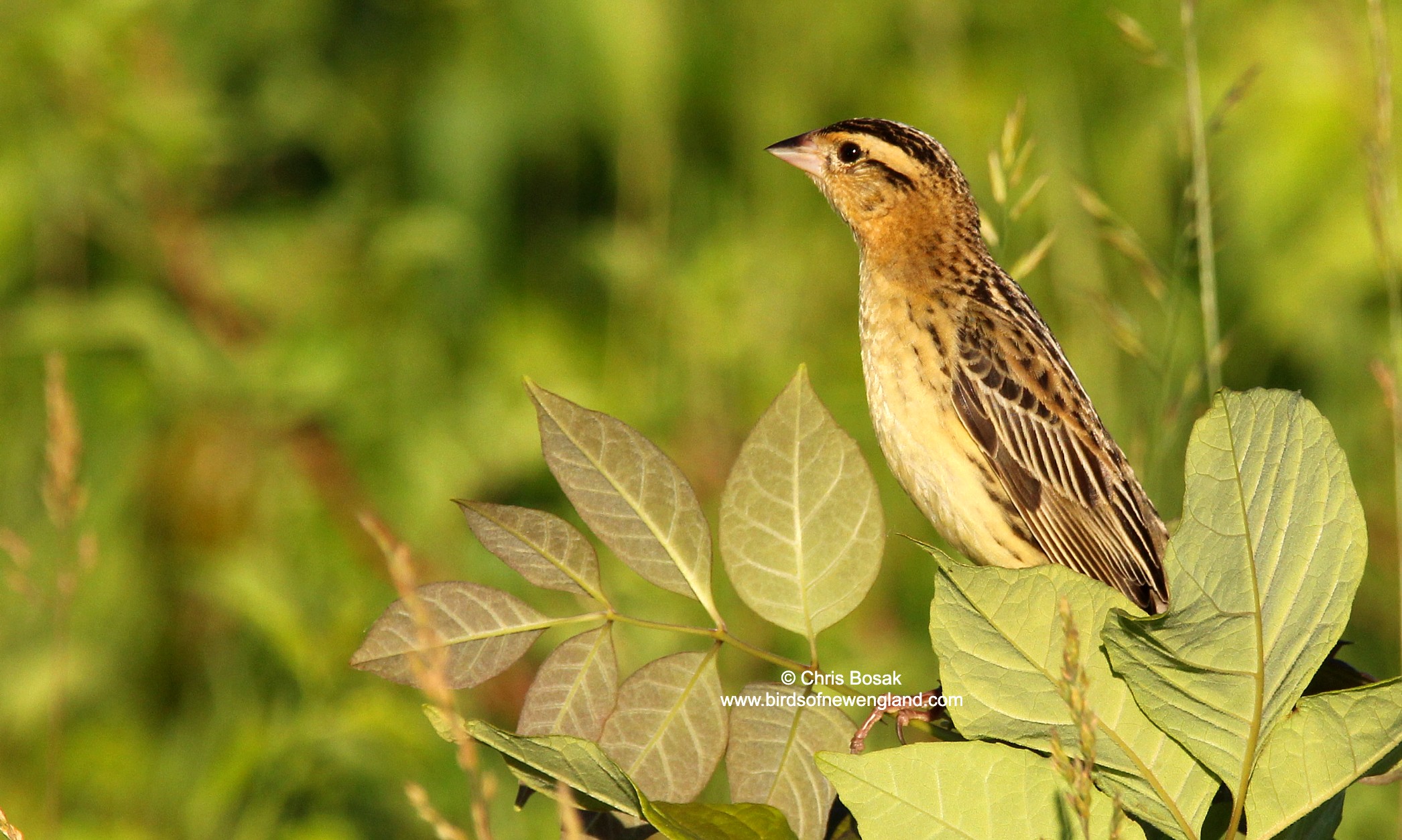
A female bobolink perches in a field in Brookfield, Connecticut, summer 2026.
Photo by Chris Bosak
A bobolink perches in a field in Brookfield, Connecticut, summer 2026.

For the Birds: Yellow warbler no more; warbling vireo no more

Photo by Chris Bosak
A warbling vireo sings from a perch in New England.

Last year I wrote about finding a house wren and not being able to find it on the eBird list only to discover that the name of the bird had been officially changed to northern house wren.

Well, this year, there were two more similar name changes. First, the yellow warbler is now the northern yellow warbler. I think most people will continue to call it yellow warbler for years to come, but the familiar, loquacious yellow bird that nests throughout New England is, indeed, now the northern yellow warbler. 

Continue reading

For the Birds: Summer is for birding

Photo by Chris Bosak
Yellow warbler at Huntington State Park, Redding, CT. Yellow warblers are common summer sightings throughout New England.

Summer gets a bad rap for birdwatching.

Sure, it’s not as exciting as the spring migration when every day is a new discovery and a whirlwind of birding activity, but the summer has its own rewards. The most exciting part of summer birdwatching, of course, is discovering nesting activity and watching young birds grow. There’s much more to summer birdwatching, however.

First, let’s acknowledge some of the challenges to birdwatching in the summer. Finding a bird in the woods becomes extremely difficult as the leaves are out in full force. You can drive yourself batty trying to find an eastern wood pewee high atop a leafed-out maple or oak.

Birds are also much less vocal in the summer than they are in the spring. Very often in birdwatching, birds are heard before they are seen. You hear a bird, look in that direction, and you find the bird. It’s not always that easy, for sure, but you get the idea. In the summer, birds don’t always give us that verbal cue, making it much more difficult to spot them. Birds don’t want to be seen in the summer, as they are on nests or raising young. The last thing they want is to be discovered, so they remain hidden and silent.

Finally, birdwatching hours in the summer are not conducive to late sleepers or those who turn in early. The long days mean that the sun rises early and sets late. True of all seasons, the best time to watch birds in the summer is early morning or evening. By 9 a.m., the sun is already high and harsh in the sky, and the temperature is rising. You can still find birds in the afternoon, but even the birds seek out shade when it’s too hot.

Now on to the good stuff.

Continue reading

For the Birds: Wrapping up the warbler season

Photo by Chris Bosak – A northern parula sings from the top of a shrub in New England this spring.

Now that the spring migration is over, at least for the most part, it’s time to turn our attention to summer birdwatching.

Before we do that, I want to recap my spring birdwatching highlights. Spring highlights often begin and end with warblers, and this spring was no exception, although some non-warblers are certainly worthy of inclusion here.

It was another good spring for warblers. I’ll get into some of the less common ones later in the column, but the warblers that are often seen in New England did not disappoint. Yellow warblers were, and continue to be, seemingly around every corner. Their ubiquitous song is inescapable. (Not that I’d want to escape it in the first place.)

Continue reading

Repeat performance for sandhill cranes at Presque Isle State Park

Photo by Chris Bosak
Sandhill cranes at Presque Isle State Park in Erie, Pennsylvania, May 2026.

It was a repeat performance for the sandhill cranes at Presque Isle State Park in Erie, Pennsylvania, earlier in May. Last year, my brother and I visited the park in my old hometown in northwestern Pennsylvania and were surprised to see sandhill cranes. Indeed, it was the first year the cranes attempted to nest at Presque Isle, which is a peninsula jutting into Lake Erie. Here’s the story from last year.

This year, the cranes are back, and by the time we visited the park, they had two young ones (colts) with them. I saw them only from a distance, so the photos aren’t great, but they’re serviceable enough. See the colt in the lower right of the top and bottom photos. I returned home to New England a few days later, and I haven’t heard whether the cranes were successful in raising the colts, but I hope so.

Sandhill cranes have also been nesting in random spots throughout New England over the last few years.

Photo by Chris Bosak
Sandhill crane at Presque Isle State Park in Erie, Pennsylvania, May 2026.
Photo by Chris Bosak
Sandhill cranes at Presque Isle State Park in Erie, Pennsylvania, May 2026.

A few birds from spring migration

Photo by Chris Bosak
A red-winged blackbird defends his territory, May 2026.

Here are a few shots taken over the last two weeks. More to come.

A hooded warbler sings from a perch in New England, May 2026.
Black-throated blue warbler, May 2026.
Photo by Chris Bosak
Black-and-white warbler at Huntington State Park, Redding, CT, May 2026.
Photo by Chris Bosak
A red-winged blackbird defends his territory, May 2026.

For the Birds: A worthwhile detour

Photo by Chris Bosak
A female Baltimore oriole brings material back to her nesting site this spring.

On my way to visit my family in Pennsylvania, I decided to stop at the Bashakill Wildlife Management Area in Sullivan County, New York, to see what birds might be in and around the giant marsh.

I used to canoe there frequently when I lived closer to that spot, but I hadn’t been there in many years. I didn’t have my canoe with me this time, but luckily there is a trail that follows the edge of the water and offers many expansive views.

As a bonus, the trail is wooded, so you get the shallow water on one side and the woods on the other. The Bashakill has a navigable channel winding through the middle, but the surrounding area is shallow water with thick aquatic vegetation where wood ducks and other birds find refuge. 

Continue reading

For the Birds: Don’t miss the action this spring

Photo by Chris Bosak
Yellow warbler at Huntington State Park, Redding, CT, May 2026.

Spring migration continues to work its magic. 

My walks have been filled with migrants, including a few FOYs (first of years) each time I go out. On one recent walk, I saw a veery, red-eyed vireo, and American redstart, all firsts of the year. It’s always nice to see birds for the first time since last spring, summer or fall. 

The feeling is a little different for birds that we know are just passing through and won’t nest here. Of course, it’s always nice to see the first rose-breasted grosbeak, scarlet tanager, Baltimore oriole or ruby-throated hummingbird, but we know they will nest locally, and we will have plenty more chances to see them over the next several months.

Some birds, however, especially select warblers, will not nest locally, so if we miss them during their short window of passing through New England, we have to wait until fall to try to catch a glimpse of them as they pass through during their southern flight. If we miss that opportunity, our next chance will be the following spring.

Continue reading

A few birds from this weekend

Photo by Chris Bosak
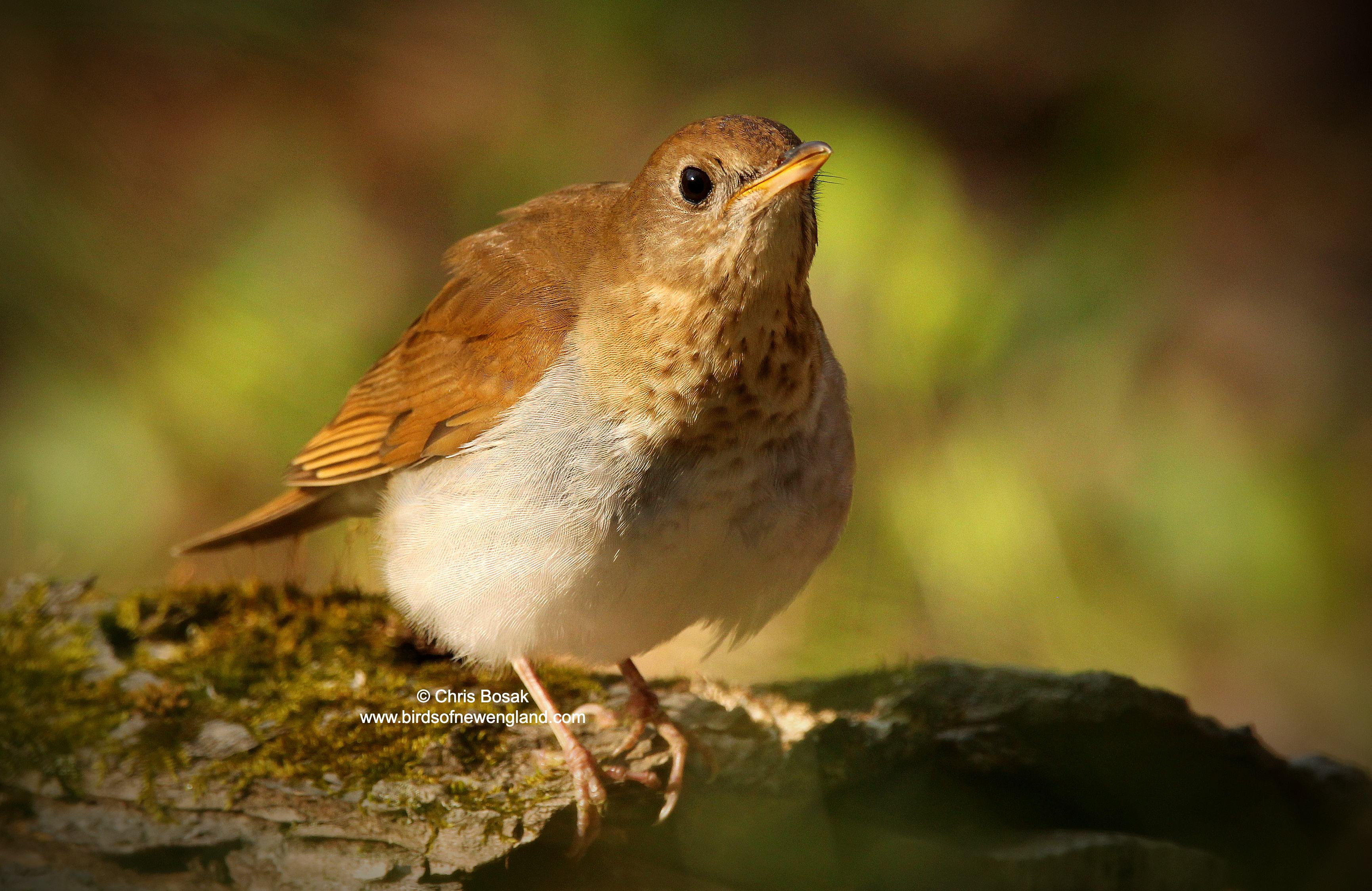
A veery at Huntington State Park in Redding, CT, May 2026.

Here are a few shots I got this weekend while out and about.

Photo by Chris Bosak
A veery at Huntington State Park in Redding, CT, May 2026.
Photo by Chris Bosak
A blue-winged warbler at Huntington State Park in Redding, CT, May 2026.
Photo by Chris Bosak
A black-capped chickadee at Huntington State Park in Redding, CT, May 2026.