For the Birds: Surrounded by juncos

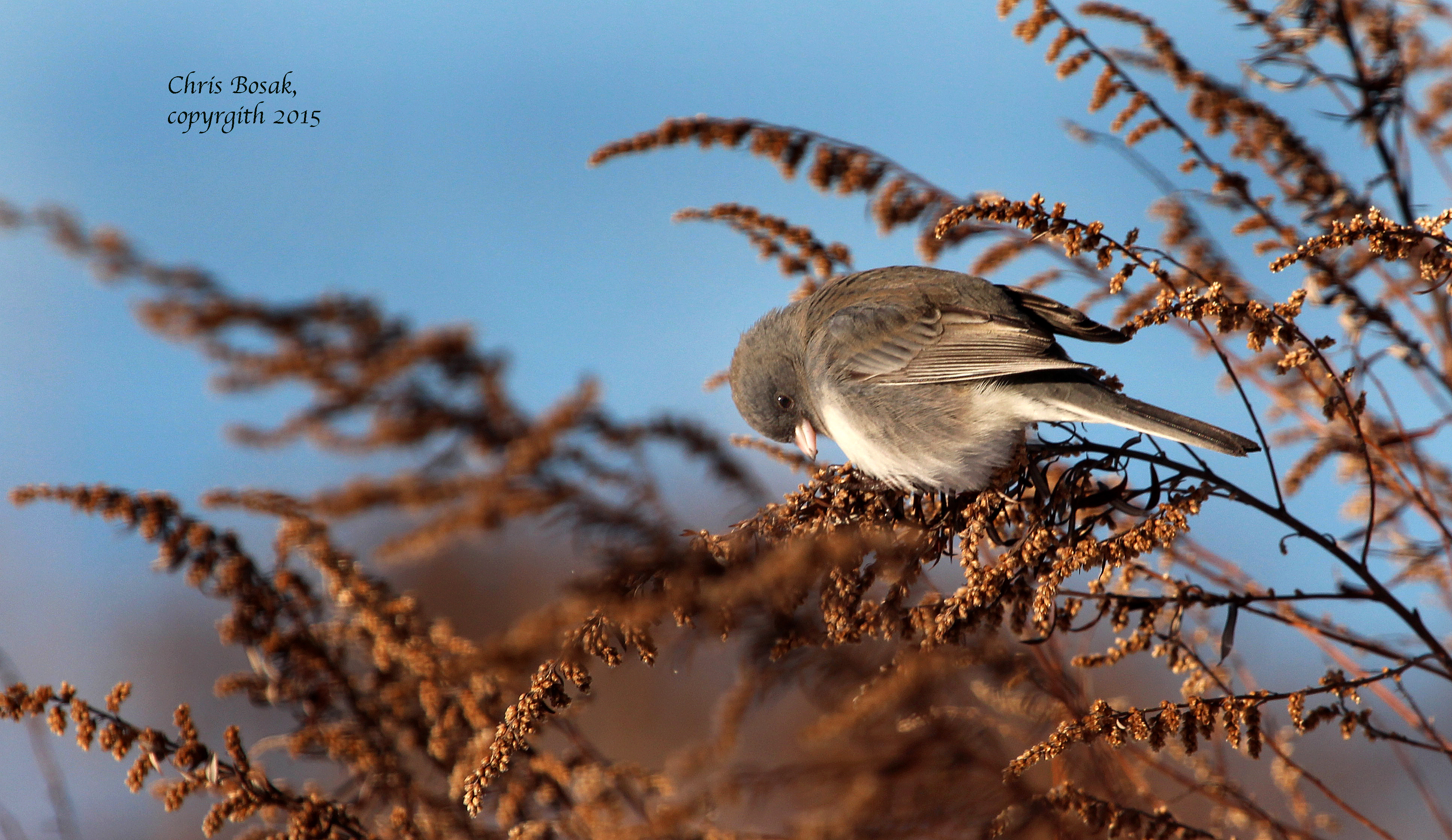
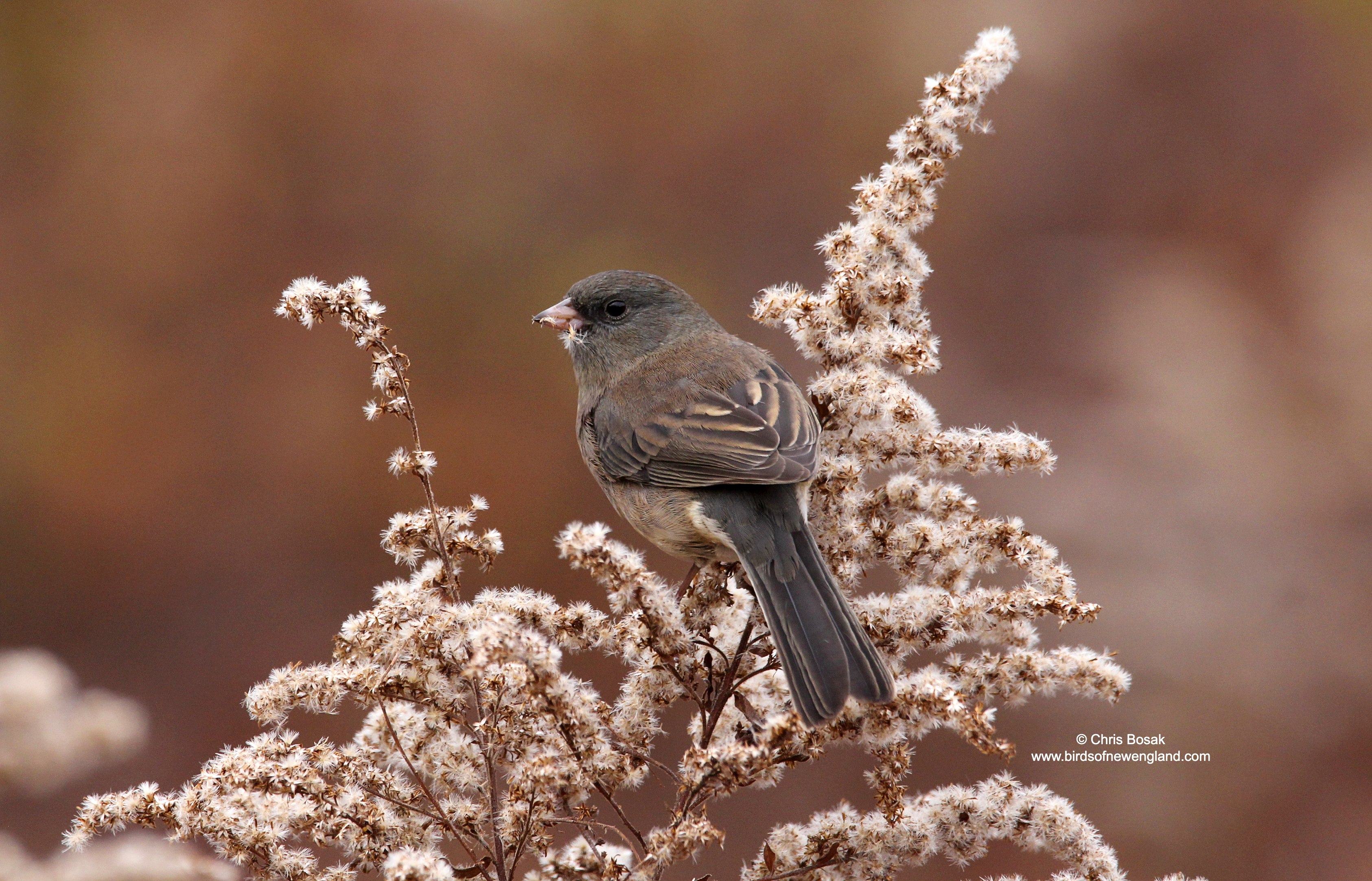
Photo by Chris Bosak – A dark-eyed junco eats goldenrod seeds at Huntington State Park in Redding, Connecticut, November 2025.

Have you seen any videos of kayakers being surrounded by whales? 

I’ve seen a few such videos. I’m not sure where they were filmed, but I’m reasonably sure they are real and not AI-generated. Of course, it’s getting harder to tell these days.

While being surrounded by whales would be a moment you’d never forget, I’m not sure I’d want to experience it. I didn’t get into bird- and wildlife-watching for extreme, brush-with-destiny experiences. 

I did, however, have a similar experience last week. Granted, this was far less risky and would never go viral on social media, but for me, it was a moment I won’t soon forget.

I came to the part of the trail where it exits the woods and cuts through the middle of a smallish meadow, about the size of a football field. Like most meadows, it looks vastly different depending on the season. In the spring, it is lush green and the flowers, weeds and grasses seem to grow by the hour. In the summer and early fall, colorful blooms take over the scene, and the growth is so thick that the trail becomes impassable. I tried plowing through the trail once in the summer and was covered with ticks by the time I reached the other side. I’m not doing that again.

In the fall, after the goldenrod has faded but before winter applies its death grip, the field is a pleasing palette of subtle brown and yellow notes. Fall foliage from the woods and brushy areas around the perimeter of the meadow paints the background with vibrant shades of red, orange and yellow.

Such was the scene the other day when I entered the meadow. I immediately noticed a ton of bird activity among the browned grasses and weeds. A lone palm warbler flew off into the brush, and a small group of white-throated sparrows followed suit. But the juncos remained.

I got about 15 steps into the meadow and stopped. I looked around and realized I was surrounded by juncos. The little black or dark gray and white birds went about their business of eating goldenrod seeds while I took in the scenery. It was difficult to get an accurate count because many of the birds preferred to do their seed hunting toward the middle of the plant instead of the top. I would guess there were at least 30 juncos total in all directions from where I stood, some as close as 10 feet away.

Again, not quite like being surrounded in a kayak by whales, but I’ll take it any day. 

On top of everything else, it was a perfect late fall morning. It was about 50 degrees, enough to need a sweatshirt but nothing more, and light cloud cover kept the harsh sun at bay. As I get older, I am much more appreciative of moments like this. I was outdoors, the temperature was ideal (for me anyway), and dozens of birds surrounded me. 

In this day of virulent political division, social media dumpster fires, and animosity toward fellow man by so many, it’s nice to get lost in moments like these. Leave it to New England nature to provide the perfect escape.

For the Birds: Junco makes case for Bird of Winter honorable mention

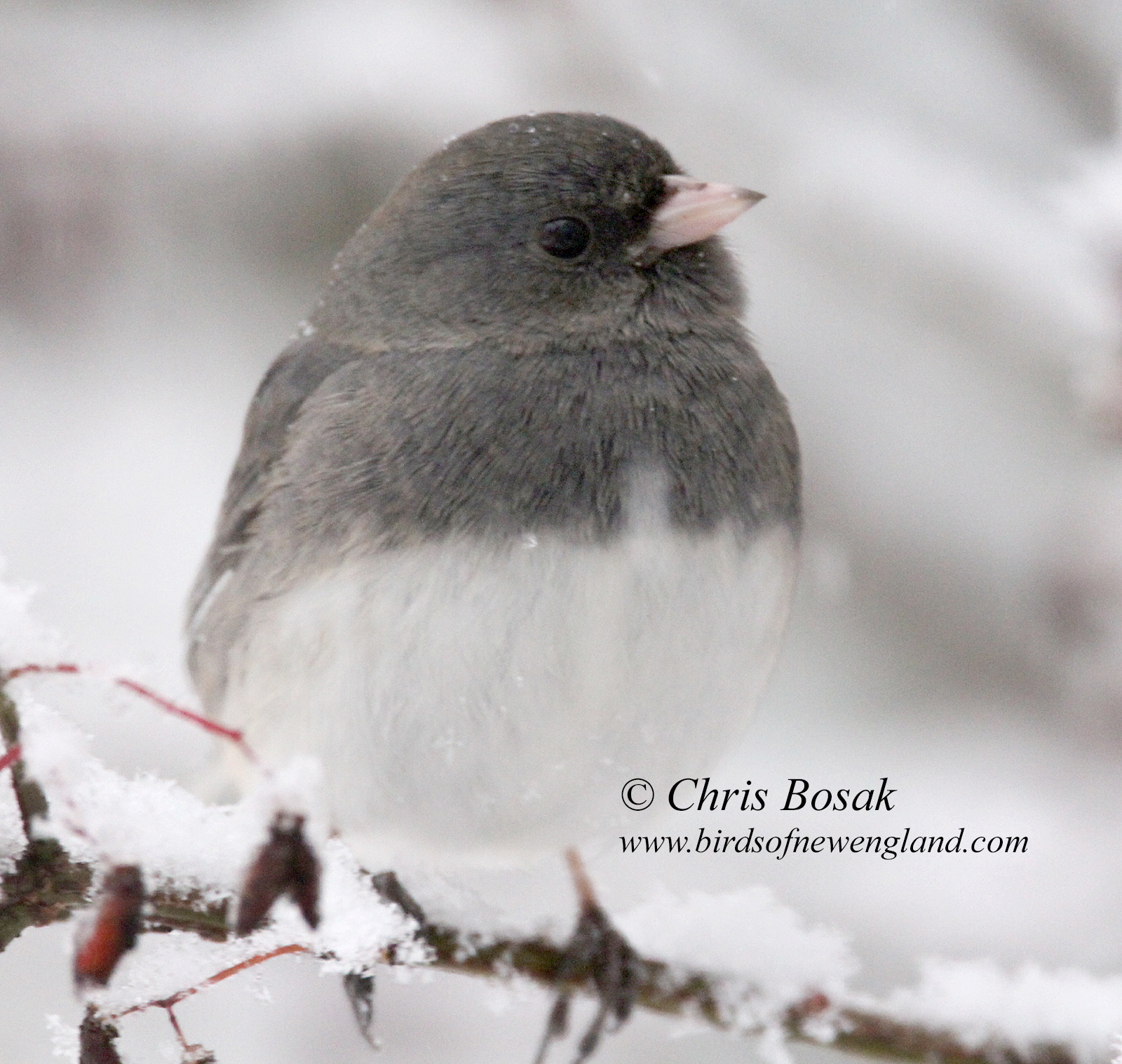
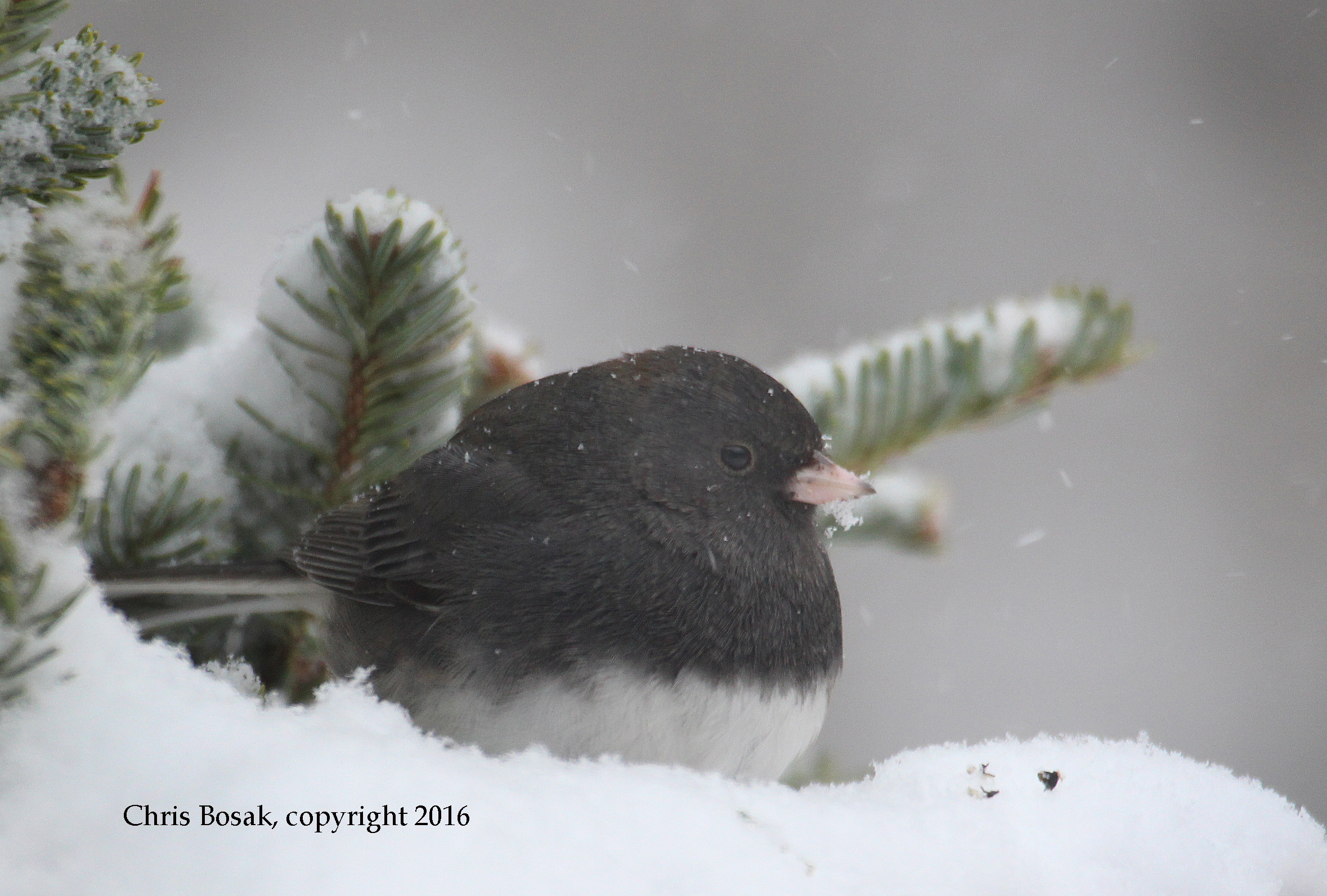
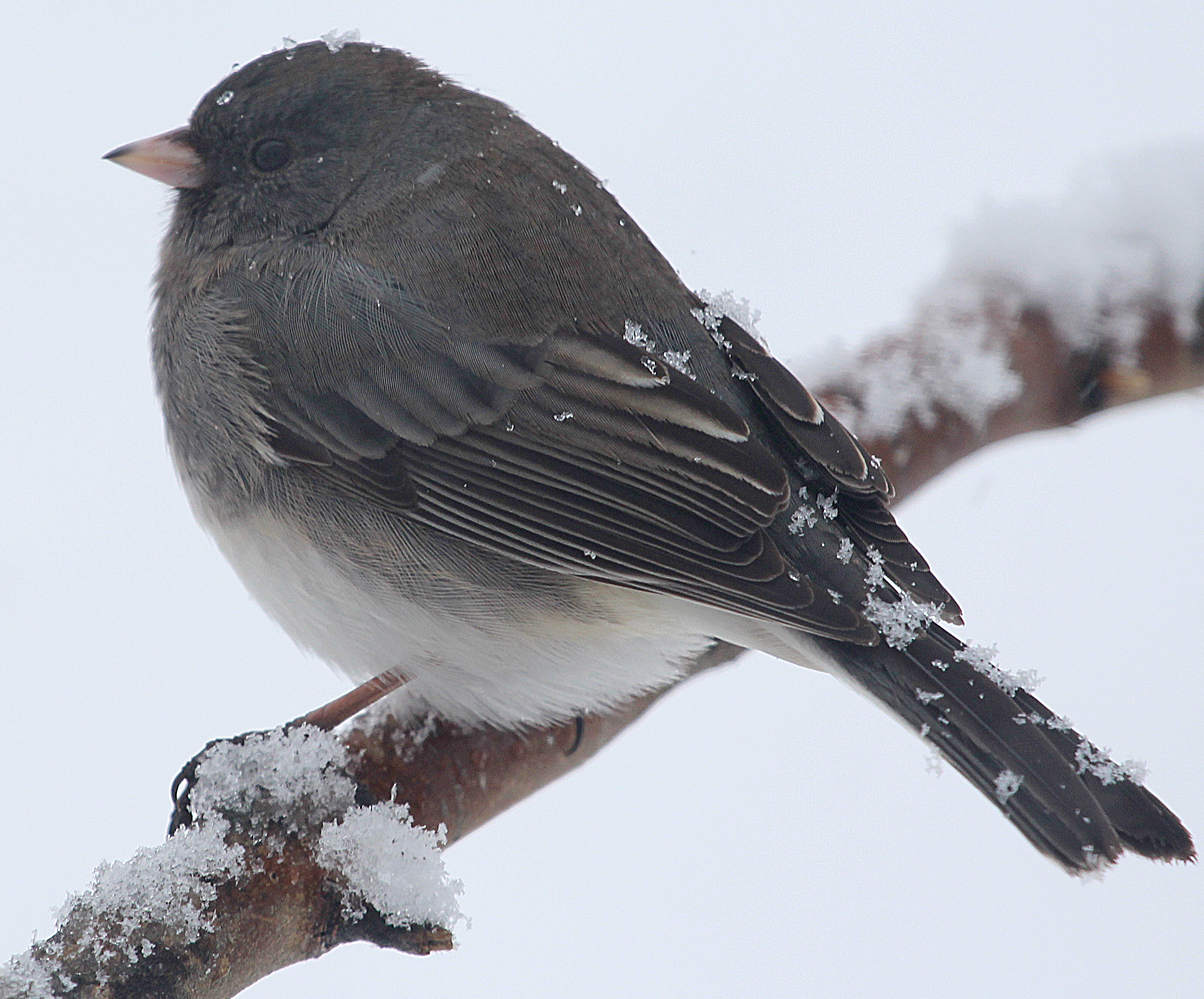
Photo by Chris Bosak A junco perches on a branch after a snowfall in New England, January 2022.

If it weren’t for the American robin running away with the Bird of Winter title, the dark-eyed junco would be a serious contender.

The Bird of Winter is my very unofficial contest for the bird species seen in unusually high numbers during the winter. As I wrote a few weeks ago, the American robin is far and away the leader this winter, and I continue to see great numbers of robins nearly everywhere I go these days.

The dark-eyed junco, which has won the Bird of Winter title in years past, is making a strong case for honorable mention this year. I see them in my yard, at work, on my walks and all along the roadsides.  

Continue reading

For the Birds column: What is that bird trillling?

Photo by Chris Bosak A Pine Warbler sits on a deck railing in New England this fall.

Photo by Chris Bosak
A Pine Warbler sits on a deck railing in New England this fall.

Here is the latest For the Birds column, which runs weekly in several New England newspapers.

The birds are moving through, that’s for sure.

Mornings in New England are now filled with the songs of so many birds it’s hard to separate the voices. Throw in a mockingbird imitating the songs of several birds, and the confusion ratchets up a level.

A tufted titmouse (peter, peter, peter) broke the morning silence one morning this week for me; a robin (cheery up, cheery oh, cheery up) the next morning. I love mornings filled with birdsong.

Have you heard a bird trilling recently? A long series of quick, high-pitched notes often rings out throughout New England during the spring. But what is that triller?

Continue reading

Before winter gets too far in the rearview mirror

Photo by Chris Bosak A black-capped chickadee perches on a homemade birdfeeder in Danbury, Conn., March 2017.

Photo by Chris Bosak
A black-capped chickadee perches on a homemade birdfeeder in Danbury, Conn., March 2017.

Here are a few leftover bird photos fro this past winter. Signs of spring are everywhere and more are popping up every day, so I’d better get these photos out there now …

This week and next I’ll sprinkle in some “signs of spring” photos, too.

Photo by Chris Bosak A dark-eyed junco perches on a deck railing in Danbury, Conn., March 2017.

Photo by Chris Bosak
A dark-eyed junco perches on a deck railing in Danbury, Conn., March 2017.

Latest For the Birds column: Return of the juncos

Photo by Chris Bosak A junco looks for seeds on a dried up plant at Weed Beach in Darien, Conn., in Jan. 2015.

Photo by Chris Bosak
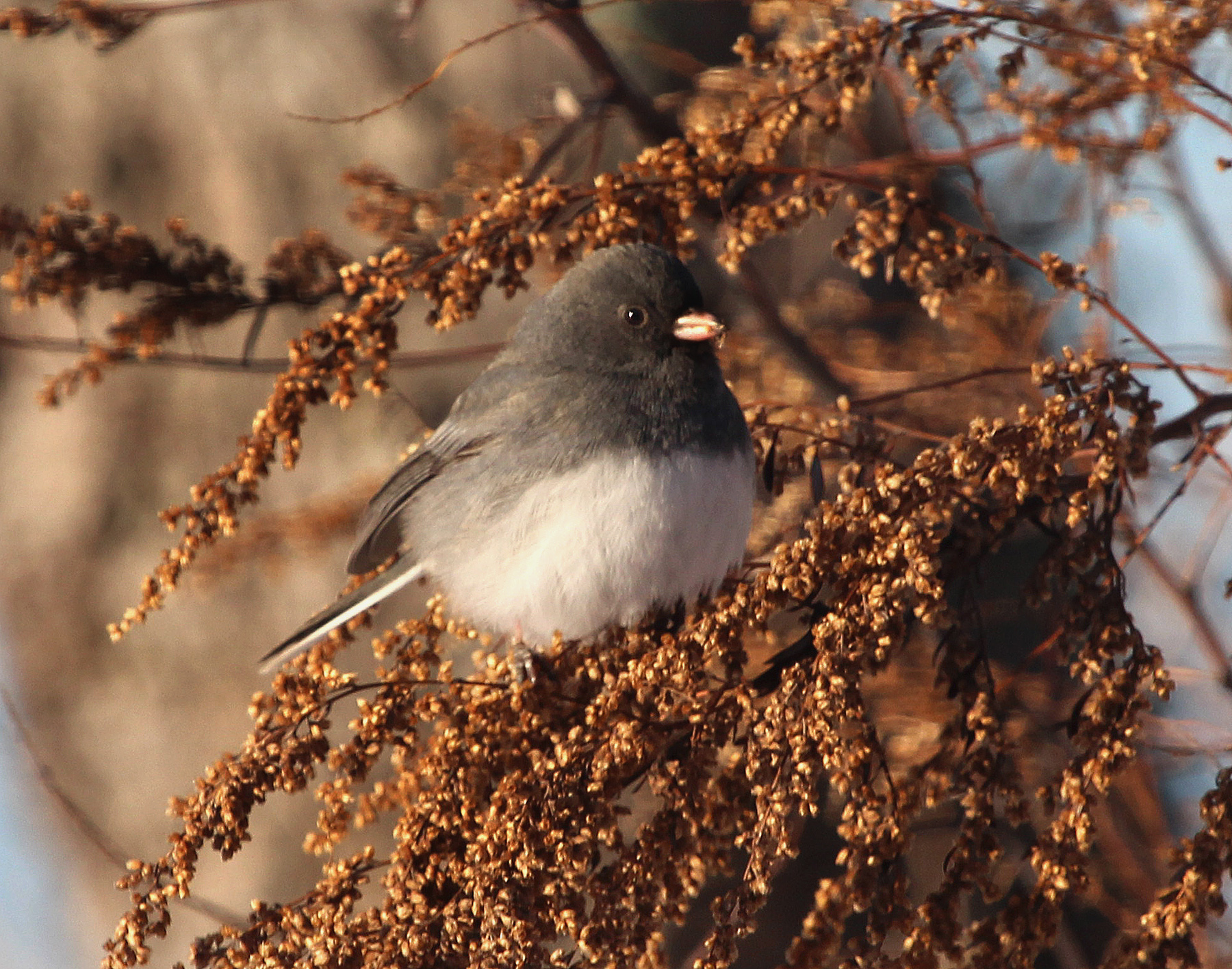
A junco looks for seeds on a dried up plant at Weed Beach in Darien, Conn., in Jan. 2015.

Here’s the latest For the Birds column, which runs weekly in The Hour (Norwalk, Conn.), The Keene (NH) Sentinel and several Connecticut weekly newspapers.

I was wondering when the first one would show up. Mid to late October is typically when the Dark-eyed Juncos start showing up throughout the southern half of New England, but I hadn’t seen one yet and October was quickly fading away.

Eventually I noticed something that looked out of place on a low branch of a hemlock that juts into my backyard. Black-capped Chickadees, Tufted Titmice and White-breasted Nuthatches had launched an all-out assault on my feeders in the morning and never stopped as the sun continued to get higher in the sky.

Clearly this bird on the hemlock was not one of those three species. I had seen enough of those birds to be able to identify them in my sleep.

Obviously, the bird was a Dark-eyed Junco. It was an adult male Continue reading

Birding signs of winter

Photo by Chris Bosak A junco perches on a dried up plant at Weead Beach in Darien, Conn., in Jan. 2015.

Photo by Chris Bosak
A junco perches on a dried up plant at Weed Beach in Darien, Conn., in Jan. 2015.

Sorry for that headline. I’m sure some of you out there are looking forward to winter, but for many it’s a dreaded time of year. Personally, I love winter because of all the different birds that show up just for that season. Plus, winter can be full of surprises (just like any season in New England.)

One sure sign of winter in the birding world is the arrival of Dark-eyed Juncos around feeding stations. Well, today was the day I saw my first one. A beautiful pitch-black and pure-white male hopped along my deck looking for seeds.

Winter’s coming and I’m not bummed at all.

More “junco in the snow” photos

Photo by Chris Bosak A Dark-eyed Junco eats a sunflower seedsthe day following a snow storm in New England, Jan. 2016.

Photo by Chris Bosak
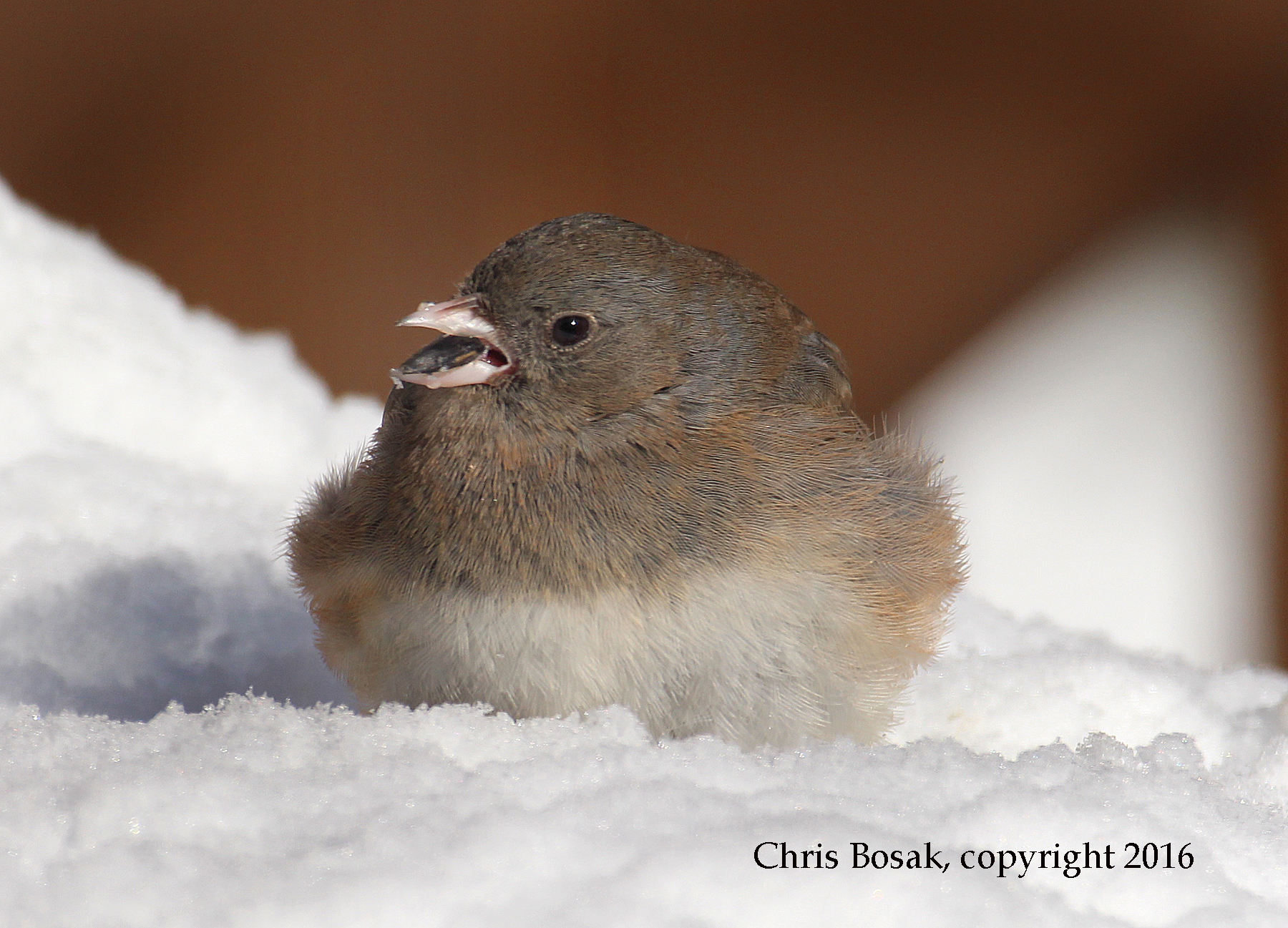
A Dark-eyed Junco eats a sunflower seedsthe day following a snow storm in New England, Jan. 2016.

My last posting on this site highlighted the plumage of a Dark-eyed Junco. But why stop at just one photo of a junco in the snow? I can’t think of a reason, so here’s a few more. Juncos mainly show up at our feeders in the winter, so we may as well enjoy these small sparrows while we can. The ones with darker plumage are adult males; the ones with lighter plumage are females or first-year males.

Photo by Chris Bosak A Dark-eyed Junco looks for seeds during a snow storm in New England, Jan. 2016.

Photo by Chris Bosak
A Dark-eyed Junco looks for seeds during a snow storm in New England, Jan. 2016.

Photo by Chris Bosak A Dark-eyed Junco looks for seeds the day following a snow storm in New England, Jan. 2016.

Photo by Chris Bosak
A Dark-eyed Junco looks for seeds the day following a snow storm in New England, Jan. 2016.

Photo by Chris Bosak A Dark-eyed Junco looks for seeds the day following a snow storm in New England, Jan. 2016.

Photo by Chris Bosak
A Dark-eyed Junco looks for seeds the day following a snow storm in New England, Jan. 2016.

Feather layers on a Dark-eyed Junco

Photo by Chris Bosak A Dark-eyed Junco eats sunflowers seeds the day after a snowstorm in Danbury, Conn., Jan. 2016.

Photo by Chris Bosak
A Dark-eyed Junco eats sunflowers seeds the day after a snowstorm in Danbury, Conn., Jan. 2016.

Check out the amazing feathers on this Dark-eyed Junco, seen here eating sunflower seeds the day after last week’s snowstorm.

Junco season winding down

Photo by Chris Bosak A Dark-eyed Junco perches in a tree in New England in March 2015.

Photo by Chris Bosak
A Dark-eyed Junco perches in a tree in New England in March 2015.

We love to see our first Dark-eyed Juncos of the late fall. They remind us that our winter birds have arrived and will be with us for the next several months.

Well, those months are passing by quickly and soon the junco sightings will become scarce again. So here’s a shot I took of a junco the other day. Will it be one of the last— at least until next fall?

Did you know …

• Juncos are members of the sparrow family

• There are several types of juncos in the U.S., including Slate-colored; Oregon; Pink-sided; White-winged; Gray-headed; and Red-backed. Only the Slate-colored is found in New England.


What’s a snow day without a new junco photo?

Photo by Chris Bosak Dark-eyed Junco during Jan. 2014 snowstorm.
Photo by Chris Bosak
Dark-eyed Junco during Jan. 2014 snowstorm.

When the snow flies — as it has done often this winter here in New England — you can be sure the Dark-eyed Juncos will come visit. Normally accompanied by at least a few White-throated Sparrows, juncos are typically found under bird feeders looking for fallen seeds. This snowstorm, however, I had juncos on the suet feeder, on the platform feeder and on the ground. So, of course, I had to break out the camera. What’s a snow day without a new junco photo?