Nuthatch after spring snow in New England

Photo by Chris Bosak A White-breasted Nuthatch takes a peanut from a feeder following a spring snow fall in New England in March 2016.

Photo by Chris Bosak
A White-breasted Nuthatch takes a peanut from a feeder following a spring snow fall in New England in March 2016.

The snow that covered the ground as New Englanders woke up on Monday morning seems like a distant memory. Sunshine and rising temperatures took care of the white stuff by the time afternoon rolled around.

But the morning certainly did look pretty and gave anyone who might be obsessed with photographing birds another chance to “shoot” them with a snowy background. Being of that ilk, I took advantage of the freshly fallen snow in the morning. I didn’t venture far. In fact, I focused on my feeders as they were particularly busy.

Here’s one shot from this morning — a White-breasted Nuthatch at my apple-shaped feeder. More to come, including additional photos of that homemade feeder being used.

Thanks for checking out http://www.birdsofnewengland.com

New homemade bird feeder works right away

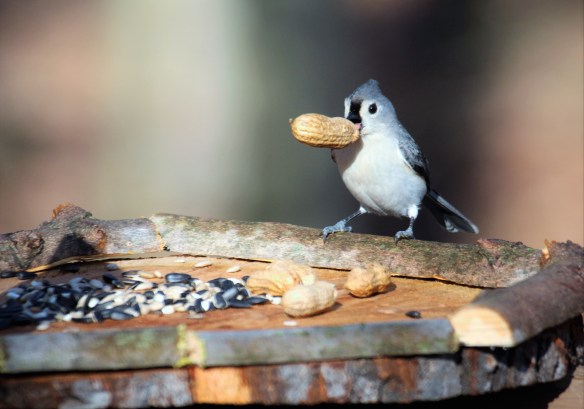
Photo by Chris Bosak A Tufted Titmouse takes a peanut from a new bird feeder in Danbury, Conn., March 2016.

Photo by Chris Bosak
A Tufted Titmouse takes a peanut from a new bird feeder in Danbury, Conn., March 2016.

Andrew, my 12-year-old son, has the week off of school. We did some traditional school’s-out activities, such as going to the movies, bowling, and just hanging around, but we set aside one day to work in the yard. (Well, I set it aside. He likely would not have chosen chopping and stacking wood as a day-off activity.)

But there we were: Chopping away and stacking them up. I broke out the chainsaw to cut some logs to fireplace length. There was one particularly large piece of wood so I decided to cut off a thin circle to make it into a homemade bird feeder. I had been wanting a platform feeder, but it seemed silly to spend money on something with such a simple design. I’m not big on making things and my “handy skills” are OK, but certainly not great. People who know me may even think that “OK” is pushing it.

But how hard could this be? A platform feeder is basically a large base and sides to keep the seeds from spilling out. Once I cut the circle, I cut in half some small pieces of a maple we recently took down as it was too close to the house. As I did that, Andrew drilled holes in the circle for drainage. We put a nail through the bottom of the circle near the edge, then pounded a piece of maple onto the nail. We continued until the circle was completely lined. It looks … well, let’s say rustic. That’s the look I was going for anyway.

I didn’t have chains or hooks to hang it up yet, so for the time being I just rested it on the railing of the deck. Andrew and I cleaned up the yard for the day and finally I put a handful of seed and a few peanuts on our new feeder.

I went inside for a long drink of water and to wash my hands. After drying my hands, I glanced out the window and two Tufted Titmice were already on the new feeder. It took all of about five minutes for it to get used. It is placed near the regular feeding station so it’s not like it had to be discovered, but it was still neat to see it being used _ especially so quickly.

Over the next 15 minutes or so, chickadees, Downy Woodpeckers, White-breasted Nuthatches and even American Goldfinches gave it a shot. The squirrels came later, of course.

Not a bad way to finish off a day of working in the yard.

Impressive wingspan on Great Blue Heron

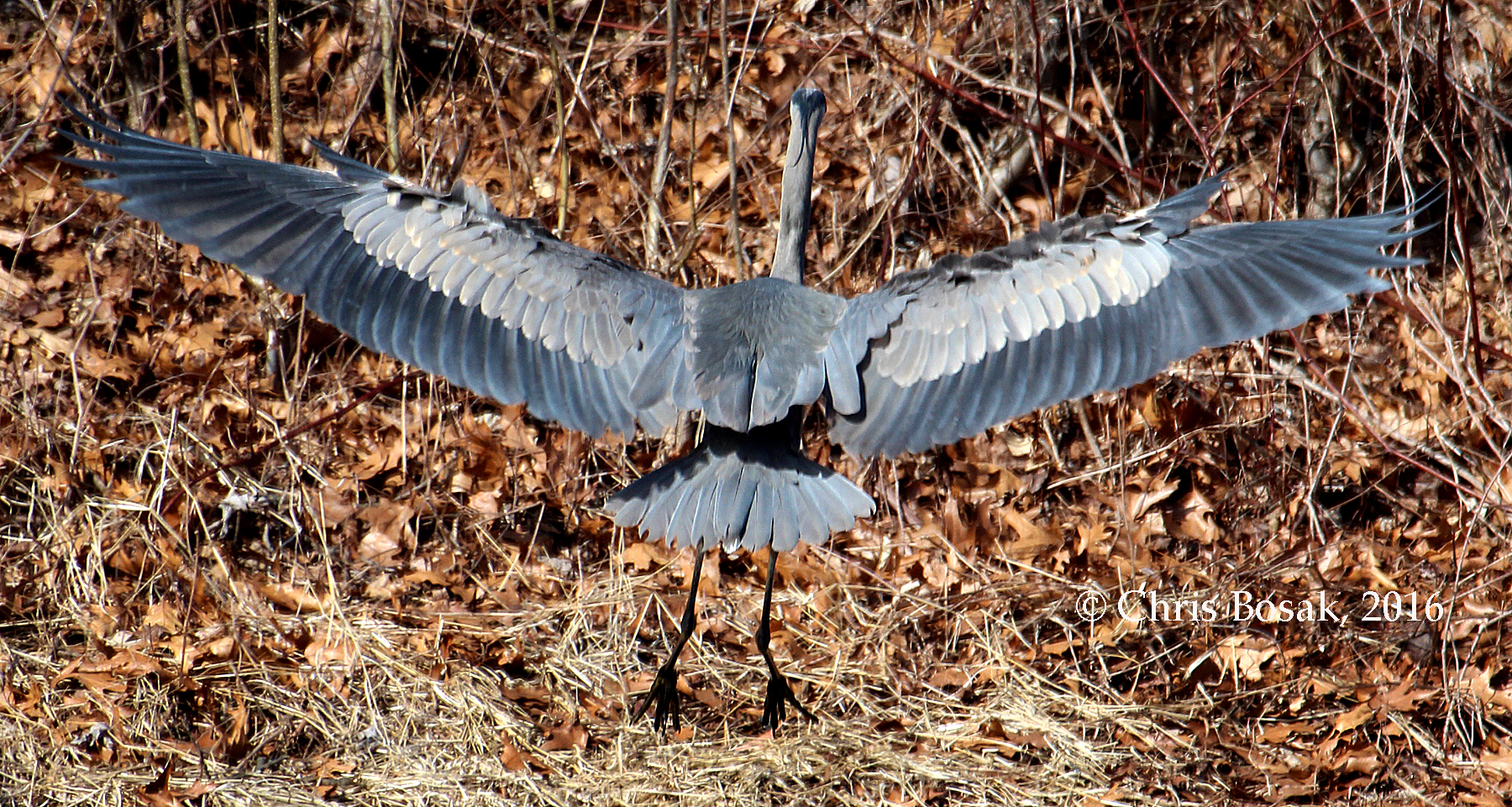
Photo by Chris Bosak A Great Blue Heron comes in for a landing at a pond in New England, March 2016.

Photo by Chris Bosak
A Great Blue Heron comes in for a landing at a pond in New England, March 2016.

Not the best photo, but gives you a good idea of just how big Great Blue Herons are — especially with wings outstretched.

They are tall and skinny when standing but have a wingspan of about 6 feet. That is about the same as a Bald Eagle (although some female Bald Eagles get even bigger.)

Great Blue Herons rank high on my “favorite bird” list. I have tons of photos to prove it. Below are a few more I’ve taken over the years.

Continue reading

Just some other birds I saw that day

https://birdsofnewengland.com/wp-content/uploads/2016/03/killdeer.jpg

Photo by Chris Bosak
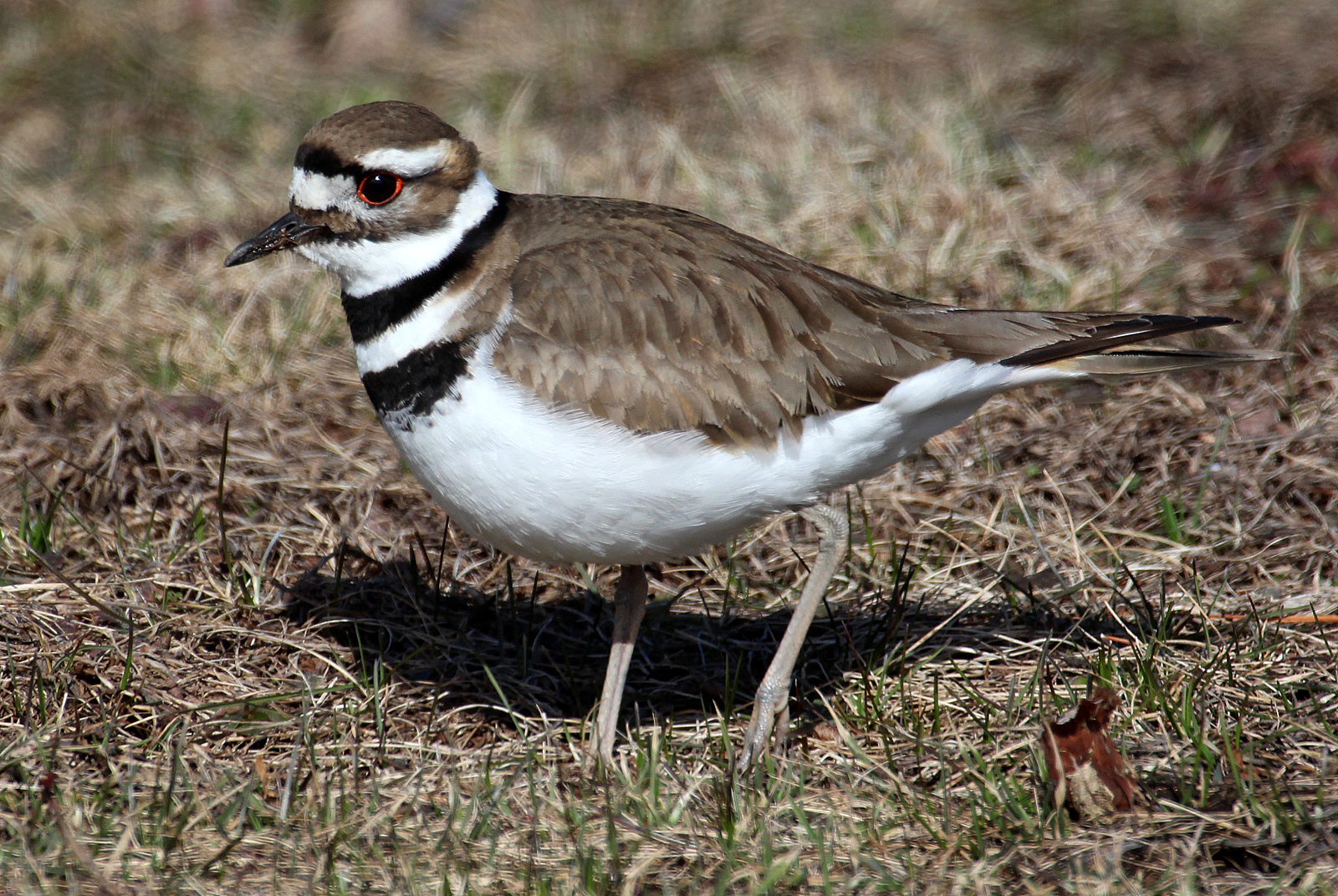
A Killdeer walks along the ground at Spring Grove Cemetery in Darien, Conn., March 2016.

Last week I posted about the Green-winged Teal I saw at a small pond at a cemetery Darien. I’m a big duck person so I get a little excited when I see a duck I don’t often see.

But the teal wasn’t the only good bird I saw that day. Here are a few more. (Above) Killdeer nest in the cemetery every year, so it’s good to know they are back. (Spring is close.) Last year I was lucky enough to capture the copulation of the pair. Click here for that link. Below, I can’t resist photographing a Great Blue Heron when the opportunity presents itself, regardless of how many Great Blue Heron photos I have already.

https://birdsofnewengland.com/wp-content/uploads/2016/03/great-blue-heron.jpg

Photo by Chris Bosak
A Great Blue Heron looks for food at Spring Grove Cemetery in Darien, Conn., March 2016.

A bunch of Downy Woodpeckers

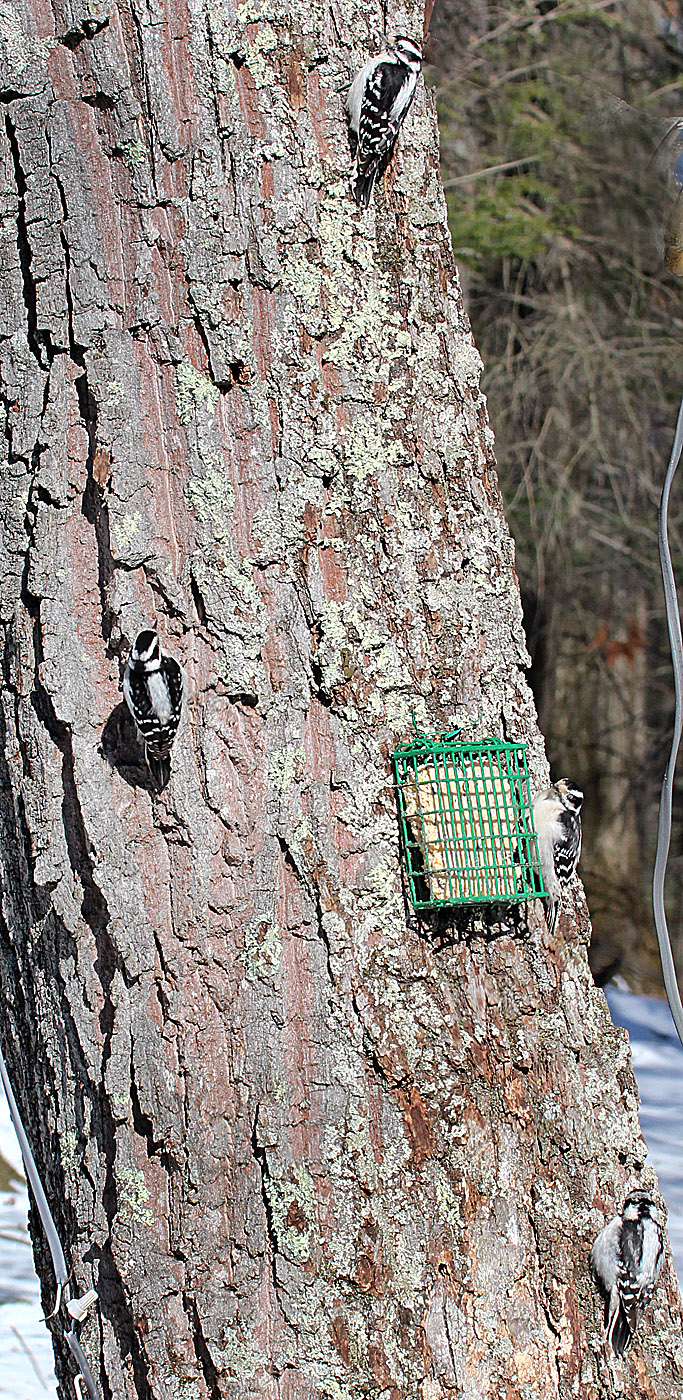
Photo by Chris Bosak Four Downy Woodpeckers gather around a suet feeder attached to an oak tree in Danbury, Conn, Feb. 2016.

Photo by Chris Bosak
Four Downy Woodpeckers gather around a suet feeder attached to an oak tree in Danbury, Conn, Feb. 2016.

OK, a group of Downy Woodpeckers is probably not called a “bunch,” but at any rate, here’s a photo I took a few days ago of four of them around a single suet feeder. This is the same feeder/tree that attracted two Brown Creepers a few weeks ago. Interestingly enough, the Downys all seem to be female. (Where was that bar when I was in my 20s? Ha.)

I’ve seen Downys come and go at a suet cake and perch nearby, but never 4 in one tree.

Not the best quality photo, but a pretty neat sighting.

Thanks, as always, for checking out http://www.birdsofnewengland.com


Next up, the Green-winged Teal

Photo by Chris Bosak A Green-winged Teal drake swims in a pond at a cemetery in Darien, Conn, March 2016.

Photo by Chris Bosak
A Green-winged Teal drake swims in a pond in a cemetery in Darien, Conn, March 2016.

Just like I was lucky to find a Northern Pintail a few weeks ago, I was lucky earlier today to find a Green-winged Teal drake. It was hanging out with a small flock of Mallards at the pond at Spring Grove Cemetery in Darien, Conn.

I’m loving this winter seeing all these not-too-frequently seen ducks.

The photos did not turn out as well as the pintail photos, but they are acceptable, I suppose. The teal was not as close as the pintail and Green-winged Teal are much smaller than pintails. In fact, Green-winged Teal are among the smallest duck we have in New England. Just like the pintail, Green-winged Teal are not frequent sightings throughout much of New England. They certainly aren’t rare sightings, but are not seen as much as species like Mallards, Hooded Mergansers or Wood Ducks.

It’s a beautiful, little duck, though. I love the shade of green on a Green-winged Teal. I also like the hint of green they show on their speculum (wing) when sitting on a pond. In flight, the speculum is fully exposed.

The bottom photo shows the size comparison with a Mallard. Notice how much larger the Mallards is.

Photo by Chris Bosak A Green-winged Teal drake swims in a pond at a cemetery in Darien, Conn, March 2016.

Photo by Chris Bosak
A Green-winged Teal drake swims in a pond at a cemetery in Darien, Conn, March 2016.

Photo by Chris Bosak A Mallard and Green-winged Teal swim in a pond at a cemetery in Darien, Conn., March 2016.

Photo by Chris Bosak
A Mallard and Green-winged Teal swim in a pond at a cemetery in Darien, Conn., March 2016.

And the answer is … (Well, most of you knew it anyway)

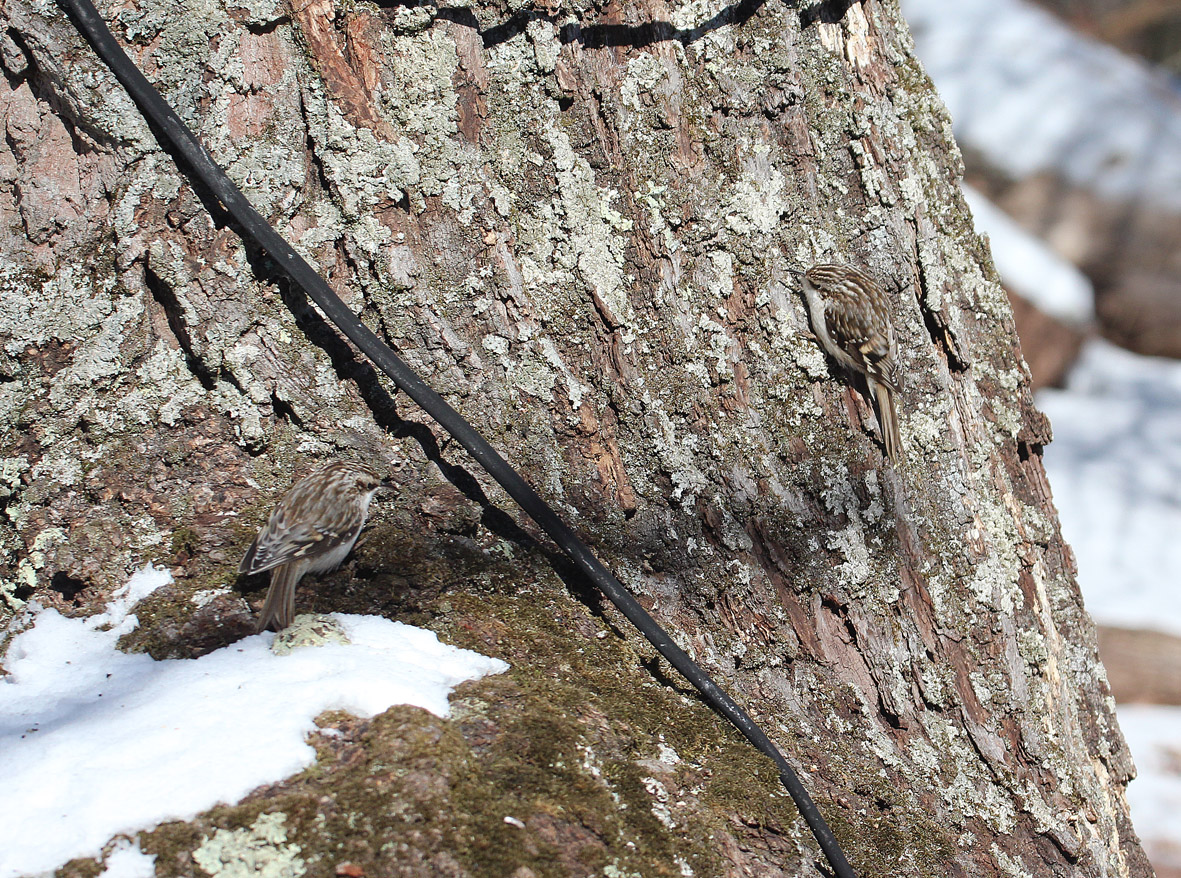
Photo by Chris Bosak Two Brown Creepers cling to the bottom of an oak tree in Danbury, Conn., Feb. 2016.

Photo by Chris Bosak
Two Brown Creepers cling to the bottom of an oak tree in Danbury, Conn., Feb. 2016.

Here’s the photo again with arrows pointing to the birds. Most of you were able to pick out the two birds and, yes, as many of you also suggested, it is two Brown Creepers. It’s a fairly unusual sight to see one Brown Creeper, but two on the same tree is very unusual. I guess it helps that there was a suet feeder above dropping crumbs onto the base of the tree. It also helped that it was about 0 degrees that day and birds were on the lookout for whatever food they could find.

This wasn’t a particularly challenging quiz as the birds stuck out more than usual as their white bellies were exposed. Below is another photo of a Brown Creeper, showing just how well these brown birds blend in with their surroundings. Good camo, for sure.

Thanks again for playing along.

Photo by Chris Bosak A Brown Creeper clings to an oak tree in Danbury, Conn., Feb. 2016

Photo by Chris Bosak
A Brown Creeper clings to an oak tree in Danbury, Conn., Feb. 2016


Birding quiz: What do you see here?

Photo by Chris Bosak

Photo by Chris Bosak

Some birds are experts when it comes to camouflage. Is that the case here or are there no actual birds in the photo? Leave a comment with what you see and how many (if any)?

I’ll post the answer in the next day or two. Thanks for playing along.

Bluebirds in a New England winter — not that uncommon

Photo by Chris Bosak An Eastern Bluebird perches near a lake in Danbury, Conn., Feb. 2016.

Photo by Chris Bosak
An Eastern Bluebird perches near a lake in Danbury, Conn., Feb. 2016.

Eastern Bluebirds, similar to American Robins, are thought of as mostly a spring and summer bird in New England. I love finding an active bluebird box in April or May and watching the parents go back and forth feeding the youngsters hidden inside the box.

But Eastern Bluebirds are also commonly found in New England during the winter. I love seeing them after a snowfall; how their bright blue and orange seem even brighter against the white backdrop. Bluebird Continue reading

Happy bird-related snow photo as another storm bears down on New England

https://birdsofnewengland.com/wp-content/uploads/2016/02/birdhouse-snow.jpg

Photo by Chris Bosak
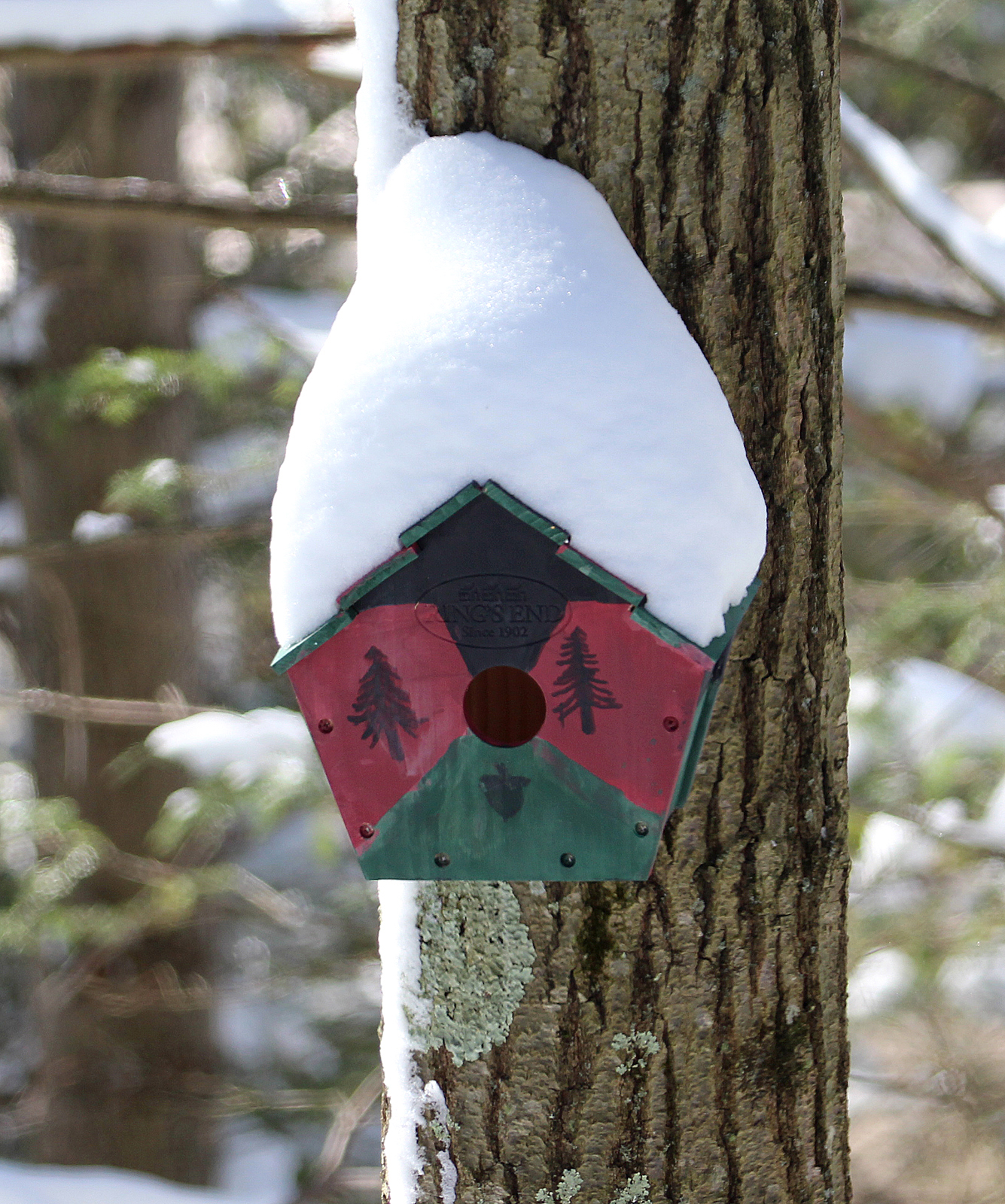
Snow covers a birdhouse the day after a storm hit New England during January 2016, Danbury, Conn.

With rain and snow due to hit New England at any moment (I’m writing this on Tuesday ((Feb. 23)) morning) here’s a happy little bird-related snow photo to lift your spirits. Spring is on its way. The birds are proving that with cardinals singing more and more and species such as Red-winged Blackbirds already migrating to the area

Spring is on its way … the birds are proving that with cardinals singing more and more and species such as Red-winged Blackbirds already migrating to the area. Until then, though, we have some more winter — and all its unpredictability — to get through. But that’s fine. Winter brings its own birding joys.

(By the way, my 12-year-old son did the painting of the house.)