For the Birds: Plumage challenges of late summer

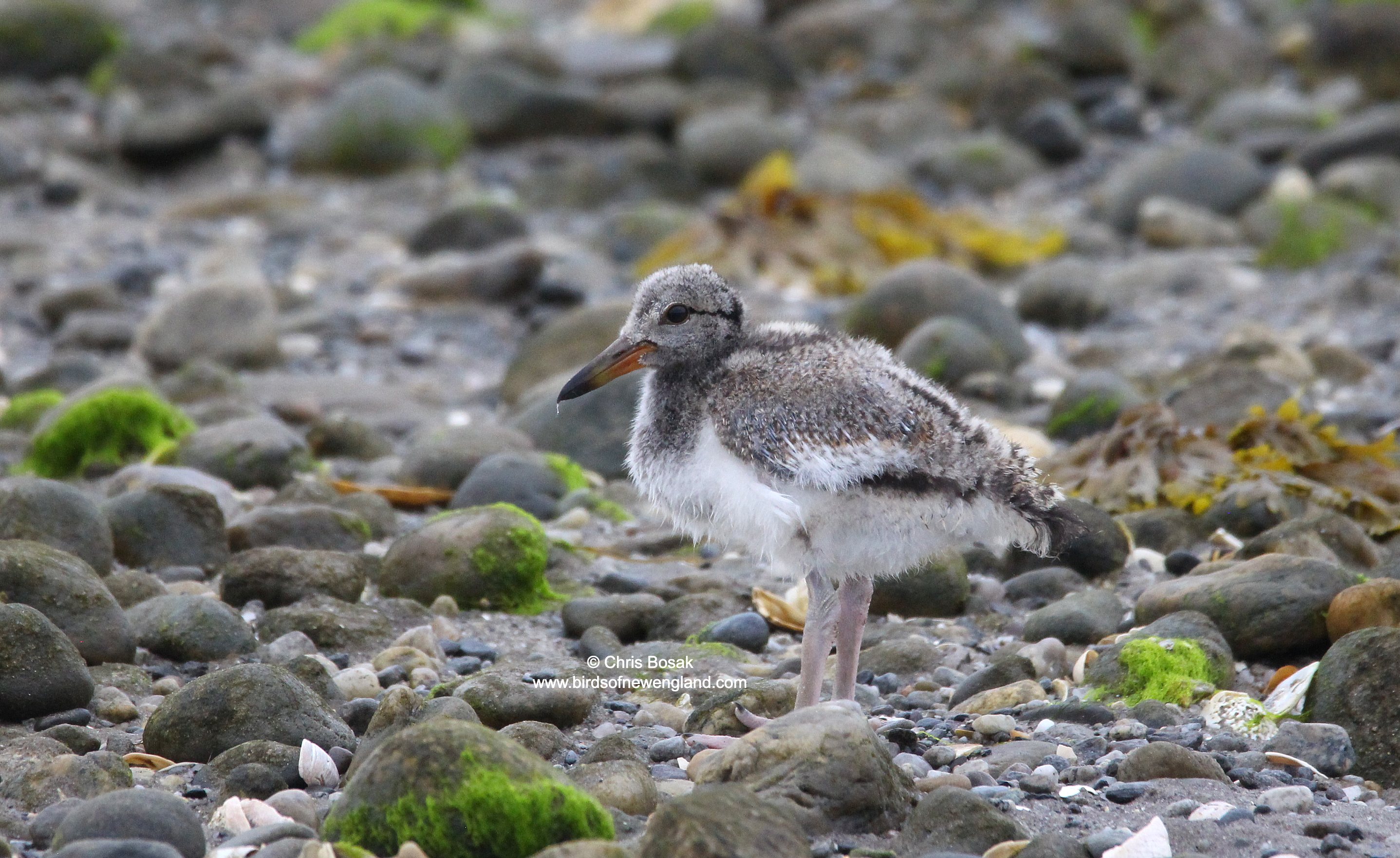
Photo by Chris Bosak American oystercatcher chick, Milford, Connecticut, summer 2025.

The Cooper’s hawk I wrote about last week was a bit of an anomaly for me.

It’s not that I don’t see Cooper’s hawks often, but I typically see immature Cooper’s hawks. The one featured last week was an adult. Looking back through my photo collection, the vast majority of Cooper’s hawks I have photographed were immature birds.

With many birds, differentiating young birds from adults can be tricky as the time period between immature plumage and adult plumage is relatively short. With Cooper’s hawks, it’s easier as they retain their immature plumage into their second year. Bald eagles, similarly, do not obtain their classic white heads and tails until they are four or five years old.

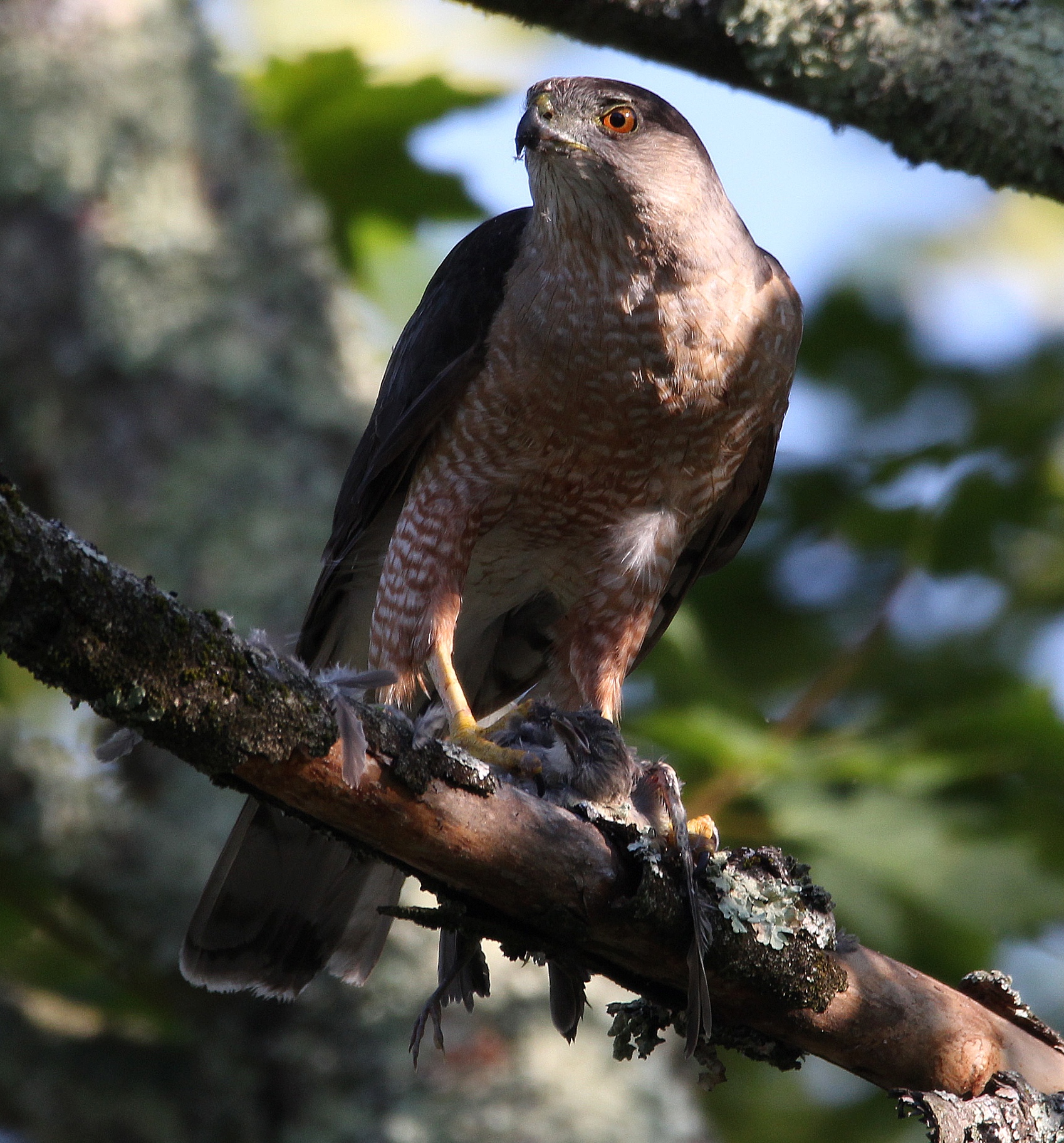
As immature birds, Cooper’s hawks (as well as closely related sharp-shinned hawks) are brown with tan-streaked white chests and bellies. As adults, they are blue-gray with reddish-streaked white chests and bellies. Immature Cooper’s hawks have yellow eyes, and adults have red eyes. Interestingly, ospreys are the opposite with adults having yellow eyes and immatures having orange-red eyes.

Continue reading →

For the Birds: Birds sightings can happen anywhere

Photo by Chris Bosak – A Cooper’s hawk eats a meal in New England, summer 2025.

“One of the nice things about birdwatching is …”

I’ve started many sentences with that phrase over the years. The backend of that line may be finished in almost innumerable ways:

… everyone, regardless of age or skill level, can enjoy it.

… it can be done during any time of the day or year.

… no two days are alike.

… there is always something new to learn or discover, regardless of how advanced you are.

… each time of year brings its own delights.

For the purposes of this column, the sentence will read: “One of the nice things about birdwatching is that it can be done anywhere.” Not many hobbies can be enjoyed in the woods, in a canoe or kayak, at a local park, or sitting in the kitchen looking out the window with your morning cup of coffee.

Continue reading →

A few more oystercatcher photos

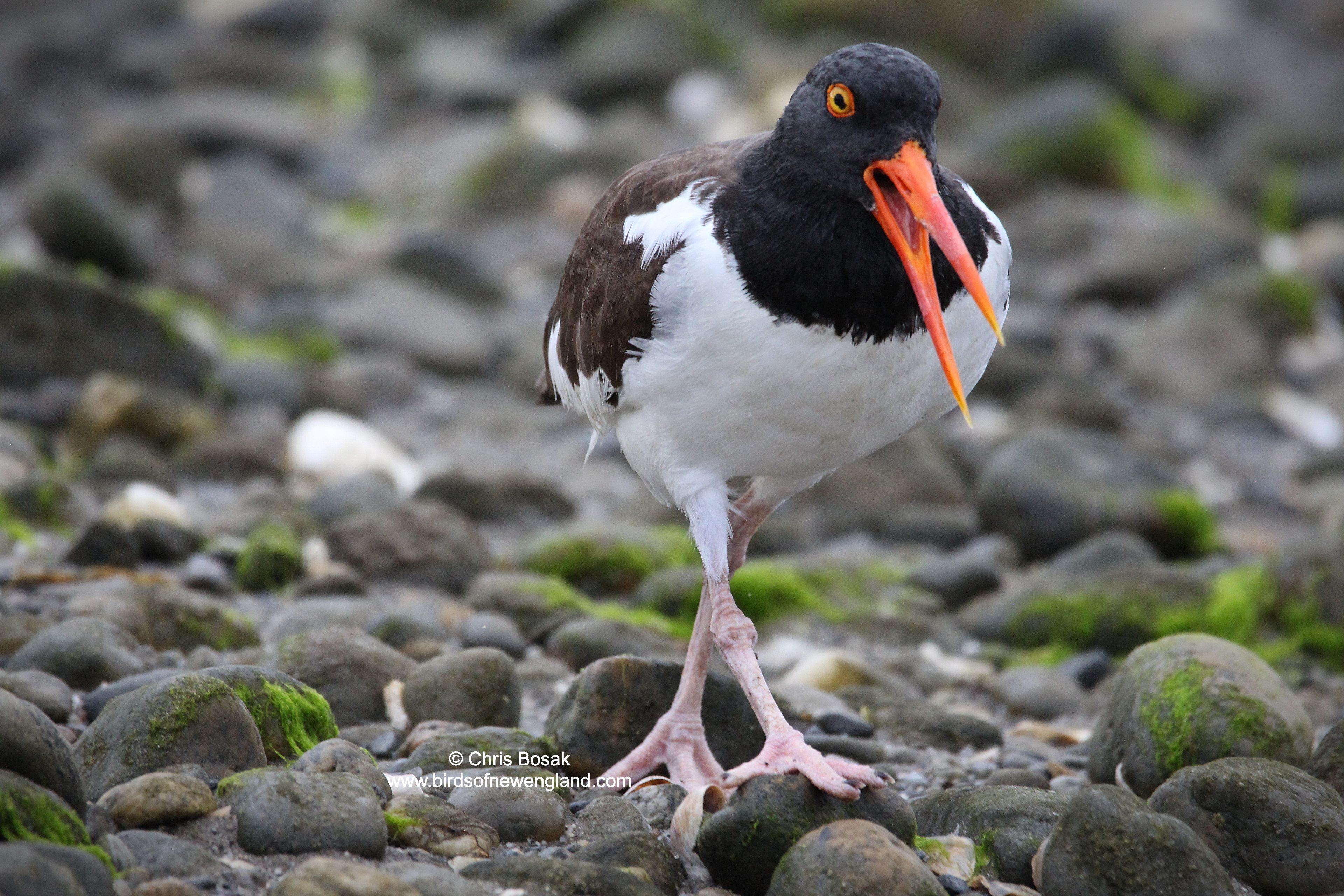
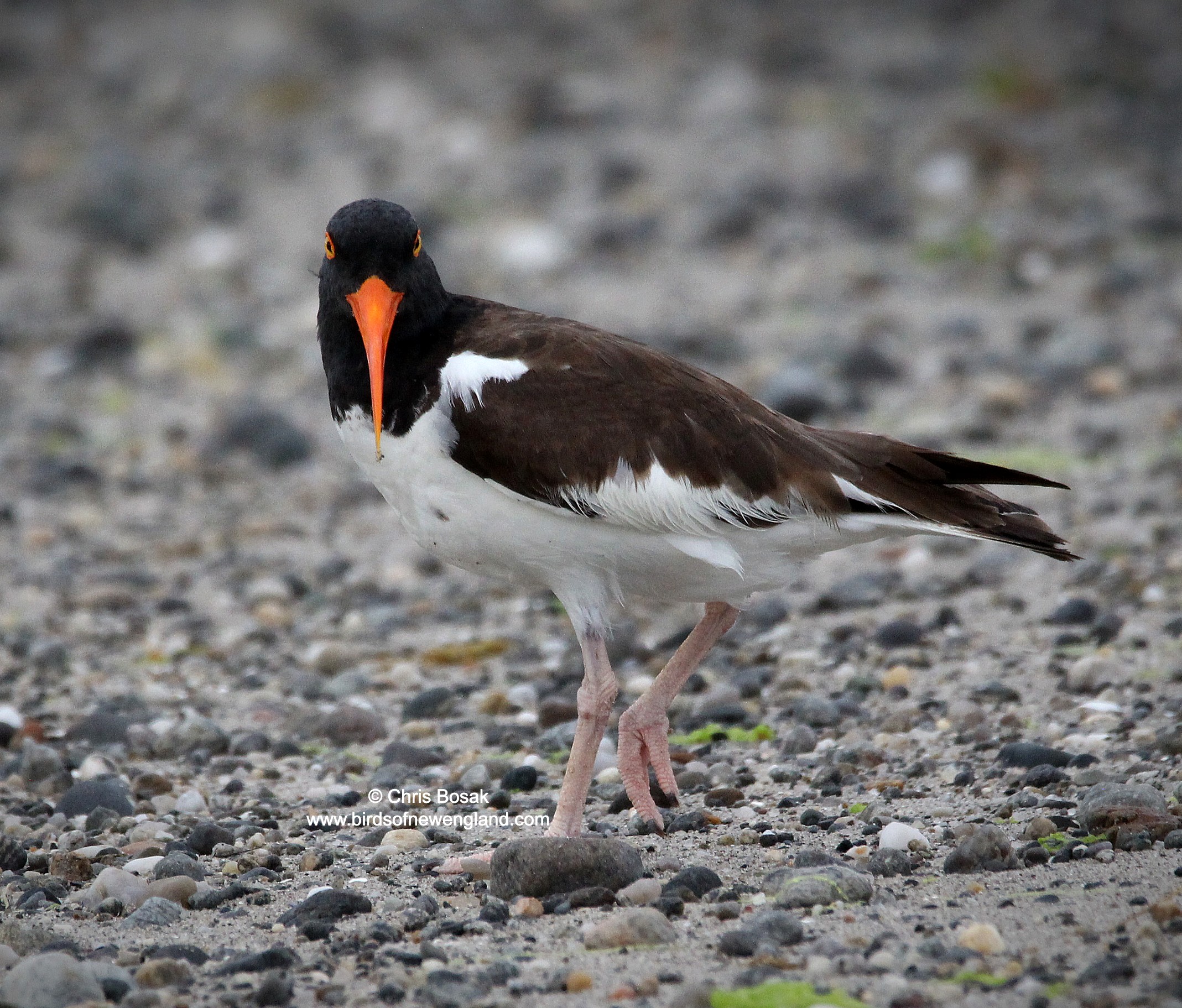
Photo by Chris Bosak American oystercatcher, Milford, Connecticut, summer 2025.

Following up on yesterday’s post, here are a few more American oystercatcher photos. I find both of these photos rather humorous. The top photo looks like an unhappy customer storming away from the counter. The bottom photo looks like an oystercatcher giving someone the evil eye.

Here’s the original post with more photos, including an oystercatcher chick.

Photo by Chris Bosak American oystercatcher, Milford, Connecticut, summer 2025.

A few more early warblers

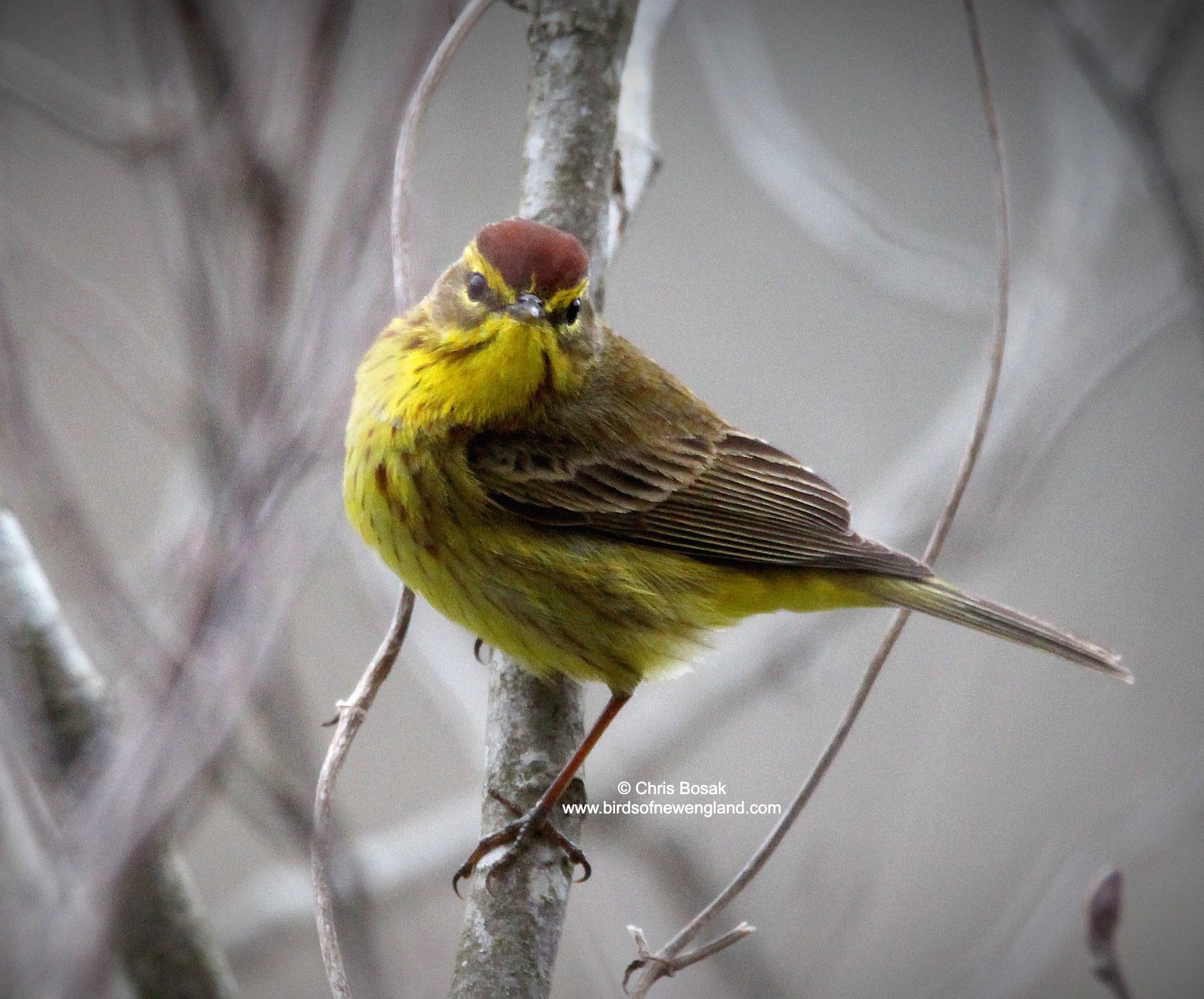
Photo by Chris Bosak Palm warbler in New England, April 2025.

My first warbler (a pine warbler) showed up on March 31. Here are numbers two and three for the year: yellow-rumped warbler and palm warbler, both seen today (Friday, April 11, 2025). More to come in the weeks ahead!

Continue reading →

For the Birds: Return of the coyote

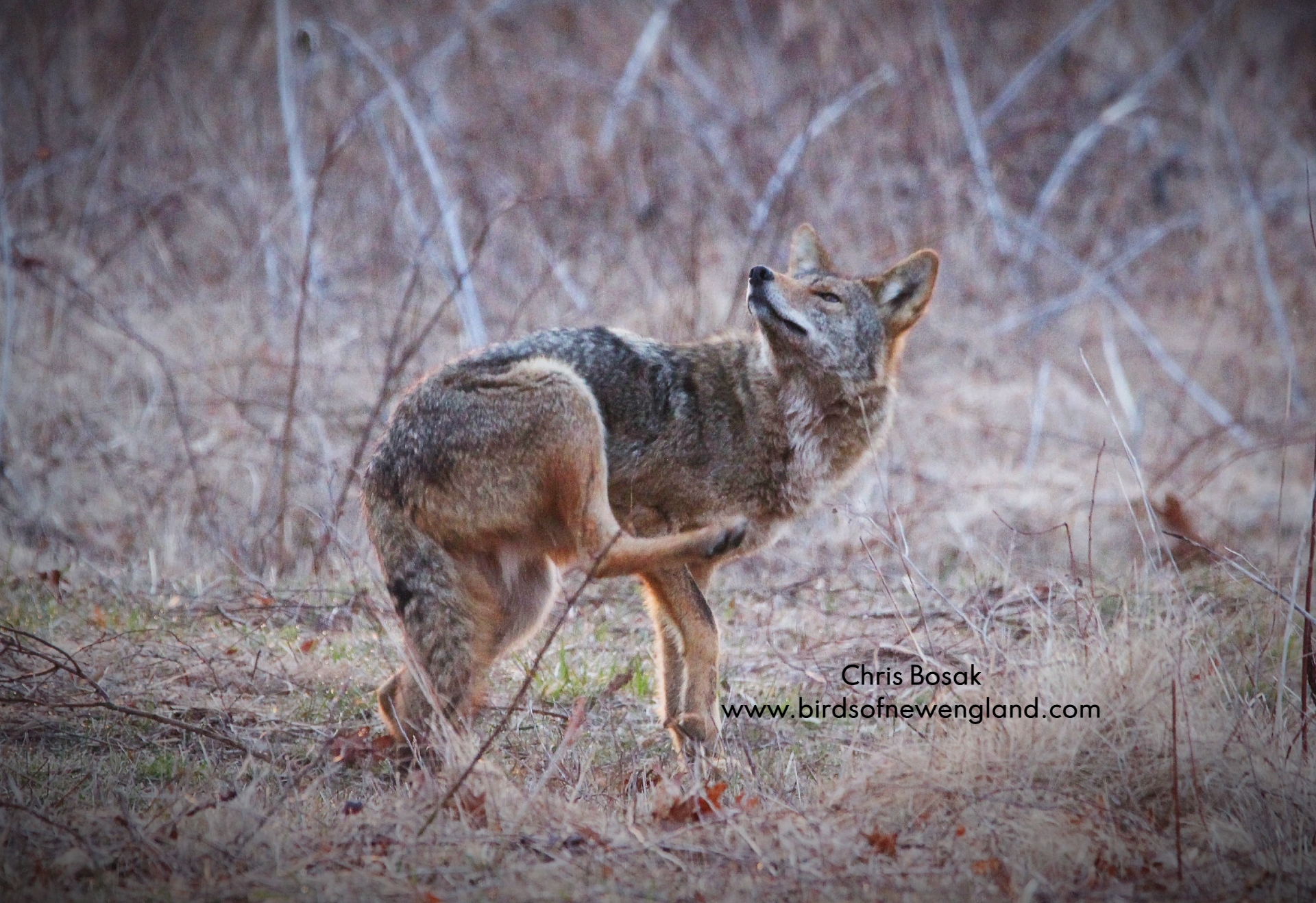
Photo by Chris Bosak A coyote scratches itself in a field at Huntington State Park in Redding, Connecticut, March 2025.

This is the second column in the last few weeks where I end up writing about and using a photograph of an unintended subject because the primary target fell through.

A few weeks ago, you may recall, I wrote about a missed opportunity to photograph blue jays harassing a barred owl. The blue jays successfully drove off the owl before I could get into position for a photo. On the walk back to the car, I came across a flock of cedar waxwings eating berries and stopped to photograph them.

This time, the intended target was American woodcock, but I ended up coming home with more photos of my coyote friend. Late in 2024, I wrote about getting lucky and spotting a coyote in a field as I passed a small break in the thick, tangled, brushy border between the woods and field. I’m assuming this was the same coyote, as I spotted it in the same field very near where I had seen it before.

But first, my intended target. American woodcocks, or timberdoodles, have been a nemesis species of mine for many, many years. I’ve seen their evening aerial displays a few times, but I haven’t found one during the day when getting a photograph would be possible. The aerial displays come shortly after sunset when the evening light has faded.

Continue reading →

Snow goose concludes Duck Week

Photo by Chris Bosak Snow goose in New England, March 2025.

I know, same as yesterday, geese are not ducks. They are close enough for this very unofficial birdsofnewengland.com Duck Week celebration. Snow geese gather in massive numbers in some parts of the Atlantic flyway. In many cases, they are uncountable because there are so many. In other parts, however, snow geese are a fairly rare sighting. I live in a part of New England where snow geese are not seen often. In fact, this one I saw at a beach was the first one I had seen in years. Usually, when they are seen where I live, it is a single snow goose within a flock of Canada geese. This one, however, was alone near the beach. I hope it finds more of its kind during migration.

Click here for more information about the snow goose.

Thanks for checking out Duck Week at http://www.birdsofnewengland.com

Scaup continue Duck Week

Photo by Chris Bosak
Lesser scaup drake in a river bay in New England, March 2025.

Scaup congregate in large numbers off the coast of Long Island Sound and its tributary rivers during the winter months. The flocks can be several hundred individuals strong, including drakes and hens. On occasion, a redhead may be found within the flock. Greater and lesser scaup are commonly seen in large numbers throughout New England in the winter.

Click here for more information about the greater scaup.

Photo by Chris Bosak
Scaup in a river bay in New England, March 2025.

Ring-necked duck continues Duck Week

Photo by Chris Bosak Male ring-necked ducks swim in a pond in New England, March 2025.

The ring-necked duck is next up for birdsofnewengland.com’s Duck Week. This duck may have been better suited to being called ring-billed duck because the ring on its bill is a much easier field mark to see than the one on its neck. But it isn’t, so we’re stuck with ring-necked duck. Just like the hooded merganser, which kicked off Duck Week on Monday, I’ve seen a ton of ring-necked ducks this winter. They were seemingly on every unfrozen fresh-water body a few weeks ago.

For more information on the ring-necked duck, click here.

Photo by Chris Bosak Male ring-necked ducks swim in a pond in New England, March 2025.

Northern pintail continues “Duck Week”

Photo by Chris Bosak Northern pintail pair at a pond in New England, March 2025.

The northern pintail is the next fowl up for birdsofnewengland’s Duck Week, a very unofficial declaration made by me because I have a lot of recent duck photos that need to be shared. Pintail drakes are one of the most handsome ducks we have in New England. If you missed the first Duck Week post, click here to meet the hooded merganser.

For more information about the northern pintail, click here.

Photo by Chris Bosak
Here is that pintail pair with an American wigeon pair swimming behind them, March 2025.

Hooded merganser kicks off “Duck Week”

Photo by Chris Bosak Male hooded merganser in New England, March 2025.

Welcome to Duck Week, birdsofnewengland.com’s very unofficial declaration to celebrate the spring duck migration. Duck Week will be a collection of duck photos I have snapped over the last few weeks. Now seems like a good time, as I’m starting to see fewer ducks as they make their way north to their breeding grounds.

I’ll start with the hooded merganser, one of my favorite birds of all time. I saw a ton of hooded mergansers this late winter/early spring. Look for them in fresh or brackish water, including relatively small bodies of water.

Click here for more information on the hooded merganser.

Photo by Chris Bosak Female hooded merganser, March 2025.

One more bonus photo …

Photo by Chris Bosak Two male hooded mergansers pass each other in a small pond in New England, March 2025.