A few birds from this weekend …
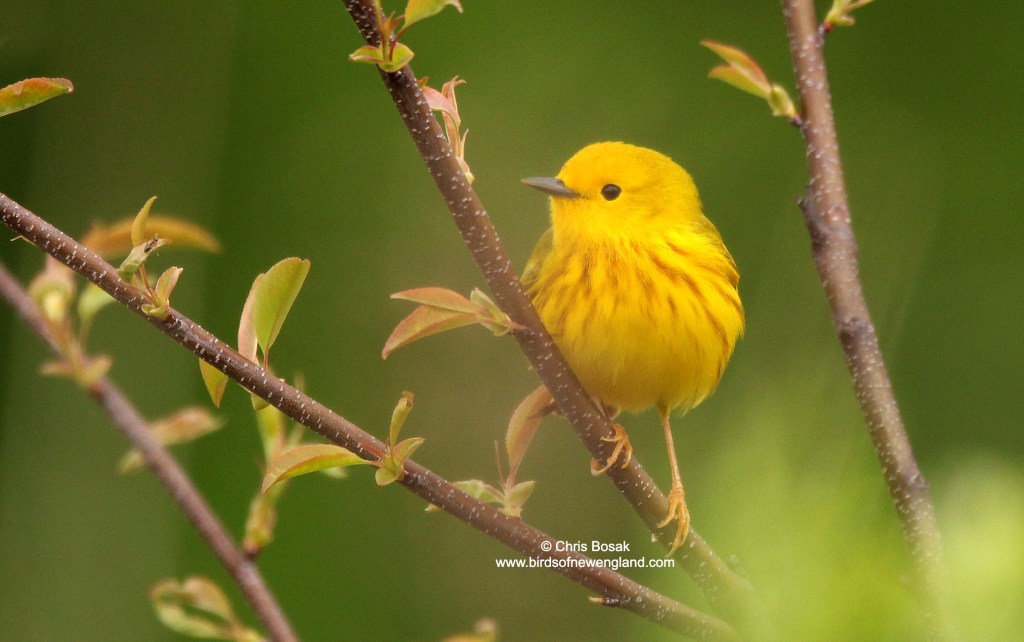
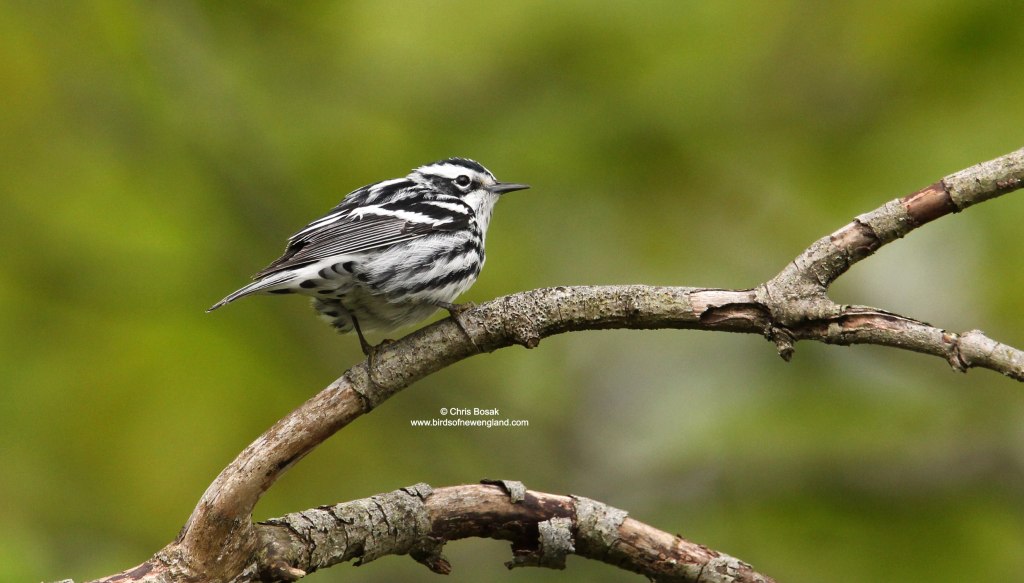
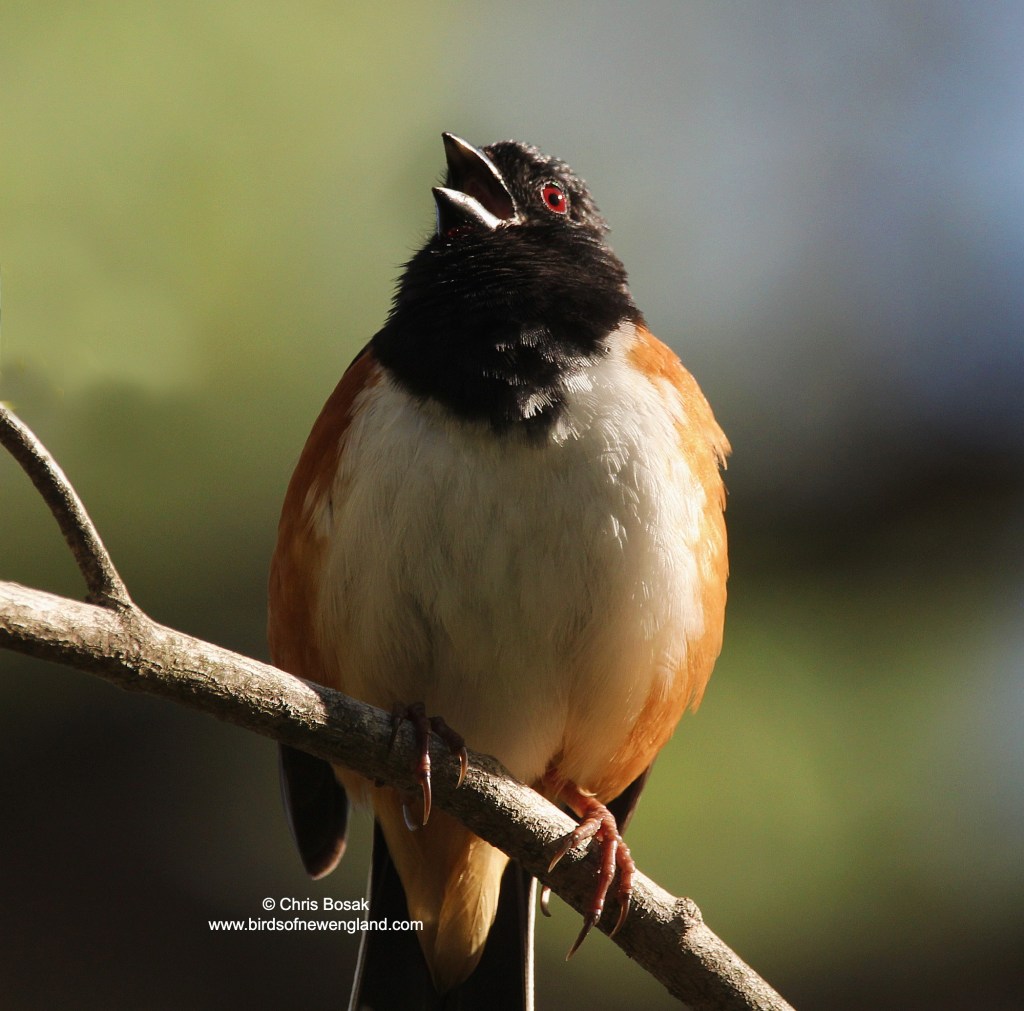
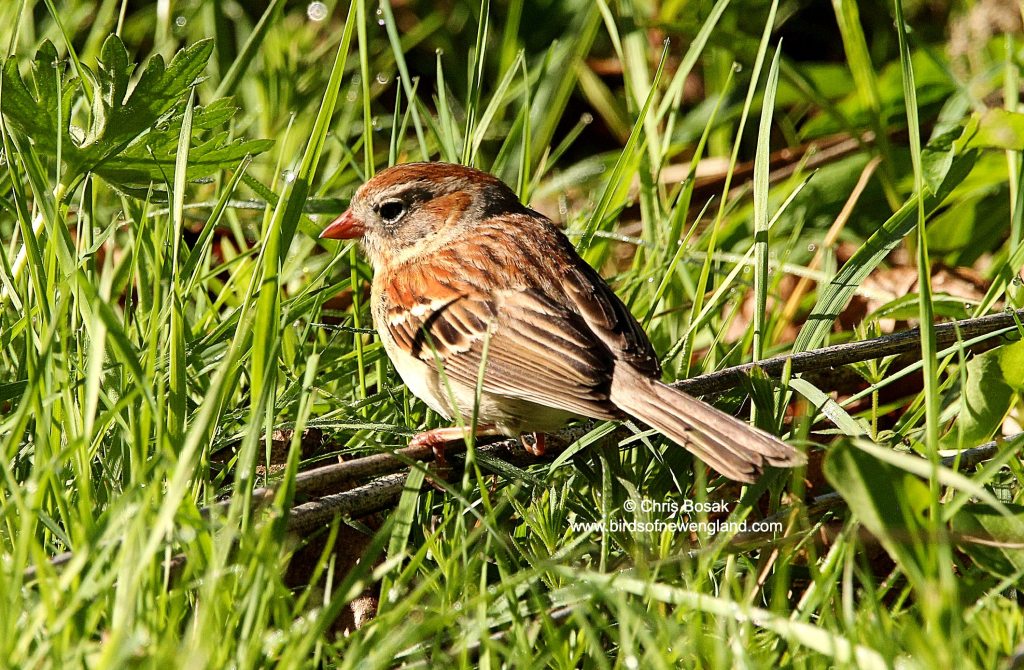
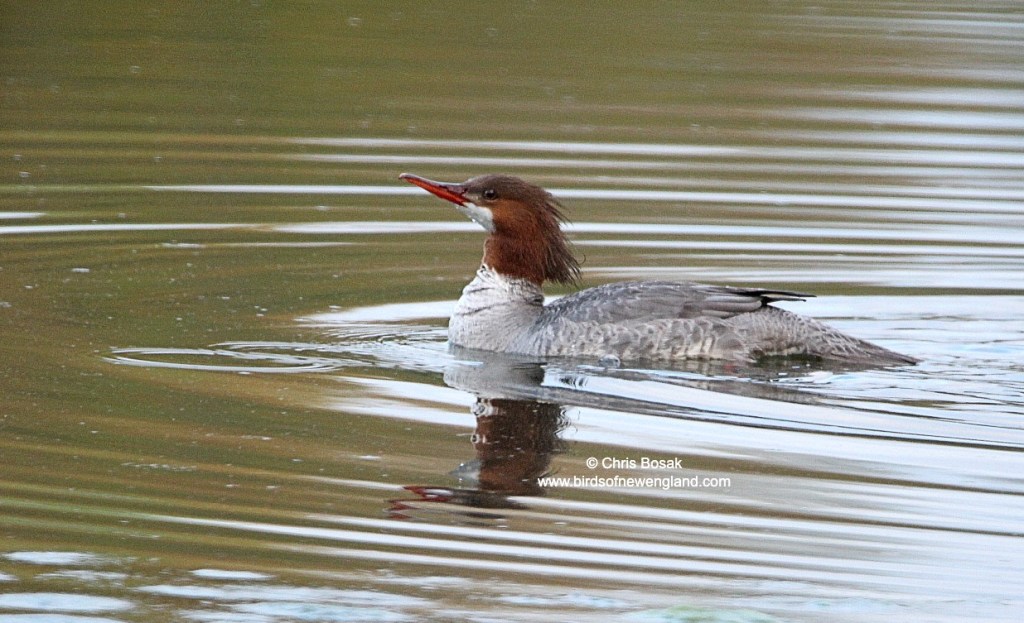
A few birds from this weekend …
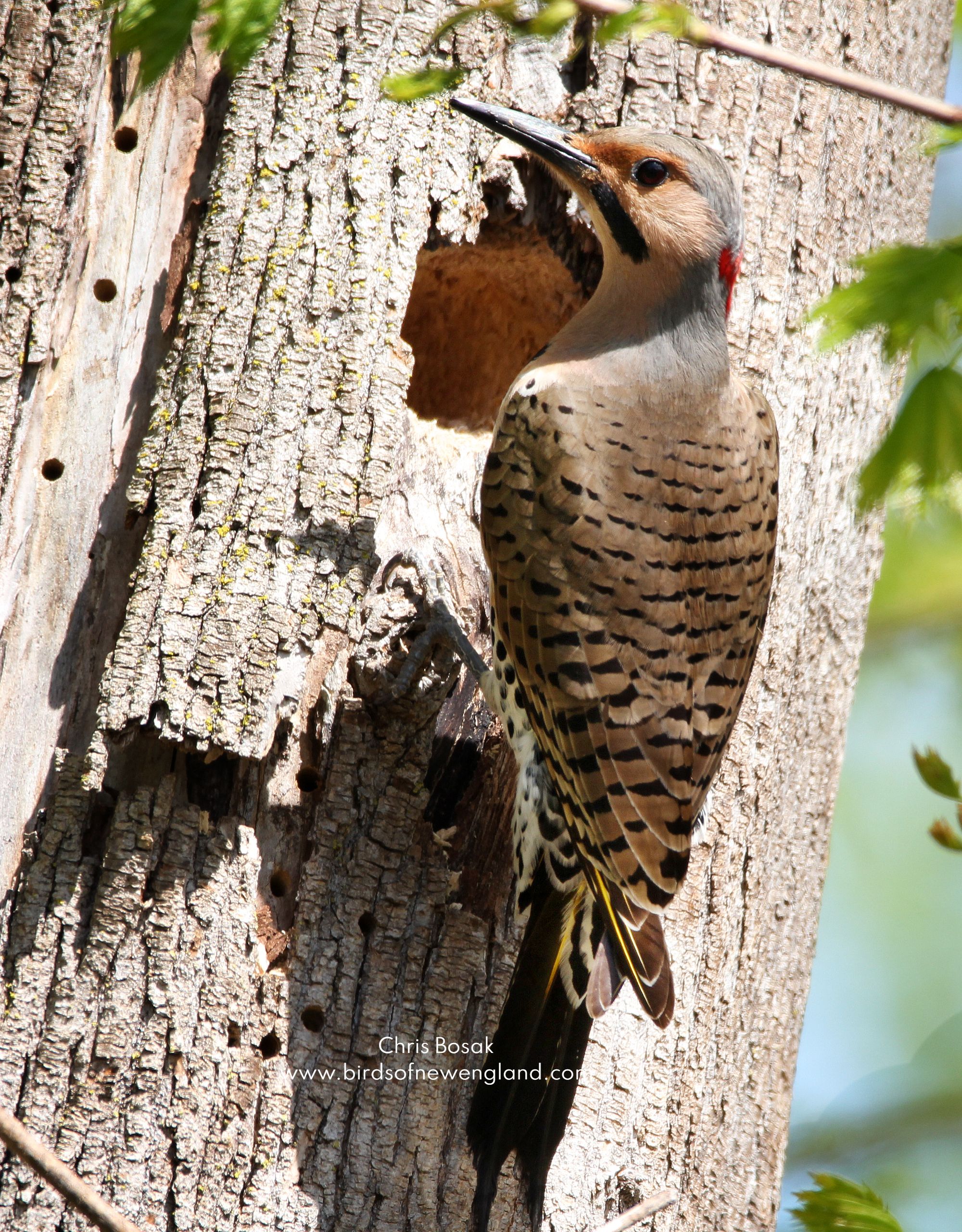
While the majority of spring migrants are still working their way north, many of New England’s year-round birds are already getting down to the business of nesting.
I’m sure I’ll see plenty of nesting activity as the spring progresses, but last week I witnessed two interesting scenes related to nesting.
The first was in my backyard. As I approached one of my birdfeeders to throw in a handful of safflower seed, I noticed a northern flicker dart off into the woods. Its white rump patch gave away its identification. I was fairly certain the flicker had been clinging to a topped-off dead tree a dozen or so yards away from the feeder, and I made a note to approach the feeder more carefully next time.
Continue reading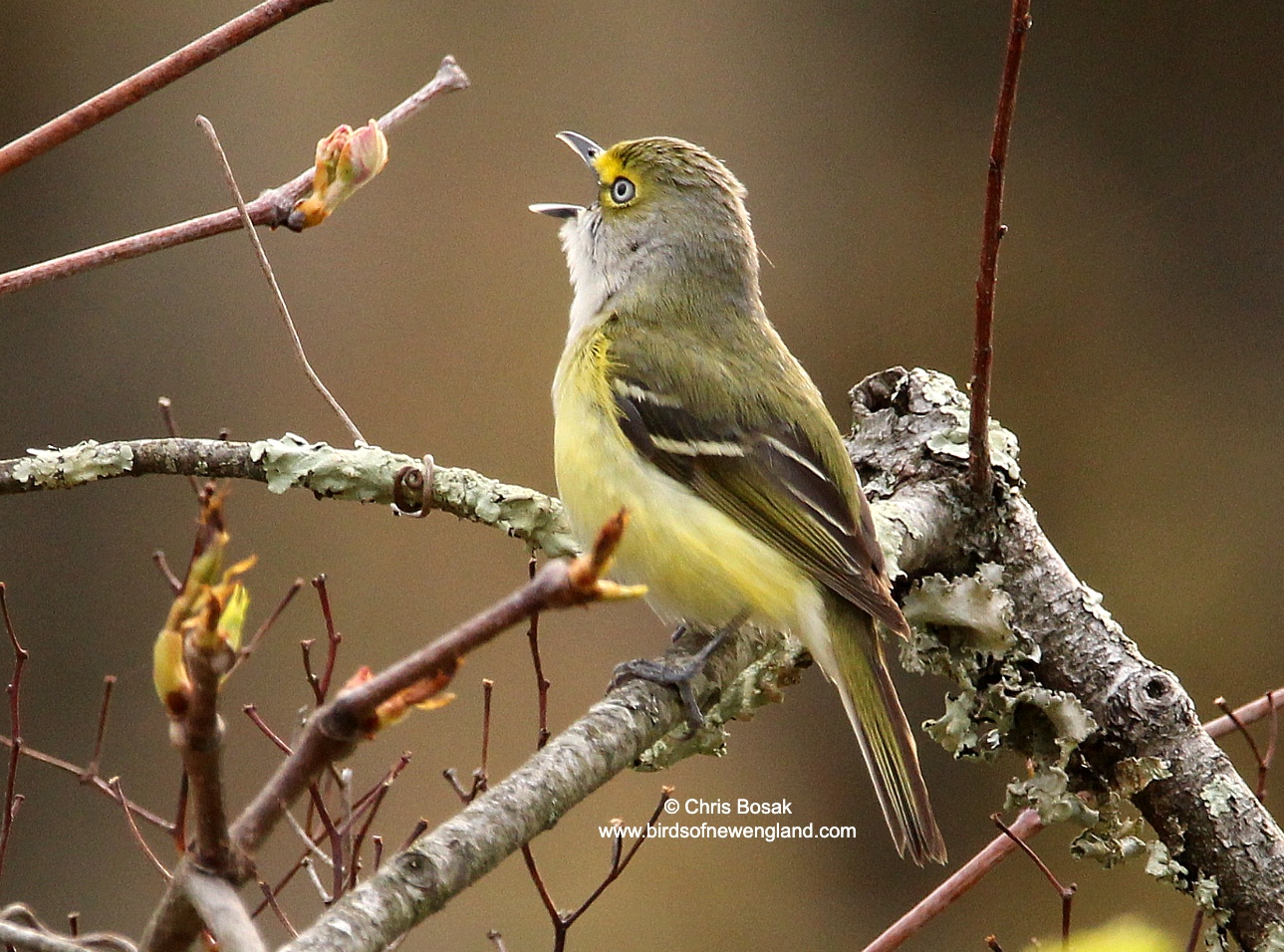
I got up early and headed to Huntington State Park in Redding, Connecticut, and was rewarded with a good mix of migrants I hadn’t seen since last year.
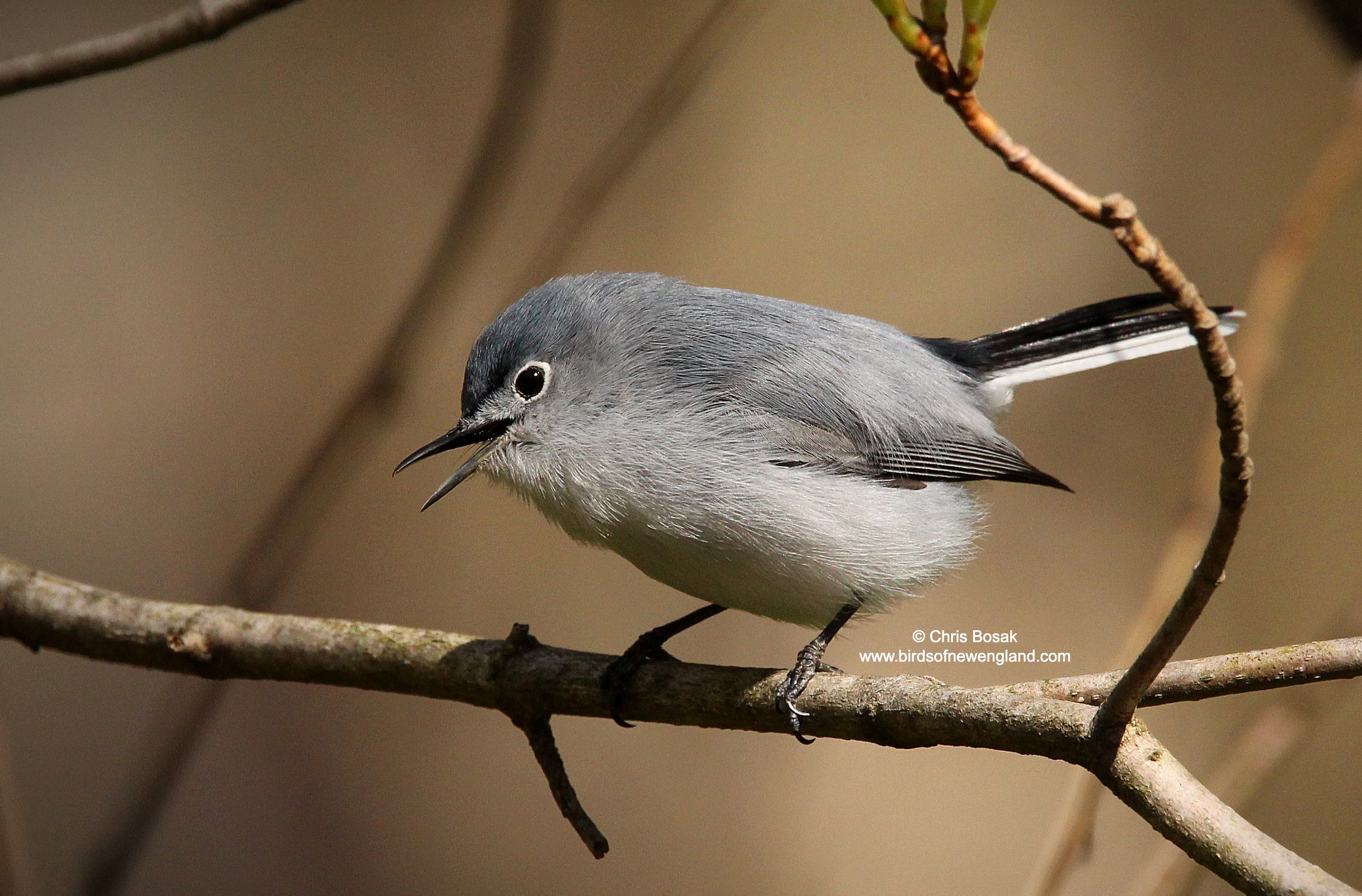
Fun, feisty little bird.
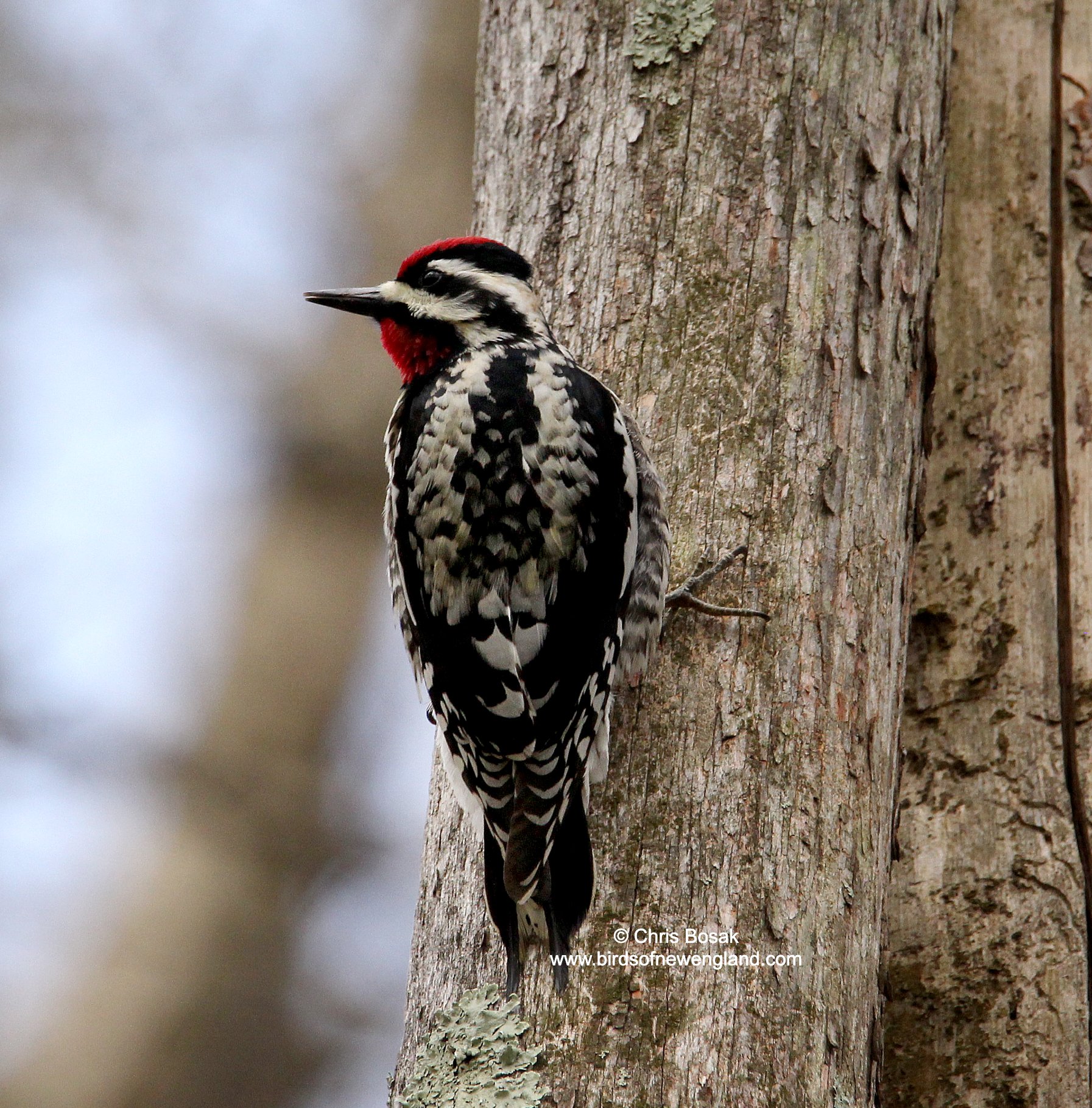
Not exactly a migrant, and I had seen sapsuckers all winter, but I had to include this handsome bird anyway. This is a male as indicated by the red throat.
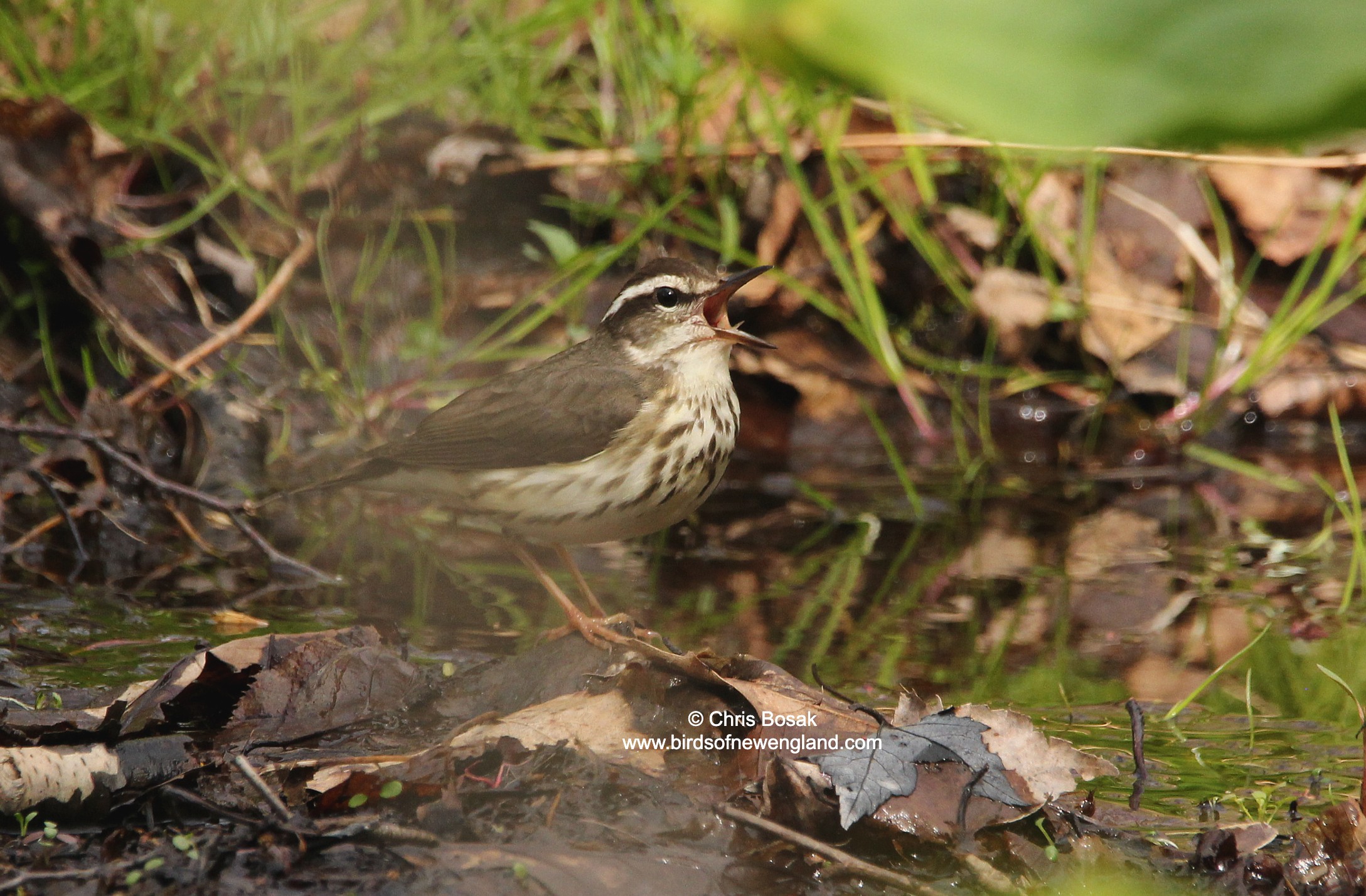
I’ve been seeing these for a few weeks now.
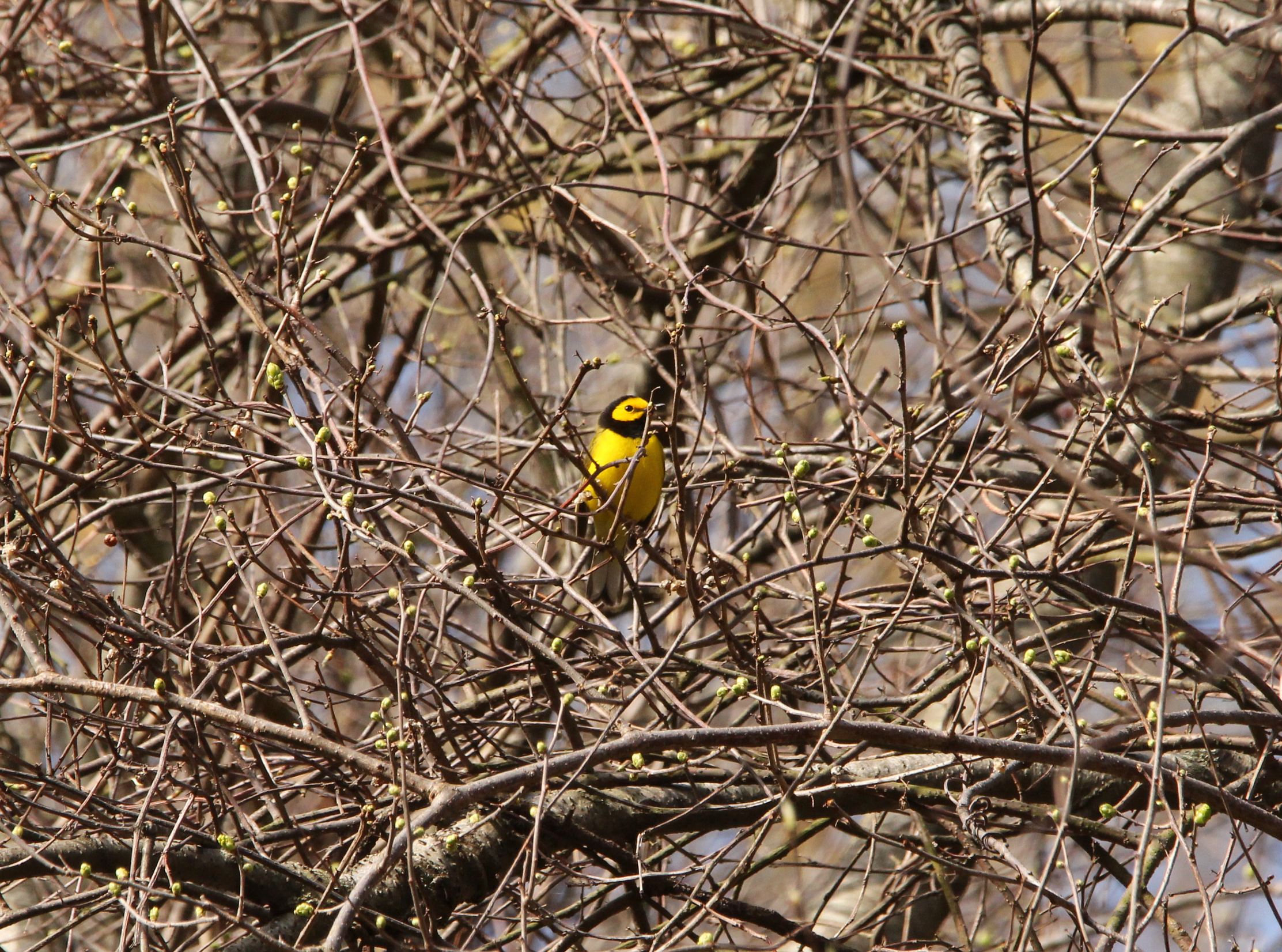
Not the best photo, of course, but this was as close as I could get. Cool bird though.
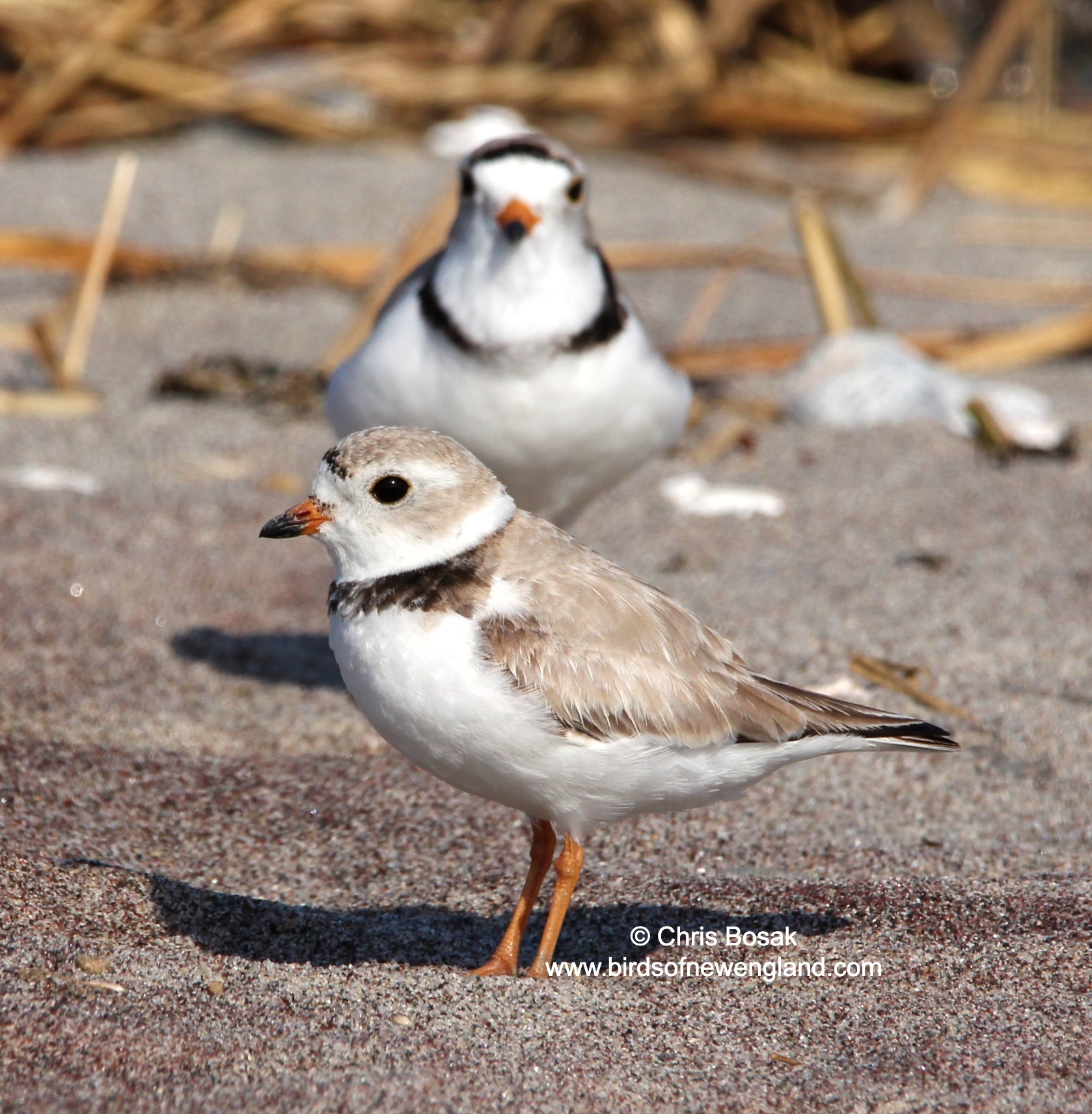
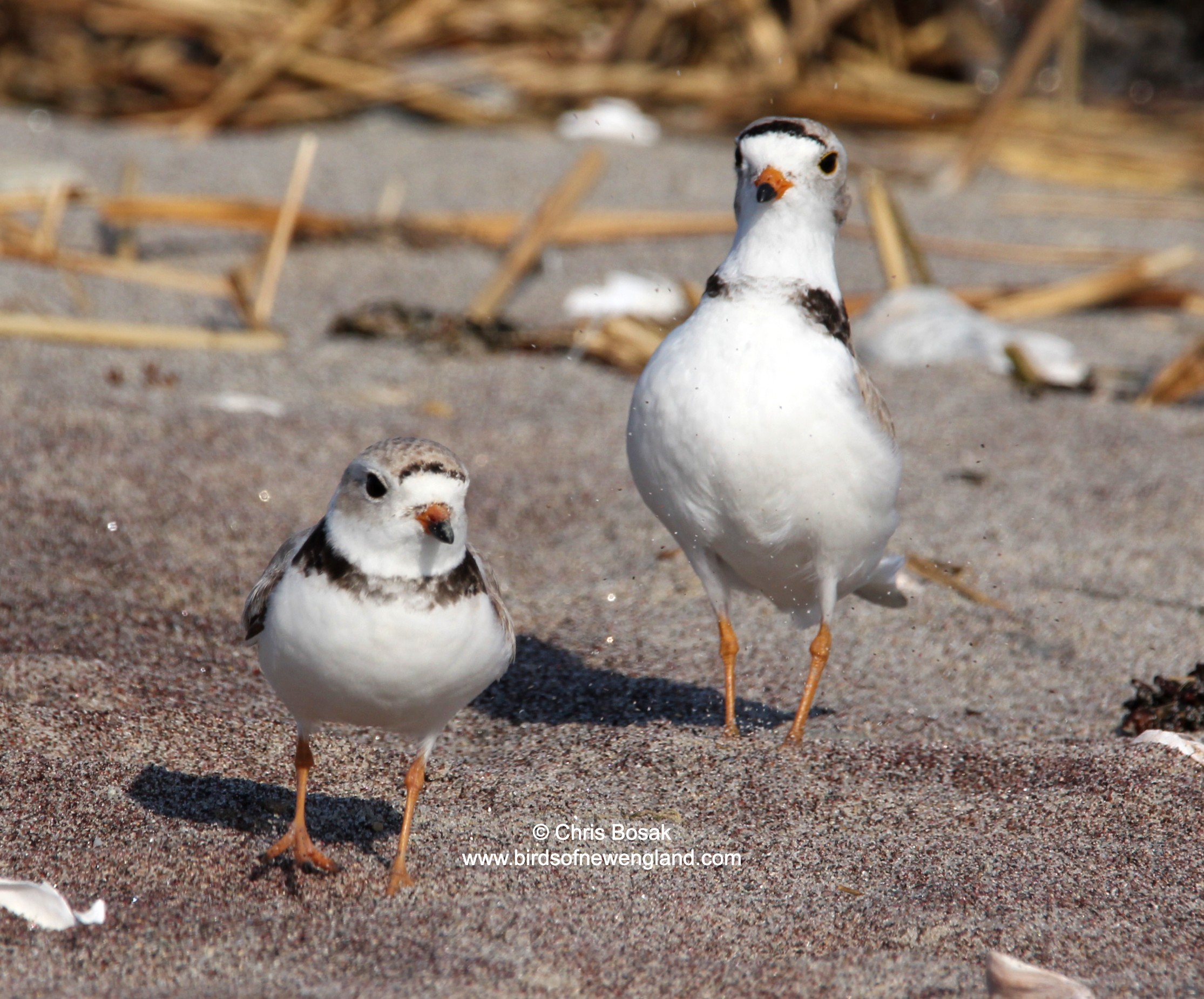
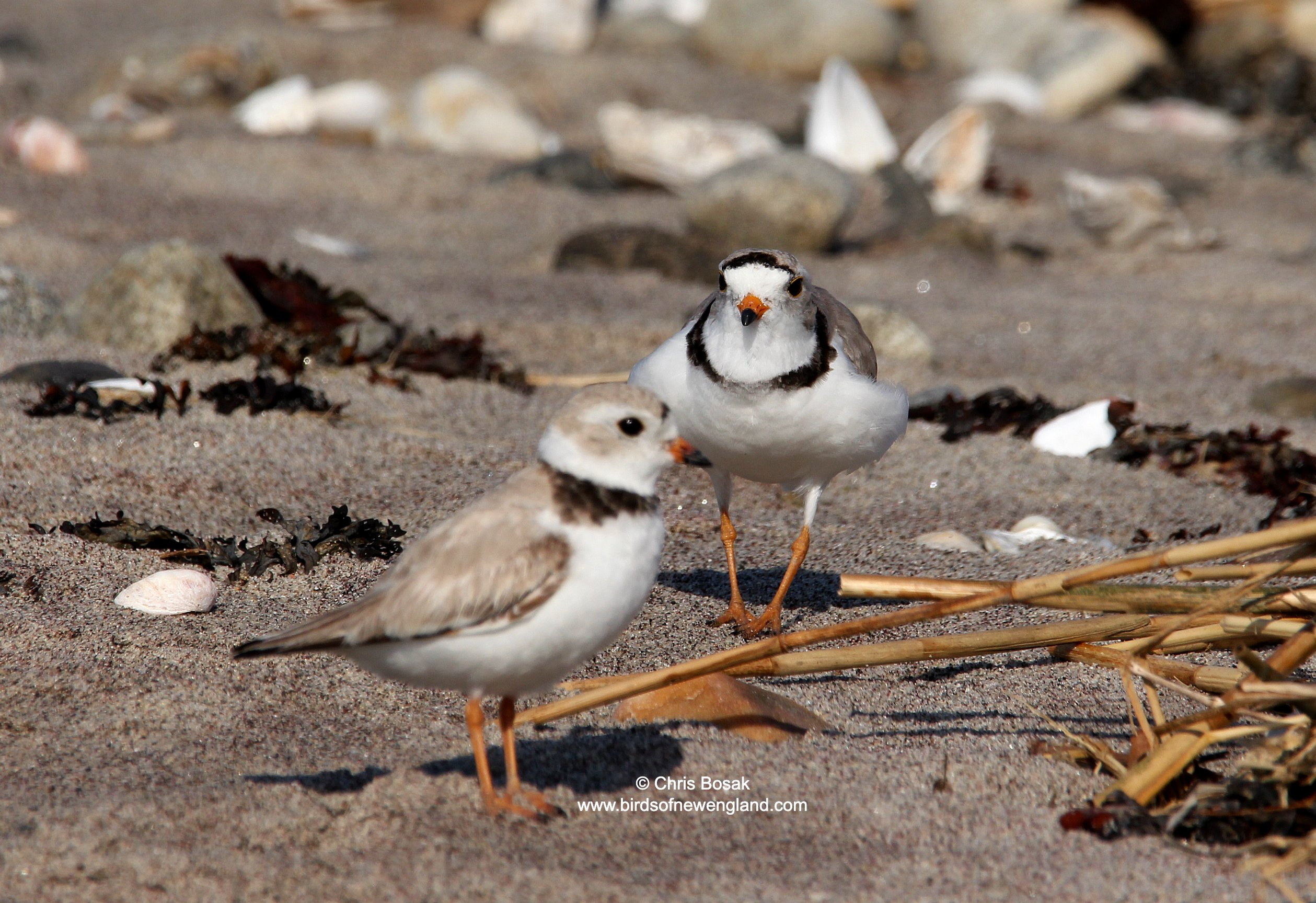
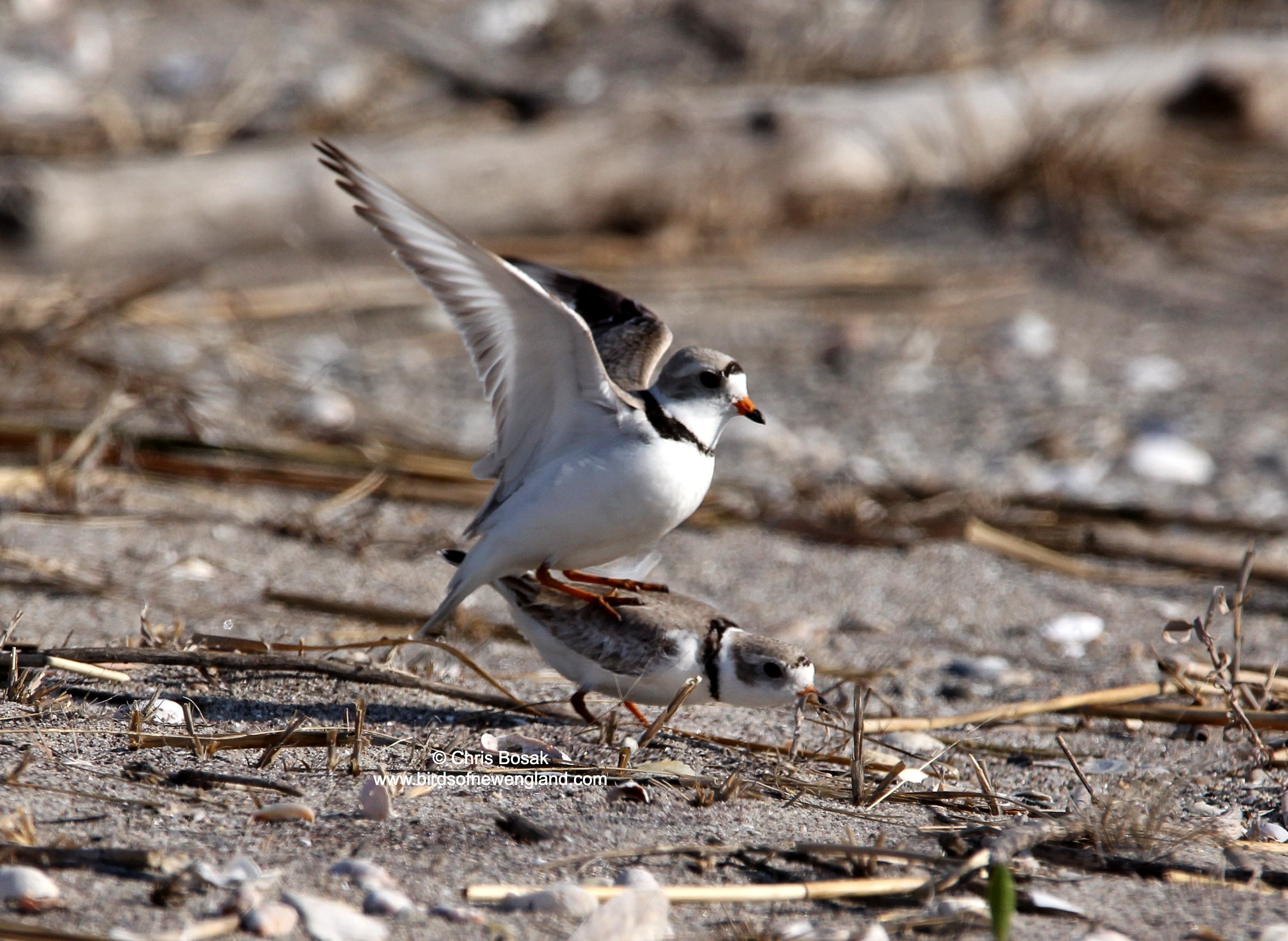
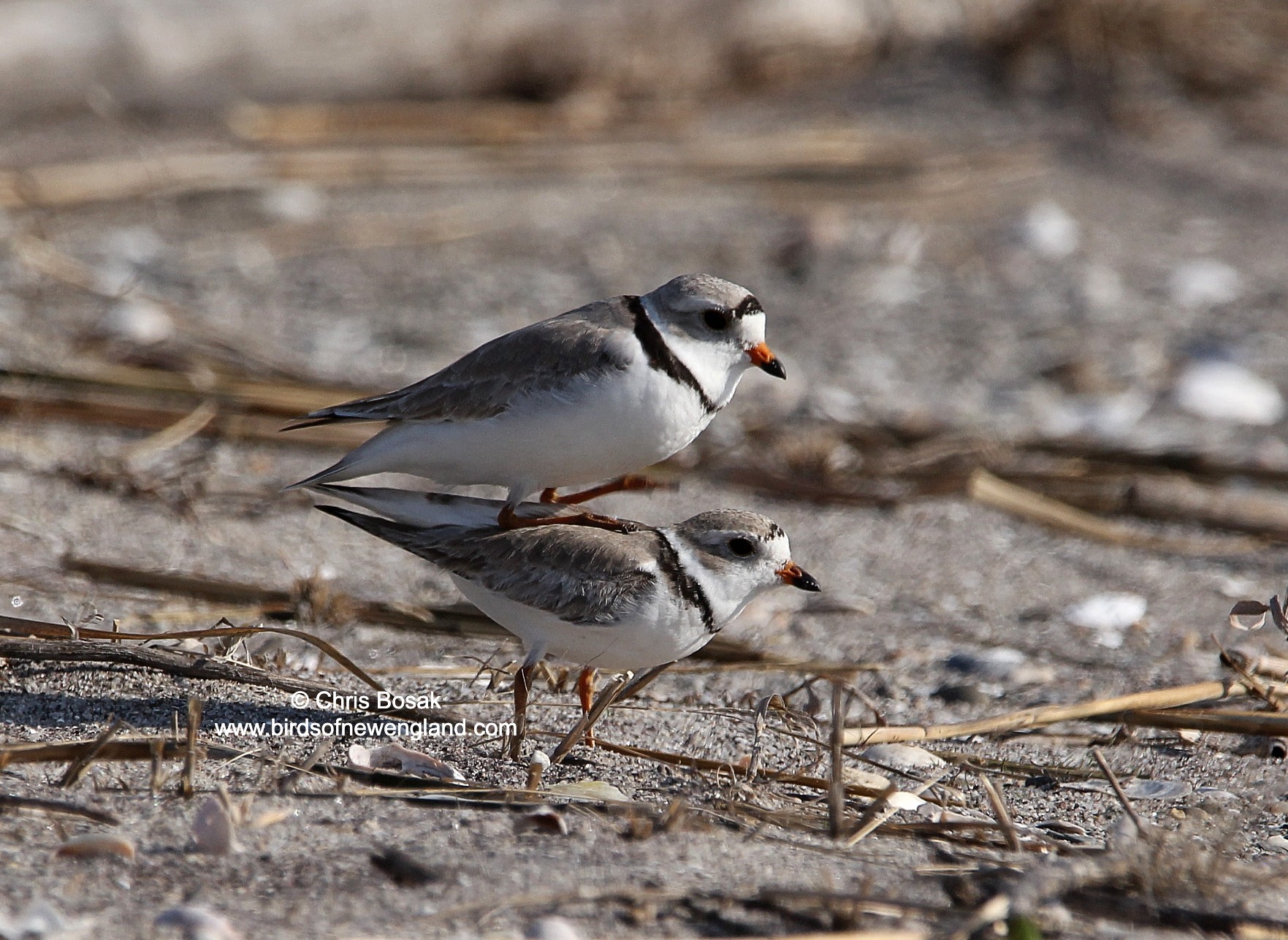
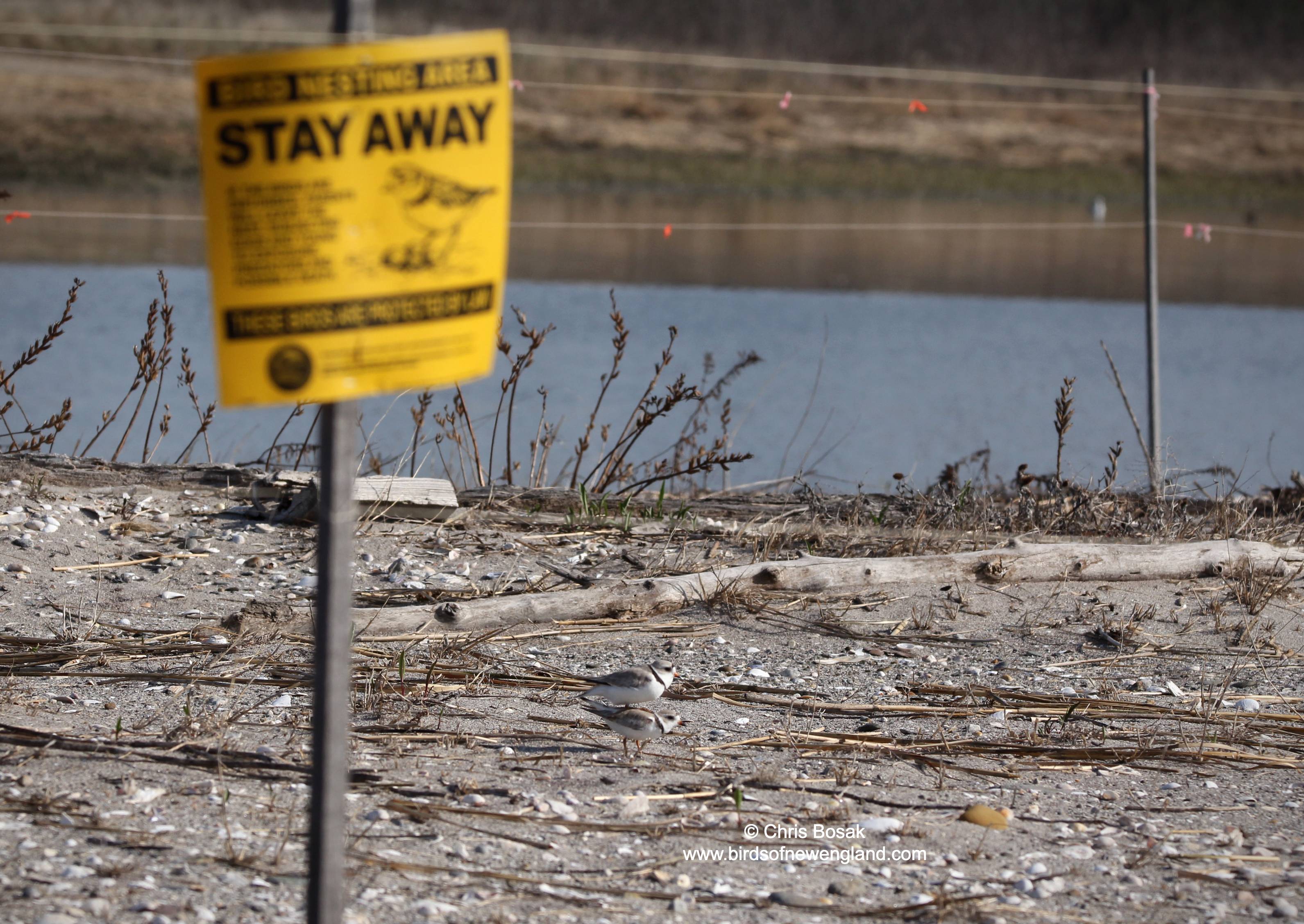
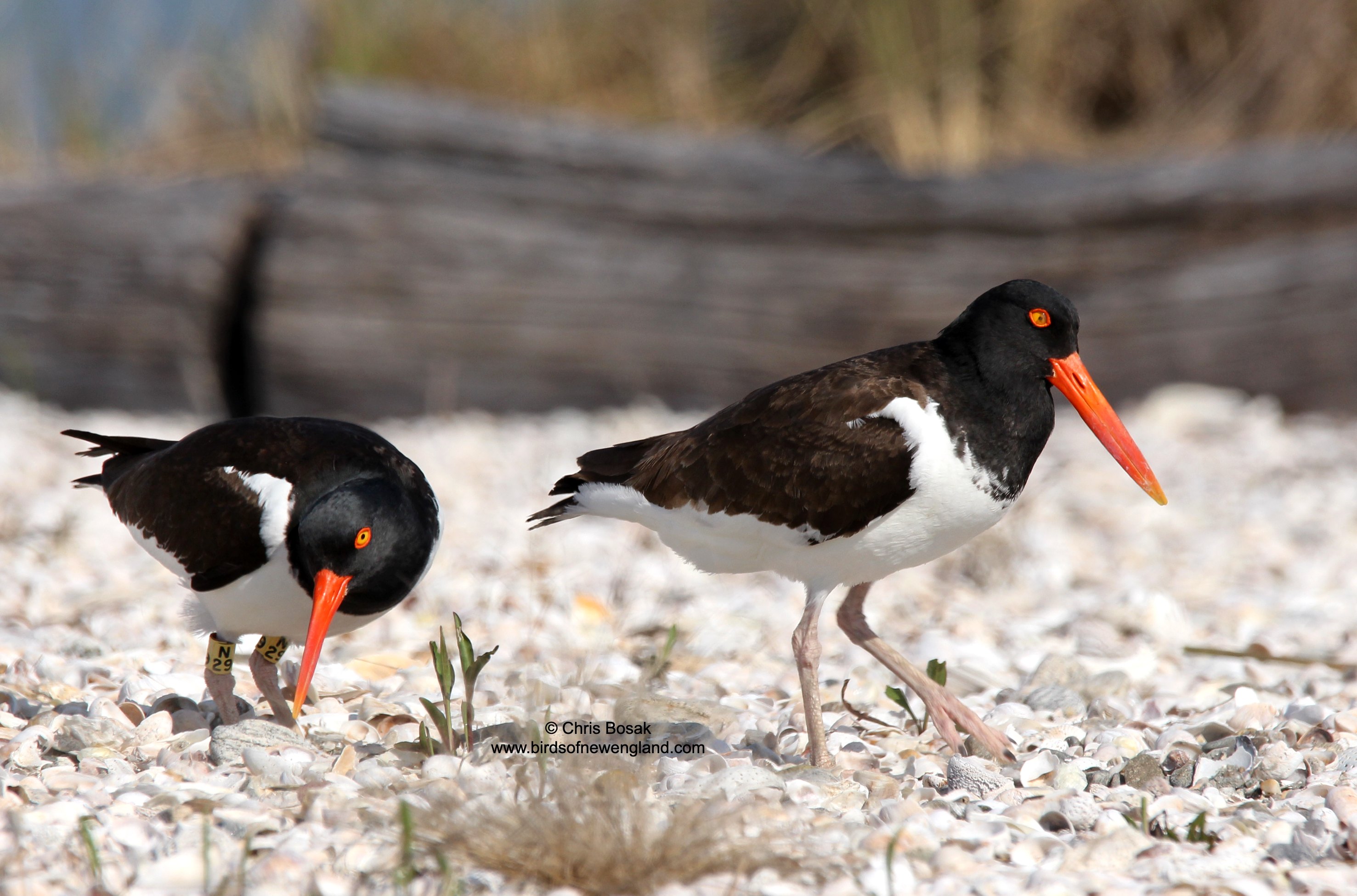
I took a trip to the Connecticut Audubon Society Coastal Center at Milford Point today to see piping plovers, American oystercatchers, and whatever else may be around. I timed it nicely, as I found several piping plover pairs doing their mating ritual and even saw one pair copulating.
The male plovers followed the females around the rocks and sand, standing tall and performing a type of stomp dance with their feet and legs. It was quite entertaining.
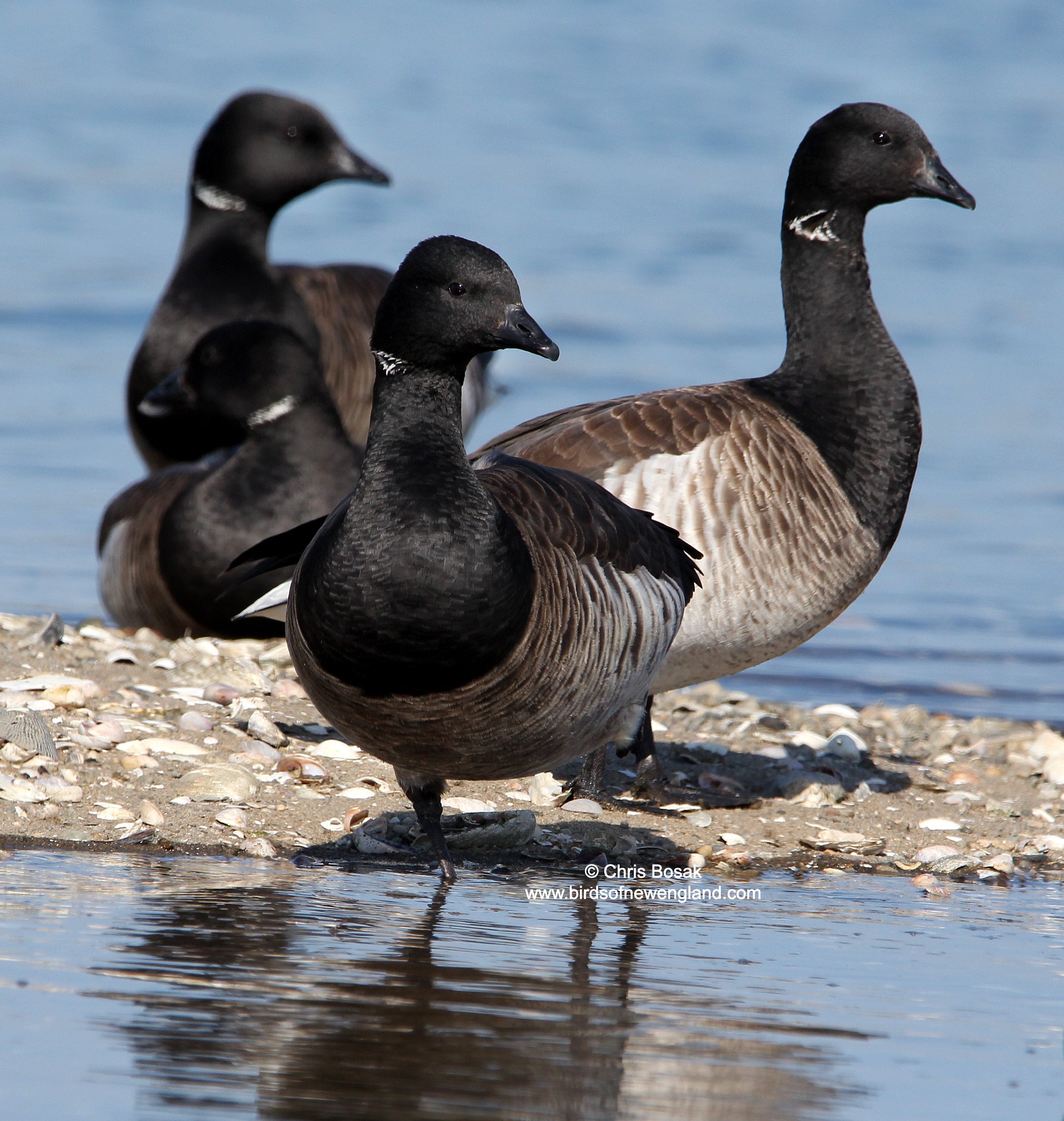
While the plovers and oystercatchers were the highlight, there were dozens (hundreds maybe) of brant still hanging around New England.
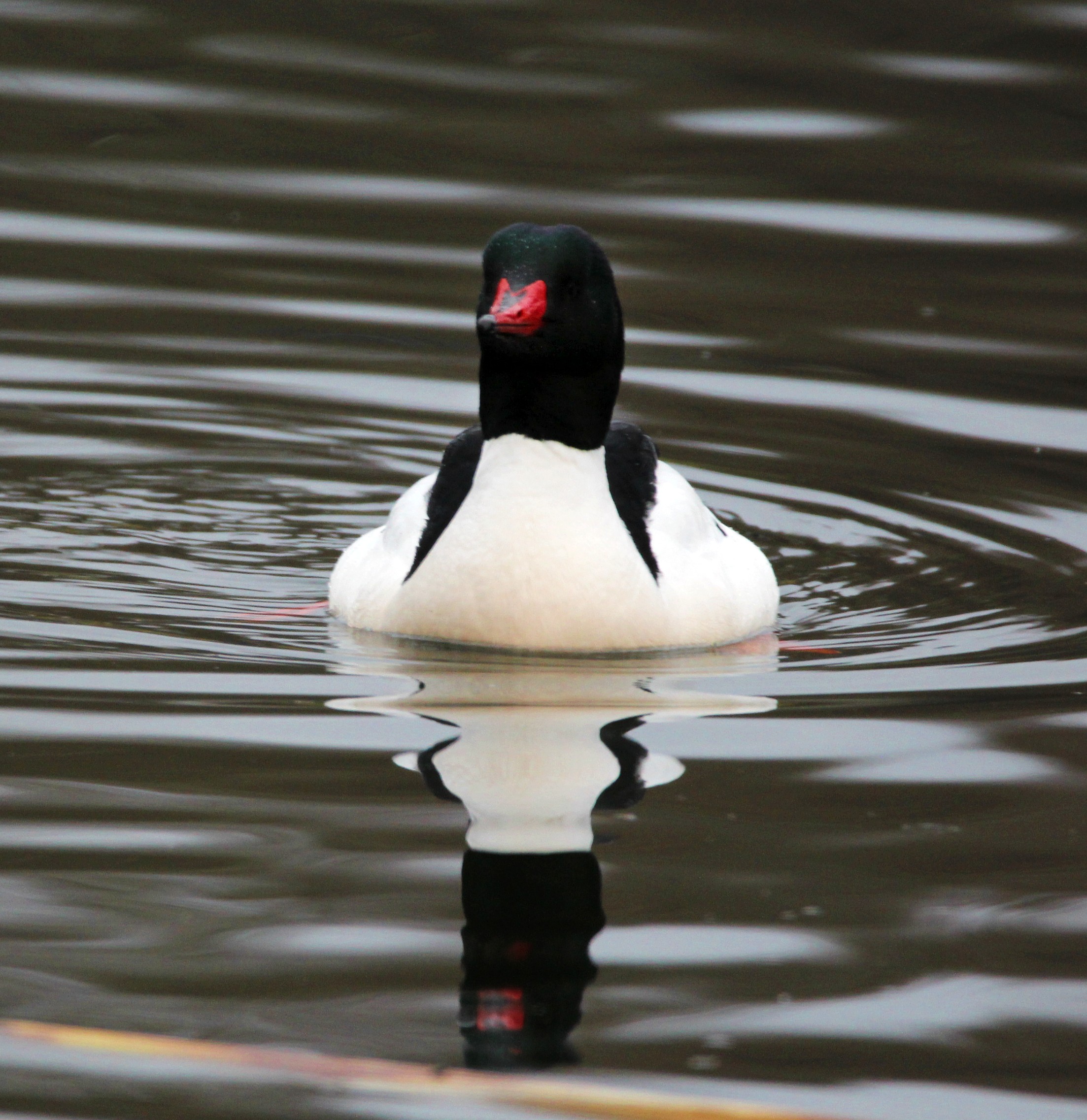
There is a pond 20 minutes from my house that I pass frequently. For 50 weeks of the year, the pond holds little interest for me other than being an aesthetically pleasing landmark to look at as I drive past.
In the summer, a few mallards and Canada geese are the only birds present. It being a small pond in New England, it is frozen for most of the winter, which is great for the skaters who have fun on the ice, but not so much for birdwatchers.
However, during one week in early spring and one week in late fall, the pond holds a surprisingly solid variety of migrating ducks.
Continue reading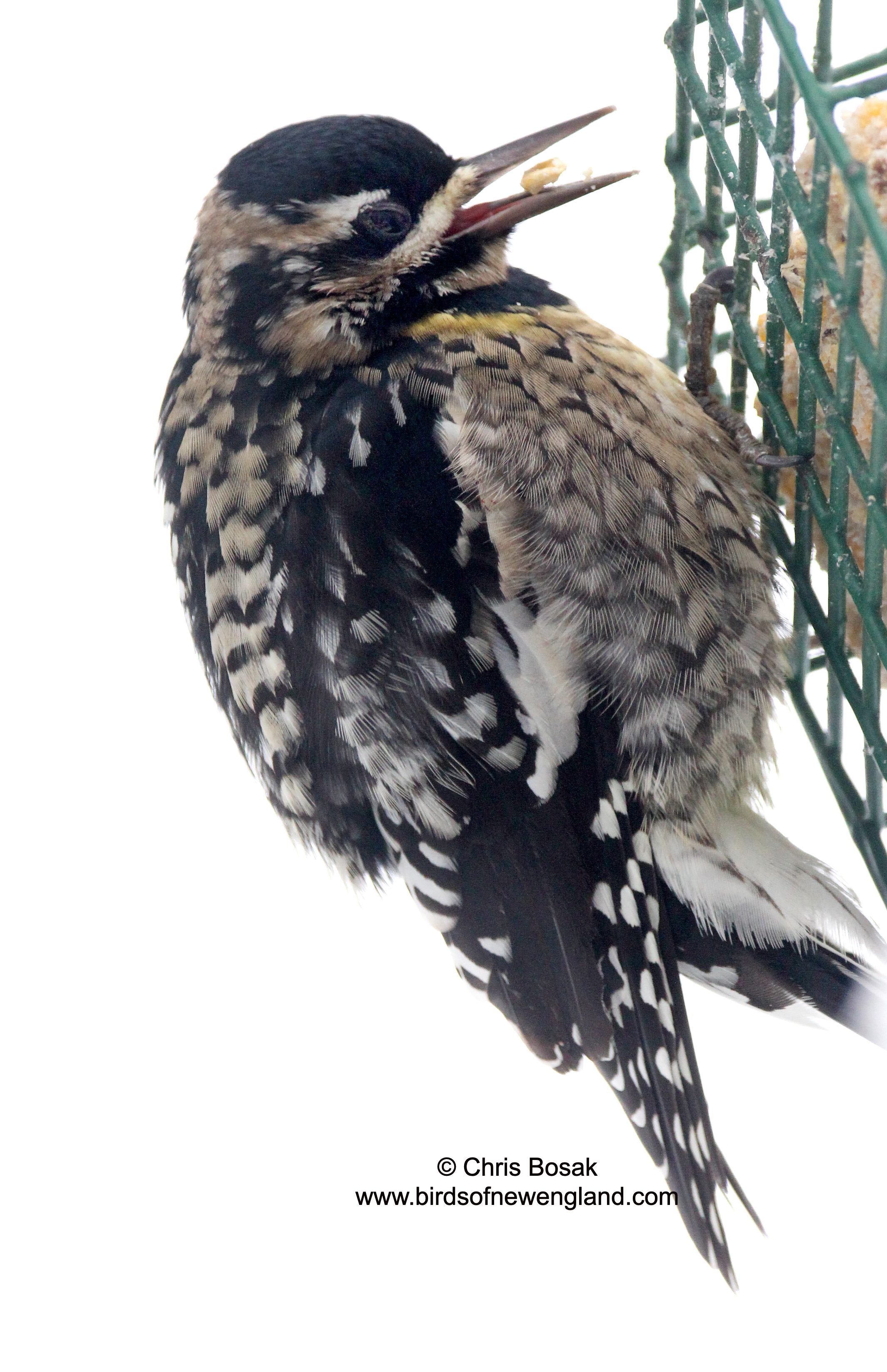
At first it looked like a growth on the tall bush near my bird feeding station. I quickly realized it wasn’t a growth at all but rather a yellow-bellied sapsucker hugging a small branch.
It was a first-year bird, and its dark coloration, lack of red head or throat, and barred plumage made it look like part of the bush. It also caught me by surprise because yellow-bellied sapsuckers are migratory and are not frequent visitors to feeders. It was also perfectly still for several minutes as, from the comfort of my living room, I watched it brave the single-digit temperatures.
Continue reading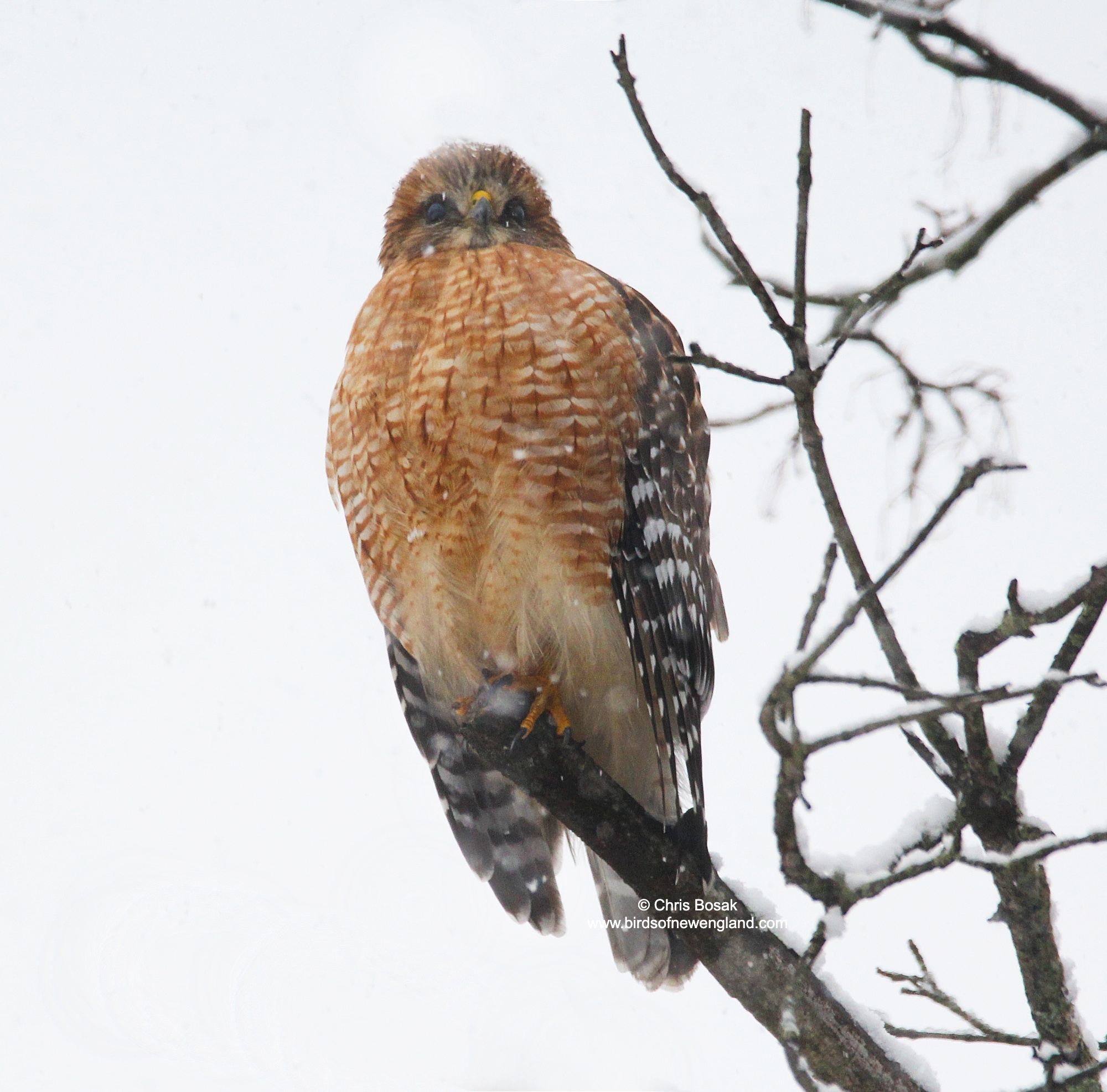
It should come as no surprise that birdwatching is growing in popularity, according to several studies and other metrics. It had been gaining in popularity for years, but the pandemic greatly accelerated the movement.
As I researched the Great Backyard Bird Count for this column, I was surprised at how much birdwatching had gained in popularity, at least as it is measured by the number of GBBC participants.
Continue reading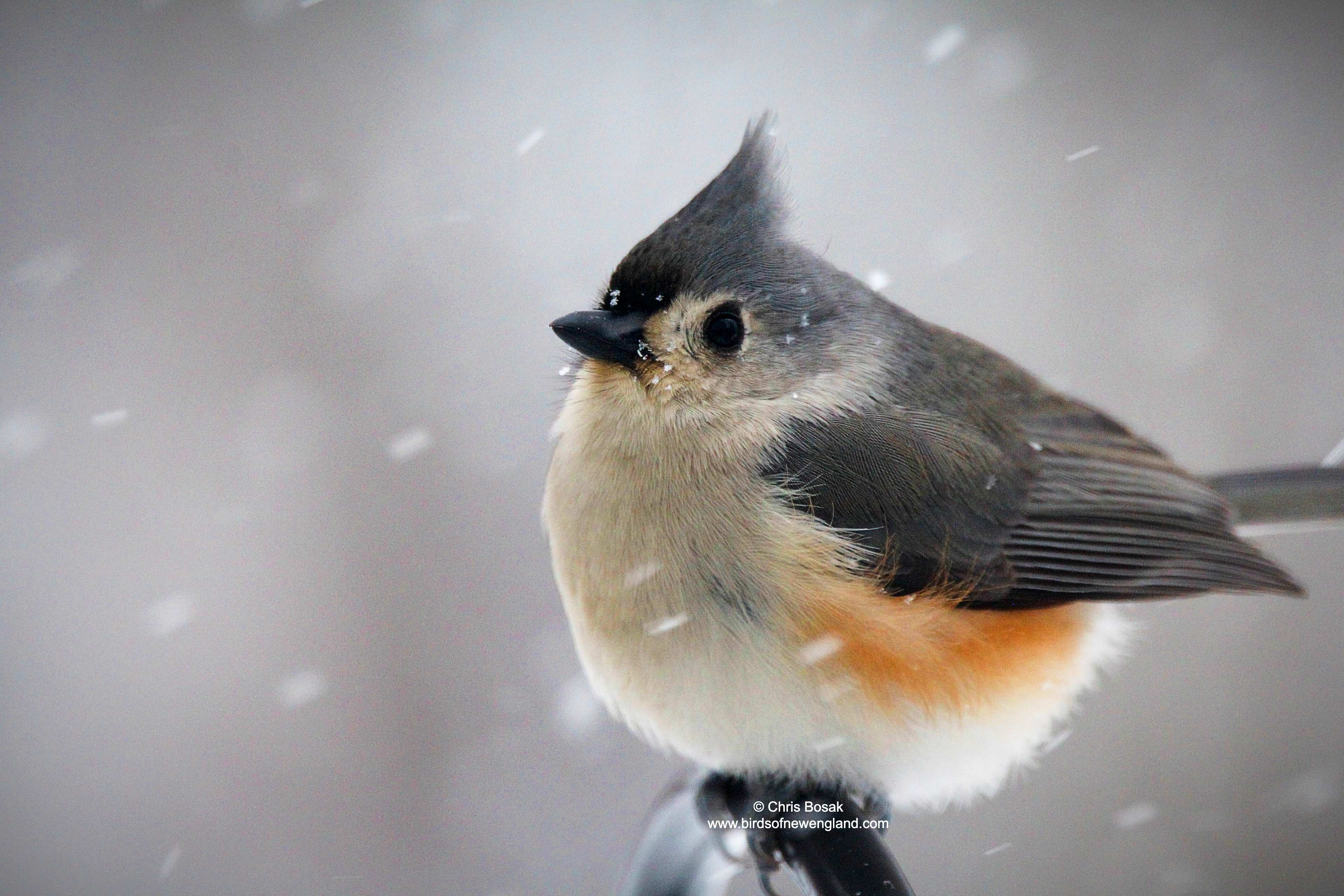
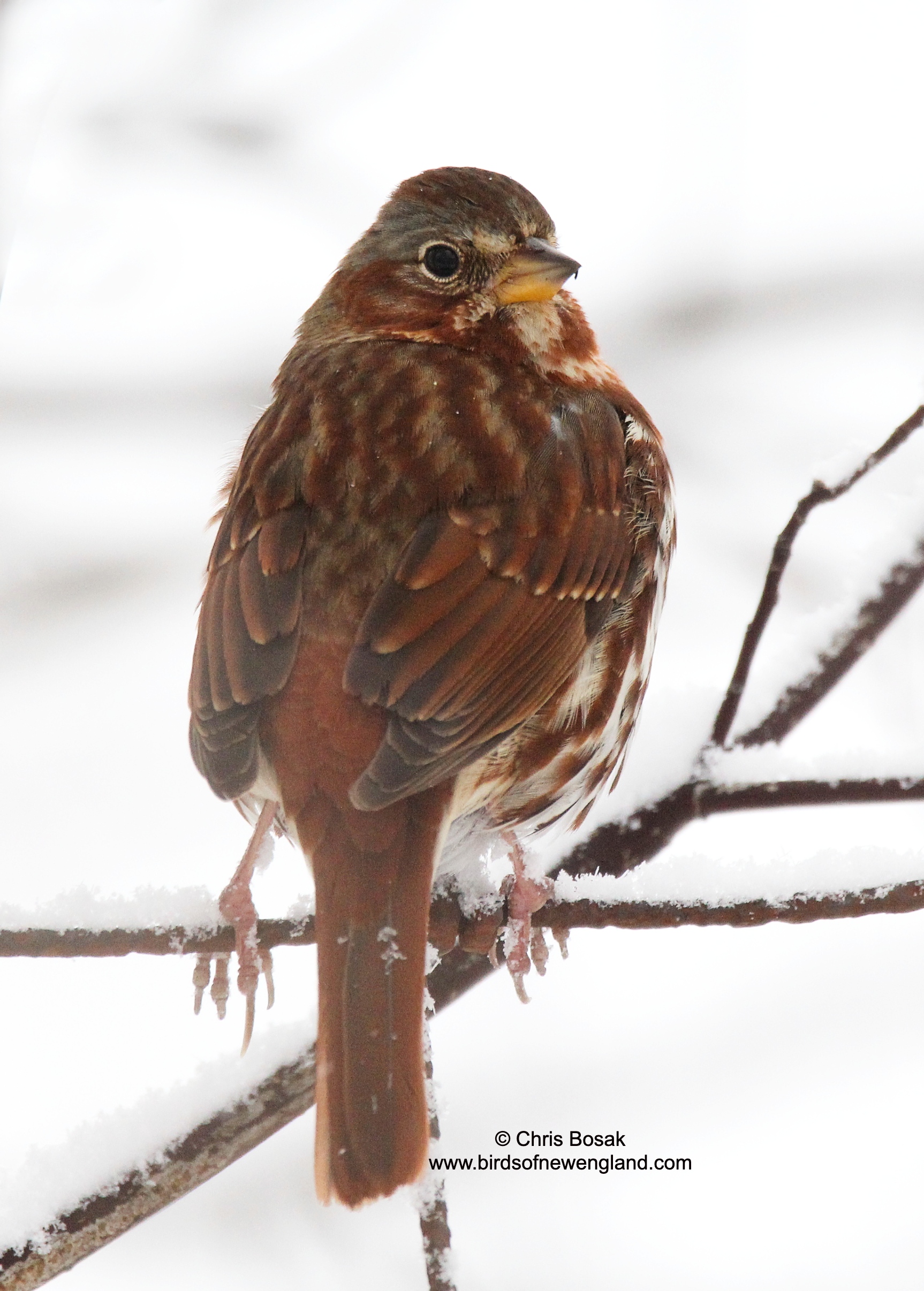
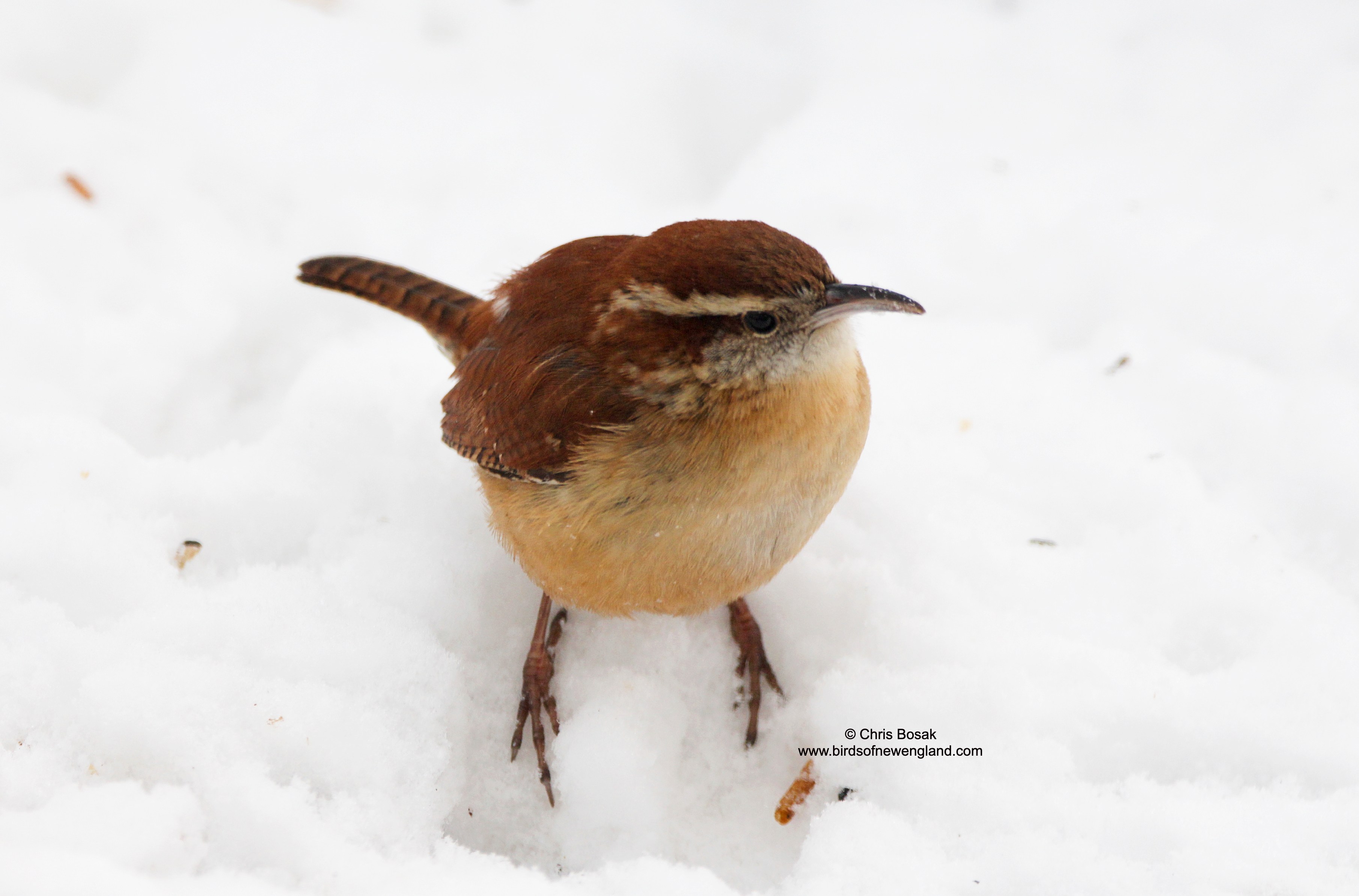
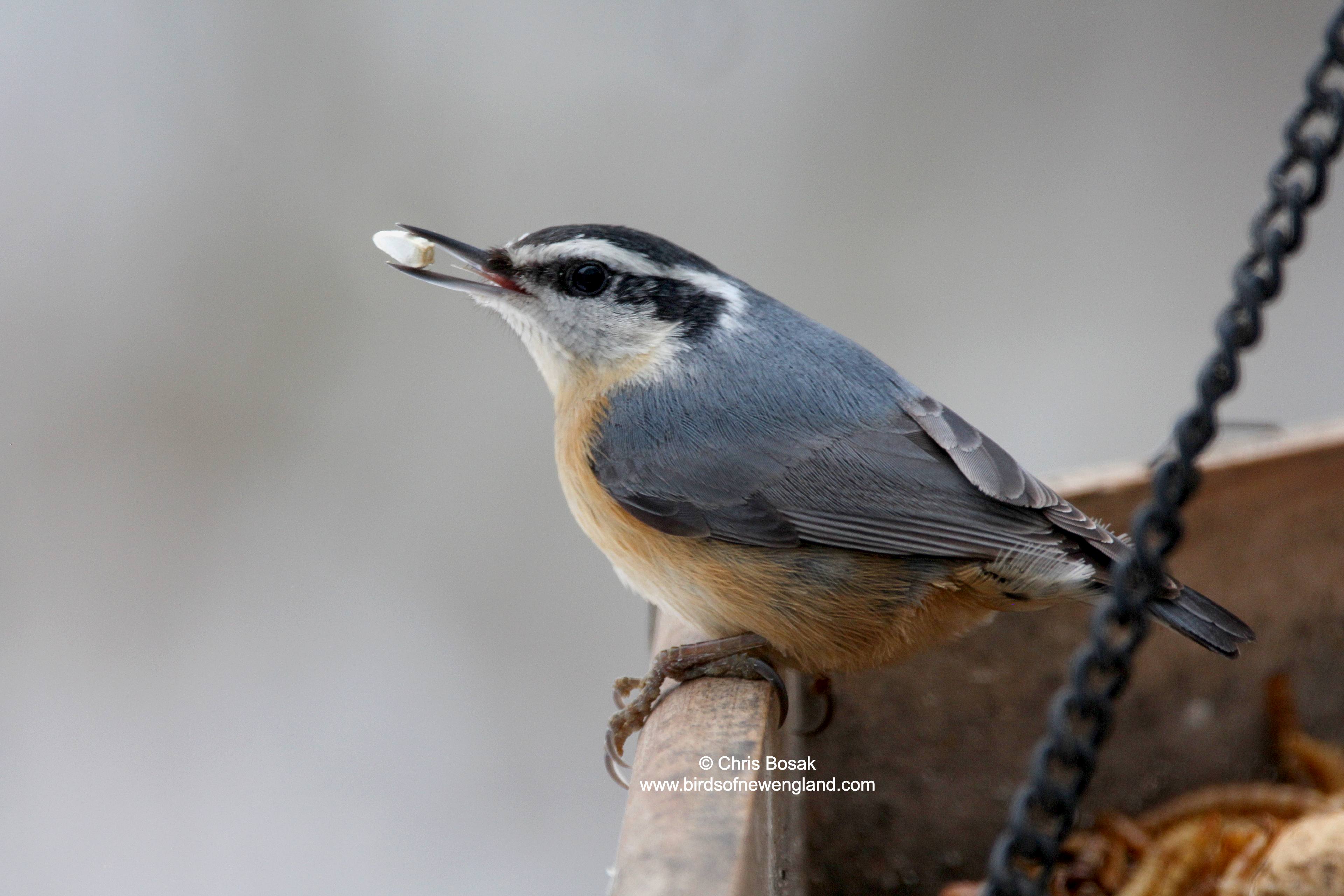
Yet a few more bird photos from the snowstorm on January 25, 2026, in New England.
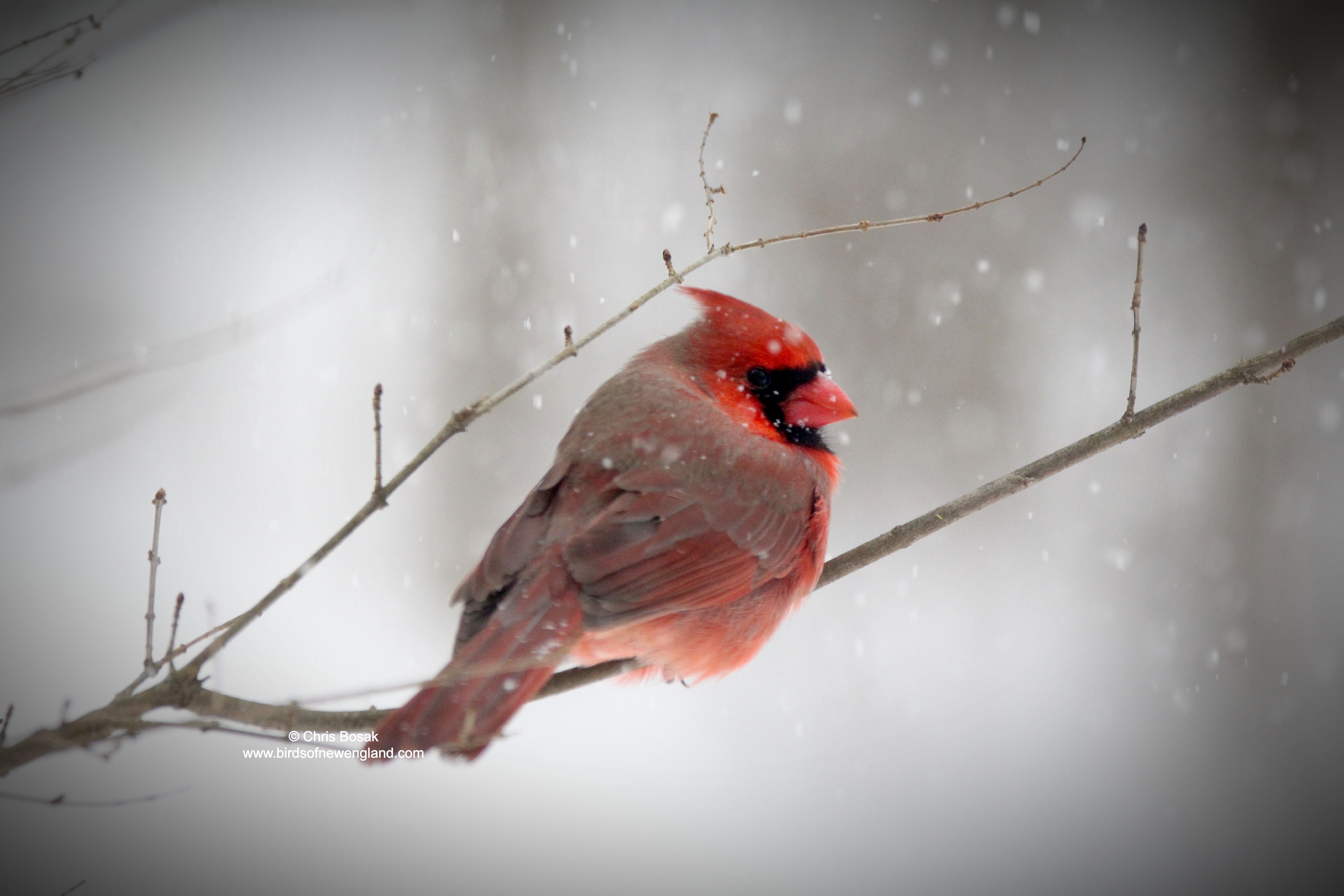
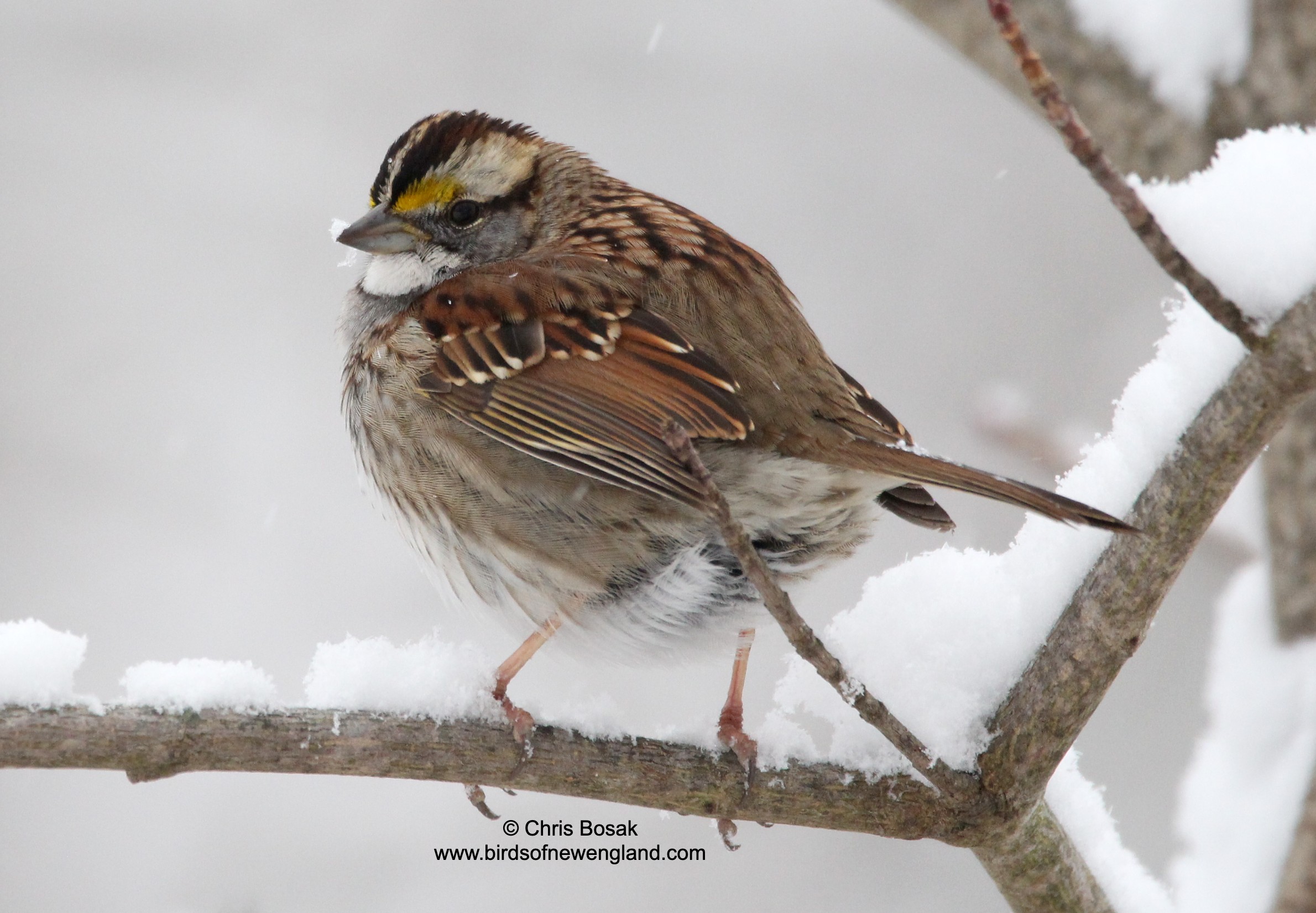
You didn’t think I’d let a snowy weekend go by without posting a few snowy bird photos, did you?
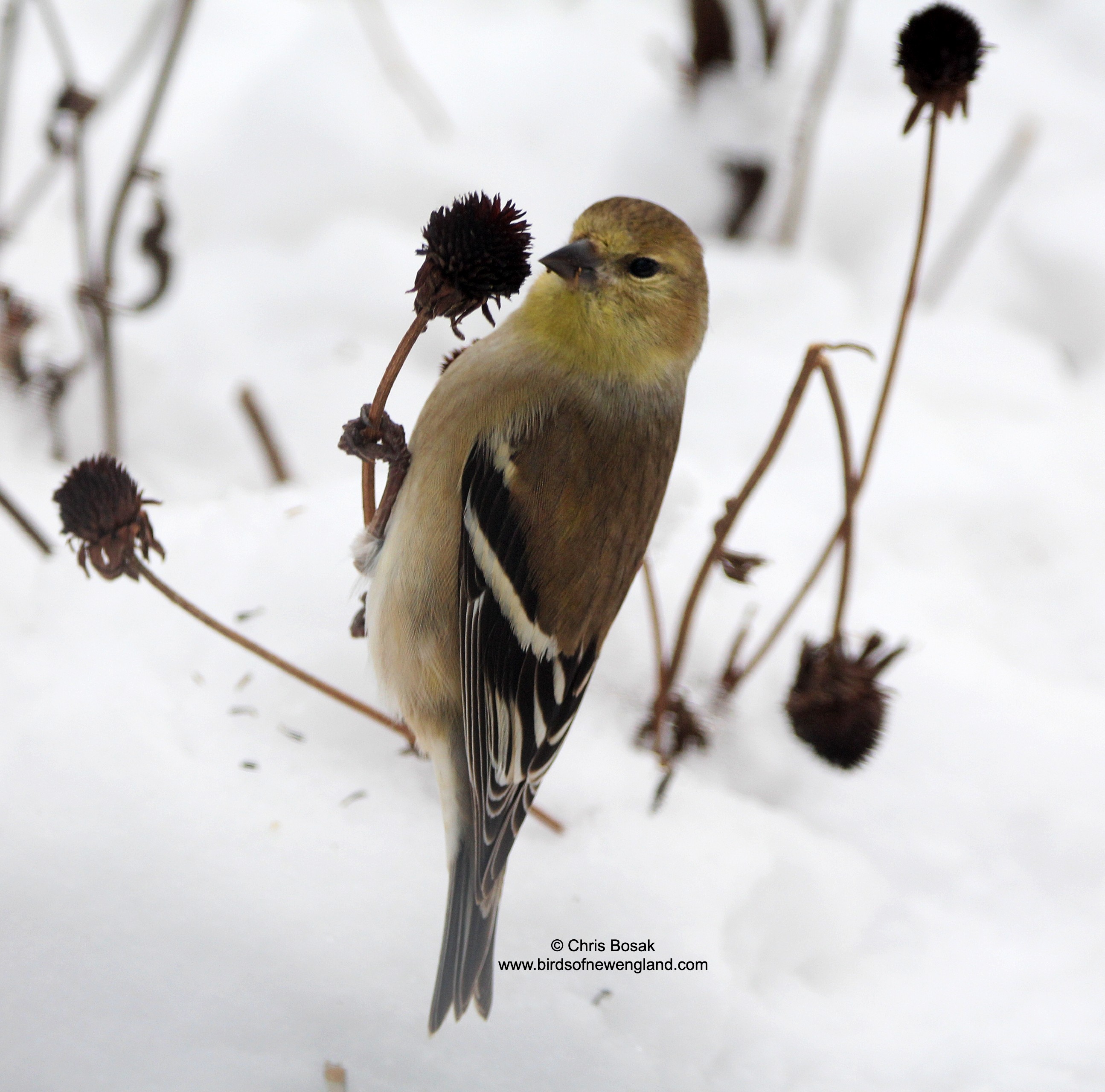
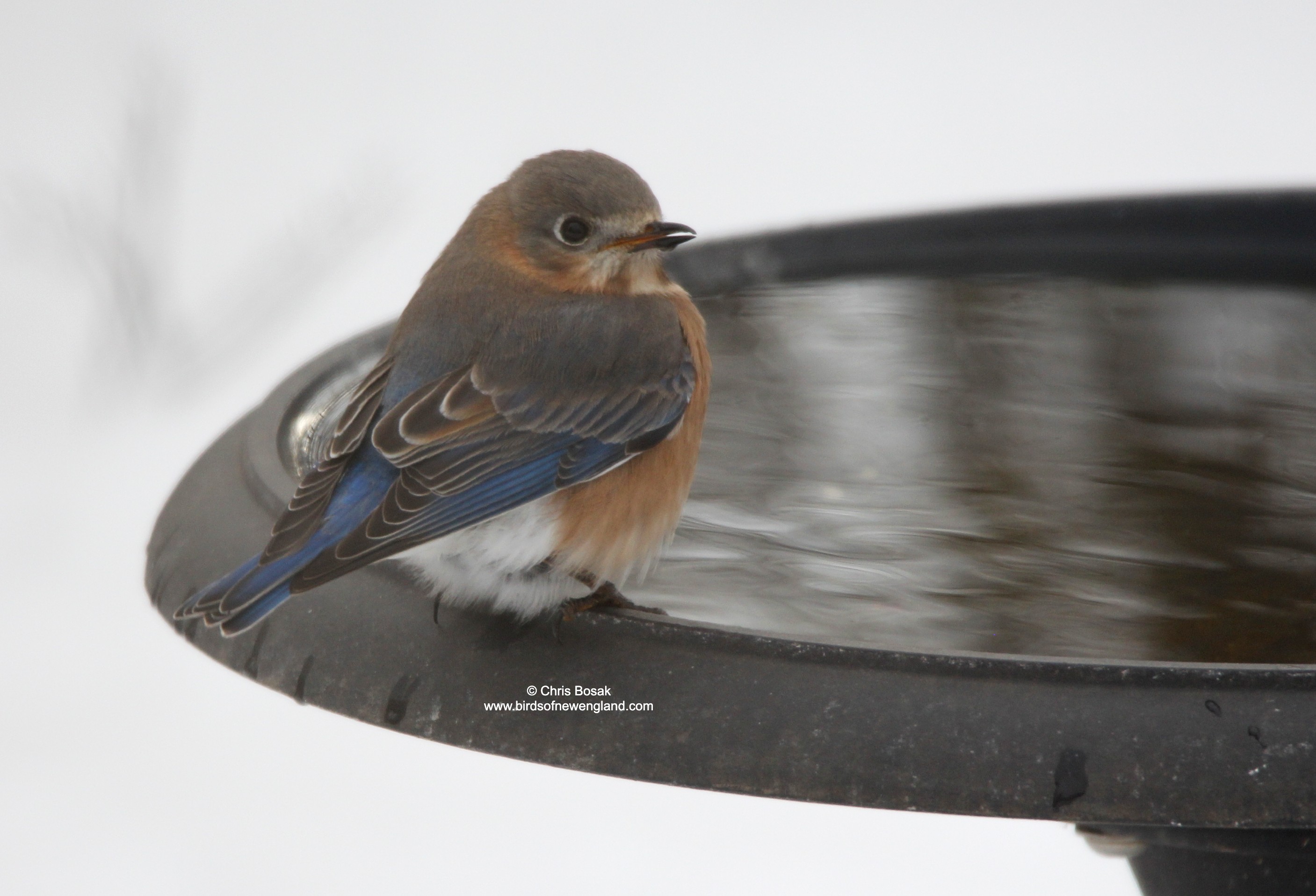

There is a thing in birding called a “spark bird.”
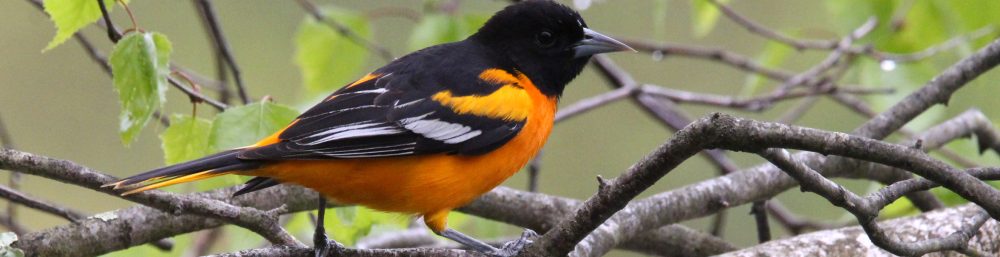
It is not a species of bird like a bluebird, mockingbird or blackbird, but rather the type of bird that piqued (or sparked) someone’s interest in birding and got them hooked. For many people, it is something big or colorful, like a loon or eagle or Baltimore oriole or great blue heron.
Because I have to be different, my spark bird is actually a moose. Yes, I know a moose is not a bird, but my quest to see a moose in the Vermont woods led me to my love of birdwatching.
Continue reading
